REVIEW · CITY TOURS
Rome: City Highlights Walking Tour
Book on GetYourGuide →Operated by City Walkers Tours · Bookable on GetYourGuide
Rome feels manageable on foot. This 2.5-hour City Walkers loop strings together Roman ruins, lively squares, and big-ticket architecture, with a guide explaining what you’re actually looking at. You start at Trajan’s Market, then work your way through Trevi Fountain and everything in between, including the Pantheon and the Jewish Ghetto.
I love the tour’s focus on what matters when you’re short on time: major landmarks plus context you can use right away. I also like the way the experience is guided and easy to follow, with headphones if needed and a real chance to ask questions (I’ve seen guides like Brian, Fabio, and Monica handle the group with humor and patience).
One thing to plan for: this is a lot of walking, and it stays outside-only at each stop. There’s also no entry into the buildings, and it’s not suitable for people with mobility impairments, so it’s best if you can comfortably cover the route.
In This Review
- Key highlights worth your time
- Trajan’s Market to Piazza Venezia: getting your bearings fast
- Jewish Ghetto and Campo de’ Fiori: where Rome’s daily life shows through
- Piazza Navona: Baroque drama without the museum line
- The Pantheon and Hadrian’s Temple: why “outside only” still works
- Trevi Fountain finish: the payoff, plus how to handle the crowd
- What the guides do well (and why it matters)
- Pace, weather, and practical “do this now” advice
- Price and value: does $41 buy you real Rome?
- Who should book this tour
- Quick guide to the meeting point and expectations
- Should you book this Rome highlights walk?
- FAQ
- How long is the Rome City Highlights Walking Tour?
- Where do I meet the guide?
- Is the tour guided in English?
- Is the tour canceled if it rains?
- Are we going inside the monuments during the tour?
- What’s included in the price?
- Do I get hotel pickup or drop-off?
- Is the tour suitable for people with mobility impairments?
- What should I bring?
- Is there a refund if my plans change?
Key highlights worth your time
- Trajan’s Market start: an ancient Roman setting that makes the rest of the walk click.
- Pantheon + Hadrian’s Temple from the outside: you still get the story behind the stone.
- Jewish Ghetto stop: a real slice of Rome’s layered past, not just photos.
- Baroque Rome in the squares: Piazza Navona’s fountains and sculptures anchor the late stretch.
- Trevi Fountain finish: the grand finale, with tips for timing and respectful viewing.
Trajan’s Market to Piazza Venezia: getting your bearings fast
Most Rome tours start in the middle of the postcard. This one starts earlier, at Trajan’s Market. You’ll stand in a place that belonged to the Roman world first—built in the 2nd century AD—and that matters. When you begin here, later stops feel less like random hits and more like one long city story.
From there, you move toward Piazza Venezia, one of the city’s best orientation points. The square is famous for big monuments and major sightlines, including the Monument to Victor Emmanuel II. Even if you already know the monument’s nickname, you’ll likely enjoy seeing it as part of a larger Rome: layers piled on top of layers, with each era leaving its own signature.
Practical note: you’re on foot the whole time. The upside is you get short “walk-and-look” moments instead of sprinting between subway stops. The tradeoff is stamina. Wear comfortable shoes and plan on a steady pace for the full 2.5 hours.
You can also read our reviews of more walking tours in Rome



Jewish Ghetto and Campo de’ Fiori: where Rome’s daily life shows through
Next comes the Jewish Ghetto, a small area of Rome with roots stretching back to the 16th century. This stop is valuable because it pushes the tour beyond empire-size ruins and into how communities actually lived in the city. You’re not going inside any sites, but the guide’s explanations help you see the streets with more meaning than a typical sightseeing scan.
A few minutes later, you reach Campo de’ Fiori, right in the heart of Rome. This square is known for its street market scene, and even if you’re not shopping, it’s a great “feel the city” pause. It’s one of those places where you can spot how locals move, talk, and browse—useful context after standing in front of centuries-old monuments.
One consideration: depending on your interests, you may want to mentally separate “architecture” from “human history” during this part. The Ghetto area tends to be more reflective, while Campo de’ Fiori is more day-to-day. That balance is a plus for many people, but it helps to know what you’re walking into.
Piazza Navona: Baroque drama without the museum line
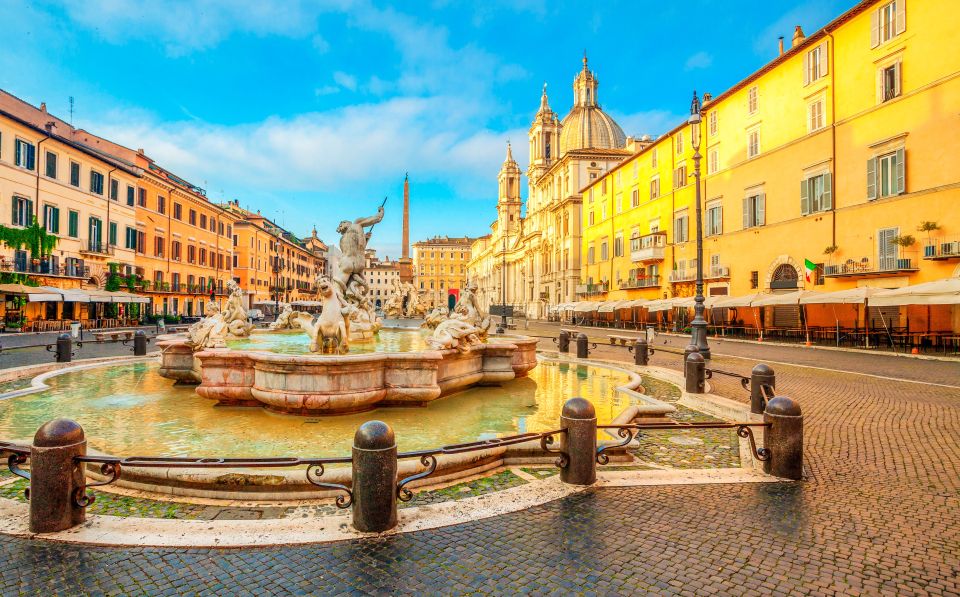
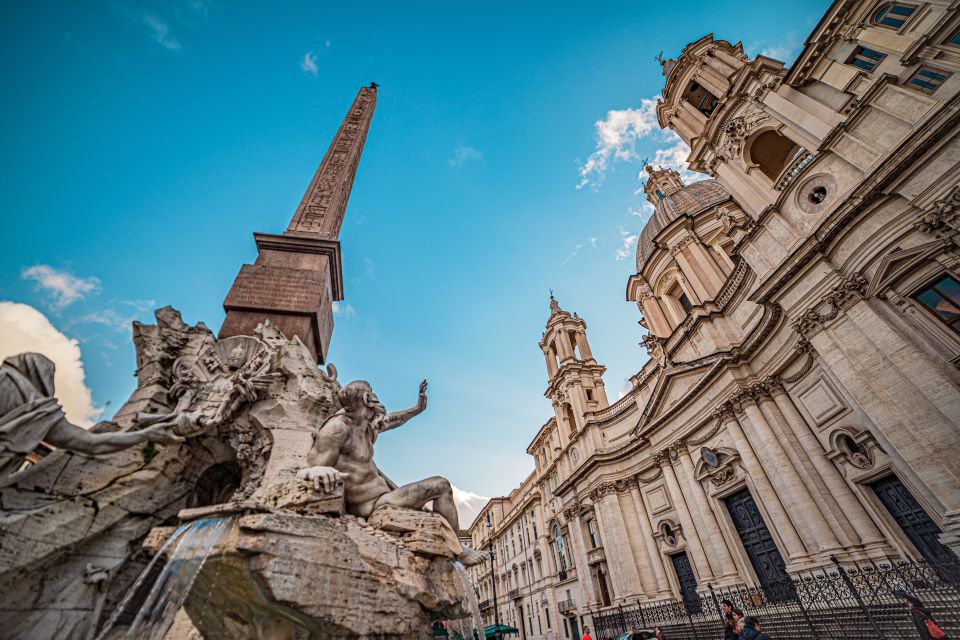
Then you shift into the Baroque Rome vibe at Piazza Navona. This is where the tour lets the architecture breathe in an open-air way. You’re surrounded by fountains and dramatic sculptures, and your guide will explain what you’re looking at from the outside.
This stop is especially good for two kinds of visitors:
- If you like seeing famous styles in real life, not just in guidebooks.
- If you want a calmer moment after the heavier historical stops.
There’s also a practical benefit. In a city where lineups can swallow half a day, a square like Navona gives you big visual rewards with no timed-entry stress. You’ll still want to be patient with crowds, since Piazza Navona stays popular.
The Pantheon and Hadrian’s Temple: why “outside only” still works

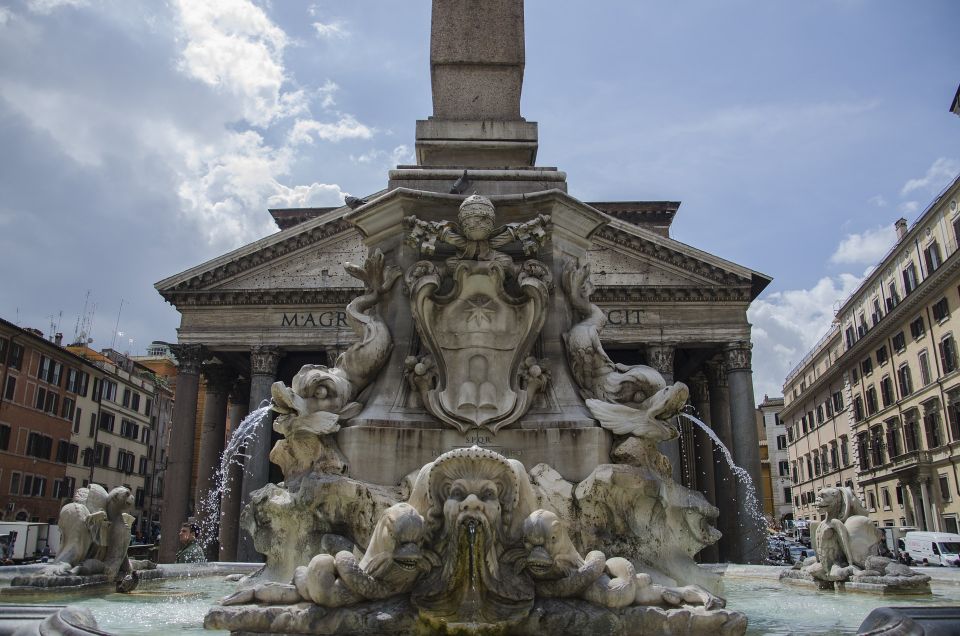
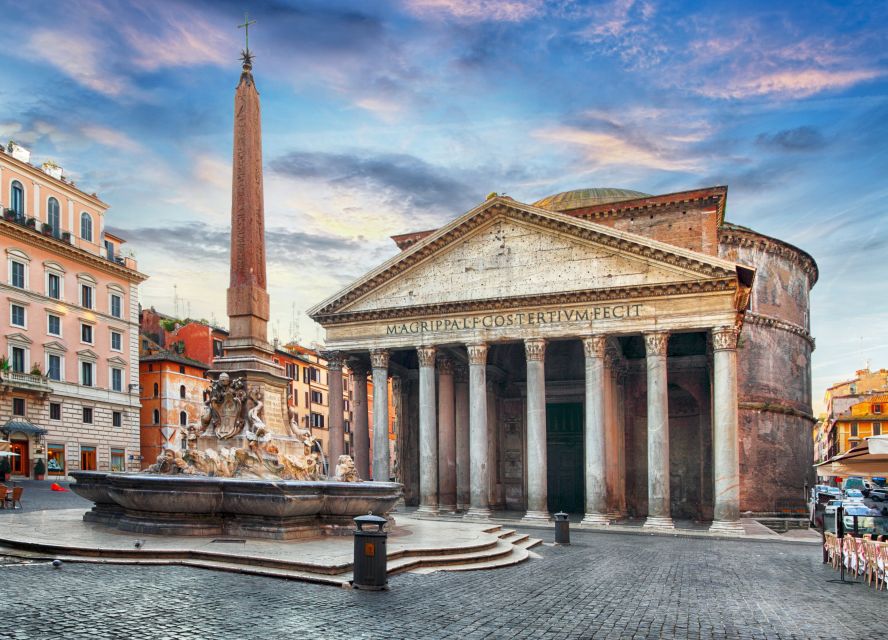
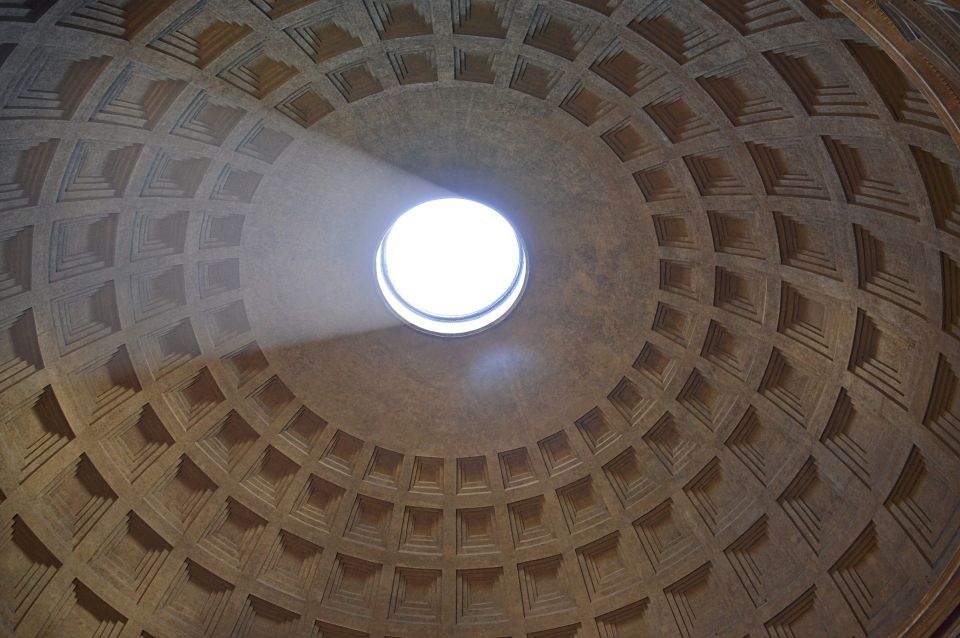
The tour hits the Pantheon, one of the best-preserved Roman monuments. Even without entering, you can still appreciate why it’s such a big deal. From the outside, the scale and design cues are obvious, and the guide’s story helps you connect those cues to Roman engineering and building goals.
A short walk later, you’ll also see Hadrian’s Temple from the outside. It’s not the kind of stop that steals attention from the Pantheon, but that’s part of its value. The guide’s explanations put it into perspective as part of the Roman temple tradition in the city. You start to notice recurring themes in how Rome built sacred spaces: material choices, alignment, and how the city arranged monument after monument.
If you’re the type who wants interior views, you’ll need separate plans. The tour is clear about it: no entry into buildings. Still, don’t discount this. For many first-time visitors, understanding what you’re looking at from street level is exactly what unlocks the rest of Rome. It’s often the difference between seeing landmarks and actually learning from them.
Trevi Fountain finish: the payoff, plus how to handle the crowd
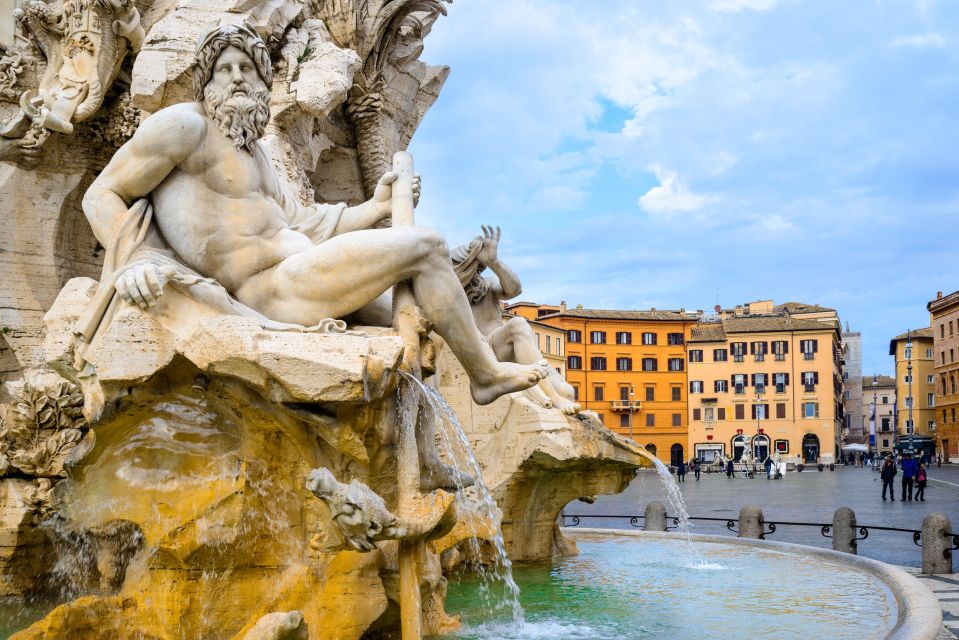
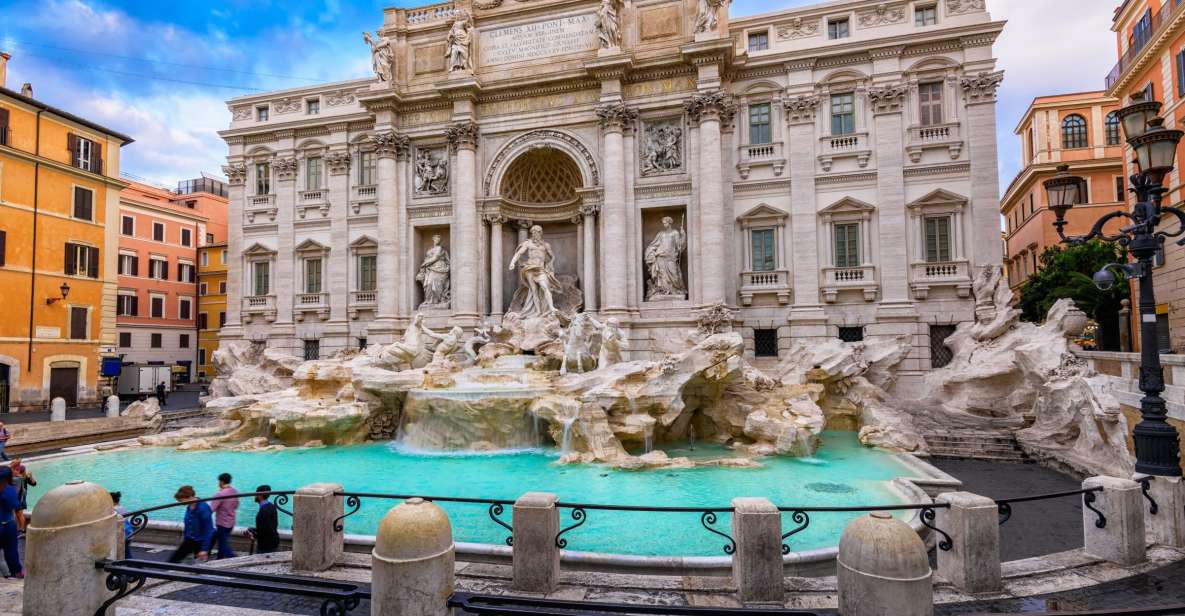
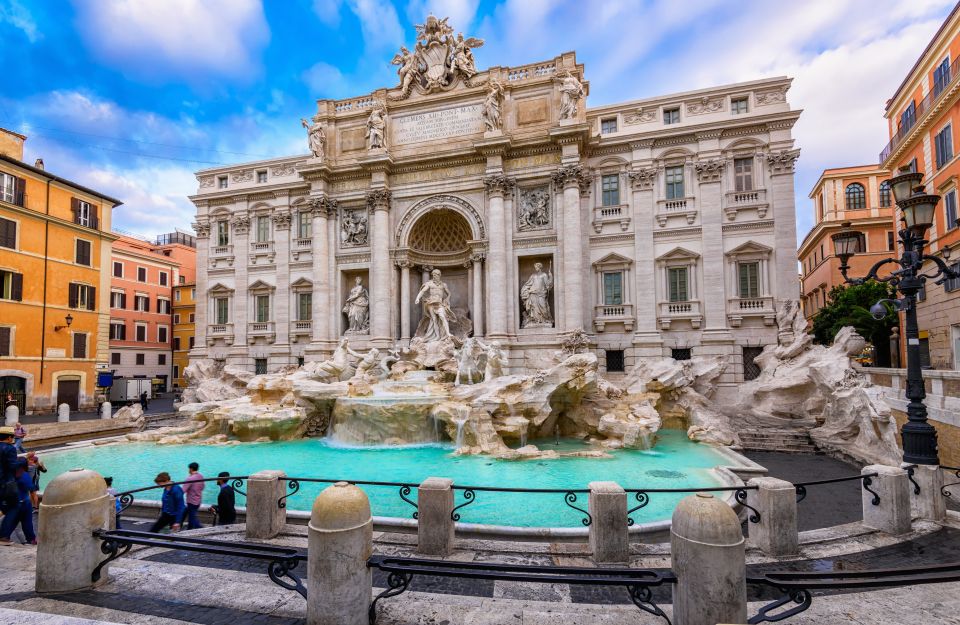
The final act is Trevi Fountain, the iconic Baroque masterpiece people dream about before they arrive in Rome. Ending here is smart. You leave with the emotional high first-time visitors want, while still having enough context from earlier stops to appreciate how Trevi fits into Rome’s evolution.
The crowd factor is real at Trevi. The best mindset is respectful and flexible. Plan to take in the fountain in stages: a few seconds to orient, a minute to watch the details, and then a slower look once the immediate pressure shifts. A good guide will help you time your viewing so you spend more time looking and less time stuck behind shoulders.
If you want that classic souvenir moment, keep it quick. People come for the fountain, but Rome rewards the traveler who doesn’t turn a public monument into a personal production.
You can also read our reviews of more city tours in Rome






What the guides do well (and why it matters)
This tour’s reputation is heavily tied to the guides, and it shows in the details. I’ve seen guides like Brian and Fabio run the walk with a mix of history and real conversation. You’re not just collecting facts; you’re getting stories that make the city feel less like a textbook.
A strong sign of a good guide is how they handle questions. This tour is set up for that. One guide style you’ll notice is answering without turning every question into a lecture. The pace tends to stay comfortable, and the stops are treated like moments to understand, not checkpoints to rush through.
You might also get headphones if needed, which is practical in Rome where street noise can drown out an average voice. That simple tool can make a surprising difference, especially around busier squares like Piazza Venezia and Navona.
Pace, weather, and practical “do this now” advice
This walking tour happens rain or shine. That means you’ll want a weather plan. Rome can swing from sunny to wet fast, and you don’t want to spend the whole walk worrying about soaked socks or slipping shoes.
Here’s what I’d pack based on what the tour asks for:
- Water (you’ll feel it after a couple hours)
- Sunscreen
- Comfortable clothes that work in real street conditions
Also, remember you’re out and about viewing monuments from the street. That means you’re not stopping for museum breaks, long bathroom runs, or inside cafés as part of the structure. If you need frequent stops, consider arriving early so you can manage your time before the walk starts.
Group logistics are another small factor. In some departures, the start can run a little past the posted time while people check in. Plan to be at the meeting point on time so you can relax if the group is waiting a few minutes.
Price and value: does $41 buy you real Rome?
At $41 per person for about 2.5 hours, the value is mostly about what you get that’s hard to replicate on your own: a clear route, a guide who connects the stops, and interpretation you can’t easily pick up just by walking.
If you try to DIY this route, you can absolutely hit the big names. The challenge is the “why.” Why Trajan’s Market matters to the places that follow. Why the Ghetto area is more than a quick photo. Why the Pantheon is still a marvel even when viewed from outside. A good guide gives you that chain of meaning.
Another value point: this tour includes a live English guide and headphones if needed. For many visitors, that’s what turns the experience from a list of monuments into a coherent city walk.
Where the value may not match your expectations: if you were hoping for inside access or a museum-style itinerary, this is not that. The tour explains monuments from the outside only. For interior access, you’d add separate visits.
Who should book this tour
I’d steer you toward this tour if:
- You’re seeing Rome for the first time and want a guided storyline across top sites.
- You prefer smaller, more personal pacing over huge coach crowds.
- You enjoy architecture but also want a stop that adds human context (the Jewish Ghetto).
- You want a good first day activity to help you plan the rest of your trip.
I’d skip or at least consider alternatives if:
- You can’t handle sustained walking for about 2.5 hours.
- You need wheelchair-friendly routing (this tour is not suitable for mobility impairments).
- You specifically want to go inside the Pantheon or other buildings on this route.
Quick guide to the meeting point and expectations
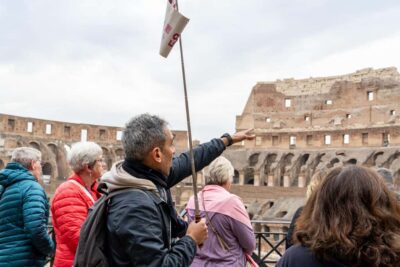
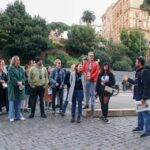
Meet your guide at Colonna Traiana n 84, and look for the guide holding a sign/flag with the City Walkers logo. Your guide will be working in English.
The tour includes:
- A guide
- Headphones (if needed)
It does not include:
- Hotel pickup and drop-off
- Entry into buildings (all key monuments are explained from the outside)
You should also know this: drones and alcohol/drugs are not allowed.
Should you book this Rome highlights walk?
If your goal is to get oriented, understand what you’re seeing, and enjoy a compact route with a real guide, I think this is an easy yes. The combination of Trajan’s Market, Pantheon, Piazza Navona, and a Trevi finish gives you maximum impact in limited time, while the Jewish Ghetto stop adds depth that many quick Rome walks miss.
Just go in with the right expectation: it’s a street-level tour. You won’t enter the monuments, so plan additional time if interiors matter to you. If you can walk comfortably and you want context more than checklists, this one’s a solid value.
FAQ
How long is the Rome City Highlights Walking Tour?
The tour lasts about 2.5 hours.
Where do I meet the guide?
Meet at Colonna Traiana n 84. The guide will be holding a sign/flag with the City Walkers logo.
Is the tour guided in English?
Yes. The live tour guide is English.
Is the tour canceled if it rains?
No. The tour takes place rain or shine.
Are we going inside the monuments during the tour?
No. The tour explains monuments from the outside only, with no entry into buildings.
What’s included in the price?
You get a live guide, and headphones are provided if needed.
Do I get hotel pickup or drop-off?
No. Hotel pickup and drop-off are not included.
Is the tour suitable for people with mobility impairments?
No. It’s not suitable for people with mobility impairments.
What should I bring?
Bring sunscreen and water, and wear comfortable clothes appropriate for the weather.
Is there a refund if my plans change?
Yes. You can cancel up to 24 hours in advance for a full refund.