REVIEW · COLOSSEUM, FORUM & PALATINE TOURS
Colosseum Guided Tour: Hotel Transport included
Book on GetYourGuide →Operated by Gray Line I Love Rome · Bookable on GetYourGuide
Three hours in Rome’s biggest drama zone. This guided tour keeps things tight and focused, taking you from the Colosseum to the Roman Forum and up to Palatine Hill with a pro licensed guide plus headsets for clear stories. I especially like the hotel transport included from select central accommodations, because it removes the morning hassle, and I also like the guided access to the Colosseum’s first and second levels rather than a quick pass-by. The main tradeoff: with only 3 hours, you may feel a bit rushed—people often wish they had more time to linger at the Colosseum.
I like how the route is designed to build from spectacle (the Colosseum) to everyday power (the Forum) to the legends behind Rome itself (Palatine Hill). You get panoramic viewpoints from Palatine, and the headsets make it easier to follow along even when you’re moving. One other thing to keep in mind is that timing can be affected by security checks near major landmarks, so wearing comfy shoes and planning for a faster pace helps.
In This Review
- Key things that make this Colosseum tour work
- Hotel Transport Included: How the start actually feels
- Parco del Colle Oppio stop: a useful warm-up before the crowd
- Entering the Colosseum: first and second levels with a guide
- Roman Forum: where you’ll feel Rome become a city
- Palatine Hill viewpoints: the legend level of the day
- The 20-person group + headsets: why the experience stays readable
- What’s included (and what you’ll need to plan around)
- Price and value: is $123.48 fair for what you get?
- Who should book this Colosseum + Forum + Palatine tour
- Should you book this Colosseum tour with hotel transport?
- FAQ
- How long is the Colosseum guided tour?
- What’s included in the guided access at the Colosseum?
- Does this tour include hotel pickup and transport?
- Where do I meet the group if I’m not picked up?
- Which sights are visited during the tour?
- Are headsets provided for the guide’s audio?
- What language options are available for the live guide?
- Is the tour wheelchair accessible?
Key things that make this Colosseum tour work
- Hotel transport from select central Rome hotels cuts down on navigation stress
- Guided access to Colosseum levels one and two gives you more than the plain photo stop
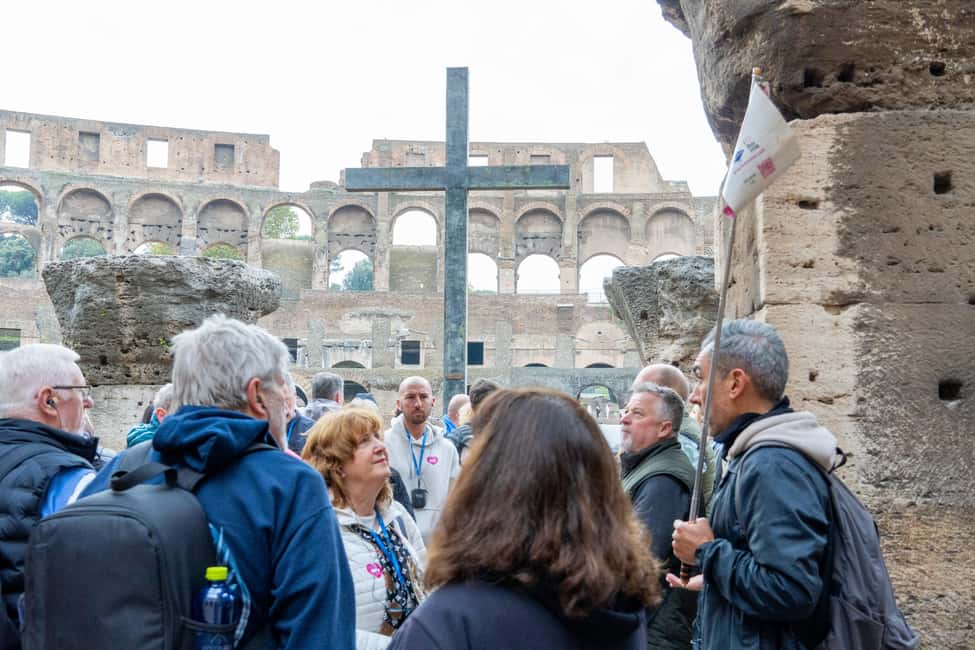
- Small group size (up to 20) means you hear your guide and stay together
- Headsets included so your guide’s explanations come through clearly
- Roman Forum walking + Palatine Hill viewpoints follow a smart story arc, not random stops
Hotel Transport Included: How the start actually feels
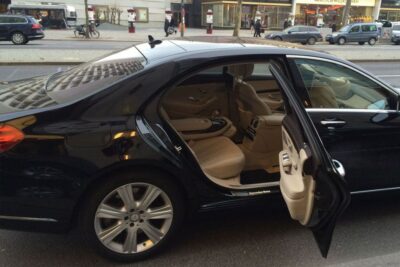
This tour is built for people who want Rome’s top sites without spending the morning figuring out buses, metered taxis, or where the group gathers. The “hotel transport included” part is the big selling point: pickup is offered from select hotels in Rome’s city center, not from every kind of accommodation.
Two practical notes matter here:
- If your place is outside the pickup zone (or if it’s a B&B, guesthouse, or apartment), you won’t be picked up, and you’ll need to go to the meeting point instead.
- Pickup is not a drop-off service at the end, so once the tour finishes you’ll be on your own to get back to your hotel.
The itinerary lists pickup near Municipio I, then a stop at Parco del Colle Oppio for about 30 minutes before you head into the main sights. That pre-Colosseum time is often where the tour settles the group and gets everyone set for entrances and security. In real life, it’s also where you’ll want to be ready with your passport or ID because security delays can happen.
Bottom line: If your hotel is in the pickup area, this is one of the easier ways to start a Colosseum day. If it isn’t, treat this like a meeting-point tour and plan to arrive early.
You can also read our reviews of more guided tours in Rome
Parco del Colle Oppio stop: a useful warm-up before the crowd
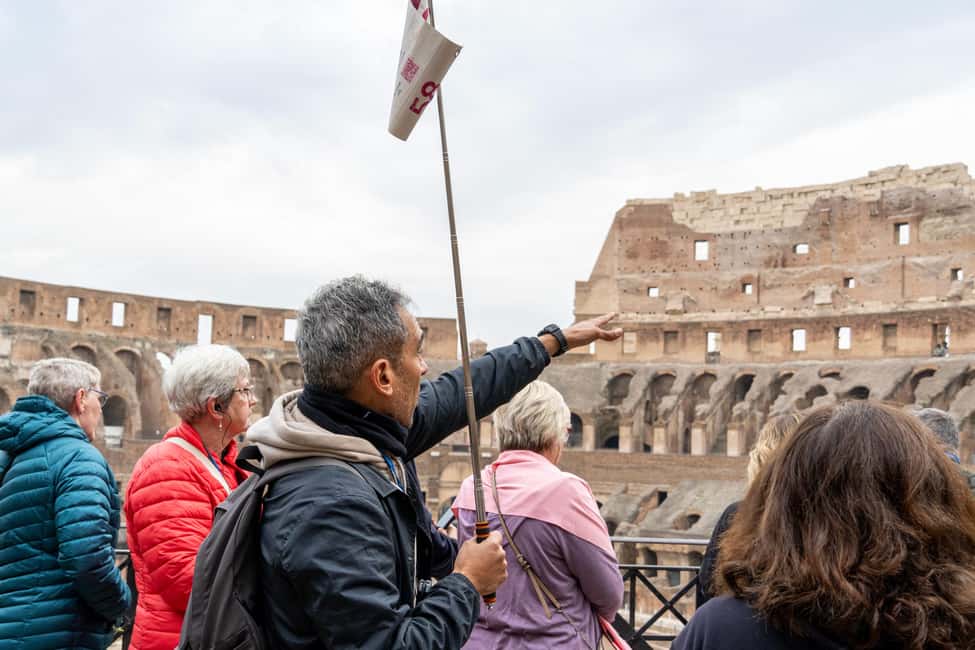
Before you step into the Colosseum, you’ll spend around 30 minutes at Parco del Colle Oppio. The details of what you’ll do there aren’t spelled out beyond a visit, so I’d think of it as a buffer that helps the day run smoother: you regroup, get oriented, and your guide can set the stage for what you’ll see next.
This stop can be a big help if you’re arriving with nerves about crowds. The Colosseum area can feel chaotic, and having a scheduled moment before the main entrance helps you get your bearings faster.
One more reason this stop matters: the tour includes entrance fees and guided access, but you still have to pass through security, and security is the one thing you can’t outsmart. A scheduled stop before the hardest part of the day can make the whole experience feel more controlled.
Entering the Colosseum: first and second levels with a guide
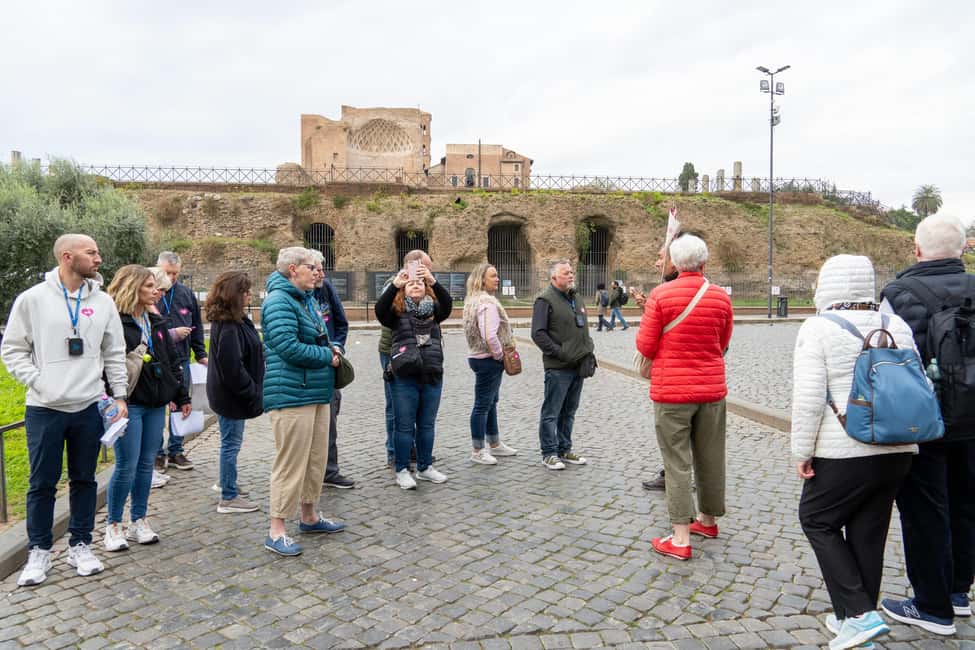
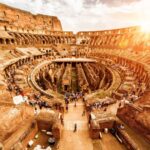
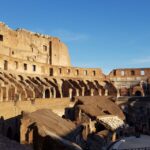
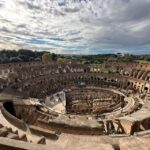
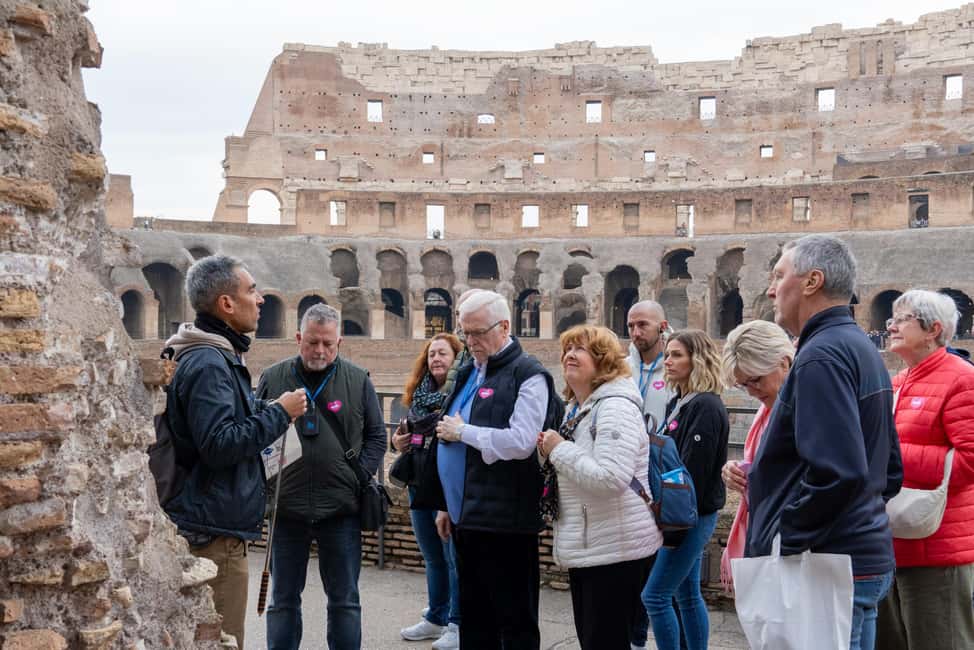
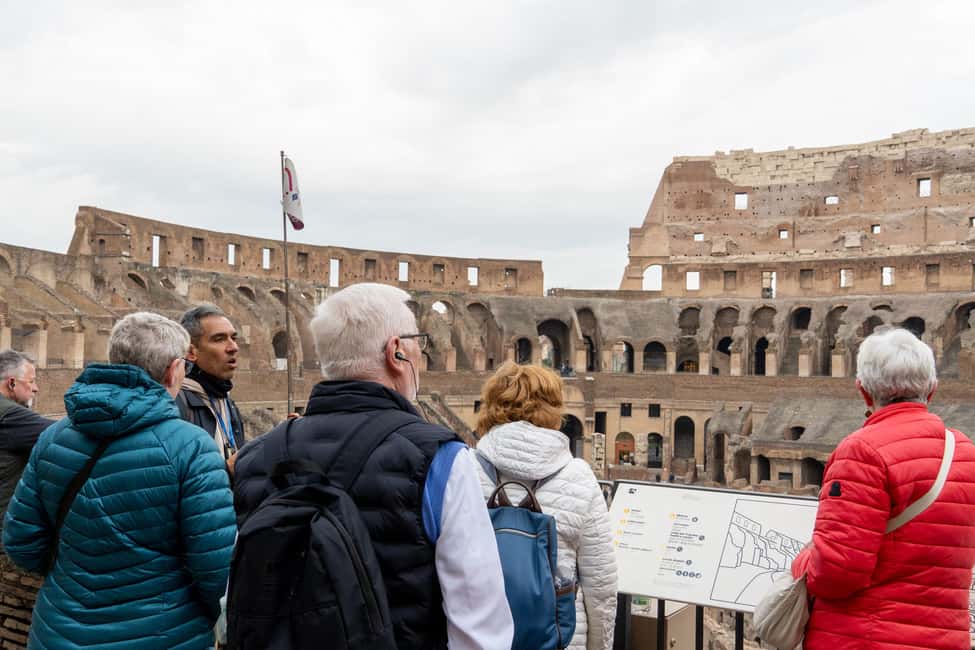
The heart of the tour is a guided walk through the Colosseum with access to the first and second levels. That’s a sweet spot for most visitors. You get to experience the scale and the seating levels without trying to squeeze in areas that aren’t included here.
Important limits to know:
- This tour does not include access to the underground, the upper levels, or the Arena.
Also, even with a guided experience, you shouldn’t assume you’ll walk straight in. The negative experiences I’ve seen with this general type of tour often come down to the same reality: skip-the-line entry can still mean a queue exists, just not the whole open-for-hours one.
What you should expect your guide to do inside:
- Explain the Colosseum’s engineering and how it functioned in ancient times
- Connect the big stories (gladiators and major spectacles) to what you can actually see around you
- Keep the group moving at a pace that fits a 3-hour overall schedule
This is where the guide quality really matters. When the guide is on form, the Colosseum stops being a pile of stone and starts sounding like a place with rules, routines, and purpose.
The main watch-out is time. Because the total tour is only 3 hours, it’s not a slow “stand and stare” experience. If you want maximum lingering time at the Colosseum—especially for photos—this format may feel tight.
Roman Forum: where you’ll feel Rome become a city
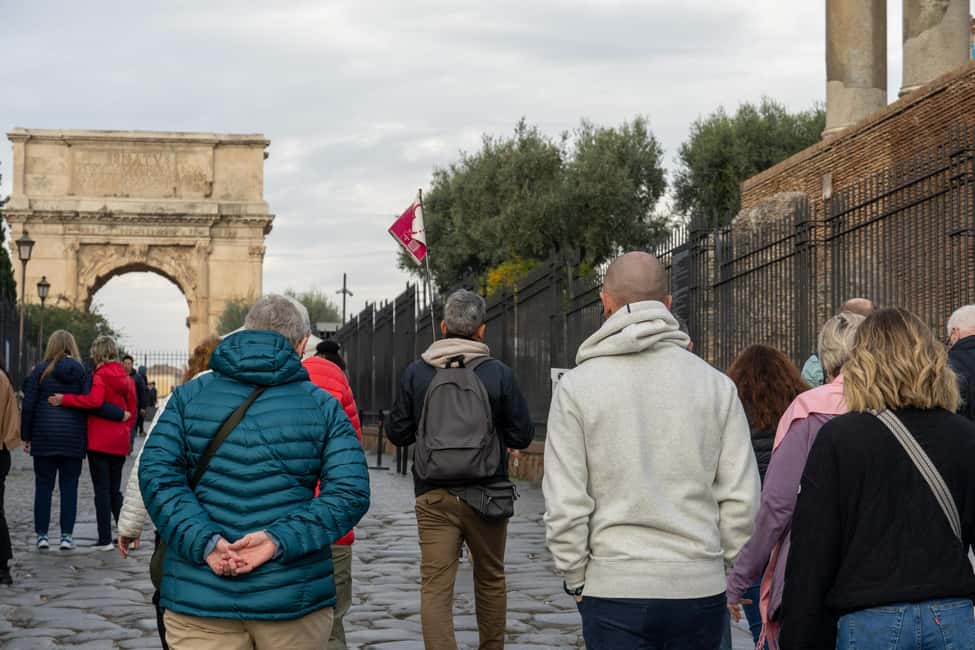
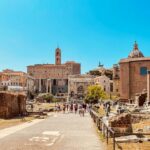
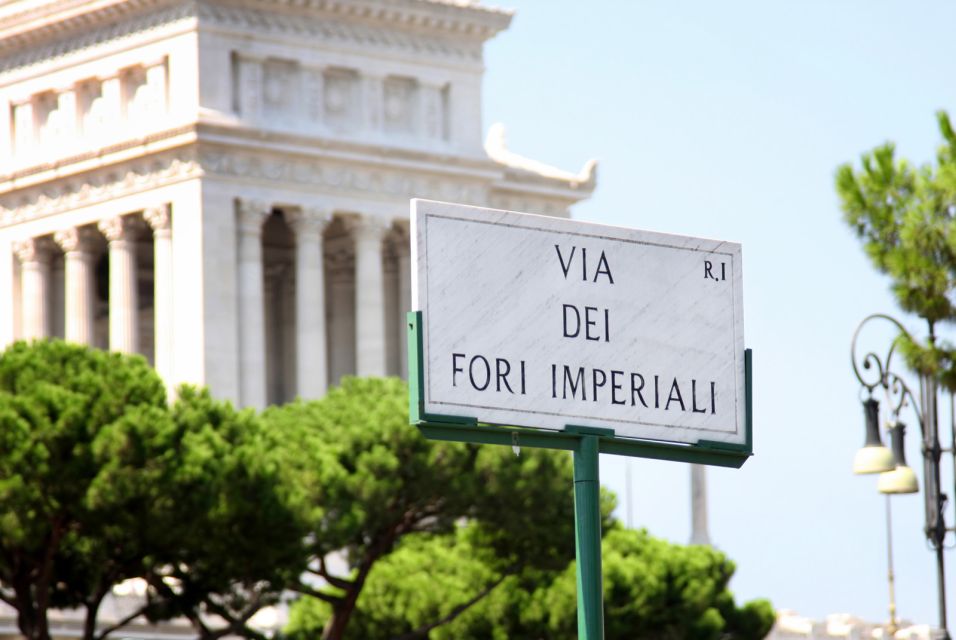
After the Colosseum, the route shifts to the Roman Forum, walking through the ruins that once sat at the center of public life in ancient Rome. I like this order. The Colosseum is dramatic and easy to picture; the Forum is where you learn how Rome ran day to day.
Your guide’s job here is to turn broken columns and scattered stones into meaning. You’ll move past key areas your guide will explain as part of political life, public ceremonies, and the power structure of the empire—temples, triumphal arches, and the spaces where political events happened.
Two things to keep in mind:
- The Forum can feel like “more ruins” if you’re not following the guide’s connections.
- The headsets help a lot in open-air spots where sound carries in weird ways.
I’d treat the Forum as the thinking part of the tour. You’ll likely understand the Colosseum better afterwards because the Forum gives the political and social context for what people were watching in arenas.
Palatine Hill viewpoints: the legend level of the day
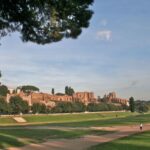
The final major stop is Palatine Hill, famous for the panoramic views over the Roman rooftops and for the legendary story of Rome’s beginnings. This is where the tour goes from “what happened” to “why it mattered,” with myths and early Rome themes woven into what you’re seeing.
Palatine Hill is also the part that many people remember most because it’s scenic. Even if the ruins are similar in texture to other sites, the viewpoints make it feel different. You get open angles, better photo opportunities, and a sense of scale: the city doesn’t look flat from here.
This stop is also the payoff for the pacing. If you felt the Colosseum was moving fast, Palatine Hill is a good chance to slow your brain down and absorb the big story your guide built all tour long.

The 20-person group + headsets: why the experience stays readable
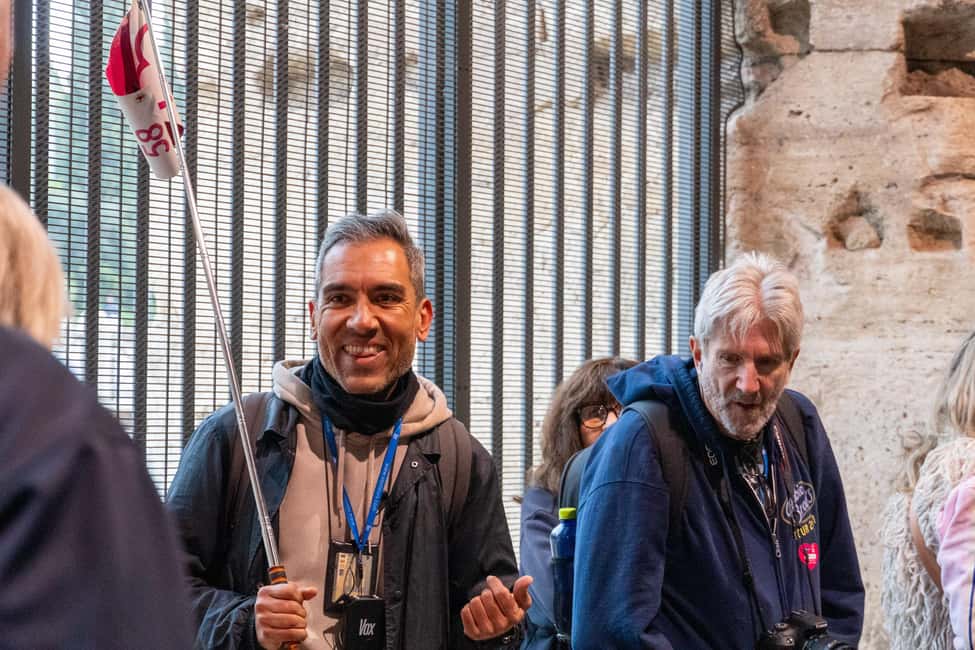
This tour is limited to 20 participants, which usually makes it feel more like a guided walk than a stampede. The inclusion of individual headsets is a practical win, especially in loud outdoor areas. You’re not constantly asking people to repeat themselves, and you can keep your eyes on the guide’s explanations without giving up the view.
A small group size also helps with navigation. The tour covers multiple sites—Colosseum, Roman Forum, Palatine Hill—so staying together matters. When a group gets too large, guides often rush to manage queues and movement. With a 20-person cap, the pace can be controlled.
That said, time is still time. A tight 3-hour route means you’ll move through each section with purpose, not with lots of free roaming. If you’re hoping for “stop whenever I want,” plan to add your own exploration later.
What’s included (and what you’ll need to plan around)
Here’s the practical value of the inclusions, in plain terms:
Included:
- Professional licensed guide throughout
- Entrance fees to the Colosseum, Roman Forum, and Palatine Hill
- Guided access to Colosseum first and second levels
- Guided walking tour through the Roman Forum and Palatine Hill
- Individual headsets
- Hotel pickup from select central accommodations
- Assistance at the meeting point from the tour host
Not included:
- Food and beverages
- Any drop-off service at the end
- Colosseum underground/upper levels/Arena access
- Hotel pickup if you’re outside the select area
So for planning: bring a water plan (you can buy on your own), and don’t count on the tour to feed you. Also, if you’re someone who likes to do long museum-style wandering, you’ll probably want to schedule extra self-guided time for the Colosseum area after the tour.
One more “do this, not that” checklist:
- Wear comfy shoes. You’ll be walking and climbing through uneven historic spaces.
- Avoid bulky bags or anything that’s a hassle to check.
- Have your passport or ID ready.
Price and value: is $123.48 fair for what you get?
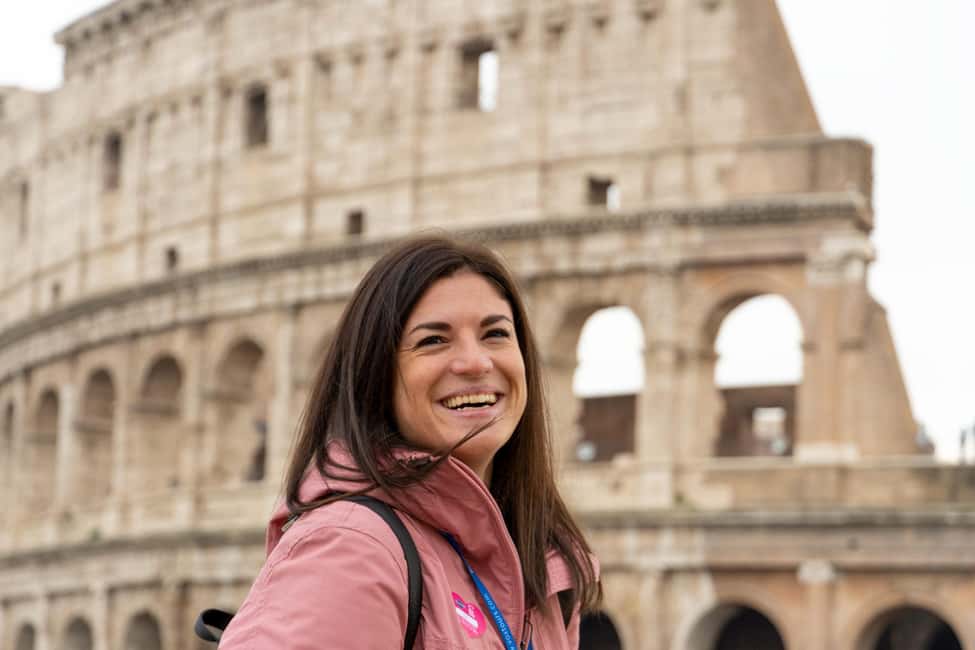
At $123.48 per person for a 3-hour guided experience, you’re paying for a few things that matter in Rome:
- Guided access + entrance fees bundled together (so you’re not piecing costs and timing separately)
- A licensed guide plus headsets, which can make a huge difference at the Colosseum and Forum
- Hotel transport, which is a real convenience if your accommodation is within the pickup zone
- A small group cap (up to 20), which tends to improve the experience versus large coach tours
Is it worth it? For most first-time visitors who want the story and don’t want to wrestle with timing, yes—especially because you get guided access to the Colosseum’s first and second levels rather than only the basics.
Where value can feel thinner:
- If you’re the type who wants extra time in the Colosseum, the 3-hour format may feel short.
- If your hotel isn’t in the pickup zone, you might spend more time handling the meeting point than you expected.
The smartest approach is to match the tour to your style. If you want a well-paced overview that hits the top trio efficiently, this price is easier to justify. If you want slow, deep exploration with lots of free time, plan on adding your own time blocks.
Who should book this Colosseum + Forum + Palatine tour
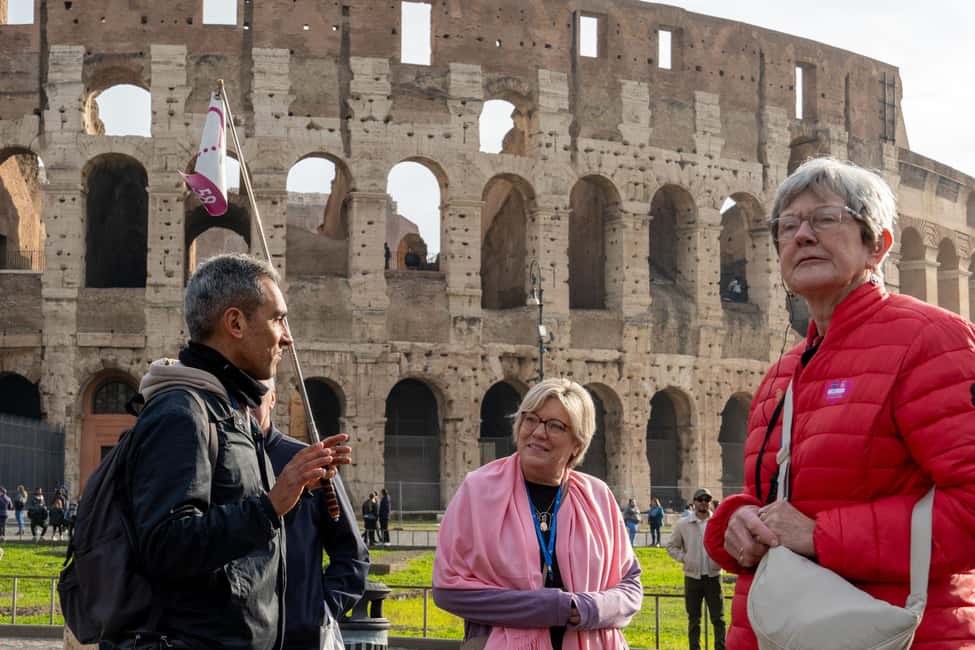
This is a strong fit if you:
- Want hotel pickup from a central Rome hotel
- Prefer guided storytelling over trying to interpret ruins on your own
- Like a small group format and clearer audio thanks to headsets
- Are visiting for the first time and want the major sights in a single morning or afternoon block
It’s less ideal if you:
- Need a lot of time to linger at the Colosseum (the schedule is tight)
- Have significant mobility issues or require wheelchair access (this tour is not wheelchair accessible)
- Want underground/Arena access (those areas aren’t included)
Should you book this Colosseum tour with hotel transport?
Book it if you want the easiest path into Rome’s top landmarks with guided context, audio support, and a pickup that saves you time—especially if your hotel is in the select central area.
I’d be cautious if your priority is slow wandering or if you’re staying in a place that might not qualify for pickup. In that case, plan your day around arriving at the meeting point on time: Colle Oppio Park (Via delle Terme di Tito, corner of Via Nicola Salvi, inside the park), and show up about 15 minutes early while looking for the I Love Rome logo carried by staff. That one detail can make the difference between a smooth start and an unnecessary scramble.
If you do book, set yourself up for success: comfortable shoes, ID ready, and a mindset that this is a guided overview that moves at a steady pace. The payoff is a clear story arc across the Colosseum, Forum, and Palatine Hill—without wasting your precious Rome time on logistics.
FAQ
How long is the Colosseum guided tour?
The tour duration is 3 hours. Starting times vary, so you’ll need to check availability for your date.
What’s included in the guided access at the Colosseum?
You get guided access to the Colosseum’s first and second levels. Access to the underground, upper levels, and the Arena is not included.
Does this tour include hotel pickup and transport?
Yes, pickup is included from select centrally located hotels in Rome. Pickup is not available from B&Bs, guesthouses, or apartments.
Where do I meet the group if I’m not picked up?
The meeting point is Colle Oppio Park, at Via delle Terme di Tito corner Via Nicola Salvi, inside the park. You should arrive about 15 minutes before the tour start and look for staff carrying the I Love Rome logo.
Which sights are visited during the tour?
The tour covers the Colosseum, the Roman Forum, and Palatine Hill. There is also a stop at Parco del Colle Oppio before entering the Colosseum.
Are headsets provided for the guide’s audio?
Yes. The tour includes individual headsets so you can hear the licensed guide clearly.
What language options are available for the live guide?
The live guide is available in English, Spanish, and Portuguese.
Is the tour wheelchair accessible?
No, the tour is not wheelchair accessible and may pose challenges for people with mobility impairments. Moderate fitness is recommended.