REVIEW · BORGHESE GALLERY TOURS
Rome: Borghese Gallery Skip-the-line Entry Ticket
Book on GetYourGuide →Operated by Gray Line I Love Rome · Bookable on GetYourGuide
Two hours, and Borghese grabs you fast. With skip-the-line entry, I like how it gets you inside without the frustrating wait, and with a guided option you can focus on Bernini without losing the thread. You’ll see world-famous sculptures and paintings in a setting that feels like a private art collection more than a big public museum.
The main thing to watch is logistics: you need to arrive on time at the meeting point, and the experience isn’t set up for wheelchair users. If you’re traveling with a plan B for crowds and timing, this ticket style is a solid fit.
In This Review
- Key Highlights You’ll Feel Right Away
- Why Borghese Feels Different Than Rome’s Big-Name Museums
- Skip-the-Line Entry: What It Actually Buys You
- Guided Tour vs Ticket-Only: Choose Your Learning Style
- Piazzale del Museo Borghese: The Meeting Point That Sets the Tone
- Inside the Gallery: The Real Show Is Bernini
- Caravaggio, Raphael, and Canova: One Collection, Different Brains
- How the 2-Hour Visit Fits Real Rome Planning
- Headsets and Small Groups: Listening Without Missing the Art
- Price and Value: Is $46 a Smart Move?
- After the Museum: Villa Borghese Gardens for the Rome View
- Should You Book This Borghese Gallery Skip-the-Line Ticket?
- FAQ
- How long does the Borghese Gallery visit take?
- How much is the Rome Borghese Gallery skip-the-line ticket?
- Where do I meet for this experience?
- Do I need to bring ID?
- Can I choose a guided tour or just a skip-the-line ticket?
- Are headsets included?
- When should I arrive at the meeting point?
- Is this experience wheelchair accessible?
- What items are not allowed?
- Is free cancellation available?
Key Highlights You’ll Feel Right Away
- Priority entry that helps you beat the worst of the line drama
- Small-group guided tours designed for closer looking and easier listening
- Headsets included (depending on option), so you don’t miss the guide’s key points
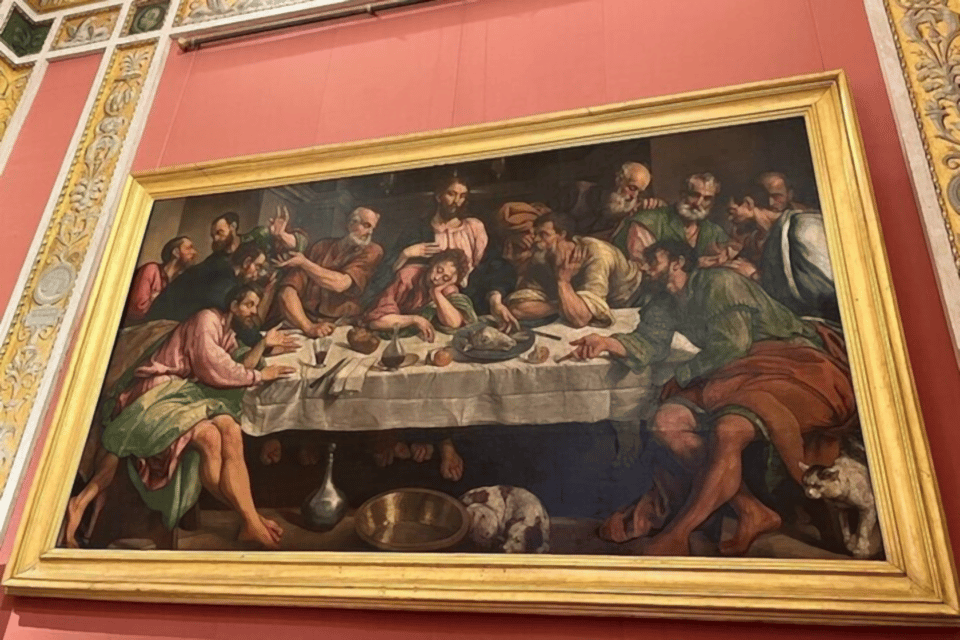
- Bernini, Caravaggio, Raphael, and Canova in one compact collection
- After-visit bonus: the Villa Borghese gardens are right there for Rome views
Why Borghese Feels Different Than Rome’s Big-Name Museums
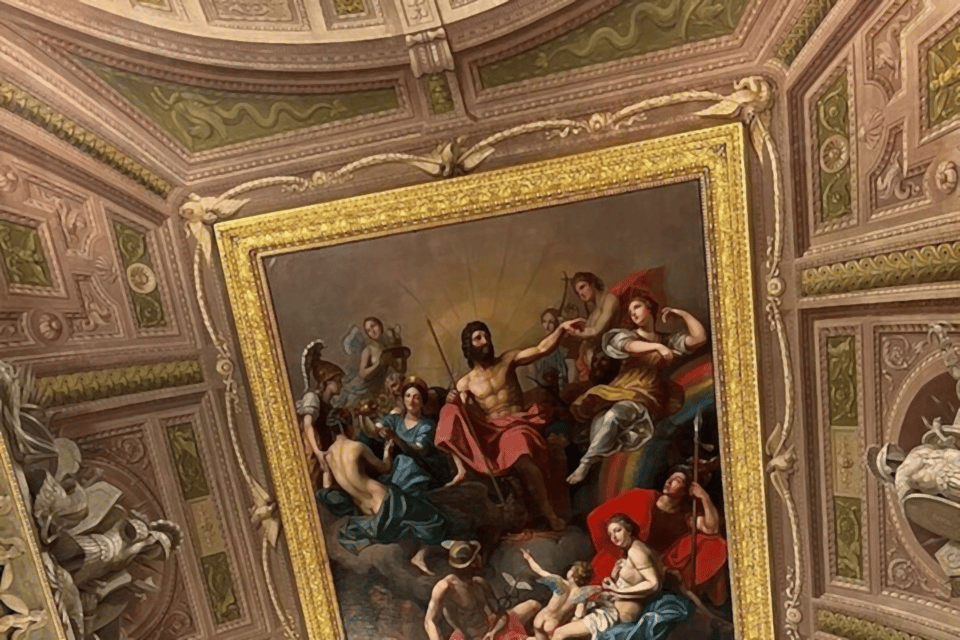
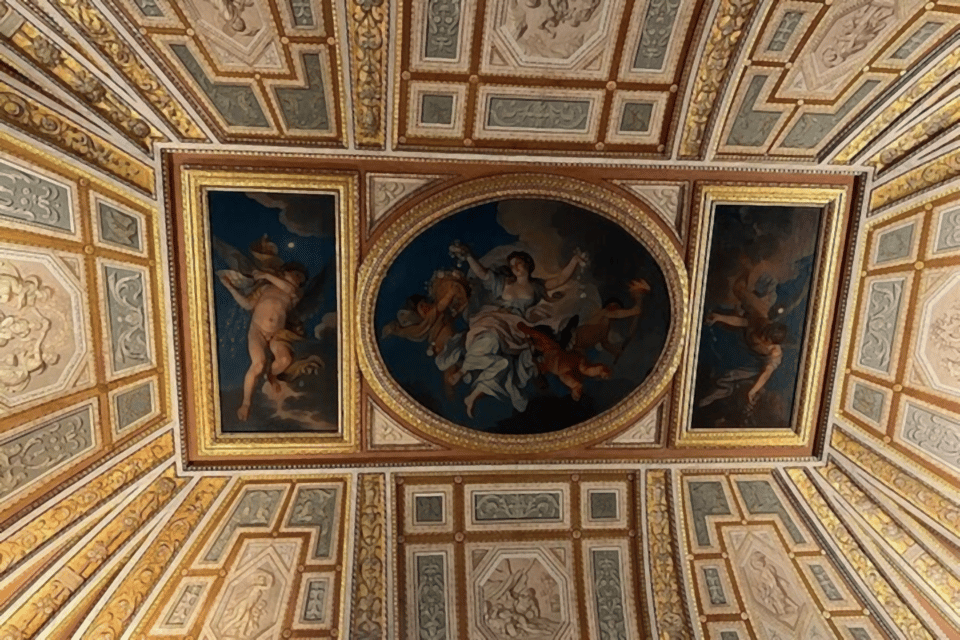
The Galleria Borghese is one of those Rome experiences where scale is your friend. Instead of wandering a maze for hours, you get a tightly packed collection housed in the former Villa Borghese. That matters, because it makes it easier to slow down and actually look at details in sculpture and painting.
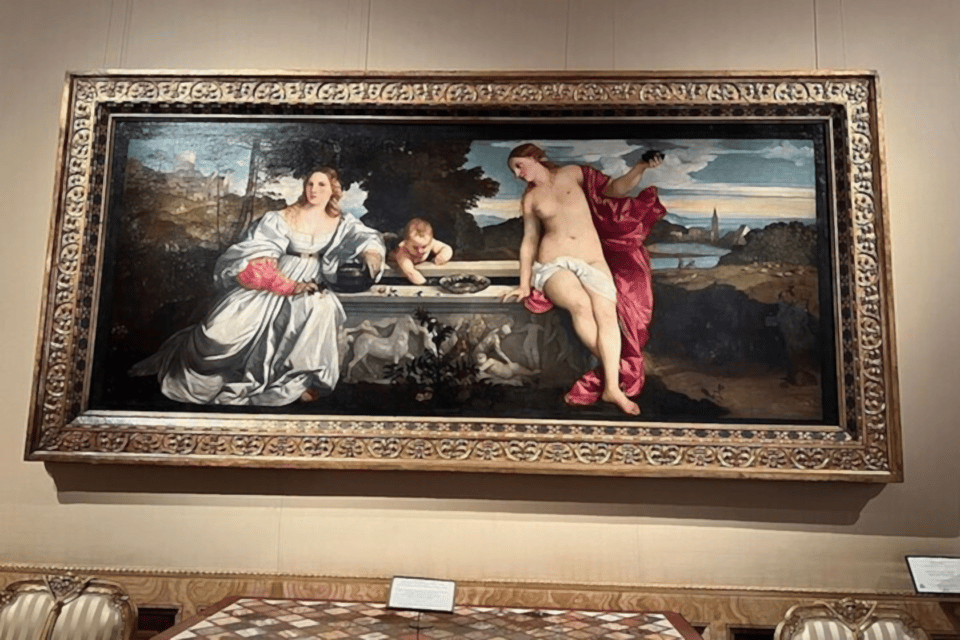
I also like the mix of art types here. You’re not just chasing paintings. You’ll move between rooms with dramatic sculpture (especially Bernini) and paintings by heavy hitters like Caravaggio and Raphael. It’s the kind of museum where you start to notice patterns: how emotion is shown in faces and gestures, how classical themes get reworked in Renaissance and Baroque styles, and how the collection’s story connects the works.
One more practical upside: the time slot structure keeps things more controlled. Even if there are crowds in the city that day, the Borghese visit itself is designed around a planned entry window, so you’re less likely to feel stuck.
You can also read our reviews of more tours and experiences in Rome
Skip-the-Line Entry: What It Actually Buys You
“Skip the line” sounds simple, but here’s what it really means for your day. The Borghese Gallery is famously popular, and Rome has plenty of moments where lines can eat your time. With a priority entry ticket, you’re not stuck waiting while the rest of your Rome schedule quietly falls apart.
For ticket-only options, you’re given timed access so you can explore at your own pace. That works well if you’re comfortable reading room-to-room and you want freedom to spend more time where you’re drawn in. If you’re not sure what to look for, you might find yourself moving faster than you’d like.
For guided options, the value is not just having someone talk. It’s having someone point out what you’d otherwise overlook, especially in the sculpture. Bernini is the headline artist here, but the guide helps you see why his works hit so hard: the body language, the tension, and the theatrical feel of Baroque sculpture.
If your goal is a well-run art visit without time lost, priority entry is the money part. It’s the difference between seeing the collection and merely surviving the queue.
Guided Tour vs Ticket-Only: Choose Your Learning Style
You essentially have two different experiences depending on what you book: a guided visit or ticket-only.
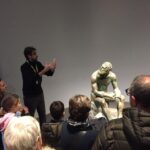
If you choose the guided tour, you’re in a small group and you get professional commentary plus headsets (depending on the option you select). Headsets matter in a museum because guides often need to speak clearly while walking through busy rooms and changing elevation or sightlines. With them, you spend less time straining and more time actually watching the art.
Guides linked with this experience have included names like Yohana, Alexandra, Francesca, and Fabio, and they’re described as being passionate and informative. Even without caring about art history, that kind of energy helps. You leave with a stronger mental map of what you saw and why it matters.
If you choose ticket-only, you’re still skipping the main line, but you’re planning your own flow. You can give extra time to sculptures you love or linger with the paintings. The downside is simple: without a guide’s structure, you may pass through sections too quickly, especially if you’re not sure what themes to track.
So here’s my practical rule:
- Pick guided if you want a clear “what to notice” route through Bernini, Caravaggio, Raphael, and Canova.
- Pick ticket-only if you know what you want to see and you travel well at your own pace.
Piazzale del Museo Borghese: The Meeting Point That Sets the Tone
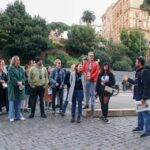
Timing starts before you enter the gallery. The meeting point is Piazzale del Museo Borghese, in front of the museum entrance. You’ll look for the I Love Rome logo, and you’ll want to arrive about 15 minutes early so the handoff and check-in don’t cut into your entry window.
This is not the kind of museum where you can wander in whenever you feel like it. The ticket you buy ties to a planned access flow, and being late can throw off the group timing.
You’ll also need a valid ID/passport for entry. Bring the document you used for booking, since you’ll be asked for proof of identity.
One more logistics note that affects your comfort: baby strollers are not allowed, and luggage or large bags are also not allowed. If you’re traveling light already, you’ll feel fine. If you packed heavy for a busy Rome day, consider using lockers in advance or keeping essentials only so you’re not scrambling at the entrance.
Inside the Gallery: The Real Show Is Bernini
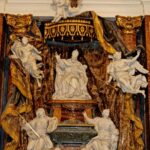
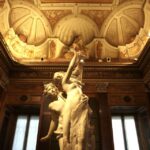
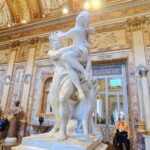
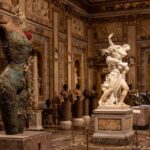
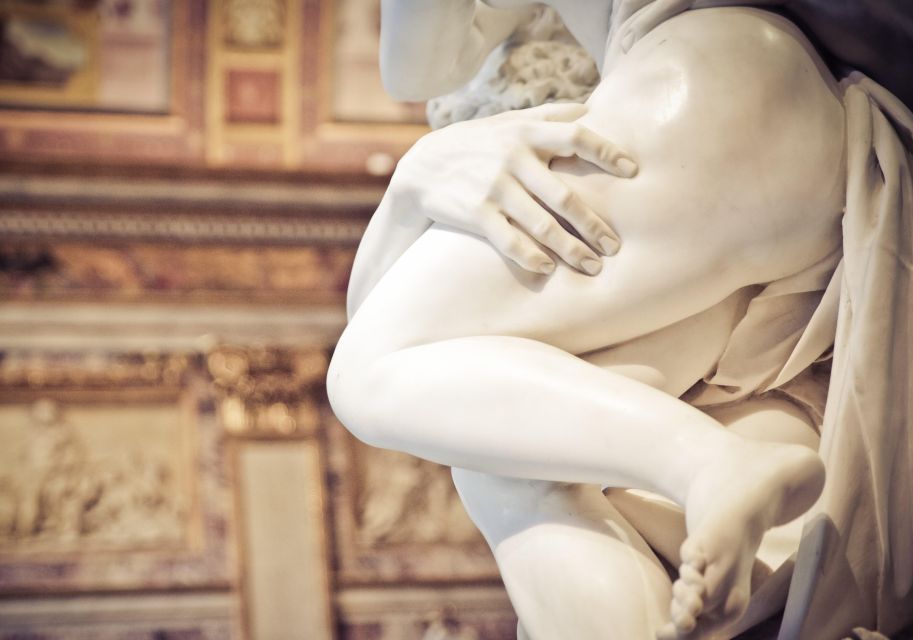
When people talk about the Borghese Gallery, they usually mean Bernini. And in this museum, that’s not hype. The collection features major works that showcase what Baroque sculpture does best: it’s not frozen marble. It’s motion—emotion captured at a single breath.
As you move through the rooms, you’ll see why Bernini’s figures feel almost alive. His style pushes beyond calm classical beauty into expressive storytelling. That matters because sculpture here is designed to make you walk around it and notice how gestures and faces change depending on your angle.
A couple of the most named works include Apollo and Daphne. Seeing sculpture like this in person changes the scale of your expectations. In photos, you can understand the concept. In the room, you feel the drama. The museum format helps too—since you’re not dealing with huge, chaotic spaces, you can slow down without feeling swallowed by the flow.
If you’re choosing a guided tour, Bernini is where that guide’s job becomes obvious. A good guide helps you interpret what you’re looking at and keeps you from just admiring the surface. You learn how the collection puts sculpture in conversation with paintings and classical themes.
You can also read our reviews of more museum experiences in Rome


Caravaggio, Raphael, and Canova: One Collection, Different Brains

The Borghese Gallery doesn’t only do Baroque drama. It gives you contrast.
Caravaggio brings a darker, more intense edge to the mix. You’ll also see paintings by Titian and Raphael, which shifts the tone back toward Renaissance ideas and refined composition. This is where ticket-only can work nicely: you can pause where you feel pulled rather than following a single script.
Then there’s Canova, the neoclassical master. The museum includes Canova’s portrait of Pauline Bonaparte. That’s a major clue about what makes this collection special: it’s not just one era for one mood. It’s a curated set of works spanning different styles and centuries, all tied to Cardinal Scipione Borghese’s taste.
One piece of story context that adds meaning while you’re walking: part of the Borghese collection was sold to Napoleon, and some works ended up forming part of what is now at the Louvre. That history doesn’t replace looking at the art, but it gives you a reason to think beyond the room. You start seeing the collection not just as objects, but as a legacy that moved through European power and collecting.
For me, the best way to experience this section is to move slowly between types—sculpture to painting to sculpture again. That rhythm helps your brain register the differences, instead of treating everything like “pretty art.”
How the 2-Hour Visit Fits Real Rome Planning
The tour duration is set at about 2 hours. That’s enough time to enjoy the highlights and keep a steady pace, but it isn’t enough to become a museum scholar. Your goal should be smart looking, not reading every label.
In practice, plan for a visit that feels like 90 minutes to 2 hours depending on how slow you move and which option you choose. Ticket-only visitors tend to stretch out where they want. Guided tours usually keep a smoother pace because the guide’s route creates momentum and avoids time sinks.
Here’s how I suggest you plan the rest of your day: build in an easy buffer afterward. The Villa Borghese gardens are right there and they’re a great way to decompress. The museum view isn’t the whole Rome picture; stepping into the gardens helps your day feel complete, especially if you’re doing other sights later.
If you’re the type who likes to combine art with a walk, this pairing makes sense. You get a structured art hit first, then a relaxed outdoor stroll with Roman skyline views.
Headsets and Small Groups: Listening Without Missing the Art
The guided option includes headsets with a disposable earpiece (depending on the option selected). That might sound like a small detail, but it changes the experience.
Museums are noisy in that specific way: soft sounds that still make voices hard to hear when you’re walking and shifting position. With headsets, you can stay focused on the work and still follow the explanation. You don’t have to step away or strain to catch the key point.
Small-group format is another big factor. A smaller group means you’re less likely to get stuck in a human wall at the most important sculpture. It also makes it easier to stop for a closer look and then move on without feeling rushed by a mass crowd.
If your priority is comfort and clarity, this is the advantage. The Borghese Gallery is special enough that you’ll enjoy it more when the “how” is smooth.
Price and Value: Is $46 a Smart Move?
At $46 per person, the main value is the combo: timed access plus priority entry to a very popular museum.
If you show up without a planned ticket, you risk losing time—or being unable to enter when you want. That time loss is expensive in Rome, especially if you’re fitting multiple top sights into one trip. A skip-the-line ticket isn’t just about avoiding a line. It’s about locking in a time slot and protecting your schedule.
You also need to decide what you’re buying beyond entry. With the guided option, you get a professional guide and headsets, plus the structure of a route through the most important works. That can be worth it if you want the art to land emotionally and intellectually, not just visually.
If you’re confident navigating on your own, ticket-only still gives you the priority entry advantage. But if you’re not sure what you’re looking at, paying for a guided experience can turn a good museum visit into a memorable one.
My practical take: for most people on a first Rome trip, the value is strongest when you pick guided if possible. If budget is tight, ticket-only is still a strong way to see the collection without queue stress.
After the Museum: Villa Borghese Gardens for the Rome View
Don’t rush out the door. After you finish inside the Borghese Gallery, the Villa Borghese gardens are ready for you.
This is more than a nice walk. It’s a change of pace that helps you process what you just saw. Sculpture and painting can take over your attention span in the best way, and stepping outside gives your brain a breather.
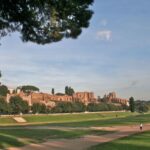
You’ll also get views over Rome, which works nicely as a final memory hook. The Borghese experience isn’t only about art history. It’s also about context—being in a place that feels like a retreat from the city, with Rome spread out in the distance.
If you have energy, take your time with this part. Even a 20-30 minute slow stroll can make the whole day feel less rushed.
Should You Book This Borghese Gallery Skip-the-Line Ticket?
Book it if you want a smooth, timed entry to a top art collection and you don’t want Rome lines to dictate your schedule. The priority access is the core value, and the small-group guided option is the best way to get more out of Bernini, Caravaggio, Raphael, and Canova.
Choose guided if you:
- want someone to point out what to notice in the sculpture
- prefer small-group pacing instead of figuring it out alone
- like the idea of headsets so you can focus on the art
Choose ticket-only if you:
- already have a sense of what you want to see
- enjoy reading and exploring at your own speed
- prefer freedom over structure
One last decision filter: keep your day plan realistic. This is a 2-hour experience inside, plus time to move through the space. If your schedule is too tight, you’ll end up hurrying, and that’s the one thing you don’t want to do in Borghese.
If you want Rome’s art in a controlled, high-impact format, this ticket style is a smart pick.
FAQ
How long does the Borghese Gallery visit take?
The experience is listed at 2 hours.
How much is the Rome Borghese Gallery skip-the-line ticket?
The price is $46 per person.
Where do I meet for this experience?
You meet at Piazzale del Museo Borghese, in front of the museum’s entrance, and you should look for the I Love Rome logo. The exact meeting point can vary depending on the option booked.
Do I need to bring ID?
Yes. You should bring a passport or ID card for entry.
Can I choose a guided tour or just a skip-the-line ticket?
Yes. You can select the guided tour option (small group) or choose a ticket-only entry.
Are headsets included?
Headsets with a disposable earpiece are included depending on the option you select.
When should I arrive at the meeting point?
Arrive about 15 minutes early.
Is this experience wheelchair accessible?
No. It is not suitable for wheelchair users.
What items are not allowed?
Baby strollers are not allowed, and luggage or large bags are not allowed.
Is free cancellation available?
Yes. Free cancellation is offered up to 24 hours in advance for a full refund.