REVIEW · CITY PASSES & SKIP-THE-LINE TICKETS
Rome: City Pass 20+ Attractions, Vatican & Colosseum Option
Book on GetYourGuide →Operated by Turbopass City Pass · Bookable on GetYourGuide
Rome rewards the well-planned traveler. This pass is built for time-crunched days with 20+ Rome entries plus optional Vatican and Colosseum tickets.
I especially like how it mixes big-ticket sights (like the Pantheon and Castel Sant’Angelo) with smaller, weirder stops that help you feel Rome in layers. You’ll also get guided experiences that cut through the usual guesswork.
One drawback to weigh: you’re not just buying tickets, you’re buying a schedule. Some optional timed entries are booked for the next available slot during your pass, and you can visit each included attraction only once, so you’ll want a realistic plan.
In This Review
- Key highlights you’ll actually use
- How the Rome City Pass system works (and what it means for you)
- The 48-hour hop-on hop-off bus: your moving map for Rome
- Pantheon and Castel Sant’Angelo: the classic combo that works
- Pantheon
- Castel Sant’Angelo
- Underground Rome: Piazza Navona Underground, Vicus Caprarius, Celio houses
- Piazza Navona Underground (Stadio di Domiziano)
- Vicus Caprarius – the City of Water
- Case Romane del Celio (Roman Houses of Celio)
- St. Callistus Catacombs: a guided tour that’s worth prioritizing
- Ostia Antica: Rome’s port city entry included
- Museums inside the pass: Barberini, Corsini, plus the fun weird stuff
- Palazzo Barberini & Galleria Corsini
- Palazzo Merulana, Museo delle Cere (Wax Museum), and Museo Leonardo da Vinci Experience
- GAMM Game Museum and Palazzo Patrizi
- Guided walking and bike tours: built to save your first day
- Vatican Museums and Sistine Chapel: skip-the-line, but plan around Sunday
- Colosseum, Roman Forum & Palatine Hill: PM entry changes your day
- Price and value: does $101.59 per person make sense
- Discounts that help you spend smarter
- Who this pass is best for
- Should you book the Rome City Pass?
- FAQ
- How long is the Rome City Pass valid?
- Do I need to meet someone at a specific meeting point?
- What’s included for getting around the city?
- Are the Vatican Museums included?
- Are Vatican Museums open every day?
- Is the Colosseum included?
- Can I visit the same included attraction more than once?
- What do I need to bring to use the pass?
Key highlights you’ll actually use
- 20+ sites across monuments, museums, and underground archaeology
- Catacombs of St. Callistus guided tour with a licensed local guide
- 48-hour hop-on hop-off bus with audio to help you move around fast
- Optional skip-the-line Vatican Museums and optional Colosseum/Forum/Palatine PM entry
- Guided walking and bike tours to get bearings and save planning time
- Discounts that can soften costs for food and experiences
How the Rome City Pass system works (and what it means for you)
This is a Rome ticket bundle from Turbopass that’s valid for 2 to 7 days. Your pass comes to you by email (no meeting point). The core idea is simple: you get entry to a long list of attractions, then you use the included bus and audio to stitch your days together.
For you, the biggest value is the reduction in decision fatigue. Rome is not short on great sights, but it can be hard to decide what to prioritize and when to book. This pass pushes you toward a “choose your order” strategy instead of “fight for timed tickets” every time you blink.
Here’s the catch: timed options for the Vatican and Colosseum depend on availability. If you select them, they’re booked for the next available time slot during your pass validity. Also, each attraction can be visited once, so it can feel less flexible than individual tickets if you’re the type who wants to linger and repeat.
You can also read our reviews of more city tours in Rome


The 48-hour hop-on hop-off bus: your moving map for Rome
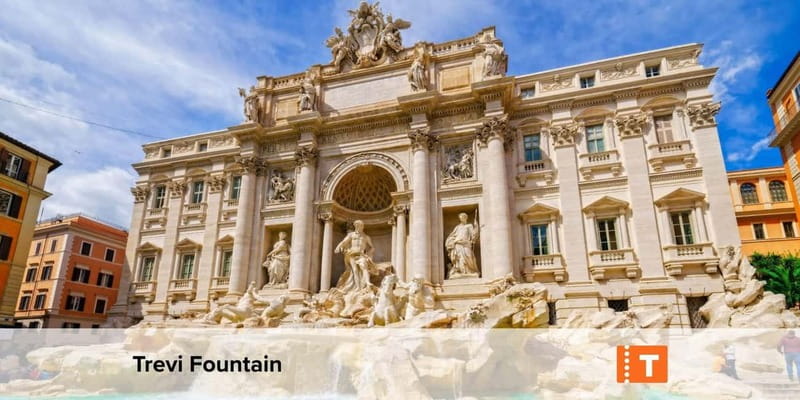
The included 48-hour hop-on hop-off sightseeing bus is the practical backbone of this pass. Even if you prefer walking, a bus loop helps you:
- get oriented quickly
- cut down on backtracking
- reach major areas without constantly re-planning routes
The bus also comes with an audio guide, which matters because Rome can be confusing at street level. You’ll catch context as you ride, instead of trying to translate everything from signage.
One thing to keep in mind: the pass does not include regular metro/bus/tram public transportation. So think of the bus as your “Rome router,” not your only way of getting around. For places like Ostia Antica, you’ll likely need extra planning for how to reach and return.
Pantheon and Castel Sant’Angelo: the classic combo that works
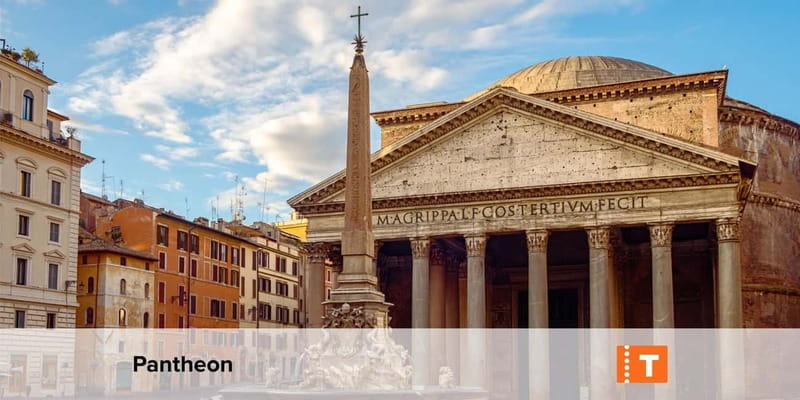
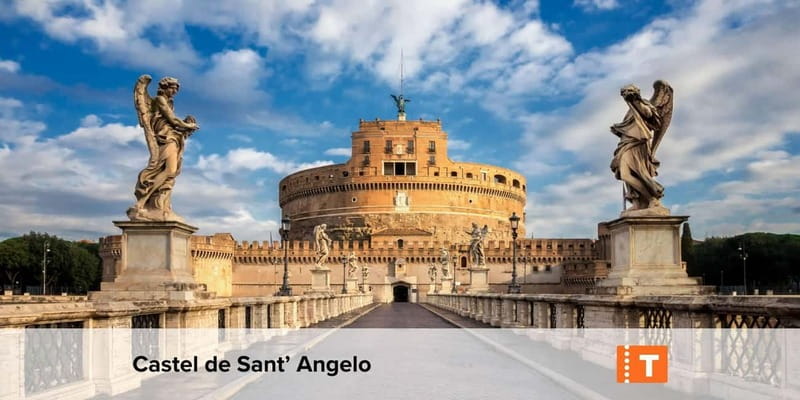
The pass includes entry to two of Rome’s most memorable icons: the Pantheon and Castel Sant’Angelo.
Pantheon
The Pantheon is all about scale and light. You don’t need a lecture to appreciate it, but you’ll understand more if you arrive with a bit of timing sense. Use your pass entry to fit it into a calm part of the day. If you’re trying to avoid the longest queues, treat the Pantheon like a timed priority rather than an afterthought.
Castel Sant’Angelo
Castel Sant’Angelo sits on the Tiber with sweeping views that change as the light shifts. It’s also a smart pick because it’s easy to tie into an evening stroll along the river. The fortress feel makes it a nice counterpoint to the Pantheon’s monumental calm.
If you like your Rome days to alternate “big wow” with “quiet details,” these two are a strong pairing.

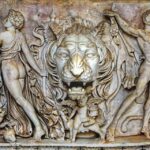
Underground Rome: Piazza Navona Underground, Vicus Caprarius, Celio houses
One reason I think this pass is more interesting than a basic city sightseeing ticket is the underground angle. You get several entry sites that show Rome below street level.
Piazza Navona Underground (Stadio di Domiziano)
This is the Roman sports stadium vibe under Piazza Navona. It’s the kind of place that makes you look at the surface differently. Even if you don’t love archaeology, the contrast is compelling: modern baroque streets above, ancient layers below.
Vicus Caprarius – the City of Water
Roman cities ran on water systems, and this stop is built around that engineering story. It’s a more niche choice than the Colosseum, which is exactly why it’s valuable. You’ll come away thinking differently about how Rome functioned day-to-day.
Case Romane del Celio (Roman Houses of Celio)
These are the house foundations/rooms that help you imagine daily life beyond temples and arenas. It’s a good “rest your feet” stop too, since you’re moving through indoor or sheltered spaces rather than endless outdoor walking.
If you’re the kind of traveler who likes Rome at multiple depths, this underground trio is where the pass really earns its keep.
St. Callistus Catacombs: a guided tour that’s worth prioritizing
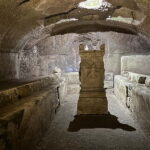
The pass includes a guided tour of the Catacombs of St. Callistus with a licensed local guide. This is one of the most “built for real understanding” inclusions in the package.
Catacombs aren’t just a photo stop. The guide helps you connect what you see to the broader story of early Christianity and burial practices. You’ll also be less likely to feel lost in the layout, since the tour is guided and supports multiple languages (Italian, English, French, Spanish, German).
Practical note: catacombs tend to feel cooler and darker than the city streets. If you’re planning this on the same day as bright, open-air sights, dress for contrast.
Ostia Antica: Rome’s port city entry included
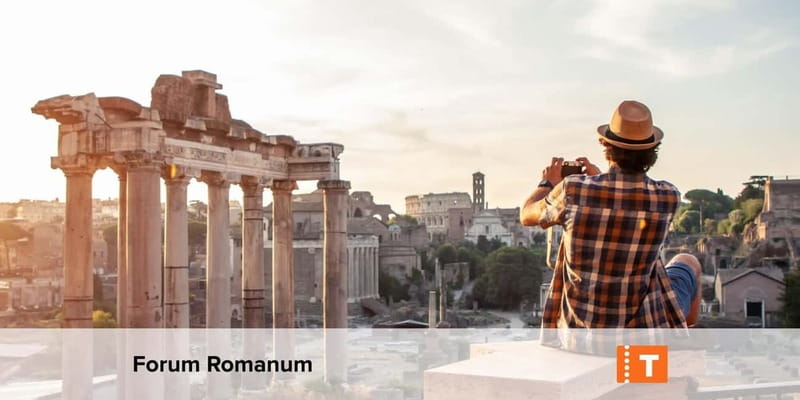
You get entry to Ostia Antica Archaeological Park. This is a big inclusion because Ostia isn’t just another ruin stop. It’s Rome’s ancient port city, which means it connects food, shipping, and everyday life more than imperial monuments do.
The challenge is logistics. The pass doesn’t include public transport, so you’ll want to plan your route on your own and protect some time in your day. If you book yourself too tightly, Ostia can feel rushed, and it deserves better.
If you want Rome that feels lived-in rather than purely ceremonial, Ostia is one of the strongest entries here.
Museums inside the pass: Barberini, Corsini, plus the fun weird stuff
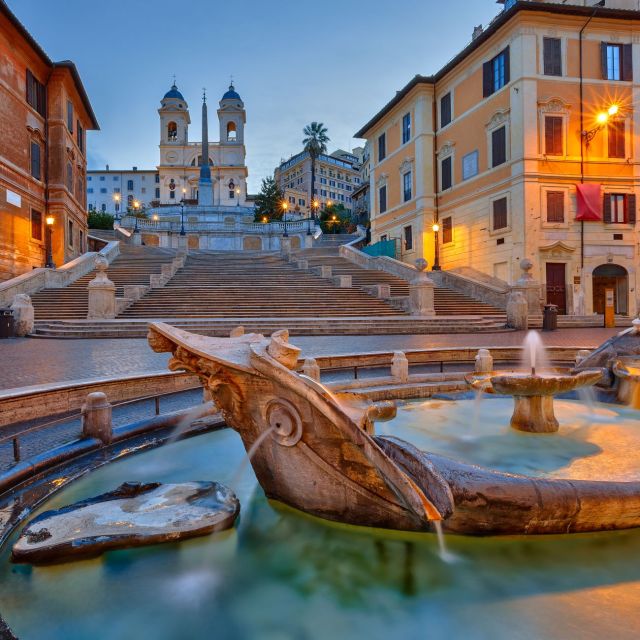
This City Pass doesn’t limit itself to archaeology. You also get several museum and gallery entries, including Palazzo Barberini and Galleria Corsini, along with smaller thematic picks.
Palazzo Barberini & Galleria Corsini
These are art collections housed in palatial settings. It’s a good choice if you want a break from walking and a chance to slow down. Plus, being inside a grand building changes how you experience Rome’s “power architecture.”
Palazzo Merulana, Museo delle Cere (Wax Museum), and Museo Leonardo da Vinci Experience
These entries add variety. The wax museum (Museo delle Cere Rom) and the Leonardo da Vinci-themed experience are not the same as classic museum masterpieces, but they can be useful if:
- you’re traveling with kids or adults who need lighter mental breaks
- you want something less solemn after heavy historic sites
GAMM Game Museum and Palazzo Patrizi
These are the kinds of additions that can surprise you—in a good way—if you enjoy eclectic stops. They also help you avoid the trap of only seeing one type of attraction all week.
My advice: don’t try to “museum sprint.” Use your pass like a menu. Pick a couple of museum entries per day and let the rest of your time be for streets, piazzas, and neighborhoods.
Guided walking and bike tours: built to save your first day
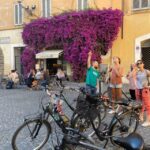
The pass includes a guided walking tour of central Rome in English, plus a guided bike tour of key highlights and a 2-hour bike rental. These are helpful because your first days in Rome are often about figuring out what’s near what.
A walking tour helps you understand spatial relationships fast: where big sights cluster, how streets curve, and how neighborhoods shift. The bike tour can be a time-saver if you’re comfortable pedaling, because it lets you cover ground without spending the whole day in transfer mode.
If you’re planning to use these tours, try not to schedule them on a day packed with optional timed tickets. Your energy will matter.
Vatican Museums and Sistine Chapel: skip-the-line, but plan around Sunday
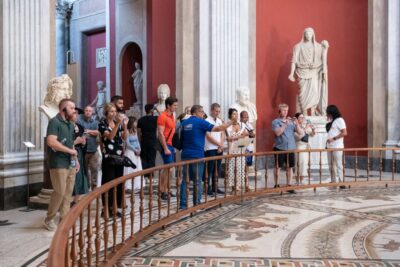
With the optional add-on selected, the pass includes Vatican Museums and Sistine Chapel entry. That can be a major time-saver because you’re not starting from scratch with separate ticket buying.
Two practical points you should plan around:
- The Vatican Museums are closed on Sundays.
- Your timed slot is booked for the next available time during your pass window.
That means the best strategy is to think of your Vatican day as a fixed anchor. Build your other choices around it, not the other way around. If your pass includes 2 or 3 days, this planning becomes even more important.
Also, bring a charged smartphone. Your pass is email-based, and the visit experience relies on information connected to your pass details.
Colosseum, Roman Forum & Palatine Hill: PM entry changes your day
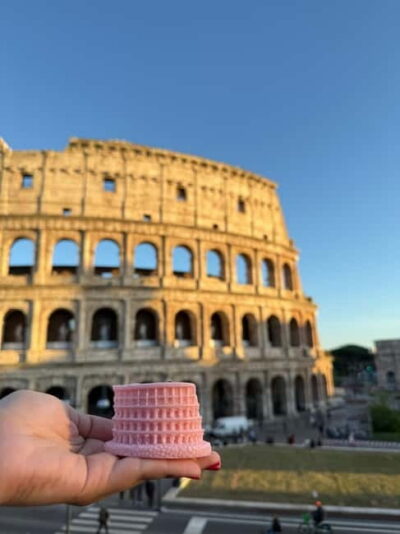
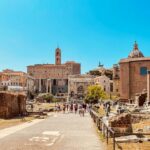
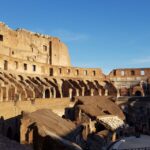
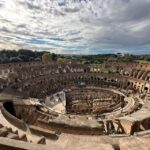
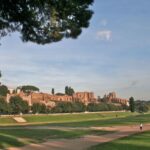
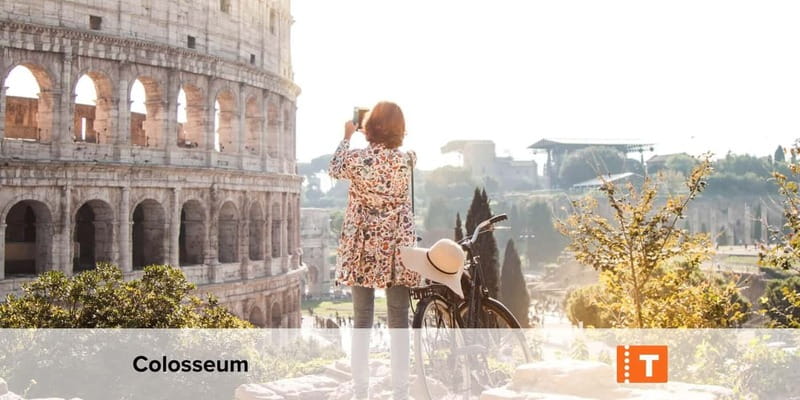
With the optional add-on selected, you get Colosseum Amphitheatre with Roman Forum & Palatine Hill, with PM (afternoon) access.
This “afternoon entry” detail actually helps some travelers. The morning can be used for museums, neighborhoods, or the type of sights that work well earlier in the day, then you shift into the Roman epicenter when you’re ready.
Your key planning job is to avoid overload before your PM slot. If you hit too much earlier, you’ll feel it when you walk through the Forum and Palatine areas, which are big and can drain your pace.
As with the Vatican, the ticket time is booked for the next available slot during your pass validity. So if you’re hoping for a particular kind of schedule, don’t assume you’ll pick the exact time.
Price and value: does $101.59 per person make sense
The listed price is $101.59 per person, and the honest value question is simple: how many of the included sites will you actually use?
This pass makes the most financial sense if:
- you’re hitting multiple major entries (Pantheon, Castel Sant’Angelo, Vatican and/or Colosseum if you add them)
- you want guided time (Catacombs tour, walking tour, bike tour)
- you like variety: archaeology, art palaces, and a couple of lighter museum stops
It can be less efficient if you only want one or two top sights. Rome has plenty of “must-sees,” and a bundle only pays off when it matches your real itinerary.
Also, remember the hidden costs not included: public transport isn’t covered, and you’ll likely spend time and money moving between areas and to day-trip style entries like Ostia Antica. The pass reduces ticket stress, but it doesn’t remove all travel logistics.
Discounts that help you spend smarter
You get discounts with the pass, listed as up to 20%, including:
- Gelateria Della Palma for authentic Italian ice cream
- Opera Lirica di Roma
- Rome Bike Rental
- A transfer for Castel Romano Outlet
These are small perks, but they can matter. If you were already thinking about ice cream breaks or a bike rental backup, the discount helps stretch your budget.
Who this pass is best for
This Rome City Pass suits travelers who want a structured menu of sights without buying and managing a stack of individual tickets.
It’s especially good for:
- first-time Rome visitors who want help with route planning
- travelers who like guided context (Catacombs tour, walking tour, bike tour)
- people who want both icons (Pantheon, Castel Sant’Angelo) and “less obvious” stops (water systems, underground houses)
If you like total freedom with no fixed ticket windows, you might feel pressured by timed options for Vatican/Colosseum and the rule that each attraction is visit-once.
Should you book the Rome City Pass?
I’d book it if you want a practical way to cover a lot of Rome without constantly thinking about tickets. The combo of Catacombs of St. Callistus, a 48-hour hop-on hop-off bus, and major icons like the Pantheon gives you speed plus substance. Add the optional Vatican and/or Colosseum if they match your trip style, and plan your afternoons with care.
I’d hesitate only if your schedule is too loose or too minimalist. With each entry visit limited to once and public transport not included, you get the best value when you’re ready to use the pass days actively.
If you want, tell me how many days you’re in Rome and whether you plan to add Vatican and Colosseum. I can suggest a realistic “morning/afternoon” flow using the pass entries you’ll actually enjoy.
FAQ
How long is the Rome City Pass valid?
It’s valid for 2, 3, 4, 5, or 7 days, depending on the option you choose.
Do I need to meet someone at a specific meeting point?
No. There is no meeting point. You receive the City Pass via email.
What’s included for getting around the city?
You get a 48-hour hop-on hop-off sightseeing bus tour with an audio guide.
Are the Vatican Museums included?
Vatican Museums and Sistine Chapel entry are included only if you select the optional Vatican Museums add-on.
Are Vatican Museums open every day?
No. The Vatican Museums are closed on Sundays.
Is the Colosseum included?
Colosseum Amphitheatre with Roman Forum & Palatine Hill is included only if you select the optional Colosseum add-on, and it’s PM (afternoon) access.
Can I visit the same included attraction more than once?
No. Each included attraction can be visited once.
What do I need to bring to use the pass?
You should bring your passport or ID card, plus a charged smartphone.