REVIEW · FOOD & WINE TOURS
Jewish Ghetto Walking Tour with gelato
Book on GetYourGuide →Operated by Vitus · Bookable on GetYourGuide
A neighborhood this old comes with real stakes. This Jewish Ghetto walking tour strings together centuries of Rome in a smart route, from ancient landmarks to the Tiber Island side, and it ends with a homemade kosher gelato stop that actually fits the history.
What I really like is the way the guide ties monuments to lived experience, not just stone facts. You’ll also get a lineup that hits the Theater of Marcellus and the Portico d’Ottavia, then continues into the Jewish Ghetto streets and over to Tiber Island. One thing to consider: it’s a focused walking experience, so plan on comfortable shoes and expect some time on foot on uneven old-city surfaces.
In This Review
- The best things about this Jewish Ghetto walking tour
- Getting oriented in Rome’s older layers
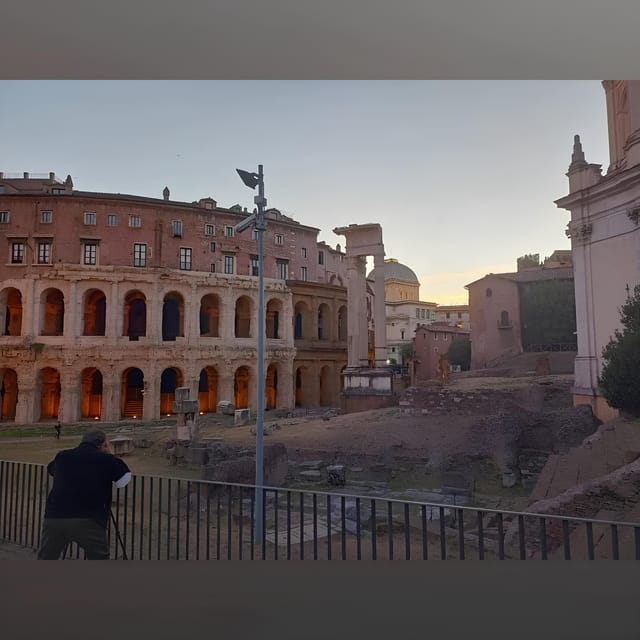
- The first stretch: Theater of Marcellus and Portico d’Ottavia
- Piazza Mattei and Fontana delle Tartarughe: more than a pretty stop
- The Jewish Ghetto story: walls, synagogue area, and resilience
- The included homemade kosher gelato stop
- Crossing to Tiber Island: the oldest functioning bridge moment
- Price and value: is $46 a fair deal for 3 hours?
- Who should book this tour?
- Should you book the Jewish Ghetto walk with gelato?
- FAQ
- How long is the Jewish Ghetto walking tour?
- What does the tour cost?
- Where is the meeting point?
- What is included in the price?
- What kind of gelato is provided?
- What major sights will I see during the walk?
- Are entrance fees to sites included?
- What should I bring?
- Are flash photos or food allowed?
The best things about this Jewish Ghetto walking tour
- Ancient Rome landmarks on the same walk: Theater of Marcellus and Portico d’Ottavia show what still works today
- Jewish Ghetto landmarks that explain the era: the Turtle Fountain, the last surviving wall section, and the Great Synagogue area
- Tiber Island payoff: crossing the oldest functioning bridge in Rome and hearing stories tied to the island
- Homemade kosher gelato included: you get it at a local gelateria, not as an afterthought
- A guide who makes it personal: local perspective mixed into the big historical beats
- Small-group potential: if the booking is light, you may get a more intimate experience
Getting oriented in Rome’s older layers

This tour is built for people who like their Rome chronological, not random. You start in the center of Rome and work toward the Jewish Ghetto area, then keep going across to Tiber Island. Along the way, you see how Rome’s past sits right beside the present.
One detail worth flagging before you go: the meeting point is given in more than one place. Your booking may list Piazza S. Bartolomeo All’Isola, 22 in front of a church, and the tour overview also references meeting near Trajan’s Column. Either way, the goal is the same: you get a guide at a recognizable landmark and then head straight into the neighborhood.
You can also read our reviews of more walking tours in Rome

The first stretch: Theater of Marcellus and Portico d’Ottavia
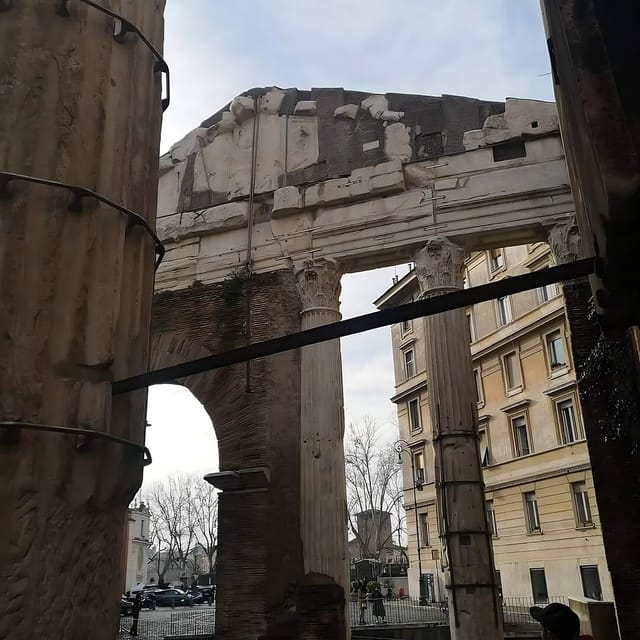
Early on, you pass by two major ancient structures that help you “read” the city as a continuum. The Theater of Marcellus is part of Rome’s classical theater landscape, a reminder that public entertainment and public life shaped the city as much as politics did. You’re not just seeing a facade. You’re getting context for what this kind of structure meant in ancient streets.
Then you move to the Portico d’Ottavia, a site that helps you understand how buildings can stay useful across centuries. This portico is one of those spots where you’ll notice the ongoing relationship between architecture and daily movement—people still pass through spaces that were designed for people to gather, circulate, and watch.
Practical note: since this is a walking tour, the pace matters. You’ll spend enough time outdoors that your “old-city” plan should be simple: water, sunscreen, and shoes you trust.
Piazza Mattei and Fontana delle Tartarughe: more than a pretty stop

Next comes Fontana delle Tartarughe, the famous Turtle Fountain in Piazza Mattei. It’s visually memorable on its own, but the real value is that it breaks the pace at the right time, after the Roman architecture segment. You get a moment of color and then you shift back into the neighborhood story.
This stop also works as a checkpoint. From here, you can better imagine the Jewish Ghetto area as a lived environment: streets, public spaces, and nearby landmarks that helped define community life. It’s not a museum sequence. It’s a walk where you learn to look at the city like a map of memory.
The Jewish Ghetto story: walls, synagogue area, and resilience
The heart of the experience is how the tour explains the Jewish Ghetto as both a place and a historical process. You’ll learn about the tumultuous past and the resilience of Rome’s Jewish community as you move through the area.
A key moment is seeing the last remaining piece of the wall that kept the community in this location for centuries. That fragment matters because it turns an abstract story into something concrete. In a neighborhood like this, the street-level view can make history feel distant. A surviving wall section does the opposite.
You’ll also pass by the Great Synagogue and hear what the site represents in the wider narrative. It’s the kind of stop where the guide’s tone matters. The best part of this tour approach is that it avoids turning sacred and historical sites into a quick photo sprint. You’re guided through meaning, not just location.
The included homemade kosher gelato stop
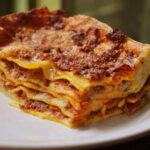
Yes, you get gelato—and yes, it’s included. But what makes it worth caring about is that it’s timed as a reward inside the walk, not tacked on as a tourist checkbox.
The tour includes homemade kosher gelato at a local gelateria. Since you’re walking through neighborhoods that are tightly tied to identity and community, the kosher angle is more than flavor trivia. It fits the overall theme: this route treats Jewish life as part of the city’s everyday story.
Here’s a specific tip from the guide’s approach: she pointed out to look for raw gelato if you want the real flavors. The practical takeaway for you is simple: don’t just order what looks trendy. Ask what’s made in the freshest style they have that day, and pay attention to the texture and taste.
Expect a standard gelato break length—enough time to get seated or stand comfortably, take the edge off the walk, and rejoin the group without rushing.

Crossing to Tiber Island: the oldest functioning bridge moment
Then the tour turns a corner in both geography and tone. You cross the oldest functioning bridge in Rome to reach Tiber Island. Crossing a bridge on foot is one of those “small” experiences that changes how you see a city. You’ll likely feel the river’s scale immediately, and the guide’s storytelling has space to land.
On Tiber Island, the tour connects the landscape to people and survival. You’ll hear stories about a hospital saving people during WWII. This is the kind of history that hits differently when you’re not sitting in a lecture hall. The island setting helps the guide make it feel real.
You’ll also hear a story tied to Asclepius—a temple reference that’s now connected to a church. Even if you don’t know the myth or religious layers going in, the guide’s explanations help you understand why a place can change names and functions but still carry older meaning.
The tour concludes on the island area and then ends back in the city near Piazza Venezia.
Price and value: is $46 a fair deal for 3 hours?
At $46 per person for about 3 hours, this is priced like a guided walking experience with an included treat. The big value isn’t just that gelato is free. It’s that the guide connects the included food with the route and the message.
You’re paying for:
- A live English-speaking guide
- A guided walk through the Jewish Ghetto area and key landmarks along the way
- Homemade kosher gelato as part of the timing
Entrance fees are not included, so if any stops require paid entry on the day you go, that could add cost. But based on what the tour focuses on—passing, viewing, and guided context—many of the most important “experiences” are the storytelling and the street-level sites, not paid ticket moments.
If you’re the kind of traveler who likes one strong guide-led thread through a complicated subject, this price is reasonable. If you just want casual wandering and don’t care about the narrative, you’d probably spend less on your own. But you’d also miss the “why” behind the walls, the synagogue area, and the island stories.
Who should book this tour?
This is a good fit if you:
- Enjoy history that’s tied to place and not just dates
- Want to see the Theater of Marcellus, Portico d’Ottavia, and then the Jewish Ghetto without stitching together separate tours
- Like included food stops that make sense for the walk (and not random)
It’s also practical if you prefer your Rome viewing to stay inside a manageable time window. Three hours is long enough to cover meaningful ground and short enough that you can still plan a rest of the day.
Two caution flags from the details: it’s described as wheelchair accessible, yet it’s also marked as not suitable for wheelchair users. If mobility is a concern, you should verify the exact route and the level of uneven ground before booking.
Should you book the Jewish Ghetto walk with gelato?
I’d book it if you want a single guided thread through some of Rome’s most layered neighborhoods. The mix of ancient landmarks, Jewish Ghetto-specific sites (including the surviving wall piece and the Great Synagogue area), and then the WWII/hospital and Asclepius church storytelling on Tiber Island makes the walk feel purposeful.
I’d skip or rethink it if you’re looking for a low-effort stroll, or if you want mostly inside-ticket attractions. This is a guided walking experience first, with context built into the streets.
FAQ
How long is the Jewish Ghetto walking tour?
The tour lasts 3 hours.
What does the tour cost?
It costs $46 per person.
Where is the meeting point?
You’ll meet in front of a church. The starting location is listed as Piazza S. Bartolomeo All’Isola, 22, and the tour overview also mentions meeting near Trajan’s Column, so double-check the exact spot shown on your booking.
What is included in the price?
The price includes a professional guide, a walking tour of Rome’s Jewish Ghetto, and homemade kosher gelato.
What kind of gelato is provided?
You’re treated to homemade kosher gelato at a local gelateria.
What major sights will I see during the walk?
You’ll pass by or see the Theater of Marcellus, the Portico d’Ottavia, the Turtle Fountain (Fontana delle Tartarughe), the last remaining piece of the Ghetto wall, the Great Synagogue area, and you’ll cross to Tiber Island via the oldest functioning bridge in Rome.
Are entrance fees to sites included?
No. Entrance fees to any sites are not included.
What should I bring?
Bring comfortable shoes, a hat, a head covering or kippah for sacred places, sunscreen, and water.
Are flash photos or food allowed?
Flash photography is not allowed, and food and drinks are not allowed in certain areas.