REVIEW · ROME
Roma Museo Vaticano y Capilla Sixtina Tour guiado
Book on GetYourGuide →Operated by Discoverers · Bookable on GetYourGuide
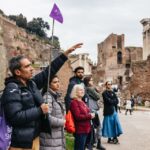
One good shortcut to the Vatican is a guide with a plan. This tour is interesting because you move fast through the Vatican Museums, then slow down for the Sistine Chapel, with an official Vatican tour guide explaining what you’re actually looking at. I particularly love the skip-the-line entrance (so you spend more time seeing and less time waiting), and I also like the headsets that keep the guide’s explanations clear even in crowded rooms. One drawback to consider: there’s no dome access or special “dome tour” included, and you’ll need to be okay with airport-style security and some steps.
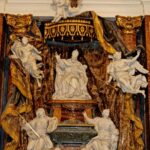
If you want Renaissance art with context, this is the kind of tour that helps you connect the dots. You’ll see major names up close—Michelangelo, Raphael, and Bernini-style highlights show up in the storytelling—and you’ll also get a sense of how the Vatican viewed the world in the past through the Gallery of Maps. The tour is built for a small group, which makes it easier to hear the guide and keep pace. The main consideration is that the experience is time-boxed—especially at St. Peter’s Basilica—so it’s not the choice if you want a long, unhurried solo wandering day.
In This Review
- Key highlights at a glance
- Skip-the-Line Vatican Access and a Pace That Makes Sense
- Vatican Museums: Walking Through Art Like It Has a Map
- Raphael Rooms and Big-Name Art Without the Guesswork
- Gallery of Maps: When the Vatican Tried to Explain the World
- Sistine Chapel: Art, Rules, and a Guide That Keeps You Oriented
- St. Peter’s Basilica: A Worthwhile Stop—With Clear Limits
- Price and Value: Is $106 for 3 Hours Fair?
- Timing, Security, and Meeting Up Without Losing the Morning
- Who This Tour Suits Best (and Who Should Skip It)
- The Bottom Line: Should You Book?
- FAQ
- Where does the tour start?
- How long is the tour?
- Does the tour include skip-the-line tickets?
- Are headsets provided?
- Which languages are available?
- What are the main stops during the tour?
- Is access to the dome of St. Peter’s Basilica included?
- What should I bring?
- What is not allowed during the visit?
- Is it suitable for people with mobility impairments?
Key highlights at a glance
- Official Vatican tour guide: you get expert commentary tied to what’s on the walls
- Skip-the-line tickets: your entry is organized so you don’t lose half the day to queues
- Headsets for clarity: easier listening in busy halls
- Gallery of Maps context: you’ll learn how the past interpreted the world
- Sistine Chapel focus: explanations about what matters, including the Papal Conclave
- St. Peter’s Basilica visit (not the dome): you’ll see the basilica, but not dome access or dome guiding
Skip-the-Line Vatican Access and a Pace That Makes Sense
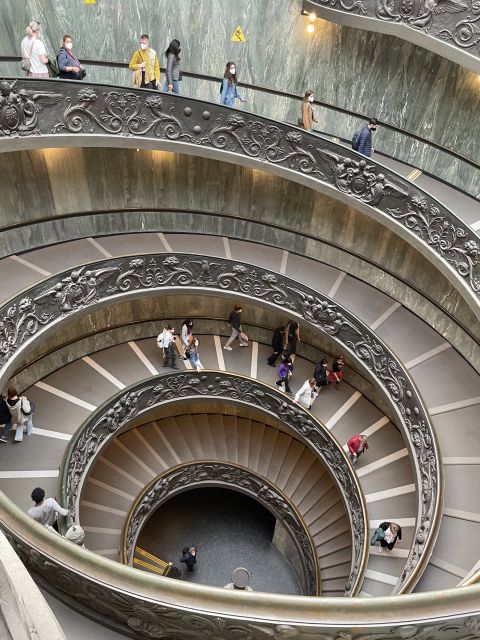
The Vatican can feel like a maze with museum-wear and sandbagging crowds. What I like about this tour model is that it treats your time like it’s worth money—because it is. With skip-the-line tickets and a guided entry, you’re not stuck fighting for position right at the start.
The tour runs about 3 hours in a small group, which matters more than people think. A smaller group keeps the movement smoother through tight corridors, and it makes it realistic to stop and look without everyone getting separated. Add in headsets, and you can actually follow the guide’s explanations instead of competing with your own guesswork.
You can also read our reviews of more tours and experiences in Rome.
Vatican Museums: Walking Through Art Like It Has a Map
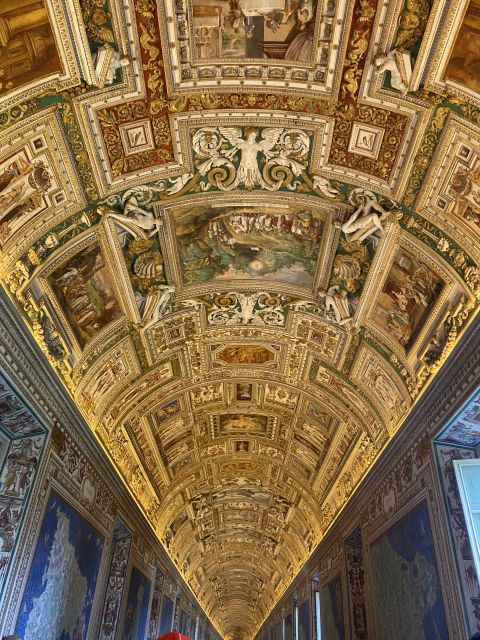
Once you’re inside, the experience shifts from ticket-holder browsing to guided “this is what you’re seeing and why it matters.” The Vatican Museums are huge, so the biggest value here is not that you see everything—it’s that you see the right things with an interpretive thread.
You’ll learn the “secret” behind various halls—meaning the guide connects the art to the people and ideas behind it. That’s the difference between looking at masterpieces as pretty wall-filling and understanding them as statements tied to religion, politics, and power.
Two practical notes that make the museums part feel better:
- You’ll be walking a lot of museum corridors, so go with comfortable shoes.
- You’re not just scanning art—you’re listening—so the headsets help you stay engaged without constantly craning your neck.
Raphael Rooms and Big-Name Art Without the Guesswork
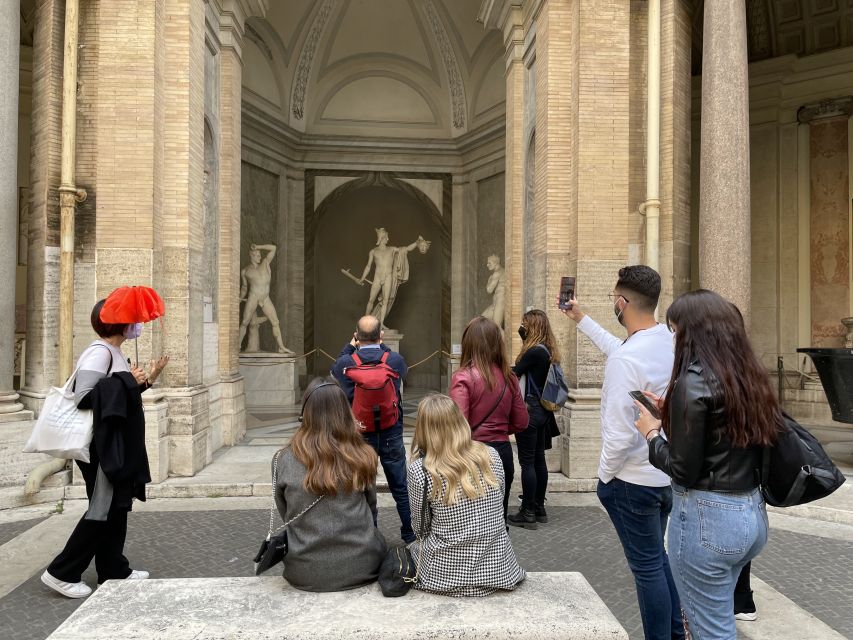
The Vatican has a talent for making you feel tiny in front of scale. What this tour does well is keep you from getting lost in “wow” mode only. The storytelling points you toward specific rooms and artists—especially Raphael—so his work lands as more than famous frescoes behind glassy silence.
Raphael’s rooms (and surrounding highlights) are ideal for a guided explanation because so much is designed to work as a whole. With the tour, you’re more likely to notice recurring themes and symbols instead of just memorizing names. That’s where you’ll feel the Renaissance era take shape: not as a textbook, but as a world of images making arguments.
If you’re the type who usually reads captions and still ends up confused, this is the style of tour that tends to click. You’ll leave with a clearer sense of how artists fit into Vatican life and ambition.
Gallery of Maps: When the Vatican Tried to Explain the World
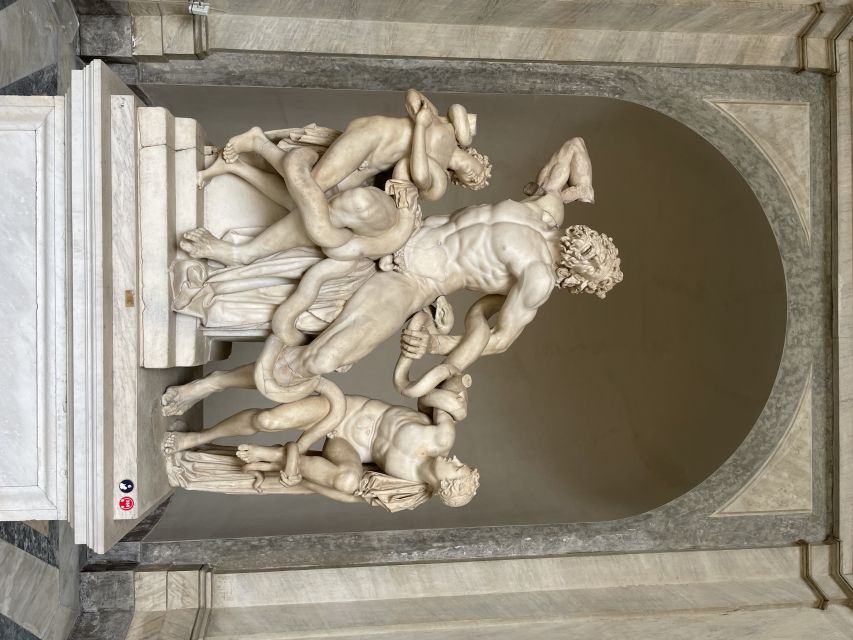
This is one of the stops I think you’ll remember, even if you don’t remember every ceiling. The Gallery of Maps isn’t “just” decorative. It’s a visual snapshot of how people in the past organized geography, and how authority imagined the shape of the world.
In this tour, the guide helps you understand the big idea behind the maps: maps were information, yes—but they were also persuasion. By the time you stand in this gallery, you’re not only looking at charts. You’re seeing a worldview.
Even if you normally skip map rooms in museums, the best way to enjoy this stop is to follow the guide’s questions: What does the map emphasize? What does it leave out? What was the point of presenting it this way?
Sistine Chapel: Art, Rules, and a Guide That Keeps You Oriented
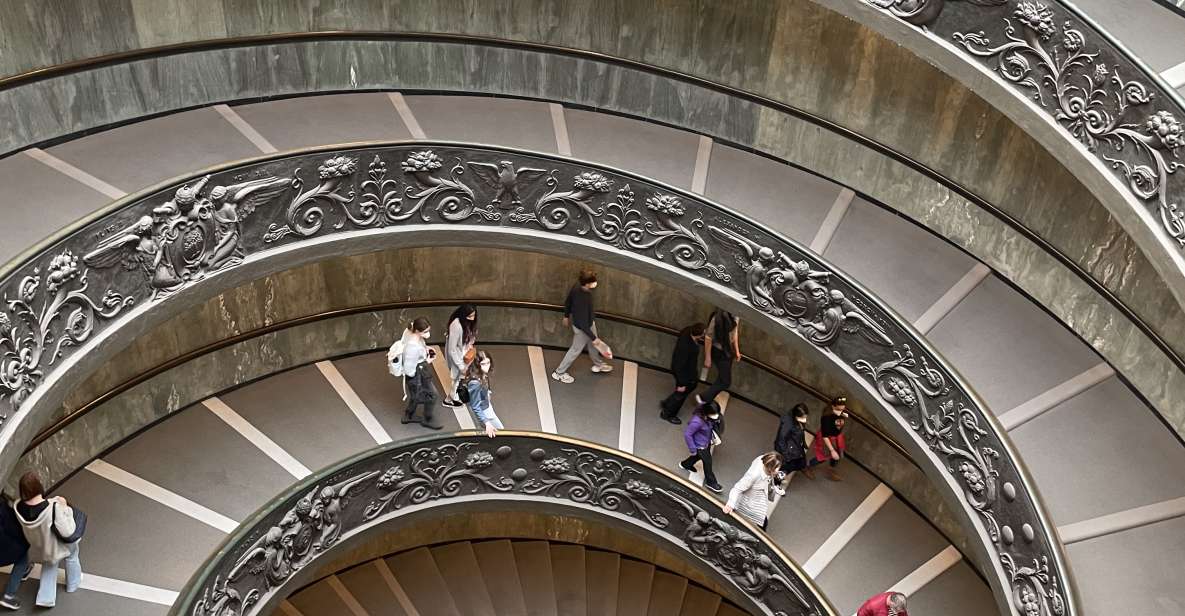
The Sistine Chapel is where the tour changes temperature—less roaming, more focus. You’ll spend about an hour here, and the guide’s job is to help you interpret what you’re seeing fast enough to stay amazed, without leaving you feeling like you’re just being herded.
One of the most useful parts is that you’re not only staring at Michelangelo’s work. You’ll also learn what the Chapel means in the Vatican’s modern religious process, including how it relates to the Papal Conclave. That context transforms the experience. It stops being only art appreciation and becomes a sense of ritual and ceremony—why these images are placed where they are and how they function in Church tradition.
You should also plan for logistics:
- You’ll climb some steps to reach the Sistine Chapel area.
- Flash photography is not allowed, and you’ll want to turn off any camera settings that might accidentally flash.
In a room where silence is expected, having a guide who can tell the story clearly (and quickly) is a real advantage. The headsets again matter here because you’ll be listening from close range while everyone around you tries to do the same.

St. Peter’s Basilica: A Worthwhile Stop—With Clear Limits
St. Peter’s Basilica is one of those places that can overwhelm you before you even see the art you came for. The good news: this tour includes a visit to St. Peter’s Basilica for about 30 minutes, so you still get a meaningful look rather than a drive-by photo stop.
The important limitation is also clear. This experience does not include access or guided access to the dome (and it doesn’t offer preferential dome entry). If what you want is the view from above and a guided dome climb, you’ll need a different tour.
So how should you think about this basilica time?
- Treat it as an orientation stop: see the inside, absorb the scale, and let the guide point out what matters most.
- Don’t treat it as a full basilica day. Thirty minutes is enough to have a wow moment, not enough for deep, slow wandering.
If you’re sensitive to crowded interiors, arrive ready to move and keep expectations tight. The best tours here don’t try to give you everything; they give you the essentials in a structured way.
Price and Value: Is $106 for 3 Hours Fair?
At $106 per person for about 3 hours, this tour sits in the “serious museum experience” range, not the “cheap add-on” category. The value comes from three things working together:
1) Skip-the-line tickets
In the Vatican, time is everything. Avoiding a long entry wait can easily be worth the price difference by itself.
2) Official Vatican tour guide
This is not a random storyteller. An official guide tends to focus on accurate context and practical wayfinding inside the museums.
3) Headsets
In crowded rooms, sound quality becomes part of the product. With headsets, you’ll actually understand the explanations instead of relying on guesswork.
Where the price can feel less justified is if your top priority is the dome view or long lingering time inside St. Peter’s Basilica. Since the dome access is not part of this plan, you shouldn’t expect it to deliver what dome-focused tours deliver.
Timing, Security, and Meeting Up Without Losing the Morning
The Vatican runs on rules, and this tour does too. Plan for airport-style security before you enter. That means you should avoid arriving late with bags or devices that will slow you down.
A few “bring it or regret it” items:
- Bring your passport or ID card.
- Dress in a way that avoids issues with entry rules: no sleeveless shirts.
- Expect that you might not be able to bring oversize luggage.
- Flash photography is not allowed.
- Pets are not allowed.
Also, the meeting point matters. One booking had a rough start when the meeting instructions were unclear and they had to sort it out by contacting the Discover office via WhatsApp. I’d take that as a reminder: don’t assume the meeting details are self-explanatory. Screenshot the instructions before you go, and if something feels off, contact the operator quickly rather than waiting in frustration.
Finally, latecomers are not refunded. If you want the best chance of a smooth start, show up early enough to handle security and find your group.
Who This Tour Suits Best (and Who Should Skip It)
This tour is a strong match if you:
- Want a guided “what am I looking at” experience instead of a self-guided museum sprint.
- Love Renaissance art names and want context tied to the images.
- Are okay with a structured schedule and don’t need hours of silence in every room.
- Prefer a small group and clear audio (headsets).
It’s less ideal if you:
- Are mainly chasing dome access (not included here).
- Need an option that avoids stairs or is designed for mobility needs (this experience is noted as not suitable for people with mobility impairments).
- Expect the basilica to be a slow, in-depth visit. You’ll get an interior stop, but not a long session.
The Bottom Line: Should You Book?
I recommend booking this tour if you want the Vatican Museums and Sistine Chapel with real explanations—and you value not losing hours to lines. The combination of skip-the-line entry, an official guide, and headsets makes the experience feel efficient without feeling rushed, at least for the 3-hour format.
Skip it (or compare alternatives) if your #1 goal is the dome view or if you need longer time in St. Peter’s Basilica. This tour is built for essentials plus context, not for topping up every optional Vatican highlight.
If you’re trying to make one smart choice for Vatican “big moments” in a single morning, this is a solid pick.
FAQ
Where does the tour start?
The tour starts at the Vatican Museums.
How long is the tour?
The duration is 3 hours.
Does the tour include skip-the-line tickets?
Yes. Skip the line tickets are included.
Are headsets provided?
Yes. Headsets are included so you can hear the guide clearly.
Which languages are available?
The live tour guide is available in Spanish and English.
What are the main stops during the tour?
You’ll visit the Vatican Museums, the Gallery of Maps, the Sistine Chapel, and St. Peter’s Basilica.
Is access to the dome of St. Peter’s Basilica included?
No. Access to the dome and a dome guided tour are not included.
What should I bring?
Bring your passport or an ID card.
What is not allowed during the visit?
Flash photography is not allowed, as well as pets, sleeveless shirts, and oversize luggage.
Is it suitable for people with mobility impairments?
No, it is not suitable for people with mobility impairments.