REVIEW · BORGHESE GALLERY TOURS
Borghese Gallery Small group tour and skip.the-line entrance
Book on GetYourGuide →Operated by ROME WITH SILVIA · Bookable on GetYourGuide
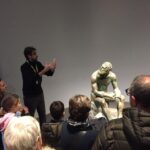
Staring at masters beats a rushed stop. This small group Borghese Gallery tour (max 15) is interesting because you get an art historian walking you through the collection, and you also get priority access so you’re not stuck in Rome’s ticket chaos. I especially like how the guide connects sculptures and paintings to the Borghese family story, and I love the chance to see big-name works like Bernini and Caravaggio without bouncing around on your own. One possible drawback: meeting up can be a little tricky, and even though the tour is in English, comprehension can vary a bit from guide to guide.
You’ll be glad they provide headsets and radios. That matters in a museum where people naturally whisper, move, and block sound—so you can actually follow the explanations instead of guessing from silence.
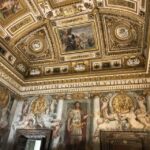
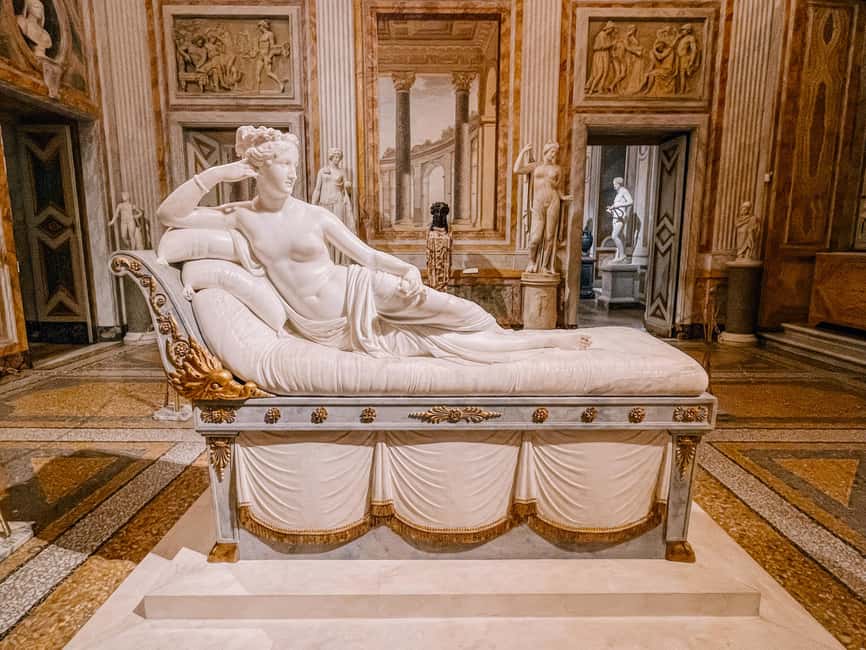
The tour is only 2 hours, so the pacing is focused rather than slow. You move through the opulent Villa Borghese setting, landing on standout rooms such as the Paolina Room, where the collection starts to feel less like a museum and more like Scipione Borghese’s private world.
In This Review
- Key things that make this tour worth your time
- Villa Borghese as a shortcut to the Borghese obsession
- Skip-the-line at Borghese: what priority access actually buys you
- Meeting at Piazzale del Museo Borghese without stress
- The 2-hour flow: how the tour moves through Villa Borghese
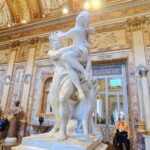
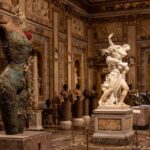
- Bernini: why his sculpture feels like theater here
- Caravaggio’s concentration: the big reason people plan around this stop
- Raphael on the same path: the classic pair with different moods
- Paolina Borghese and Canova: the Venus moment
- What the guide adds (and what to watch for)
- Price and value: is $88 a smart spend for Borghese Gallery?
- Who should book this tour, and who might not need it
- Should you book the Borghese Gallery small-group tour?
- FAQ
- How long is the Borghese Gallery small-group tour?
- What group size is this tour?
- Does this tour include skip-the-line entry?
- Where do I meet the guide?
- Is the tour guided in English?
- Are headsets included?
- What masterpieces will I likely see?
- Do I need to bring ID?
- How flexible is cancellation?
Key things that make this tour worth your time
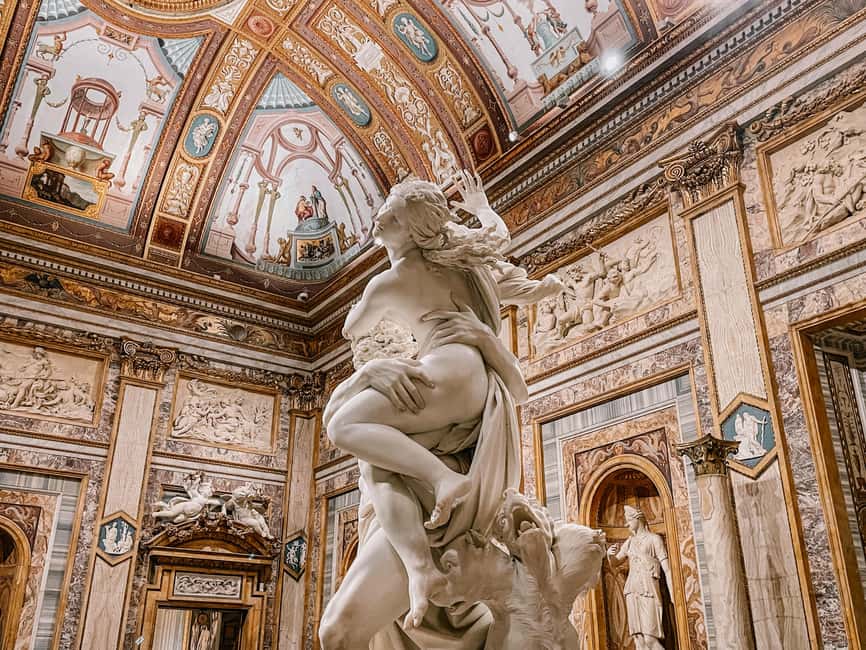
- Small group (15 max) keeps questions from getting lost and helps the guide manage pacing.
- Skip-the-line through a separate entrance means your booked time is respected more reliably.
- Art historian local guide gives context for the Borghese collection and what you’re actually looking at.
- Headsets and radios make the English narration easier to follow in busy rooms.
- Big-ticket names in one stop: Bernini, Caravaggio, Raphael (plus key sculpture highlights).
- Caravaggio in quantity: you’re seeing a famously concentrated set of his works in one collection.
Villa Borghese as a shortcut to the Borghese obsession
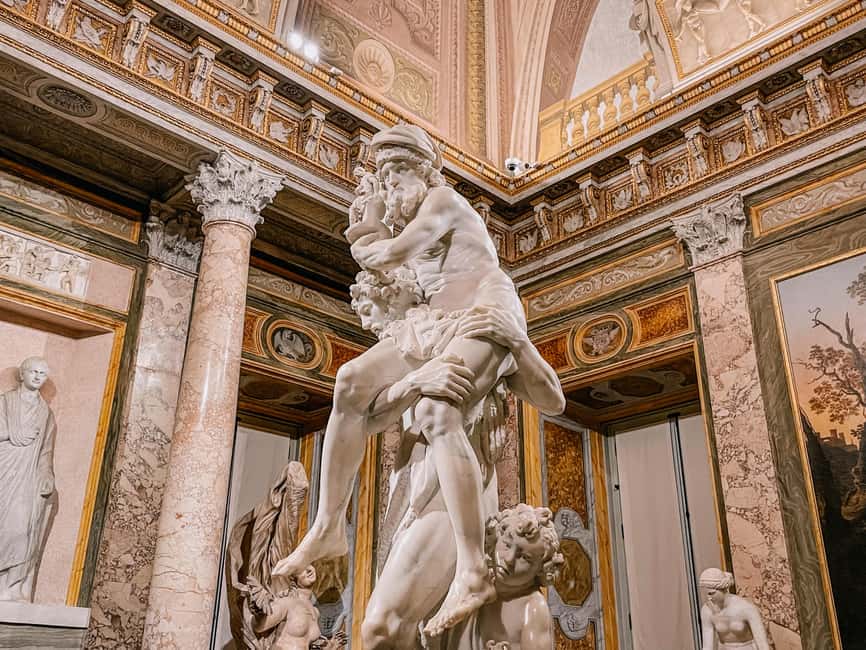
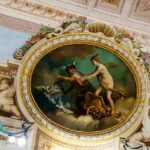
Borghese Gallery is not just “a museum in a palace.” It’s a villa built for collecting—created in the early 1600s by Scipione Borghese, Pope Paul V’s nephew, who gathered art to show off taste, power, and connections. That’s why the whole visit feels different from a modern museum layout: the rooms were made for display, and the collection was meant to be experienced as a unified statement.
For you, that matters because the art lands with more meaning when you understand why it was collected. You’re not just looking for a familiar face on a label. You’re seeing how Roman elite culture and patronage shaped what survived, what got commissioned, and what got preserved in this one place.
You can also read our reviews of more museum experiences in Rome
Skip-the-line at Borghese: what priority access actually buys you
Borghese Gallery is famous for timed entry. That means even if you love museums, you can still lose time to lines and slow entry procedures. This tour includes priority access with reserved entry tickets and uses a separate entrance to help you get inside faster.
In practical terms, it’s about protecting your 2-hour window. If you’re spending only one afternoon in Rome and you care about seeing the classics, saving time at the gate can be the difference between a satisfying visit and an “I saw the highlights, but I didn’t have time to think” one.
One note to keep in mind: skip-the-line doesn’t mean you should arrive at the exact minute your tour starts. It helps, but you still want a little buffer to get oriented at Piazzale del Museo Borghese.
Meeting at Piazzale del Museo Borghese without stress
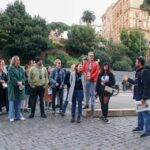
The meeting point is in front of the museum’s entrance at Piazzale del Museo Borghese. That’s the kind of address that’s easy to type correctly and still hard to spot in the real world—because there are multiple flows of visitors and staff.
My advice: arrive a few minutes early, and keep your booking confirmation handy so you can match your group instructions quickly. If you’re traveling with a phone, have the details saved offline too. The only “friction point” this tour can have is simply finding the guide quickly; once you’re together, the experience is built to run smoothly.
Also, bring what they ask for: a passport or ID card. Timed museum entry can be picky, and having the right document helps you avoid last-minute issues.
The 2-hour flow: how the tour moves through Villa Borghese
This is a tight, art-focused tour designed to make the most of a single visit window. You start at the museum area, then spend the bulk of your time inside the gallery with a live English guide.
What you should expect during those two hours:
- Stops built around the main stars of the collection
- Guided explanation you can follow thanks to headsets and radios
- Enough time to look closely rather than just moving past works as fast as possible
Because the duration is fixed, the guide’s goal is selection. You’re not meant to see every corner equally; you’re meant to understand the big themes and recognize the masterpieces in a way that makes them stick.
Bernini: why his sculpture feels like theater here
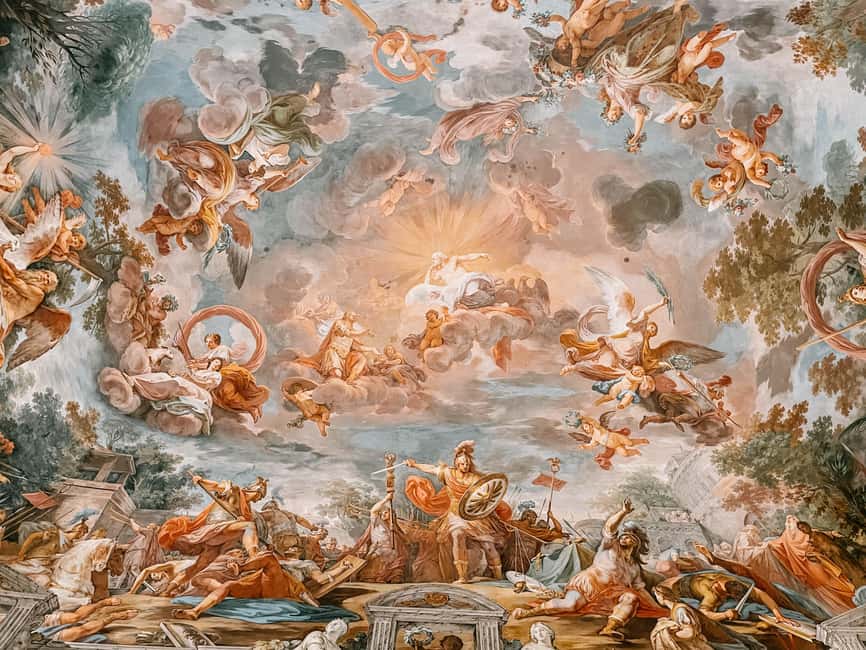
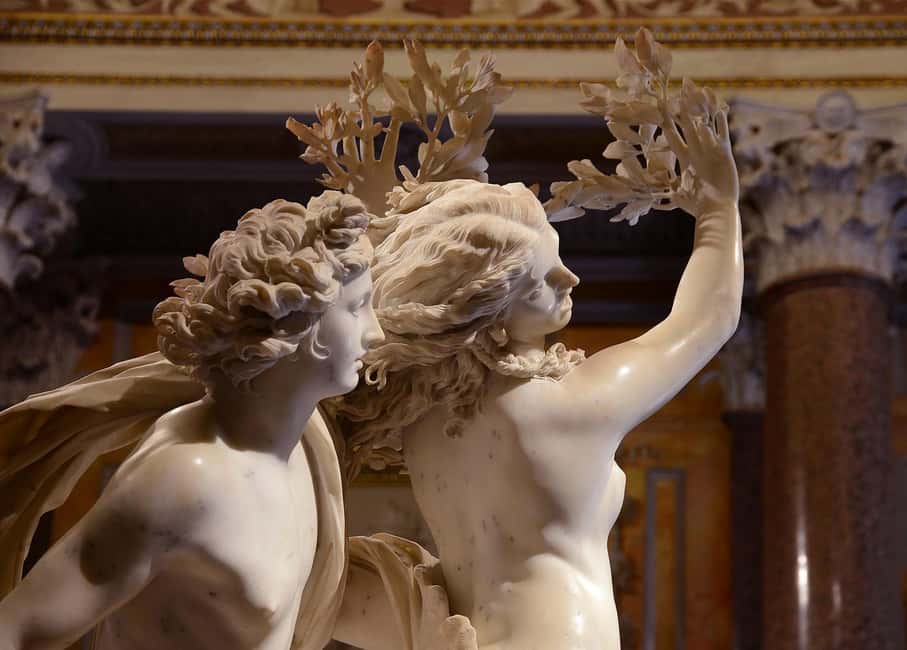
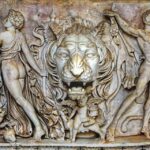
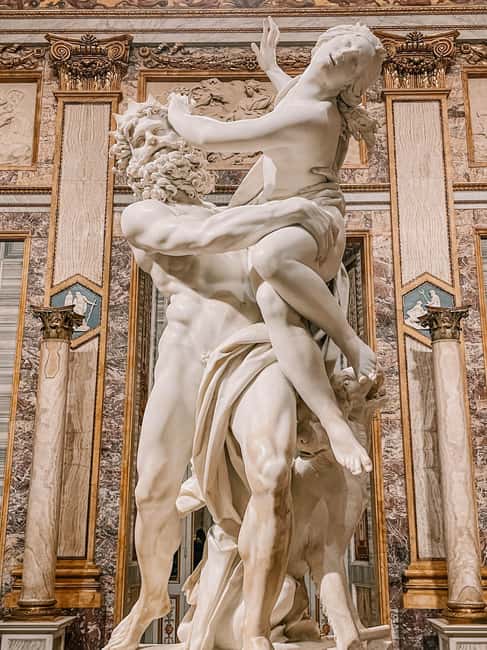
Borghese Gallery is strongly associated with Bernini, and this collection makes that clear. You’ll see several key sculpture works by Gianlorenzo Bernini, including pieces like The Truth, Scipione Borghese’s Bust, and multiple self-portraits.
Bernini’s work is expressive—more like human drama than stone. In a place like this, that quality makes sense. The sculptures sit in rooms designed for display, so you can experience the poses and facial details as intended rather than viewing them from across a crowded hall.
I like that the tour approach doesn’t treat Bernini as just “famous.” The guide’s art-historian framing helps you understand why these works were persuasive to patrons of the era: emotion, symbolism, and status are all wrapped together. That context changes how you read a sculpture—suddenly you’re noticing what the artist wanted you to feel, not just what the museum wants you to photograph.

Caravaggio’s concentration: the big reason people plan around this stop
One of the standout selling points is Caravaggio. This collection is known for having one of the largest groupings of Caravaggio paintings in a single collection, and the tour highlights multiple works.
You can expect to focus on major pieces such as:
- David with the Head of Goliath
- Boy with a Basket of Fruit
- St Jerome
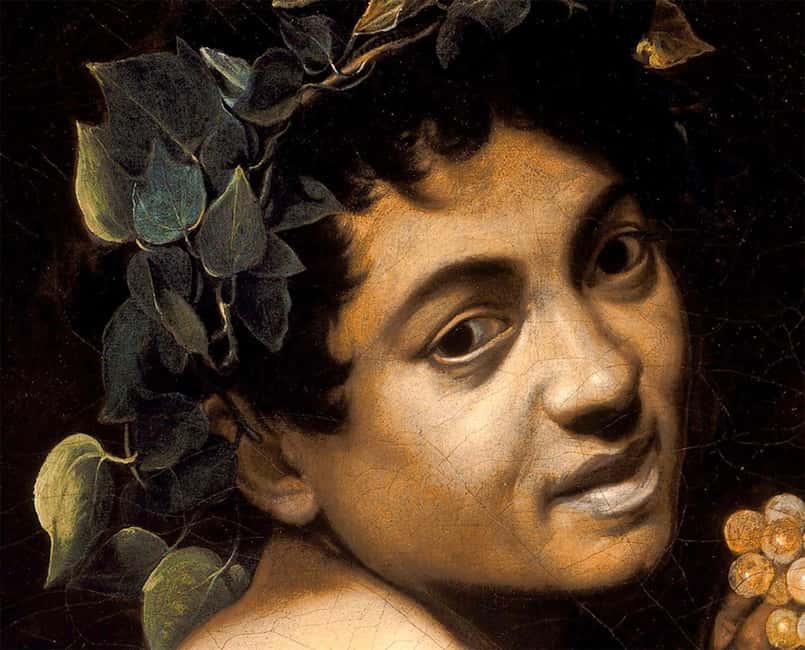
- Self-Portrait as Bacchus
Caravaggio’s power is in the contrast—light, shadow, and intense realism. In a guided setting, you’ll get more than a name on a card. You can learn how to look: at how the figure is staged, how emotion is pushed through posture, and how the lighting makes the painting feel immediate.
This is also a good tour choice if you’re not an art-history expert. Even if you don’t know the basics, the guide helps you form a simple visual checklist: look at the face, notice the moment, then connect it to what Caravaggio was doing with drama and realism.
Raphael on the same path: the classic pair with different moods
Borghese Gallery doesn’t only lean dark and dramatic. You’ll also see Raphael works, including:
- Lady with Unicorn
- Portrait of Pope Julius II
Raphael is a helpful contrast after Caravaggio and Bernini. Where Caravaggio can feel like a spotlight cutting through darkness, Raphael often feels smoother, more composed, and more grounded in balanced presentation.
Seeing Raphael alongside the other masters makes the tour richer, because you start noticing differences in technique and intent. It’s easier to spot what each artist is trying to accomplish when you’re not switching cities or traveling days between them.
Paolina Borghese and Canova: the Venus moment
In the middle of your visit, you’ll get to one of the most talked-about rooms: the Paolina Room. This is where the collection includes Antonio Canova’s celebrated statue of Paolina Borghese—Camillo Borghese’s wife—shown in the guise of Venus.
The statue became famous when it was first exhibited because it represents Paolina lying almost naked on a dormeuse. That’s the kind of subject that makes people pay attention instantly, but the tour framing helps you go beyond the initial shock or surprise and into understanding the sculpture’s cultural context.
If you want one “pause and look longer” stop, this is it. In a 2-hour tour, the best strategy is to pick one or two moments where you really let your eyes rest, and Paolina is a strong candidate.
What the guide adds (and what to watch for)
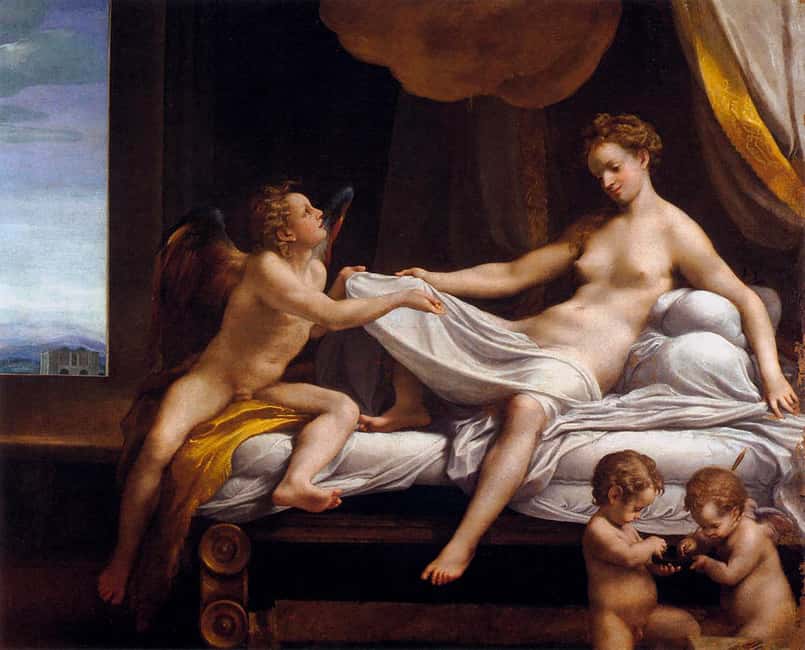
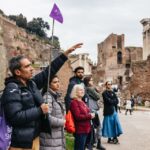
The whole point of a guided tour here is interpretation. Borghese Gallery has enough masterpieces that you can lose the story if you walk alone. The art historian local guide helps you connect the collection to who Scipione was, how the Borghese family used art, and how the artists’ choices fit the era.
In past groups, guides have included people named Sylvia, Lia, and an Italian guide named Vincenza. That’s a fun detail because it hints at the variety of personalities you might get. The tour is in English, but accents and clarity can vary; the built-in headsets and radios are there to keep you from falling behind.
One practical consideration: if you have a hearing challenge or you’re in a crowded room, don’t be shy about positioning yourself. Even with a headset, you’ll follow better when you can see the guide and not get stuck half-turned away from them.
Price and value: is $88 a smart spend for Borghese Gallery?
At $88 per person for a 2-hour small-group experience, you’re paying for three things that are hard to replicate on your own:
- Priority entry that helps you respect the timed museum reality.
- An art historian guide who explains what you’re seeing, not just what it’s called.
- Headsets and radios, which make the narration actually usable.
If you’re the type of traveler who reads museum labels and still wants more, this pricing can feel fair. The Borghese collection is famous, but it can also be overwhelming without a path. A guided structure gives you a route through the stars and the themes, and it reduces the risk of spending your limited time chasing random highlights.
If you’re the type who loves planning and self-guided discovery, you might compare costs with standard admission. But if you want a guided, time-respecting visit that hits the big masterpieces—this looks like solid value.
Who should book this tour, and who might not need it
This tour is a great fit if:
- You want to see Bernini, Caravaggio, and Raphael in one concentrated visit.
- You care about context, not just viewing famous works.
- You prefer small group pacing over wandering.
You might consider another approach if:
- You’re extremely confident with museum self-navigation and already know what you want to find.
- You dislike guided timing and want total freedom to linger wherever you choose.
For most people, though, this is the kind of structured art experience that turns a famous museum into a memorable one.
Should you book the Borghese Gallery small-group tour?
If you’re aiming for maximum “wow” with minimal wasted time, I’d book it. The small group size, skip-the-line priority access, and art historian explanations with headsets are exactly what you want in a place like Borghese Gallery, where the schedule is tight and the masterpieces are dense.
Just do yourself a favor: arrive a few minutes early at Piazzale del Museo Borghese, bring your ID/passport, and be ready to communicate quickly if the meeting spot feels unclear. When you get the guide right away, this tour becomes a very efficient way to understand the Borghese collection—and to see why it’s so revered.
FAQ
How long is the Borghese Gallery small-group tour?
The tour lasts 2 hours.
What group size is this tour?
It’s a small group tour with a maximum of 15 people.
Does this tour include skip-the-line entry?
Yes. It includes skip-the-line access with a separate entrance and priority entry tickets.
Where do I meet the guide?
You meet in front of the museum’s entrance at Piazzale del Museo Borghese.
Is the tour guided in English?
Yes. The live tour guide speaks English.
Are headsets included?
Yes. The tour includes headsets and radios so you can hear the guide clearly.
What masterpieces will I likely see?
You’ll focus on major works including Bernini, Caravaggio, and Raphael, plus notable sculpture highlights such as Canova’s Paolina Borghese.
Do I need to bring ID?
Yes. You should bring a passport or an ID card.
How flexible is cancellation?
Free cancellation is available up to 24 hours in advance for a full refund.