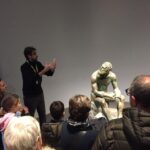
Rome turns dark and funny in one walk. You’ll trade the usual Colosseum/Vatican checklist for real street-level storytelling in the old center. I love how the tour uses small detours to connect modern Rome to ancient Rome without turning into a history lecture.
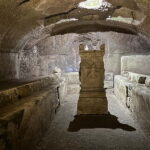
Two things I particularly like: first, you get macabre-and-scandalous stories (execution lore, popes’ secret love affairs) that explain why certain corners feel different. Second, the route leans into places most people miss—tight lanes and even a stop in ancient underground dwellings tied to an assassination attempt.
One drawback to think about: it’s a walking tour with some uneven footing, and it isn’t listed for people with back problems or mobility impairments.
In This Review
- Key things you’ll notice on this Hidden Rome walk
- Why Campo de’ Fiori sets the right tone (and saves you from the usual Rome script)
- Witches, heretics, and popes with secret love lives
- The alleyways and the underground stop that change how you see Rome
- Stop-by-stop: what each named place adds to the story
- Start: Campo de’ Fiori
- Piazza del Biscione
- Theatre of Pompey
- Piazza Benedetto Cairoli
- Piazza Mattei
- The Jewish Ghetto area
- Portico d’Ottavia
- Theatre of Marcellus
- Tiber Island
- Church of Santa Cecilia in Trastevere
- How the guide turns a street walk into a timeline you can hold
- Price and value: is $34 worth it for 2.5 hours?
- Practical stuff before you go (so your feet stay happy)
- Should you book this Rome walking tour?
- FAQ
- How long is the Hidden Gems of Rome Walking Tour?
- Where do I meet the guide?
- Where does the tour end?
- Is the tour guided in English?
- What is included in the ticket price?
- What should I bring?
- Is this tour suitable for people with mobility issues or back problems?
- What is the cancellation policy and payment options?
Key things you’ll notice on this Hidden Rome walk
- Campo de’ Fiori as the starting pulse: you’re placed right where Rome’s public life and darker stories overlap.
- A storyteller guide with energy: the vibe is lively, with practical street sense and humor, and it helps you keep pace.
- Old alleyways you can actually feel: narrow lanes and passageways give you a “why is this here?” moment.
- Ancient civic sites, quick hits: Pompey, Marcellus, and the Tiber Island area keep the timeline moving.
- Trastevere finish with options: you end near Basilica di Santa Cecilia, a strong base for evening plans.
Why Campo de’ Fiori sets the right tone (and saves you from the usual Rome script)
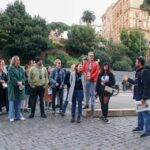
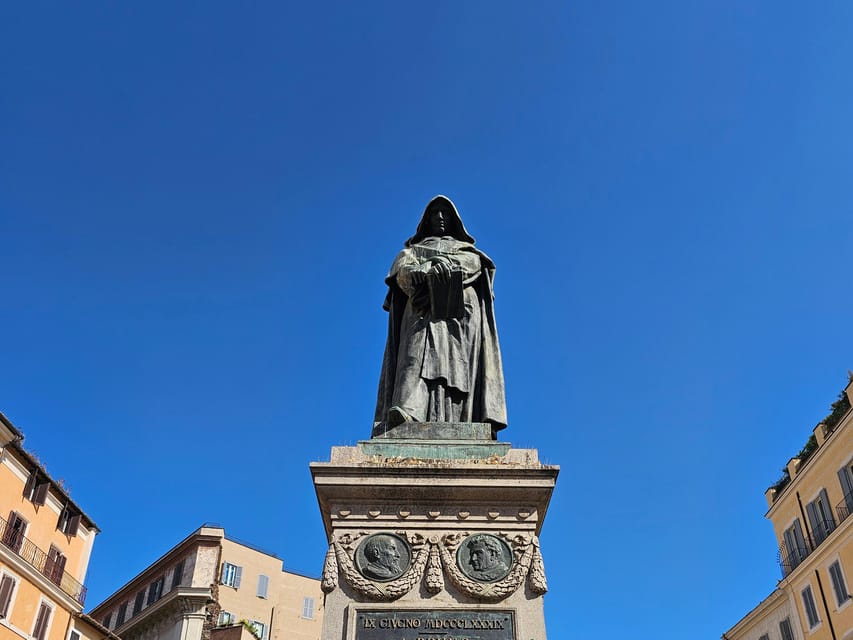
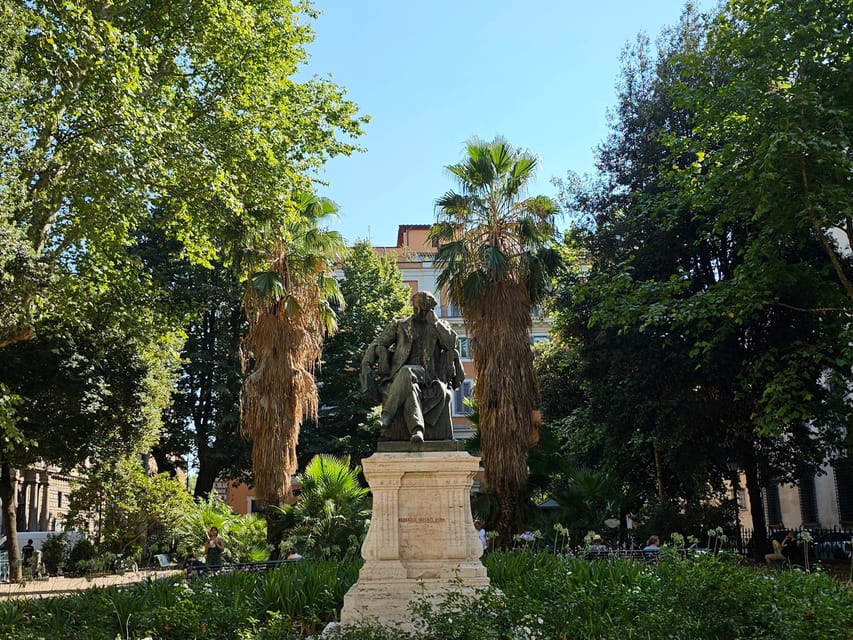
The tour begins in Campo de’ Fiori, at a spot easy to find in the middle of the piazza—right under the statue. That location matters. It’s a working, public part of Rome, not a quiet ruin where everyone whispers. You start in a place that already feels like a stage.
From the first minutes, the guide’s job is to orient you fast. You learn which side streets matter, how the center is arranged, and how to move through it without losing time or getting confused at crossings. Even if you know Rome maps, a street plan in your head beats a phone screen.
And then the tone shifts. You’ll hear about Rome’s execution lore for witches and heretics, plus scandalous stories tied to controversial figures. The city’s “polite postcard” face lasts about five minutes—after that, you’re reading between the stone lines.
You can also read our reviews of more walking tours in Rome
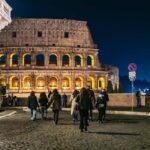
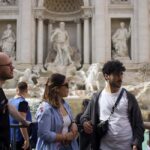
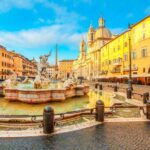
Witches, heretics, and popes with secret love lives

This isn’t a tour that treats legends like bedtime stories. It uses the drama to explain power—who had it, who used it, and how rumor stuck around long after the facts.
One of the biggest draws for me is how the guide blends the macabre with comedy. The stories about Rome’s execution site for witches and heretics are the kind of details you almost never hear on casual walks past fountains and churches. And the talk about hidden love affairs of popes turns a “religion history” topic into something more human (and more complicated).
If you like your history with plot twists—people conspiring, schemes brewing, reputations getting weaponized—you’re going to enjoy this. The guide keeps it moving so it doesn’t become grim or heavy for too long.
The alleyways and the underground stop that change how you see Rome
You’re promised hidden 2000-year-old alleyways, and the effect is real: the walk makes the old city feel compressed, like you’re stepping into a layer that still exists. Tight streets can be stressful in the midday heat, but here that closeness is part of the experience. It forces you to notice details—doorways, stairways, corners where something must have happened.
The standout segment for many people is the moment the tour turns beneath the street. You visit ancient underground dwellings connected to an assassination attempt. That’s the kind of stop that recalibrates your brain. Above ground, Rome looks like monuments. Underground, it feels like living space—and like a backdrop for real danger.
Value-wise, this is where the tour justifies its price. Many budget walks give you a list of sights. This one gives you a feeling for how people actually moved, hid, and lived in earlier Rome.
Stop-by-stop: what each named place adds to the story
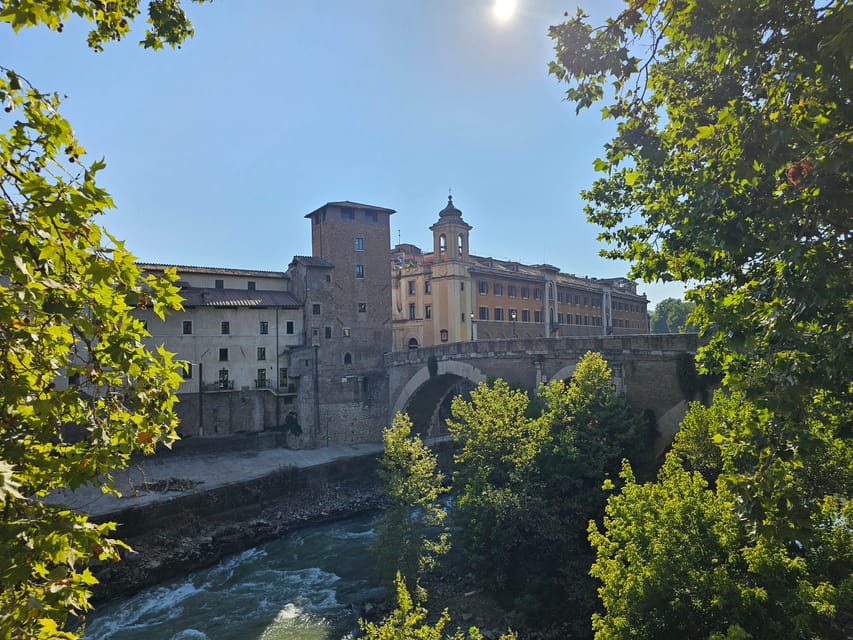
Below is how the route builds its arc—each stop short, but placed to keep the plot straight.
Start: Campo de’ Fiori
You spend about 15 minutes here with a guided look around the historic center area. Beyond the basics, this start point helps frame the tour’s theme: Rome isn’t only marble and emperors. It has a public record, too—trials, punishments, and power plays that people once watched together.

Piazza del Biscione
Next comes Piazza del Biscione for a quick guided segment. It’s not a long pause, but it’s part of the tour’s rhythm: the guide keeps you from spacing out by giving you a clear “new chapter” every few minutes.
Theatre of Pompey
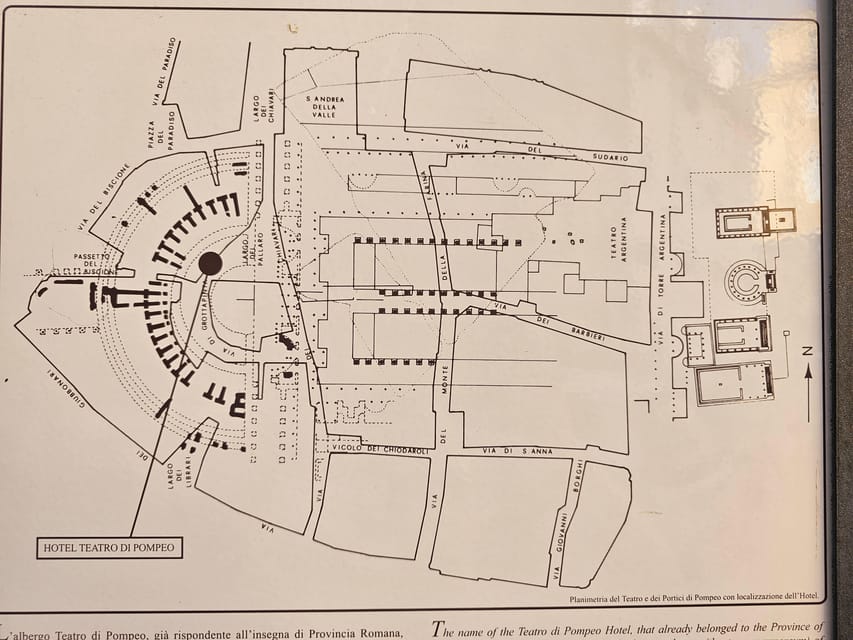
Then you’re at the Theatre of Pompey for a short stop. Even if you’ve heard the name before, the tour’s storytelling approach makes it more than a label. You get context for how civic spaces shaped daily life and how cities used spectacle.
Piazza Benedetto Cairoli
You’ll spend around 15 minutes here. This longer pocket of time is useful if you want to settle into the walk. It’s a good moment to regroup your footing, drink water, and let the guide connect the dots between institutions, religion, and politics.
Piazza Mattei
In Piazza Mattei, the guided stop lasts about 10 minutes. This is the sort of place where the details can be easy to miss if you’re rushing. The tour’s benefit is that you’re not just sightseeing—you’re being coached on what to notice.
The Jewish Ghetto area
A short segment brings you into the Jewish Ghetto area. The guide uses this stop to widen the lens beyond emperors and saints. Even when the time is brief (around five minutes here), the storytelling is meant to help you understand how Rome’s communities shaped the city’s long, complicated record.
Portico d’Ottavia
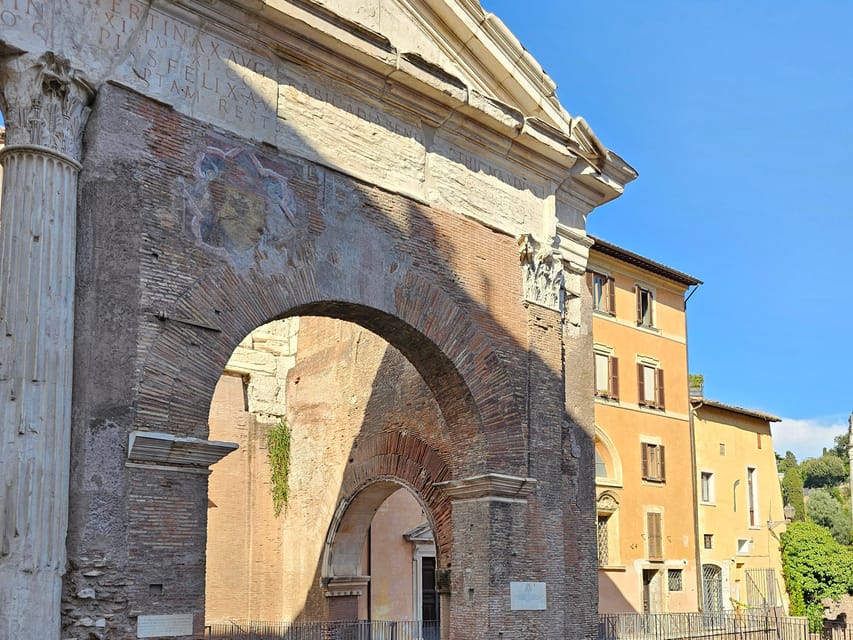
At Portico d’Ottavia you get a brief guided look. The portico setting helps reinforce a theme you’ll see throughout: Rome’s power centers weren’t always loud. Sometimes they were organized under arches, in controlled spaces, within systems that looked orderly while people inside dealt with real risks.
Theatre of Marcellus
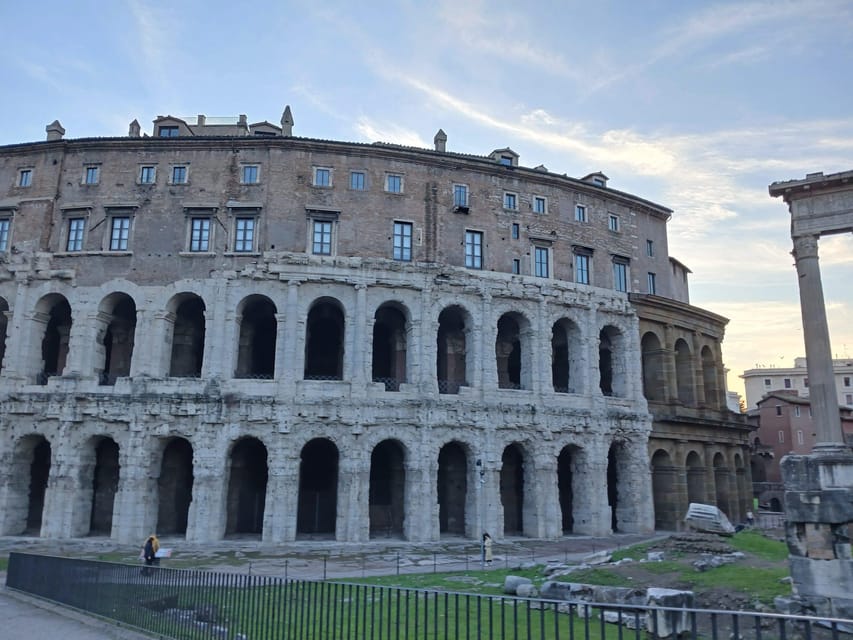
Another quick stop: the Theatre of Marcellus. The guide uses it to keep you anchored to ancient civic life rather than getting stuck in “and then, and then” chronology. You get a sense of how these spaces were designed for attention—exactly where politics and scandal could flourish.
Tiber Island
You spend about 10 minutes around Tiber Island. This section is useful because it shifts your perspective. Crossing from one “story block” to another, you start seeing the city’s geography as an actor in the tale, not just a backdrop.
Church of Santa Cecilia in Trastevere
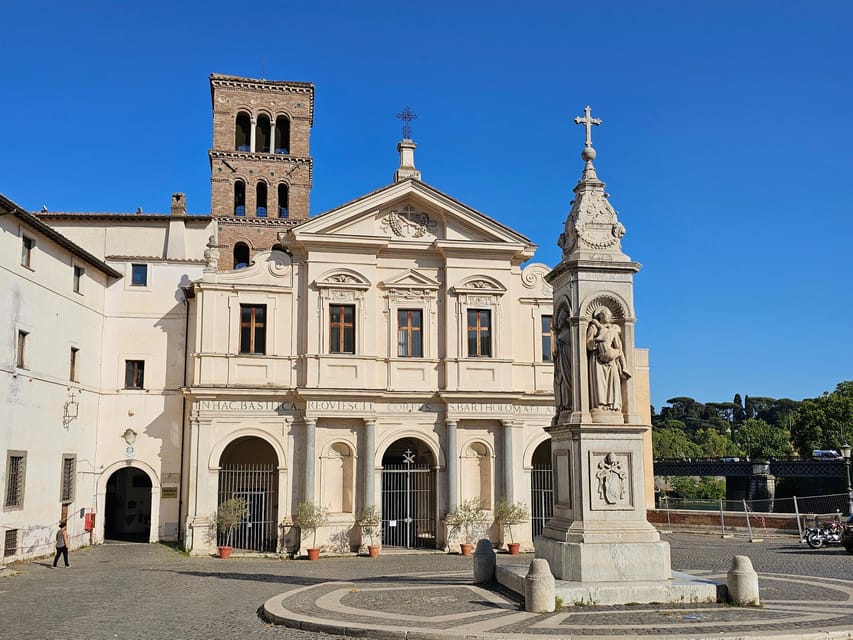
The tour ends with a longer visit at the Church of Santa Cecilia, about 20 minutes. This isn’t just a quick exterior glance. You get time to settle into the final atmosphere in Trastevere, where the guide’s stories land better because the neighborhood feels like a living continuation of the day.
How the guide turns a street walk into a timeline you can hold
A lot of Rome tours say they connect eras. This one actually tries to do it through your feet. You go from modern streets into ancient corners and back again, with the guide explaining what changed and what stayed familiar.
The guide is also an Irish storyteller with a licensed tour approach, and it shows in pacing. The humor and the punchy way of switching topics help you stay alert, especially if you’re touring with kids or teenagers. One review noted a 14-year-old daughter stayed glued to the whole thing, which tells me the storytelling tone isn’t aimed only at adults.
And a small but real help: the guide shares tips for navigating Rome’s street flow—how to cross, when to watch for patterns, and how to avoid the “wait, where do I go?” moment. That may sound minor, but in the historic center it can save you both stress and time.
Price and value: is $34 worth it for 2.5 hours?
At $34 per person for about 2.5 hours, the value comes down to three things.
First, you’re not paying for a long drive or a big-ticket monument. You’re paying for a professional guide who can deliver storytelling plus access to sites. The tour lists entrance fees to visited attractions as included, which matters because Rome sightseeing adds up fast once you start paying one-by-one.
Second, it’s concentrated. Two and a half hours is enough time to feel like you’ve seen something new without blowing an entire morning on walking and ticket lines. If your schedule is tight, this length is a sweet spot.
Third, the underground and secret-alley components give you payoff that a standard “look at this church” walk rarely provides. That’s where the cost starts to feel fair.
Practical stuff before you go (so your feet stay happy)
This is a walking tour, so your main gear is simple: comfortable shoes and water. The route includes multiple short guided stops, which means you’ll be standing, moving, and turning corners more than once.
Also, it’s listed as not suitable for wheelchair users and people with mobility impairments, and it’s not for those with back problems. If you’re deciding between this and another Roman outing, take that seriously.
Finally, it’s English-language and live-guided, so you’ll get the real-time explanations. If you need a quiet, self-guided pace, this isn’t that kind of tour.
Should you book this Rome walking tour?
I think you should book it if you want Rome with personality. This tour is a strong choice if you like stories that mix the dark and the funny, and if you want to see places you’d likely skip because they aren’t the big-name monuments.
It’s also a good pick if you enjoy short, focused stops that keep you moving—Pompey, Marcellus, Tiber Island, and a Trastevere church visit—while the guide supplies the connective tissue.
Skip it if you need step-free routes or you hate long time-on-your-feet walks. Also, if you prefer strict, textbook-style history with minimal drama, you might find the tone more theatrical than you want.
FAQ
How long is the Hidden Gems of Rome Walking Tour?
The tour lasts about 2.5 hours.
Where do I meet the guide?
Meet your guide in the middle of Campo de’ Fiori, right under the statue.
Where does the tour end?
The tour is listed as ending at Basilica di Santa Cecilia in Trastevere, and the activity is also listed as ending back at the meeting point. Check your booking details to confirm the exact end point for your date.
Is the tour guided in English?
Yes. The live guide speaks English.
What is included in the ticket price?
The price includes a walking tour, a professional guide, and entrance fees to visited attractions.
What should I bring?
Wear comfortable shoes and bring water.
Is this tour suitable for people with mobility issues or back problems?
No. It is listed as not suitable for people with back problems, mobility impairments, or wheelchair users.
What is the cancellation policy and payment options?
Free cancellation is available up to 24 hours in advance for a full refund. You can also reserve now and pay later.