REVIEW · CASTEL SANT'ANGELO TOURS & TICKETS
Rome: Castel Sant’Angelo Entrance Ticket
Book on GetYourGuide →Operated by The Voyager · Bookable on GetYourGuide
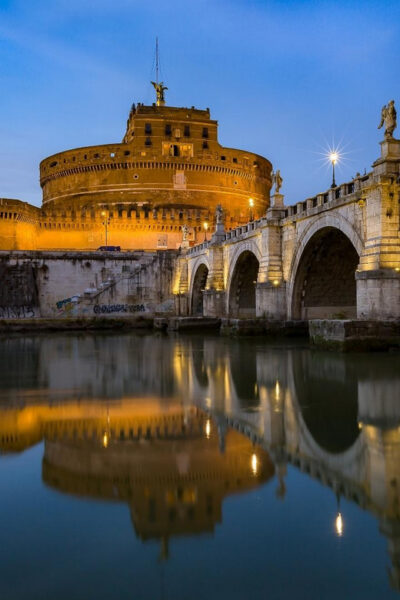
Castel Sant’Angelo hits you fast. One moment you’re at street level, and the next you’re inside a former mausoleum with Rome unfolding in front of you. I like the skip-the-line setup because it gets you moving quickly, instead of spending your visit staring at a queue.
Two things I’d highlight: the panoramic views from the terrace (Tiber River, St. Peter’s Basilica, the Vatican, and the Roman skyline), and the variety inside—mausoleum, fortress, and even a prison story wrapped into one visit. The main drawback is practical: you’ll climb a series of stairs, so plan for that and know it’s not suitable for wheelchair users or people with mobility impairments.
In This Review
- Key points before you go
- Why Castel Sant’Angelo is worth your time
- Getting in with a $32 skip-the-line e-ticket
- Start inside: Hadrian’s Mausoleum and the imperial beginning
- Ramparts and terrace views: Rome from the castle’s high points
- Papal Apartments: Renaissance comfort inside a military setting
- Fortress and prison: understanding the castle’s defensive purpose
- Pace, comfort, and practical tips that make the visit smoother
- Who should book this ticket (and who should consider another plan)
- Should you book Castel Sant’Angelo Entrance Tickets?
- FAQ
- How much is the Castel Sant’Angelo entrance ticket?
- Do I need a meeting point for this activity?
- When will I receive my tickets?
- What do I show at the entrance?
- Is there skip-the-line access included?
- How long is the ticket valid?
- What should I bring with me?
- What items are not allowed inside?
- Is the site suitable for wheelchair users or mobility impairments?
- Is free cancellation available?
Key points before you go
- Skip-the-line entry with an e-ticket so you can start right away at the entrance
- Hadrian’s mausoleum roots set the tone for everything you see
- Terrace views over Rome include St. Peter’s Basilica and the Vatican
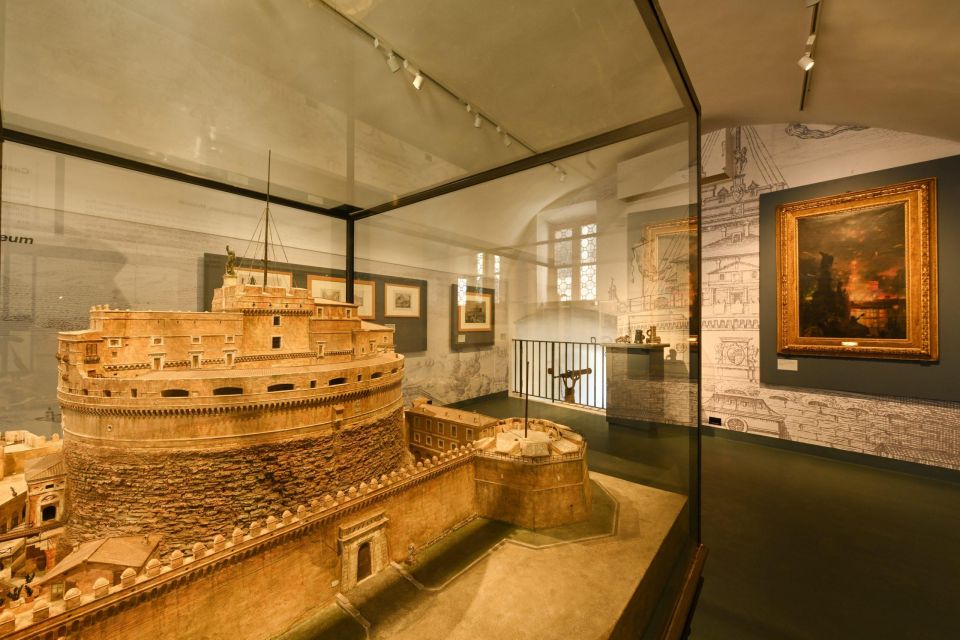
- Papal Apartments add the lux look, with frescoes and period furnishings
- Fortress and prison history explains why this castle mattered
- Stairs are part of the deal on the way to the panoramic terrace
Why Castel Sant’Angelo is worth your time
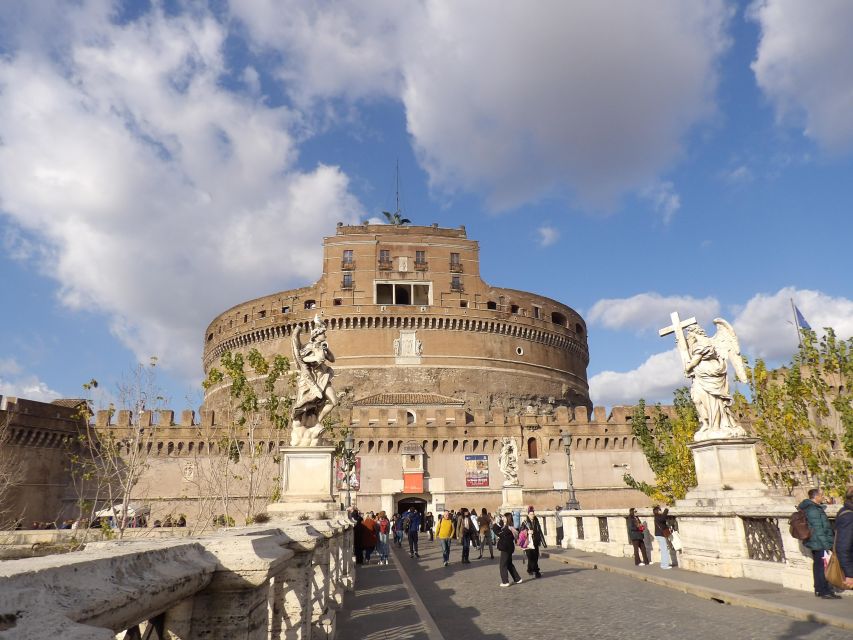
Castel Sant’Angelo is one of those Roman sites where the building itself is the plot. You start in a structure tied to Roman imperial power, then watch it transform into a fortress, and later into something the city used for protection and confinement.
I like that it doesn’t force you into a single theme. You can focus on the architecture, the political story behind the rooms, or simply spend time on the terrace taking in the city from a truly strategic spot. And because it’s a “layers of use” kind of place, even a shorter visit feels like you got your money’s worth.
It also has that practical advantage of being easy to navigate on your own. The layout gives you plenty of chances to slow down, look around, and piece together what each section is telling you.
You can also read our reviews of more tours and experiences in Rome



Getting in with a $32 skip-the-line e-ticket

The ticket cost is $32 per person, and the value mostly comes from how it reduces wasted time at the start. Castel Sant’Angelo is popular, and even when things move, standing around early usually eats the best part of your day.
You don’t need a meeting point. Your ticket is sent by email in the late afternoon of the day before your entry date, and you show it at the entrance. If you don’t see the voucher code, check your spam folder—this is one of those small steps that prevents a lot of stress.
Also note the timing detail that matters: the ticket is valid for 1 day, and you should check availability for starting times. That means you’re not locked into an exact minute forever, but you still want to pick a slot that matches your energy and your plan for the rest of Rome.
One more thing: comfortable shoes are not optional here. Between walking through rooms and climbing up toward the views, you’ll want footwear that can handle stairs and stone floors.
Start inside: Hadrian’s Mausoleum and the imperial beginning
Your visit starts in the heart of the structure—the original mausoleum for Emperor Hadrian. Even if you don’t come with a memorized timeline, the space helps you understand the big idea: this wasn’t built to be just another stop. It was meant to be a monumental endpoint for an emperor.
From there, the building tells its story through corridors and chambers, moving you through spaces that later took on new roles. You’ll see how the architecture supports the castle-life—thick, heavy-feeling sections that make the fortress identity feel inevitable.
This is one of the reasons the entrance ticket works well for casual visitors. You can walk at your own pace, get your bearings, and still feel like the place is guiding you from one era to the next.
If you’re a photo person, the opening areas give you a good sense of scale. It’s one thing to read about emperors. It’s another to stand in a structure that was made to last.
Ramparts and terrace views: Rome from the castle’s high points
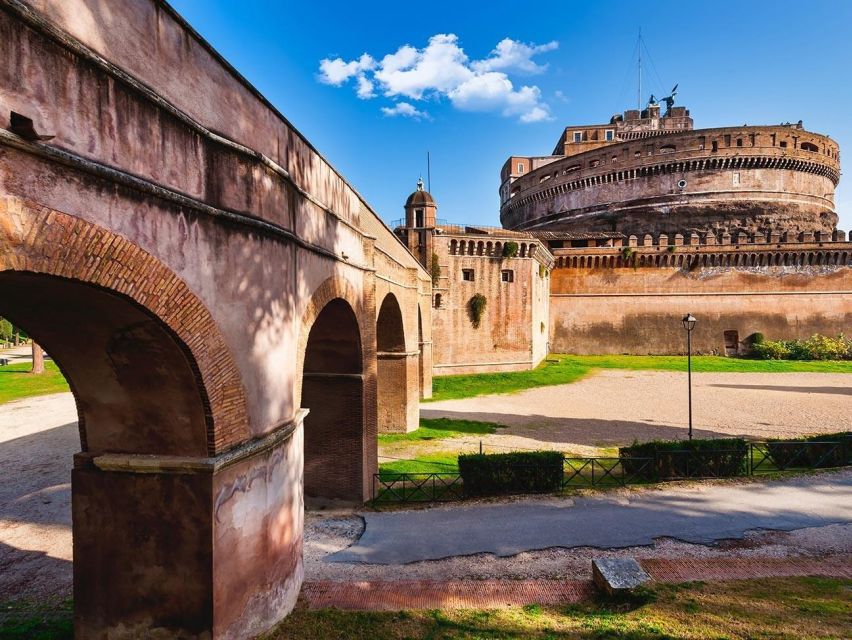
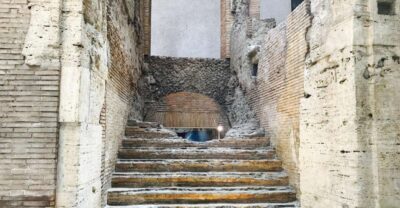
The headline experience here is the panoramic terrace. Expect to climb a series of stairs to reach it, so build time into your visit and don’t treat the stairs like an afterthought.
Once you’re up there, the payoff is clear: you get views across the Tiber River, plus St. Peter’s Basilica and the Vatican in your sightline. The Roman skyline fills out the rest of the scene, and you’ll understand why this location was so strategically useful long before modern cities existed.
This is also where the ticket feels extra worth it. Skip-the-line entry means you spend less time waiting and more time up on the ramparts, where you’ll want a few minutes to settle in, take photos, and actually look.
Practical tip: if you want the best experience, treat the terrace as a slow stop, not a quick photo and move on. That little pause makes the whole visit feel less rushed.
Papal Apartments: Renaissance comfort inside a military setting
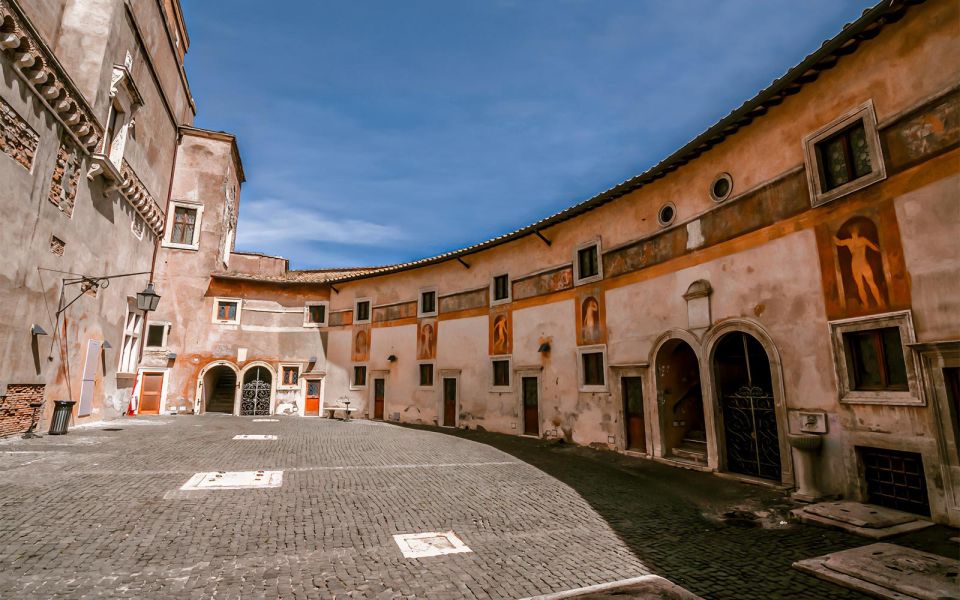
One of the most interesting contrasts inside Castel Sant’Angelo is the Papal Apartments. You go from fortress mood to something far more luxurious—rooms tied to the pontiffs and decorated with Renaissance frescoes and period furniture.
This part changes the tone of the visit. Instead of only thinking about defense and danger, you get a glimpse of status, taste, and how the same walls could hold very different kinds of power. You’re basically seeing how a place built for control could also become a stage for ceremony and prestige.
If you like interior details, give yourself time here. Frescoes and period rooms aren’t the kind of thing you can fully absorb in a three-minute sprint. Even if you don’t read every sign, you’ll still feel the shift in atmosphere.
The lesson I take from this section is simple: Castel Sant’Angelo wasn’t stuck in one identity. It adapted, and the Papal Apartments show that adaptation in a very human way.





Fortress and prison: understanding the castle’s defensive purpose
Castel Sant’Angelo didn’t just become a castle because it looked cool. It became one because it was useful in times of conflict and crisis. As you move through the military-related spaces, you’ll see defensive structures and learn how the castle’s positioning helped protect Rome.
This is where the “mausoleum, fortress, and prison” description clicks into place. The building’s layout makes sense when you think about control: where people could be held, where defenders could operate, and why the castle needed to dominate nearby approaches.
This section is also a strong fit if you like history explained through physical space. You’re not only reading dates—you’re walking through a design shaped by real security needs.
And if you’re visiting with friends who don’t care about every historical fact, this is still a good sell. The defensive parts have that universal “why would they build it like this?” curiosity built into them.
Pace, comfort, and practical tips that make the visit smoother
I think Castel Sant’Angelo works best when you plan for your energy rather than the clock. The experience is very self-paced, so you can spend more time on what grabs you: imperial origins, terrace views, Papal Apartments, or the military story.
Here’s what I’d do to keep it comfortable:
- Wear comfortable shoes because you’ll be climbing and walking a lot.
- Bring comfortable clothes for stairs and time indoors.
- Expect that the terrace requires effort, so don’t schedule anything intense right after your visit.
- If you care about photos, build in extra time for the terrace so you’re not rushing at the end.
You’ll also want to travel light in the way the site allows. Pets aren’t allowed, and you can’t bring weapons or sharp objects. Luggage or large bags aren’t permitted, and sprays or aerosols are also off-limits.
One more practical thought: because the ticket is delivered by email in the late afternoon of the day before, make it a habit to check your phone and email the evening before. It’s the fastest way to avoid last-minute scrambling.
Who should book this ticket (and who should consider another plan)

This entrance ticket is a great choice if you want one place that covers a surprising range: Roman emperor origins, Papal Apartments, panoramic city views, and the fortress/prison side of the story.
It’s also good for travelers who don’t want a guided group pace. The site gives you enough structure that you can understand what you’re seeing without needing a talk every five minutes. You can walk around at your own rhythm and stop where something catches your eye.
It’s not a good match if stairs are a problem. The experience is not suitable for wheelchair users and not suitable for people with mobility impairments, and the panoramic terrace specifically involves a series of stairs.
If you’re comfortable with stairs and you like history that changes form over time, this is an easy yes.
Should you book Castel Sant’Angelo Entrance Tickets?
Yes, I’d book it if you’re the type of traveler who wants big returns from a short window: fast entry, multiple “chapters” in one building, and Rome views that include St. Peter’s and the Vatican from above.
Book it particularly if you hate waiting. The skip-the-line approach turns the ticket into more than admission—it turns it into time savings. And since you’re paying to get inside and see the full spread (mausoleum, ramparts, Papal Apartments), starting quickly helps you use your visit well.
If you need step-free access, skip this one and look for an alternative plan that matches your mobility needs. Otherwise, this ticket is a strong way to see Castel Sant’Angelo as more than a monument on a map—it’s a working timeline in stone.
FAQ
How much is the Castel Sant’Angelo entrance ticket?
The price is $32 per person.
Do I need a meeting point for this activity?
No. It is not necessary to meet anyone. Your tickets are handled by email delivery.
When will I receive my tickets?
Tickets are delivered by email in the late afternoon of the day before your entry date.
What do I show at the entrance?
You must show your e-ticket at the entrance. You can show it on your smartphone.
Is there skip-the-line access included?
Yes. The ticket includes skip-the-line entry so you can bypass the ticket line.
How long is the ticket valid?
It’s valid for 1 day. You should check availability to see starting times.
What should I bring with me?
Bring your passport or ID card, plus comfortable shoes and comfortable clothes.
What items are not allowed inside?
Pets aren’t allowed. Weapons or sharp objects are not allowed. Luggage or large bags are not allowed, and sprays or aerosols are also not allowed.
Is the site suitable for wheelchair users or mobility impairments?
No. It is not suitable for wheelchair users and not suitable for people with mobility impairments.
Is free cancellation available?
Yes. You can cancel up to 24 hours in advance for a full refund.