REVIEW · COOKING CLASSES
From Rome: Pasta & Tiramisù Cooking Class near Spanish Steps
Book on GetYourGuide →Operated by Naples Together · Bookable on GetYourGuide
The smell of fresh pasta in Rome is magic. This 2-hour class near the Spanish Steps teaches you how to make homemade fettuccine and classic tiramisù, then you sit down to eat your own food with wine. I especially like the hands-on pace (you do the work, not just watch) and the friendly, organized vibe at Trattoria Amici. The one thing to keep in mind is that it’s a compact class: you’ll learn a lot, but you won’t leave with a full day of cooking habits.
One more plus: you get an actual sense of how Italians think about ingredients, timing, and technique, not just recipes. With a small group and an English, Spanish, or Italian-speaking chef (Roberto is a standout name you may hear in the room), you’re guided step-by-step while you prepare both dishes. If you’re hoping for a long, leisurely meal with lots of sightseeing afterward, this format might feel a little tight, but it’s a great value for central Rome.
In This Review
- Key highlights at a glance
- Trattoria Amici near the Spanish Steps: where the class starts
- Homemade fettuccine: the hands-on pasta lesson that pays off
- What you’re actually doing
- Chef guidance that improves your technique fast
- Tiramisù build: layering mascarpone, espresso-soaked ladyfingers, and cocoa
- Why this is a great skill to take home
- What you eat and drink: your lunch, plus espresso and limoncello
- Certification diploma: the silly piece that actually feels motivating
- Price and value in central Rome (about $101 per person)
- How to get the most out of your pasta and tiramisù class
- Who should book this cooking class near the Spanish Steps
- Should you book this Rome pasta and tiramisù class?
- FAQ
- How long is the cooking class?
- Where does the class meet?
- What dishes will I make during the class?
- Are drinks included?
- Do I get anything to take home besides food?
- What languages are the instructors available in?
- Is there free cancellation?
Key highlights at a glance
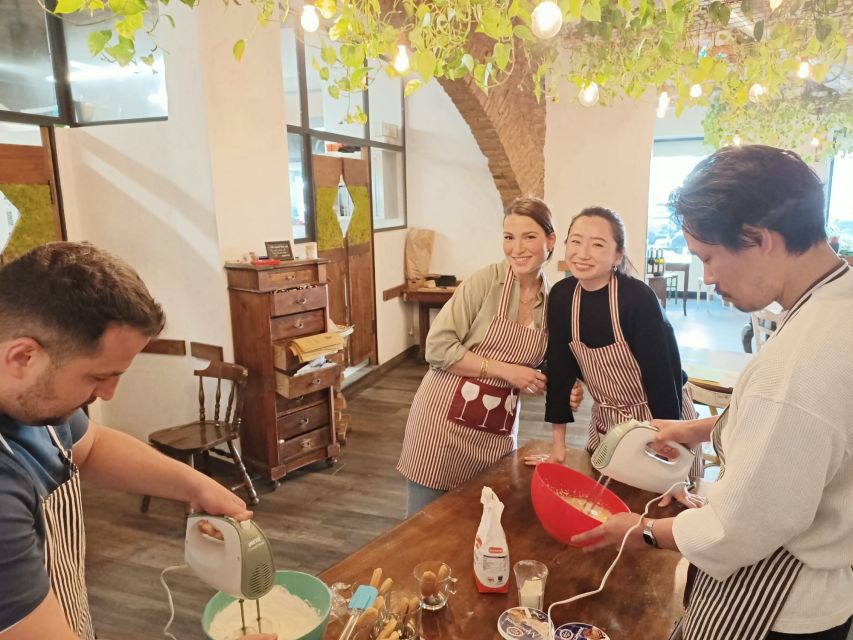
- Fresh fettuccine from scratch: knead, mix, and cut delicate strands with chef coaching.
- Tiramisù layering that actually makes sense: mascarpone cream, espresso-soaked ladyfingers, cocoa finish.
- Included drinks with lunch: wine or soft drink plus espresso and/or limoncello.
- Small-group attention: you get help while you’re working, not after you’re done.
- Chef-led, multilingual instruction: English, Spanish, and Italian are available.
- A fun extra at the end: some guests can take home a personalized limoncello bottle tied to a class photo.
Trattoria Amici near the Spanish Steps: where the class starts
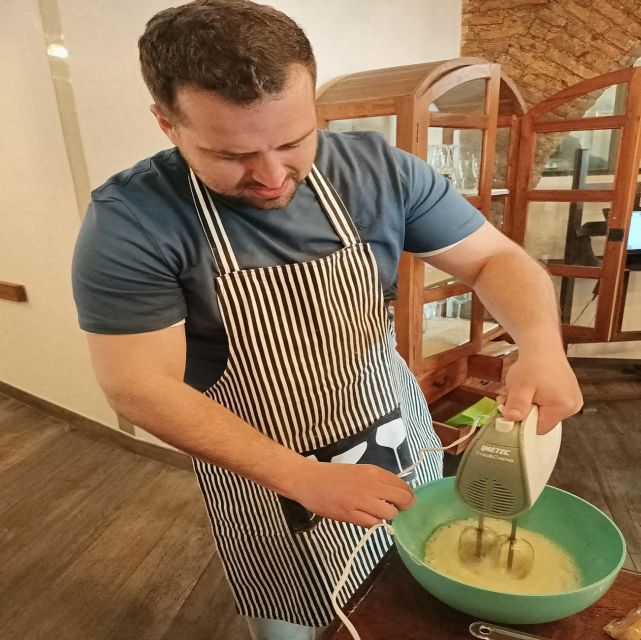
This class meets at Trattoria Amici, in the heart of Rome, a short walk from the Spanish Steps. The whole point of choosing this location is simple: you can pair it with a normal day of walking and sightseeing without commuting across town. When you arrive, you greet your host using the lead traveler’s name, then you’re slotted into the cooking flow.
What I like about this setup is the mood. You’re not stuck in a sterile demo room. It feels like you’ve stepped into an actual working restaurant space, which matters because pasta and tiramisù are best learned in a real kitchen rhythm. The class also runs with a practical focus: you’ll cook, you’ll taste, and you’ll leave with skills you can repeat later.
If you’re the type who gets anxious in kitchens, don’t worry. The structure is meant for real people, and the chef guides you through each step while you’re still able to adjust. The small class format is key here, since it increases the chance you’ll get help when you need it.
You can also read our reviews of more cooking classes in Rome

Homemade fettuccine: the hands-on pasta lesson that pays off

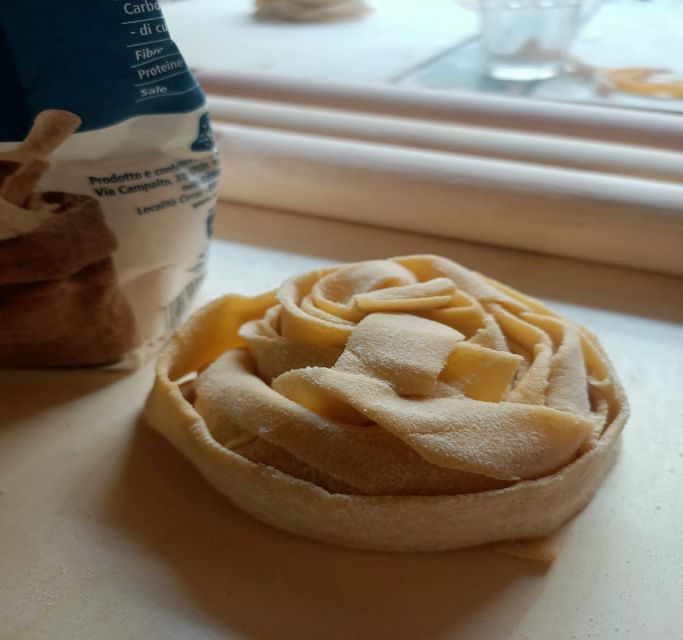
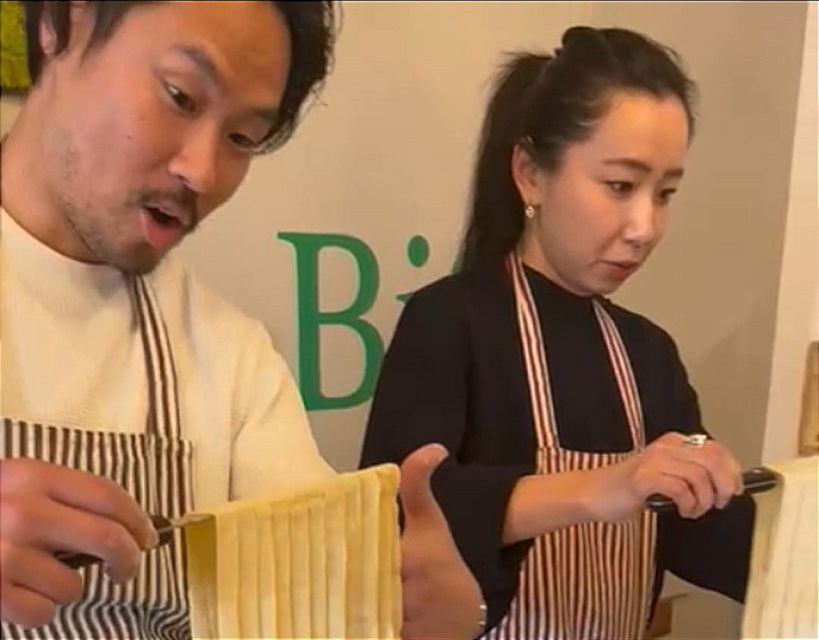
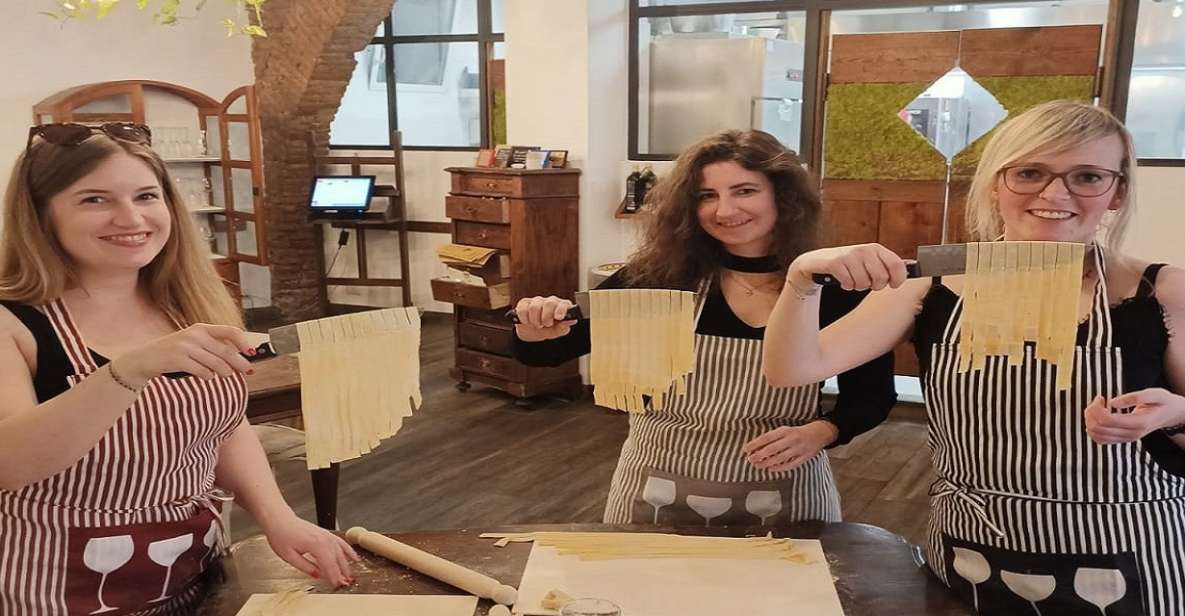
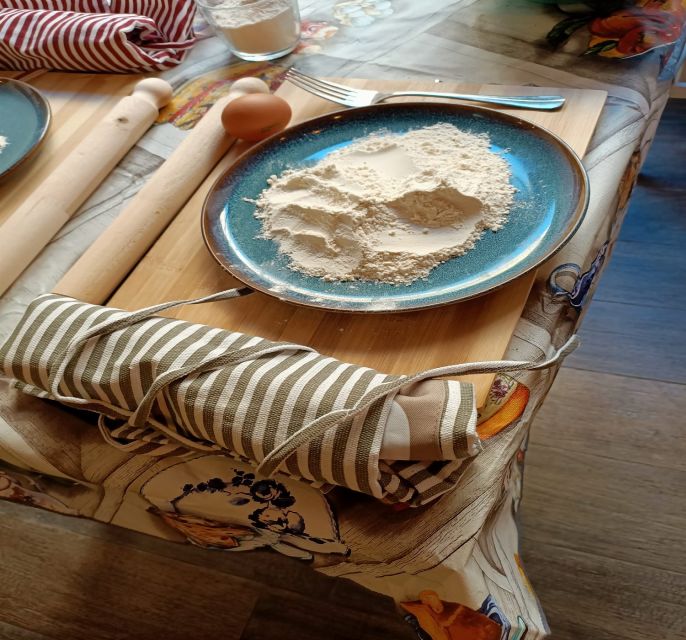
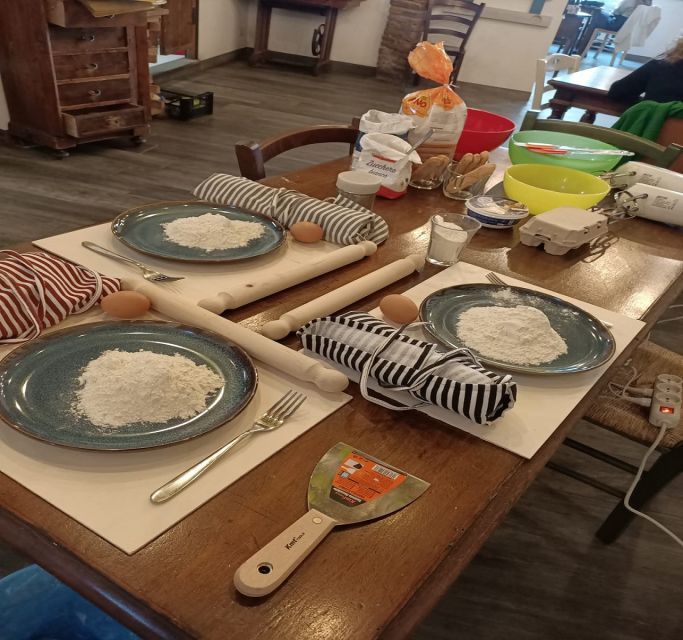
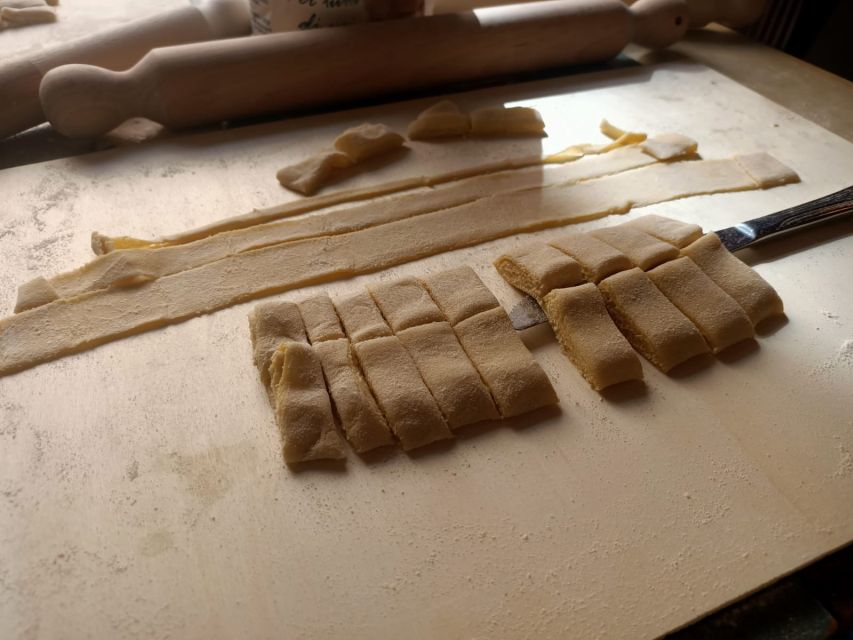
The pasta part of this experience is what turns it from a fun activity into a useful cooking class. You’ll make fettuccine from scratch: mixing the dough, kneading it, and then cutting it into the delicate strands that make fettuccine what it is.
Here’s why that matters. Pre-made pasta is easy to buy, but it doesn’t teach you anything. Making your own teaches you what the dough should feel like, how to work it without rushing, and how to cut for even thickness. Even if you never become a pasta expert, you’ll come away with a better instinct for dough consistency and how pasta behaves once it’s cooked.
You’ll also learn how to think about pairing. The chef shares tips so your pasta works well with sauce, not just as plain noodles. That’s one of the most practical takeaways you can get from a class like this, because in real Italian cooking the sauce and noodle relationship is the whole game.
What you’re actually doing
- Making the dough and working it until it’s ready to cut
- Cutting fettuccine into strands using the technique you’re shown
- Learning how to manage timing so everything lands nicely for lunch
In just two hours, that’s a lot of work. But the payoff is that you can say, honestly, you made real pasta with your own hands.
Chef guidance that improves your technique fast
The coaching style is part of the reason this class earns strong ratings. The chef is there to guide you through the steps, and the instruction is offered in English, Spanish, and Italian, so you’re not stuck translating in your head.
A name that comes up in the feedback is Roberto, described as excellent and very friendly. Whether your chef is Roberto or someone else, you can expect that kind of clear, upbeat guidance. That matters because pasta and tiramisù are both sensitive to technique. Pasta needs correct dough texture. Tiramisù needs correct assembly, especially where the espresso-soaked ladyfingers are concerned.
If you want to get extra value from the session, I’d watch for two moments and ask questions if you’re unsure:
- When you’re kneading: ask what the dough should feel like before cutting.
- When you’re assembling tiramisù: ask how long the ladyfingers should soak and what look you’re aiming for.
Small questions like that turn a repeatable recipe into something you can troubleshoot later at home.
Tiramisù build: layering mascarpone, espresso-soaked ladyfingers, and cocoa
After pasta comes tiramisù, and this is where the class turns into pure dessert satisfaction. You’ll create tiramisù by layering:
- mascarpone cream
- espresso-soaked ladyfingers
- cocoa powder
The best part of learning this in a class is that you don’t just get a recipe. You learn the logic of assembly. The order matters. So does how wet the ladyfingers get, since too little soak leaves them dry and too much turns everything into mush.
When the chef demonstrates the layers, pay attention to consistency and pacing. Mascarpone should be smooth and spreadable. The ladyfingers should be softened but still structured enough to hold the layer. Then the cocoa goes on top to finish it with that classic look and flavor.
You can also read our reviews of more tours and experiences in Rome

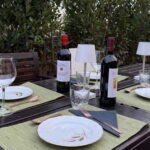

Why this is a great skill to take home
Tiramisù is one of those desserts people love but often avoid making because they think it’s complicated. Once you’ve done the layering step in real time, it stops feeling scary. You can host friends later with confidence, because you’ll know what it should look like as it comes together.
What you eat and drink: your lunch, plus espresso and limoncello
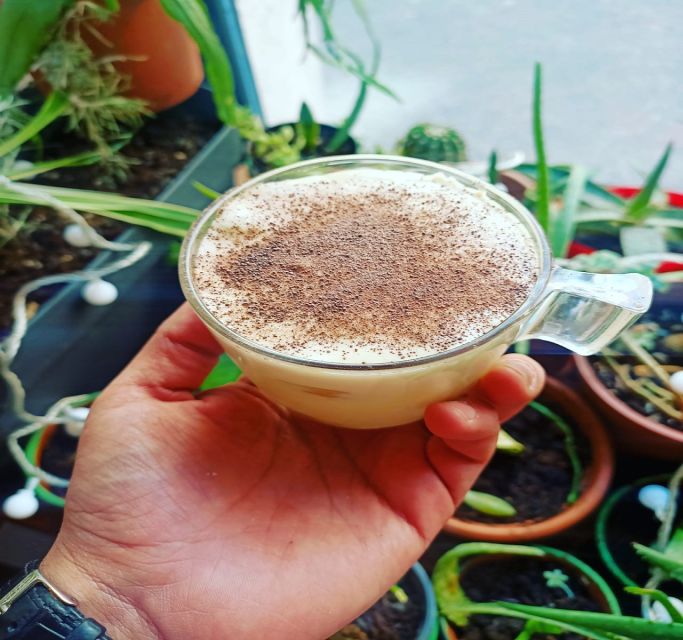
This is not one of those cooking classes where you make food and then leave hungry. You’ll enjoy the dishes you create, including your homemade fettuccine pasta and tiramisù.
And yes, drinks are included. You’ll have a glass of wine or a soft drink, plus espresso and/or limoncello. That combination is very Rome. Espresso is the classic closer, and limoncello is the bright, citrusy dessert-time companion.
One of the fun details from the class experience is the personalized touch around limoncello. Some guests have described a photo being taken during the session and then placed onto a limoncello bottle they can purchase afterward. That’s not the core of the lesson, but it’s a memorable add-on if you like having a tangible souvenir that feels linked to the moment.
Certification diploma: the silly piece that actually feels motivating
At the end, you receive a chef certificate. It sounds small, but it changes the feeling of the class. You’re not just participating in a one-time activity. You’re leaving with a proof that you completed a skill-based cooking session.
I like this kind of closing touch because it nudges you toward repetition. If you’ve made fresh pasta once, you’re more likely to try again at home, using the techniques you remember.
Price and value in central Rome (about $101 per person)
At $101 per person for a 2-hour class, the cost makes sense when you look at what’s included. You’re paying for:
- hands-on cooking time (not just a tasting)
- homemade pasta and a full dessert build
- lunch with what you make
- drinks (wine/soft drink plus espresso and/or limoncello)
- chef instruction in multiple languages
- a chef certificate
- and a small-group format that helps you actually learn
In central Rome, food experiences can get pricey fast, especially when you’re paying for guided instruction. Here, you’re getting a skill-focused meal experience that you can repeat later. That’s the difference between paying for entertainment and paying for learning.
Would I call it cheap? No. But I’d call it fair, especially given the location near the Spanish Steps and the amount of hands-on work packed into two hours.
How to get the most out of your pasta and tiramisù class
You’ll have the best time if you treat this like a skill lesson, not just a meal. A few practical tips:
- Arrive a little early so you can settle in and start calmly. Kitchens get busy; your goal is to stay relaxed.
- Pay attention to texture cues. For pasta dough and tiramisù assembly, look and feel matter more than the exact minutes.
- Ask one focused question. For example, what consistency to aim for with dough, or what the ideal soaking level looks like.
- Don’t overthink the dessert. The layering is the fun part. If you follow the rhythm you’re taught, the result will be great.
Also, if you’re planning the rest of your day around this class, keep it simple. You’ll come out fueled and a bit sticky in the best possible way. Then you can wander off to the nearby sights while the flavors are still fresh in your head.
Who should book this cooking class near the Spanish Steps
This experience is a good match if you want:
- a hands-on Rome activity (not a passive tour)
- a practical culinary skill: fresh pasta and tiramisù
- a class that fits into a normal sightseeing day
- clear multilingual instruction (English, Spanish, Italian)
- a small-group feel where you can get help while working
It’s also ideal for couples, friends, or solo travelers who like structured experiences with a social vibe. If you’re traveling as a foodie who wants something authentic but not exhausting, this hits the sweet spot.
Should you book this Rome pasta and tiramisù class?
Yes, I think you should book it if you want a central-Rome activity that gives you real take-home skills, not just a story. The combination of homemade fettuccine and tiramisù layering, plus included drinks and lunch, makes it a strong value for the price.
I’d think twice if you’re looking for a long cooking immersion (this is two hours) or if you dislike hands-on cooking. But for most visitors who want a memorable experience near the Spanish Steps, this is a dependable choice.
If you book, go in curious. Watch the technique, ask when you’re unsure, and enjoy the fact that you’ll eat what you make while you’re still in the learning moment.
FAQ
How long is the cooking class?
The class lasts 2 hours.
Where does the class meet?
It meets at the Trattoria Amici restaurant, where you greet your host using the lead traveler’s name.
What dishes will I make during the class?
You’ll make homemade fettuccine pasta and tiramisù.
Are drinks included?
Yes. You get a glass of wine or a soft drink, plus espresso and/or limoncello.
Do I get anything to take home besides food?
Yes. You’ll receive a chef certificate at the end of the experience.
What languages are the instructors available in?
Instruction is available in English, Spanish, and Italian.
Is there free cancellation?
Yes. You can cancel up to 24 hours in advance for a full refund.