REVIEW · CATACOMBS & CRYPTS TOURS
From Bones to Gods: Capuchin Crypt to Pantheon walking tour
Book on GetYourGuide →Operated by Rome - Tour · Bookable on GetYourGuide
Bones to gods, in one crisp city walk. This guided route links the Capuchin Crypt to the Pantheon with a stop at Trevi Fountain, all threaded with stories about Rome from pagan gods to human lives. I like the way the guide keeps the mood moving without turning it into a scare-fest.
Two things I especially liked. First, the expert local guide turns history into scenes you can picture, with plenty of legends and “how did this happen” explanations. Second, the tour includes entry tickets for both the Pantheon and the Capuchin Museum, so you can spend your time looking, not queue-watching.
One possible drawback: the Capuchin sites have rules, including no photos, plus a simple dress code. Also, you cannot bring luggage or large bags, and you’ll want comfortable shoes because it’s a walking day.
In This Review
- Key highlights worth knowing
- From Capuchin Bones to the Pantheon: how this 2-hour route actually moves
- Capuchin Crypt: bones, rules, and why the stories matter
- Trevi Fountain pause: the coin moment plus a breather
- Pantheon entry: pagan temple to church and mausoleum
- The walking part: what you’ll notice on the streets between stops
- Price and value: why $76 can make sense here
- What to expect from your guide (and why the guide matters most)
- Practical tips before you go: shoes, clothing, bags
- Who should book this tour, and who might not love it
- Should you book the Bones to Gods Capuchin Crypt to Pantheon walk?
- FAQ
- How long is the tour?
- What’s included in the price?
- Where does the tour start and where does it end?
- What languages are available for the guide?
- What should I wear or bring, and what can I not bring?
- Is there free cancellation or flexible booking?
Key highlights worth knowing
- Capuchin Crypt bone display + museum visit with guided context that makes the macabre feel meaningful
- Pantheon entry ticket included for a timed, hassle-free stop at one of Rome’s biggest landmarks
- Trevi Fountain guided stop where you can pause, look around, and do the famous coin moment
- Legends and religious transformation stories that connect pagan Rome to later Christian use of the space
- Guides who adapt to small groups so you can ask questions without feeling rushed
From Capuchin Bones to the Pantheon: how this 2-hour route actually moves
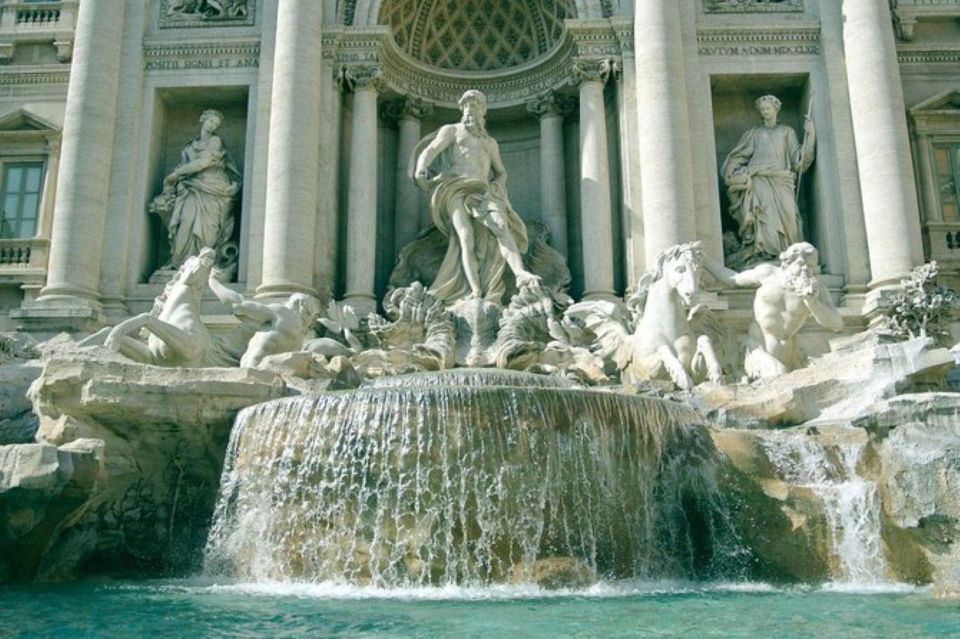
This is a tight, well-paced walk that hits three heavy hitters without turning into a sprint. You start at one of the meeting points near Piazza Barberini / Piazza della Minerva area, and the tour ends back around Piazza Barberini, which is handy if you’re planning dinner or a second wander afterward.
The best part is how the day changes tone as you go. The Capuchin Crypt leans dark and unusual, Trevi Fountain gives you a classic postcard break, and the Pantheon brings you back to monumental, awe-level scale. You’re not just bouncing between sights—you’re getting a through-line about how Rome keeps rewriting itself.
Time-wise, it’s built for attention. You get a longer guided window for the Capuchin Crypt (about 45 minutes), then shorter guided stops at Trevi Fountain (about 30 minutes) and the Pantheon (about 30 minutes). That shorter Pantheon block is exactly what you want if you’re visiting other churches and ruins later, because you’ll have the big moments without burning half a day here.
You can also read our reviews of more walking tours in Rome


Capuchin Crypt: bones, rules, and why the stories matter
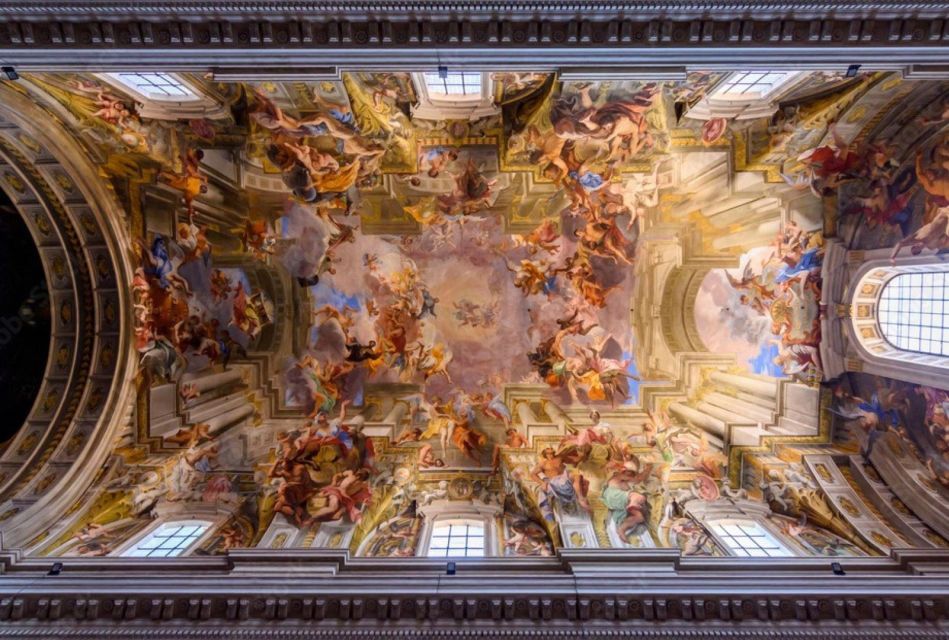
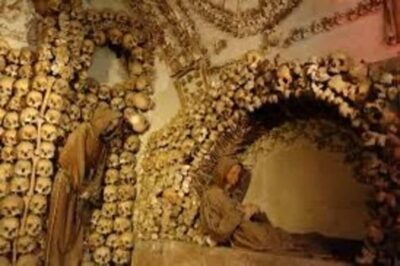
The Capuchin Crypt is the kind of place that makes you pause—even if you think you’re ready for it. Instead of treating it like a horror attraction, the guide frames what you’re seeing in terms of the Capuchin monks and how the space functions with reverence. That matters, because the difference between a quick look and a guided understanding is huge here.
A couple practical things you should know before you go in:
- It’s not underground, even though the name sounds like it.
- Pictures aren’t allowed, so don’t count on snapping photos as your souvenir. Bring your attention instead.
What I like most is that the guide doesn’t just list details. You’ll hear legends and explanations that connect the bone-and-art setup to Rome’s broader relationship with death, faith, and art. When the guide is good, the crypt stops being a shock and starts feeling like a story you can read with your eyes.
The tour description also points out something you’ll feel during the walk: the Crypt part sets the emotional baseline. After that, Trevi Fountain feels lighter, almost like a reset button. Then the Pantheon arrives with a different kind of weight—ancient, layered, and built to outlast empires.
Trevi Fountain pause: the coin moment plus a breather
After the Crypt, you get a guided stop at Trevi Fountain for about 30 minutes. This is a useful timing choice. It’s long enough to get oriented, watch the fountain from a couple angles, and do the famous coin toss without feeling like you’re rushing through a crowd stampede.
The guide also includes stories here, so you’re not just standing around staring at stone and water. You’ll get context that helps you understand why the fountain became a must-see symbol for Rome—and why the coin ritual persists even when you’re not sure it works.
One thing I like about this setup: Trevi Fountain is famous enough that you’ll have plenty of self-guided wandering available on your own time later. But in a guided format, you get the baseline facts quickly, which makes your own exploration after the tour more satisfying.
Pantheon entry: pagan temple to church and mausoleum
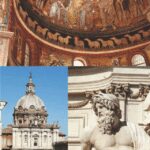
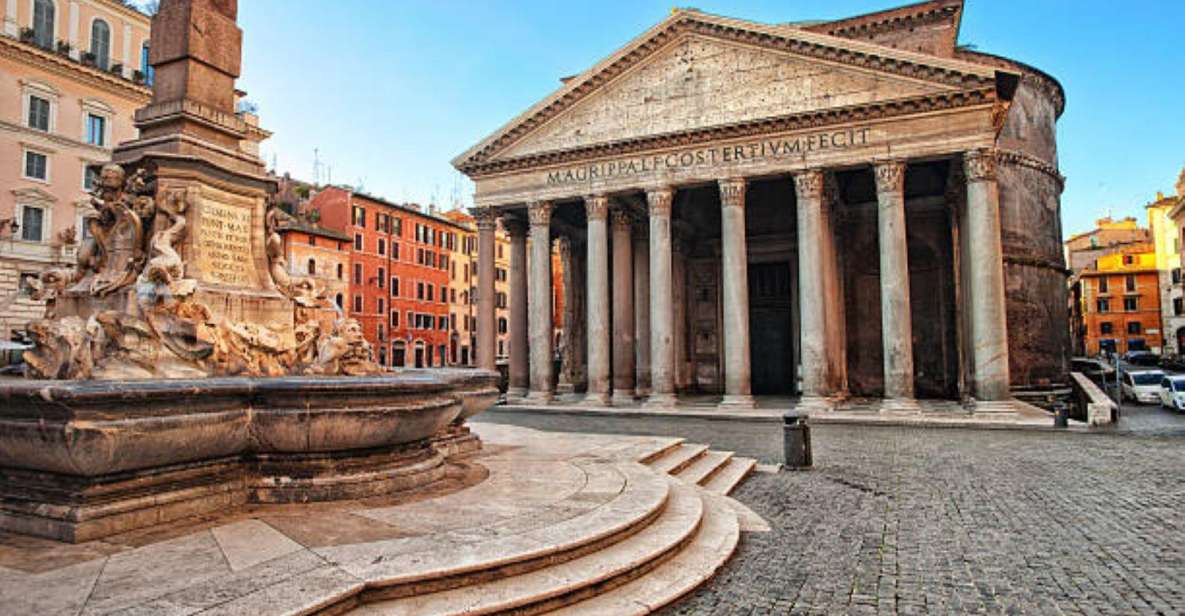
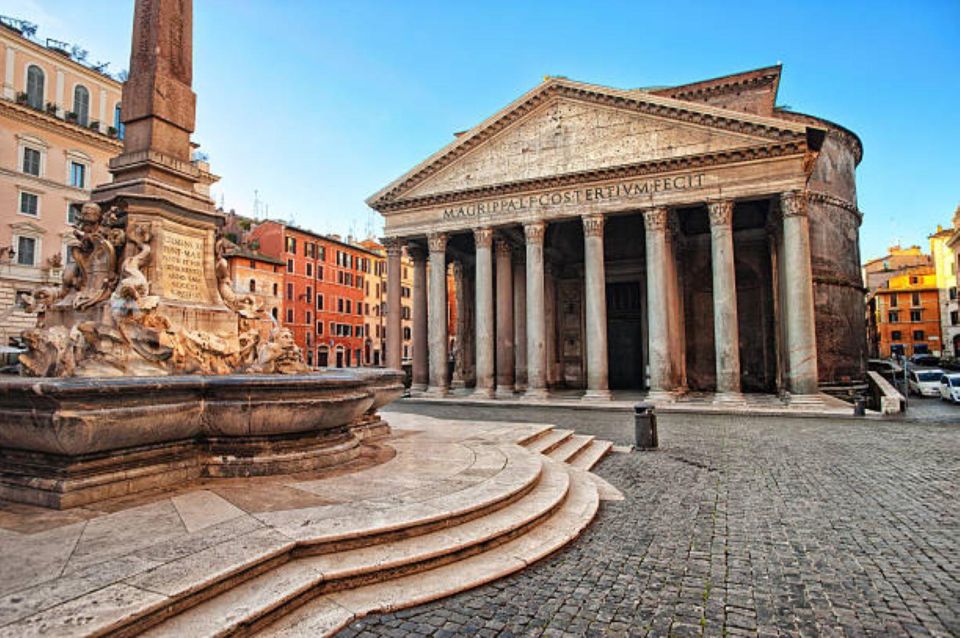
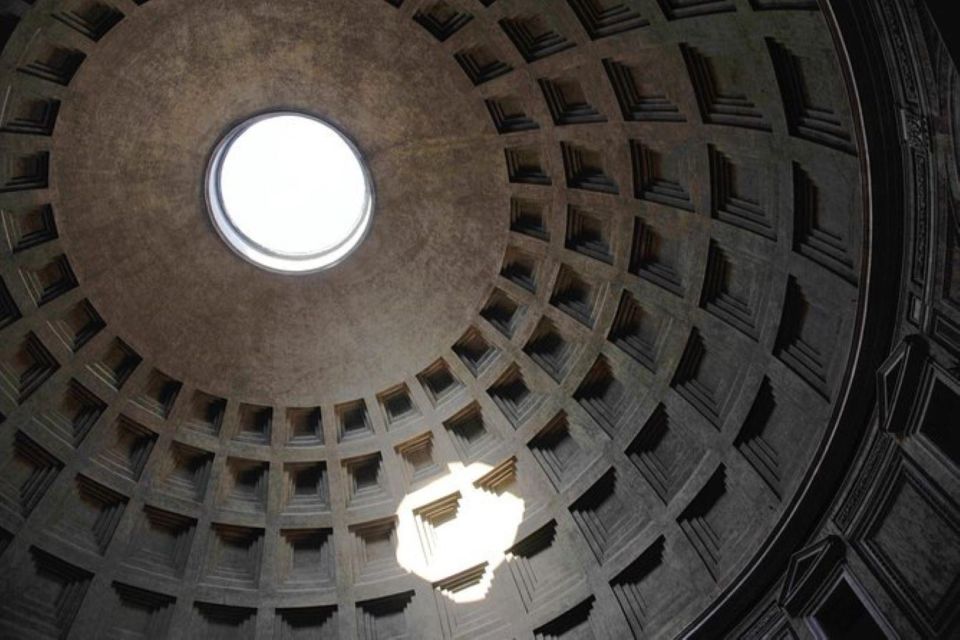
Then you reach the big finish: the Pantheon, with an included entry ticket. The tour highlights one key fact that’s easy to forget when you’re staring upward at something ancient: it dates to 25–27 B.C. and began as a temple linked to the gods of pagan Rome.
What turns it from a museum stop into a time-travel conversation is the transformation. The Pantheon later became a church and also served as a mausoleum. When you hear that in the right order—what it was, what it became—you understand why the building feels layered. It’s not frozen in time. It’s been repurposed, reused, and reinterpreted for centuries.
During your guided time there (about 30 minutes), you’ll get legends and history in a way that’s meant to land. The guide’s job here is not to overwhelm you with architecture terms. It’s to help you track the big changes in purpose and meaning, so when you look around, you’re not just admiring you’re also understanding.
This is also where having a strong guide pays off. In past tours, guides like Joseph and Clara have been praised for explaining the Pantheon alongside the Crypt, keeping the story coherent from start to finish. If you like history that connects dots instead of piling up dates, this stop is a sweet fit.
The walking part: what you’ll notice on the streets between stops
There’s a real advantage to doing these sights in a single connected walk rather than hopping on/off transit for each stop. The street experience becomes part of the tour. You see how the areas shift from the crypt’s strange solemnity to Trevi’s spectacle energy to the Pantheon’s monumental gravity.
You’re also getting a “guided filter” as you go. The guide points out what to look for and gives context so you’re not only reacting to what’s famous. That’s especially helpful in Rome, where it’s easy to get sight-fatigue.
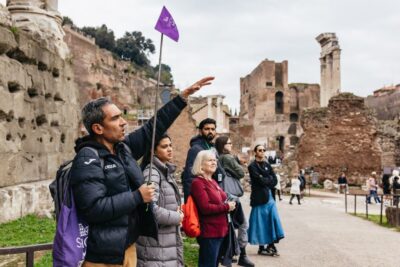
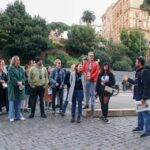
Group size is another factor. The tour can run as a private or small group, and that tends to make the pacing feel more human. A review from a solo participant even described how the guide kept things comfortable and question-friendly rather than awkward. If you enjoy asking questions and taking your time at the points that hook you, this format can feel better than the giant-bus style.

Price and value: why $76 can make sense here
At $76 per person for a 2-hour guided experience, the math is mostly about what’s included. You get entry tickets for:
- the Pantheon
- the Capuchin Museum / Crypt area
And you get a local guide who’s doing the hard work of connecting symbols, legends, and historical change. In Rome, tickets alone can push the cost upward, and lines can chew up your limited sightseeing energy. Bundling tickets with a guide is how this tour keeps the time tight and your attention focused.
Is it “cheap”? No. But it’s fair for what you’re buying: access, guided interpretation, and a structured route that hits three major experiences. If you want to see all three without turning your day into logistics, this price often feels reasonable.
What to expect from your guide (and why the guide matters most)
The tour lives or dies by the guide. The stories are the product here, and the guide shapes whether the stops feel connected or random.
From the feedback I’m using to guide my expectations, guides like Gabriela / Gabi, Clara, Joseph, and Alma tend to be the kind who:
- keep you engaged with explanations rather than lectures
- adjust the pace when the group is small
- treat the Capuchin material with respect, not gimmicks
- make it easier for younger visitors to follow along
There’s also a comfort factor. One participant described a personal tour because others canceled due to weather, and they said it didn’t feel awkward. That’s exactly the kind of scenario you want with something specific like this, where having time for questions can change everything.
If you’re the type who gets bored with generic “guide voice” narration, this is one of those tours where you should expect the guide to actively work the room. The tour descriptions and feedback both point to guides who talk like humans, not like a headset script.
Practical tips before you go: shoes, clothing, bags
Do yourself a favor and plan your outfit around site rules. You’ll need:
- comfortable shoes (walking + timed entry days can add up fast)
- avoid short skirts
- avoid sleeveless shirts
- don’t bring luggage or large bags
Also, mentally prepare for the Crypt photo rule. Since photos aren’t allowed, you don’t need a camera setup. You do need a steady mindset and willingness to look closely.
Another small strategy: wear something you can tolerate in a crowd and in changing light. Even if your guided time is controlled, you’ll still be outside for parts of the walk, and Rome weather can shift quickly.
Who should book this tour, and who might not love it
This tour is a good match if you like:
- stories with clear meaning (pagan to Christian transformation is a strong theme)
- Rome in variety: macabre, classic, and monumental in one loop
- a guided pace that keeps your day from drifting
It’s also a solid pick for families who want the structure of a guided route. One review specifically noted that a 20-year-old and their interest in the sites worked out well, and another praised how the guide explained things for children.
You might hesitate if you strongly dislike anything death-related, even when it’s presented respectfully. The Crypt is the emotional center of the tour. If that subject turns you off, the rest of the route won’t fully compensate.
Should you book the Bones to Gods Capuchin Crypt to Pantheon walk?
If your idea of a great Rome day includes a guided story and timed access, I’d say book it. You’re getting two major entry tickets plus a guide who can connect the dots from bones to gods, with a classic Trevi Fountain break in the middle.
Choose this tour if you want value in the form of interpretation. This isn’t just ticking off sights. It’s meant to help you understand why these places feel the way they do, and how Rome’s belief systems and public spaces keep changing over time.
If you’re flexible, wear the right clothes, and go in expecting a serious, respectful tone at the Crypt, you’ll likely feel like this route gave you more than the sum of its landmarks.
FAQ
How long is the tour?
The tour lasts about 2 hours.
What’s included in the price?
The price includes entry tickets to the Pantheon, entry tickets to the Capuchin Museum, and an expert local guide.
Where does the tour start and where does it end?
You start at one of several options near Piazza Barberini / Piazza della Minerva area, and the tour finishes at Piazza Barberini. The exact meeting point can vary depending on the option booked.
What languages are available for the guide?
The guide can speak French, English, Spanish, Arabic, Italian, Persian, Portuguese, Russian, German.
What should I wear or bring, and what can I not bring?
Bring comfortable shoes. You cannot bring luggage or large bags, and you should avoid short skirts and sleeveless shirts.
Is there free cancellation or flexible booking?
Yes. You can cancel up to 24 hours in advance for a full refund, and you can reserve now & pay later.