REVIEW · GUIDED
Rome: Caravaggio Guided Walking Tour
Book on GetYourGuide →Operated by The Voyager · Bookable on GetYourGuide
Caravaggio’s Rome is a real-life scavenger hunt. This 2.5-hour guided walk takes you to the exact churches tied to his famous works, plus the streets between them, so the art feels placed in the city instead of floating on a museum wall. You’ll start in the area around Piazza del Popolo and move through the historic center with a guide who connects the paintings to the places they were made for.
I especially like how the tour pairs big-name masterpieces with practical storytelling—light, drama, and technique explained in plain language. I also love the human touch from guides like Patricia, who turns Caravaggio into a lived-in story, not an academic lecture, and even points out the kind of street-level details that help you picture his working world.
One thing to consider: the walking is moderate and there’s a dress code for churches (shoulders and knees covered), plus it’s not suitable for mobility impairments. So if you’re going in shorts or planning heavy bag carrying, you’ll want to adjust your day before you meet up.
In This Review
- Key things to know before you go
- Getting oriented at Piazza del Popolo
- Santa Maria del Popolo: two major paintings you can actually frame
- Passing Palazzo Madama and Giustiniani Palace on the way to Sant’Agostino
- Church of Sant’Agostino and The Madonna of the Pilgrims
- San Luigi dei Francesi’s Contarelli Chapel: Life of St. Matthew
- How the 2.5-hour format feels in real life
- Dress code, bag rules, and what to wear (so you don’t get stopped)
- Price and value: is $71 worth 2.5 hours?
- Who should book this tour, and who should skip it
- Should you book the Rome Caravaggio Guided Walking Tour?
- FAQ
- Where does the tour start?
- How long is the Rome: Caravaggio guided walking tour?
- What are the main places you visit?
- Which Caravaggio works are included?
- Is there a live guide and is English available?
- Are headsets provided?
- Is food included?
- What should I bring?
- Is the tour wheelchair or mobility accessible?
- What should I wear to churches?
Key things to know before you go
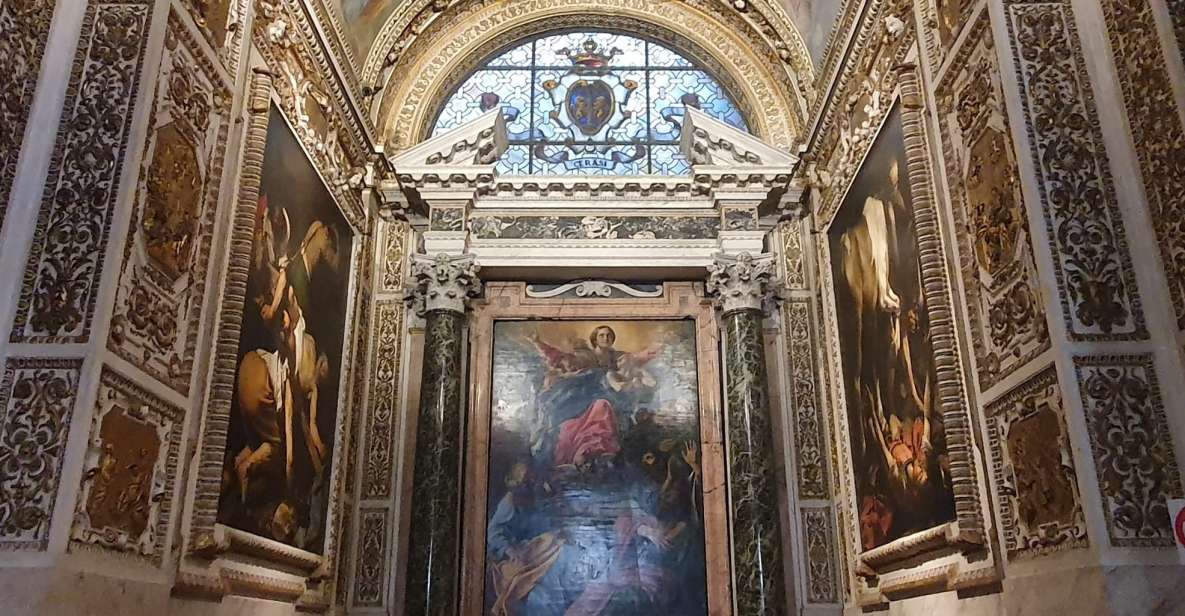
- Three church stops, three key Caravaggio works (Santa Maria del Popolo, Sant’Agostino, and Contarelli Chapel)
- Headsets included, which make explanations easier in echoing church interiors
- Piazza del Popolo start point plus a guide with a flag showing the Voyager logo
- Street-level connections as you pass by buildings tied to Caravaggio’s life (including Palazzo Madama and Giustiniani Palace)
- A focused 2.5-hour pace that’s long enough to learn, short enough to still enjoy Rome afterward
Getting oriented at Piazza del Popolo
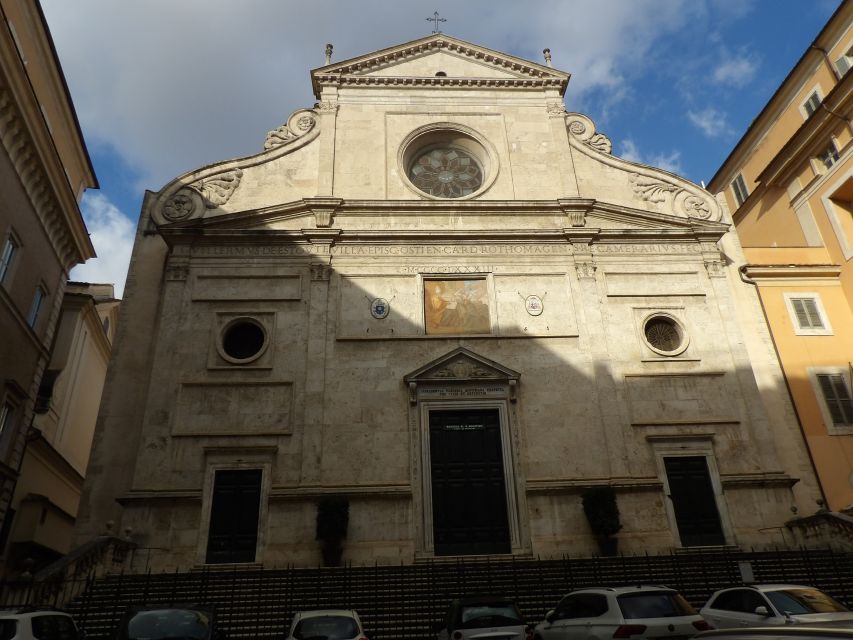
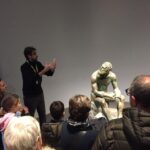
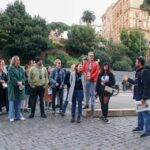
Most Caravaggio tours start with art. This one starts with getting your bearings. You begin near Piazza del Popolo, an area that helps you anchor yourself for the rest of the walk, and you’ll be looking for the guide holding a flag with the Voyager logo.
From there, the experience is designed to be “walk and learn” rather than “sit and listen.” You’ll be moving through streets and little corridors where the city feels like a working neighborhood. That matters because Caravaggio didn’t paint in a vacuum. He worked in Rome’s social and artistic orbit, and the quickest way to understand him is to see how church, street, and patronage connect.
Bring comfortable shoes. You’re on your feet long enough that you’ll feel it if you’re wearing soft-fashion footwear. Also plan to travel light. The tour notes that luggage or large bags aren’t allowed, which is a practical reminder to pack like you’re going to do real walking around churches.
You can also read our reviews of more walking tours in Rome
Santa Maria del Popolo: two major paintings you can actually frame
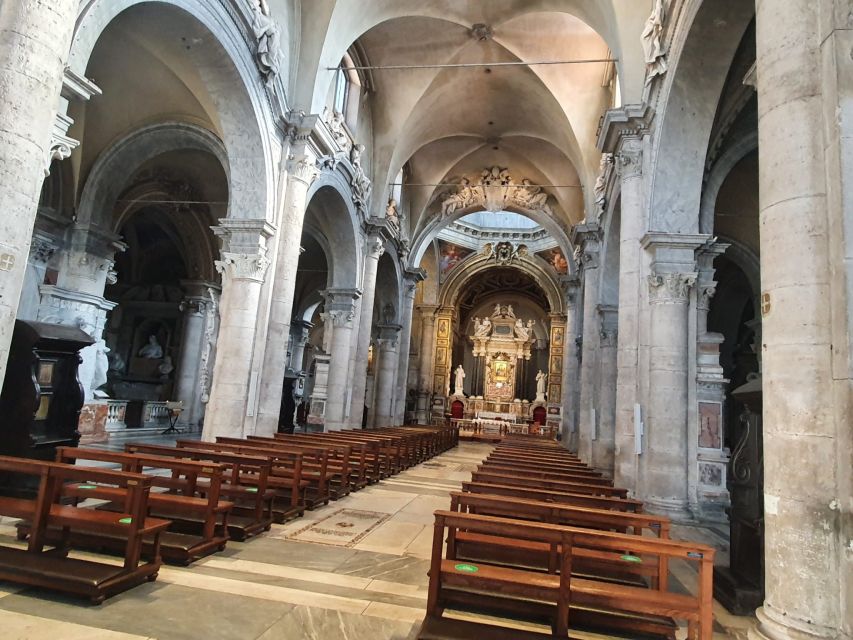
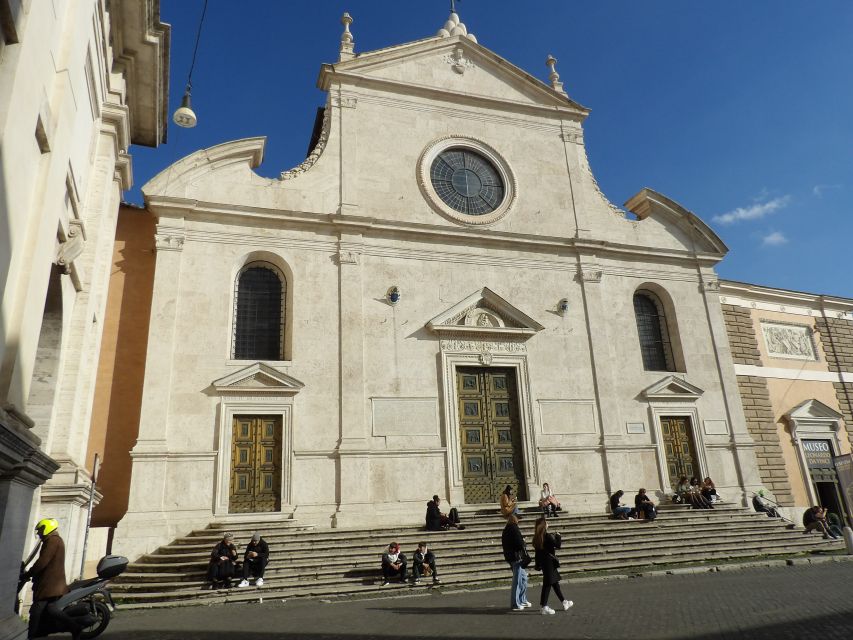
The first big art stop is the Basilica of Santa Maria del Popolo. This is where the tour gives you a strong “wow” foundation by bringing you face-to-face with two celebrated works: The Crucifixion of St. Peter and The Conversion of St. Paul.
What I like here is the way the guide’s explanations help you look longer than a quick photo. Caravaggio’s power often comes from contrast—how faces emerge out of darkness, how emotion lands right in the center of the story. In a church setting, those effects don’t feel like a gallery trick. They feel tied to belief, ceremony, and the way people would have gathered to experience the scene.
There’s also a practical upside: starting at a major basilica means you’re in a familiar, established environment early on. If you’re still getting your legs under you, this stop gives you a smooth early win before the walk continues deeper into the quieter parts of the area.
A small heads-up: church spaces can be dim and echo-y. That’s exactly why headsets are included—they help you hear your guide clearly without shouting to the person next to you. If you want to catch the details (and you should), you’ll thank yourself for that.
Passing Palazzo Madama and Giustiniani Palace on the way to Sant’Agostino
Between churches, the tour doesn’t just send you from point A to point B. You’ll pass by places associated with Caravaggio’s life, including Palazzo Madama and the Giustiniani Palace, and the walk also includes the kind of street-level stops that help you imagine where he lived and worked.
This is a subtle but important part of the experience. Caravaggio is often talked about as an artistic force, but your brain also needs a sense of where he moved. Passing recognizable landmarks (even from the outside) gives you structure. Then your guide fills in the connective tissue—how artists of the time circulated through patron networks, how commissions linked to social status, and how the city’s layout shaped daily life.
If you like art that feels grounded in human behavior, this section is for you. If you only want paintings and zero context, you might feel the pacing is a little more storytelling than strict art history. But the balance is built for people who want more than a checklist.
Church of Sant’Agostino and The Madonna of the Pilgrims
Next you reach Church St. Augustine (Sant’Agostino), where you’ll see The Madonna of the Pilgrims.
This stop shifts the mood slightly. After two dramatic narrative works at Santa Maria del Popolo, you get a different kind of presence—more devotional, more intimate. The title alone hints at the relationship between sacred image and real people. Your guide’s job here is to help you look at the painting as an object meant for prayer and reflection, not just an artwork to decode.
One practical thing: church visits are where the dress code becomes real. The tour requires that shoulders and knees are covered for entering places of worship. That means no shorts, no sleeveless shirts, and no short skirts. If you’re traveling in summer heat, plan to wear something lightweight but compliant.
Also, keep an eye on the group. You’ll be entering and exiting church spaces, and it’s easy to get separated when you’re focused on the art. If you’re the kind of person who likes to browse for photos, set a rhythm: listen first, look second, and always stay close to the group when moving between interiors and streets.
San Luigi dei Francesi’s Contarelli Chapel: Life of St. Matthew
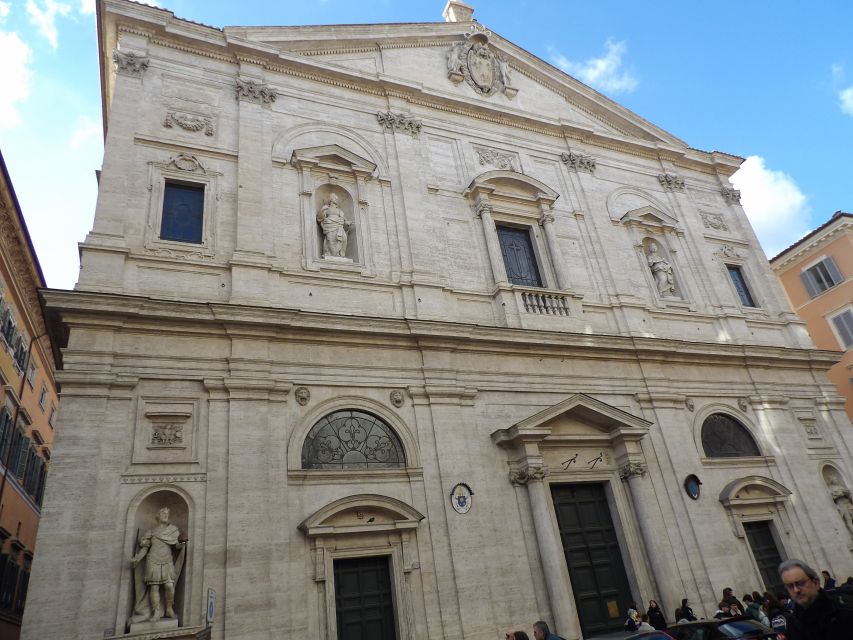
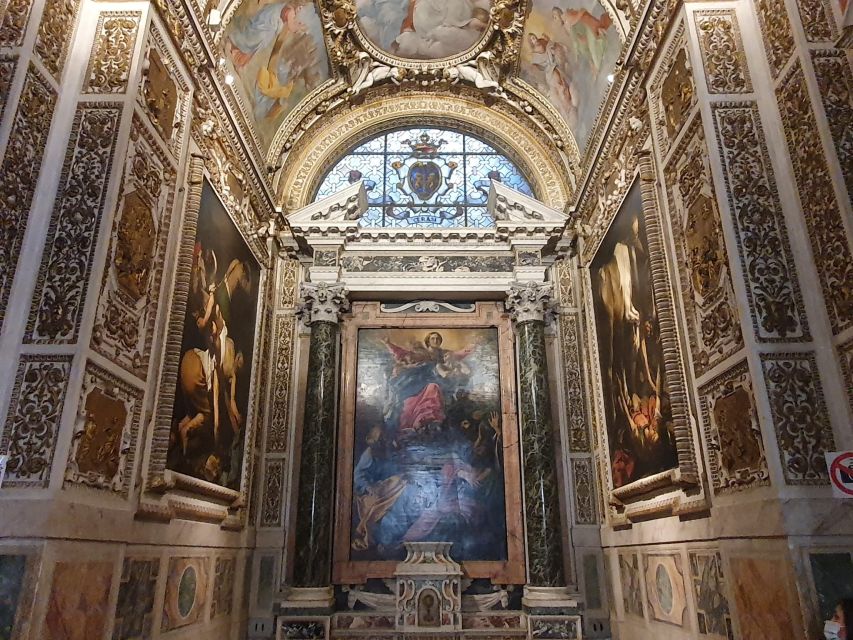
The final masterpiece stop is the Contarelli Chapel in St. Louis of France’s church, where you’ll see The Life of St. Matthew.
This is often the moment where the tour fully clicks. By now you’ve seen Caravaggio’s world from multiple angles—dramatic conversions and martyr scenes, then the devotional Madonna—and the tour ends with a work that offers both narrative power and technical control. If you’ve been paying attention, you’ll start noticing how his scenes direct your eye: where attention lands, how figures relate to each other, and how the emotional tone pushes the story forward.
The chapel setting also changes the viewing experience. Smaller spaces make you feel closer to the figures and the composition, which can make the art hit faster than you expect from a photograph. You’ll likely spend more time here than you think, even if the tour is on schedule, because this is where your “how did he do that?” instinct kicks in.
Timing matters too. Because the tour totals 2.5 hours, you get a compact arc: start with a strong reference point, build context through streets and residences, then land on the finishing work. It’s long enough to learn, but short enough that the art doesn’t start to blur from fatigue.
You can also read our reviews of more guided tours in Rome
How the 2.5-hour format feels in real life
A lot of Rome walking tours run long or feel rushed. This one is built around a 2.5-hour window, so you get a dense experience without eating your whole day.
Here’s how that plays out for your comfort:
- The walking is moderate, so you should expect a steady pace.
- Churches mean wait-in line moments and time spent inside in lower light.
- You’re moving with a live guide for the whole arc, so you’ll get fewer gaps where you’re left to guess what to notice.
It’s also offered in English and Italian with a live guide, and there’s an audio guide included in English and Italian. That’s useful if you prefer to follow along with recordings while your guide handles group direction, or if you want a quick replay later while you’re still thinking about what you saw.
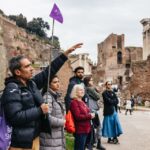
Small practical note: the guide meets you with the Voyager flag. If you arrive late or drift off, it can turn into that annoying Rome problem—trying to find a moving group in a busy city center. I strongly recommend giving yourself extra minutes at the start and checking you’ve got the right meeting location before you commit to going anywhere else nearby.
Dress code, bag rules, and what to wear (so you don’t get stopped)
If you remember only one practical thing, make it this: church entrances control your clothing.
The tour’s rules are clear:
- No shorts
- No sleeveless shirts
- No short skirts
- Keep your shoulders and knees covered
You’ll also want to avoid bringing luggage or large bags. Even if you’re fine carrying it, it may slow you down in tighter spaces and can create a headache when you’re moving into and out of churches.
For comfort, plan your outfit like this:
- Breathable top that covers shoulders (a light tee under a layer works)
- Pants or longer skirt that covers knees
- Shoes you can wear on uneven stone paths without regret
This isn’t about being overly strict; it’s about reducing stress so you can focus on the paintings.
Price and value: is $71 worth 2.5 hours?
At $71 per person for a 2.5-hour guided experience, you’re paying for two things: expert guidance and reduced friction. You’re not doing this alone, and you’re not guessing your way through three churches.
You also get headsets, which is a small line item with a big effect. Hearing your guide clearly in churches means you absorb more than you would on a solo visit. And because the tour focuses on Caravaggio-connected sites, your time goes to the places that matter most rather than scattering across the city.
Is it expensive for Rome standards? Depending on what you’re comparing it to, it might feel like a splurge. But for an art-specific walk that strings together multiple key works, it can be solid value—especially if you care about understanding what you’re seeing rather than only seeing it.
If you’re visiting Rome for the first time and want one focused art theme that doesn’t take all day, this price starts to make sense.
Who should book this tour, and who should skip it
This tour makes the most sense for:
- People who want Caravaggio to feel connected to place, not just names on labels
- First-time Rome visitors who like short, structured walks
- Anyone who values a guide who tells the story in a clear, human way (guides like Patricia are singled out for passion and real artwork-to-life storytelling)
It may not be the best fit if:
- You need a low-walking option. The tour involves moderate walking.
- You have mobility impairments. It’s listed as not suitable for that need.
- You plan to wear non-compliant clothing for churches. The dress code is real.
Also, if you’re the type who hates group logistics, you’ll want to commit to staying together. The tour is designed around moving as one unit between interiors and streets.
Should you book the Rome Caravaggio Guided Walking Tour?
I’d book it if you’re trying to understand Caravaggio quickly and meaningfully. Three major sites in a compact 2.5-hour arc means you get learning without wasting an entire day. The mix of church masterpieces, outside context with stops like Palazzo Madama and Giustiniani Palace, and the clear storytelling style (including guides such as Patricia) is the kind of structure that helps you remember Rome as more than a photo set.
I’d think twice if you’re not comfortable with moderate walking or you know you’ll struggle with shoulders-and-knees church rules. And because the meeting point is specific (Piazza del Popolo with a Voyager flag), show up early and don’t treat it like a casual meetup. Arrive, spot the flag, and get oriented—then the tour can do its job.
FAQ
Where does the tour start?
The tour starts at Piazza del Popolo. The guide will have a flag with the The Voyager logo.
How long is the Rome: Caravaggio guided walking tour?
It lasts 2.5 hours.
What are the main places you visit?
You visit Basilica of Santa Maria del Popolo, Church St. Augustine, and the Contarelli Chapel in St. Louis of France’s church. You also pass by places linked to Caravaggio such as Palazzo Madama and Giustiniani Palace.
Which Caravaggio works are included?
You’ll see The Crucifixion of St. Peter and The Conversion of St. Paul in Santa Maria del Popolo, The Madonna of the Pilgrims at Church St. Augustine, and The Life of St. Matthew in the Contarelli Chapel.
Is there a live guide and is English available?
Yes, there is a live tour guide, and the tour is offered in English and Italian.
Are headsets provided?
Yes. Headsets are included.
Is food included?
No. Food and drinks are not included.
What should I bring?
Bring passport or ID, comfortable shoes, and comfortable clothes.
Is the tour wheelchair or mobility accessible?
No. It is not suitable for people with mobility impairments.
What should I wear to churches?
You need to follow a dress code: no shorts, no sleeveless shirts, and shoulders and knees must be covered for entry to places of worship.