REVIEW · 3-HOUR EXPERIENCES
Rome by Night: 3-Hour Guided Walking Tour
Book on GetYourGuide →Operated by Enjoy Rome · Bookable on GetYourGuide
Rome under floodlights feels like a different city. On this 3-hour guided walk, you start around sundown, so you catch the change from sunset glow to full night lighting, with far less daytime crowd pressure. You’ll move between major landmarks at a relaxed pace, while your guide ties the buildings together into one story of how Rome worked then and what it looks like now.
My favorite parts are the headsets (they keep the narration clear even in busy areas) and the full Roman Forum / Imperial Forums overview, which helps the ruins click into place instead of feeling like random stones. The big idea is simple: you get the wow-factor of night photos, plus context you can carry into your daytime visits.
One consideration: the tour is English-only, so if you’re not comfortable following spoken history, you may feel left behind even with the headsets.
In This Review
- Key highlights worth knowing
- Why Rome Looks Different After Dark, and Why That Helps
- Meeting Outside Colosseo: The One Detail That Can Save Your Whole Evening
- Piazza Navona After Hours: A Square That Feels Like a Stage
- Pantheon and Its Neighborhood: What You Notice When the Noise Drops
- Trevi Fountain and Capitoline Hill: Major Sights Without the Daytime Push
- The Colosseum at Night: Outside Views That Still Feel Huge
- Roman Forum and Imperial Forums: Getting the Ruins to Make Sense
- How Headsets Make Night Tours Easier (and More Fun)
- Price and Value: Is $66 Worth It?
- The Real-World Reality: Walk, Crowds, and Group Energy
- Who Should Book This Rome by Night Walk (and Who Should Skip)
- Should You Book Rome by Night?
- FAQ
- What sights does the Rome by Night tour include?
- How long is the tour?
- How much does it cost?
- Where do I meet the guide?
- Is the tour offered in English?
- Are entrance fees included for the monuments?
- Are headsets provided?
- Is the tour wheelchair accessible, and are pets allowed?
Key highlights worth knowing
- Sundown start for a smooth transition from sunset to night views
- Headsets included so you can actually hear your guide
- Roman Forum and Imperial Forums overview (not just passing by)
- Big-name sights in one loop: Piazza Navona, Pantheon, Trevi Fountain, Capitoline Hill, and the Colosseum
- Night timing means fewer crowds and easier sightseeing flow
- Not for everyone: not wheelchair accessible and no pets
Why Rome Looks Different After Dark, and Why That Helps
Rome at night is quieter, yes, but the bigger win is how the city frames its own history. When the sun goes down, the streets feel less like a theme park and more like a place people actually move through. You’ll likely notice this right away as the group starts out—there’s a calmer energy, and you’re not constantly battling the daytime crush.
This tour also starts at sundown, which is a smart timing choice. You’re not forced to pick one: sunset views of the classic skyline and then the full “floodlit postcard” moment for icons like the Colosseum and the fountains. That two-stage feel makes the walk more interesting than a pure night scramble.
The other key benefit is that night sightseeing gives you room to think. Even if you’ve seen pictures of the Forum area, it can still feel confusing in daylight. At night, with a guide talking through what you’re looking at, you get a mental map faster—especially around the Roman Forum and Imperial Forums.
You can also read our reviews of more walking tours in Rome
Meeting Outside Colosseo: The One Detail That Can Save Your Whole Evening
Meeting point matters on a night tour. This one starts at its meeting location outside the metro station Colosseo (B Line), between the green news stand (Kiosk) and the yellow bus stop. Aim to arrive 25 minutes early. It sounds early, but it prevents that stressful half-run around the station entrances.
Why that matters: by the time you’re all together, it’s already moving toward sundown timing. If you’re late, you can miss the best light for the early sights—and this is the exact part of Rome where lighting changes fast.
Also plan for walking at night. The tour is 3 hours, so you want comfortable shoes and a little flexibility in your pace. Even if the route feels straightforward, ancient-city sidewalks aren’t made for slow strolling.
Piazza Navona After Hours: A Square That Feels Like a Stage
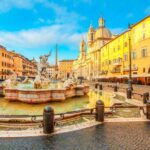
You’ll see Piazza Navona, one of Rome’s most dramatic squares, and it plays differently at night. Daytime brings a lot of motion; at night it feels more like a set—arches, facades, and fountains all working together. The guide narration turns it into something more than a pretty photo stop by framing how these public spaces evolved.
Here’s what I’d do with your time: treat this as your “first calibration” stop. Use it to orient your eyes. Look at the buildings and imagine where crowds used to gather and how the space functions now. If you’ve never been to Rome before, this kind of first anchor helps everything that comes next feel less chaotic.
Even if you’re hungry for the big ticket sights, don’t rush through Piazza Navona. It’s the kind of place where you’ll get the most out of a guided explanation because it’s visually readable right away.
Pantheon and Its Neighborhood: What You Notice When the Noise Drops
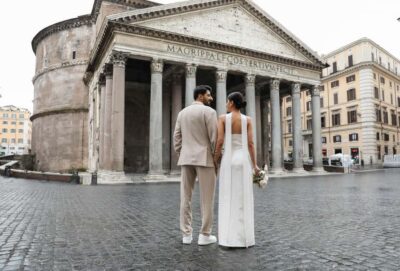
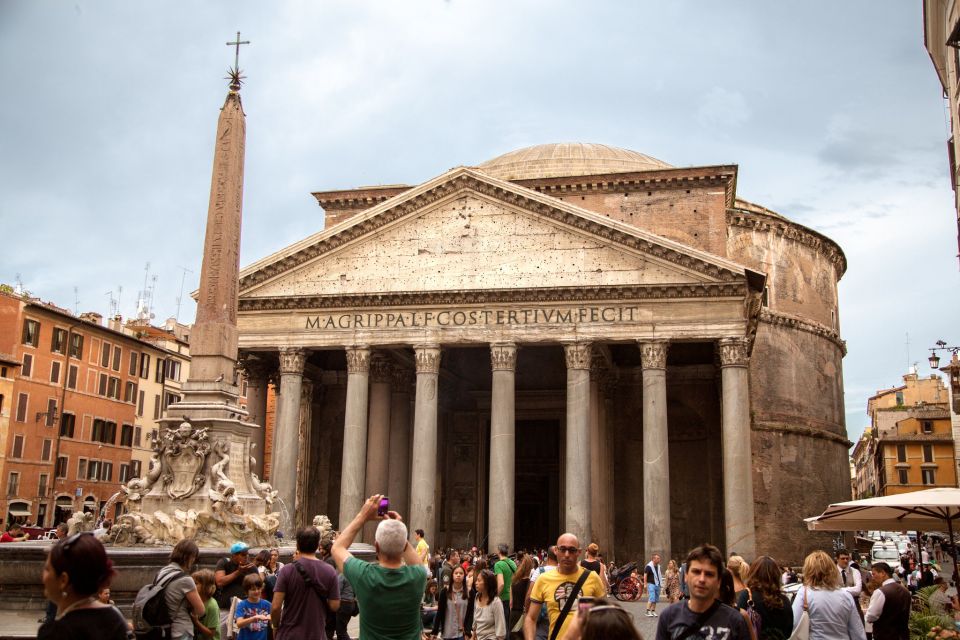
Next up is the Pantheon area. At night, the building stands out more cleanly because you’re not surrounded by constant daytime foot traffic. You get the same iconic structure, but with less background distraction, which makes it easier to follow the guide’s points about architecture and layout.
One review mentioned the chance to go inside, at least for that group, but the only thing you can count on from the basic tour info is that you’ll see the Pantheon stop as part of the route and get narration around it. Since evening access can vary by rules and opening patterns, keep your expectations flexible for any interior time.
This stop is also useful because it helps you connect Rome’s “old-world design” to what you’ll see at other landmarks later. If the Colosseum is about scale and power, the Pantheon is about form and engineering. With a guide talking, you’ll usually leave with at least one clear idea about how the city built its wow.
Trevi Fountain and Capitoline Hill: Major Sights Without the Daytime Push
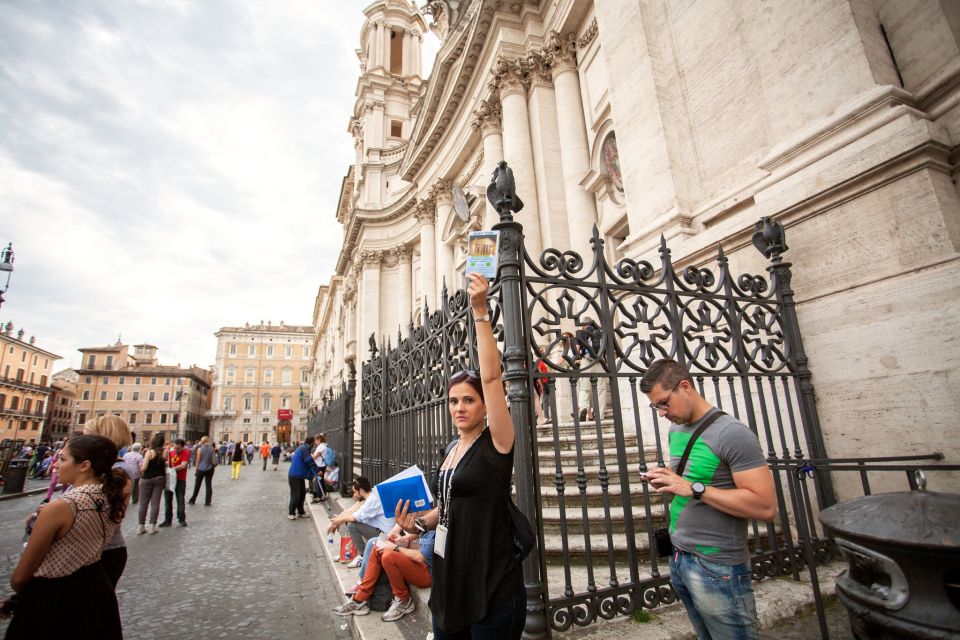
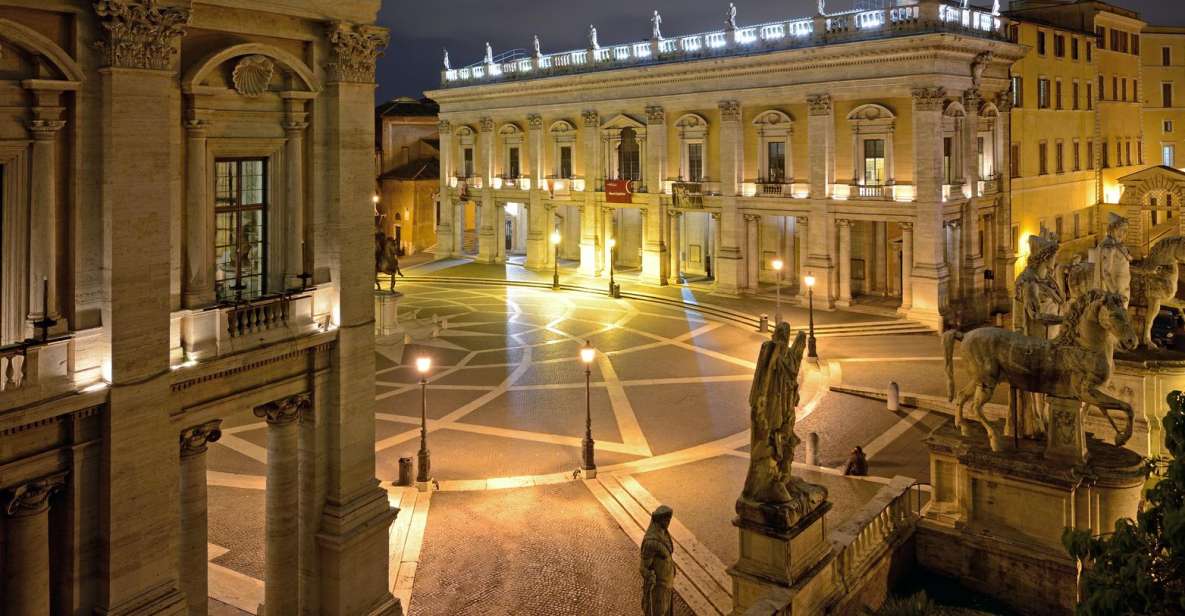
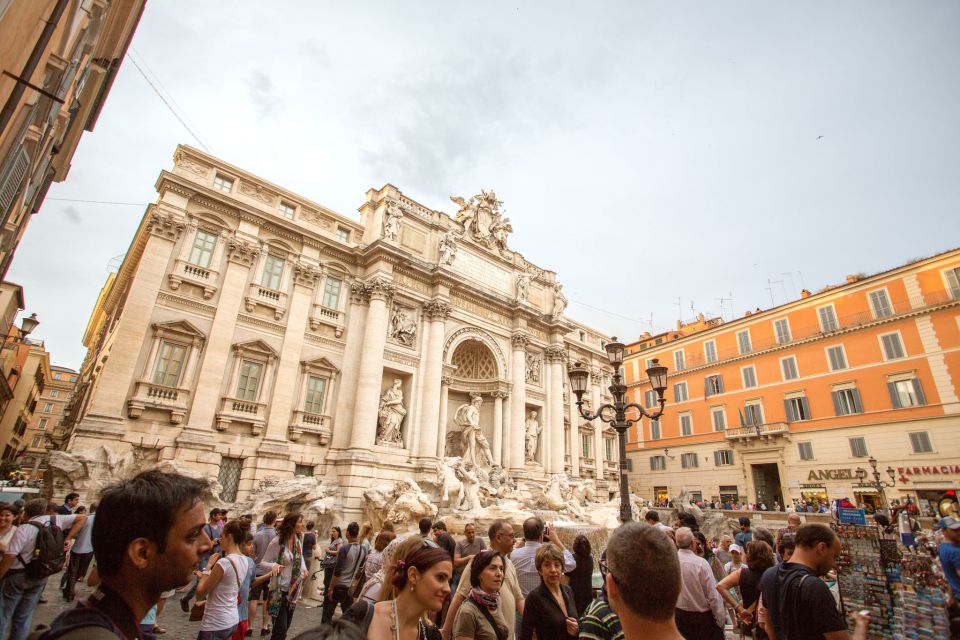
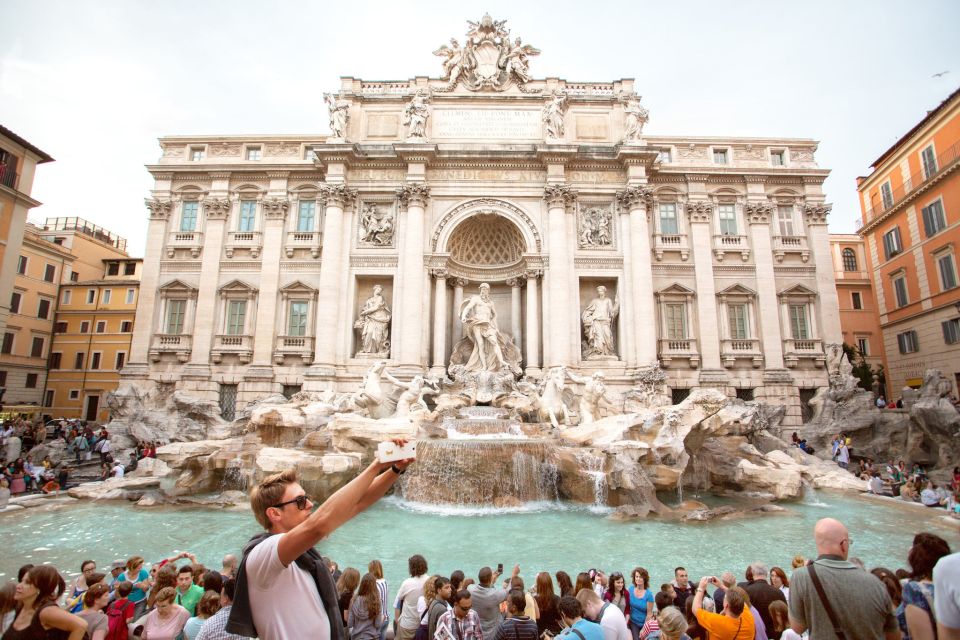
You’ll then hit Trevi Fountain and Capitoline Hill. These are places that get swarmed in daytime hours, so night timing is a big part of the value. The fountain is still famous for a reason—at night, the water and stone take on a softer look, and the crowds tend to feel more manageable.
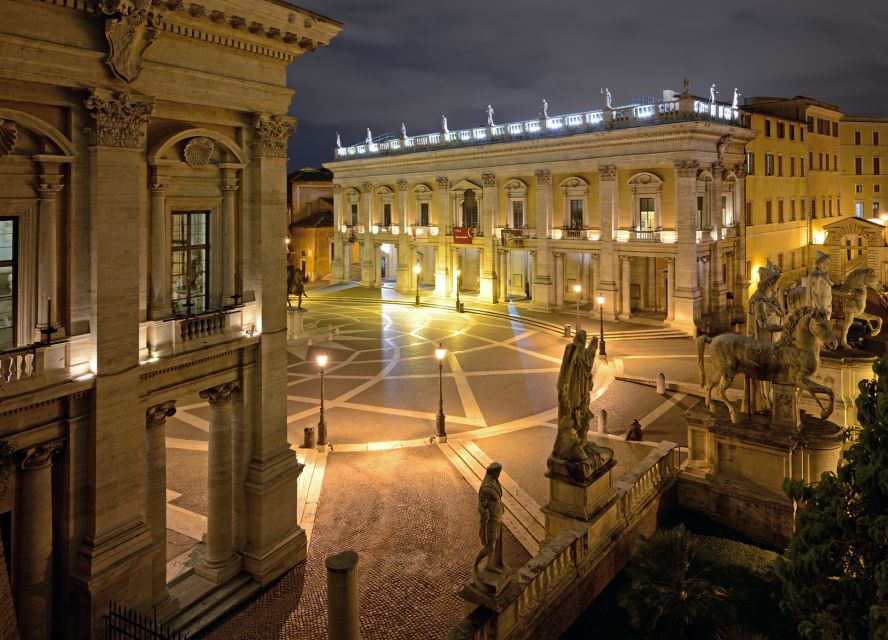
Capitoline Hill is especially interesting because it connects the city’s past to its present layout. It’s a strong stop for mental mapping: your guide’s narration helps you understand why this area mattered, not just that it’s scenic. If you like the feeling of standing somewhere that historically “counts,” this is one of those moments.
For this stretch, give yourself permission to slow down. If your mind is stuck on getting the perfect photo, you can miss the guide’s connections between stops. Night tours work best when you treat them like a moving lecture—just with prettier views.
You can also read our reviews of more guided tours in Rome

The Colosseum at Night: Outside Views That Still Feel Huge
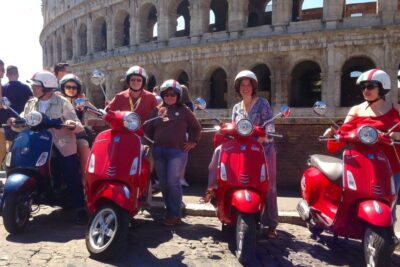
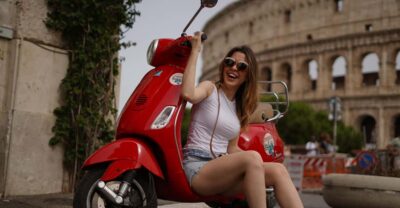
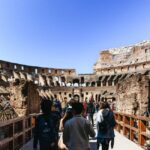
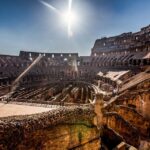
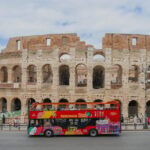
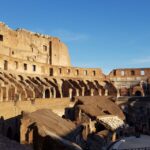
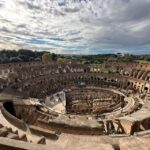
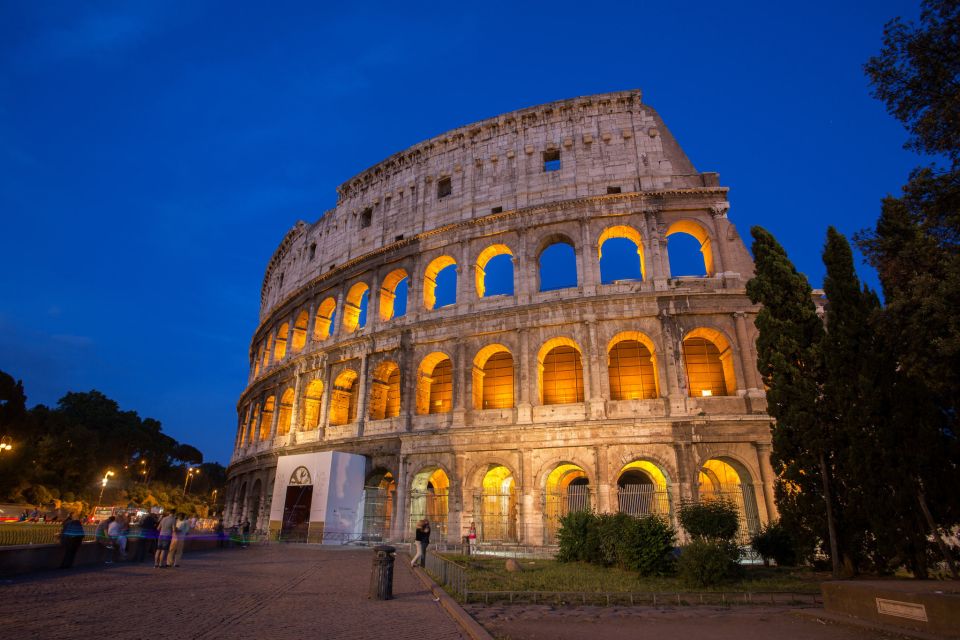
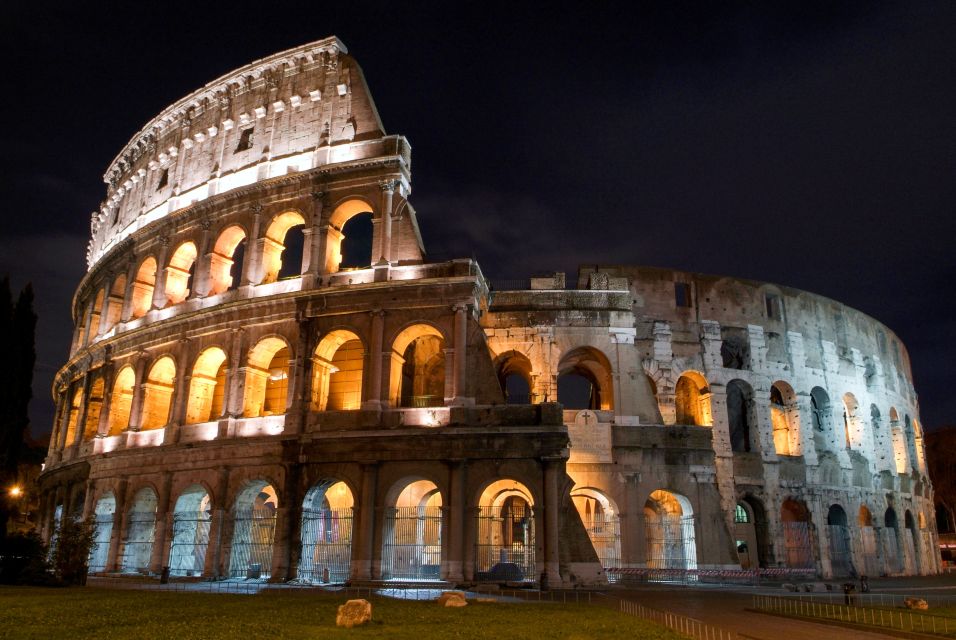
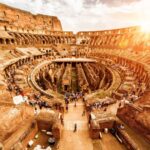
Even without paid entry, the Colosseum stop can be a standout because of lighting and atmosphere. Floodlit at night, the outer structure reads as massive and detailed, and the darkness makes the arches feel more dramatic. This is exactly where a guide’s narration matters: you’re not walking inside, but you can still understand what you’re looking at.
A practical tip: when you arrive at this kind of landmark, people instinctively stop moving and block the path. Don’t be one of them. Pick a spot, listen, take your photo, and then give the rest of the group space so everyone can hear and see.
Also, because the tour is designed for the evening, you should assume you’re seeing the Colosseum primarily from the outside. The tour notes that entrance fees are not included and monuments/sites will be closed in the evening—so treat the Colosseum moment as viewing and storytelling, not a museum-style visit.
Roman Forum and Imperial Forums: Getting the Ruins to Make Sense
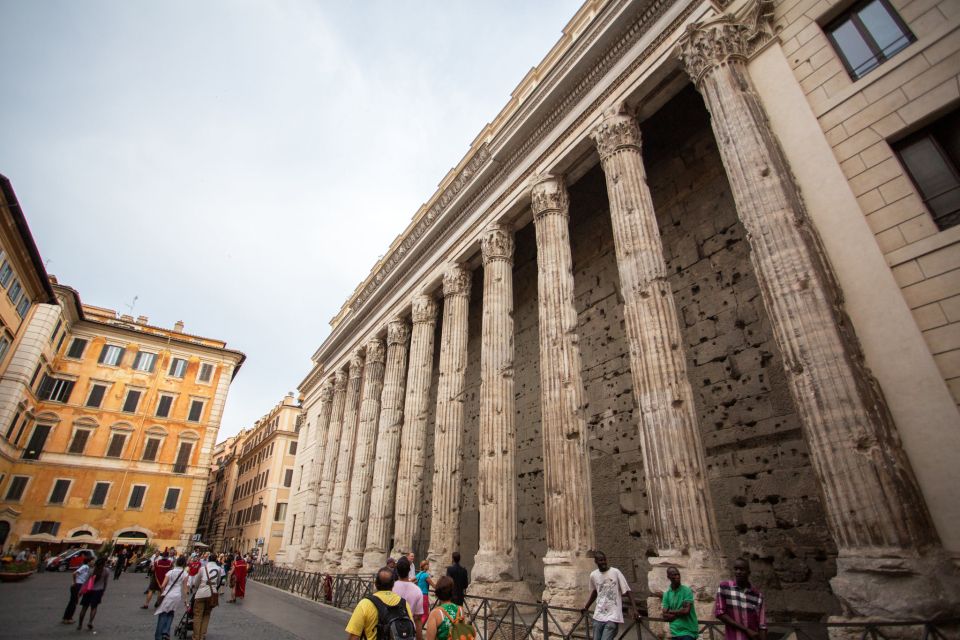
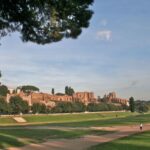
This is the part that often changes whether a night walk feels like sightseeing or like real understanding. The tour includes a full overview of the Forum area, including the Imperial Forums, with extensive narration.
The Roman Forum can be confusing because it’s big, uneven, and layered with time. The guide helps you connect what you’re seeing to what the buildings meant: power, administration, public life. When it clicks, you stop thinking of the Forum as a collection of ruins and start seeing it as a system—spaces built for specific functions.
I also like that this overview doesn’t require you to commit to long daytime hours of museum planning. If you’re doing other Roman sites later, this Forum context gives you a shortcut: you’ll recognize patterns, not just individual monuments.
One thing to remember: you’ll want to listen actively here. If you drift into autopilot mode, you miss the value of this stop. Night walking makes it easier to pay attention—less visual competition, fewer crowds—so take advantage.
How Headsets Make Night Tours Easier (and More Fun)
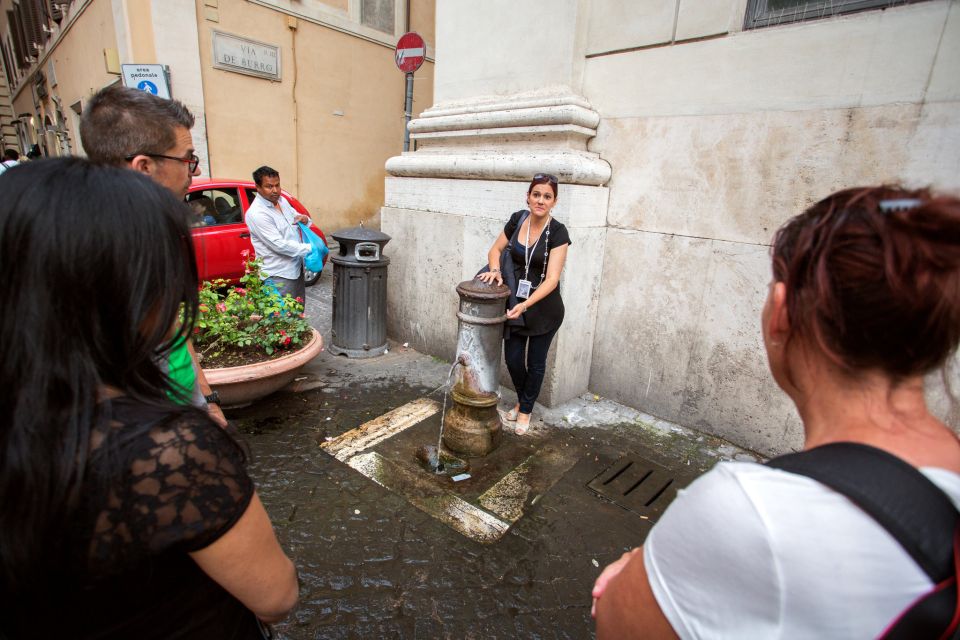
The tour includes headsets, and honestly, this is a quality-of-life upgrade. Rome’s streets can be loud, and at night you still get traffic, footsteps, and street noise. With headsets, you can focus on your guide instead of constantly turning your head to hear.
This matters even more on an English-led tour. You’re hearing clear narration through your receiver, and it helps you stay locked in, even when you’re moving from one sight line to the next.
The best sign of this is what you’ll feel while walking: you’re not constantly asking other people what the guide just said. You can follow the story in sequence, which is the whole point of a guided night walk.
Price and Value: Is $66 Worth It?
At $66 per person for 3 hours, this isn’t a bargain, but it can be good value depending on how you like to travel. You’re paying for three things you’d otherwise have to piece together yourself: an expert guide, headsets, and a structured route that hits several major landmarks in one evening.
If you were to do this on your own, you’d still spend time planning, and you might miss the Forum context entirely. The key value is that you’re not just collecting photos—you’re getting a coherent explanation of what you’re seeing, plus a night-friendly pace with fewer crowds.
Also note what’s not included: dinner and entrance fees. Since monuments and sites are described as closed in the evening, the tour is built around seeing key areas and hearing the stories, not buying lots of tickets. That can be a relief if you want your night focused on atmosphere rather than lines and paperwork.
As a bonus, the tour can be a strong way to start your trip. One review specifically said doing it on the first evening helped them get bearings fast—exactly what a well-timed night orientation walk should do.
The Real-World Reality: Walk, Crowds, and Group Energy
This is a walking tour, so you’ll want to be comfortable with steady movement for 3 hours. The tour isn’t described as wheelchair accessible, and it also isn’t suitable for wheelchairs. If your mobility needs are limited, skip this one and look for a different format.
Group size isn’t guaranteed from the basics, but one person noted a small group of about six during low season. In practice, smaller groups often make the experience more personal: you hear better, questions feel easier, and you’re less stuck behind other people’s heads.
Night tours also have a different crowd feel. Even when it’s still busy, it’s not the same crush as mid-afternoon sightseeing. You’ll probably feel like you can breathe more, and your guide can actually guide you through the route without constant stoppages.
Who Should Book This Rome by Night Walk (and Who Should Skip)
Book this if you want a first-pass Rome experience that balances icon sights with enough context to make them matter. It’s also a good match if you like guided storytelling and want to reduce daytime stress from crowds.
It’s less of a fit if you:
- need wheelchair access (it’s not wheelchair accessible)
- prefer to explore entirely independently at your own pace
- struggle with spoken English for history-heavy narration (it’s only offered in English)
One more note: pets aren’t allowed. If you travel with an animal, you’ll need a different plan.
If you’re choosing between doing Rome by night on day one vs later, I’d lean toward early. Getting the Forum overview and a route map in your head makes it easier to enjoy later visits without constantly trying to figure out where everything sits.
Should You Book Rome by Night?
I’d book it if you want the simplest way to see Rome’s heavy hitters with less crowd friction and a guide who helps you connect the dots. The Forum overview is the standout value, and the included headsets make it a more comfortable, less exhausting experience than many walking tours.
If you’re an audio-only listener who wants every landmark explained, this is your kind of evening. If you’re mainly chasing photos and don’t care about historical context, you might find it pricey for what you get.
My practical advice: do this early in your trip, arrive on time at the Colosseo meeting point, and treat the Forum narration like the main event. The rest of the route is the fun wraparound.
FAQ
What sights does the Rome by Night tour include?
You’ll see Piazza Navona, the Pantheon, Trevi Fountain, Capitoline Hill, and the Colosseum, plus a full overview of the Roman Forum area including the Imperial Forums.
How long is the tour?
The tour lasts about 3 hours.
How much does it cost?
It costs $66 per person.
Where do I meet the guide?
Meet outside metro station Colosseo (B Line), between the green news stand (Kiosk) and the yellow bus stop. Arrive 25 minutes early.
Is the tour offered in English?
Yes. The tour is in English only.
Are entrance fees included for the monuments?
No. Entrance fees are not included, and the monuments/sites will be closed in the evening.
Are headsets provided?
Yes. Headsets are included.
Is the tour wheelchair accessible, and are pets allowed?
No, it is not wheelchair accessible. Pets are also not allowed.