REVIEW · COLOSSEUM, FORUM & PALATINE TOURS
Rome: Best of Colosseum and Roman Forum Guided Tour
Book on GetYourGuide →Operated by TUI Musement · Bookable on GetYourGuide
Rome’s biggest ruins feel human when guided. This small-group tour (up to sixteen people) turns the Colosseum and Roman Forum into a story you can follow, with a local expert who connects the site to real events. I especially like that the guide points out what you’re actually looking at, not just dates, and that you visit key stops without wasting time.
Two standout wins for me: you get admissions and reservation fees included, and you hear clear explanations thanks to headsets when the group is larger than six. One thing to consider: the route involves a lot of walking, and it’s not suitable for wheelchair users or people with mobility impairments.
In This Review
- Key things I’d bet you’ll care about
- Why this Colosseum-and-Forum tour fits 3 hours
- Meeting at Piazza del Colosseo: the details that prevent headaches
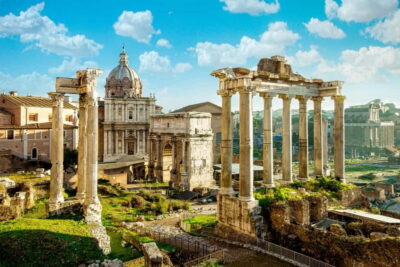
- Roman Forum: the social, political, and business heart of ancient Rome
- Palatine Hill viewpoints: Terrazza Belvedere del Palatino and the “now I get it” moment
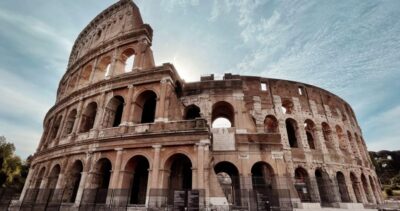
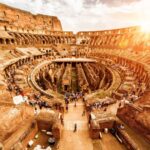
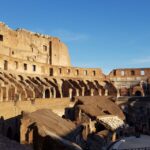
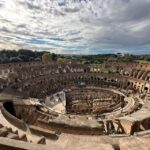
- Entering the Colosseum: Nero, gladiators, myths, and what you can actually see
- Arch of Constantine and the Palatine-area stops: why these “extras” matter
- Small-group comfort: headsets, questions, and pacing
- Price and value: is $70 for 3 hours a smart buy?
- Who this tour is best for (and who should rethink it)
- Should you book this Colosseum and Roman Forum tour?
- FAQ
- How long is the Rome: Best of Colosseum and Roman Forum Guided Tour?
- What’s the group size on this small-group tour?
- Is admission to the Colosseum and Roman Forum included in the price?
- Where do I meet the guide?
- Do you provide headsets?
- What do I need to bring for entry?
- Is the tour wheelchair accessible or suitable for mobility impairments?
- What’s the cancellation policy?
- What if my name on the booking doesn’t match my ID?
Key things I’d bet you’ll care about
- Up to 16 people means more questions and less “look but don’t touch” energy
- Headsets provided if your group is over six, so you’re not stuck guessing what the guide said
- Nero’s great fire and gladiator details get tied to what you can actually see
- Roman Forum as the nerve center of ancient Rome’s political, social, and business life
- Palatine Hill views from Terrazza Belvedere del Palatino, plus the Arch of Constantine area
- Guides like Valerie (a professional archaeologist) bring the facts with personality
Why this Colosseum-and-Forum tour fits 3 hours
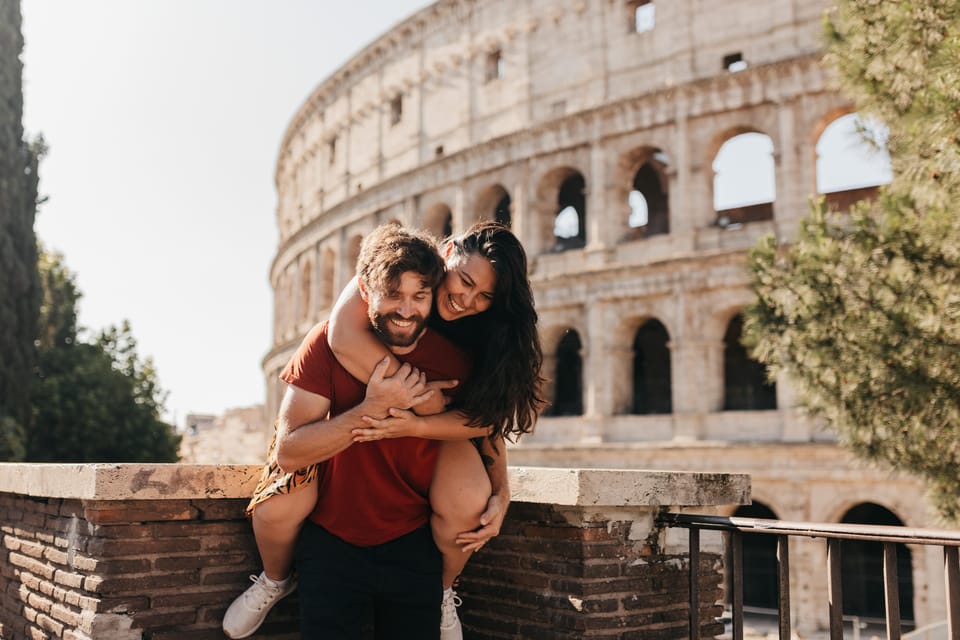
The Colosseum and Roman Forum are two of Rome’s most visited sites, which is great… until you’re standing in a crowd trying to read plaques from three angles away. This tour is built to prevent that problem. You get a structured path through the big highlights, with a guide doing the heavy lifting on context.
The timing matters too. In about three hours, you cover the Roman Forum (about an hour), then transition to Palatine Hill viewpoints, and finish at the Colosseum for roughly one hundred ten minutes. That sequence helps your brain build a picture: government and daily life first, then the spectacle.
Small group size is the quiet superpower here. With up to sixteen people, you’re less likely to feel like a train car. You can ask about what you noticed—stonework, layout, symbolism—and the guide can answer without rushing.
You can also read our reviews of more guided tours in Rome

Meeting at Piazza del Colosseo: the details that prevent headaches
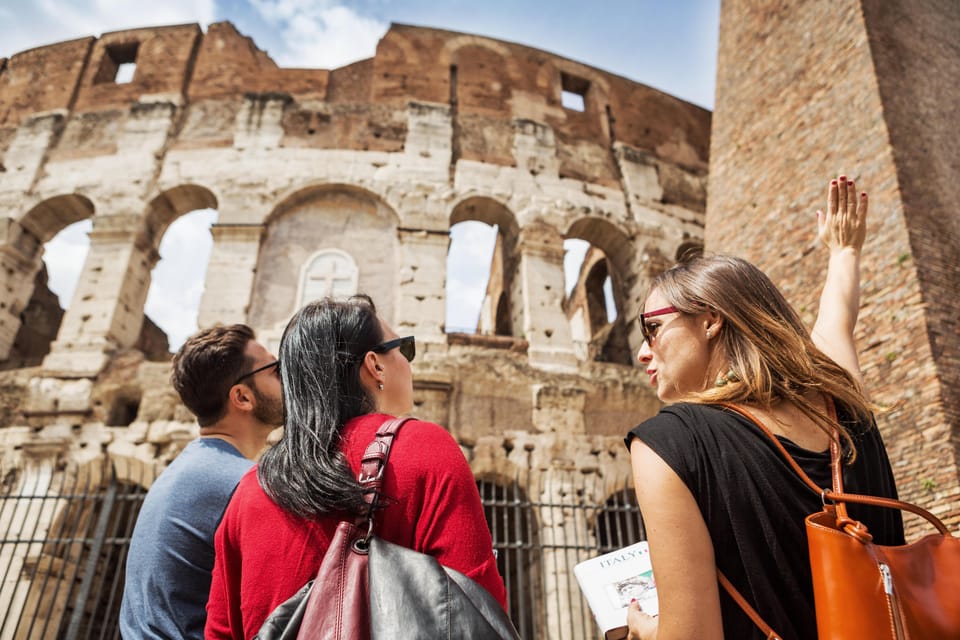
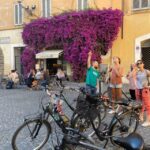
This tour starts near P.za del Colosseo, 21, but your exact meet-up point is on Via dei Fori Imperiali. Meet your destination insider between the green newspaper stand and the fountain, on the right side of the metro station B Colosseum exit. Your guide holds a TUI sign/flag.
Get there 10–15 minutes early. Latecomers may not be accommodated, and with entrances inside the archaeological areas, “I’m almost there” can turn into “sorry, not today.”
Two other practical points you should treat as non-negotiable. You’ll need a passport or ID card. And after booking, the provider requires you to send the name and surname of each participant after check-out for mandatory admission purchases and entry rules. If your name doesn’t match your identity document, you won’t get through.
Roman Forum: the social, political, and business heart of ancient Rome
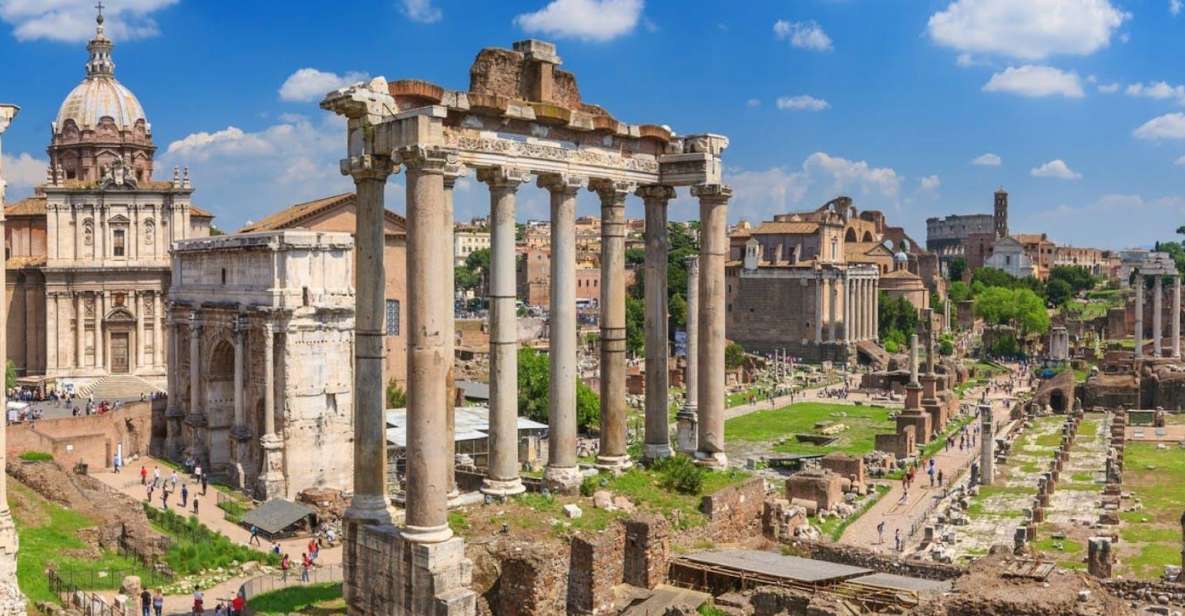
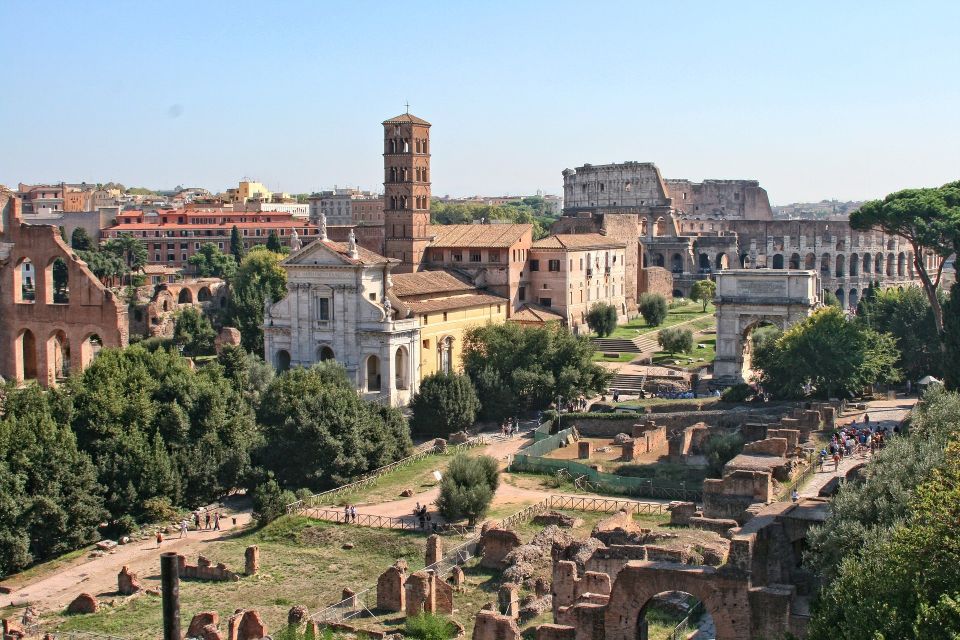
The Roman Forum is not just ruins in a field. The guide frames it as the place where Rome’s power moved—social life, commerce, and politics all overlapping in one central zone. When you stand in the Forum, that explanation changes how you read the stones. It stops being “where cool things happened” and becomes “why people needed this space.”
During the tour, you’ll walk through the Forum with a guided narration for about an hour. The emphasis is on what the Forum used to do for real Romans, and how the layout connects to daily decisions and public life.
This is also where the guide’s storytelling style really helps. One guide connected the experience to the idea that history doesn’t have to be dull—she wants the stories to sparkle and make sense in your head. Even if you’ve read about the Forum before, a good guide makes you see patterns: civic space, meeting space, announcement space, and crowd space.
Palatine Hill viewpoints: Terrazza Belvedere del Palatino and the “now I get it” moment
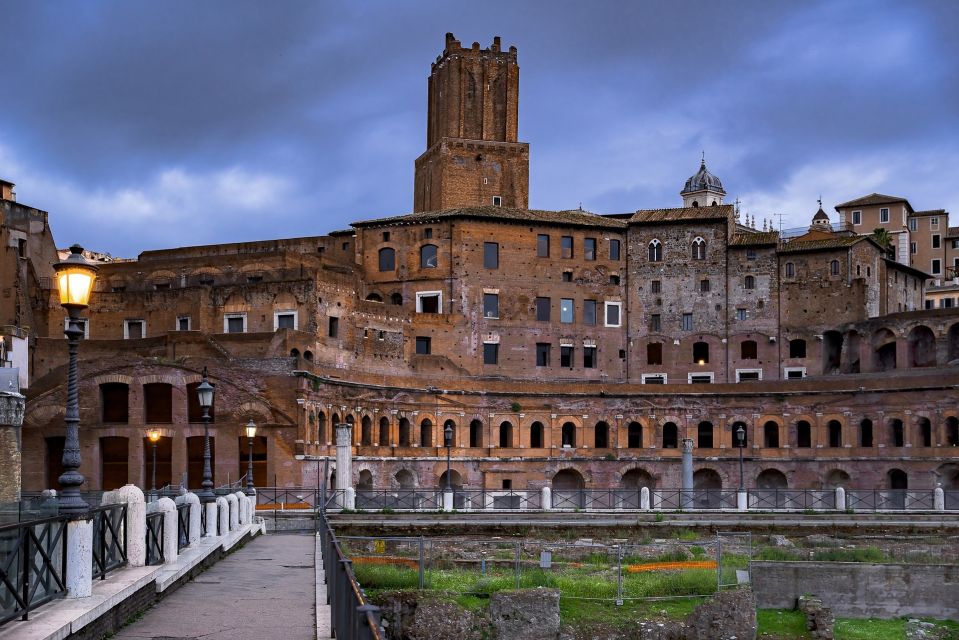
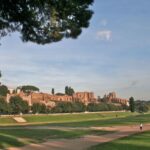
After the Forum, you pass by Terrazza Belvedere del Palatino for a quick walk (about ten minutes) and scenic views. This part is short, but it’s a smart reset. You come from narrow, layered ruins, then you step into a viewpoint where Rome’s geography starts to click.
Palatine Hill is tied to imperial life in the Roman imagination, and seeing it from a terrace helps you understand why the area mattered. You’re not just looking at monuments; you’re mapping how one part of the city relates to another.
It also gives you a breather before the Colosseum section gets intense. The Colosseum is where the crowd energy spikes, and a quick pause with views makes the next stop feel smoother.
Entering the Colosseum: Nero, gladiators, myths, and what you can actually see

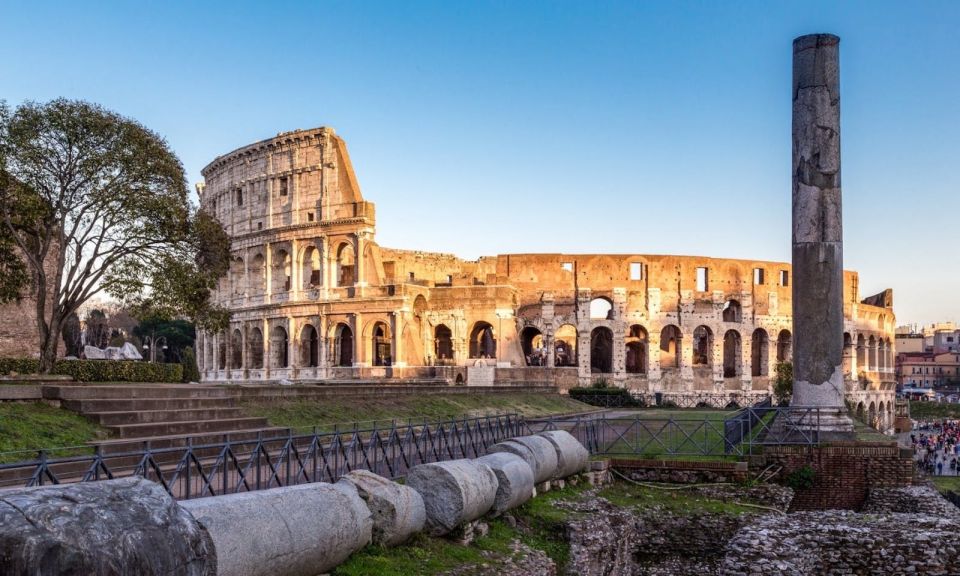
The Colosseum visit takes about 110 minutes with guided time inside. This is where the tour earns its name: the guide doesn’t only give you history. She points to evidence and ties it to the stories.
The tour highlights include:
- the Colosseum’s amphitheatre history
- Nero’s great fire and what that period meant
- grisly gladiator-game details (presented with context, not shock for shock’s sake)
- the truth behind common myths people repeat about the arena
What I like about this approach is that it keeps you from getting stuck in “fact memorizing.” You’ll still learn the key events, but the guide keeps redirecting you back to the physical space: the shapes, the structure cues, and why the design mattered for crowds.
If you’re the type who worries that guided tours will be all lecture, the style here leans practical. Guides like Valerie, a professional archaeologist, bring a technical eye while keeping it fun and accessible. That combination helps even if you’re not a classics nerd. You’ll leave with names, yes—but also a sense of how the building worked.

Arch of Constantine and the Palatine-area stops: why these “extras” matter
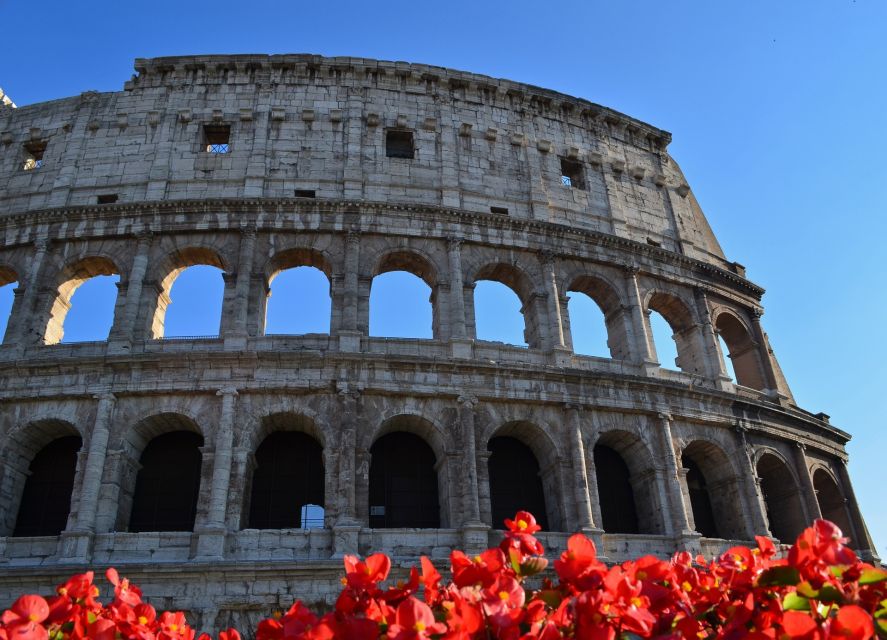
A stop doesn’t have to be a long one to be useful. This tour includes the Arch of Constantine area and time in the Palatine Hill zone beyond just the terrace views. These pieces act like a bridge between eras and themes.
The Arch of Constantine is significant because it belongs to the story of Roman rule and the way emperors used public monuments to project authority. When it’s explained in context, it stops being a photo opportunity and becomes a clue.
And the Palatine Hill side of things gives you a second angle on imperial Rome. You’re already thinking in terms of politics and power from the Forum. Then the Palatine-area material reinforces the idea that Rome’s leadership wasn’t only debated—it was displayed.
Small-group comfort: headsets, questions, and pacing
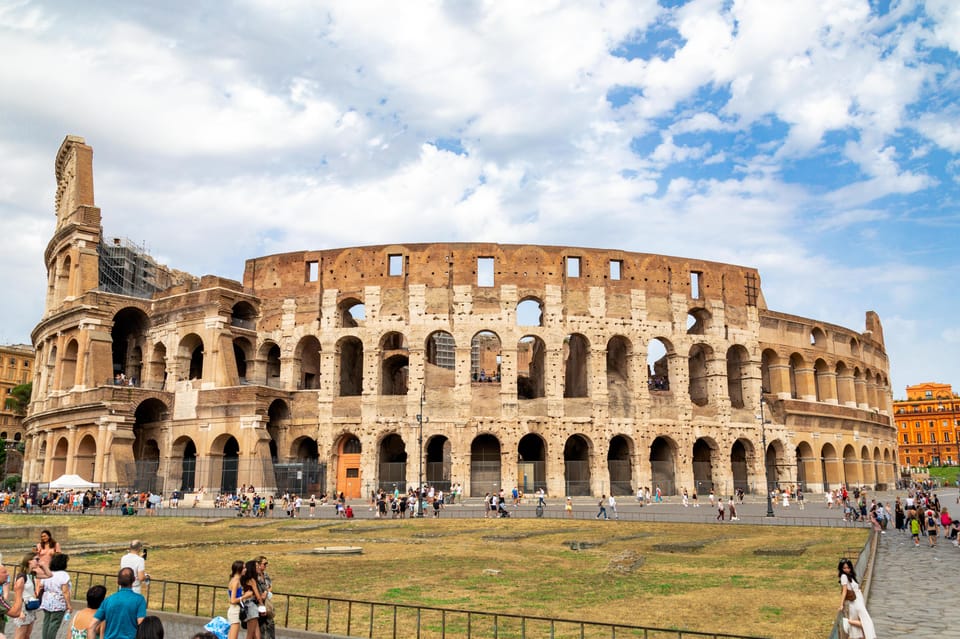
For groups larger than six, you’ll be given headsets to hear your guide clearly. That’s a big deal at the Colosseum, where sound bounces and other tour groups can turn the air into noise soup.
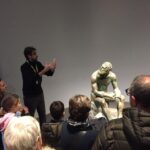
With a group of up to sixteen, pacing matters too. You’re not stuck following someone who stops every ten seconds for one perfect picture. The guide can move at a tempo that keeps you seeing things while still giving you time to ask questions when something catches your eye.
One caution from real-world experience: on tours like this, hearing can still vary. If your voice is strong and your attention is scattered, you’ll still miss bits. If you’re sensitive to audio, bring your best focus and position yourself where you can hear without craning.
Price and value: is $70 for 3 hours a smart buy?
At $70 per person for three hours, you’re not just paying for a guide’s time. Admission and reservation fees are included for the Colosseum, Palatine Hill, and the Roman Forum. That inclusion often changes the math fast, because Rome’s top archaeological sites run on timed entry rules and reservation systems.
This tour also bundles in practical perks that usually cost extra on your own: a local guide, plus headsets when needed. And you get the structure of a small-group itinerary that covers two major landmarks plus key surrounding areas.
Is it the cheapest way to do the Colosseum? No. But cheap isn’t always the win. The value here is in reduced confusion and better use of your limited time in Rome. If you’re only fitting Rome’s biggest ancient stops into a short visit, this kind of guided order helps you make sense of what could otherwise feel overwhelming.
Who this tour is best for (and who should rethink it)
This experience suits you if you:
- want the stories behind the stones, especially gladiators and the Colosseum myths
- prefer a small group with a guide who can answer questions
- like practical context for the Roman Forum, not just sightseeing
You might want to rethink it if you:
- use a wheelchair or need mobility support, since it’s listed as not suitable for people with mobility impairments
- travel with large luggage or oversize bags, because luggage isn’t allowed (so plan light)
Language-wise, it runs in Italian and English. If you’re an English speaker, you’ll get the narration clearly, supported by headsets when the group grows.
Should you book this Colosseum and Roman Forum tour?
I’d book it if you want a well-run, timed way to see Rome’s two headline sites with explanations that actually connect. The mix of Roman Forum civic life, Palatine-area viewpoints, and a Colosseum walk focused on Nero, gladiators, and myths is a strong combo for three hours.
Book it especially if your time is tight and you don’t want to waste that time comparing ticket types, entrance rules, and confusing signage. With reservations and admissions included, the tour makes your day easier.
Skip it if mobility is an issue, or if you’d rather wander without structure. This is a guided experience. You’ll be walking and listening, not roaming at your own pace.
FAQ
How long is the Rome: Best of Colosseum and Roman Forum Guided Tour?
The tour lasts 3 hours.
What’s the group size on this small-group tour?
The group stays small, up to sixteen people.
Is admission to the Colosseum and Roman Forum included in the price?
Yes. Admission and reservation fees to the Colosseum, Palatine Hill, and Roman Forum are included.
Where do I meet the guide?
Meet your destination insider between the green newspaper stand and the fountain, on the right side of the metro station B Colosseum exit, on Via dei Fori Imperiali. Your guide will be holding a TUI sign/flag.
Do you provide headsets?
Headsets are provided for groups of more than 6 people so you can hear the guide clearly.
What do I need to bring for entry?
Bring a passport or ID card, wear comfortable shoes, and consider a sun hat.
Is the tour wheelchair accessible or suitable for mobility impairments?
No. It is listed as not suitable for people with mobility impairments and wheelchair users.
What’s the cancellation policy?
You can cancel up to 24 hours in advance for a full refund.
What if my name on the booking doesn’t match my ID?
The name provided during booking is final, and each participant must present an identity document matching the booking name. The provider also requires you to send the name and surname of each participant after check-out for entry; if that requirement isn’t met, it may not be possible to enter the venues.