REVIEW · 3-HOUR EXPERIENCES
10 Wonders of Rome in 3 hours
Book on GetYourGuide →Operated by Lock Your Tour · Bookable on GetYourGuide
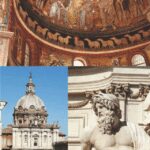
Rome on foot and in fast-forward. This 3-hour guided tour strings together the city’s biggest icons—Colosseum, Pantheon, Trevi Fountain, Spanish Steps—with real storytelling and lots of photo pauses. I like that it’s set up as a highlights route, not a scavenger hunt, and guides such as Joseph and Drita are known for keeping it lively while you move.
I also really like the practical pace. You get a guided flow that helps you get your bearings fast, plus interaction that makes the history stick—guides like Isuf are praised for asking questions and keeping you engaged. One thing to consider: it’s not a sit-and-stare tour. You’ll walk about 5.46 km (3.4 miles) and climb 136 steps, and it’s not suitable for wheelchair users or people with certain health issues.
In This Review
- Key things that make this tour work
- Starting at Via del Monte Oppio: the meetup that saves time
- The Colosseum plus Via dei Fori Imperiali: power and perspective
- Piazza Venezia and the Altar of the Fatherland: photos with meaning
- Trevi Fountain and the Pontifical Gregorian University: where Rome gets theatrical
- Hadrian’s Temple and the Pantheon: two styles, one city
- Spanish Steps plus a coffee break: energy for the stairs
- Villa Borghese Park and the secret viewpoint: why the end feels special
- Price and value: is $47 a good deal for this route?
- Group energy and guide style: why people talk about Joseph, Drita, and Isuf
- Who should book this 10 Wonders walk, and who should skip it
- Practical tips to enjoy every stop
- Should you book this tour?
- FAQ
- How long is the tour?
- What is the meeting point for the tour?
- Are monument and museum entry tickets included?
- How much walking and how many steps are involved?
- Is there a coffee stop?
- Is the tour wheelchair accessible?
Key things that make this tour work
- 10 wonders in 3 hours: A tight, efficient route across Rome’s core landmarks
- Photo stops built in: Time at the Colosseum, Trevi Fountain, and Piazza Venezia for proper pics
- Outside views only: You’ll admire monuments from the street, not go inside as part of this tour
- A secret panoramic finish near Villa Borghese Park: The walk ends with a big payoff
- Espresso stop: A short local café break for coffee or tea (drinks aren’t listed as included)
- Stairs and walking are real: 5.46 km and 136 steps, so plan accordingly
Starting at Via del Monte Oppio: the meetup that saves time
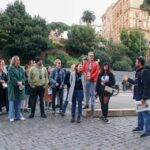
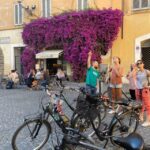
Most Rome tours rise and fall on the meeting point. This one starts at Via del Monte Oppio 3, and the guide arrives at least 10 minutes early. Look for the guide in front of the red house, identified by a Lock Your Tour flag or umbrella.
You should come prepared to walk immediately after meeting. The tour is paced like a guided promenade through major sights, so comfy shoes matter more than you think. Also, you’ll cover about 3.4 miles total on foot, so it’s smart to treat this like a short hike, not a casual stroll.
You can also read our reviews of more tours and experiences in Rome
The Colosseum plus Via dei Fori Imperiali: power and perspective

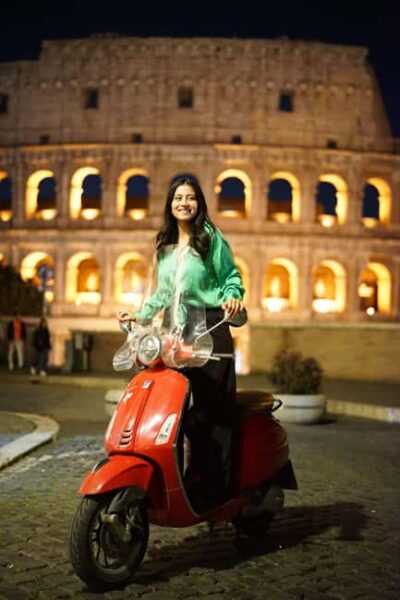
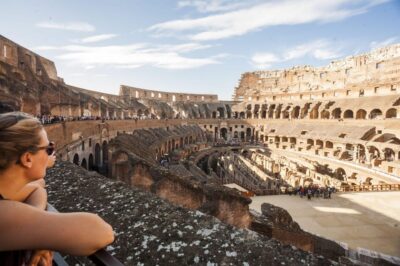
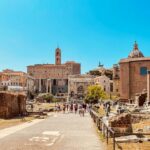
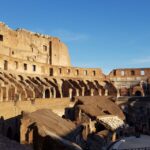
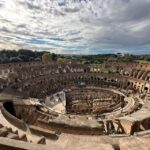
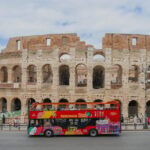
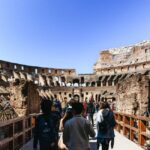
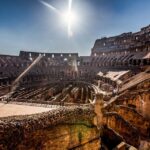
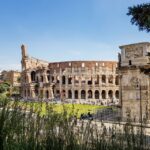
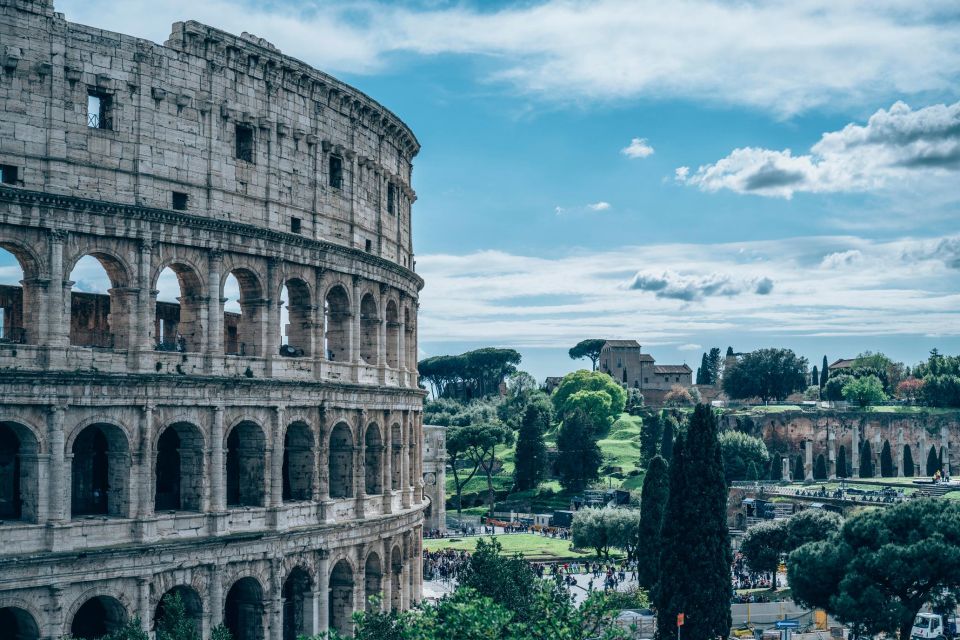
You kick off near the Colosseum, with a photo stop and guided explanation right at the front. Even if you’ve seen pictures for years, standing close changes the scale. Your guide helps you connect what you’re looking at with how Rome projected power through architecture.
Then comes a walk along Via dei Fori Imperiali—Mussolini’s grand avenue that cuts through the ancient/imperial layers of the city. This part matters because it shows how Rome’s story is layered in space. You’ll get scenic views on the way while your guide keeps the thread of the narrative moving.
A small heads-up: monuments are admired from the outside. That’s not a flaw here—it’s the trade for fitting so much into 3 hours. If you want to enter the Colosseum, you’d need a separate ticketed plan.
Piazza Venezia and the Altar of the Fatherland: photos with meaning

Next you reach Piazza Venezia, with a focus on the Altar of the Fatherland (also called the Vittoriano). This is one of those Rome landmarks that looks dramatic from far away and even more symbolic up close. Your guide frames what it represents, so it’s not just a backdrop for selfies.
You’ll have a photo stop plus guided time, and the route is designed to keep you moving rather than waiting in dead time. If you’re the type who likes to know what you’re photographing, this stop is a good match.
Trevi Fountain and the Pontifical Gregorian University: where Rome gets theatrical
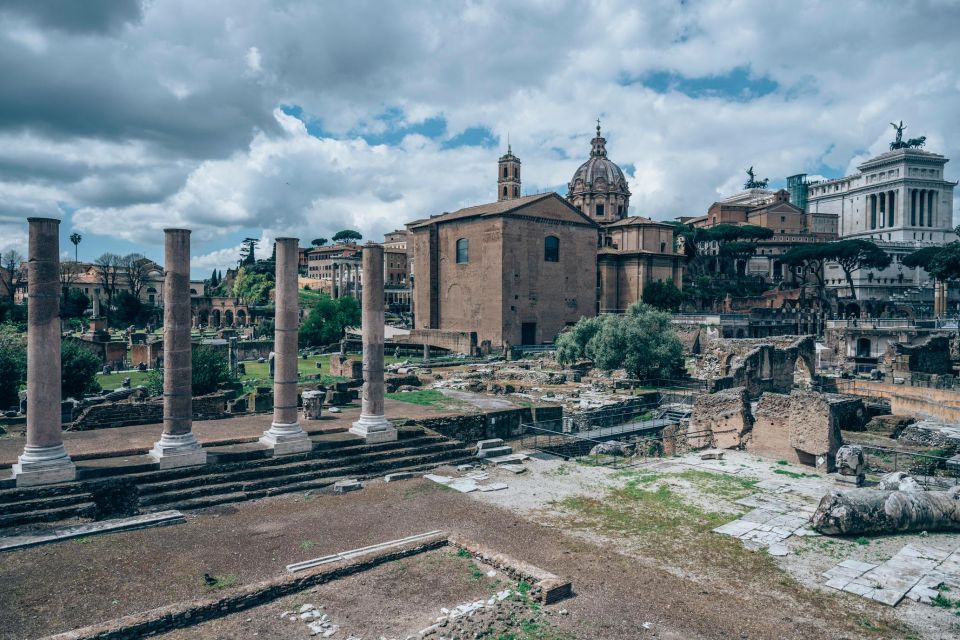
From Piazza Venezia you move toward the fountain area, passing the Pontifical Gregorian University, noted for being one of the first Jesuit-founded universities. That’s a quick “wait, what?” moment that adds texture—Rome isn’t only ancient stone; it’s also living institutions.
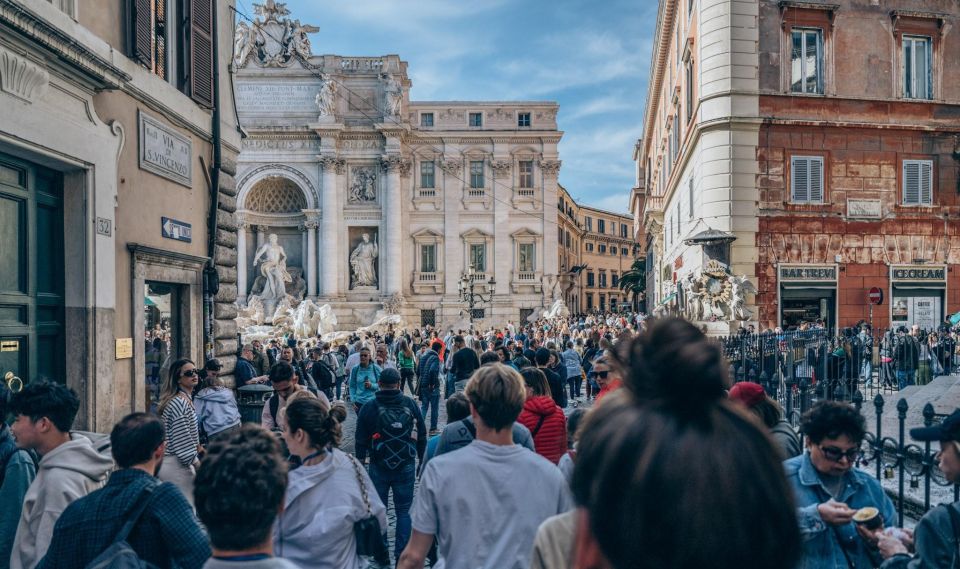
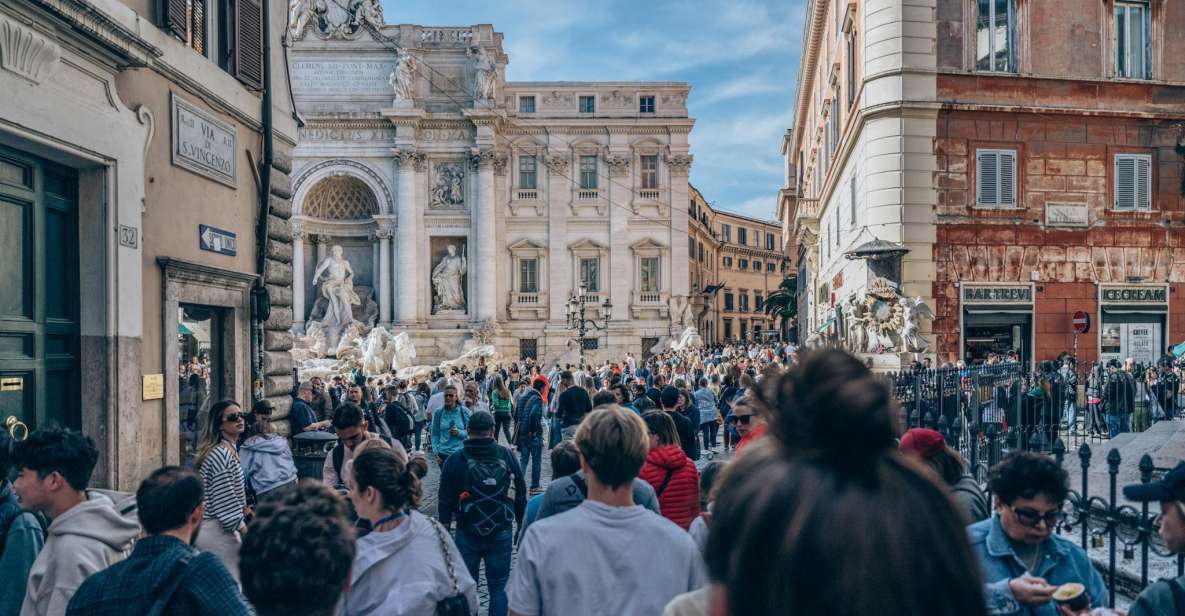
Then comes Trevi Fountain. You get a guided visit with a photo stop, and your guide explains why this fountain is such a centerpiece of Roman imagination—water, marble, drama, and street-level energy all at once. The stop is timed so you can enjoy it without feeling like you’re stuck for hours in the busiest gridlocked moments.
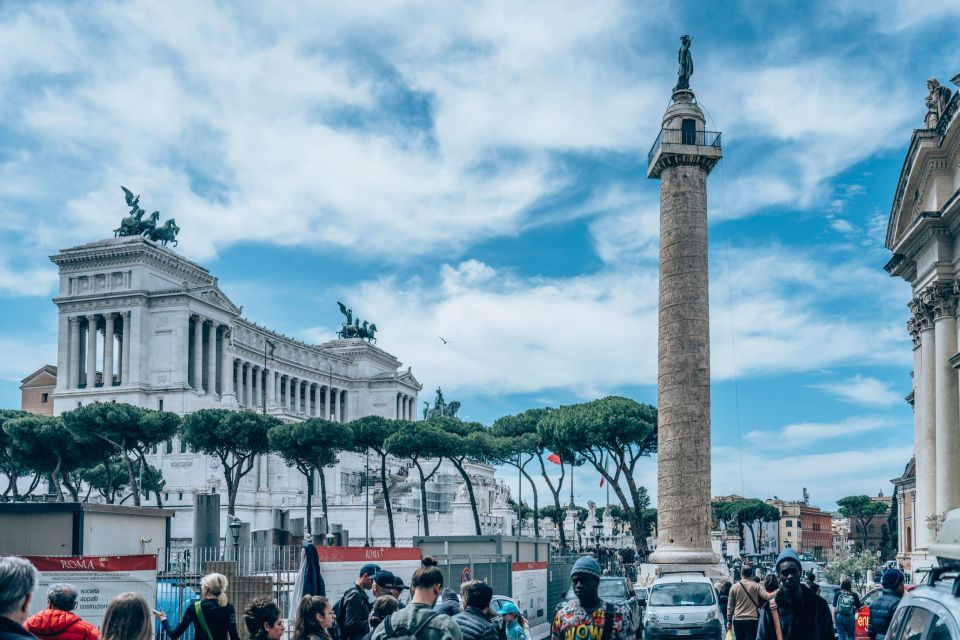
After Trevi, you pass the Marcus Aurelius Column, which is a good breather in the flow. It’s not a full stop, but it’s the kind of landmark your guide points out so it becomes part of the “10 wonders” story rather than just another corner you walk past.
Hadrian’s Temple and the Pantheon: two styles, one city
Next is Temple of Hadrian in the area of Piazza di Pietra. Your itinerary includes a guided walk and sightseeing here, and the tone is: this one surprises people. That tracks—Hadrian’s Temple is easy to overlook at street level if you don’t know what you’re looking at, and a guide helps you notice the details that make it worth slowing down.
Then you reach the Pantheon. Here’s what I like about how this tour handles it: you learn how it continues to function as a church, not just a museum piece. You’ll walk with guidance, admire it on the outside, and get just enough context to understand why it’s remained in use while so many other ancient structures faded.
Practical tip: treat the Pantheon like a working place. Even if you’re not entering, be mindful of people around you and keep your pace steady so you don’t bump the flow of worshippers.

Spanish Steps plus a coffee break: energy for the stairs
The Spanish Steps are next, and your tour includes both sightseeing and time to climb and take it all in. This is one of the stops where the “fast tour” still feels like a highlight, because the steps are inherently photogenic and the climb changes your view every few minutes.
The tour also includes a stop at a local café for coffee or tea. Your guide will likely steer you toward an authentic-feeling order like espresso, and this is a nice reset for the legs. One reality check: the tour listing says meals and beverages aren’t included, so think of this as time to buy a drink, not a free meal.
That coffee break helps because the tour has a lot of movement packed into 3 hours. Combined with the Spanish Steps, the total climb is listed as 136 steps, which is substantial even for people who are generally fit.
Villa Borghese Park and the secret viewpoint: why the end feels special

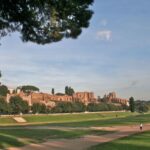
As you head to the finish, you pass Villa Borghese Park and then reach the final stop: a secret location for a panoramic view of Rome. This is the payoff moment, and it’s smart the tour schedules it near the end—after you’ve seen the biggest landmarks, you’re ready for a “how it all fits together” view.
The itinerary also notes sightseeing with sunset/sunrise-style viewing, depending on when you book. Even if you’re not chasing a dramatic sky, a panoramic finish helps your brain turn scattered monuments into one coherent city.
And yes, it’s called secret in the itinerary—so don’t expect a famous rooftop name. Instead, you’ll get the practical benefit: a viewpoint that’s meant to feel like a reward, not another ticket line.
Price and value: is $47 a good deal for this route?
At $47 per person, this tour is priced for people who want structure. The big value is the guide time: an official English-speaking local walks you through a compact route, handles the “what am I looking at” part, and builds in photo stops.
Here’s what you should factor in:
- Not included: entry to monuments and museums, plus meals/beverages
- Included: guided outside viewing, photo opportunities, panoramic viewpoint, Wi-Fi
So, if you’re hoping to walk into paid attractions during the tour, this isn’t the ticket for that. But if your goal is to see the essentials efficiently and understand what you’re looking at, the price-to-time ratio is strong.
You also get a small “buffer” benefit: the guide’s route logic helps you spend your time looking, not figuring out where to go next. For Rome, that matters.
Group energy and guide style: why people talk about Joseph, Drita, and Isuf
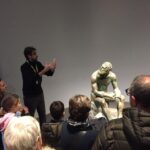
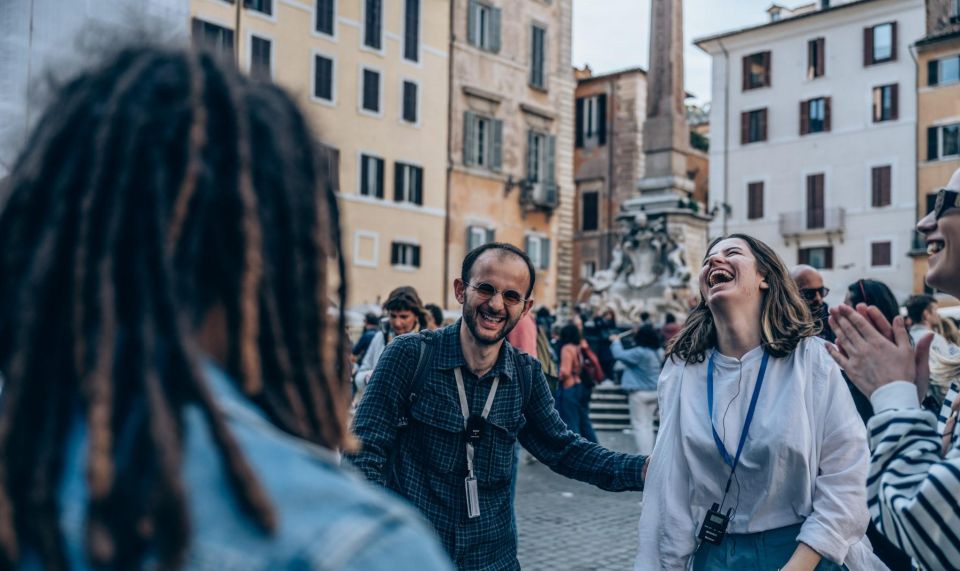
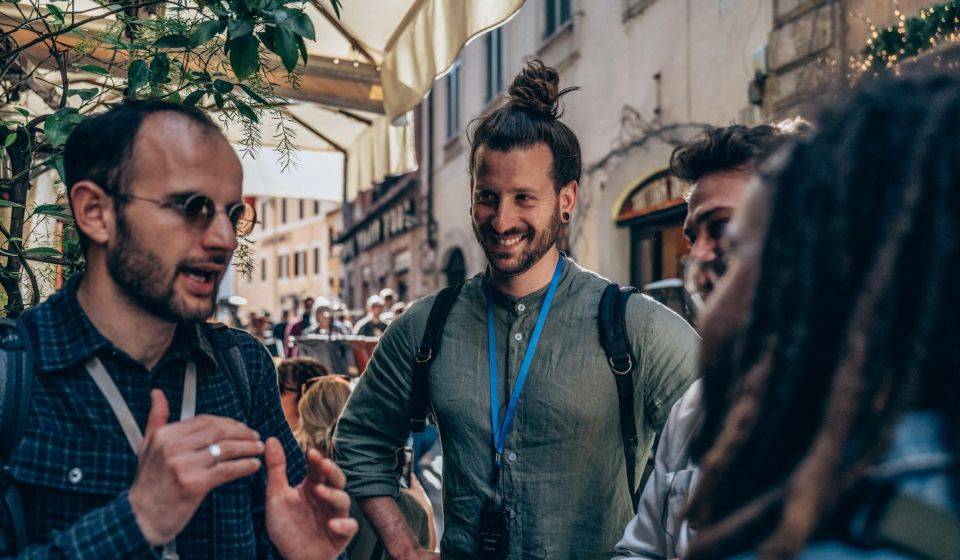
The most praised part of this tour isn’t just the sights—it’s how the guide runs the experience. Guides like Joseph are credited with being fun and engaging, while also sharing lots of facts and the easiest ways to handle busy areas. Others like Drita are praised for staying punctual, keeping a good pace, and using humor without losing control of the group.
You’ll also notice a pattern in feedback: interaction is part of the method. Some guides are described as asking questions throughout, almost like a game. That’s not just entertaining—it’s a memory trick. When you’re walking past landmarks in Rome’s crowds, anything that helps you remember what you just learned pays off later.
Who should book this 10 Wonders walk, and who should skip it
This tour is a great fit if:
- you want a day-1 Rome hit list without committing to multiple museum tickets
- you like guided explanations while you walk
- you’re happy with outside views rather than interior access
It’s not a good fit if:
- you’re under 11
- you use a wheelchair
- you have heart problems or respiratory issues
- you’re worried about a moderate stair load (listed as 136 steps)
If you’re on the fence, think honestly about your walking tolerance. Rome’s sidewalk unevenness plus step-heavy segments can make a “3-hour tour” feel longer than you expect.
Practical tips to enjoy every stop
Bring comfortable shoes. That’s the main advice, and it’s not fluff. Also plan for frequent photo moments—this tour is built for them, so it’s worth keeping your camera/phone handy rather than digging for it mid-walk.
Since monuments are mostly viewed from the street, you won’t need to factor in long security lines. Still, you should be ready for crowd-level conditions at popular sights like Trevi Fountain, the Spanish Steps area, and the Pantheon zone.
Finally, if you want more than outside viewing, pair this tour with one ticketed follow-up. For example, you can come back later for an interior experience once you’ve already gotten your bearings.
Should you book this tour?
I’d book this 10 Wonders of Rome in 3 hours if you want a guided, high-impact first taste of Rome’s biggest names—fast, organized, and ending with a view that ties it together. The outside-only format is the trade, but it’s also what makes the route doable in one compact afternoon.
Skip it if you need museum entry included, or if stairs and walking would drain you too much. In that case, you might be happier with a slower, ticket-focused plan.
If your travel style is: show me the icons, explain what they mean, and then let me explore—this tour hits the mark.
FAQ
How long is the tour?
The tour duration is 3 hours.
What is the meeting point for the tour?
The meeting location is Via del Monte Oppio 3, 00184 Roma RM. The guide arrives at least 10 minutes early and can be identified in front of the red house by a Lock Your Tour flag or umbrella.
Are monument and museum entry tickets included?
No. The tour does not include entry to monuments and museums.
How much walking and how many steps are involved?
You should expect about 5.46 km (3.4 miles) of walking and 136 steps.
Is there a coffee stop?
Yes. The itinerary includes a local café stop for coffee or tea. Meals and beverages are not listed as included, so you may need to pay for your drink.
Is the tour wheelchair accessible?
No. It is not suitable for wheelchair users.