REVIEW · FOOD & WINE TOURS
Mosaic-Making Workshop in Rome’s Trastevere
Book on GetYourGuide →Operated by Romeing · Bookable on GetYourGuide
Small tiles, big satisfaction. This mosaic workshop in Trastevere lets you work at a real studio with Nadia, a mosaic artisan, right near the Botanical Garden—so you’re not just seeing mosaics in photos, you’re making one. I love that the class is genuinely hands-on, not a lecture with a craft-table finish.
My second favorite part is the take-home result: once your design is done, it gets boxed so it can set properly and become a meaningful souvenir (not a random magnet). One possible drawback: the teacher isn’t fully fluent in English, so you’ll rely on demonstrations and a bit of shared communication—fine if you’re patient, less ideal if you need detailed English explanations every step.
In This Review
- Mosaic-Making in Trastevere: What Makes This Class Worth Your Time
- Key Points to Know Before You Go
- Where the Workshop Fits in Rome (And Why Trastevere Is a Good Pick)
- Getting there without hotel pickup
- Your 3-Hour Mosaic Schedule: What Happens From Start to Finish
- 1) Meet Nadia and get set up at your workstation
- 2) Choose (or work from) a design and map out your layout
- 3) Cut and fit the tiles (the part people don’t expect)
- 4) Glue/assemble, then get to the cementing and cleaning steps
- 5) Packaging and setting time (the travel-friendly part)
- What You Actually Learn (So This Isn’t Just a One-Off Souvenir)
- Price and Value: Is $147.27 a Good Deal?
- Who This Workshop Is Best For (And Who Might Want to Skip It)
- Kids and families
- English-only expectations
- Studio Experience in Trastevere: The Feel of the Day
- Handy Tips to Get More Out of Your Mosaic Class
- Should You Book This Mosaic Workshop?
- FAQ
- How long is the mosaic-making workshop?
- Where is the workshop located?
- Will I be able to take my mosaic home?
- Is this a small group activity?
- What languages do you use during the class?
- Is the studio wheelchair accessible?
- Is hotel pickup included?
- Are children allowed?
- Is free cancellation available?
Mosaic-Making in Trastevere: What Makes This Class Worth Your Time
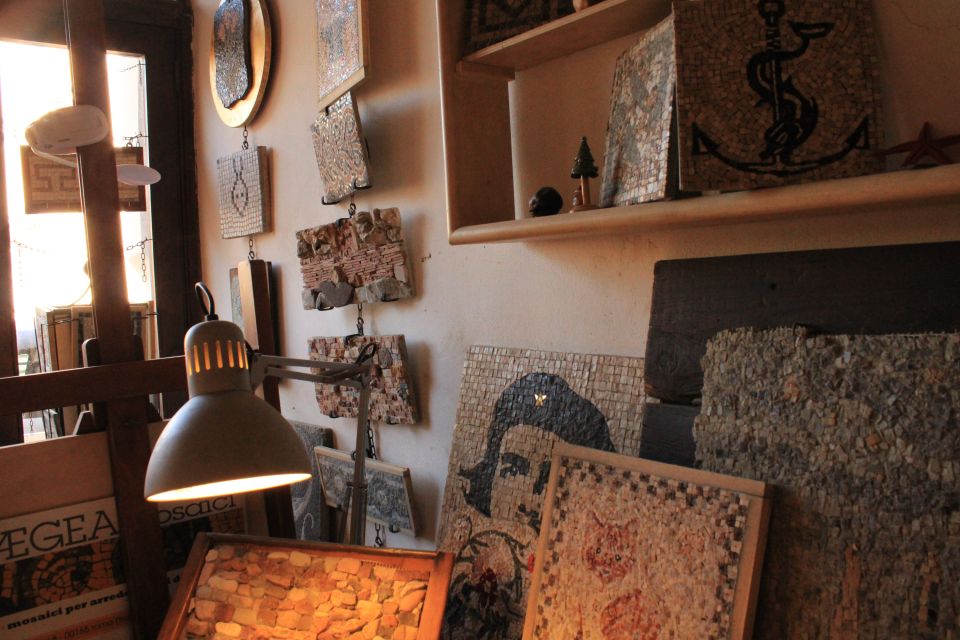
This is a good “Rome break” activity—art, focus, and a steady rhythm that pulls you out of sightseeing mode. You’ll start in a small, working atelier in the Trastevere area, and you’ll use the same basic craft logic that makes Roman mosaics so impressive: careful cutting, tight fitting, and a process that takes time even when you’re only in the studio a few hours.
The workshop is designed for a small group (up to 8 people), so it stays personal. Nadia guides you through the steps while you choose your own design. The pace feels structured enough that you won’t be lost, but relaxed enough that you can actually enjoy the materials.
Key Points to Know Before You Go
- Small group (up to 8) keeps attention on you, not on a crowd.
- You make and take home your own mosaic, packaged to set properly.
- Nadia teaches the steps in a way that works even with limited English.
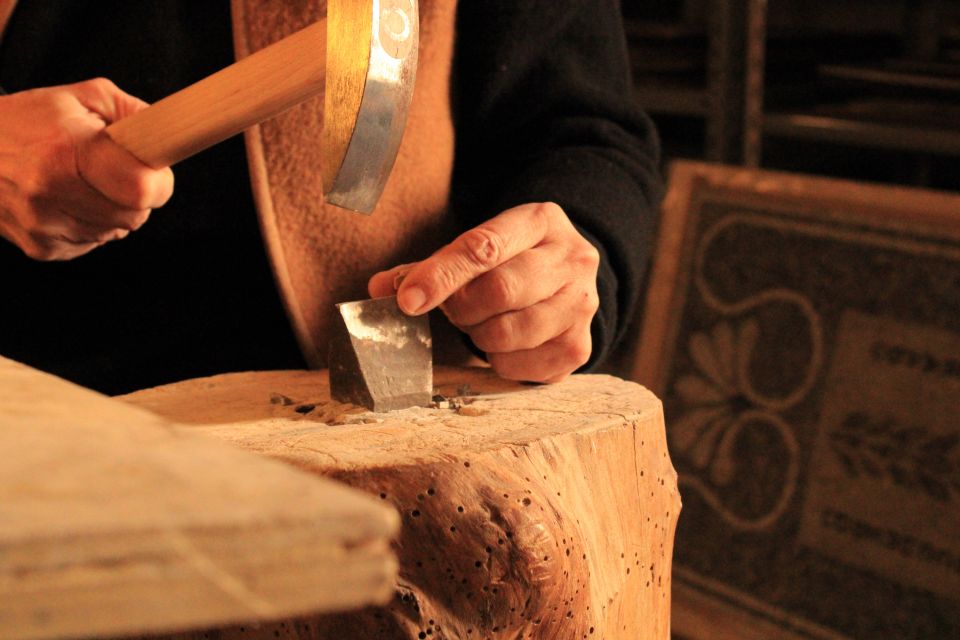
- Tile cutting is the real work (and yes, it can be tedious at tiny angles).
- The setting time can take up to 6 hours, so your mosaic is packed to travel safely.
You can also read our reviews of more tours and experiences in Rome



Where the Workshop Fits in Rome (And Why Trastevere Is a Good Pick)
Trastevere is one of my favorite areas to spend time because it feels lived-in. You’re close enough to main sights to make a day of it, but far enough to slow down. The studio’s location is specifically described as being in Trastevere and conveniently near the Botanical Garden, which helps because you’re not guessing across Rome for a hidden room.
Also, going to this workshop is a smart way to break up a packed itinerary. After churches, ruins, and long walks, you often want something that doesn’t demand your feet and your camera at the same time. A mosaic workshop asks for calm attention instead. That’s the value.
Getting there without hotel pickup
Hotel pickup and drop-off aren’t included. Plan to get yourself to the studio by public transit or on foot, and give yourself a little buffer for Trastevere’s winding streets.
Your 3-Hour Mosaic Schedule: What Happens From Start to Finish
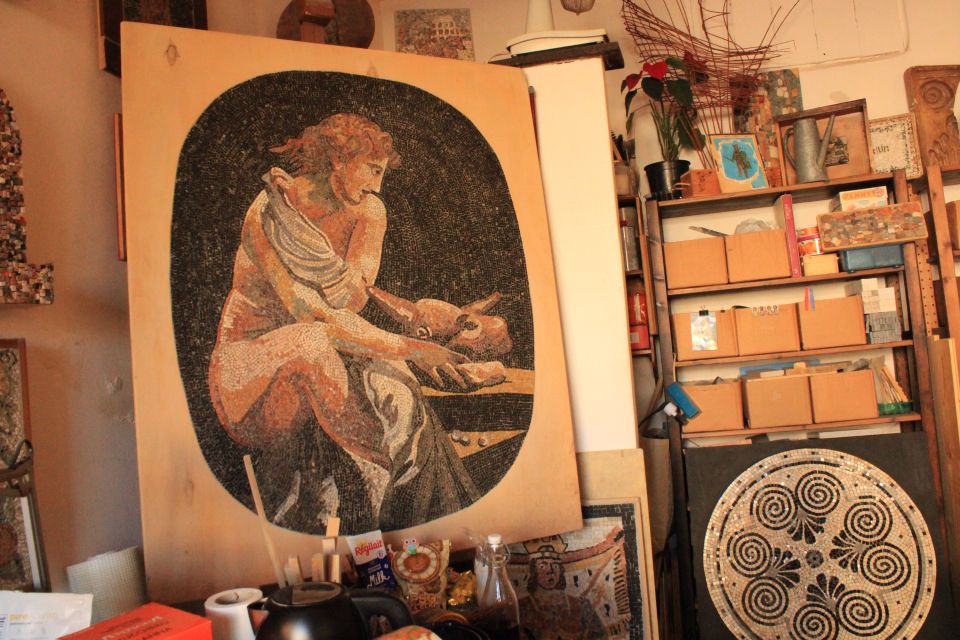
The booking is listed as 3 hours, and the hands-on mosaic-making part is described as about 2–3 hours. That matters because you’ll want to avoid rushing in with a tight dinner plan right afterward. Even if your creative session is “only” a few hours, the materials and steps take focus.
Here’s what the flow typically looks like in this type of workshop (and what’s specifically described for this one):
1) Meet Nadia and get set up at your workstation
You’ll be introduced to Nadia, the mosaic artist who mentors you. You’ll sit at your designated work area and start learning the basic process. The class is described as organized and hands-on, with the instructor available throughout—so you’re not left alone with tools that look simple but aren’t.
A practical note: because the instructor may not be fluent in English, it’s a good idea to go in with a cooperative mindset. You can still learn everything through demonstrations, pointing, and hands-on corrections.






2) Choose (or work from) a design and map out your layout
The workshop includes the freedom to choose your preferred design. That’s important for value, because mosaics are personal art. You’re not producing the exact same pattern as everyone else; you’re making a piece you’ll actually recognize as yours.
What you’ll be doing early is aligning the plan—tracing and thinking through how small cuts will fit together. This is also where you’ll understand the real craft skill behind Roman mosaics: it’s not just “gluing colorful bits.” It’s planning for fit.
3) Cut and fit the tiles (the part people don’t expect)
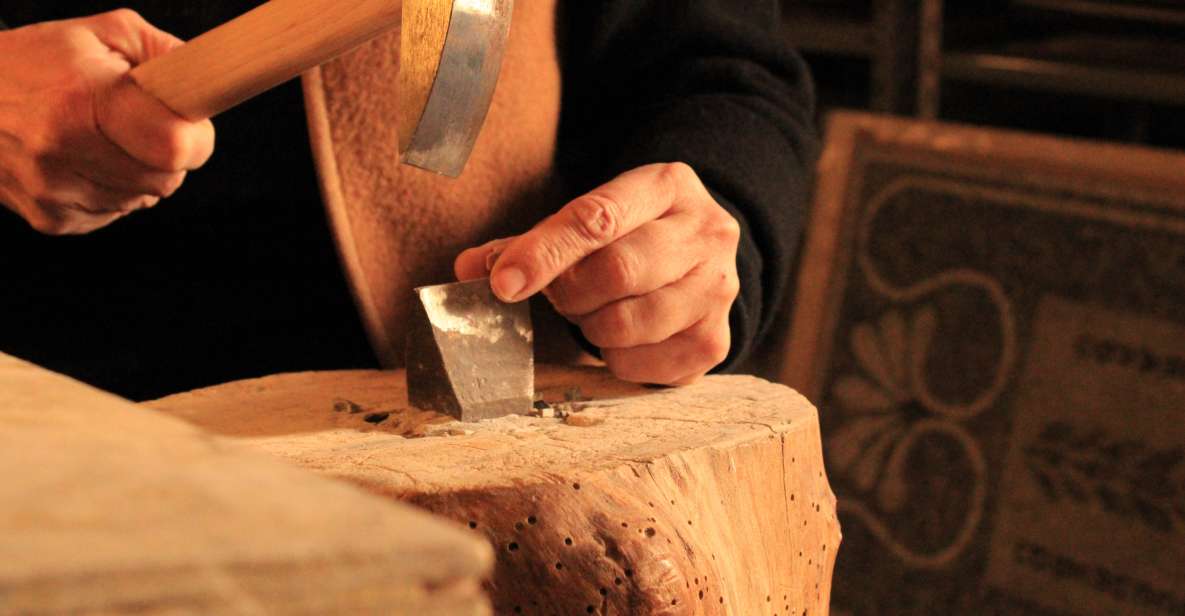
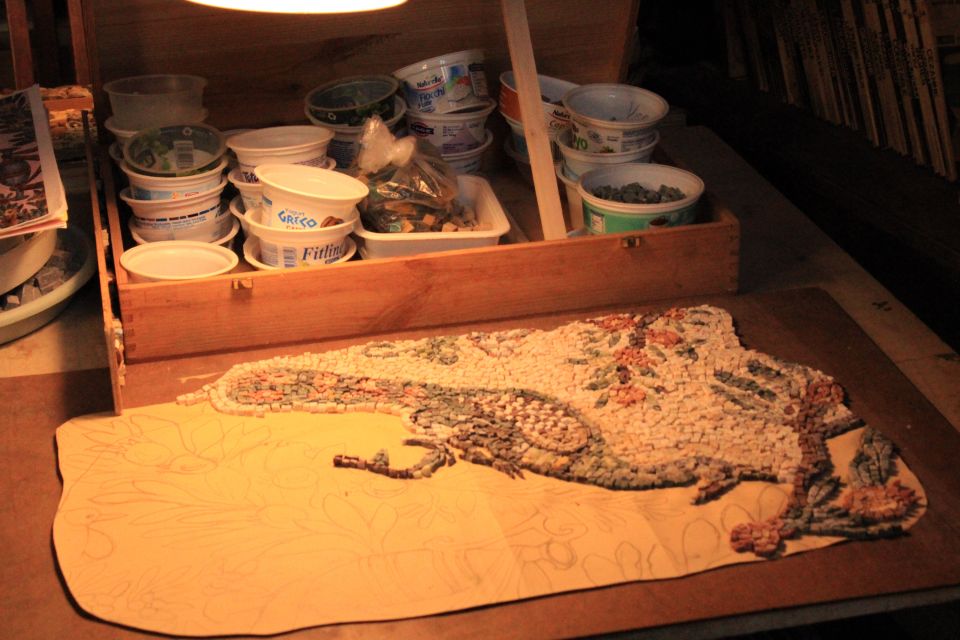
You’ll use tools and materials to begin cutting tiles and assembling them. This is where most first-time makers get surprised. Reviews in the class feedback highlight that mosaics are harder than people realize, especially when you have to cut tiles to fit small angles. That detail isn’t a downside—it’s the whole point. You’re learning why the process takes time and why the results look so precise.
If you’re prone to rushing, slow down here. Clean cuts and patience make the rest easier.
4) Glue/assemble, then get to the cementing and cleaning steps
Once pieces are fitted, you’ll continue assembling your mosaic so it becomes a complete image or pattern. The class includes the steps that follow assembly—cementing and cleaning are part of what’s described. Even if you don’t think you’ll care about the messy parts, you will. Those final steps are what help a mosaic look finished instead of “crafty.”
And yes, you’ll probably come away with a new appreciation for mosaics you’ve seen across Rome, including the big, iconic ones.
5) Packaging and setting time (the travel-friendly part)
When your mosaic is complete, it gets carefully nestled within a box so it can set properly. The setting process can take up to 6 hours. Even though you may not be able to “watch it set” like a science experiment, the key point for you is that the workshop provides a way for you to transport your finished souvenir safely.
In other words: you’re not leaving with a fragile pile of tiles. You’re leaving with a packaged piece intended to make it home.
What You Actually Learn (So This Isn’t Just a One-Off Souvenir)
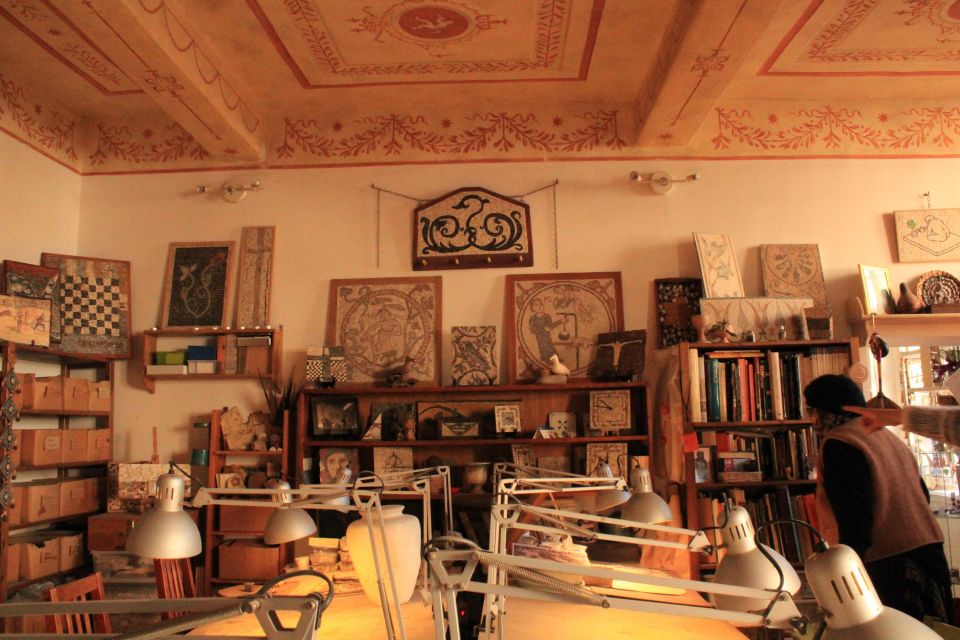
This workshop teaches the real workflow of mosaic-making: design layout, careful cutting, fitting, and finishing. The value is that you’ll understand what makes mosaics look right—how edges matter, how small variations can show up, and why “roughing it” doesn’t work.
By the end, you’ll be able to look at Roman mosaics with better eyes. Even the casual patterns start making sense: where the artist spent time, and where the precision is doing the heavy lifting.
Price and Value: Is $147.27 a Good Deal?
At $147.27 per person, this isn’t the cheapest activity in Rome. But the pricing makes sense when you look at what’s included:
- A hands-on workshop with a professional mosaic artist
- A fully equipped studio
- A small group of up to 8 people
- Your own mosaic to take home
- Guidance step-by-step while you work with the materials
In practical terms, this is paying for time, craft instruction, and the fact that you’re leaving with a genuine handmade piece. For me, that’s a better use of money than buying another store-bought souvenir that will sit in a drawer.
Who This Workshop Is Best For (And Who Might Want to Skip It)
This is a great fit if you want a creative break that still feels authentic. It’s also ideal if you like structured activities—because the class is set up so you can follow the steps and finish something you’re proud of.
It also works for couples and friends because you’ll both get your own piece.
Kids and families
Children must always be accompanied by at least one adult, and the studio is described as wheelchair accessible. If you’re bringing kids, it helps to know that tile cutting and fitting takes concentration—so plan to be hands-on with them.
English-only expectations
If you need very detailed English instruction the whole time, you might find it limiting. The instructor can communicate, but it’s not described as fluent English teaching. If you’re okay with learning through visuals and doing, you’ll be fine.
Studio Experience in Trastevere: The Feel of the Day
The workshop described here is in a working studio, not a pop-up craft booth. That tends to matter more than people expect. A real studio feels calm and focused. You’ll have time to work without constantly interrupting the flow for photos, waiting, or chasing supplies.
One class write-up even described the studio vibe as casual—music, a relaxed hang, and a break from the hustle that can follow you around Rome. Even if you don’t experience every extra comfort, the main point holds: this feels like making something, not just watching something.
Handy Tips to Get More Out of Your Mosaic Class
You’ll enjoy the workshop more if you plan like a maker, not like a tourist.
- Wear clothes you don’t mind getting a little dusty (tile work can be messy).
- Give yourself buffer time before and after. You may want to walk off your creative fatigue.
- Pick a design you can build slowly. Complex shapes and lots of tiny angles can be a fun challenge, but they also take more time.
- Don’t rush the cuts. Clean fits save frustration later.
- If the language barrier pops up, focus on the demonstration. Nadia’s guidance is hands-on and step-by-step.
Should You Book This Mosaic Workshop?
If you want a Rome souvenir with meaning, this is an easy yes. You’ll leave with something handmade, packaged for travel, and built through real craft steps—not just a take-and-paste project.
I’d book it if:
- you like hands-on art
- you want a break from the big-ticket sightseeing pace
- you want your Roman trip to include more than photos
I’d think twice if:
- you need fluent, constant English instruction
- you have zero patience for slow, careful cutting and fitting
FAQ
How long is the mosaic-making workshop?
The experience is listed as 3 hours, and the hands-on mosaic-making portion is described as 2–3 hours.
Where is the workshop located?
It’s in Trastevere, in Lazio, Italy. The studio is described as being conveniently located near the Botanical Garden.
Will I be able to take my mosaic home?
Yes. You’ll create your own mosaic and it’s boxed so it can set properly, making it easier to transport home.
Is this a small group activity?
Yes. It’s limited to a small group of up to 8 participants.
What languages do you use during the class?
English and Italian are listed. The instructor teaching the class isn’t fully fluent in English, but can communicate with everyone.
Is the studio wheelchair accessible?
Yes, the workshop is described as wheelchair accessible.
Is hotel pickup included?
No. Hotel pick up & drop off aren’t included.
Are children allowed?
Children must always be accompanied by at least one adult.
Is free cancellation available?
Yes. Free cancellation is available up to 24 hours in advance for a full refund.