REVIEW · DAY TRIPS FROM ROME
Ostia Antica Small Group Tour
Book on GetYourGuide →Operated by Rome - Tour · Bookable on GetYourGuide
Mud and marble tell the story of Rome’s port. Ostia Antica feels like a real neighborhood, not a museum floor, and the small-group setup helps you slow down and actually understand what you’re seeing. You’ll head out from Rome by train, then walk through temples, houses, public baths, and civic spots that once served a working city.
Two things I like a lot here: you get a guide-led circuit through the theater, baths, and homes (so the ruins click fast), and you ride the included local train roundtrip without stress. The only real catch is the ground is uneven and the walk is substantial, so this isn’t a good match for wheelchair users or people with reduced mobility.
In This Review
- Key Highlights That Make This Tour Worth Your Time
- Getting to Ostia Antica by Train, Without the Usual Hassle
- Why Ostia Antica Feels Different From Other Roman Ruins
- The Outdoor Theater: Where Spectacle and Everyday Life Met
- Square of the Guilds: Merchants, Ship Owners, and Making Money
- Baths of Neptune: Roman Cleaning, Exercise, and Leisure
- House of Diana: A More Private Look at Roman Comfort
- The 4-Hour Small-Group Pace That Keeps You From Rushing
- What the Guide Adds (Names You May Hear Along the Way)
- Price and Value: Why $94 Makes Sense for a Half-Day
- Practical Tips Before You Go
- Should You Book This Ostia Antica Small Group Tour?
- FAQ
- Where does the tour meet?
- How long is the Ostia Antica tour?
- What’s included in the price?
- Is food or drinks included?
- Can I bring luggage or large bags?
- Is the tour accessible for wheelchair users or reduced mobility?
Key Highlights That Make This Tour Worth Your Time
- Skip-the-line entry into the archaeological park so you don’t waste your half-day standing around
- Small group (max 10), which keeps the pace relaxed and questions easy to ask
- Grand outdoor theater where performances—and even gladiator fights—took place
- Square of the Guilds that turns port trade into something you can picture
- Baths of Neptune that show Roman routine: exercise, lounging, and cleaning habits
- House of Diana for a peek into a more private, surprisingly sophisticated side of daily life
Getting to Ostia Antica by Train, Without the Usual Hassle
This tour starts at Roma Ostia Lido Train Station, right in front of the station at Piazzale Ostiense, 9. From there, you take the local train to the archaeological park area. The key value here is simple: the experience is built around public transit that’s straightforward, not a complicated bus shuffle.
Because the tour includes the roundtrip train ticket, you’re not doing guesswork with schedules or finding the right platform last minute. One practical plus: after the guided portion, you can usually use your return ticket to stay a bit longer and wander on your own—handy if you want to linger with signage or grab extra photos in quieter corners.
Do note the one travel-style mismatch: luggage or large bags aren’t allowed. Bring what you need for a few hours, keep it light, and wear shoes that handle walking on uneven surfaces.
You can also read our reviews of more tours and experiences in Rome.

Why Ostia Antica Feels Different From Other Roman Ruins
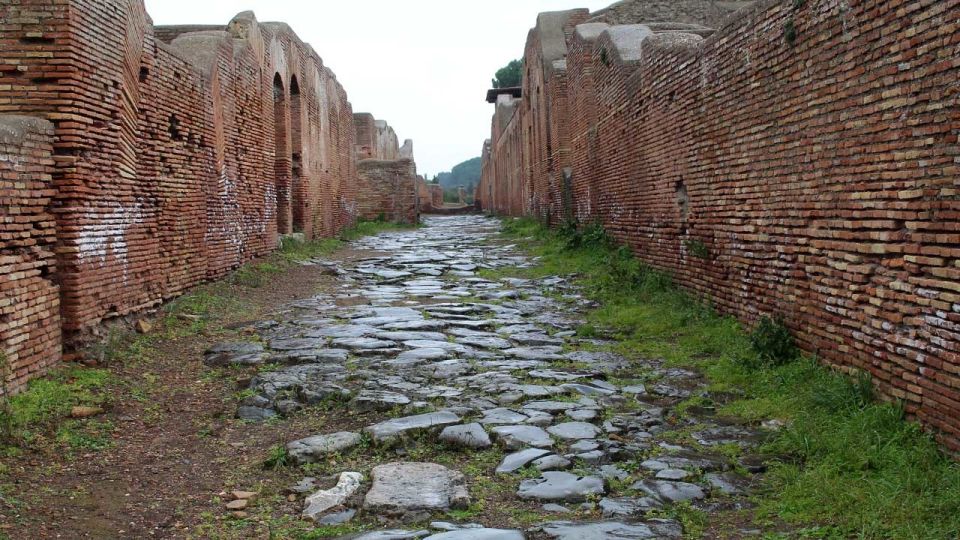
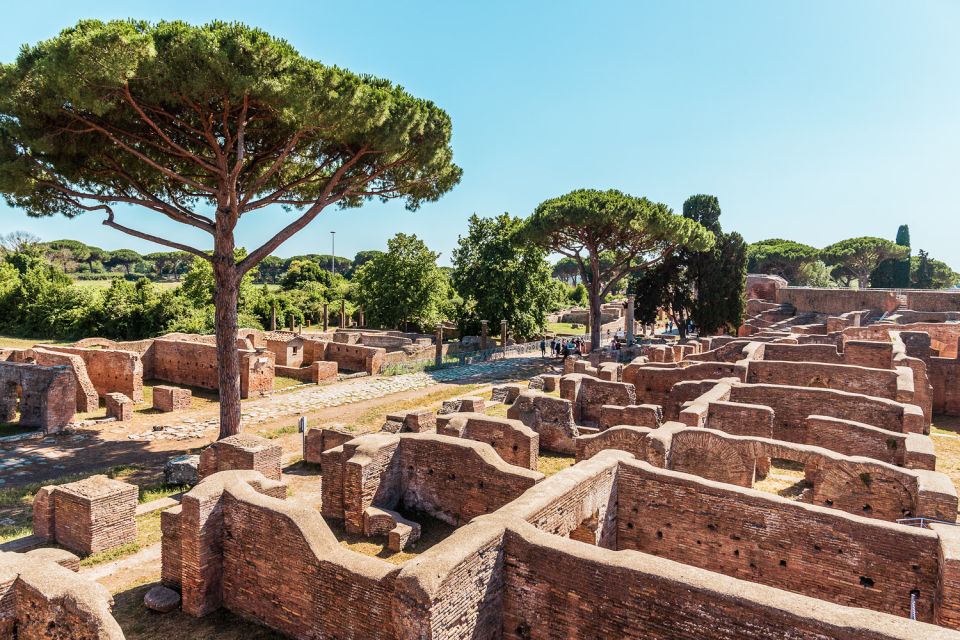
Ostia Antica was Rome’s busy port city—built to move people, goods, and money. Then the river changed course, silt and mud covered the town, and the city was eventually abandoned. That protection is part of why these ruins look so readable today.
Compared with Rome’s busiest sights, this place often gives you breathing room. Even on a good day, you’ll be sharing the park with occasional groups (like local school groups), but the overall vibe tends to be calmer than central Rome. When you can actually see what’s where, the story becomes easier to follow: this isn’t just “columns.” It’s the layout of a working city.
Another underrated point: the park is large. Signs and an audiobook option can help, but the walk is long enough that context matters. A good guide helps you choose what to focus on first—so you don’t end up sprinting from one highlight to another with no idea how it all fits together.
The Outdoor Theater: Where Spectacle and Everyday Life Met
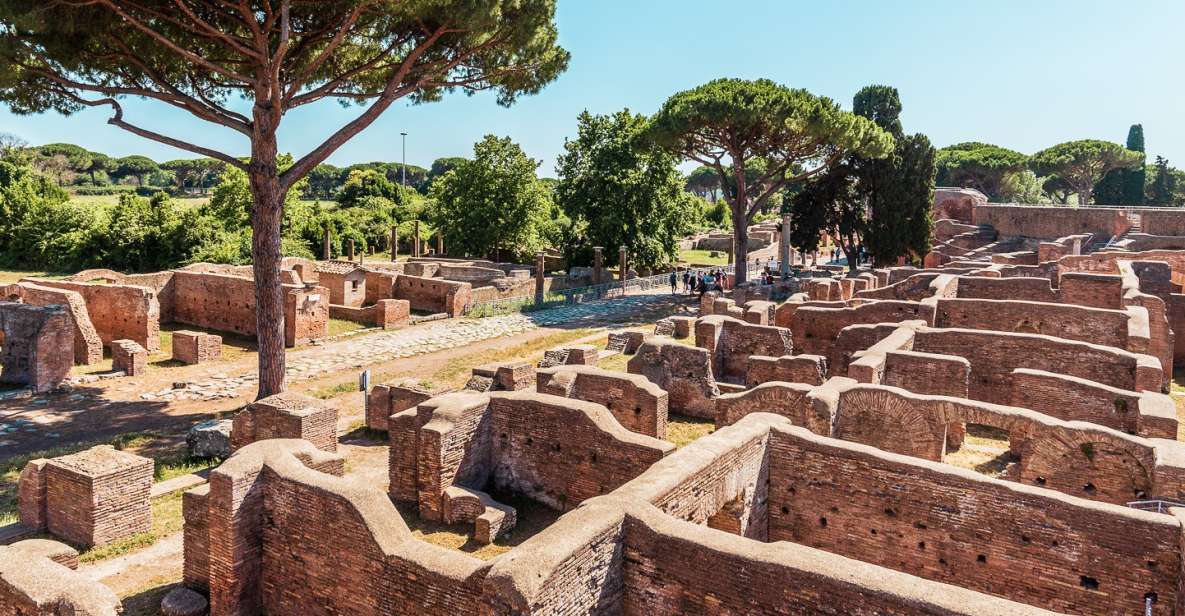
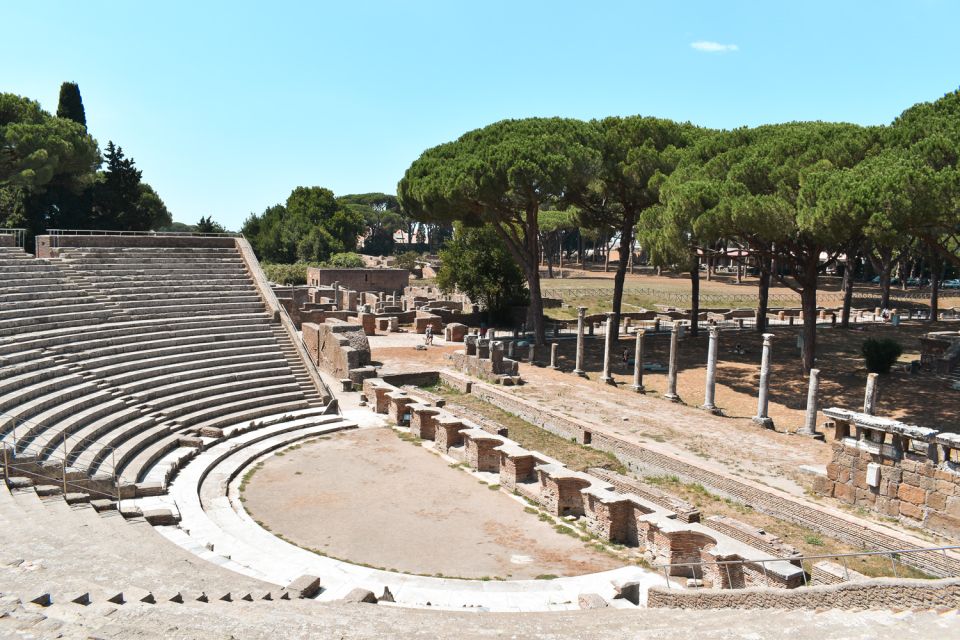
One of your first big wow moments is the grand outdoor theater. This is the kind of Roman structure that immediately changes how you picture the city. It wasn’t a quiet performance space for elites; it hosted plays and, at least in this context, even gladiator fights.
What I love about stopping here on a guided route is how the guide can connect the theater to the city’s rhythm. In a port town like Ostia, crowds weren’t rare—people flowed in and out with trade, work shifts, and seasonal activity. So this theater wasn’t just entertainment. It was social glue, a public stage where everyone showed up.
A small caution: the theater is outdoors, and you’ll want to keep an eye on sun and shade. Bring water and plan to pause when you need it, especially in warmer months.
Square of the Guilds: Merchants, Ship Owners, and Making Money
Next you’ll walk to the Square of the Guilds, a spot that brings Ostia’s commercial life to the surface. This is where ship owners and merchants tried to make their fortunes—basically, the business end of Roman empire.
Even if you don’t know Roman economics, this stop works because it teaches you how to “read” the ruins. You’re not just looking at stones; you’re learning how people used specific spaces for specific purposes. The square is the kind of place where you can imagine announcements, transactions, and daily negotiation—because port life depends on timing, connections, and reputation.
This is also a great stop for photos, since it’s a place your eye can navigate without getting lost. If you’ve ever felt overwhelmed in huge ruins, this is one of the calmer, more legible areas.
Baths of Neptune: Roman Cleaning, Exercise, and Leisure
The tour then moves to the Baths of Neptune, which is where Ostia gets human. Roman baths weren’t just about washing. They were workout spaces, social spaces, and places to relax. You’ll see the Roman-style features—public pools and bathing zones—meant for daily routines.
A detail worth paying attention to: cleaning practices included olive oil. That matters because it turns “bathhouse” into a full routine you can picture—exercise, oiling, cleaning, then lounging and conversation.
This stop is a big value moment for the whole tour. Architecture is interesting, but baths reveal behavior. They show how Romans built community around shared spaces, and how the city supported the habits of workers and families.
If it’s hot, this is a good area to pace yourself. You’ll likely want to take small breaks while the guide keeps the story moving.

House of Diana: A More Private Look at Roman Comfort
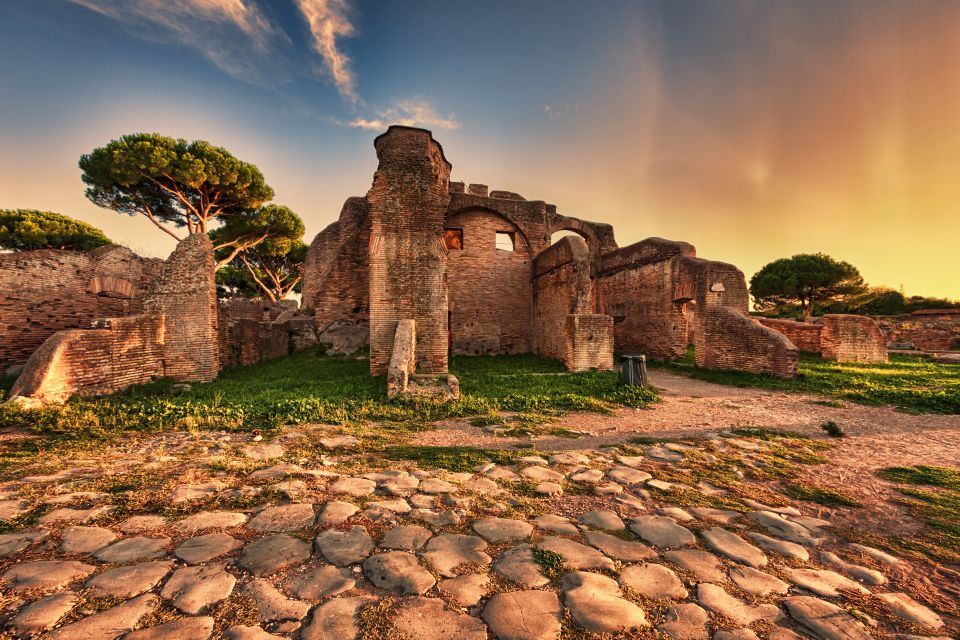
One of the best surprises in Ostia Antica is that you also get a surprisingly sophisticated abode stop: the House of Diana. This is where the ruins shift from public spaces to private life, from civic noise to domestic routine.
You’ll see where people likely laid their heads at night, which is where the whole city starts feeling more real. The guide’s job here is to connect the layout and features to how daily life functioned—how rooms were used, how domestic space differed from public buildings, and why certain design choices mattered.
I like this part because it balances the tour. A port city can feel like it’s all commerce and industry. This stop reminds you that behind the business, there were families, neighbors, and personal routines.
This is also a good place to ask questions, because domestic life tends to spark curiosity fast: how people arranged space, what comfort meant, and how status showed up in architecture.
The 4-Hour Small-Group Pace That Keeps You From Rushing
The tour runs about 4 hours, and that time window is part of why it works well. Four hours is long enough to see major highlights, but short enough that you don’t spend the entire day exhausted.
The small group size (limited to 10 participants) is more than a marketing line. In practice, it means:
- you can hear the guide without strain
- the group can move at an easy pace
- you can ask questions without feeling like you’re interrupting a machine
Several guides for this route—like Sonia, Sarah, Claudia, Kathleen, and Antonio—are described as friendly and energetic, and that energy matters. It keeps the ruins from feeling like a checklist. You’ll get stories that make the city click: how a port town worked, why certain spaces existed, and how Romans lived day to day.
What the Guide Adds (Names You May Hear Along the Way)
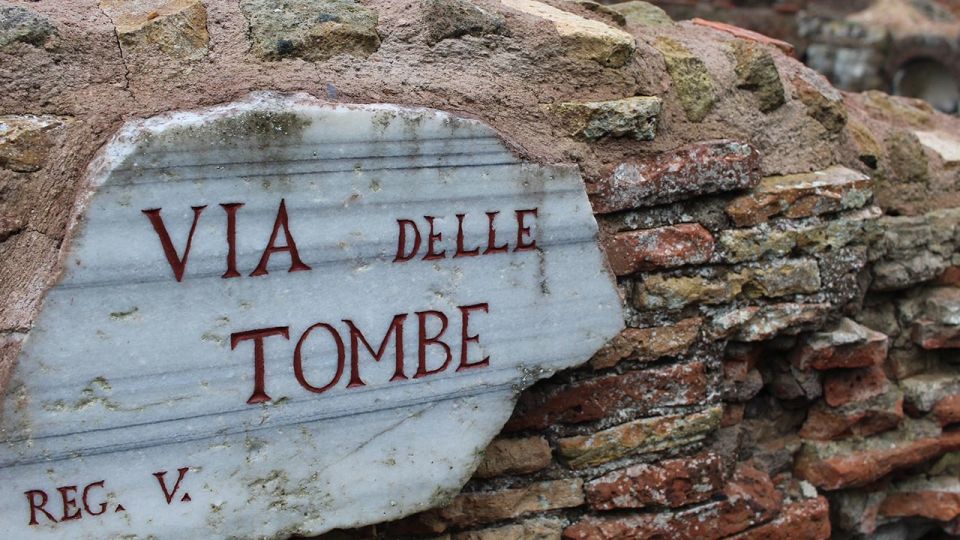
The ruins are well preserved, and the park has signage and even an audiobook option. But the best payoff of this tour is the guided context—how a guide connects the big structures to everyday behavior.
Guides named in past groups include Sonia, Sarah, Claudia, Kathleen, and Antonio, and the common thread in their approach is pacing and storytelling. People highlight that the tour doesn’t feel rushed and that the guide uses details to bring Roman life into focus—everything from trade and port activity to how baths and homes worked in daily routines.
This is especially valuable at Ostia, because the park is spread out. Without help, it’s easy to wander and miss the connections that turn separate sights into one coherent city.
Price and Value: Why $94 Makes Sense for a Half-Day
At $94 per person, this isn’t a “cheap and quick” ticket. You’re paying for a full package: the roundtrip train ticket, skip-the-line park entry, and a licensed English tour guide in a small group.
Here’s why that price can be fair value:
- Transit is included, which saves time and reduces stress (and it’s often the part that costs energy on your Rome day)
- Skip-the-line matters more than it sounds, especially if you’re fitting this into a busy itinerary
- Small group + guide means you get context, not just access
Food isn’t included, so you’re still responsible for a snack or drink (and you should plan for it). But when you factor in the train, entry, and guiding time, it becomes a solid half-day use of your time—especially if you want fewer crowds than central Rome.
Practical Tips Before You Go
This is a walk-through-ruins experience, so pack smart.
- Wear comfortable shoes with grip.
- Bring your passport or ID card.
- Bring essentials for the outdoors: water and a hat can make a big difference on sunny days.
- Avoid big bags: luggage or large bags aren’t allowed.
Also, if you’re sensitive to uneven ground, know that the tour isn’t recommended for people with reduced mobility or wheelchair users. This one is built for walking on outdoor archaeological surfaces.
One more small planning tip: if you’re the type who likes to keep exploring after the tour, this setup works well because you hold the return train ticket. Use the extra time to see what you’re most curious about—signage plus your guide’s context can make the second pass much more satisfying.
Should You Book This Ostia Antica Small Group Tour?
If you want a Rome day that feels calmer and more “real city” than the headline monuments, I’d book this. It’s especially worth it if:
- you like understanding what you’re seeing, not just seeing it
- you prefer a small group and a relaxed pace
- you want a break from heavy crowds
- you’re drawn to Roman daily life—baths, trade spaces, and homes—not only temples and forums
Skip it if you can’t manage outdoor walking on uneven surfaces, or if you’re traveling with a stroller, wheelchair, or heavy luggage (since large bags aren’t allowed and accessibility isn’t supported).
If you’re on the fence, choose this: Ostia Antica gives you Rome’s port world in a way that’s easier to grasp than many other ruins—especially with a guide who keeps the story connected from theater to baths to private rooms.
FAQ
Where does the tour meet?
Meet in front of the Roma Ostia Lido Train Station at Piazzale Ostiense, 9, 00154 Roma RM, Italia.
How long is the Ostia Antica tour?
The tour lasts 4 hours.
What’s included in the price?
It includes the roundtrip train ticket, skip-the-line tickets to Ostia archaeological park, and a licensed English tour guide. It’s also a small group tour.
Is food or drinks included?
No. Food and drinks are not included.
Can I bring luggage or large bags?
No. Luggage or large bags are not allowed.
Is the tour accessible for wheelchair users or reduced mobility?
No. The tour is not recommended for people with reduced mobility and wheelchair users.