REVIEW · COLOSSEUM, FORUM & PALATINE TOURS
Rome: Colosseum, Roman Forum & Palatine Hill Tour
Book on GetYourGuide →Operated by Tours And Tours · Bookable on GetYourGuide
Three ancient sights, one smart route. You get a guided run through Rome’s icons: the Colosseum, the Imperial Roman Forums on the Via Sacra, and then Palatine Hill where emperors built their power bases. I love that the guide ties the stones to real people, from gladiators’ lives to what Julius Caesar’s final moments meant for Rome’s story.
I also like the practical setup. You get entrance tickets, headsets, and a skip-the-line advantage so you can spend more time looking at the ruins and less time stuck in rope-and-crowd purgatory. One thing to consider: it’s a top attraction, so expect heavy foot traffic and the tour can feel crowded even when you’re moving.
In This Review
- Key things to know before you go
- Why This Colosseum–Forum–Palatine Route Feels Efficient
- Finding the Meeting Point Near Via delle Terme di Tito
- Entering The Colosseum: Arena Stories and What You’ll Notice
- The Imperial Roman Forums: Via Sacra Cobblestones Under Your Feet
- Palatine Hill: Emperor Palaces and Big Views Over the Forums
- Triumphal Arches and the Julius Caesar Connection
- Price and Value: Is $41 Worth It?
- Timing, Crowds, and Weather: What You Need to Plan For
- Practical Logistics: What’s Included and What You Must Bring
- Who This Tour Fits Best (And Who Should Rethink It)
- Should You Book This Rome Colosseum Tour?
- FAQ
- Where do I meet for the tour?
- How long is the tour?
- What languages does the live guide speak?
- What’s included with the price?
- What isn’t included in the tour price?
- Do I need to go through security?
- Is the tour really skip-the-line?
- What should I bring for entry?
- Is this tour accessible for wheelchair users?
- What items are not allowed?
Key things to know before you go
- Skip-the-line helps, but you still need to get through site checks and crowd flow.
- Headsets make it easier to hear your guide even when you’re packed in close.
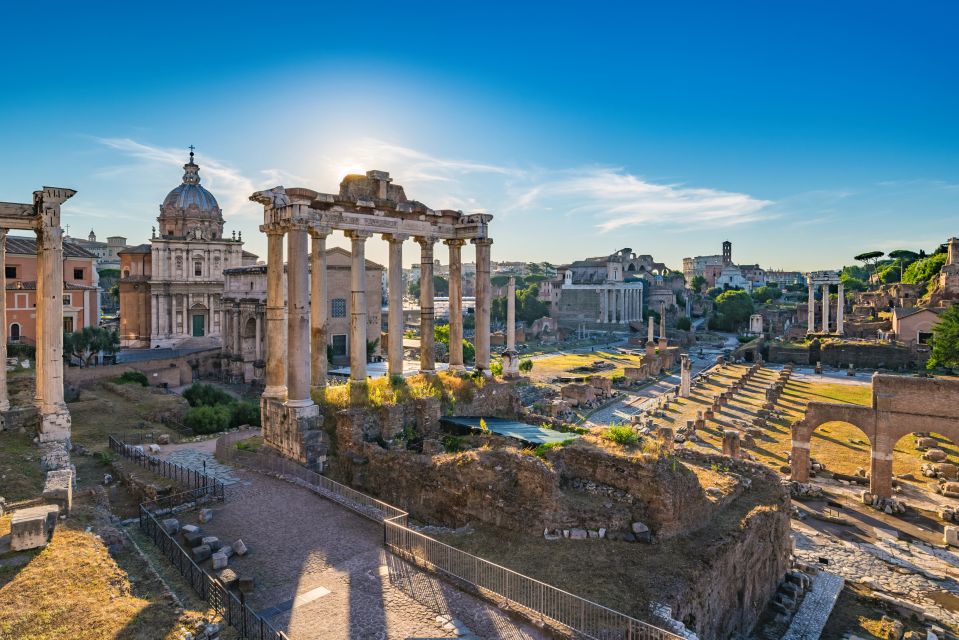
- Via Sacra stops matter because they’re tied to Rome’s political legends.
- Palatine Hill views give context for how the Forums sat below.
- Security is strict: airport-style screening before entry areas.
Why This Colosseum–Forum–Palatine Route Feels Efficient
Rome’s ancient center can be overwhelming on your own. This tour keeps you moving through the three big zones that tell the “how Rome worked” story: the arena (Colosseum), the government and ceremony streets (Roman Forum), and the imperial neighborhood (Palatine Hill). In just 2.5 hours, you get the big picture without losing your day to map-reading and missed connections between sites.
You’ll also get a guide-led narrative instead of random sightseeing. Your time is spent on details like the Via Sacra and specific triumphal arches (Septimius Severus, plus the Arches of Titus and Constantine). That’s the difference between seeing ruins and understanding why they’re famous.
You can also read our reviews of more tours and experiences in Rome.
Finding the Meeting Point Near Via delle Terme di Tito
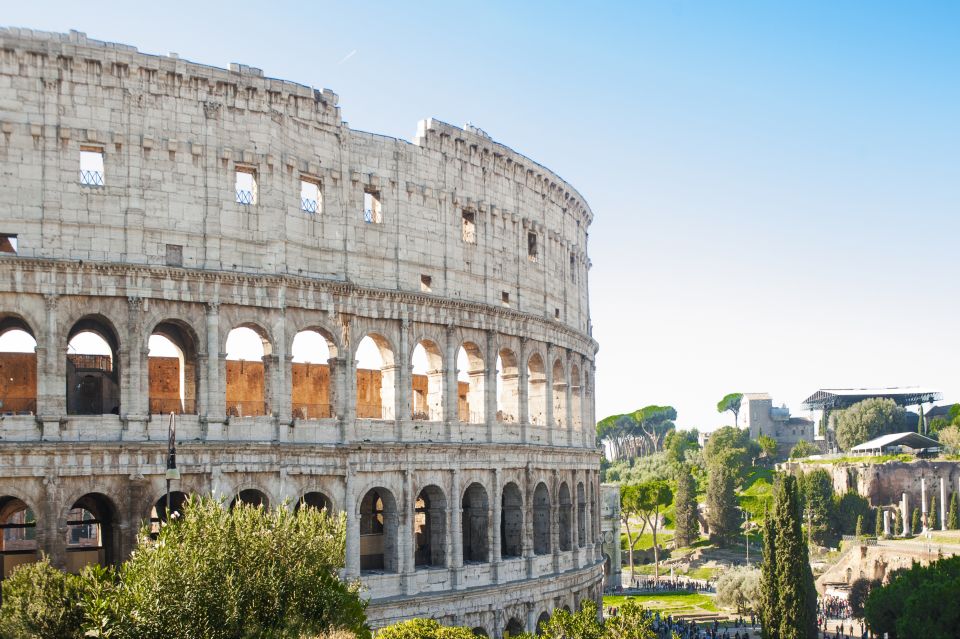
You meet at Via delle Terme di Tito 93. If you’re coming by Metro, the directions are straightforward: from Colosseo station, go to the terrace above the station, walk on Via Nicola Salvi about 100 meters, and turn left.
This meeting area matters because it puts you close to the Colosseum zone and helps you start without a long walk. I’d treat the first 10–15 minutes like a buffer. Security and “everyone getting sorted” moments add up at this kind of site, especially with multiple tour groups arriving close together.
Entering The Colosseum: Arena Stories and What You’ll Notice
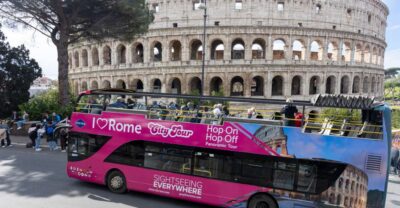
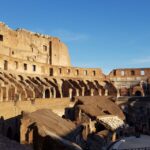
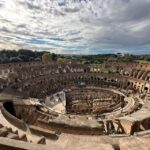
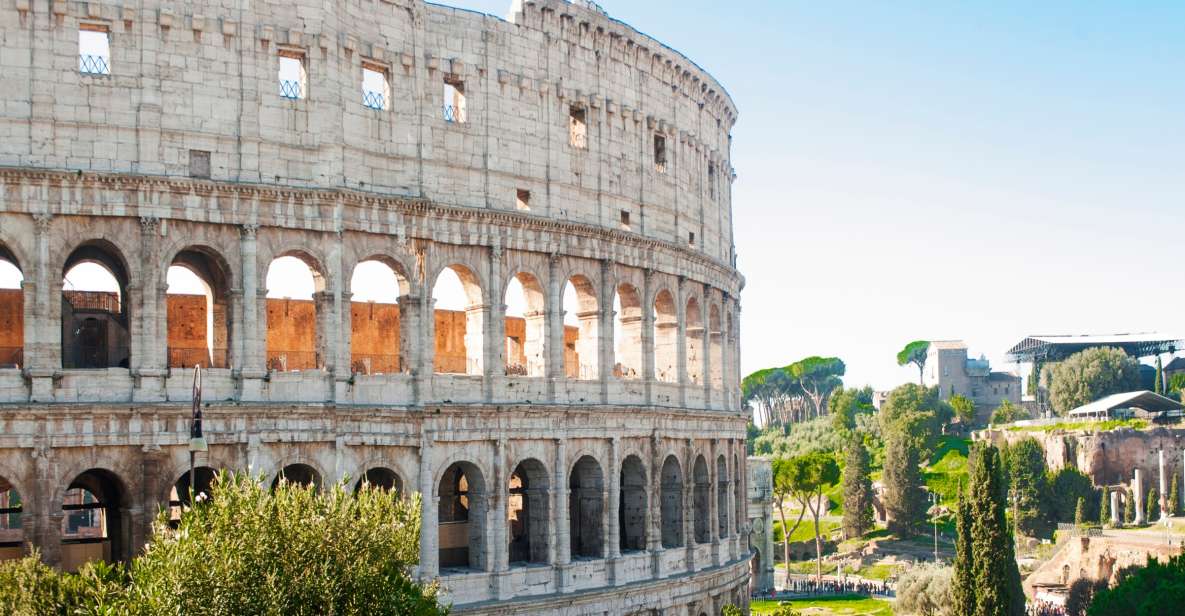
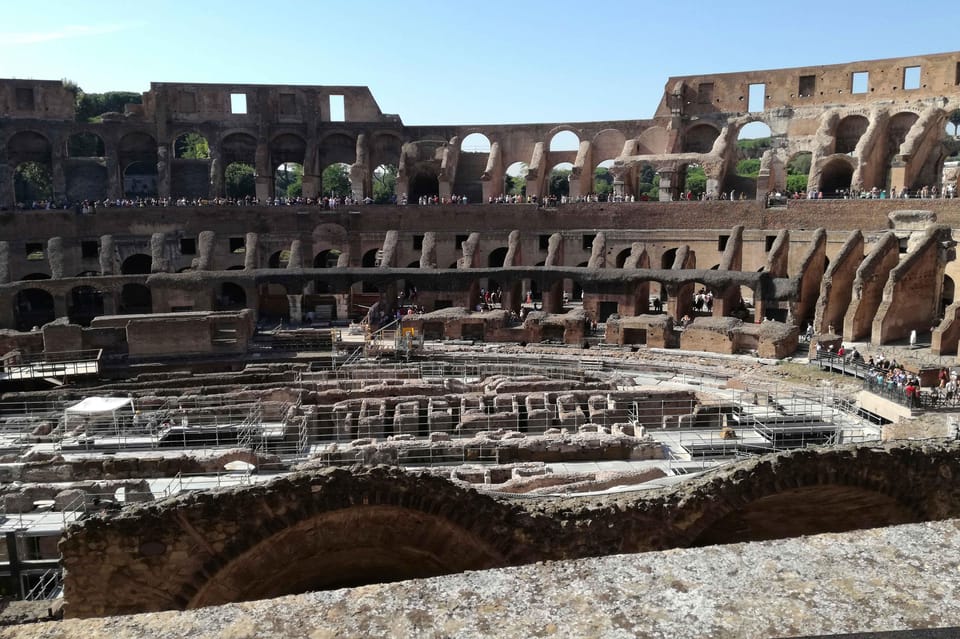
The Colosseum portion is about 1 hour with a live guide. This is where your attention should shift from photos to layout. Once you know what you’re looking at, the place stops being just an oval of stone and starts feeling like a machine built for spectacle.
The guide focuses on the human side—especially the gladiators. You’ll hear about their training and living conditions, and why they became celebrity-level stars while they were alive. That context is what makes it worth standing in the heat and crowds instead of just drifting.
Plan for crowds here. Even with skip-the-line, you’ll be sharing space with other tour groups and independent visitors. The good news: with headsets you can keep listening while you adjust your position for better sight lines.
The Imperial Roman Forums: Via Sacra Cobblestones Under Your Feet
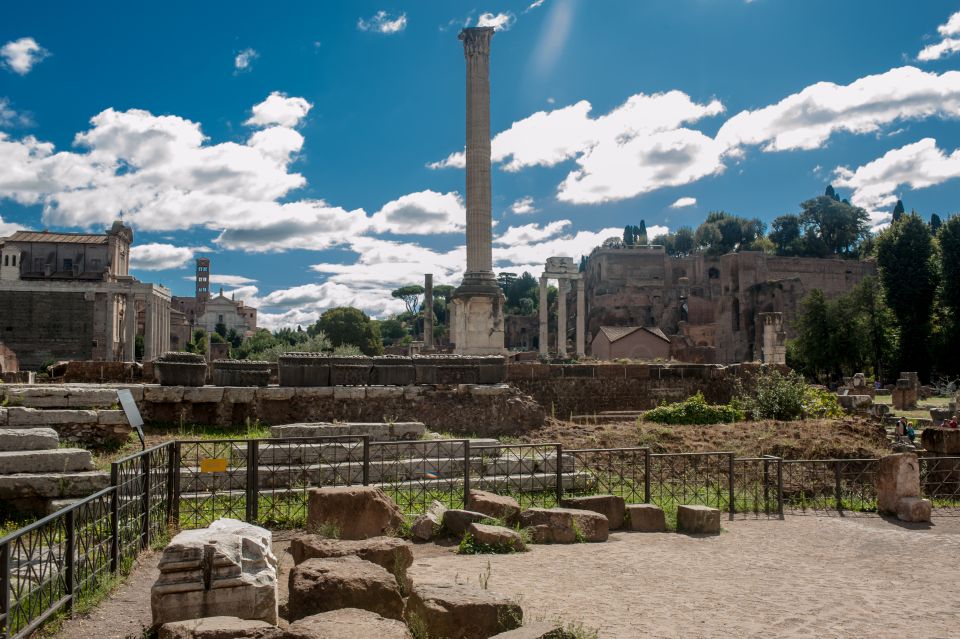
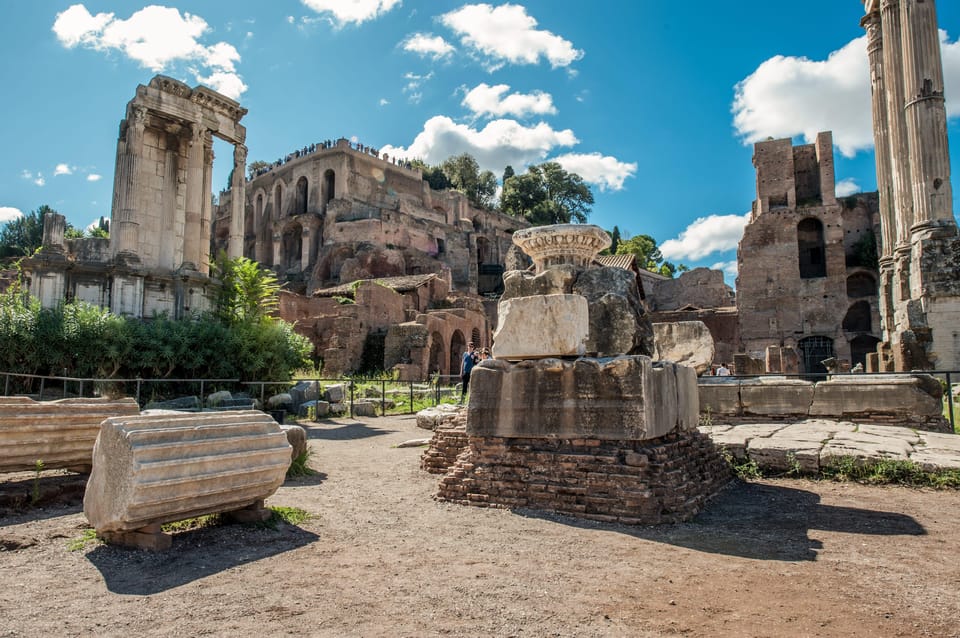
After the arena, you move to the Imperial Roman Forums for another 1 hour guided. This section is the payoff for people who want politics, power, and big speeches—because the Forum is where Roman public life left its deepest fingerprints.
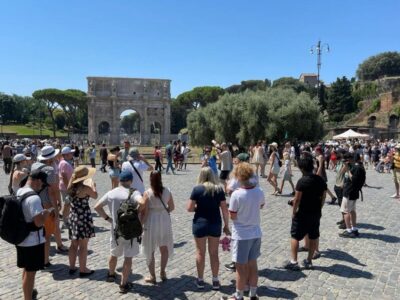
You’ll walk the Via Sacra cobblestones, the downtown center of the ancient world. The tour emphasizes that legendary parade route by connecting it to figures tied to Rome’s myth and power shifts—people like Julius Caesar, Mark Antony, and Cleopatra.
A smart way to experience this stop is to slow down mentally, even if you keep walking physically. Try to picture the space as a hub: ceremonies, announcements, political moves, and crowds. When you’re told why a certain corner or building mattered, the Forum stops feeling like scattered ruins and starts acting like a timeline you can walk through.
Palatine Hill: Emperor Palaces and Big Views Over the Forums
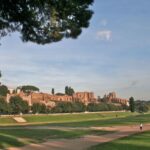
Next comes Palatine Hill for about 1 hour. This is the emperors’ neighborhood, built on the idea that the best political power should also look like it sits above everyone else. The tour includes perspectives overlooking the Forums, which helps you understand the “view from the top” advantage.
As you climb, you’ll get more than scenery. You’ll learn why Palatine matters: opulent palace sites from Roman rulers and the way power centered itself on this hill. It’s a different feeling from the Colosseum and Forum because it’s about dominance in space, not just drama in public events.
Wear comfortable shoes. This area is where your legs will remind you that you’re in ancient Rome—not a museum on a flat floor. If you’re the type who likes viewpoints, this stop is the one where you’ll want to pause and look down, not just keep moving.

Triumphal Arches and the Julius Caesar Connection
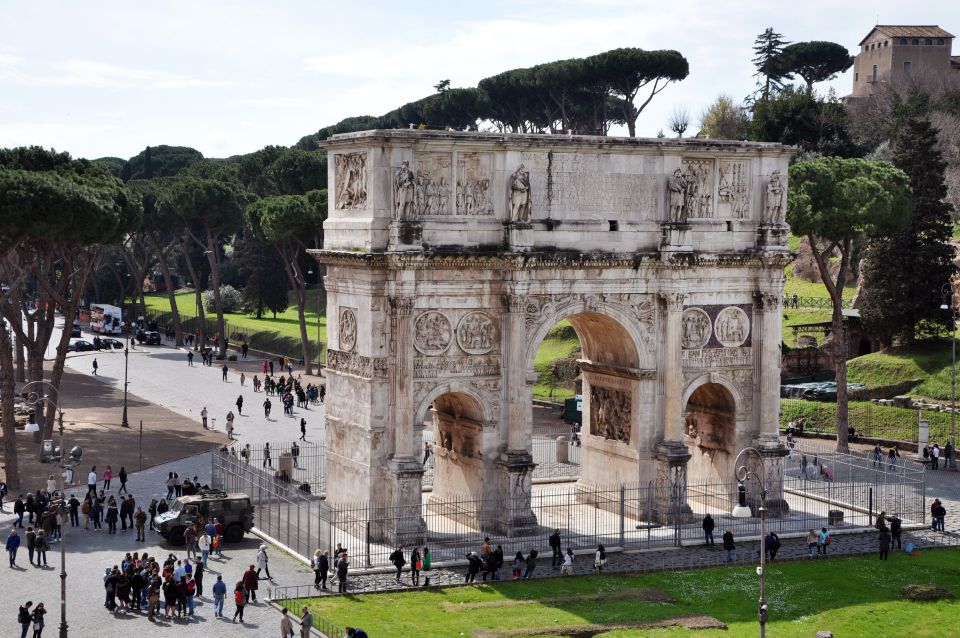
One of the more memorable parts of the tour is the way it stitches the “famous Rome” landmarks into a coherent story. You’ll see the triumphal arches tied to major Roman moments—especially the Arches of Septimius Severus, plus the Arches of Titus and Constantine.
Triumphal arches can feel like decorative leftovers if you don’t have context. Here, they get treated like political messaging. That matters because Rome didn’t just build monuments—it used monuments like political headlines in stone.
You’ll also visit the spot connected to Julius Caesar’s cremation. Even if you know Caesar’s story already, hearing it placed inside this physical space gives you a stronger mental map of where Rome’s turning points landed.
Price and Value: Is $41 Worth It?
At $41 per person for about 2.5 hours, this is one of the more budget-friendly ways to see three major sites with structure. The best value pieces are the included entrance tickets, the professional guide, and the headsets.
The “skip the ticket line” part also helps, especially on crowded days. Just don’t assume it means no waiting anywhere. You may still deal with queues that form after entry checks, because the sites themselves are packed and timed like a concert venue.
If you’re comparing to self-guided roaming, the economics look different. Self-guided can be fine if you’re okay piecing together stories from plaques and your phone. But if you want the names, the cause-and-effect of Roman public life, and a route that prevents you from missing the right angles and connections, this guide-led format is usually the more efficient choice.
Timing, Crowds, and Weather: What You Need to Plan For
This tour runs in all weather conditions, so plan like you’re going to walk in Rome—because you are. In hot months, crowds pile in early and pathways get tighter. Guides are often careful about managing the group, but physical crowd flow is outside anyone’s control.
Also note the tour operates with security screening. The policy is airport-style checks, so bring a mindset of patience. If you arrive late, you’re more likely to feel rushed when you get to the Colosseum area.
A simple packing list makes a big difference:
- Comfortable walking shoes
- Passport or ID card (you’ll need it)
- Sun protection (hat and sunscreen are a smart move)
Practical Logistics: What’s Included and What You Must Bring
Included:
- Professional guide
- Entrance tickets
- Headsets
Not included:
- Hotel pickup/drop-off
- Food and drinks
Because food and drinks aren’t part of this, don’t plan on a snack break inside the tour. If you need water, you’ll want to handle it on your own before or between segments, depending on what the guide allows.
You also should know what isn’t allowed: pets, weapons or sharp objects, alcohol and drugs, and glass objects. It’s a good idea to travel light so you don’t run into screening issues.
Who This Tour Fits Best (And Who Should Rethink It)
This tour is best for you if:
- You want the Colosseum, Roman Forum, and Palatine Hill in one tight window
- You’d rather hear stories than just read stone labels
- You like routes that help you understand what matters visually
It’s likely not the right pick if:
- You use a wheelchair or have mobility limitations. This tour is not suitable for people with mobility impairments and wheelchair users.
- You strongly prefer slow, unscheduled wandering. The guided pace is efficient, but it’s not built for lingering.
If you’re traveling with teens or first-time Rome visitors, this format often works well because it gives structure fast. You get the “start here” orientation you need before you go hunting for deeper details on your own later.
Should You Book This Rome Colosseum Tour?
Book it if you want a smart, guide-led pass through Rome’s biggest ancient hits, and you care about understanding what you’re seeing while you’re looking at it. The combination of professional guide, included tickets, headsets, and skip-the-line access is a solid value at $41 for a 2.5-hour hit of the city’s core.
Skip it (or pair it with something slower) if you don’t like crowds, need lots of accessibility flexibility, or want to spend long hours in only one location. In that case, a self-paced plan might feel less stressful.
FAQ
Where do I meet for the tour?
Meet at Via delle Terme di Tito 93.
How long is the tour?
It’s about 2.5 hours.
What languages does the live guide speak?
Live tour guides are available in Spanish, French, German, English, and Italian.
What’s included with the price?
The tour includes a professional guide, entrance tickets, and headsets.
What isn’t included in the tour price?
It does not include hotel pickup/drop-off or food and drinks.
Do I need to go through security?
Yes. All visitors must pass through airport-style security.
Is the tour really skip-the-line?
The tour includes skip-the-ticket-line access, though you should still expect normal crowd flow once you’re inside the site areas.
What should I bring for entry?
Bring your passport or ID card. Children also need a passport or ID card.
Is this tour accessible for wheelchair users?
No. It is not suitable for people with mobility impairments or wheelchair users.
What items are not allowed?
Pets, weapons or sharp objects, alcohol and drugs, and glass objects are not allowed.