REVIEW · CASTEL SANT'ANGELO TOURS & TICKETS
Rome: Castel Sant’Angelo Priority Line Ticket & Audio Guide
Book on GetYourGuide →Operated by Vox City International · Bookable on GetYourGuide
Priority entry is the best kind of shortcut. It gets you into Castel Sant’Angelo faster, then lets you explore the fortress and museum on your own timeline with a digital audio guide. I love that you get priority entry (so you’re not stuck in a crush), and I also love the story structure: mausoleum to castle to prison, with 18 points of interest you can follow without needing a guide. The main drawback to plan around is simple: you must have your QR code ready on arrival, and this isn’t set up for wheelchair users.
You’ll walk through one of Rome’s most theatrical buildings—Hadrian’s tomb, later a fortress—and the audio tour helps you connect what you see to what happened here. If you’re the type who likes to stop, look up, read a little, then move on, this format fits you well. Still, remember that the headset/device isn’t included, so you’ll want to bring a way to play the audio (and your own headphones).
Price-wise, it’s positioned as a value ticket: you’re paying for skip-the-line entry and a self-guided experience that can cover more than just the main rooms. Just don’t wait until the last minute to download the audio guide.
In This Review
- Key things I’d clock before you go
- Castel Sant’Angelo with priority entry: what it changes for your day
- The building story you’ll hear: mausoleum to fortress to prison
- The 18-point audio route: how to use it without getting lost
- Panoramic moments: angels, views, and photo timing
- How the visit feels: pacing for a 2-hour experience
- The add-on you might use most: Vatican area audio tour
- Price and value: is $17 worth it?
- Tickets, QR code, and the one thing to never wing
- Who should book this Castel Sant’Angelo priority ticket
- Should you book this tour or skip it?
- FAQ
- How do I get my ticket?
- Where is Castel Sant’Angelo and where should I go?
- Is priority entry included?
- Do I need headphones?
- What languages are available for the audio guide?
- How long does the experience take?
- Is this activity suitable for wheelchair users?
- What else is included besides Castel Sant’Angelo?
Key things I’d clock before you go
- Priority entry via a separate entrance to cut down waiting
- 18 points of interest so you don’t wander aimlessly
- Multilingual audio in English, Italian, French, German, Portuguese, Polish, Spanish, and Chinese
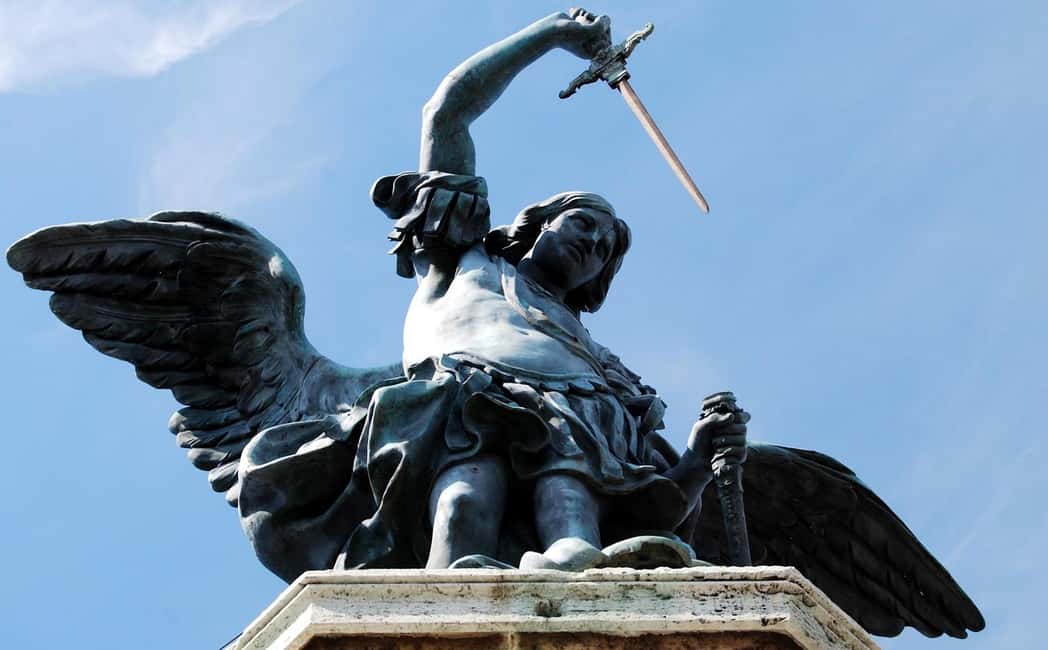
- Angel statues and panoramic top views built into the route
- A second self-guided Vatican-area audio tour (Bridge of Sant’Angelo, St. Peter’s Basilica, and more)
- Headphones required; headset and mobile device are not included
Castel Sant’Angelo with priority entry: what it changes for your day
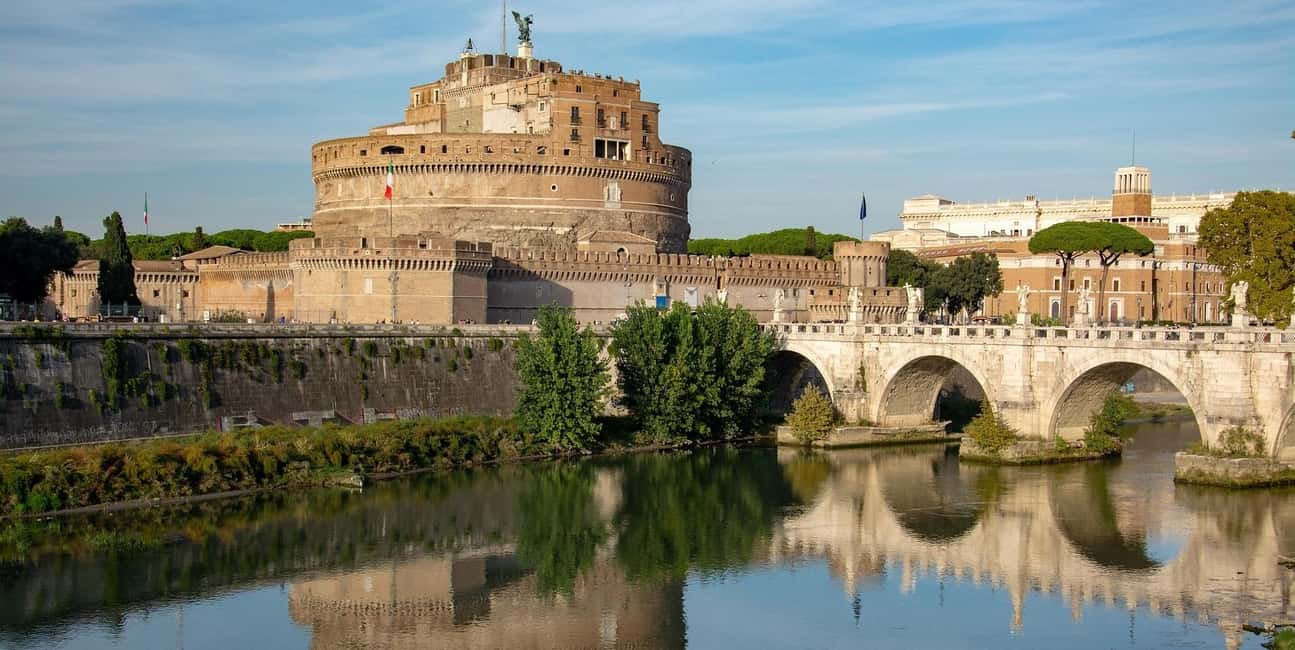
Castel Sant’Angelo sits right on the Tiber, and it’s one of those Rome sights that can feel extra busy at certain hours. Priority entry matters because it shifts your visit from reactive to intentional. Instead of losing time to lines, you can start exploring while you still have energy to look closely.
This ticket is designed for self-guided pacing. There’s no required group march, no need to stay glued to a guide’s timing. You get a skip-the-line experience through a separate entrance, which is exactly what you want at a place like this where the building itself is the star.
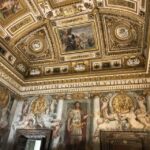
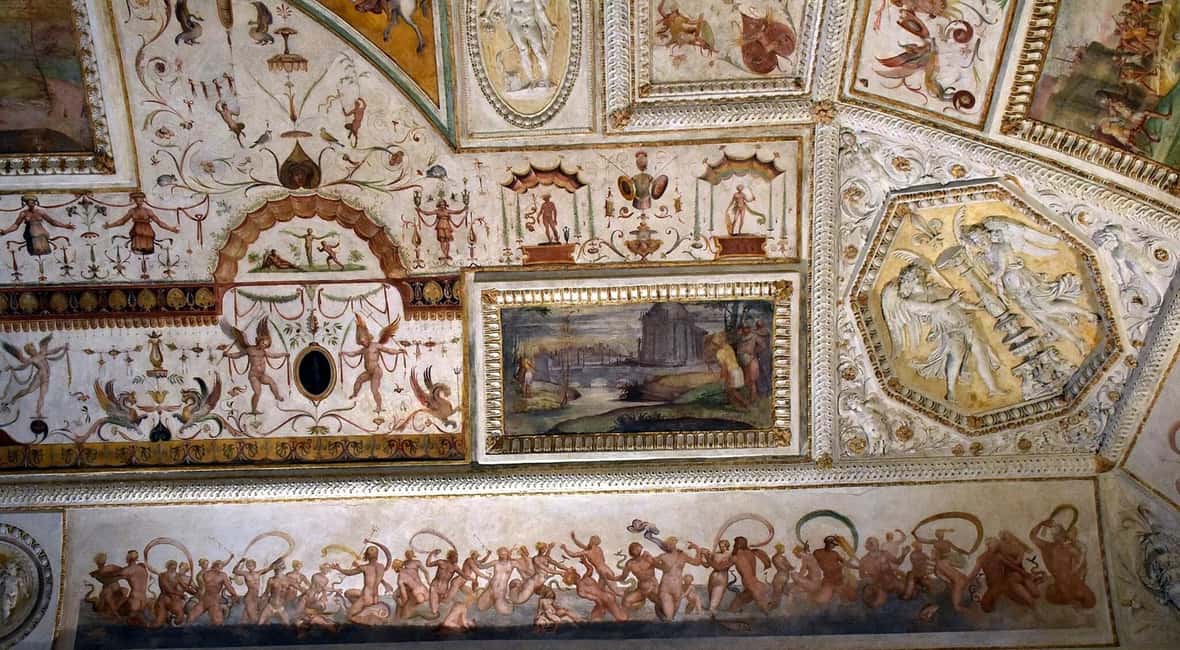
Also, you’re not just buying access to a single viewpoint. You’re buying time with a building that changes roles across centuries—tomb, fortress, prison, museum. When you’re not rushed, you can actually feel the “layering” as you move from one section to another.
You can also read our reviews of more tours and experiences in Rome

The building story you’ll hear: mausoleum to fortress to prison

Castel Sant’Angelo is often described as an icon, but the audio guide helps it click as a working machine of history. You’ll start with the Mausoleum of Hadrian, built nearly 2,000 years ago. The way the experience is structured matters: it doesn’t just list facts. It helps you connect the visible architecture to its changing purpose.
Here’s what the audio points emphasize as you go:
- Roman Empire beginnings: You’ll hear how this structure started as Hadrian’s mausoleum.
- A legend of protection: There’s a story that the plague of 590 ended when Archangel Michael stood on top of the mausoleum. You’ll get the context around why that legend became part of the building’s identity.
- Fortress and papal-era power: The castle later became a fortress that housed popes and noble families.
- Prison realities: You’ll learn about imprisonment inside the structure.
- Executions in the courtyard: The courtyard was used for executions—so when you stand there, it’s not just scenery.
- Puccini’s Tosca link: The audio connects this prison setting to characters from Puccini’s opera Tosca.
None of those details are “extra.” They change how you read the space. When you’re standing in a courtyard or looking at what used to be secure interior areas, you’ll understand why people feared the place as much as they respected it.
The 18-point audio route: how to use it without getting lost
The experience includes a digital audio guide that steers you through 18 points of interest. This is the difference between “wandering around an impressive building” and “seeing the right things in the right order.”
My practical advice: treat it like a flexible script. You don’t have to listen straight through, but you should use the audio as a map. When you hear a point mentioned, look around and match it to what you see. That little back-and-forth keeps your visit coherent.
Also, download matters. You’ll scan the QR code on your voucher to get the audio guide before you arrive. If you skip that step, you can burn time at the entrance trying to get things working in a crowded area.
And bring headphones. The entry ticket gives you access; it doesn’t supply the audio playback gear. Headset and mobile device are not included, so you’ll need your own phone and headphones (or any device you’ll use to listen).
Panoramic moments: angels, views, and photo timing
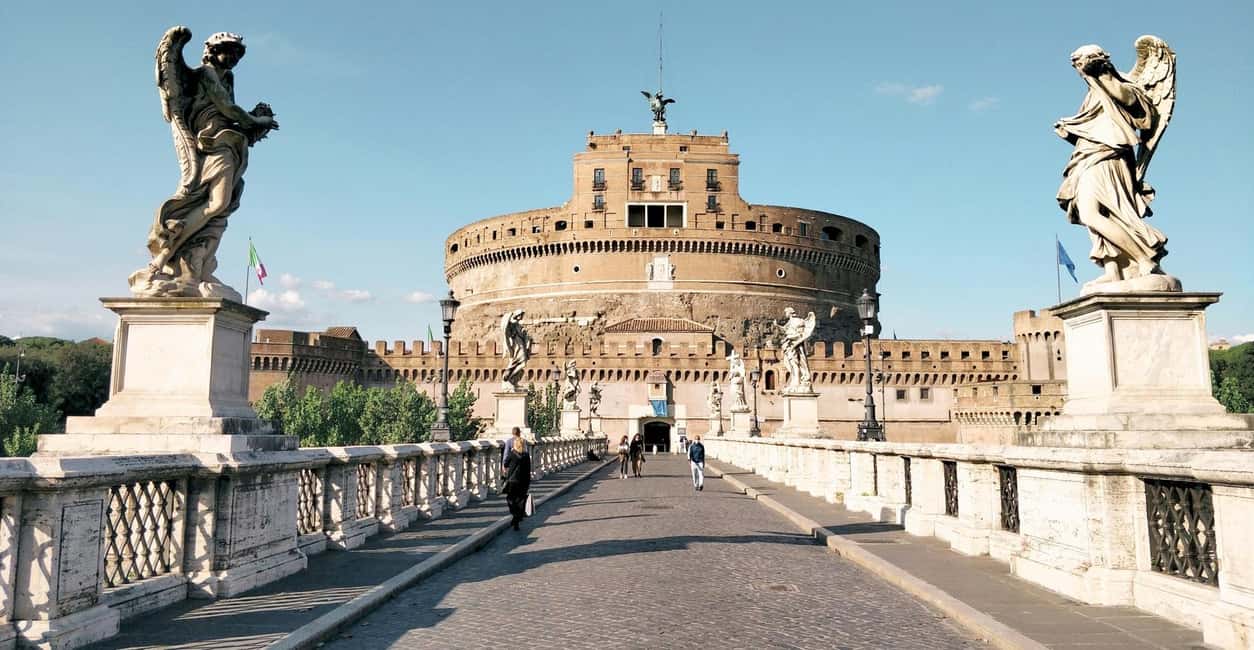
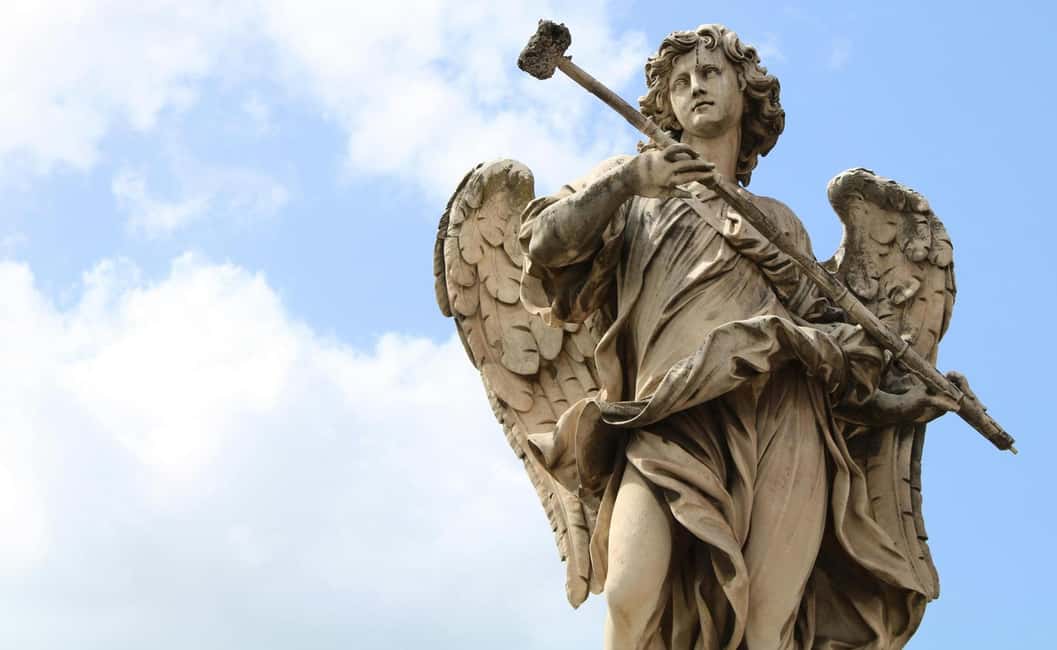
You’ll get built-in chances to photograph the elegant angel statues and enjoy panoramic views from higher levels. This is one of the reasons I like self-guided audio here: you can linger at the view without worrying you’ll “fall behind” a group.
Photo tip, plain and useful:
- Go slow around the upper viewpoints so you can capture both wide angles and tighter details.
- If it’s a bright day, you might want to pause under shade for a minute so your eyes recover—then go back for photos.
Also, because you’re inside a multi-level fortress, it’s smart to keep your phone ready but not constantly in hand. If you’re always filming, you miss the best visual clues the audio gives you.
How the visit feels: pacing for a 2-hour experience
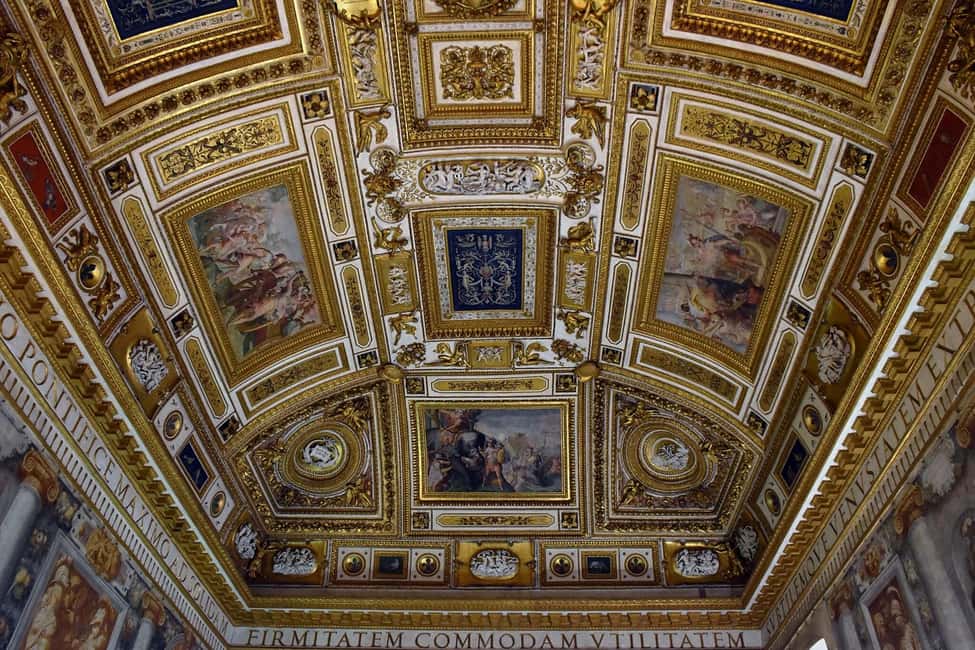
This activity is listed as 2 hours (with “check availability” for starting times). In real terms, that’s enough time to:
- enter, orient yourself, and follow multiple audio points,
- see key courtyards and major rooms,
- take photos at least once or twice from the top.
If you’re the kind of person who reads slowly and stops often, 2 hours can feel right on the edge. If you’re comfortable listening while walking and only pausing at the biggest highlights, it’ll feel comfortable.
One practical consideration: it’s not described as wheelchair-suitable. If mobility is a concern, plan for stairs and uneven walking routes, because fortress layouts usually mean it.
You can also read our reviews of more guided tours in Rome

The add-on you might use most: Vatican area audio tour
After your Castel Sant’Angelo visit, you get a digital audio tour for the Vatican area. This is self-guided, so you decide whether you do it the same day or later, depending on how your energy holds up.
What the Vatican-area tour covers includes major anchors like:
- Bridge of Sant’Angelo
- St. Peter’s Basilica
- and other top sights in the area
I like this add-on because it turns a single ticket stop into a broader neighborhood experience. Castel Sant’Angelo is right across the Tiber from the Vatican side, so it naturally sets you up for the rest of that walk.
Price and value: is $17 worth it?
At about $17 per person, this ticket is priced like a “do it yourself, cut the line, get the story” product. The math is pretty straightforward:
- You’re paying for priority entry (the main time saver).
- You’re also paying for a multilingual audio guide plus the Vatican-area audio tour add-on.
- You’re not paying for a live guided group, which keeps things flexible.
If you would otherwise stand in line and you don’t want to spend time researching each room, it tends to feel like a good deal. If you’re the type who only wants a quick look and you hate audio (or you’ll ignore the QR download), then the value drops.
My suggestion: treat this as a “value for your attention,” not just your wallet. The ticket makes it easier to pay attention to the building while you’re there.
Tickets, QR code, and the one thing to never wing
This is where people sometimes get frustrated, and it’s preventable. Your tickets are emailed after booking from [email protected]. The activity also notes that an e-ticket will be available for download and sent via WhatsApp within 24 hours of your travel date.
Entry depends on having your ticket ready to show. You’ll scan the QR code on your voucher to download the audio guide before you arrive, and you can head directly to the site at Lungotevere Castello, 50.
Here’s my simple routine so you don’t lose time:
- Keep the email confirmation and WhatsApp message accessible on your phone.
- Download the audio guide via the QR code before you approach the entrance.
- Have the QR code screen ready for scanning when you arrive.
That one-step readiness can save you from stress when lines are forming.
Who should book this Castel Sant’Angelo priority ticket
This works best for you if:
- you want priority entry and hate wasted waiting,
- you prefer a self-paced experience rather than a set group schedule,
- you like audio that points you to the most interesting parts with 18 stops,
- you want a bonus way to explore the area around the Vatican using the second audio tour.
It may not fit you as well if:
- you need wheelchair-friendly access (it’s stated as not suitable for wheelchair users),
- you don’t have headphones or a device you’re comfortable using,
- you want an actual live guide answering questions on the spot.
Should you book this tour or skip it?
If your priority is time and a guided-by-audio path through a complex building, I think this ticket is a solid pick. The priority entrance helps you start faster, and the audio guide does real work by turning a big fortress into a story you can follow. Add in the Vatican-area audio tour, and you get more than a single-location visit.
I’d book it if you’re comfortable using your own phone and headphones and you’ll take five minutes to download the audio via the QR code before arrival. Skip it if you’re hoping for a live guide experience or if mobility/access needs make a self-guided fortress layout difficult for you.
FAQ
How do I get my ticket?
Your tickets are sent to you by email at the time of booking. An e-ticket is also available for download and is sent via WhatsApp within 24 hours of your travel date.
Where is Castel Sant’Angelo and where should I go?
Go to Lungotevere Castello, 50. You can head directly to the attraction and show your ticket for entry.
Is priority entry included?
Yes. The ticket includes priority entry through a separate entrance to help you skip the line.
Do I need headphones?
Yes. Headphones are required. The ticket does not include a headset or a mobile device.
What languages are available for the audio guide?
The digital audio guide is available in multiple languages, including English, Italian, French, German, Portuguese, Polish, Spanish, and Chinese.
How long does the experience take?
The duration is listed as 2 hours. Starting times depend on availability.
Is this activity suitable for wheelchair users?
No, it’s listed as not suitable for wheelchair users.
What else is included besides Castel Sant’Angelo?
Afterward, you also get a Vatican area self-guided audio tour that covers top sights such as the Bridge of Sant’Angelo and St. Peter’s Basilica.