REVIEW · PRIVATE
Rome: Houses of Augustus and Livia Private Tour
Book on GetYourGuide →Operated by Through Eternity Tours · Bookable on GetYourGuide
Rome is at its most political on the Palatine. You’ll walk through Augustus and Livia’s preserved rooms, then connect it all to the Forum below. One thing to plan around: the House of Livia is temporarily closed, so your route may need adjustment.
I especially like how this tour turns famous names into real places: frescoed rooms, intact marbles, and the exact hill where emperors lived. You’ll also get time with a private English-speaking guide, which makes the stories about power, propaganda, and daily Roman life make sense fast. The main drawback is simple—this is an active 3-hour walk on uneven ancient surfaces, so comfortable shoes matter.
In This Review
- Key highlights you’ll feel (almost immediately)
- Rome’s power center: Palatine Hill and the Forum in one loop
- Where the tour starts near the Forum
- Roman Forum: daily life, major figures, and a place that explains everything
- Palatine Hill: the emperor’s neighborhood and the views that make sense
- Augustus’ house: preserved rooms and propaganda you can walk through
- House of Livia: mythological frescoes and why the ID matters
- Imperial ruins on Palatine: Domitian’s palace and Caligula’s shadow
- The monumental ramp into the Forum
- Santa Maria in Antiqua: an ancient church shaped from palace remains
- The guide experience: academic context that makes the stones click
- Timing and walking: what 3 hours feels like in real life
- Skip-the-line access: why it can matter more than you think
- Value check: is $149.54 per person fair for this mix?
- Who should book this Rome Augustus and Livia private tour
- Should you book it?
- FAQ
- How long is the Rome: Houses of Augustus and Livia Private Tour?
- Where do I meet the guide?
- Which sites are included on the tour?
- Is the House of Livia guaranteed to be open?
- Do I get skip-the-line access?
- Is this tour suitable for wheelchair users?
Key highlights you’ll feel (almost immediately)
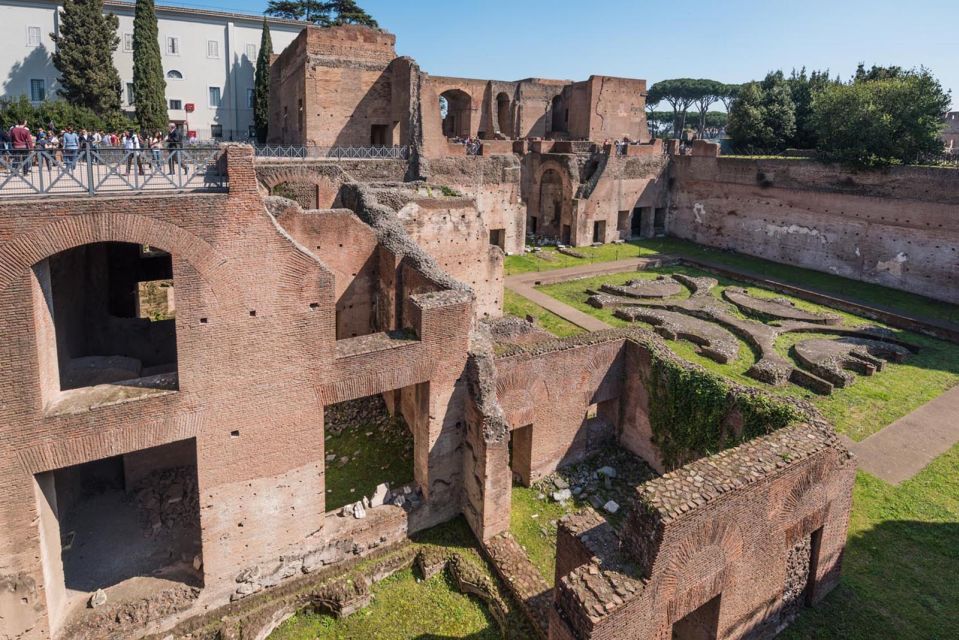
- Private guide + skip-the-line entrance so you spend time inside, not stalled outside
- House of Augustus with standout surviving Roman painting and an especially memorable study
- House of Livia (when open) with mythological frescoes and original marbles preserved underground
- Palatine Hill views + imperial context, including the ramp connecting Palatine and the Forum
- Roman Forum focus on how Rome actually worked, from Caesar to Cicero
- Santa Maria in Antiqua, an ancient church shaped from imperial palaces
Rome’s power center: Palatine Hill and the Forum in one loop
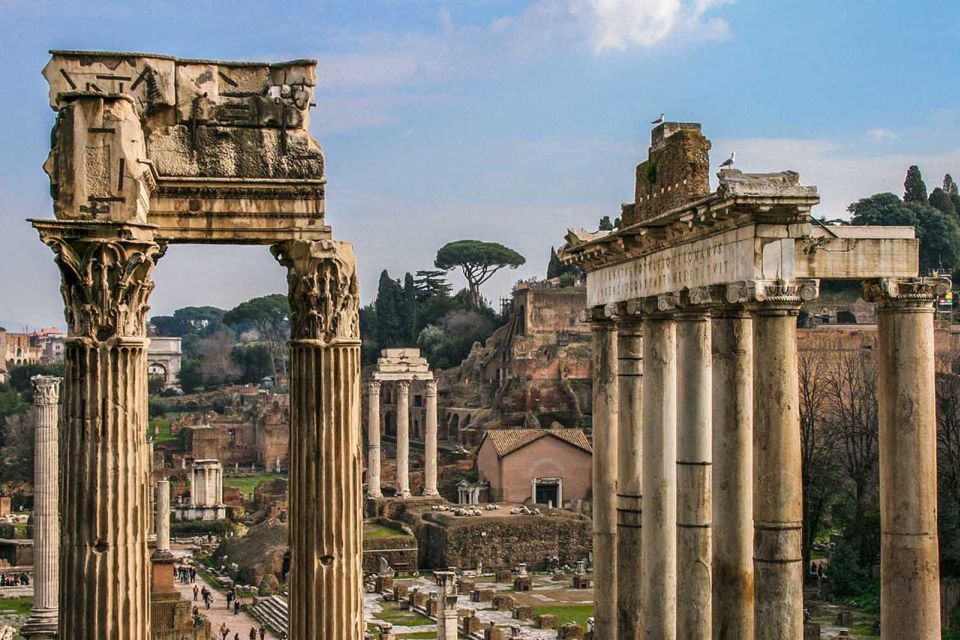
Palatine Hill isn’t just scenic. It’s the stage where Rome’s mythology turns into real architecture and real rulers. The hill is tied to the founding legend of Romulus and Remus, and it also became the place where emperors chose to live—because symbolism and control mattered.
This is why I like the structure of this experience. You start in the Roman Forum area, then climb back up to Palatine, and finally return to the hill. That physical movement helps you understand the relationship between government, spectacle, and residence—Rome’s hierarchy made visible in stone.
You can also read our reviews of more private tours in Rome

Where the tour starts near the Forum
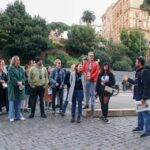
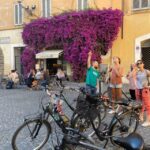
You’ll meet your guide in front of Cafe/Restaurant Angelino ai Fori, at Largo Corrado Ricci, 43a. Look for the Through Eternity sign or flag.
This is a practical starting point if you’re already near the Forum sites. You’ll also be in the right zone to settle into the Roman rhythm quickly: short moves, then real stops, instead of long transit time.
Roman Forum: daily life, major figures, and a place that explains everything
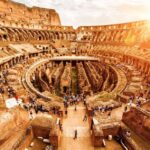
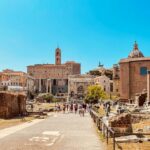
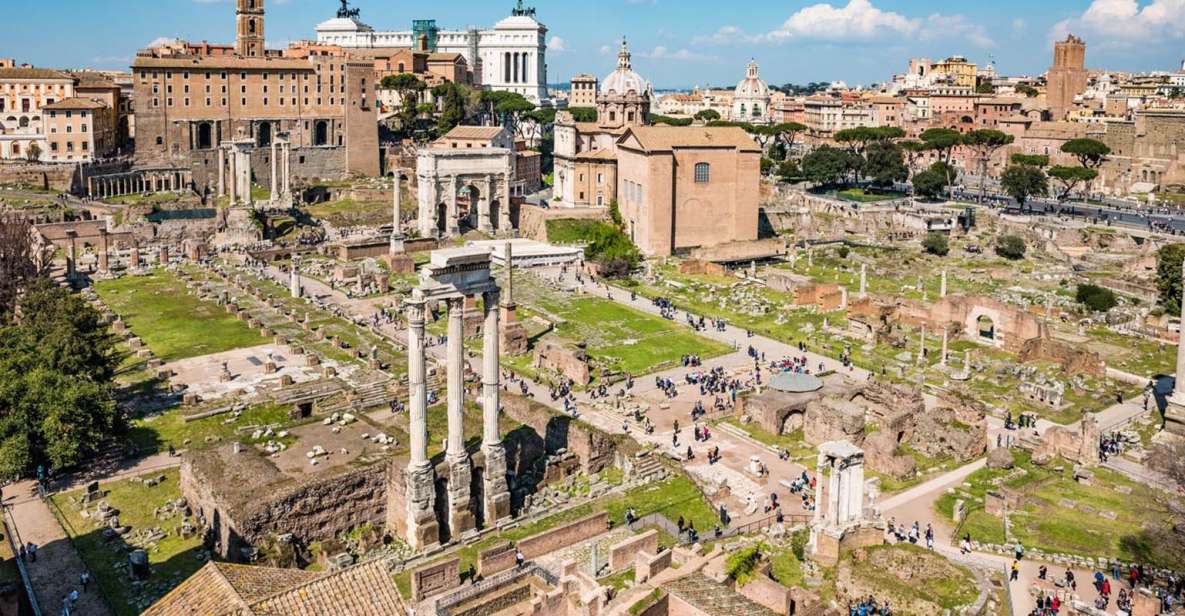
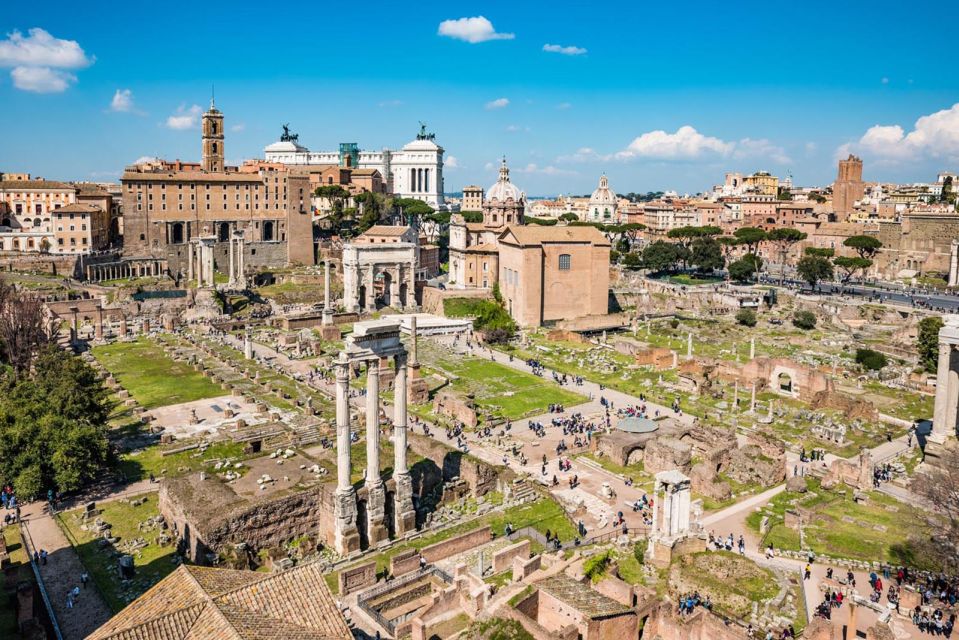
Your guided time begins with the Roman Forum. This is the part where Rome stops being a postcard and starts being a machine. A guide helps you connect what you see—ruins, arches, and fragments—to the daily routines and political theater that unfolded there.
In this visit, you’ll get a chance to track the footsteps of heavyweight Roman names such as Julius Caesar and Cicero. That kind of anchoring matters because the Forum can feel like a collection of rocks until someone shows you how the pieces fit.
One small consideration: the Forum is busy and exposed, and you’re moving on ancient surfaces. If you’re heat-sensitive, plan to go earlier in the day when you can.
Palatine Hill: the emperor’s neighborhood and the views that make sense
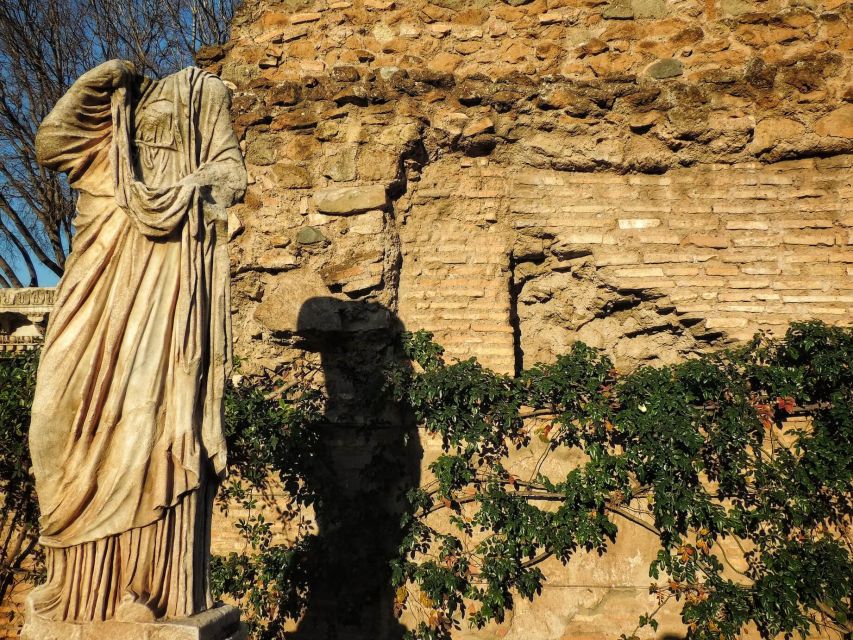
Then you head up to Palatine Hill, the residential heart of imperial power. Palatine is where the mythic story becomes a home address. On this hill, emperors weren’t just rulers—they were brands, and their houses were a way to talk to the public without ever using a microphone.
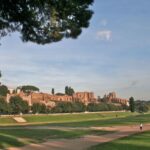
You’ll also get views from the hill that help you read the city layout below. It’s one thing to see photos. It’s another to stand higher than the Forum and understand why this location was ideal for control and visibility.
Augustus’ house: preserved rooms and propaganda you can walk through
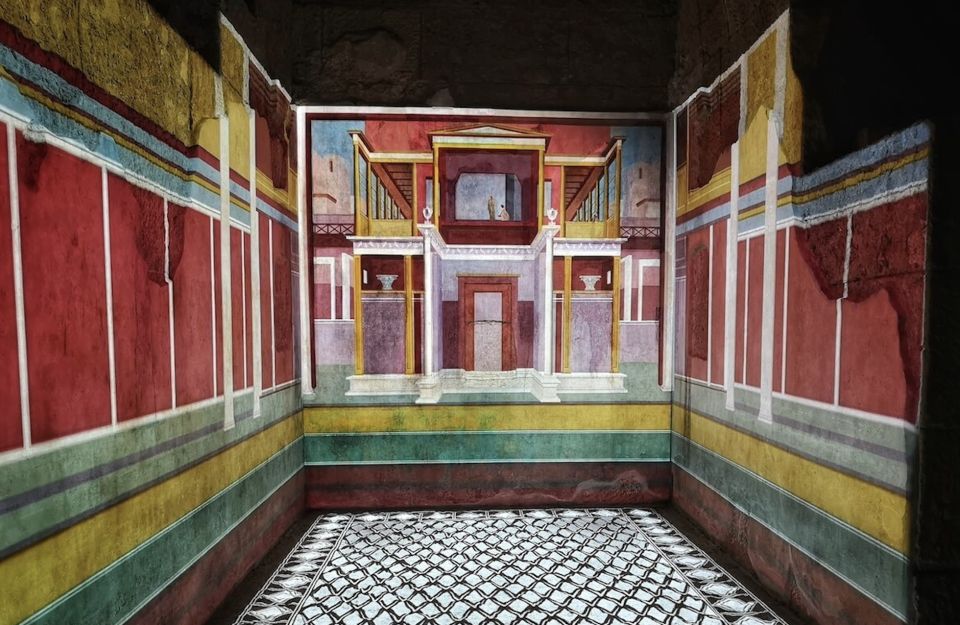
The most rewarding part for many visitors is the House of Augustus. This is where you see that the emperor’s message wasn’t only speeches and statues—it was the design of everyday space.
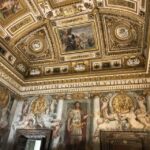
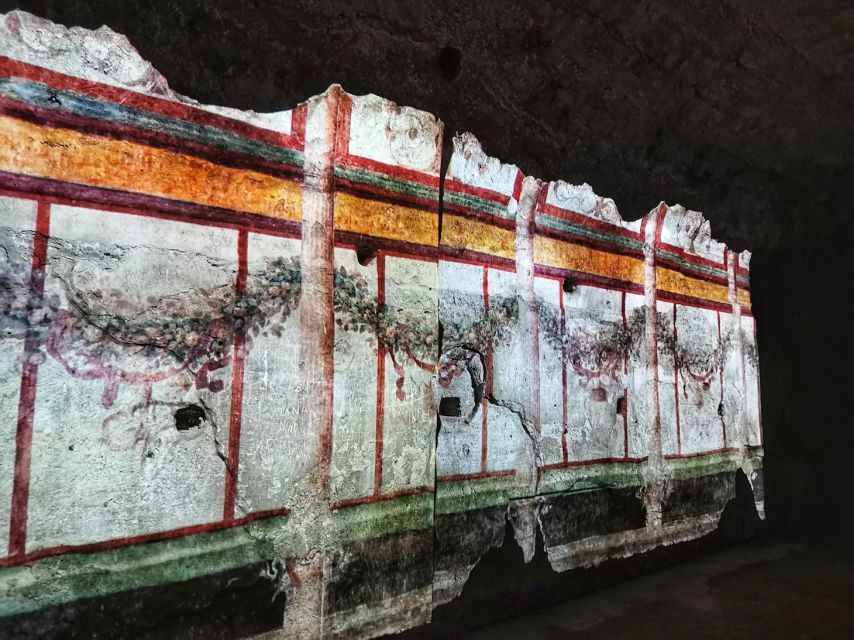
What you’ll notice in the Augustus rooms is the survival of ancient painting. The tour focuses on the feeling of moving through a succession of beautifully decorated spaces, with some of the best surviving examples of ancient Roman wall painting. The guide context helps you understand why these images mattered: they weren’t decoration alone, they were statements about taste, virtue, and the emperor’s place in Rome’s story.
A standout moment is Augustus’ study, described in your tour as having frescoes featuring plants and fantastical creatures. That kind of imagery is exactly the sort of detail that turns a historical description into something tangible. You get to see how art supports authority.
Practical note: take your time here. The rooms are the main attraction, and rushing the paintings makes them feel flatter than they are.

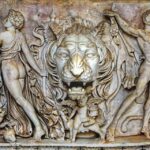
House of Livia: mythological frescoes and why the ID matters
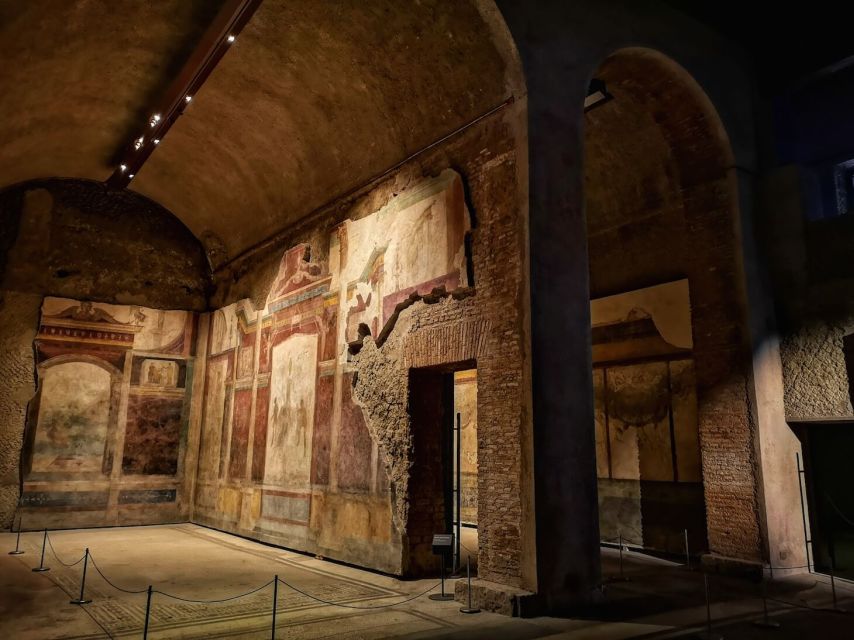
Next door, you have the House of Livia. When it’s open, it’s often the emotional “wow” stop because of how well it’s preserved.
Here’s the key detail the guide should bring out: the identification of the home as Livia’s residence came from an inscription found on a lead pipe in the 19th century. That’s a perfect example of how archaeology turns scattered evidence into a clearer story.
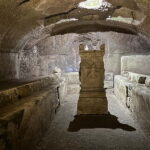
Inside, the tour emphasizes mythological frescoes and original marbles underfoot, with the added bonus that the frescoes were protected underground for thousands of years. That underground preservation is why the walls can still look so alive compared with other ancient painting sites.
Important planning note: the House of Livia is listed as temporarily closed, subject to change. If your dates fall during closure, you may need to adjust expectations or ask the provider what they can do to keep your visit strong even if this specific stop changes.
Imperial ruins on Palatine: Domitian’s palace and Caligula’s shadow
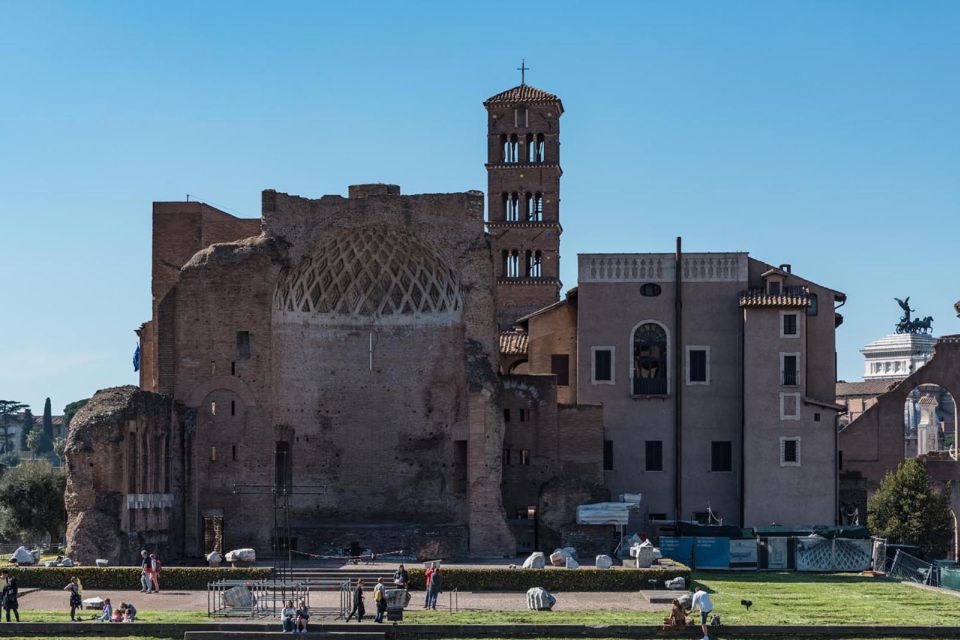
This tour doesn’t stop at the decorated houses. You’ll also explore more of Palatine Hill, including areas connected to major imperial figures.
You’ll get to see the ruins of Domitian’s luxurious palace, which helps you understand that imperial life evolved over time. The tour also includes the site where Caligula was assassinated. That moment of violence changes the tone of the hill. Suddenly, the quiet slopes feel less romantic and more charged with risk.
If you like history that mixes power and personality, this section is a good match. You’ll feel the tension between luxury and danger, not as abstract themes, but as locations you can stand in.
The monumental ramp into the Forum
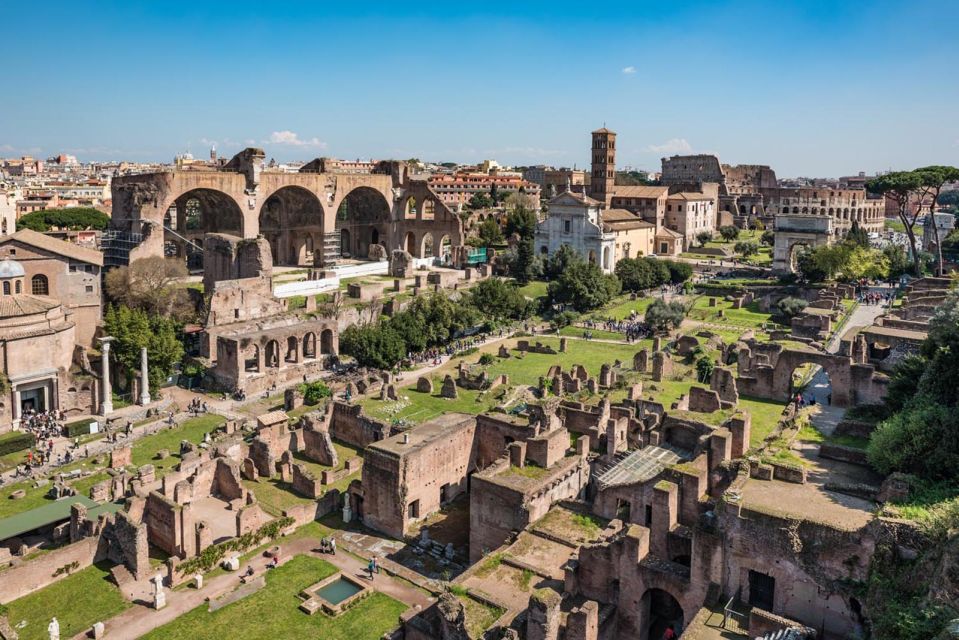
One of the more “Rome-specific” experiences is the chance to climb the monumental ramp that led emperors from Palatine into the Forum below. It’s not just a stairway; it’s a route designed for presence.
That’s what makes it valuable. You get to experience the physical connection between residence (Palatine) and public action (Forum). It turns the story of authority into motion: how rulers could appear, process, and control the crowd.
This is also a good moment to slow down and look around. Your guide can tie what you see back to the bigger narrative of Roman government and performance.
Santa Maria in Antiqua: an ancient church shaped from palace remains
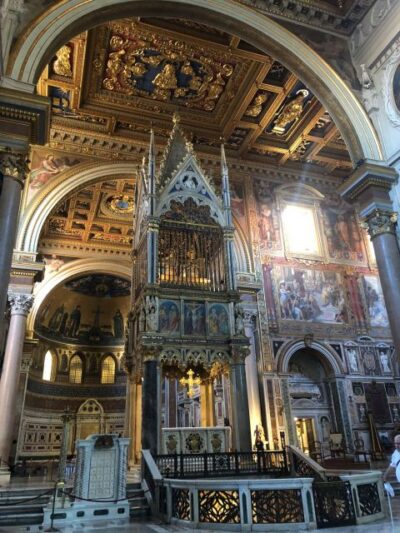
Your tour includes Santa Maria in Antiqua, described as a church hewn from the remains of imperial palaces. This stop gives you a different kind of continuity: Rome doesn’t just end when the empire falls.
It also adds variety at the end of the loop. Instead of only looking at ruins, you’re seeing a later layer of history built directly from earlier stone.
Even if churches aren’t your thing, this one is worth it because the place itself is evidence of reuse. Rome keeps working in layers.
The guide experience: academic context that makes the stones click
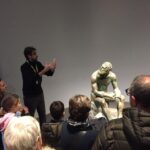
A private guide is the difference between collecting facts and understanding why anything mattered. In feedback from recent tours, guides have earned strong praise for clear historical framing and excellent academic training—names like Brian Green and Patrick show up as examples of how well the guiding can land.
What you want from a guide here is not just dates. You want interpretive glue: how propaganda shows up in house layout, how art reflects imperial identity, and why specific sites are placed where they are. This tour is built around that kind of explanation.
Headsets are included for groups of 6 or more, which helps if you end up with additional participants in your private group. For smaller groups, you’ll still benefit from a guide who can steer the conversation without losing the pace.
Timing and walking: what 3 hours feels like in real life
This experience runs about 3 hours. It’s a concentrated loop, with guided segments and short on-foot transitions between zones.
The “gotcha” is footwear. The site surfaces are ancient and uneven, and you’ll be moving across multiple areas of the Palatine/Forum complex. Bring comfortable shoes and consider how long you can stand without needing constant breaks.
Also note: it’s not suitable for wheelchair users, based on the tour’s stated limitations.
Skip-the-line access: why it can matter more than you think
You get skip-the-line access through a separate entrance. That matters because Palatine and Forum-area entrances can be slow, especially when sites are busy or staffing is stretched.
Skip-the-line doesn’t magically make crowds disappear. But it can save you from losing your energy before the best parts—like Augustus’ rooms—start.
Also keep in mind that due to the Jubilee, some monuments may be under restoration. That can mean route tweaks or temporary visibility changes, so it’s smart to pay attention to any messages you receive close to your date.
Value check: is $149.54 per person fair for this mix?
At $149.54 per person, you’re paying for three things that often cost extra when booked separately:
1) a private, English-speaking guide,
2) skip-the-line access,
3) a tight selection of high-impact sites packed into one loop.
If you tried to DIY this, you might still see the big names. But you’d likely miss the specific interpretive points—like why Augustus’ study frescoes matter or how the House of Livia got identified through a 19th-century lead pipe inscription. Those details are exactly what guides are good at delivering.
The value is strongest if you like “why this place, why this emperor” history rather than only “here’s what it looks like.” If that’s your style, the price starts to feel reasonable fast.
Who should book this Rome Augustus and Livia private tour
This tour fits best if you:
- want a high-quality private guide instead of piecing together sites on your own
- like imperial Rome details, especially houses, art, and political symbolism
- enjoy combining the Forum’s public life with Palatine’s private residence story
- prefer an organized route through multiple connected sites in a single 3-hour window
It’s also a good choice for first-timers who want to see more than one “must-see,” without trying to sprint from place to place.
The one caution is the House of Livia closure. If that specific house is your top priority, plan for the possibility that the stop may be adjusted depending on what’s open.
Should you book it?
I’d book this if you want Rome with context—houses with frescoes, a hill that explains power, and a route that connects Palatine and the Forum in a way you’ll actually remember. The private format and skip-the-line access help you get more quality time where it counts.
If you’re okay being flexible about the House of Livia (since it may be closed on your dates), this becomes a strong value play. If Livia is non-negotiable, it’s worth confirming what your exact day will include before you lock it in.
FAQ
How long is the Rome: Houses of Augustus and Livia Private Tour?
The tour duration is 3 hours.
Where do I meet the guide?
You’ll meet your guide in front of Cafe/Restaurant Angelino ai Fori, at Largo Corrado Ricci, 43a, looking for a Through Eternity sign or flag.
Which sites are included on the tour?
The tour includes time in the Roman Forum and on Palatine Hill, plus guided visits to the House of Augustus and the House of Livia (depending on access), along with Santa Maria in Antiqua and additional Palatine Hill areas tied to emperors.
Is the House of Livia guaranteed to be open?
No. The tour notes that the House of Livia is temporarily closed, subject to change. The provider says they will do their best to arrange your tour if it’s closed.
Do I get skip-the-line access?
Yes. The tour includes skip-the-line access via a separate entrance. Headsets are included for groups of 6 or more.
Is this tour suitable for wheelchair users?
No. It is listed as not suitable for wheelchair users. Wear comfortable shoes since it involves walking on site.