REVIEW · CATACOMBS & CRYPTS TOURS
Catacombs of Saint Agnes Entry Ticket & Guided Tour
Book on GetYourGuide →Operated by OPERA ROMANA PELLEGRINAGGI · Bookable on GetYourGuide
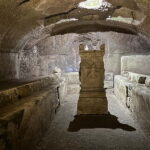
A short walk can end up hundreds of years underground. The Catacombs of Saint Agnes ticket comes with an official guide, and you’ll hear how devotion to a young Roman martyr shaped an entire underground network. I like that it’s only 30 minutes, so you get the story without feeling stuck, and I also like that the guide works in English, Italian, and French so you can follow the details. The main drawback to plan around is mental comfort: this site is not a fit if you deal with claustrophobia, and parts of the descent can feel intense.
You’ll also get practical convenience that actually matters in Rome: tickets by email and you can show them on your smartphone. And the visit includes skip-the-ticket-line entry, which is a quiet win when you’re trying to keep your day moving. One more consideration: cameras aren’t allowed, so come ready to look more than record.
In This Review
- Key takeaways before you go
- Entering the Catacombs of Saint Agnes: What You’re Paying For
- Ticket Logistics That Keep Rome Simple
- The 30-Minute Route: How the Tour Usually Feels
- Agnes’s Story Beneath Your Feet (Third-Century Origins)
- The Tomb of Agnes: Marble Slabs and Pope Damasus
- From Underground to the Basilica: Honorius, Constantine, and the Same Devotion
- Comfort, Claustrophobia, and Getting Through the Descent
- How Well the Guide Works in English, Italian, and French
- Is This Good Value at $16?
- Who Should Book This Tour (and Who Should Skip)
- Should You Book the Catacombs of Saint Agnes Tour?
- FAQ
- Where do I meet for the Catacombs of Saint Agnes tour?
- How long is the guided tour?
- How do I get my tickets?
- Are cameras allowed inside the catacombs?
- What languages are the guided tours offered in?
- Is this tour suitable for people with mobility impairments or claustrophobia?
Key takeaways before you go
- Official guide, set in a tight 30-minute format that keeps the facts clear and moving
- Via Nomentana and Agnes’s story: martyrdom, burial, and how a hypogeum became a community catacomb network
- Tomb details you can picture: marble slabs, including one associated with the entrance staircase of the honorian basilica, and an inscription attributed to Pope Damasus
- Understanding the connection to the surface: how Constantine’s-era basilica plan and Pope Honorius’s work shaped what you see aboveground
- Smartphone entry and skip-the-line so you lose less time at check-in
- Claustrophobia warning: the visit goes about 9 metres underground, and it’s the thoughts more than the space that can get to some people
Entering the Catacombs of Saint Agnes: What You’re Paying For
This is a straightforward product: a paid entrance ticket plus a live internal official guide for about 30 minutes. At around $16 per person, the value comes from one thing: you’re not just walking corridors. You’re getting someone to connect the physical site to the story—names, dates, and why specific tomb features mattered to early Christians.
The short duration is also a plus. Roman catacombs can be emotionally heavy, and time feels different underground. Here, you get a focused route that’s long enough for context, but short enough to keep the experience from turning into a slog.
You can also read our reviews of more tours and experiences in Rome



Ticket Logistics That Keep Rome Simple
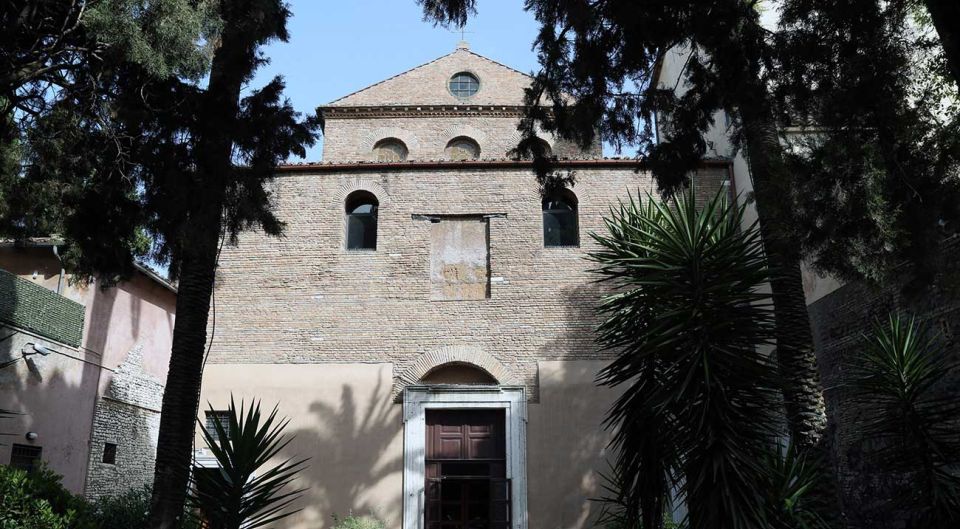
You’ll receive your reservation by email, and you can show it on your smartphone. That’s helpful because the ticket office process can move slower when lines form. The key detail: go directly to the catacomb ticket office, and show your reservation at least 10 minutes before your scheduled tour.
Also note the practical rules:
- No cameras
- No oversize luggage
- Comfortable shoes are important, because you’re walking on an underground site that isn’t built for sprinting
If you’re booking while planning other sights, the offer includes a flexible payment option (reserve now, pay later) and free cancellation up to 24 hours in advance. That gives you some breathing room if your day in Rome shifts.
The 30-Minute Route: How the Tour Usually Feels
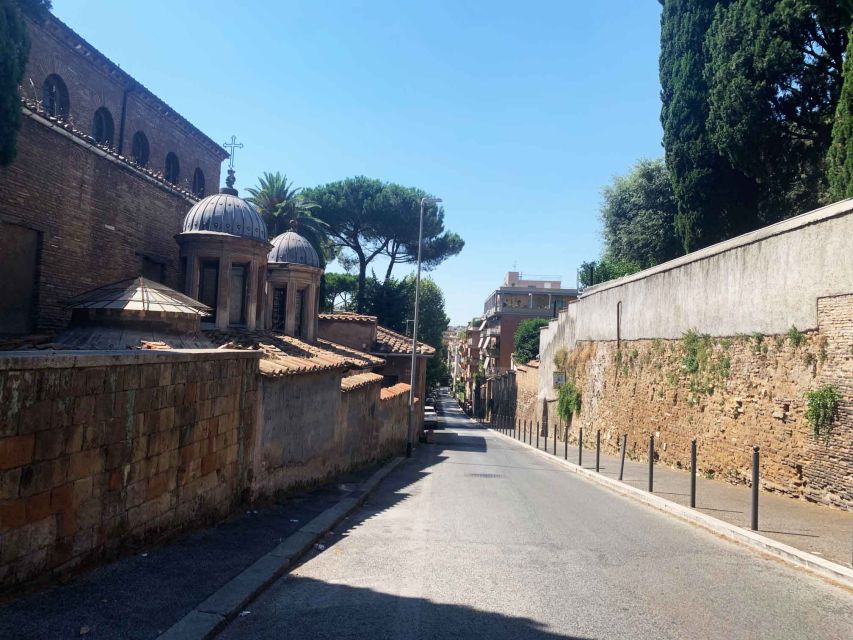
Even without a long timetable, you can think of the experience as a guided story told in sections as you move through the underground spaces.
You typically start with the practical check-in and orientation at the ticket office, then you head into the site. From there, the guide’s job is to help you build a mental map fast: where Agnes’s original burial fits, why the area became a major veneration spot, and how that devotion reshaped the underground complex over time.
In a 30-minute visit, you won’t get every minute detail. But you should come away with the main narrative and the reasons certain locations are treated as sacred. The best sign this format is working is a guide who can keep the pacing clear—which is exactly what you want for such a compact tour.
Agnes’s Story Beneath Your Feet (Third-Century Origins)
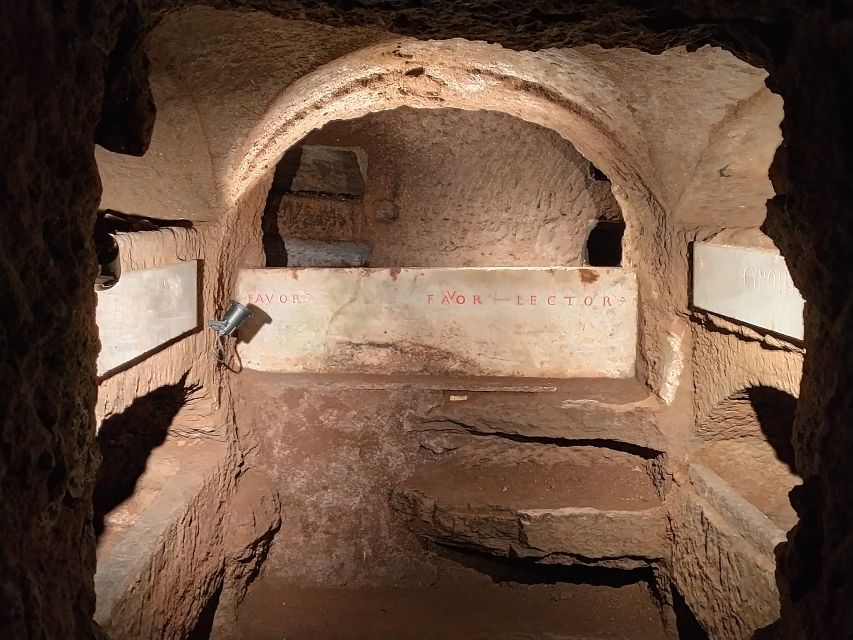
Saint Agnes is one of the best-known names tied to Roman martyr tradition, and the tour is built around that. You’ll hear that there are strong elements to believe she was a martyr around the persecutions under Decius or Valerian, though there are also views that place her as a victim of Diocletian’s persecution. You don’t need to settle the debate in your head. The point of the tour is understanding why the story stuck.
You’ll also learn the core details:
- Agnes is associated with martyrdom at a young age—she died when she was about 12
- Pope Damasus is linked with an account involving a stake, describing a moment where the saint would have thrown herself
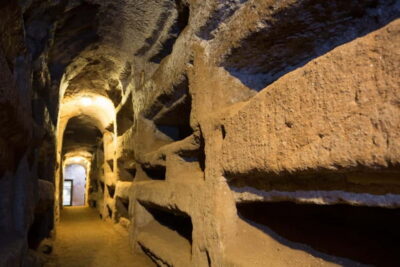
- After her martyrdom, her body was placed in an early underground space (a hypogeum) connected to her family, located on the left of Via Nomentana
- That original hypogeum later became the anchor for a broader catacomb network as a community of burials grew around the venerated site
This is one of the most valuable parts of the tour because it explains how religion turns space into meaning. The catacombs aren’t only burial chambers. They are a record of how devotion expands, physically and socially, across centuries.
The Tomb of Agnes: Marble Slabs and Pope Damasus
One of the most specific things your guide will point you toward is Agnes’s tomb, including material features that helped transmit devotion.
Here’s what matters in the story:
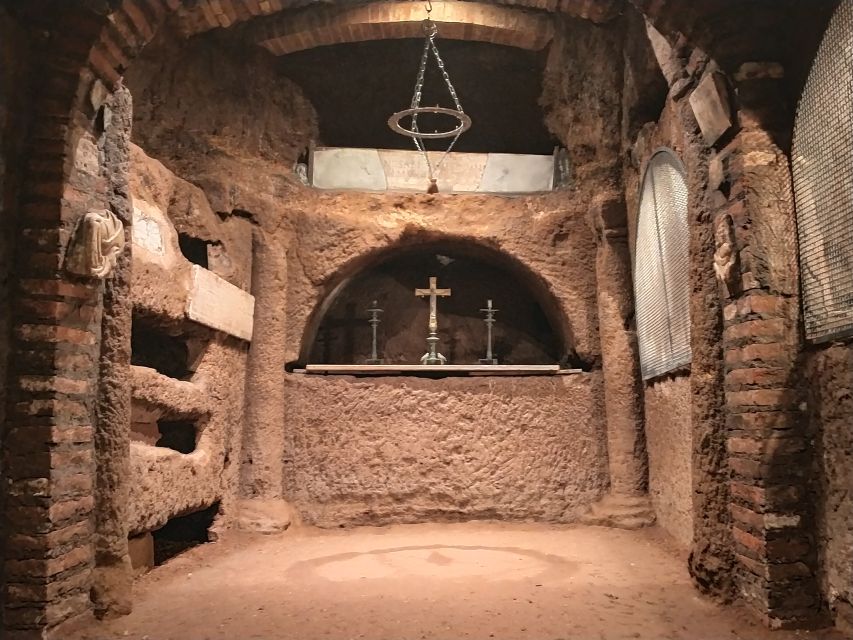
- At the time of Pope Liberius, Agnes’s tomb was decorated with marble slabs
- One of those slabs is likely the one currently exhibited in the entrance staircase of the honorian basilica
- That slab is described as showing a young girl in a prayerful attitude between panels with geometric motifs
- Pope Damasus also intervened, and the inscription dedicated to the martyr is associated with a location in the staircase area of the honorian basilica
Why does this matter for your visit? Because it turns the site from background atmosphere into something you can visualize. Instead of thinking, Oh yes, old bones, you start thinking, Oh right—someone arranged the way Agnes was represented, and later leaders preserved and re-framed that memory.
It’s also a reminder that “ancient history” isn’t just dates. It’s people placing symbols where they want future generations to notice them.
You can also read our reviews of more guided tours in Rome





From Underground to the Basilica: Honorius, Constantine, and the Same Devotion
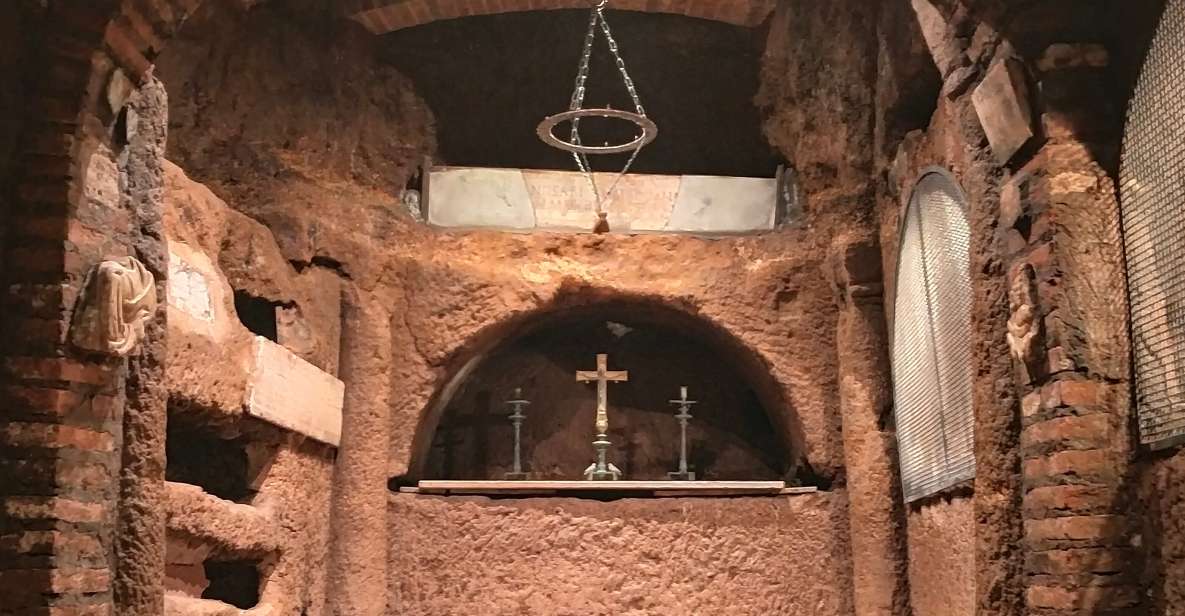
A good catacomb tour connects what’s below with what’s above. This experience does that by linking Agnes’s underground burial to a series of surface buildings that grew thanks to long-standing Roman devotion.
You’ll hear that:
- A basilica connected to Agnes was built at the behest of Constantine (or Constance), daughter of Emperor Constantine, and described as being in the shape of a Roman circus with an atrium
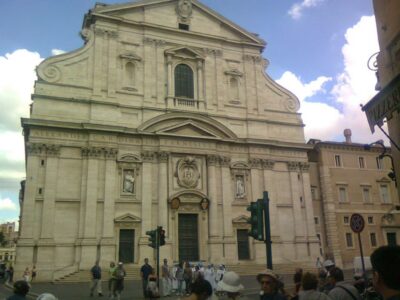
- Pope Honorius I raised the current basilica on Via Nomentana as a semi-underground structure that you reach from a “majestic staircase”
- The interior is preceded by a narthex and has three naves, with a women’s gallery above
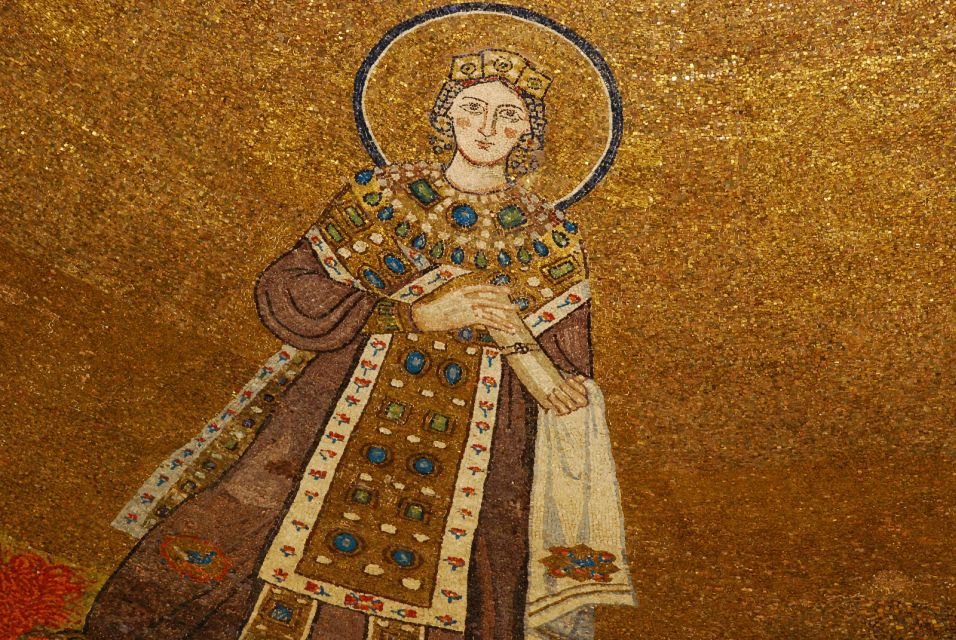
- The mosaic in the apse represents Agnes between Pope Honorius (holding a model of the church) and likely Pope Symmachus
This portion is valuable because it answers a question you might not even think to ask: Why would the city build impressive architecture on top of an underground burial? The guide’s explanation helps you see how veneration works like a long project, not a one-day event.
Comfort, Claustrophobia, and Getting Through the Descent
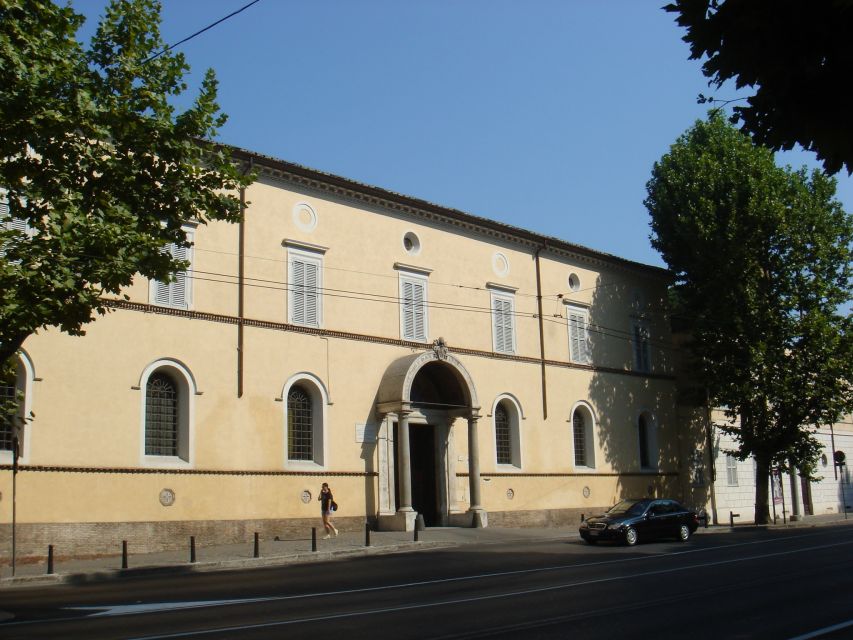
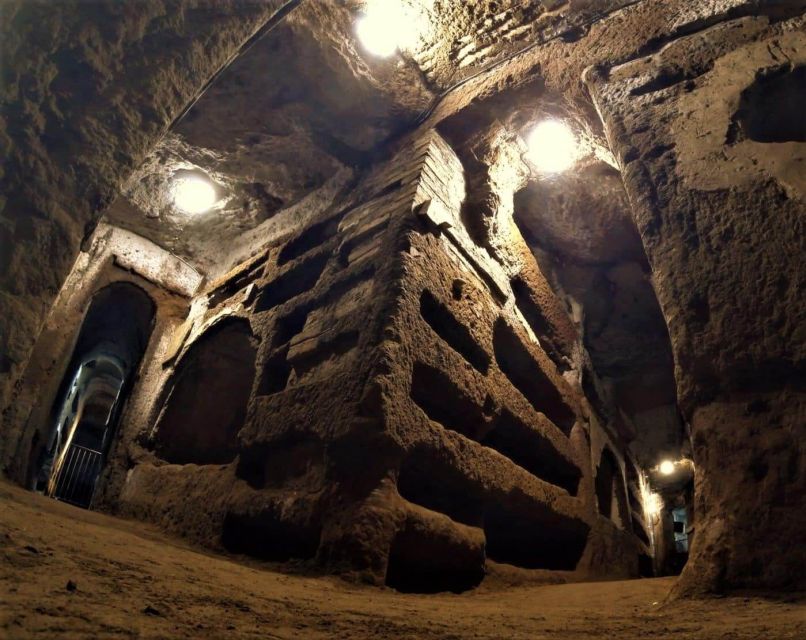
This site has rules and a reality check. The experience is not suitable for people with claustrophobia, and it’s also not suitable for people with mobility impairments. That’s not just legal wording. The environment is underground, and even if the space isn’t physically tight, the mental feeling can be tough for some people.
One helpful detail: the descent reaches around 9 metres underground. If that kind of depth makes your stomach drop, trust that signal. If you’re unsure, think about your comfort in enclosed stairways and underground corridors.
What to bring is simple:
- Comfortable clothes
- Comfortable shoes
And remember: no cameras. So if you’re hoping to document every twist and turn, plan to rely on your memory and the guide’s cues.
How Well the Guide Works in English, Italian, and French
This tour is offered with a live guide in English, Italian, and French, which makes it easier for you to actually follow the story without switching mental gears. In a 30-minute format, language clarity matters. You don’t want to lose key names and details because you can’t catch the explanation.
From the quality you should expect, the guide’s job isn’t to overwhelm you. It’s to keep the timeline understandable and the connections clear—especially around Pope Damasus and the tomb’s described marble slabs, and around the way Honorius I shaped the surface basilica.
Is This Good Value at $16?
For Rome, $16 is not a bargain price, but it’s also not a tourist-trap number. The value comes from three things you’re paying for:
- Official guided interpretation (not a self-guided wander)
- A set time window of about 30 minutes, which helps you plan the rest of your day
- Convenience features like skip-the-ticket-line and smartphone ticket entry
If you’re the type who enjoys sites more when someone explains the “why,” this price makes sense. If you mainly want atmosphere and don’t care about names and context, you might feel the time is too short for the ticket cost. But for most people aiming to learn something real in a limited Rome afternoon, it lands in a good spot.
Who Should Book This Tour (and Who Should Skip)
You’ll likely enjoy this tour if:
- You want a Christian history connection grounded in real places
- You like guided explanations, especially those tied to specific leaders and artworks
- You want a short underground visit that fits neatly into a busy itinerary
You should skip it if:
- You have claustrophobia
- You need an itinerary designed for mobility impairments
It’s also a solid choice if you’re traveling in a group with mixed interests. Even if only a few people are history-focused, everyone can follow the basic story of Agnes and see how the site evolved.
Should You Book the Catacombs of Saint Agnes Tour?
Book it if you want an official, time-efficient guided experience that ties Agnes’s tomb to the bigger arc of Roman devotion—under the ground and up in the basilica story. The 30-minute format is a real advantage, and the guide-led names (Damasus, Liberius, Honorius) help you leave with something more than atmosphere.
Don’t book it if you’re sensitive to enclosed underground spaces or if you strongly prefer photo-heavy sightseeing. This is a “look and listen” kind of visit, not a camera-first experience.
If you can handle a 9-metre underground environment mentally, this ticket is an easy yes for history-minded travelers who want value without eating up half a day.
FAQ
Where do I meet for the Catacombs of Saint Agnes tour?
Go directly to the ticket office of the catacomb, and show your reservation at least 10 minutes before the scheduled tour.
How long is the guided tour?
The guided tour lasts about 30 minutes.
How do I get my tickets?
You receive your tickets by email, and you can show them on your smartphone at the entrance.
Are cameras allowed inside the catacombs?
No. Cameras are not allowed.
What languages are the guided tours offered in?
The live guide is available in English, Italian, and French.
Is this tour suitable for people with mobility impairments or claustrophobia?
No. It is listed as not suitable for people with mobility impairments and people with claustrophobia.