REVIEW · FOOD
Rome: Private Food Tour in Trastevere and Campo de Fiori
Book on GetYourGuide →Operated by BOLOGNA TOUR & BEST ITALY TOUR · Bookable on GetYourGuide
Roman food tastes better with a map. This private food tour connects Campo de’ Fiori and Trastevere for a guided tasting walk you can do without museum time. I like two things most: the way the guide explains the background of Roman favorites as you go, and the no-fuss payoff of four tastings that focus on real, classic bites.
One thing to consider is the format: it’s built for walking and sampling, so you’ll want comfortable shoes and a relaxed attitude toward a steady pace. You also get a great bonus moment when you cross Ponte Sisto for city views, then slow down again in Trastevere’s narrow streets and trattorias.
In This Review
- Key highlights you’ll actually feel on the walk
- Why Campo de’ Fiori and Trastevere hit the right notes
- Meeting at the Giordano Bruno statue: easy to find, easy to start hungry
- The 3-hour flow: a private walk that keeps you fed
- Tracing Roman food culture across Ponte Sisto’s viewpoint
- Trastevere: alleys, artisans, and the trattoria vibe
- Campo de’ Fiori: the market square that shaped the street-food mood
- Tastings you can look forward to: Roman pizza, supplì, and tomato rice
- Wine pairing: small, simple, and meant to match the bites
- Private guide energy: Mitia and Dimitri as examples of the tone you want
- Price and value: what $198.25 per person buys you
- Who this Rome food tour is best for
- My booking verdict: should you sign up?
- FAQ
- FAQ
- How long is the Rome private food tour?
- Is this tour private or shared?
- Where does the tour start and end?
- Which areas does the tour cover?
- What’s included in the tour price?
- What foods and drinks are included in the tastings?
- Are hotel pickup and drop-off included?
- What languages will the guide speak?
- Is there free cancellation?
- Is there a way to book without paying immediately?
Key highlights you’ll actually feel on the walk
- Four tastings of typical Roman products, so you’re never just “walking and looking”
- Campo de’ Fiori’s market energy plus Roman food culture in one central stop
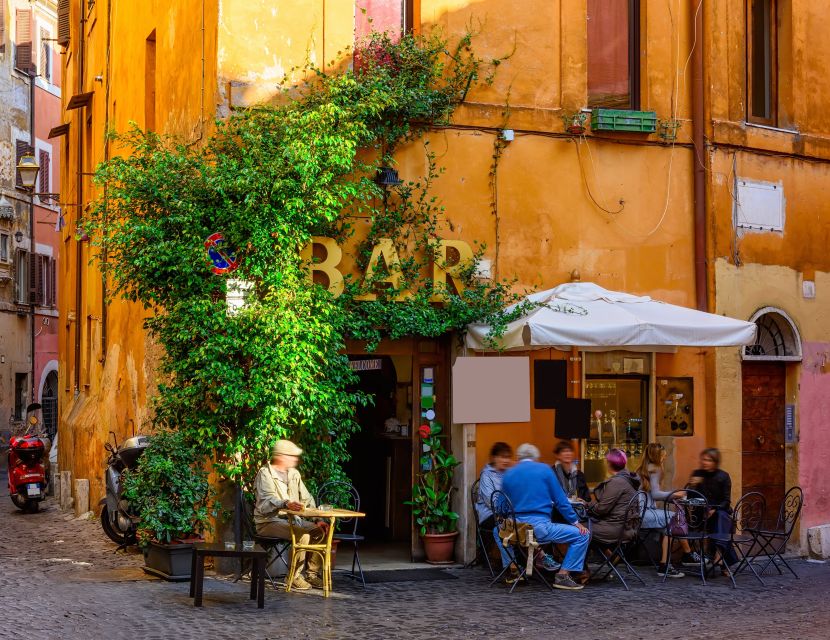
- Trastevere alleys and trattorias where the neighborhood still feels like a working quarter
- Roman cuisine history on the move, not crammed into a lecture
- Ponte Sisto as a quick, scenic reset before the alley-wandering resumes
Why Campo de’ Fiori and Trastevere hit the right notes
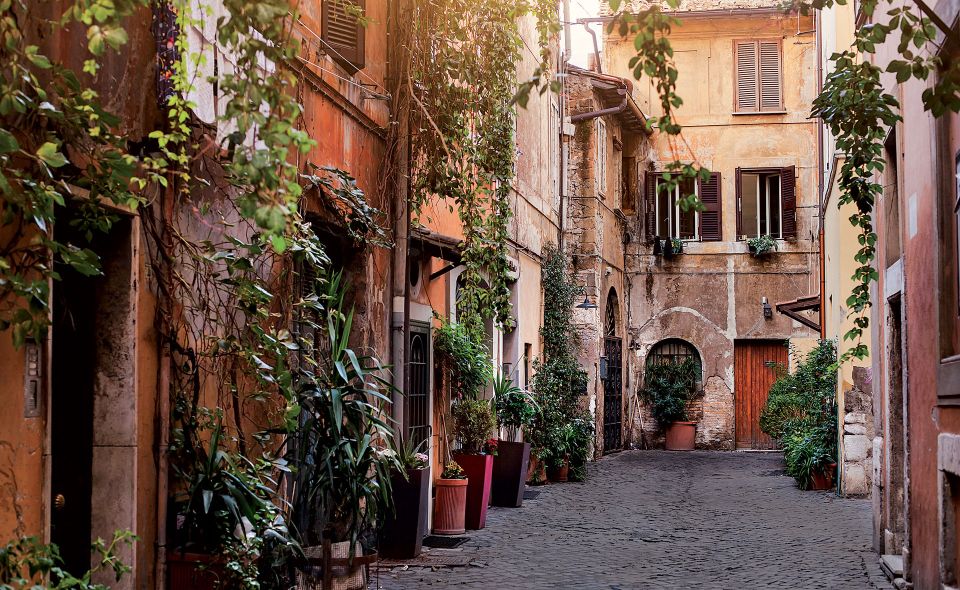
This is the kind of Rome experience that feels practical. You’re not bouncing between far-flung landmarks all day. Instead, you’re using two of the city’s most character-rich areas—Campo de’ Fiori and Trastevere—as your tasting classroom.
Campo de’ Fiori is one of the easiest places to understand Roman food culture because it has a market heart and a long public-life tradition. It’s also famous for a detail that turns into a real conversation piece: it’s described as the only monumental square in the city center that does not house a church. At the center stands the 19th-century statue of philosopher Giordano Bruno, burned in 1600 for heresy. That’s a wild piece of context to carry with you while you’re eating, because it reminds you that Rome’s “food and daily life” grew up alongside serious ideas, conflict, and power.
Then you pivot into Trastevere, where the streets narrow and the mood changes. The walk is built around the neighborhood’s colorful alleys and the sense that artisans, small traders, and traditional trattorias are still part of everyday rhythm. If you like the idea of eating while the city explains itself, these two areas work together surprisingly well.
You can also read our reviews of more food & drink experiences in Rome



Meeting at the Giordano Bruno statue: easy to find, easy to start hungry
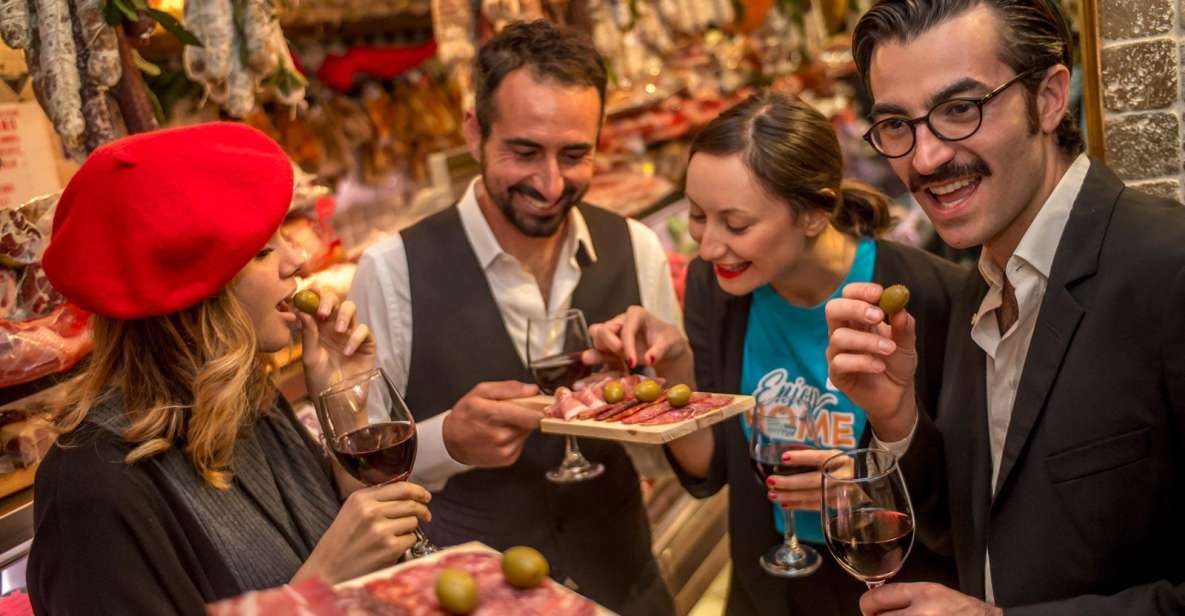
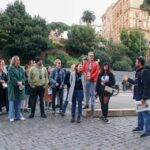
You meet at Campo de’ Fiori, right in front of the Giordano Bruno statue. That’s a smart setup. A clear, recognizable meeting point means you can spend less time hunting and more time getting your first appetite cues.
Also, starting at a square helps you ease into the day. You’re already in an environment that feels like Rome’s public living room—people moving, shops operating, market energy in the background. By the time you head into side streets, you’ll be warmed up for the walking portion and ready to notice details the guide points out.
And since the tour ends back at the same meeting point, you don’t have to play the “how do I get home from here” game. It’s a clean loop that makes planning easier.
The 3-hour flow: a private walk that keeps you fed
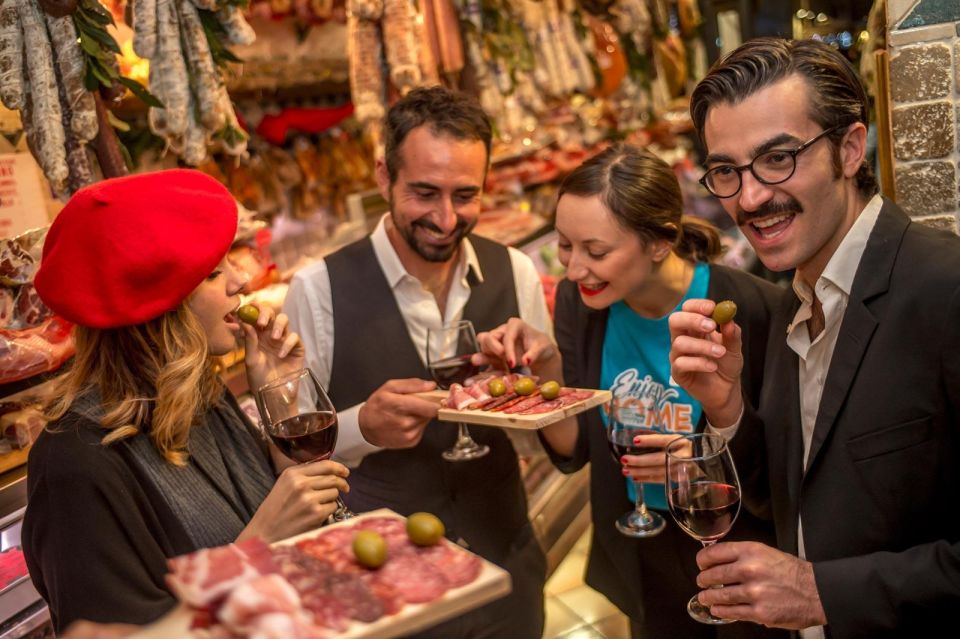
This tour runs for 3 hours, and it’s private—so you’re not stuck in a big group’s tempo. That matters for a food experience, because tasting isn’t only about eating. It’s also about asking questions, pausing when something is interesting, and letting the guide explain the why behind what you’re tasting.
Comfortable shoes are specifically recommended. I’d treat that as your real planning instruction. This isn’t a stop-by-stop sit-down meal. It’s a guided walking experience with a market visit component in both neighborhoods, where you’ll likely move between areas multiple times during the tasting portion.
The pacing is also part of the value. A 3-hour tour is long enough to feel like you’re getting a real slice of Roman food culture, but short enough that you still have time to do your own wandering afterward—either to return for a second bite of something you liked or to explore nearby streets without feeling rushed.
Tracing Roman food culture across Ponte Sisto’s viewpoint
Right after you start moving through the route, you cross Ponte Sisto. The bridge is described as a connection that enabled direct communication between Trastevere (and the Vatican) and the rest of the city. Even if you don’t care about bridge history, this is one of those moments that changes how the walk feels.
Bridges create a mental reset. You’re up from street level for a moment, you can spot the city’s layout, and then you drop back into the neighborhoods with clearer bearings. The route notes that you can admire one of the most beautiful views of the city from there, and that’s exactly why it’s included: it gives you a scenic pause before the alleys and trattorias start pulling you forward again.
In my experience with food walking tours, that kind of reset is underrated. It keeps the tour from blurring together. You remember it in chapters: view, walk, market, taste, and repeat.
Trastevere: alleys, artisans, and the trattoria vibe
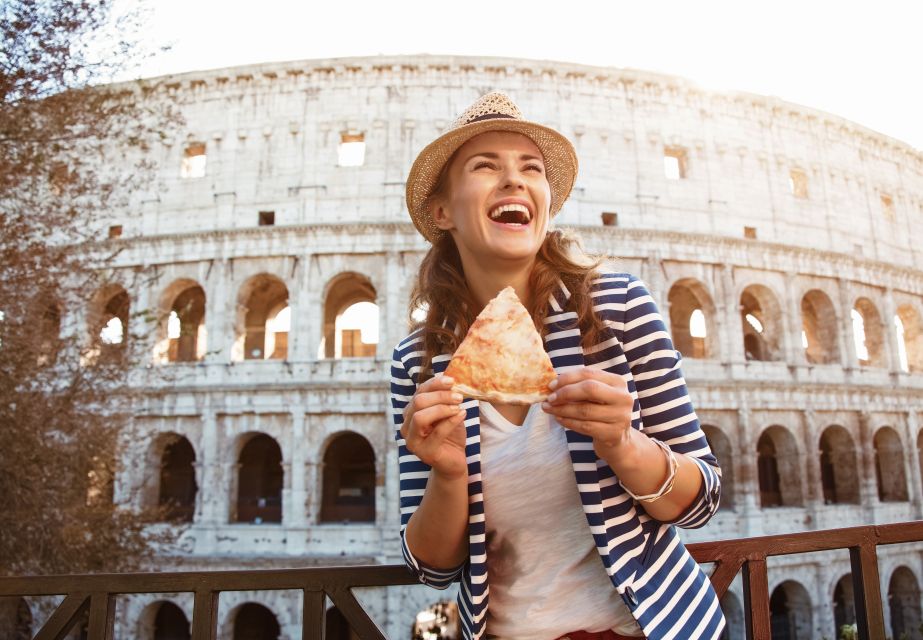
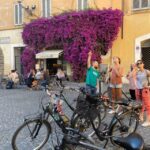
Trastevere is the kind of neighborhood you understand with your feet. The route focuses on narrow streets, colorful and typical alleys, and the feeling that the area has retained its charm over time. It’s not pitched as a theme park; it’s pitched as a place where artisans and small traders still work.
You get a guided tour plus food tasting and a food market visit here, with a full hour of time allocated to that segment. That’s important because a market stop isn’t just about buying souvenirs. It’s where you see what’s normal. You can connect ingredients to the dishes you’re about to eat, and you learn how Roman eating habits show up in everyday commerce.
The guide’s job in this section is to turn walking into context. You’re not just passing restaurants—you’re understanding what makes the food “typical” in Roman terms. Even if you don’t memorize every detail, you’ll start noticing patterns in flavors and food shapes: the comfort-food side of Roman cuisine, the meat-and-starch logic, and the way tomatoes and rice show up again and again in different forms.
A practical thought: Trastevere’s streets are part of the experience. If you want Rome that feels intimate and local, this is the district that does it best on a food tour.
You can also read our reviews of more tours and experiences in Rome

Campo de’ Fiori: the market square that shaped the street-food mood
Campo de’ Fiori is where the tour brings you back to the city’s public food pulse. This stop includes a guided walk through the area plus food tasting and another food market visit hour.
You’ll be standing in a square tied to deep history, not just present-day market chatter. Remember the Giordano Bruno statue and the fact that Bruno was burned in 1600 as a heretic. That history doesn’t mean the market feels heavy—it usually makes it feel alive. You’re watching ordinary life unfold in a place with big-stakes past.
Campo de’ Fiori is also positioned as the only monumental square in the city center that doesn’t house a church. That distinction matters because it shapes the square’s identity: it’s framed as a civic and commercial space. Food belongs there because the square itself is built for daily gathering.
If you like photos, this stop will give you easy angles. But the better reason to enjoy Campo de’ Fiori is simpler: it’s where you can connect the dots between ingredients you see at market and the Roman dishes you’re tasting across the tour.
Tastings you can look forward to: Roman pizza, supplì, and tomato rice
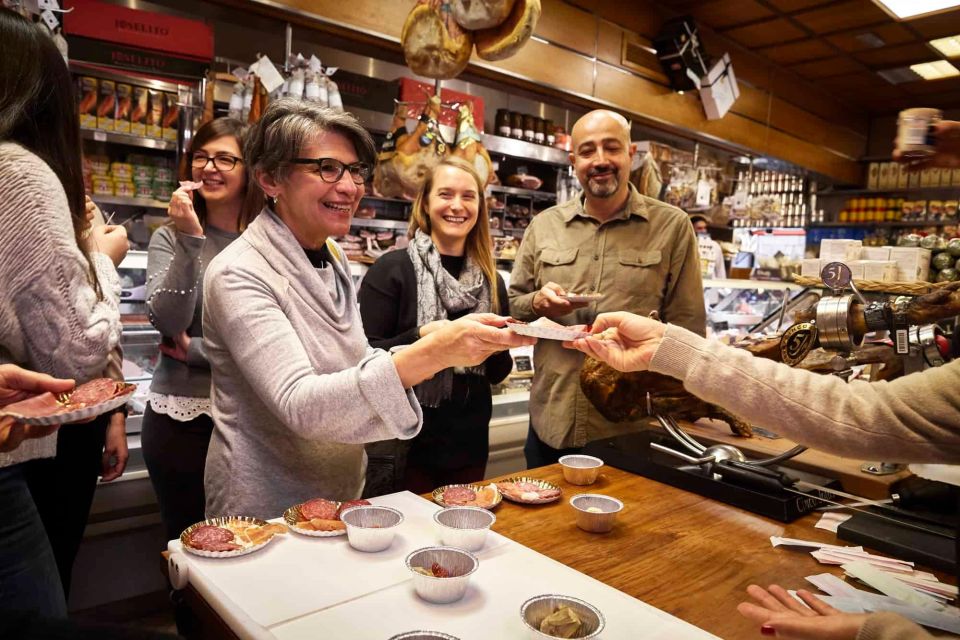
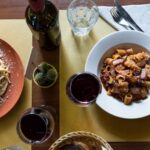
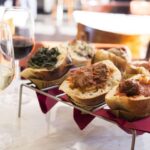
The tour includes four tastings of typical products. The foods listed are classic Roman favorites: classic Roman pizza, supplì (a rice ball with tomato sauce), and a glass of wine paired with the tastings.
That combo tells you the tour’s philosophy. It’s not trying to be “high concept.” It’s serving Roman comfort and snack culture in edible form. Pizza in Rome isn’t just a meal—it’s a daily habit for many people. Supplì carries that same street-food logic: easy to recognize, easy to love, and very Roman in character.
I also like that the tasting plan doesn’t try to overload you. Four tastings in 3 hours is a balance. You get variety without feeling like you’ve eaten so much you can’t enjoy the rest of Rome later.
If you’re planning what to eat after the tour, do yourself a favor: keep dinner lighter. You’ll likely be full, and you’ll get better results saving your big appetite for a meal you choose on your own terms.
Wine pairing: small, simple, and meant to match the bites
A glass of wine is mentioned as part of the tasting experience. That’s a nice touch, because in Italy wine often isn’t an extra event—it’s part of how food gets presented. When pairing is done correctly, it makes flavors feel smoother and more rounded.
Of course, keep your own pace in mind. If you prefer less alcohol, you can still enjoy the tasting portion. The goal here is the overall Roman food experience, not turning it into a full drinking tour.
Private guide energy: Mitia and Dimitri as examples of the tone you want
What makes a private food tour feel good is the guide’s personality and the way they translate Rome for you in real time. The feedback names guides like Mitia and Dimitri, and the theme is consistent: a friendly, fun approach and a strong focus on taking you to places that feel local, not generic.
That kind of guide style matters. A good guide doesn’t just hand you food. They help you understand what you’re eating and why it belongs in Rome. They also make the walking parts more enjoyable, turning “getting from point A to point B” into something you look forward to.
So when you book, don’t think only about the dishes. Think about the day you want: a guided walk with warmth, humor, and real local guidance.
Price and value: what $198.25 per person buys you
At $198.25 per person, this isn’t a budget “snack tour.” You’re paying for three main things:
First, it’s private. That changes the math. You’re not sharing time with a large group, which usually means more flexible pacing and more guide attention.
Second, you get four tastings plus two market visits within the neighborhoods. Markets and tastings take planning and coordination. This isn’t just walking past food spots and guessing.
Third, you’re buying historical context tied to the places you’re actually walking through—Campo de’ Fiori’s square identity and Giordano Bruno’s statue, plus the route and city-view moment from Ponte Sisto.
If you already plan to eat your way through Rome anyway, this tour becomes a good way to structure that hunger. You’re getting a “Roman food first draft” that can guide your later choices—especially if you’ve never tasted Roman classics like pizza romana and supplì before.
Who this Rome food tour is best for
This works best if you want Rome that’s sensory and specific. It’s ideal for:
- Food lovers who want Roman standards, not a random mix
- Couples or small groups who like private guiding
- Travelers who enjoy history when it’s tied to where you’re standing, like the Giordano Bruno connection in Campo de’ Fiori
It may be less ideal if you want long sit-down meals or if you dislike walking tours. This is a tasting walk, and the tour’s design assumes you’ll enjoy moving through neighborhoods.
My booking verdict: should you sign up?
Yes, if you want a focused Roman food experience that pairs markets, classic dishes, and neighborhood atmosphere. I like that the tour keeps its promises: two iconic Rome districts, a guided walkthrough with tastings, and a clear endpoint back at Campo de’ Fiori.
Book it especially if you’re the type who hates wasting time. A private 3-hour format gives you structure, good food, and place-based context without turning your day into a logistics puzzle.
If you’re unsure, think about what you want from Rome. If you want a well-fed walk with local color and Roman classics like supplì and pizza, this is a strong choice.
FAQ
FAQ
How long is the Rome private food tour?
It lasts 3 hours.
Is this tour private or shared?
It’s a private group.
Where does the tour start and end?
It starts at Campo de’ Fiori in front of the Giordano Bruno statue, and it ends back at the same meeting point.
Which areas does the tour cover?
You’ll walk through Campo de’ Fiori and Trastevere, and you’ll cross Ponte Sisto.
What’s included in the tour price?
The tour includes a travel guide and four tastings of typical products.
What foods and drinks are included in the tastings?
You can expect typical Roman cuisine such as classic Roman pizza, supplì (rice ball with tomato sauce), and a glass of wine.
Are hotel pickup and drop-off included?
No, hotel pickup and drop-off are not included.
What languages will the guide speak?
The live guide speaks Italian, Spanish, and English.
Is there free cancellation?
Yes. You can cancel up to 24 hours in advance for a full refund.
Is there a way to book without paying immediately?
Yes. It offers reserve now & pay later.