REVIEW · PRIVATE
Art Nouveau Rome: Villa Torlonia & Coppedé Private Tour
Book on GetYourGuide →Operated by Eyes of Rome Private Tours · Bookable on GetYourGuide
Rome gets weirder at Villa Torlonia. This private, half-day style tour threads Art Nouveau architecture with real political punch—then you finish in the Coppedè district, far from the usual Rome rush. I love how the Casino Nobile turns a wealthy family’s world into something you can walk through, and I love the Casina delle Civette with its owl-filled stained glass magic.
The only real catch is simple: there’s a fair amount of walking, and the pace depends on your group. If anyone has mobility issues, tell your guide ahead of time so the itinerary can be adjusted.
In This Review
- Key points before you go
- Why Villa Torlonia and Coppedè feel like one story
- Meeting at Via Nomentana 70: close enough for a half-day escape
- Casino Nobile: where wealth becomes architecture
- Villino Nobile and Mussolini’s 1930s chapter
- Casina delle Civette: the stained-glass owls house that feels like a secret
- Coppedè Quarter: the Art Nouveau neighborhood that plays at being magic
- What you learn on a private tour like this (and why Marco matters)
- Time, walking, and how to pace yourself in 3 hours
- Price and value: what you’re paying for at $362.51 per person
- Who should book this tour—and who might want to choose differently
- Should you book Art Nouveau Rome: Villa Torlonia & Coppedé Private Tour?
- FAQ
- How long is the Art Nouveau Rome: Villa Torlonia & Coppedé private tour?
- Where does the tour start?
- What stops are included in the tour?
- Is this tour private?
- What languages are available?
- Are museum entrance fees included?
- How much walking should I expect?
- Is the tour wheelchair accessible?
- What if I need to change my plans?
Key points before you go
- Skip-the-line entry into the villa area with a separate entrance
- Two big architectural hits in one outing: Villa Torlonia plus Quartiere Coppedè
- Mussolini-era details tied to the villa’s basement and the Villino Nobile bedrooms
- The owl house experience: stained glass, sculptures, and inlaid wood work
- A guide who connects art, history, and everyday meaning (Marco in the top reviews stands out)
- Coppedè’s residential charm: architecture you see at street level, not behind ropes
Why Villa Torlonia and Coppedè feel like one story
Villa Torlonia and the Coppedè quarter may sound like two separate stops on a Roman scavenger hunt. But when you see them in sequence, they click as one theme: how taste, power, and design can create whole worlds.
Villa Torlonia gives you a park-edge slice of Rome that’s not trying to impress tour buses. Then Coppedè swings the mood toward playful Art Nouveau fantasy—designed to be seen on foot, block by block. The result is a nice rhythm: serious craft and hierarchy at the villa, then streets that feel like an architectural stage set.
You can also read our reviews of more private tours in Rome


Meeting at Via Nomentana 70: close enough for a half-day escape
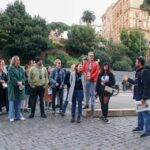
You start at Via Nomentana 70, at the entrance of Villa Torlonia near the ticket office. The tour is timed for a 3-hour window, with the actual session length depending on starting times. Even if you’re staying near the city center, this is a manageable trip: it’s about a 10-minute taxi ride away.
You’ll also appreciate the “practical Rome” touches. Museum entrance fees are covered, and you use a separate entrance to help you avoid the usual slowdowns. That matters when the day is short and you want more time inside the buildings and less time staring at lines.
Casino Nobile: where wealth becomes architecture
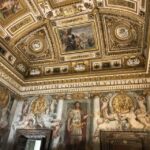
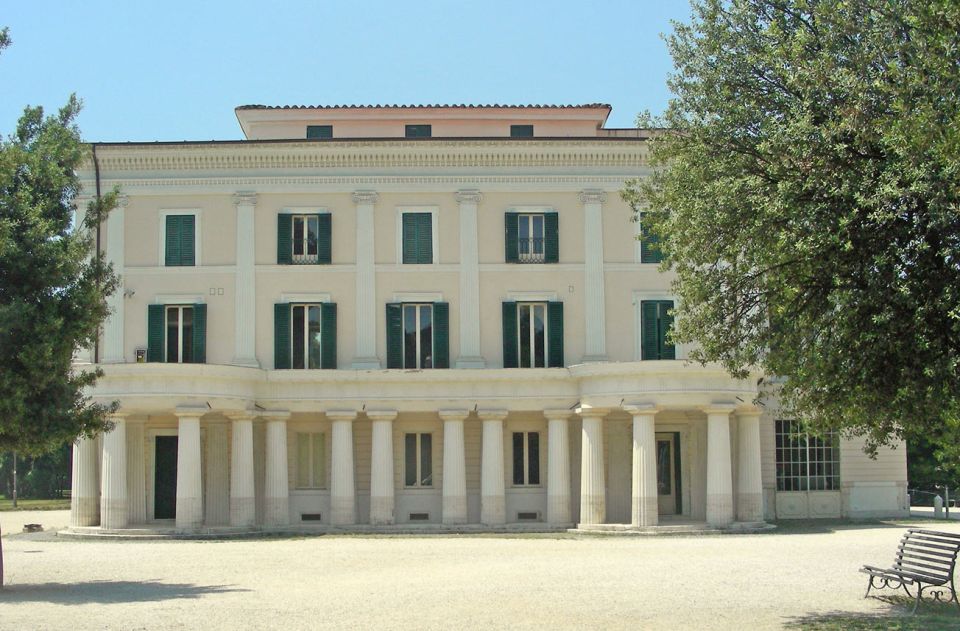
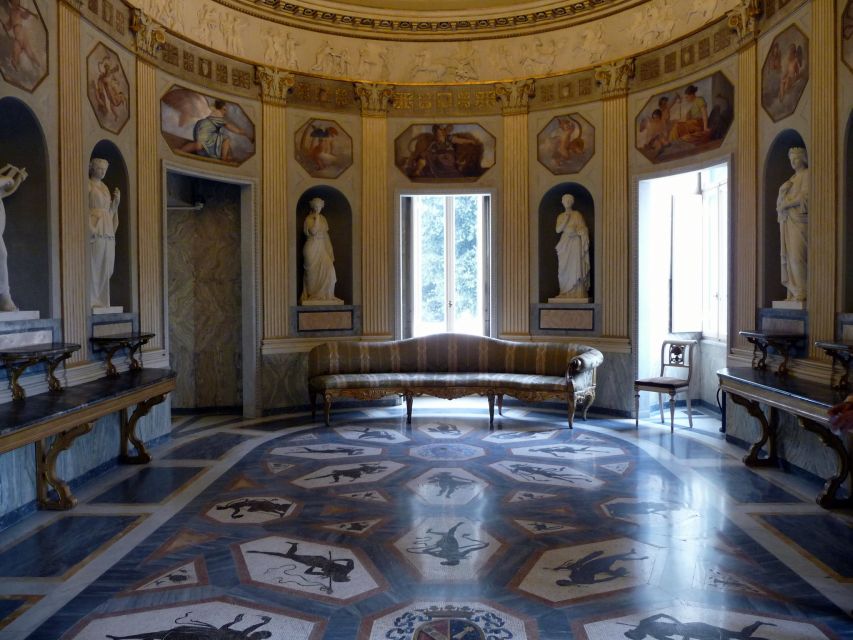
Villa Torlonia belongs to the Torlonia family, once powerful banking figures who later gained status that reached all the way to the papacy a century before the villa’s later chapters. The Casino Nobile is built for that kind of elite life—less about public spectacle and more about private comfort and display.
On the ground, it’s easy to remember that this is Roman architecture made for people with money and leisure. Inside, your guide helps you read what you’re seeing: why the design looks the way it does, and what it signals about the family’s world. It’s not only pretty. It’s an explanation you can walk along with.
If you’re the type who likes to understand the “why,” you’ll get a lot here. One of the best-reviewed guide experiences described a guide who teaches from a real academic background, and that shows in how the tour connects art to literature and broader cultural ideas—not just facts on a wall.
Villino Nobile and Mussolini’s 1930s chapter
A big reason Villa Torlonia feels different is what happened later. In the 1930s, it became the home of Mussolini. That fact turns the villa into more than an elegant estate—it becomes a place with uncomfortable historical weight.
The separate bedrooms he and his wife Rachele used were on the upper floor of the Villino Nobile. The original furniture isn’t there anymore, but the layout still gives you something important: a sense of how power lived day to day. You’re not just hearing names; you’re seeing how the space was organized.
And then there’s the basement access to two bunkers Mussolini built: one meant as a bomb shelter and another intended as a gas shelter. Even when you aren’t going full action-movie mode, the idea changes how you see the villa’s elegance. It’s the same buildings, but the meaning shifts.
Casina delle Civette: the stained-glass owls house that feels like a secret
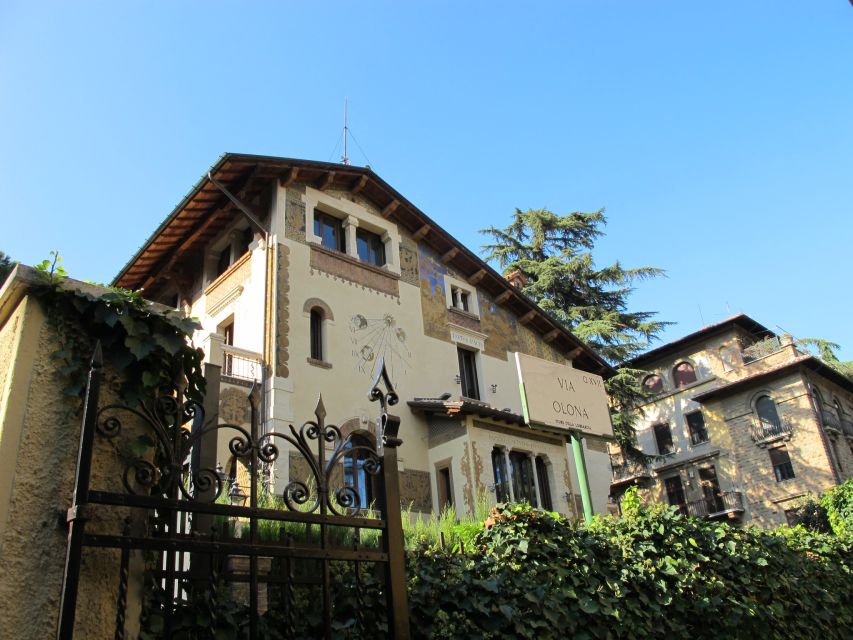
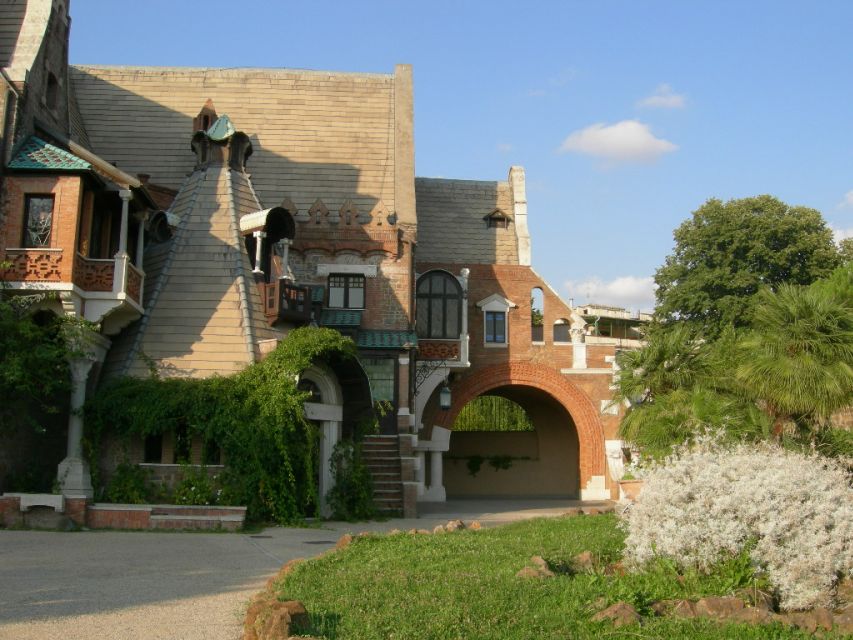
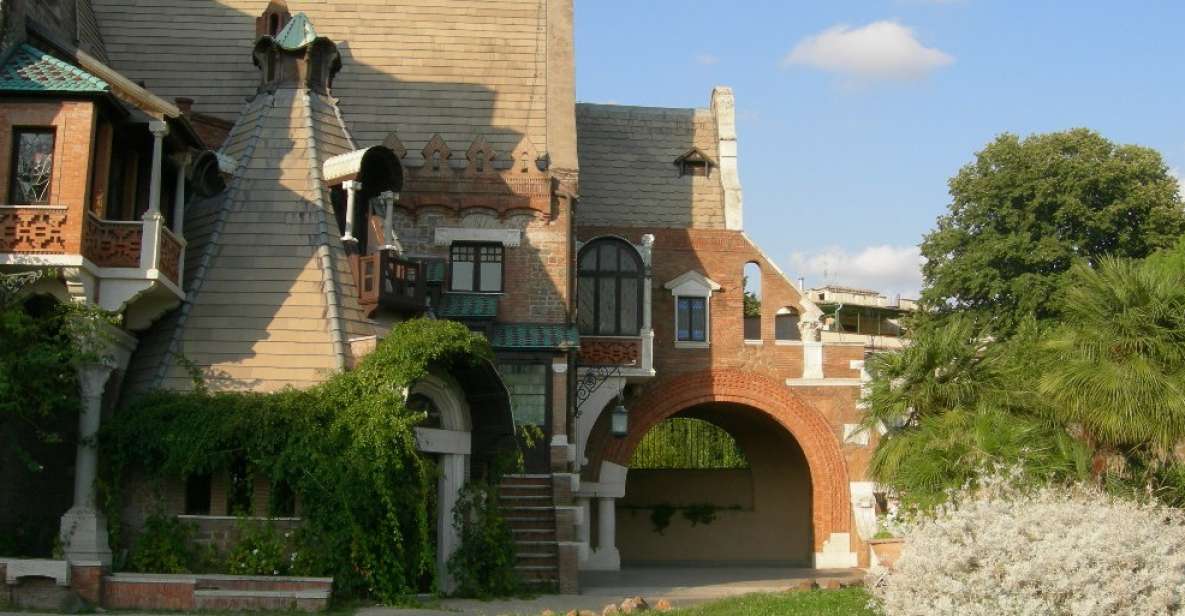
Now for the stop that most people remember: the Casina delle Civette, often called the House of the Owls. It sits at the edge of the park in a discrete location, designed as a refuge from the formal main residence. That word refuge fits the mood. This doesn’t feel like a grand public statement. It feels personal.
Prince Giovanni Torlonia the Younger lived here until his death in 1938, and the architecture reflects a series of transformations and additions. Different architects worked on it, using both artisanal craft and industrial materials. So the building isn’t just one style frozen in time—it’s a work that evolved.
Inside, you’ll spend time on two internal levels filled with rich decorations, artistic sculptures, and furniture with pictorial effects. In plain terms: it’s like the rooms have their own visual language. Your guide also points out some of the area’s finest stained glass and inlaid wood, with materials drawn from local Rome workshops. If you like noticing the craft side—line, color, detail—this is where your eyes will work harder in a good way.


Coppedè Quarter: the Art Nouveau neighborhood that plays at being magic
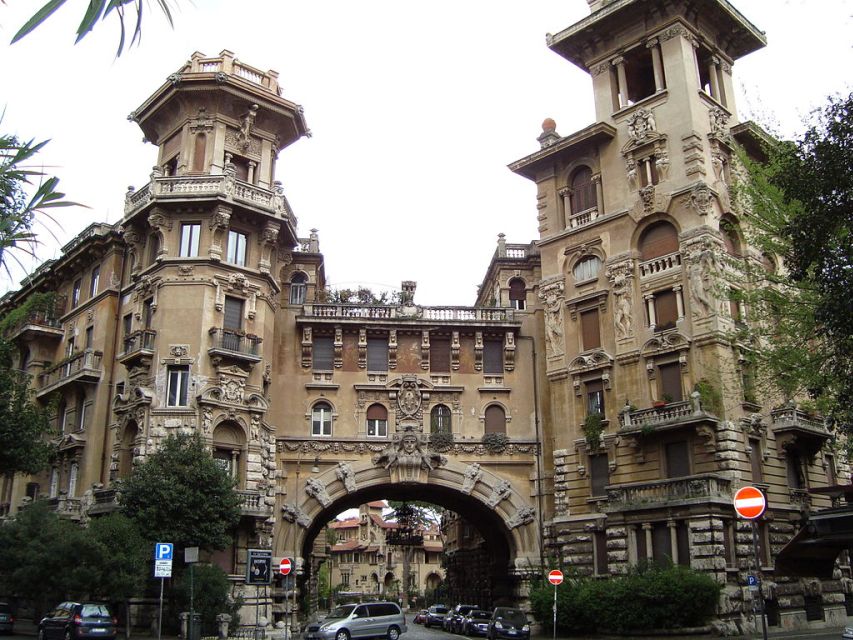
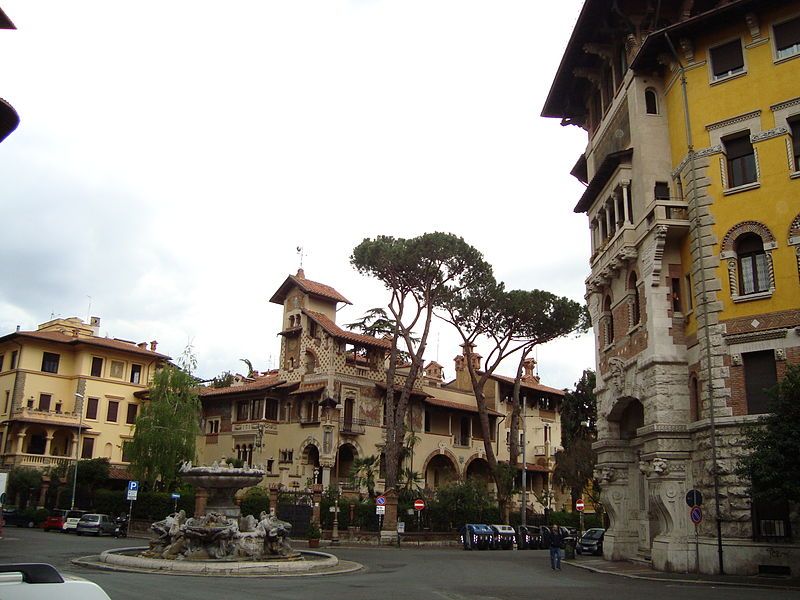
After Villa Torlonia, you move into the Quartiere Coppedè, a distinct Art Nouveau district designed by Gino Coppedé. If you’ve only seen Rome’s famous “checklist” sites, this area can be a shock—in the best way. The architecture looks like it’s doing theatre, right there on the street.
As you walk, your guide points out the design choices that make the district feel so specific. Instead of reading the buildings as generic decoration, you start seeing how each element fits the overall fantasy. It helps that the area is also a strong residential zone—so the neighborhood feels lived in, not museum-like.
One highlight is Piazza Mincio, described as a magical kingdom within the quarter. Again, you’ll likely notice this most when you understand the street-level layout and how the buildings frame the square. It’s the kind of spot where photos look good, but the real value is understanding the design logic behind the visual drama.
What you learn on a private tour like this (and why Marco matters)
A private tour is not automatically better. But this one has strong evidence behind it: guides here can genuinely teach.
In top reviews, Marco is singled out as a history and archeology professor at Sapienza. The praise isn’t just for being friendly and punctual. It’s for connecting dots—art to literature, architecture to historical context. That’s exactly what you want at a place like Villa Torlonia, where the details are layered and the story has political turns.
With a good guide, you don’t just look at stained glass. You understand what it’s doing in the building’s emotional plan. You don’t just walk past Art Nouveau facades in Coppedè. You learn why they look the way they do and how that design shaped the neighborhood’s identity.
And because it’s private, your pace stays in your control. You can opt to see fewer sites if you prefer slower time on the details, which matters for older legs or anyone who wants to linger.
Time, walking, and how to pace yourself in 3 hours
This tour is short enough to fit into a half-day, but not short enough to be a “no effort” outing. You should expect a fair amount of walking across the villa property and then through the Coppedè area.
Two practical tips:
- Wear shoes you trust. You’ll be on sidewalks and inside spaces where you want stability.
- If you want more time with the stained glass and inlaid wood, don’t try to sprint through the whole circuit. Ask your guide to slow down.
Also keep an eye on group pace. In a private setting, you can absolutely adjust—but you have to be honest about what you want: more buildings, or more time inside fewer rooms.
Price and value: what you’re paying for at $362.51 per person
At $362.51 per person for a private 3-hour tour, you should think of this as a design-focused, guide-heavy experience—not a bargain entry ticket.
The value comes from three places:
- Private guidance inside Villa Torlonia’s key spaces and through Coppedè. You’re not just consuming sights; you’re getting explanations tied to the architecture.
- Entrance fees included, plus skip-the-line entry via a separate entrance. That saves time and friction.
- A tight art + history combination: Torlonia power, Mussolini-era context, and Art Nouveau neighborhood storytelling.
If you’re coming with a small group (especially 2 people who really care about design), the per-person cost can feel more reasonable than when you’re traveling solo. If you mainly want a quick photo loop with minimal interpretation, you might find other options cheaper. But if you want your eyes to understand what they’re seeing, this price starts to make sense.
Who should book this tour—and who might want to choose differently
This tour fits best if you’re:
- An architecture and design fan who likes stained glass, inlaid wood, and “how did they think like this” buildings
- The kind of visitor who enjoys history that has emotional consequences, not only marble-and-myth
- Anyone who wants a Rome day that feels less like a checklist and more like a guided walkthrough of ideas
It may be less ideal if:
- You hate walking or need lots of seating time
- You want only the most famous Roman landmarks, with little time on lesser-known sites
Should you book Art Nouveau Rome: Villa Torlonia & Coppedé Private Tour?
If you want Rome to feel surprising and thoughtfully explained, I’d book it. The strongest reason is the combination: Villa Torlonia’s crafted luxury and complicated political story, paired with Coppedè’s Art Nouveau streets that reward slow wandering. Add a top-tier guide experience—Marco has the kind of background and teaching style that turns architecture into a narrative—and you have a tour that feels worth your attention.
Book it when you can give it real focus: good shoes, a bit of patience for walking, and curiosity for details like stained glass and inlaid wood. If that sounds like you, this is a very satisfying way to spend a short window in Rome.
FAQ
How long is the Art Nouveau Rome: Villa Torlonia & Coppedé private tour?
The tour lasts 3 hours, though starting times vary based on availability.
Where does the tour start?
You meet your guide at the entrance of Villa Torlonia, Via Nomentana 70, near the ticket office.
What stops are included in the tour?
The tour includes Villa Torlonia, the Casina delle Civette, and the Quartiere Coppedè.
Is this tour private?
Yes, it’s a private group walking tour with a live guide.
What languages are available?
The tour guide is available in English, Italian, French, and Spanish.
Are museum entrance fees included?
Yes. Museum entrance fees are included, along with skip-the-line entry via a separate entrance.
How much walking should I expect?
The tour involves a fair amount of walking. If you have mobility issues, you should advise the operator so the itinerary can be adjusted.
Is the tour wheelchair accessible?
Yes, the tour is listed as wheelchair accessible.
What if I need to change my plans?
You get free cancellation up to 24 hours in advance for a full refund, and you can reserve now and pay later.