REVIEW · ANGELS & DEMONS & MYSTERY TOURS
Rome: Illuminati Trail Angels & Demons Tour
Book on GetYourGuide →Operated by Romaetravel · Bookable on GetYourGuide
Follow Langdon’s clues through real Rome. This story-driven walking tour threads Angels & Demons landmarks with Roman art, symbol-reading, and Vatican-era intrigue. You’ll move from Santa Maria della Vittoria toward St. Peter’s Square, stopping at key sites tied to the book’s dramatic beats.
I love the way the route turns Dan Brown’s plot into something you can actually see: you’ll decode the clues tied to the four elements (fire, air, earth, water) and learn how guides separate movie-style drama from what’s solid fact. I also love the art angle. You’re not just passing churches and monuments; you’re looking closely at Bernini-linked masterpieces and hidden iconography that many visitors miss.
One thing to consider: this is a lot of walking and it isn’t suitable for wheelchair users, so wear proper shoes and plan for a steady pace across major Rome sights.
In This Review
- Key Things I’d Focus On Before You Go
- A $79 Walk That Feels Like a Film Crew Walkthrough
- Starting at Santa Maria della Vittoria: The Clue That Sets the Tone
- The Illuminati Trail and the Four Elements: How to Read Rome’s Symbols
- Castel Sant’Angelo and the Passetto: Secret Passage Energy
- Pantheon Area Stop: When the Story Hits Real Monumentality
- Santa Maria del Popolo: Hidden Details and a Better Church-Stop Style
- Piazza Navona Walk-By Moment: Dramatic City Energy
- St. Peter’s Square and the Finish at Piazza San Pietro: Big Finish, Real Atmosphere
- How the Small-Group Format Changes the Experience
- Walking Reality Check: Shoes, Pace, and Timing
- What You’ll Take Away: Rome You Can Spot on Your Own
- Is This Tour Worth It for You?
- Quick FAQ
- FAQ
- How long is the Rome Illuminati Trail tour?
- What’s the price per person?
- Where does the tour start?
- Where does the tour end?
- Which languages are available?
- What major stops are included?
- Is the Castel Sant’Angelo admission fee included?
- Is the tour suitable for wheelchair users?
- What’s the cancellation policy?
- Should You Book This Illuminati Trail Tour?
Key Things I’d Focus On Before You Go
- Four elements clue-spotting: you’ll learn what to look for and why those symbols matter
- Art first, story always: Bernini-linked details help the plot make visual sense
- Vatican mood at the end: you finish in St. Peter’s Square for maximum drama
- Secret passages and big views: Castel Sant’Angelo includes the Passetto story
- Small group = real Q&A time: you’ll get answers as you go (not at the end)
- Guides bring Rome with it: you may get added tips beyond the novel, including food ideas
A $79 Walk That Feels Like a Film Crew Walkthrough
At $79 per person for a 4-hour small-group walk, this isn’t a “grab photos at famous spots” deal. It’s priced like a guided experience: a local guide, a tight route, and a lot of interpretation packed into a few hours. If you’re a Dan Brown fan, it gives you a map for your brain—turning scenes you’ve read or seen into physical locations you can recognize later.
If you’re not a superfan, it still has value. The tour leans on architecture, sculpture, and religious art you can’t properly understand just by wandering. The best kind of walking tour does two jobs: it shows you where to stand, then tells you what you’re actually looking at.
You can also read our reviews of more tours and experiences in Rome.
Starting at Santa Maria della Vittoria: The Clue That Sets the Tone
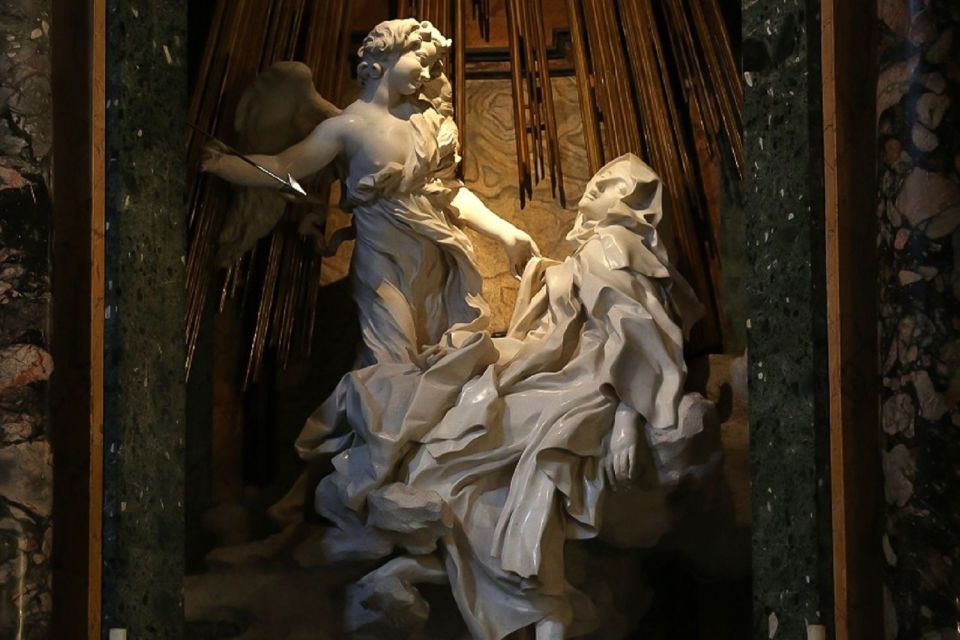
The tour begins at Chiesa di Santa Maria della Vittoria (Via Venti Settembre, 17). That early stop matters because it’s where you start thinking in symbols, not just sightseeing. Your guide sets up the mystery and then helps you read the church like a puzzle box.
Expect a short, focused stop here, about 30 minutes, with explanations tied to the novel’s atmosphere. You’ll get context for the Illuminati thread and learn how to spot hidden meanings tied to the story’s symbols—so when you move on, you’re not just listening to plot points. You’re learning a method.
Pro tip: this is the kind of place where you’ll get more out of slowing down. Look up when your guide says to. You’ll often catch details faster when you know exactly what you’re searching for.
The Illuminati Trail and the Four Elements: How to Read Rome’s Symbols
One of the biggest strengths of this tour is the four elements approach. Instead of treating Angels & Demons as pure entertainment, the guide frames the story clues around visual symbols you can actually find on artworks and in the way churches and chapels are decorated.
You’ll decode fire, air, earth, and water as you move between major stops. The point isn’t to memorize a quiz. It’s to train your eye. Once you understand the symbol logic, you start seeing connections between the art, the setting, and the dramatized “path” of Robert Langdon.
This is also where different guides seem to shine. Several named guides from past groups—like Antonio, Luisa, Irene, Felice, Elisa, and Anestis—are praised for separating real facts vs. fiction in books and movies. That’s exactly what you want on a tour like this: you get the fun of the novel, but you also leave knowing what’s grounded and what’s clever invention.
Castel Sant’Angelo and the Passetto: Secret Passage Energy
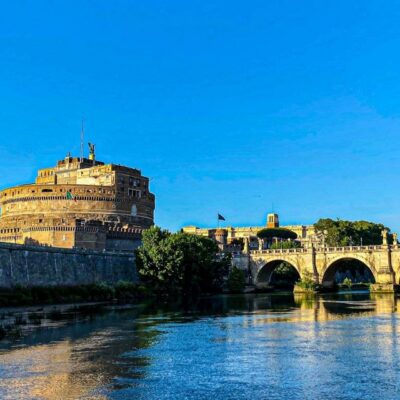
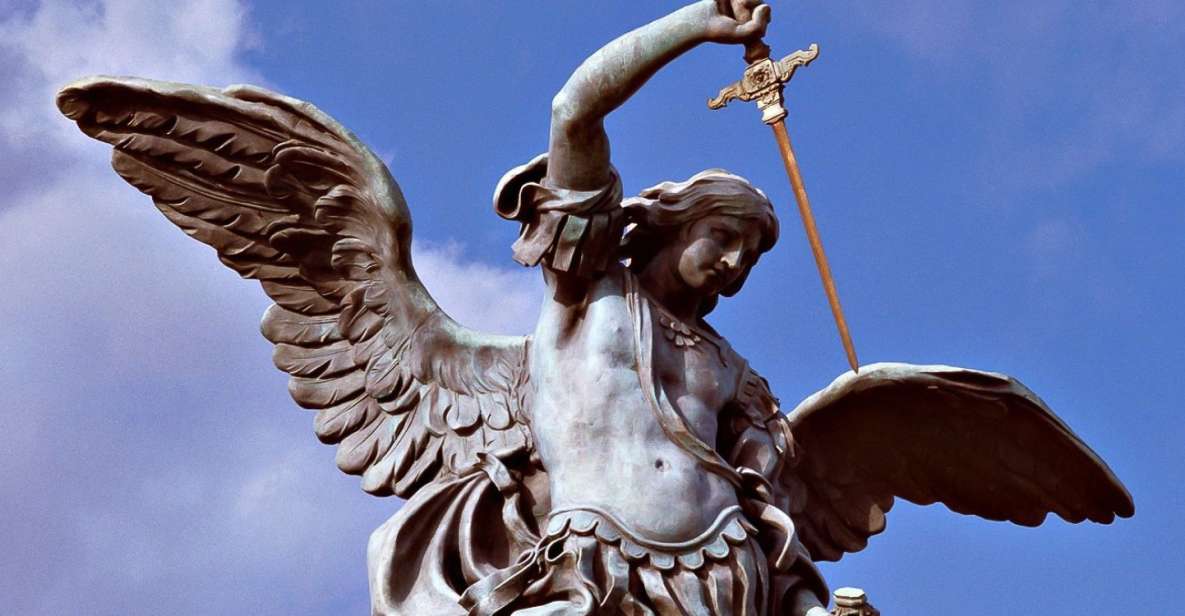
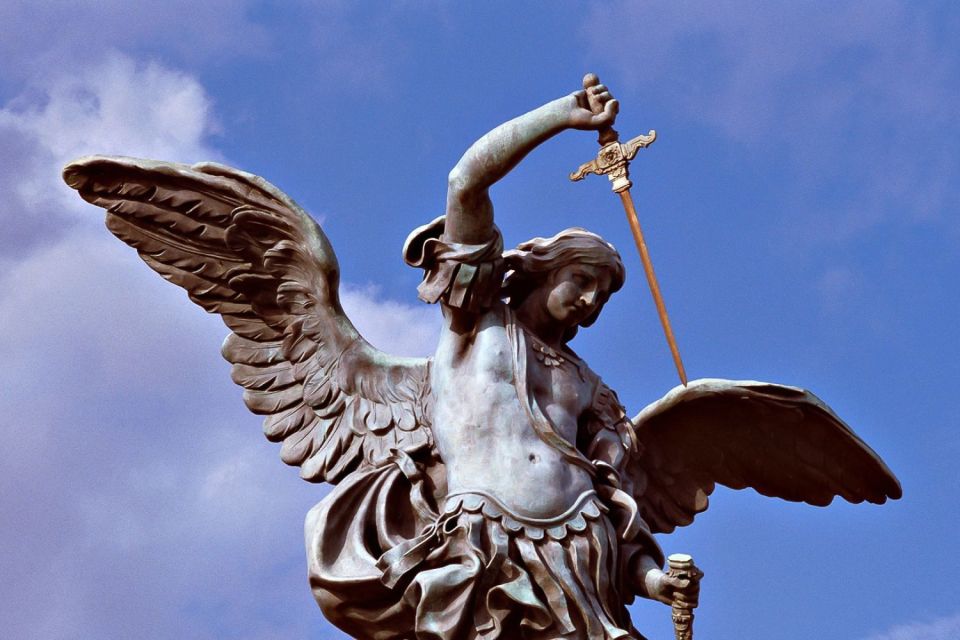
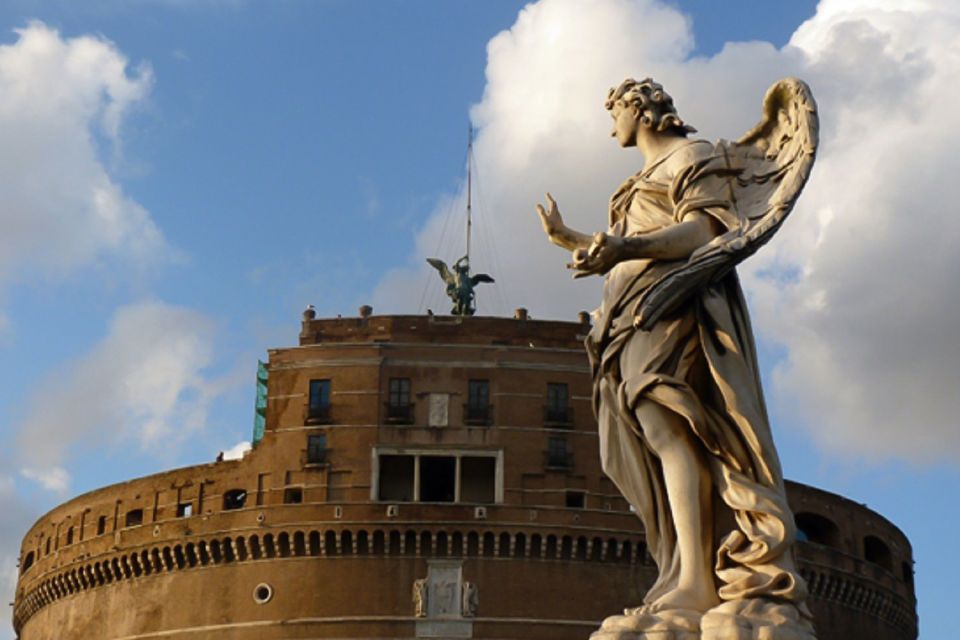
Castel Sant’Angelo is one of those Rome stops that gives you both atmosphere and scale. You’ll spend about 30 minutes here, and you’ll get the story of the Passetto, the hidden passage connected to Vatican City.
This is a high-value moment because the Passetto idea is the kind of detail that sounds like pure fiction—until someone explains how the setting worked and why secret routes mattered historically. It’s also the kind of place where the city’s layers show up fast. From here, Rome feels strategic. Not just pretty.
Important detail for your planning: the admission fee for Castel Sant’Angelo isn’t included. So if you want to go inside, check the cost before you arrive or after you meet your group. If you’re okay with exterior views and story explanations, you can still get a strong experience without paying that extra fee.
Pantheon Area Stop: When the Story Hits Real Monumentality
You’ll make time for the Pantheon area (about 30 minutes). Even if you’ve visited the Pantheon before, this stop is valuable because your guide uses it differently. Instead of just pointing out the big wow-factor, you’ll connect the architecture and religious symbolism back to the tour’s central mystery.
This is also a good moment to reset your brain. Mid-tour, your guide’s narratives help you process what you’ve already seen, so the next church stop feels less like random walking and more like a designed sequence.
If you hate long lines and time-wasters, this is still a walking tour with interpretation, not a long “museum day.” You should feel the difference in pacing.

Santa Maria del Popolo: Hidden Details and a Better Church-Stop Style
Next comes Church of Santa Maria del Popolo, where you’ll spend about 1 hour. This is the kind of stop that walking tours do well when the guide knows what to point out. You’re not just entering a church. You’re learning how to look at it.
What makes this stop especially satisfying is the combination of story and art-reading. You’ll connect symbols to what you’re seeing on the inside, while your guide also talks through broader Roman religious and artistic context.
One extra note: some groups highlight specific chapel art here (for example, the Chigi Chapel has been mentioned as a standout moment). That means this church stop can turn into a genuine “wait, look at that” experience when the guide steers you toward the right details.
Piazza Navona Walk-By Moment: Dramatic City Energy
The tour includes time walking through Piazza Navona, tied to one of the novel’s most dramatic discoveries. Even though Piazza Navona is often swarmed by street performers, it’s worth seeing with your guide’s context.
Here’s why it works: you’re walking with a narrative in your head, so you notice sightlines, facades, and the way the square frames drama. Without that story lens, Piazza Navona can blur into “another big square.” With it, you understand why the scene plays the way it does.
St. Peter’s Square and the Finish at Piazza San Pietro: Big Finish, Real Atmosphere
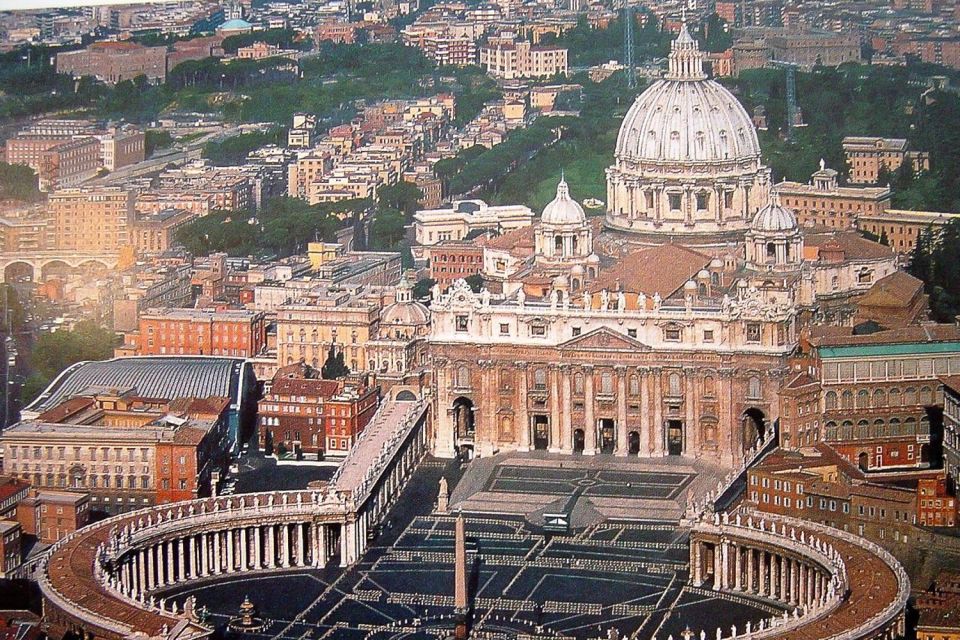
You’ll reach St. Peter’s Square, spending about 1 hour, and you’ll finish at Piazza San Pietro. This is where the tour’s tone peaks. The setting does half the work for you—open space, the scale of the Vatican presence, and the sense of ceremony.
Your guide sets the scene by tying the locations to the book’s most intense drama. You also get to shift from “symbol decoding” to “full-location feeling.” If you like your tours to end with something cinematic, this one does.
Small note from real-world practicality: you may miss a specific artwork or part of the church interior if there’s an ongoing service or restricted access on the day. That kind of disruption is rare but possible with active religious sites. The good news is the guide can usually keep the story moving even if one exact moment changes.
How the Small-Group Format Changes the Experience
This is a small-group walking tour with limited availability, and the format matters. In Rome, it’s easy for walking tours to become a one-way lecture. Here, you’re more likely to get the kind of pacing where your questions fit into the story instead of getting swallowed.
The route also seems to encourage frequent “wait—look there” moments. People who are avid readers tend to love that. People who just want Rome context also benefit, because the guide doesn’t assume you know everything already.
And because it’s English and Italian, you may hear a bilingual approach depending on the group composition. That flexibility is useful if you’re traveling with someone whose language is different from yours.
Walking Reality Check: Shoes, Pace, and Timing
This is a walking tour. A lot of it. Even with the structured stops, you should plan on steady movement for four hours. That’s why solid shoes matter more than you think. The city sidewalks are charming until you hit uneven pavement, curb cuts, and the “oh, we’re still walking” feeling.
Bring water if you’ll be out in warm weather. On hot days, the best strategy is simple: drink early, pause when you’re offered a break, and don’t let small discomfort slow down your attention to the art.
Also, if you can choose your departure time, a morning start often feels easier than later in the day. You’ll still cover plenty of ground, but you’ll likely enjoy the sights more when you’re less cooked.
What You’ll Take Away: Rome You Can Spot on Your Own
A strong tour doesn’t just entertain you for four hours. It teaches you how to see Rome later. This one does that through symbols, art details, and the way your guide points out what belongs to the story versus what belongs to real history.
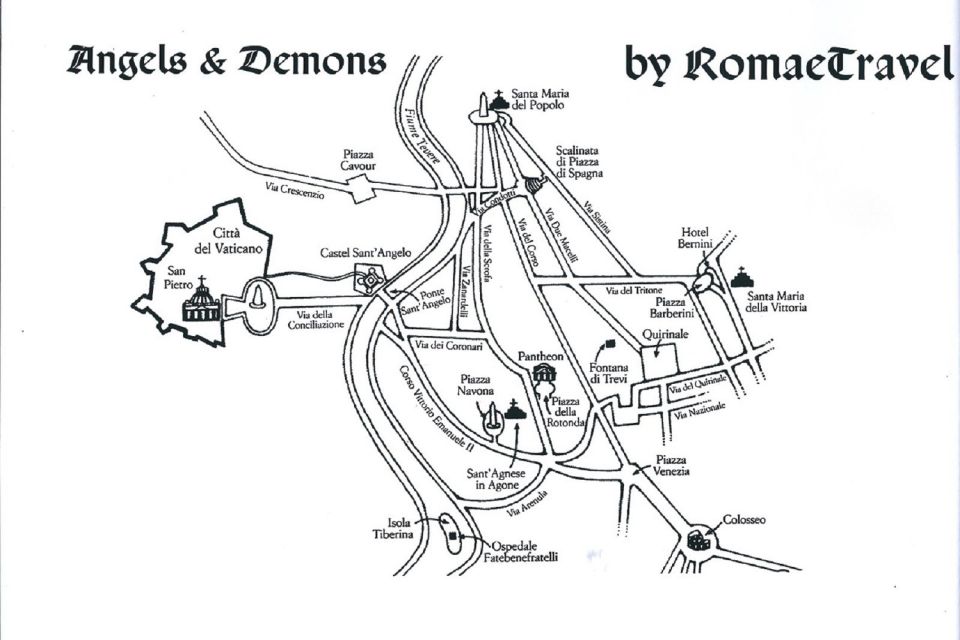
If you’re a Dan Brown fan, you’ll likely leave able to picture the route more clearly. If you’re not, you’ll leave with a mental map of central Rome that connects major landmarks: Santa Maria della Vittoria, Pantheon area, Santa Maria del Popolo, Castel Sant’Angelo, and the Vatican complex finish.
And because the guides often add practical Rome tips, you may also walk away with useful ideas for what to do next—food suggestions and neighborhood context have been mentioned by past participants, including a recommendation for Il Corral.
Is This Tour Worth It for You?
Book it if:
- you’ve read Angels & Demons (or you plan to) and you want the locations to make sense
- you love art details and want help spotting symbolism instead of just taking photos
- you like small groups where you can ask questions without feeling rushed
Skip or reconsider if:
- you can’t handle long walking segments
- you’re expecting a ticket-in tour with lots of museum time (this is guided walking with key viewpoints)
- you only want basic highlights and don’t care about symbol decoding or church art
Quick FAQ
FAQ
How long is the Rome Illuminati Trail tour?
It lasts about 4 hours.
What’s the price per person?
The price is $79 per person.
Where does the tour start?
It starts in front of Chiesa di Santa Maria della Vittoria, Via Venti Settembre, 17, 00187 Rome.
Where does the tour end?
It ends at Piazza San Pietro.
Which languages are available?
The live guide is available in English and Italian.
What major stops are included?
You’ll visit key Angels & Demons locations including Santa Maria della Vittoria, Castel Sant’Angelo, the Pantheon area, Santa Maria del Popolo, and St. Peter’s Square.
Is the Castel Sant’Angelo admission fee included?
No. Admission fee for Castel Sant’Angelo is not included.
Is the tour suitable for wheelchair users?
No. It is not suitable for wheelchair users.
What’s the cancellation policy?
You get free cancellation up to 24 hours in advance for a full refund.
Should You Book This Illuminati Trail Tour?
If you want Rome with a narrative spine, this is an easy yes. For $79, you’re buying a guide who connects symbols, church art, and big Vatican drama into a route you can remember.
If you’re comfortable with walking and you like your sightseeing to explain what you’re seeing, you’ll probably feel the value fast. If you just want a casual stroll between famous landmarks, you might find it too structured and too interpretive. But for puzzle-minded travelers, art lovers, and Angels & Demons fans, it’s exactly the kind of tour that makes the city click.