REVIEW · MUSEUMS
Rome: Excursion to the Vatican Museums
Book on GetYourGuide →Operated by mmm tours srls · Bookable on GetYourGuide
Sistine Chapel rules can change fast. This Vatican Museums excursion uses skip-the-line entry and headsets so you can keep your focus on art instead of crowd math. You’ll move with a live Russian-speaking guide through the museum highlights that most people only skim on their own.
Two things I really like: the big “wow” moments are built into the route, including Michelangelo’s ceiling scenes in the Sistine Chapel, and the pacing is structured so you get context for what you’re seeing. One consideration: the Sistine Chapel can close for Vatican reasons, and on that kind of day your visit shifts to the Vatican Museums and other accessible areas.
In This Review
- Key highlights to look for
- Getting oriented fast at the meeting point
- Skip-the-line Vatican Museums: where the time actually goes
- Courtyard of the Pigna and the museum’s “ancient Rome” spine
- Palazzo Belvedere: sculptures you’ll remember after you leave
- Gallery of Tapestries: 16th-century art made for power
- Gallery of Maps and Raphael Rooms for Pope Julius II
- Gallery of the Candelabra: a good mid-route reset
- Sistine Chapel: Michelangelo’s scenes, and what happens if it’s closed
- St. Peter’s Basilica after the museums: why the flow matters
- Dress code, no-bag rules, and the guide you’ll hear
- Price value: what $113.29 buys you in real terms
- Should you book this Vatican Museums and Sistine Chapel tour?
- FAQ
- Is the Sistine Chapel included on this tour?
- How long is the tour?
- Do I get skip-the-line access?
- What language is the guide?
- Are headsets provided?
- Are bags allowed?
Key highlights to look for
- Skip-the-line Vatican Museums entry that saves real time
- Michelangelo’s frescoes in the Sistine Chapel, when it’s open
- Belvedere Palace sculptures like Apollo and the Belvedere Torso
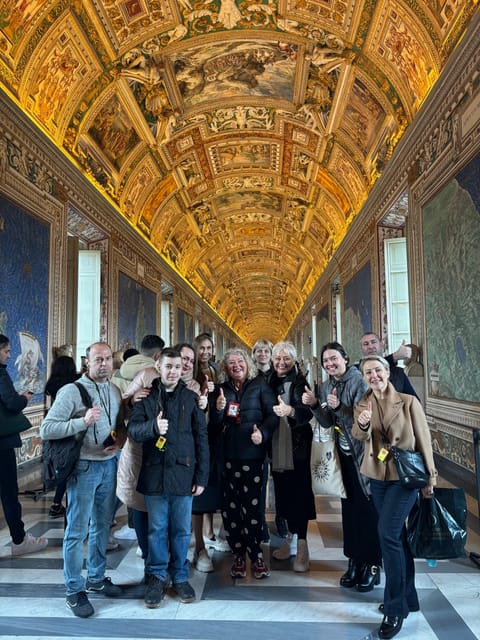
- Gallery of Maps for ancient cartography and visual storytelling
- Raphael Rooms painted for Pope Julius II
- St. Peter’s Basilica access after the museums, including the tomb area and Bernini’s altar
Getting oriented fast at the meeting point
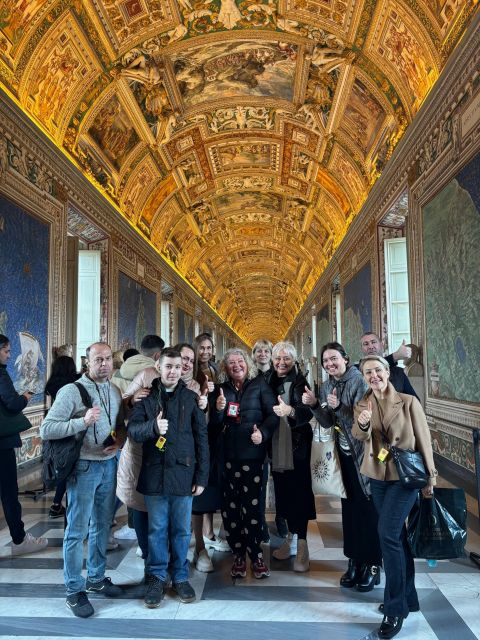
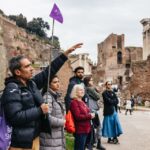
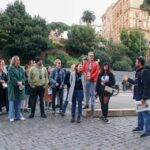
Tours like this live and die by timing, so start with a calm, organized arrival. The meeting point is Via Santamaura, 12. From there, you’re quickly funneled into the Vatican Museums world where the hardest part isn’t the art. It’s the flow of people, the lines, and the rules.
Bring sensible footwear. Even with a guide, you’ll be on your feet through a lot of rooms and corridors. Also note the “small” constraints that can turn into big delays: bags aren’t allowed, and alcohol and drugs are off-limits. If you’re traveling with a larger bag, you’ll want to rethink what you carry, because the Vatican can be strict about what goes inside.
If you’re visiting in summer, plan to cover up. The rule here is straightforward: shoulders and knees must be covered. Think lightweight layers that still look normal under warm Roman skies. You’ll thank yourself later when you’re trying to keep your day comfortable and drama-free.
You can also read our reviews of more museum experiences in Rome
Skip-the-line Vatican Museums: where the time actually goes
Skip-the-line sounds great, and in this case it’s not just marketing. Once you’re inside, the guide-led route helps you hit the most meaningful stops in a shorter window. This tour is scheduled for about 2.5 hours, with short guided segments at each major area, so every minute matters.
What you’re buying with the skip-the-line access is simple: fewer hours of waiting, more time looking. You also get headsets, which is a big deal in a place where guides often have to talk over crowds. You can actually hear the stories, instead of standing near the back straining to catch details.
The museum itself is an overwhelming collection of centuries. A guide helps you connect the dots. Without that, it’s easy to wander from room to room and end the visit remembering only vibes. With the structure here, you’ll move from outdoor/entry spaces into major galleries, then toward the chapel climax, and finally into St. Peter’s.
Courtyard of the Pigna and the museum’s “ancient Rome” spine
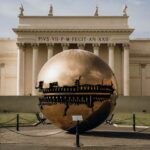
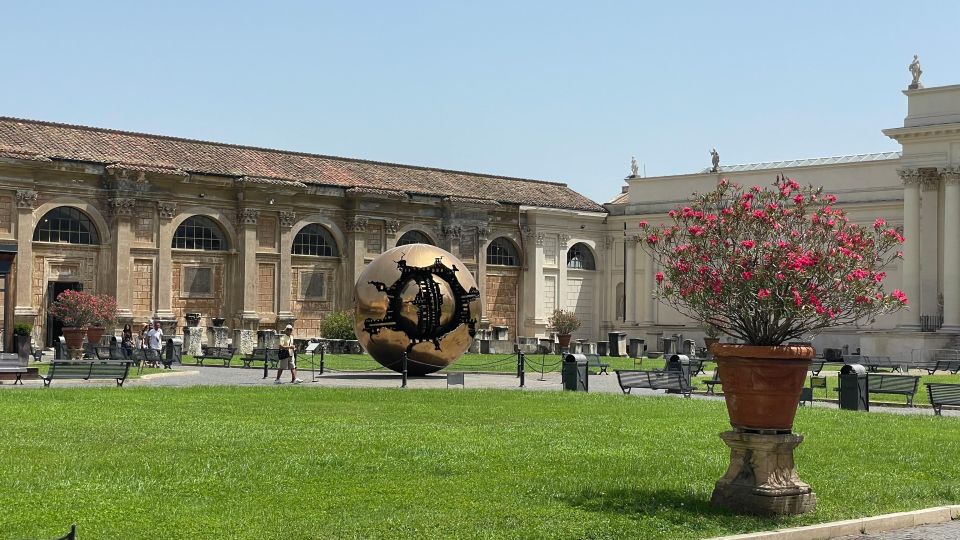
Early on, you’ll pass through spaces that set the tone. One of the first guided stops is the Courtyard of the Pigna. That name matters because it hints at what you’ll be seeing: the courtyard is known for its iconic pinecone sculpture, a visual anchor that feels like a bridge between the modern Vatican complex and its ancient roots.
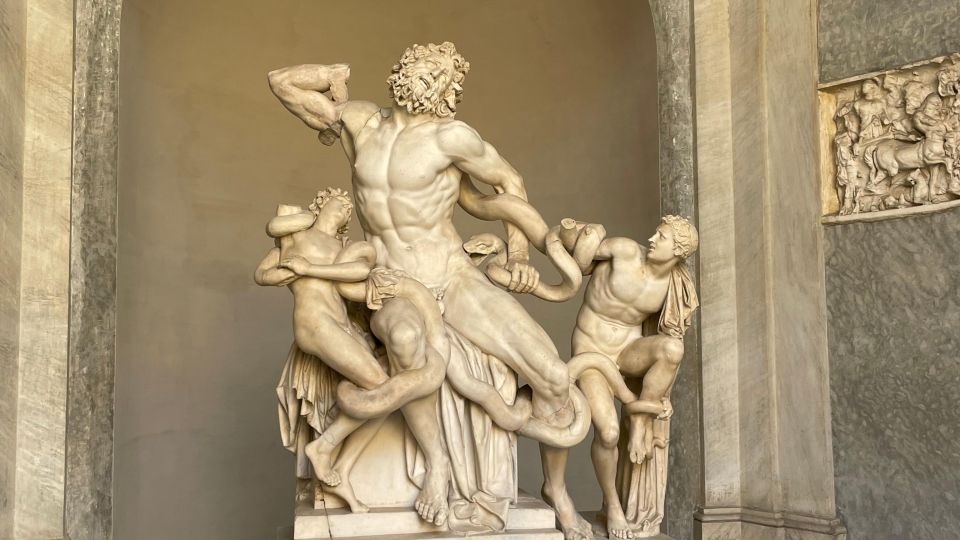
From there, the route funnels into the museum’s ancient sculpture zone, including areas tied to the Chiaramonti Museum and the Palazzo Belvedere. This is where you’ll spend time with some of the most famous statues in the Vatican. The highlights listed for this route include:
- Apollo
- Laocoön
- Belvedere Torso
Here’s why that matters for you. When you see famous works like these in a controlled sequence, you start to notice the “why” behind the fame: proportions, posture, expressions, and how Renaissance collectors and artists treated antiquity as a model. You aren’t just looking at sculptures. You’re watching a conversation across time.
A potential drawback of this format is that famous works are still famous for a reason: they attract attention and crowds. Even with skip-the-line entry, you may need to tolerate brief shoulder-to-shoulder moments while the group regroups for the next guided section. The advantage is that your guide keeps the movement tight, so you don’t waste time searching for what to see next.
Palazzo Belvedere: sculptures you’ll remember after you leave
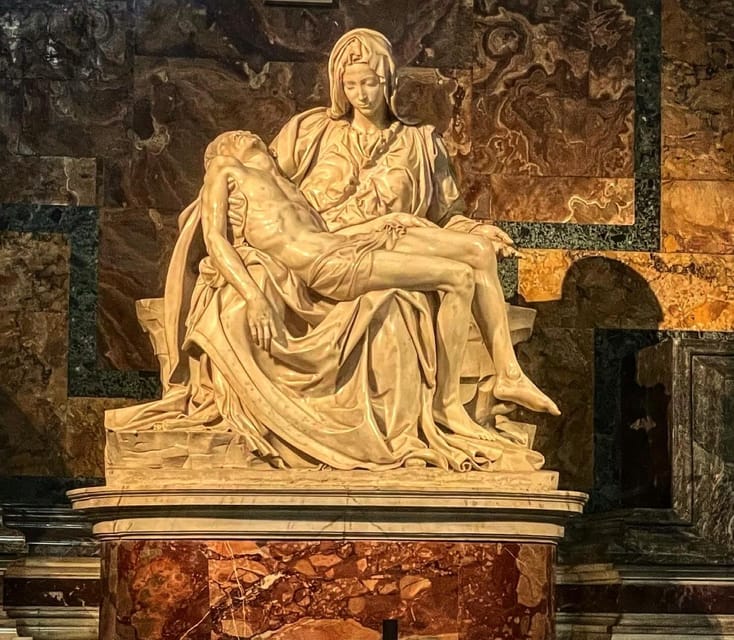
If you’ve ever wondered why certain statues keep getting name-dropped in art history classes, this is the place where it clicks. In Palazzo Belvedere, the route is built around a concentration of recognizable masterpieces. Seeing works like Apollo and Laocoön in the Vatican’s context helps you understand how the collection shaped how later artists thought about the human figure.
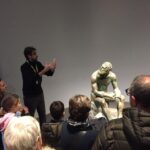
And then there’s the Belvedere Torso, often treated as a cornerstone for sculpture study. Even if you don’t know its story yet, the impact is immediate: fragments can feel complete, and movement can feel frozen mid-breath. A good guide matters here because the point isn’t only to point at the statue. The point is to explain what makes it important.
I like that the route doesn’t just toss you into the chapel as a one-shot finale. It builds a base. First you get ancient sculpture and museum context. Then you move into rooms where paintings, tapestries, and maps start telling Vatican-era power stories in visual form.
Gallery of Tapestries: 16th-century art made for power
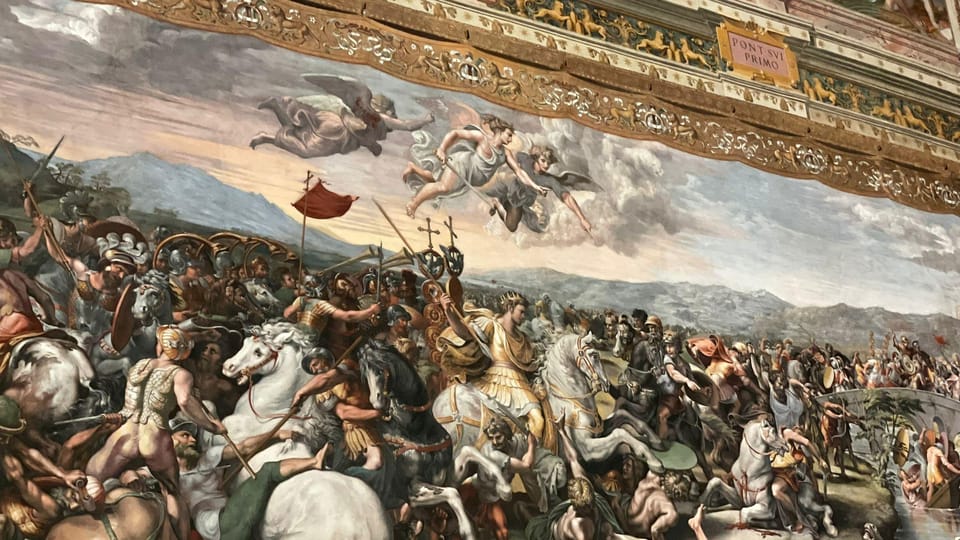
Next comes the Gallery of Tapestries, with a guided stop designed to help you see these works as more than decoration. The tapestries here were made in the 16th century, woven from designs linked to Raphael’s pupils. That detail isn’t random. It points to how art workshops produced political and cultural imagery at scale.
Tapestries were expensive and practical at the same time. They could warm large spaces, and they carried messages about authority, theology, and taste. Standing in this gallery, you can often spot how the figures and storytelling elements are constructed to read well at a distance, not just up close.
For you, this stop is a breather between sculpture and the more intense visual overload ahead. It’s also a reminder that “museum art” wasn’t always meant for quiet viewing. Much of it was commissioned to impress, to instruct, and to signal status.

Gallery of Maps and Raphael Rooms for Pope Julius II
Then the tour shifts into something surprisingly relevant: the Gallery of Maps. This room is where you’ll see stunning ancient cartography, and the guide helps you understand what maps were doing beyond navigation. In the Vatican context, they became a visual claim: a way of laying out the world, framing territories, and showing power through accuracy and artistry.
After that, you’ll move into the Raphael Rooms, painted for Pope Julius II. This is one of those moments where a guide’s commentary pays off quickly. These rooms sit at the intersection of art, politics, and religious messaging. You don’t have to memorize dates to feel the structure. The paintings are arranged to create meaning, and they’re meant to be read like a set.
If you tend to get “museum fatigue,” this is where the route helps. You’re not randomly hopping among rooms. You’re following a storyline: ancient world signals → visual authority through images → the papal era using art as communication.
Gallery of the Candelabra: a good mid-route reset
The itinerary includes the Gallery of the Candelabra. Even when you only get a short guided stop, this room works as a reset point. It’s part of the museum sequence that prevents the visit from feeling like one endless corridor.
Why it’s useful: after sculpture and before the chapel climax, you need a visual change. The guide’s timing also helps you avoid the classic problem—standing in front of something too long and then feeling rushed everywhere else. Short segments can sound limiting, but in a place like the Vatican they can also be a lifesaver. You’ll see more, and you’ll leave remembering more, because you didn’t get stuck in one area past your personal attention limit.
Sistine Chapel: Michelangelo’s scenes, and what happens if it’s closed
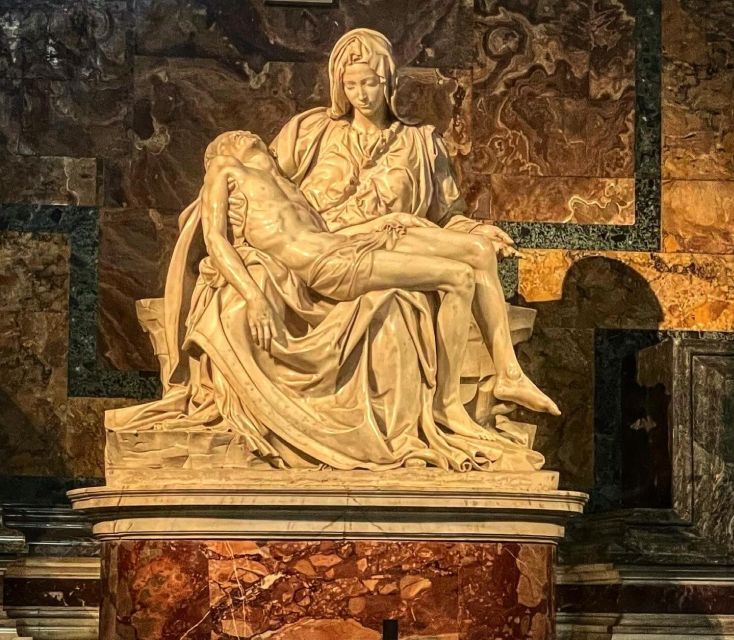
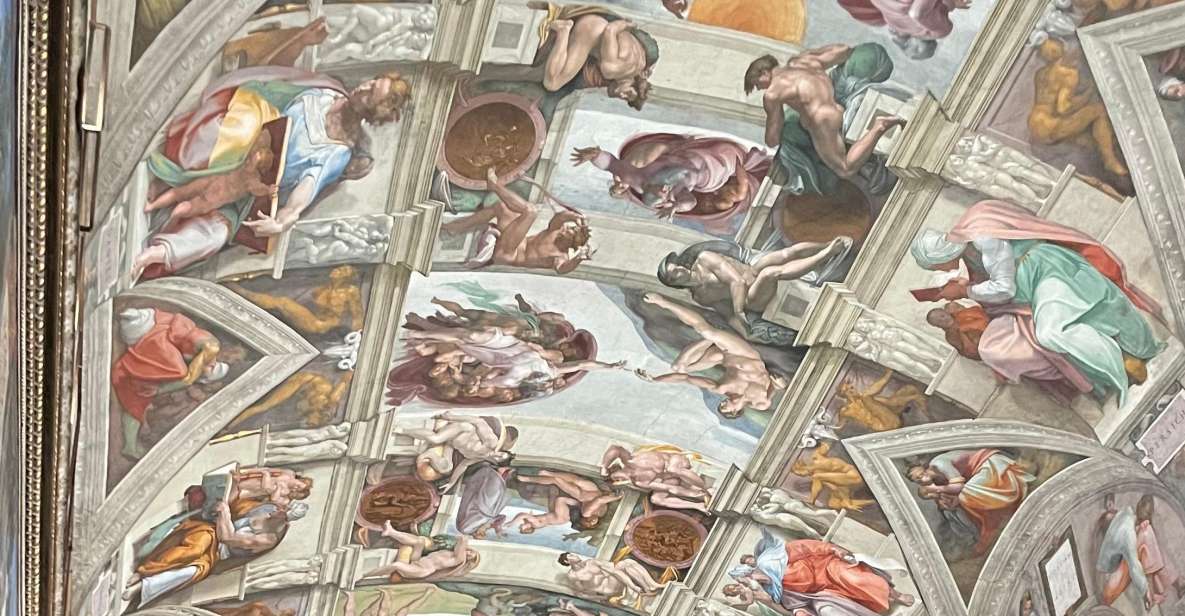
This is the main event: the Sistine Chapel. When it’s open, you’ll marvel at Michelangelo’s frescoes, including The Creation of Adam and The Last Judgment. The guide’s role here isn’t only to say the titles. It’s to help you look correctly—at scale, composition, and the way the images organize your attention.
Now the big catch: the Sistine Chapel can close due to Vatican scheduling. The information you have here flags a closure risk tied to papal transition and an upcoming conclave. If that happens, your tour remains valid for the Vatican Museums and other accessible areas, but you may not get the chapel portion.
So my practical advice to you: don’t plan your entire emotional day on the chapel doors opening. Plan for it, hope for it, but be ready for a plan B. If you’re the kind of visitor who really needs chapel time, you may want to build extra buffer into your Vatican day so you can react if closures shift.
Also, keep your energy for the chapel itself. Once you’re inside, you’ll want to look without checking your watch constantly. The chapel works best when you let the scale hit you.
St. Peter’s Basilica after the museums: why the flow matters
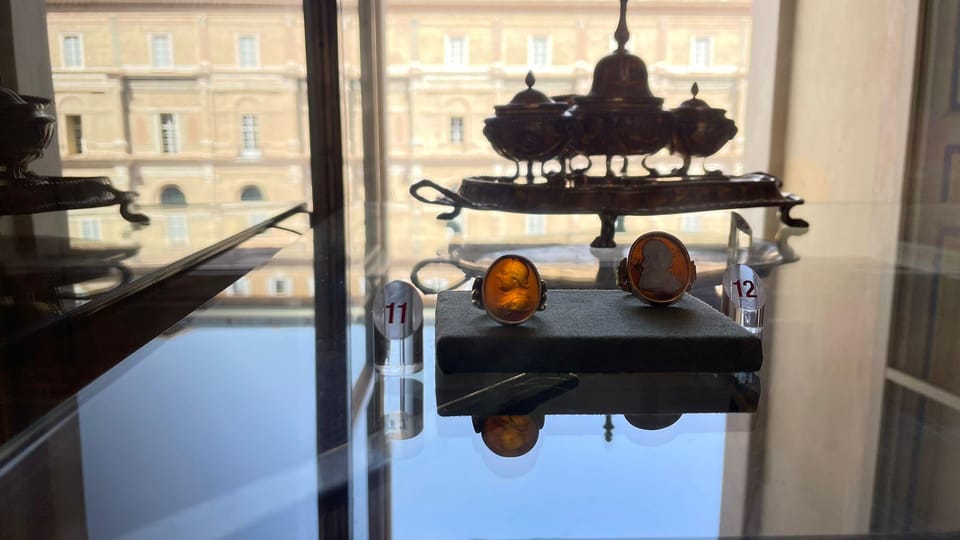
After the museums portion, the tour includes skip-the-line access to St. Peter’s Basilica. That is a smart pairing. By the time you reach the basilica, your head is already full of religious art and papal messaging from earlier stops. You’re ready for the final shift: sacred architecture and the sacred narrative of the site.
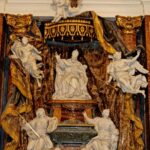
St. Peter’s Basilica is built over the tomb of the Apostle Peter, and the guide context here helps you understand why this place became the center of Catholic pilgrimage. The basilica took over 120 years to complete, with contributions from major Renaissance and Baroque architects. You’ll also see key elements called out on this tour, including:
- the tombs of the popes
- intricate Vatican mosaics
- the Holy Gates
- Bernini’s grand altar
A practical note: St. Peter’s can feel like a different world from the museum spaces. It’s louder, brighter, and more about movement through a massive interior. Having access after your museums segment helps you avoid the worst bottlenecks of the day.
Dress code, no-bag rules, and the guide you’ll hear
This tour is practical about what you should expect operationally. You get a live tour guide and headsets, so you can follow along even in crowded rooms. The guide language is Russian, which is important for planning. If you don’t read or understand Russian, you may still catch some key visual points, but the spoken context won’t fully land without translation support.
On the “rules that matter” side, you should treat them like part of the itinerary:
- No bags
- No alcohol or drugs
- In summer, keep shoulders and knees covered
If you’re used to touring other European churches in flexible attire, adjust early. It’s easier to change your plan before you arrive than to solve it at the entrance while you’re waiting.
Also, bring a mindset for short, focused viewing. The tour moves through a lot. You won’t have hours to wander. Instead, you’ll get guided snapshots of the biggest and most meaningful works, and that’s often the best use of limited time in Rome.
Price value: what $113.29 buys you in real terms
At $113.29 per person for a roughly 2.5-hour guided experience, the value depends on what you’d do otherwise. If you’re the type who hates lines and wants structure, the cost makes more sense. You’re paying for:
- skip-the-line entry to the Vatican Museums
- access to St. Peter’s Basilica
- a live guide and headsets
If you were doing this day alone, you’d likely spend extra time figuring out what to see and where to go in the maze. And you’d still be dealing with entry bottlenecks. This tour sells you time plus explanation, which is usually the winning combo for first-timers.
Where you should be careful is expectations. This isn’t a slow, private, every-detail art seminar. It’s a museum-to-basilica arc with short guided segments. If you need long quiet time with each artwork, or you want extensive commentary, you might feel the pressure of the schedule.
There’s also the chapel-closure reality. If the Sistine Chapel can’t be accessed, the value shifts toward the museums and accessible areas. That doesn’t make the day “less,” but it does change what your highlight will be.
Should you book this Vatican Museums and Sistine Chapel tour?
Book it if you want a tight, well-paced route that gives you the main masterpieces without sacrificing half the day to lines. The combination of skip-the-line entry, headsets, and a guide who can connect sculpture, maps, papal art, and basilica symbolism into one coherent run is exactly what helps a first visit feel meaningful.
Skip it or reconsider if you know you’ll be unhappy with strict timing, you rely on understanding every spoken detail (Russian guide language may be a barrier), or you’re emotionally dependent on Sistine Chapel access on your date. The closure risk is real, and the day will adapt.
If your priority is seeing the Vatican’s biggest art moments efficiently and getting oriented fast, this is a solid bet for a Rome visit.
FAQ
Is the Sistine Chapel included on this tour?
The Sistine Chapel can be closed until further notice from Vatican officials. Your tour remains valid for the Vatican Museums and other accessible areas.
How long is the tour?
The duration is 2.5 hours, with starting times depending on availability.
Do I get skip-the-line access?
Yes. You get skip-the-line access to the Vatican Museums, and the tour also includes access to St. Peter’s Basilica.
What language is the guide?
The live tour guide is Russian.
Are headsets provided?
Yes, headsets are included so you can hear the guide clearly.
Are bags allowed?
No. Bags are not allowed.