REVIEW · MUSEUMS
Rome: Doria Pamphilj Gallery Guided Tours
Book on GetYourGuide →Operated by Doooing · Bookable on GetYourGuide
Gold rooms and big-name masterpieces.
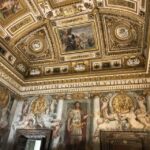
The Doria Pamphilj Palace tour is a smart way to see Rome’s largest private art collection without the usual museum chaos. I like how the setting feels lived-in by aristocracy—golden halls, silk-draped rooms, and frescoed corridors—while the guide keeps the art readable, not academic.
I also love the fact that the highlights are genuinely world-class: you’ll see Caravaggio works like Rest on the Flight into Egypt and Penitent Magdalen, plus Velázquez’s portrait of Pope Innocent X in private galleries. One thing to plan around: the tour isn’t suitable for people with mobility impairments or wheelchair users, and there are rules like no backpacks and no flash photos.
In This Review
- Key points before you go
- Why the Doria Pamphilj Palace feels different from bigger museums
- The art you’ll see: Caravaggio, Velázquez, Raphael, and a few surprises
- Golden halls and fresco corridors: how the palace tour works in real life
- How the guide turns art into something you can actually follow
- Timing and meeting point: get there without stress
- Practical rules you should know before you show up
- Small-group pace and private group options: who this tour fits
- Price and value: what you’re really paying for
- Should you book this tour or skip it?
- FAQ
- Where is the meeting point for the tour?
- How long is the Doria Pamphilj Gallery guided tour?
- Does the tour include skip-the-line access?
- What languages are the live guides available in?
- What are the main highlights you’ll see?
- Are there any rules about bags, food, or photos?
- Is this tour suitable for wheelchair users?
Key points before you go
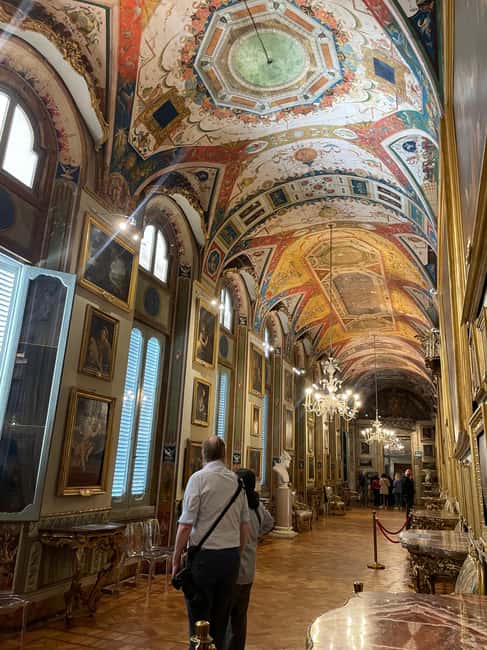
- Private art collection in a family palace: you’re not just looking at paintings; you’re moving through their home spaces.
- Caravaggio + Velázquez in private galleries: the big hits are part of a focused, human-scale visit.
- A small-group format: you get time for questions and for the guide’s stories to land.
- 2 hours that stay on pace: it’s long enough to feel like a proper tour, not so long you lose the thread.
- A calm ending with a courtyard café and bookshop: perfect for regrouping after the art.
Why the Doria Pamphilj Palace feels different from bigger museums
Most Rome art stops feel like a sprint. This one feels like a viewing—slow enough to notice details, structured enough to keep momentum.
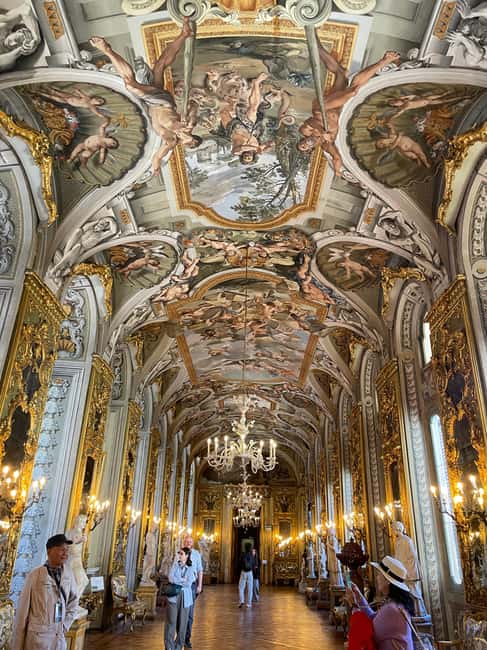
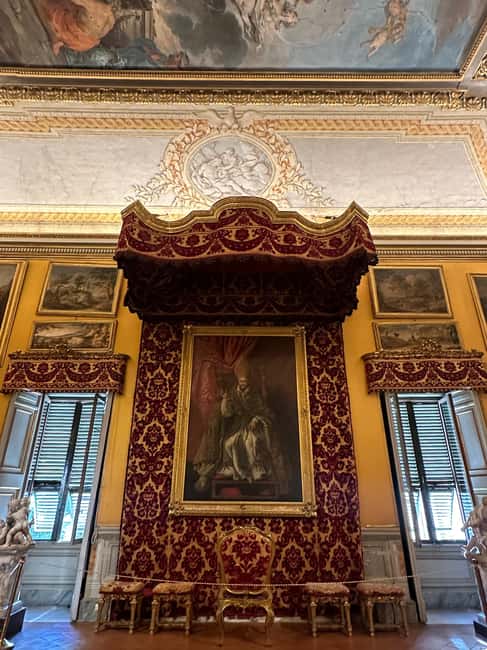
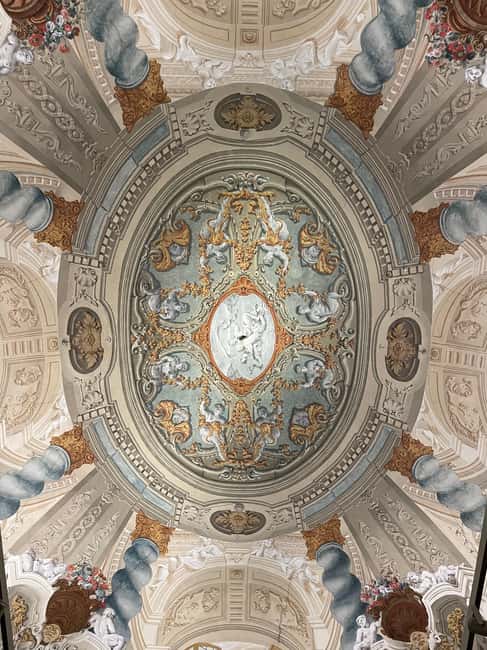
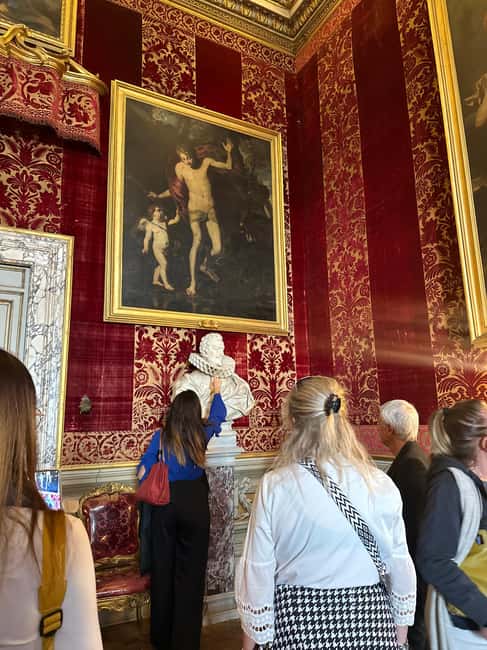
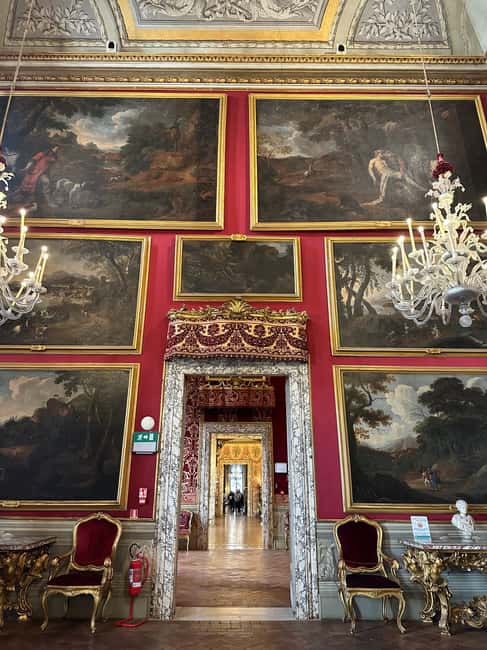
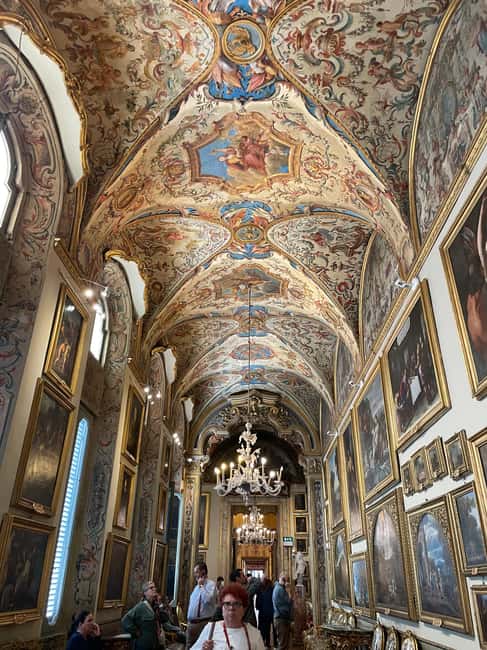
The palace itself is the first “art object.” You start to read the building: gilded ceilings catching light, period furnishings that tell you this wasn’t assembled for Instagram, and frescoed corridors that guide you from room to room. The Doria Pamphilj family still owns the palace, which changes the mood. It’s not a generic display space; it’s a private collection held in place by tradition.
And since the tour includes skip-the-ticket-line, you’re less likely to waste that precious 2 hours fighting paperwork and queues. That time matters in Rome, where you often trade one great sight for another great sight. Here, the schedule is built around staying inside and seeing a lot without burning daylight.
You can also read our reviews of more guided tours in Rome
The art you’ll see: Caravaggio, Velázquez, Raphael, and a few surprises
The headline names are the kind you want on paper—and the kind you’re grateful to see in person.
Caravaggio is one of the tour’s anchors. You’ll have the chance to admire works including Rest on the Flight into Egypt and Penitent Magdalen. Caravaggio’s drama isn’t just in the subject. It’s in the contrasts, the emotional focus, and the way the figures push the story forward. A good guide helps you look past “dark paintings” and toward the specific choices: where the light sits, how the expression directs your attention, and why the composition feels intense even when you’re standing still.
Then there’s Velázquez. The tour spotlights Velázquez’s iconic portrait of Pope Innocent X, widely considered one of the greatest oil portraits of all time. Even if you’ve seen reproductions before, a real portrait like this hits differently at scale. The guide’s context matters here too—because the painting isn’t only about likeness. It’s about status, authority, and the psychology of a sitter who knows exactly what power looks like.
Beyond those two, the tour also highlights other heavyweights and related worlds:
- Raphael
- Titian
- Bernini
- Flemish masters
The practical value of this mix is that it gives you a map of how power and taste moved through Renaissance and Baroque Rome. You start to notice patterns: artists who signal rank and religion through portraiture, artists who use theatrical staging in sacred scenes, and artists whose style traveled across courts. It becomes more than “a list of paintings.” It becomes a story about ambition—who wanted what, and why.
Golden halls and fresco corridors: how the palace tour works in real life
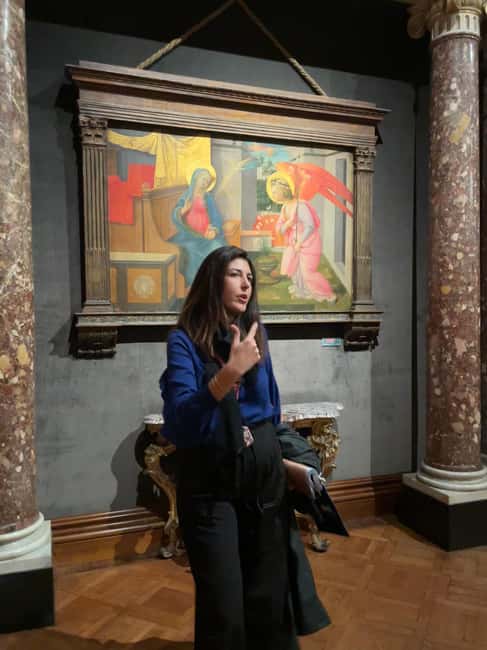
Think of the tour as moving through themed atmospheres. That’s the real trick here: the palace makes the art make sense.
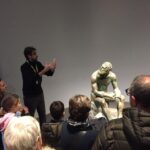
You’ll spend time in opulent areas described as golden halls, silk-draped drawing rooms, and frescoed corridors. These are not random rooms. They act like visual chapters. A gilded, chandelier-lit space primes you for grandeur. A more intimate room pulls you toward the details of portraiture, sculpture, and the smaller gestures in the paintings.
A nice touch is the pacing. In a lot of palace visits, you’re yanked quickly from one room to the next. Here, the format is designed to keep you oriented. You’re not just wandering. You’re being guided through spaces that reinforce what the guide is saying—so the art sticks.
And at the end, you don’t just get thrown back onto the sidewalk. You finish in a courtyard with a café and a bookshop. That’s a surprisingly smart way to close the loop: you can reset your brain and decide what else you want to see next in Rome.
How the guide turns art into something you can actually follow
The difference between a good art tour and a great one is simple: a great guide gives you a way to look.
In the feedback for this tour, specific guides stand out for clear explanations and strong storytelling. Names like Martina and Silvia come up with the same theme: art and history explained in a way that feels immediate. Martina is described as an excellent art expert who made it easy to learn about sculpture and paintings—and that kind of instruction changes how you experience a room. Instead of feeling like you’re “checking off” masterpieces, you start seeing what the artist is doing.
Silvia is praised for being precise, affable, and well prepared, with explanations that connect works to the world around them. That matters in a palace like this, where you’re surrounded by symbols—religious messages, political references, and the visual language of prestige.
Here’s what you should expect your guide to do with you:
- Connect artworks to popes and princes who walked these halls
- Explain why particular works were made, displayed, or valued
- Point out what to notice first when you’re standing in front of a painting
That last point is key. Standing in front of a famous work without guidance can feel like staring at an image on a screen. With help, you start to read brushwork, composition, and symbolism. You also learn how to place artists in time—Renaissance to Baroque—without memorizing a textbook.
Timing and meeting point: get there without stress
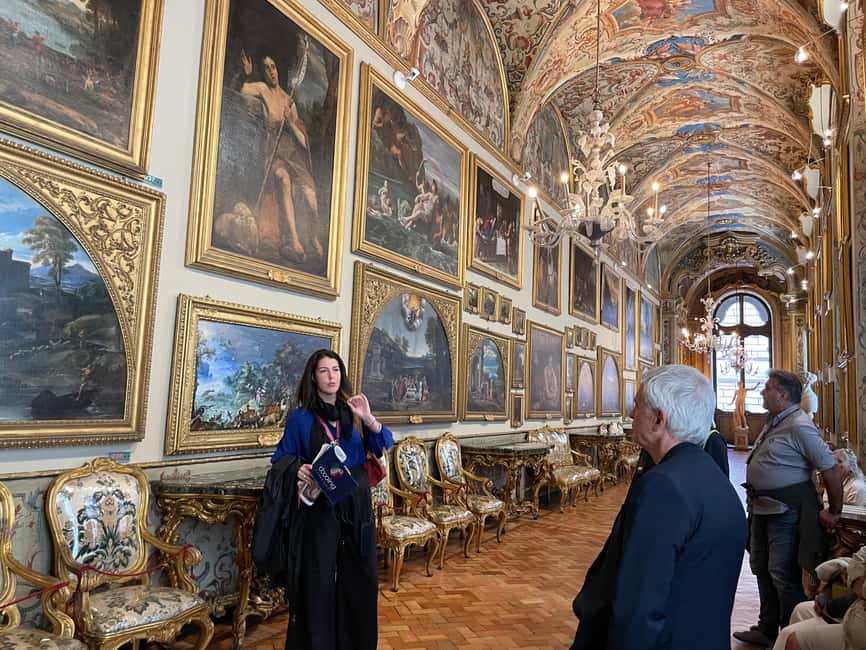
This tour lasts 2 hours, and it runs daily at multiple starting times. That flexibility is useful if your Rome day is packed. You can fit it in between big sights, or use it as your “indoor art block” when the city gets loud.
The meeting point is specific:
- Meet in front of the Fontana del Facchino on Via Lata, 00186 Roma RM.
- Your staff will hold a blue flag with the Doooing Experience logo.
- Coordinates: 41.898311614990234, 12.481409072875977
Practical tip: arrive a few minutes early. The staff uses a visible flag, but the best way to avoid stress is simple timing. Once you’re inside, you’re on a tight rhythm, and you don’t want your group waiting.
You can also read our reviews of more museum experiences in Rome
Practical rules you should know before you show up
The palace experience has a few clear constraints. These aren’t there to be annoying; they’re there to protect artworks and keep the flow smooth.
- Bring: comfortable shoes. You’ll be walking through rooms and corridors.
- Don’t bring: backpacks, food, or drinks.
- No flash photography.
- Know the accessibility limits: the tour is not suitable for people with mobility impairments and wheelchair users.
Small-group format matters here. The tour is built for intimacy, and the rules help keep movement manageable. If you’re traveling with a small day bag, keep it light and easy to carry. If you’re used to taking a snack into museums, plan to do that after.
Also note the language options: the live guide is available in Italian, English, and Spanish. If you’re debating languages, choose the one you’ll understand best during story-heavy moments. When a guide is connecting popes, patrons, and artists, comprehension makes the experience much richer.
Small-group pace and private group options: who this tour fits
This is the kind of tour that works well when you want structure. You’re not left to guess what’s important. You’re also not stuck listening to a long lecture in a loud hall.
It’s listed as a small group for a more intimate experience, and there’s also a private group available. If you’re traveling with friends who all like art and want conversation-level engagement, the private option can be a great way to get more questions answered.
Who I think will enjoy it most:
- You love art and want a focused, high-quality collection rather than scanning hundreds of rooms
- You want the Renaissance-to-Baroque story to feel connected, not random
- You prefer smaller groups and guided context over self-guided wandering
Who should think twice:
- You need wheelchair-accessible routes or have mobility limitations (this tour isn’t suitable)
- You’re looking for a hands-on experience or kid-first activities (this is a palace-and-art format)
Price and value: what you’re really paying for
Since you’re spending 2 hours, your best question is: does the time feel worth it?
Here, I’d say yes—because you’re buying three things at once:
- Access to a private collection in a palace that’s still owned by the family
- Skip-the-ticket-line, so your time goes to the art, not logistics
- A live guide who connects the works to the people behind them—popes, princes, and court life
That combination is the real value. You’re not just seeing famous paintings. You’re learning how they functioned as status, belief, and power in a specific Roman world.
And the ending matters too. A courtyard café and bookshop gives you a natural pause. If you like to keep momentum, you’ll use that pause to plan your next stop. If you like to sit and process, you can do that here without feeling like you’re cutting into your schedule.
Should you book this tour or skip it?
Book it if you want a calmer, more story-driven art experience in Rome—one that focuses on major artists in a real palace setting.
Skip it if you’re set on a more modern museum vibe, you need wheelchair accessibility, or you’re looking for a super flexible, do-it-your-way wander. This tour is guided and structured for a reason. If that structure sounds good, you’ll likely love it.
If you care about art and you want the palace atmosphere to do some of the heavy lifting for you, this is a strong choice. The Caravaggio and Velázquez highlights, delivered inside gilded, frescoed rooms, are exactly the kind of Rome moment that feels special long after you leave the building.
FAQ
Where is the meeting point for the tour?
Meet the staff in front of the Fontana del Facchino on Via Lata, 00186 Roma RM. They’ll be holding a blue flag with the Doooing Experience logo.
How long is the Doria Pamphilj Gallery guided tour?
The tour duration is 2 hours.
Does the tour include skip-the-line access?
Yes, it includes skip the ticket line.
What languages are the live guides available in?
The live tour guide is available in Italian, English, and Spanish.
What are the main highlights you’ll see?
You’ll see private galleries inside the Doria Pamphilj Palace, including masterpieces by Caravaggio (Rest on the Flight into Egypt and Penitent Magdalen) and Velázquez’s portrait of Pope Innocent X, plus works connected to Raphael, Titian, Bernini, and Flemish masters.
Are there any rules about bags, food, or photos?
Food and drinks aren’t allowed, flash photography isn’t allowed, and backpacks aren’t allowed.
Is this tour suitable for wheelchair users?
No. The tour isn’t suitable for people with mobility impairments or wheelchair users.