REVIEW · COLOSSEUM, FORUM & PALATINE TOURS
Rome: Audio guide of the Roman Forum
Book on GetYourGuide →Operated by Echo Audioguides · Bookable on GetYourGuide
Arch of Titus starts the Roman Forum story. I love the compelling narration that ties the ruins to power, politics, and daily life, and I love that the audio works as offline listening after you get the link. One drawback to plan for: it’s self-guided, so you’ll want to keep an eye on the map and your position—some cues between stops may feel a bit subtle.
This is a straightforward, flexible way to experience the Roman Forum for about 40 minutes. You’re not locked into a group pace, and you can pause when you need time to look around, catch your bearings, or read what you’re standing next to. The audio is available in English or Italian, and the format is designed so you can use it during your walk and even later after your trip.
Logistics are simple: there’s no entrance ticket included, and you start at the Arch of Titus. You finish back at the meeting point, which makes it easier to avoid the classic Rome problem of wandering in circles and realizing you’ve missed your own starting point.
In This Review
- Key highlights to look forward to
- Getting Your Bearings: Start at the Arch of Titus
- What 40 Minutes Covers: Power, Politics, and Daily Life in Ruins
- Using the Offline Audio, Map, Photos, and Documentation
- Convenience and Flexibility: A Self-Guided Walk You Control
- Price and Value: How $4.52 Fits a 40-Minute Guide
- Navigation and Timing: Where You’ll Need to Stay Sharp
- Best Fit: Who This Roman Forum Audio Guide Works For
- Should You Book This Roman Forum Audio Guide?
- FAQ
- Where do I start the audio guide for the Roman Forum?
- How long is the Roman Forum audio guide?
- Is the entrance ticket to the Roman Forum included?
- Can I use the audio without an internet connection?
- What languages are available?
- What’s included with the activity?
- How long is the guide valid after I book?
- Does the activity end where it starts?
- What’s the cancellation policy?
Key highlights to look forward to
- Start at the Arch of Titus so the story has a clear on-site beginning
- Forty minutes of guided walking aimed at power, politics, and everyday life
- Offline audio + map so you can move at your pace without scrambling for signal
- Temples, basilicas, and triumphal arches are specifically covered in the narration
- Easy language choice (English/Italian) with host or greeter support
- A potential navigation hiccup if you’re the type who wants very explicit “next stop” prompts
Getting Your Bearings: Start at the Arch of Titus
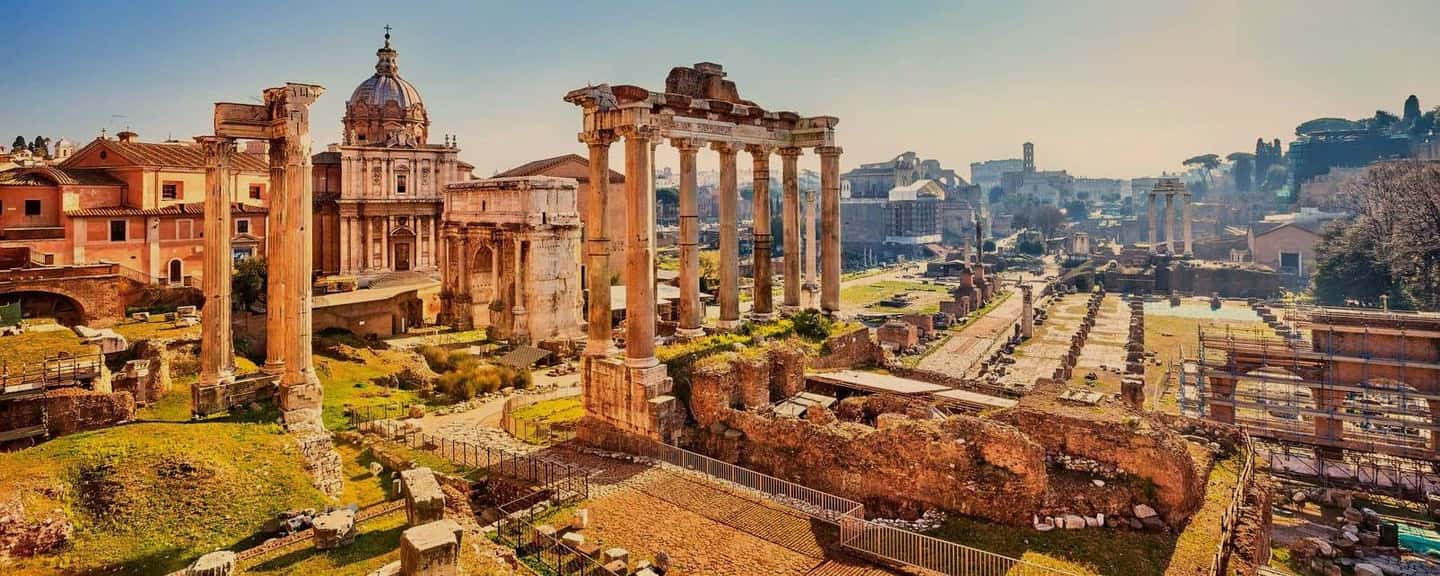
This audio guide is built around one clear starting point: begin when you’re at the Arch of Titus. That matters more than it sounds. The Roman Forum is big, layered, and visually chaotic, so starting the narration at a named landmark gives you a mental anchor right away.
Your meeting point instructions are also specific. Use the entrance to the Forum near the Arch of Titus. (The exact phrasing you’ll see is Perfavore, usate l’entrata per il foro vicino l’arco di Tito.) Since the end point is back at the meeting point, you can treat it like a loop of sorts: start clean, follow the audio, and return to where you began.
I like this approach because it keeps the visit practical. You don’t have to figure out which ruin comes first before you even press play. It also helps if you’re visiting when the area feels crowded—having a single “start here” rule keeps you from wandering until you finally find the right angle to begin.
You can also read our reviews of more guided tours in Rome



What 40 Minutes Covers: Power, Politics, and Daily Life in Ruins

The Roman Forum can feel like a pile of stones—until someone gives you the right lens. This guide is narrated to connect what you’re seeing to the world around it: emperors, senators, and citizens, and the themes of power and politics alongside everyday life.
Expect the narration to move through major types of structures you’ll encounter in the Forum area, including:
- Temples
- Basilicas
- Triumphal arches
That list is useful because it tells you the guide isn’t just general storytelling. It’s meant to match monuments to what’s around you. When the audio talks about a specific category of building, you can look for the shape, setting, and surroundings that go with it—so the place feels like a living city, not just an open-air museum.
The tone is also designed to be listener-friendly. You’re told you’ll get clear directions and intriguing anecdotes, plus explanations that help you understand the role of what you’re standing in front of. For me, that’s the difference between an audio track that just narrates and one that actually helps you interpret the ruins.
One small thing to keep your expectations realistic: the whole experience is about 40 minutes. You’ll likely see the Forum through a guided, focused lens rather than every single monument in the area. If you want a “see everything” plan, this isn’t that. If you want a guided route that turns your visit into a coherent story, it fits nicely.
Using the Offline Audio, Map, Photos, and Documentation

A big quality-of-life win here is the offline format. You receive a link to an audio file you can use even without internet connection. In Rome, that’s not a bonus—it’s sanity. You don’t want to spend your Forum time hunting for Wi‑Fi just to hear the next section.
You also get more than just sound:
- a map
- photos
- documentation
In practice, that combination is what helps the audio stay useful. If you ever felt confused by ruins in the past, photos and a map can help you match the narration to the view you’re getting right then. The audio encourages you to use directions and pause when needed, so you’re not forced to speed-run a historic site while distracted by locating the next landmark.
A practical tip for how to use it: treat the map like your “navigation dashboard.” When you pause, check where you are on the map before you resume. That makes the guide feel smoother and reduces the chance you drift into the wrong part of the narration.
Convenience and Flexibility: A Self-Guided Walk You Control
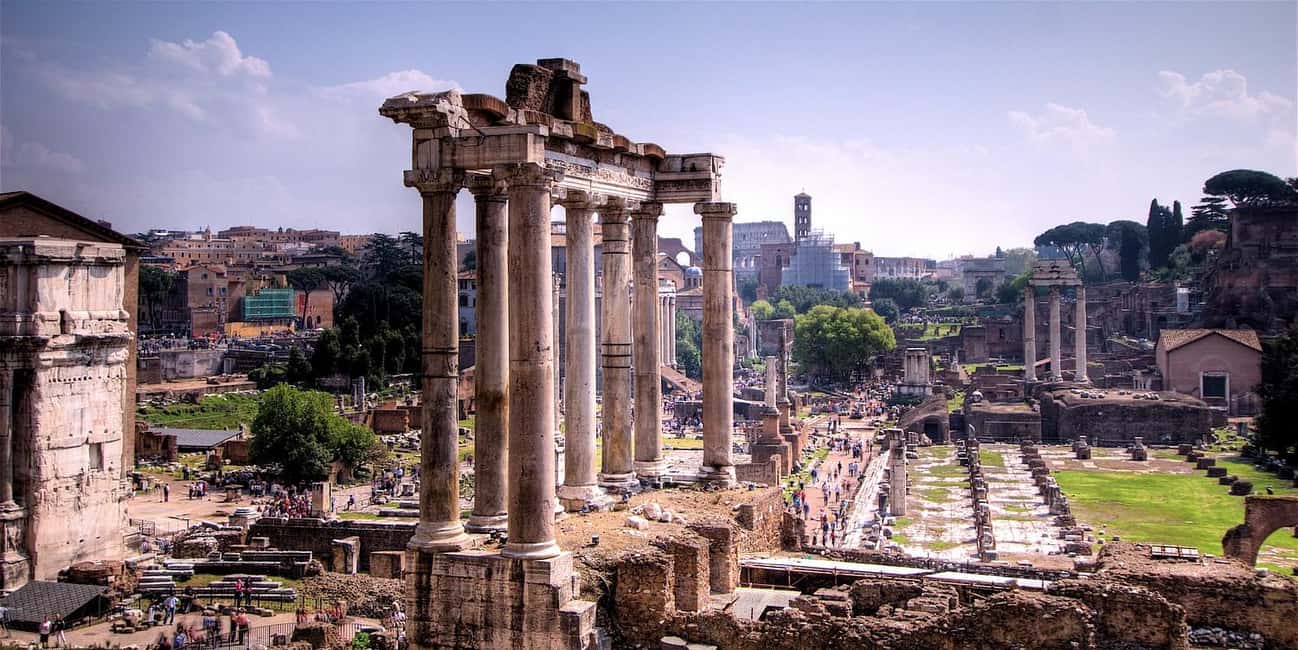
This is built for flexibility, and you feel it the moment you press play. There’s no group timing to keep, no one waiting for you behind a “don’t miss this photo” speech. You can slow down to read, step aside for a better angle, or pause when the narration hits a detail you want to absorb.
The experience is valid for 2 days, and you can check availability to see starting times. Translation: if your plans change, you’re not necessarily forced into one exact time window.
You also get language options right upfront: English or Italian. That’s helpful if you’re traveling with someone who prefers a specific language, or if you want to do English on one day and Italian another (assuming your schedule allows). At the very least, it means you won’t be stuck with a language mismatch that makes the guide feel harder than it should.
Host or greeter support is available in Italian and English. So if you’re stuck at the very beginning—like finding the right start point—you’re not left completely on your own.
Price and Value: How $4.52 Fits a 40-Minute Guide
At $4.52 per person, this is priced like an add-on that pays off fast. You’re not buying a ticket to a new exhibit; you’re buying a way to turn a walk into a guided experience.
Here’s the value breakdown I’d use:
- You’re getting 40 minutes of structured narration tied to what you’ll see.
- You’re getting offline access, which protects the experience from spotty signal.
- You’re getting a map + photos + documentation, which reduces the “I think I’m in the right place?” stress.
The one thing you don’t get is the Forum entrance ticket. That’s listed clearly as not included. So your real cost depends on what you already plan to pay for entry.
Still, even with that in mind, the pricing feels sensible. If you’re already visiting the Forum, this guide can make your time there feel more intentional without adding a big budget dent. If you’re only on Rome for a tight schedule, that low per-person cost can help you justify spending your energy on one well-focused activity rather than trying to piece together everything yourself on the spot.
You can also read our reviews of more tours and experiences in Rome





Navigation and Timing: Where You’ll Need to Stay Sharp

This is where the guide shows its limits. One concern you should take seriously is the possibility that the audio may not always provide very explicit cues for moving to the next station. That means you might need to actively monitor where you are, not just follow the sound.
That’s not a deal-breaker, but it changes how you should use it:
- Keep the map visible.
- Pause as you need to, then resume only when you’ve lined up with what the narration is discussing.
- Don’t assume the next segment will magically match your exact position without you checking.
The good news is that the guide is designed with pausing in mind and uses clear directions and a map. So if you’re the kind of person who walks slowly and checks surroundings, you’re likely to get the smooth experience you want.
In short: this guide rewards attention. If you treat it like background entertainment, you may feel a bit lost. If you treat it like a companion that helps you read the site, it can work very well.
Best Fit: Who This Roman Forum Audio Guide Works For

This audio guide is a strong match if you:
- want a self-guided experience with a clear start at a named monument
- like historical storytelling tied to what you see in front of you
- prefer not to manage a group pace
- want something you can use on-site and later offline
It’s also a good choice if your schedule is flexible, because it’s valid for 2 days and you can check starting times.
If you hate navigating on your own, or you need very explicit step-by-step prompts every time you move, you may find it slightly frustrating. The audio format can’t replace a live guide’s ability to point and re-route you instantly.
And if you’re a complete beginner at Roman history, it can still help—because the narration is meant to give you context about the Forum’s themes and buildings rather than requiring you to already know every detail.
Should You Book This Roman Forum Audio Guide?
I’d book it if you’re already planning to visit the Roman Forum and want a low-cost, focused way to make your walk feel guided. Starting at the Arch of Titus is a smart structure, and the offline listening plus map/photos/documentation makes it easier to follow without constant phone use.
Skip it or think twice if you strongly prefer hands-on, real-time guidance, especially when it comes to very clear cues for the next stop. In that case, a live tour might remove the small navigation pressure that comes with self-guided audio.
If you’re on the fence, here’s my practical decision rule: if you’re comfortable pausing, checking a map, and walking slowly enough to match the narration, this is good value. If you want zero effort beyond showing up, you might feel the limits of audio-only guidance.
FAQ
Where do I start the audio guide for the Roman Forum?
You should start listening when you are at the Arch of Titus. Your meeting point also directs you to use the entrance for the Forum near the Arch of Titus.
How long is the Roman Forum audio guide?
The experience is about 40 minutes.
Is the entrance ticket to the Roman Forum included?
No. The entrance ticket is not included, so you’ll need to arrange your own access.
Can I use the audio without an internet connection?
Yes. You receive a link to an audio file that you can use even without internet access.
What languages are available?
The guide is available in English and Italian.
What’s included with the activity?
It includes a map, a digital file, photo(s), and documentation.
How long is the guide valid after I book?
It’s valid for 2 days. You’ll need to check availability to see starting times.
Does the activity end where it starts?
Yes. The activity ends back at the meeting point.
What’s the cancellation policy?
Free cancellation is available up to 24 hours in advance for a full refund.