REVIEW · COLOSSEUM, FORUM & PALATINE TOURS
Rome: Domus Tiberiana, Roman Forum, and Palatine Hill Tour
Book on GetYourGuide →Operated by Tours around Rome · Bookable on GetYourGuide
Rome’s power sits under your shoes. This private tour links Domus Tiberiana and the Roman Forum into one clear story of imperial Rome, and I love how the ruins turn into scenes instead of random stones. The big drawback: you’re walking on uneven, exposed ground, and the tour isn’t suitable if you have back problems, heart issues, low fitness, or need a wheelchair.
What makes it work is the human touch of the guide. Guides like Donatella and Dominica have a reputation for making the sites click fast, with sharp explanations and a friendly pace that can even run a bit past the promised 2.5 hours when time allows.
In This Review
- Key Highlights You’ll Feel During the Walk
- Domus Tiberiana: Seeing Augustus and Domitian’s World in Stone
- Palatine Hill Walk: Imperial Palaces and the Legend of Rome’s Birth
- Roman Forum: Where Politics, Religion, and Money Collide
- How the Private Guide Changes Your Ruins Experience
- Skip-the-Line Express Security and Timing Over 2.5 Hours
- Meeting at Via del Cardello: Getting There Without Stress
- Price and Value: What $111.02 Buys in Real Time
- Practical Tips: Shoes, Rules, and Who This Tour Fits Best
- Should You Book This Domus Tiberiana, Roman Forum, and Palatine Hill Tour?
- FAQ
- How long is the Rome Domus Tiberiana, Roman Forum, and Palatine Hill tour?
- Is this tour private, and is it offered in English?
- What’s included in the price besides the guide?
- Where do I meet the guide if I’m coming from the Colosseo Metro station?
- Can I cancel for a full refund?
- Is the tour wheelchair accessible or suitable for people with back problems?
- What items are not allowed during the tour?
Key Highlights You’ll Feel During the Walk
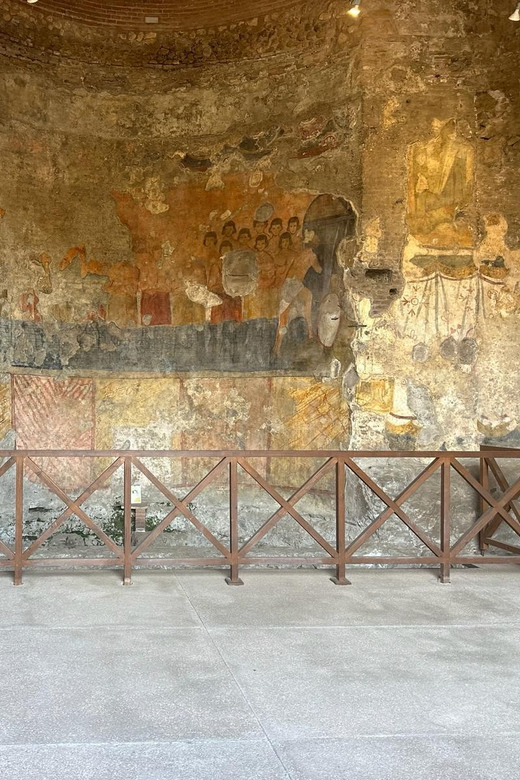
- Domus Tiberiana scale: A massive imperial palace complex that’s hard to appreciate on your own
- Palatine Hill imperial residences: You’ll connect emperors like Augustus and Domitian to the spaces you see
- Roman Forum as the city’s core: Learn why this ground shaped politics, religion, and social life for over a millennium
- English live guide storytelling: The best part is how the ruins become understandable
- Skip-the-line express security: Less waiting means more time looking closely
Domus Tiberiana: Seeing Augustus and Domitian’s World in Stone
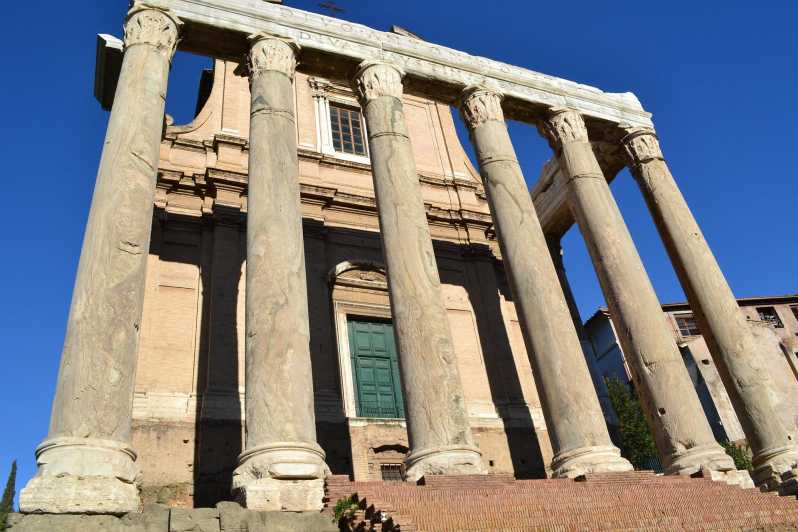
This tour starts by pulling you into the imperial mindset. Domus Tiberiana was not just a residence; it was part of a huge palatial complex on the slopes of Palatine Hill. Even if you’ve visited Rome before, this is one of those areas where a guide helps you stop guessing and start reading the site.
The Domus Tiberiana ruins tend to feel scattered at first glance—walls, rooms, and fragments at different levels. A good guide’s job here is to translate scale and layout. You’ll learn how this palace sat in the broader imperial landscape, including how later emperors reshaped and used Roman power from the same heights. The tour’s focus is specifically on imperial architecture and court life, so you’re not just looking at stones—you’re building a mental map of who lived where and why the Romans chose this spot.
One thing I like about this stop is the way it frames Palatine Hill before you even walk it. By the time you move toward the hill’s broader ruins, you already have a feel for the kind of complex you’re dealing with: dramatic, planned, and meant to project authority.
A practical note: Domus Tiberiana is inside a ruin zone where walking and standing are unavoidable. Bring comfortable shoes and expect uneven ground. If you’re someone who needs frequent seating, this may not be your best match.
You can also read our reviews of more tours and experiences in Rome.
Palatine Hill Walk: Imperial Palaces and the Legend of Rome’s Birth
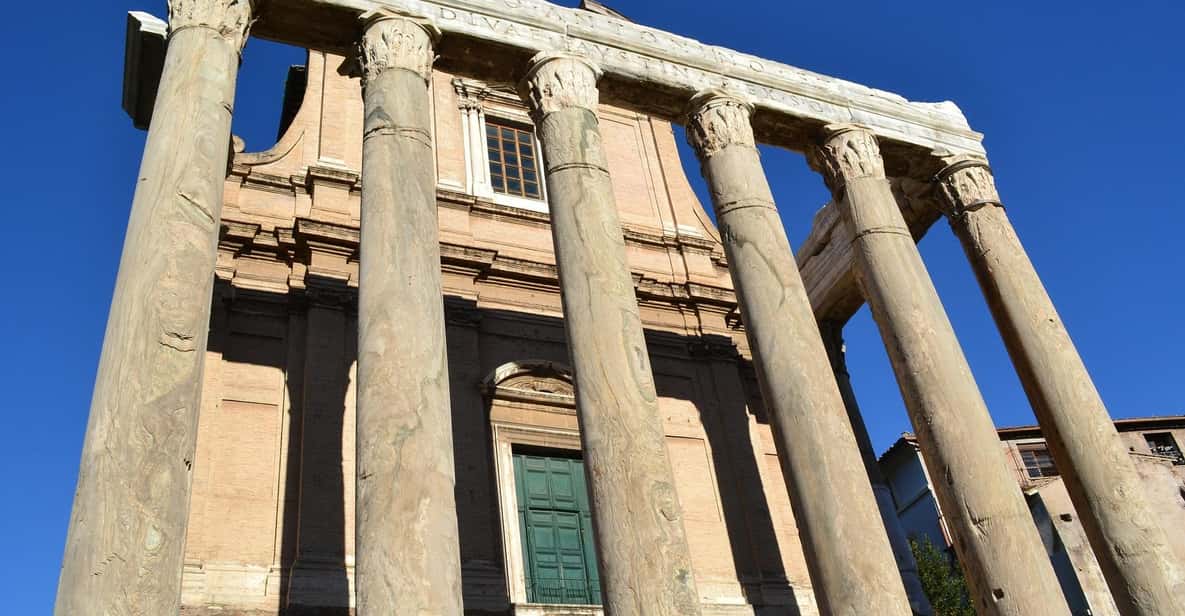
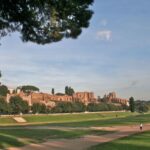
Palatine Hill is where Rome turns from a museum idea into a lived location. You’ll move through the sprawling remains of imperial palaces—including residences associated with emperors such as Augustus and Domitian (and you may also hear Tiberius included in the tour context). The key benefit of doing this with a guide is that you get the “why” behind the layout, not just the “what.”
Palatine is famous for Rome’s origins, but here you’ll also see how power grew into a lifestyle. The slopes overlook a huge view of the city, and the ruins help you understand why emperors wanted to be seen from this height. When you’re on the ground, it’s easier to grasp how Rome’s rulers used geography as part of their messaging.
Your guide will connect the architecture you see to the idea of imperial life. That could mean explaining how spaces worked for public display versus private routine, or how the palaces sat among other monumental structures across the hill. The result is that Palatine Hill stops being a vague headline and starts feeling like a specific neighborhood of authority.
I also appreciate that this tour doesn’t treat Palatine as a single highlight you quickly pass. It’s treated as a major chapter. Even in a 2.5-hour format, you’ll get enough time to learn what you’re looking at and why it mattered.
Roman Forum: Where Politics, Religion, and Money Collide
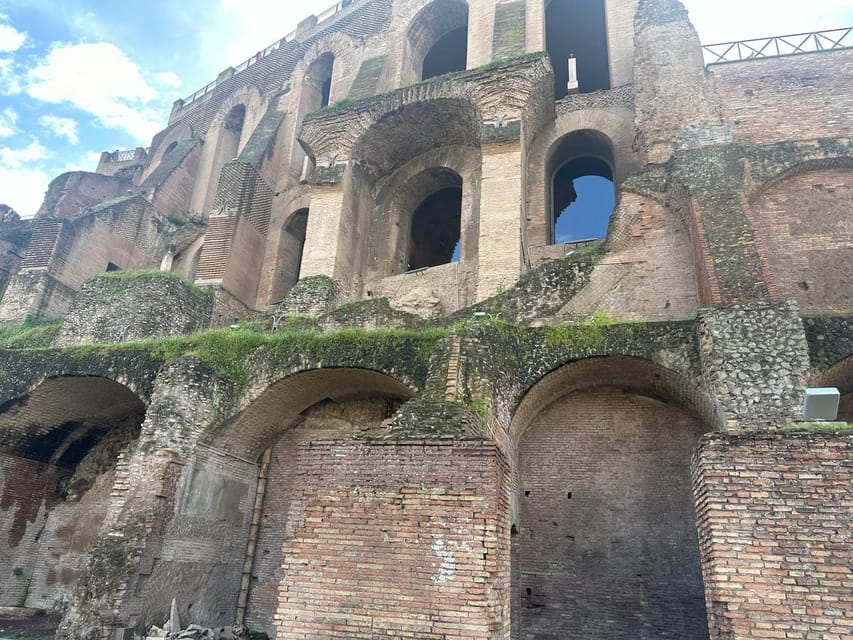
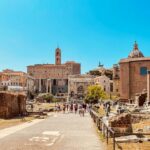
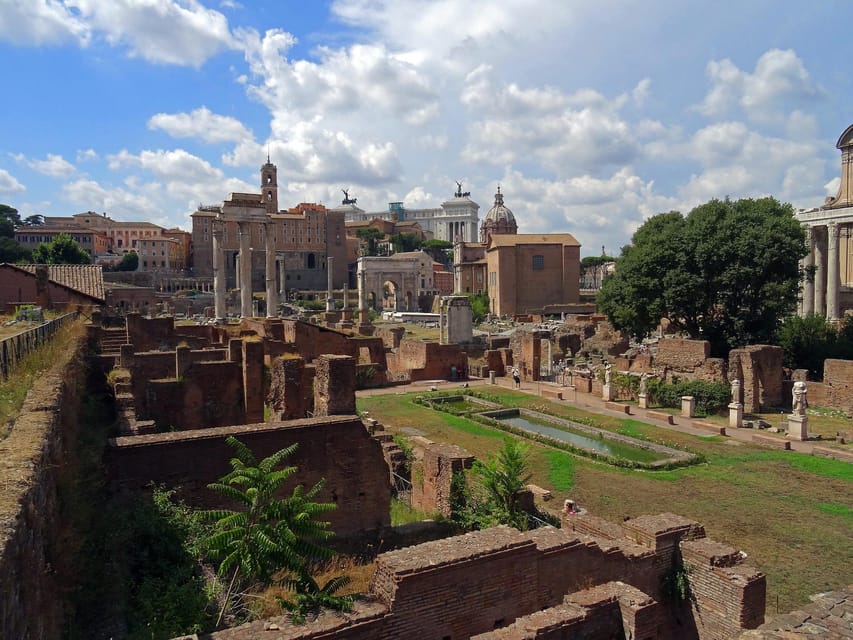
Then you head to the Roman Forum, the area that served as Rome’s center of public life for over a thousand years. If you’ve ever stood in the Forum and felt overwhelmed by scale, you’ll understand why this stop benefits from a guide. The Forum is big, layered, and packed with meaning—so context is what keeps it from turning into a blur.
The tour’s emphasis is on how the Forum functioned socially and politically. You’ll learn why this ground mattered: it wasn’t just ceremonial. It was a hub where religion, government, and everyday public activity mixed, over and over. That theme is what makes your walk feel purposeful. Instead of treating every ruin as a random postcard, you start linking them to roles Rome had to fill: decision-making, public identity, ceremony, and influence.
Another reason the Forum works well in a short private tour is that the guide can steer your attention. You’ll look at key parts of the site with explanations aimed at helping you “see the system.” That system is what lasts in your memory long after you leave.
One drawback to know: the Forum is open and exposed. Expect lots of sun and dust depending on the day. If you’re sensitive to heat or glare, plan for it with water before you enter (you won’t be able to carry food and drinks on tour), sunglasses, and a hat.
How the Private Guide Changes Your Ruins Experience
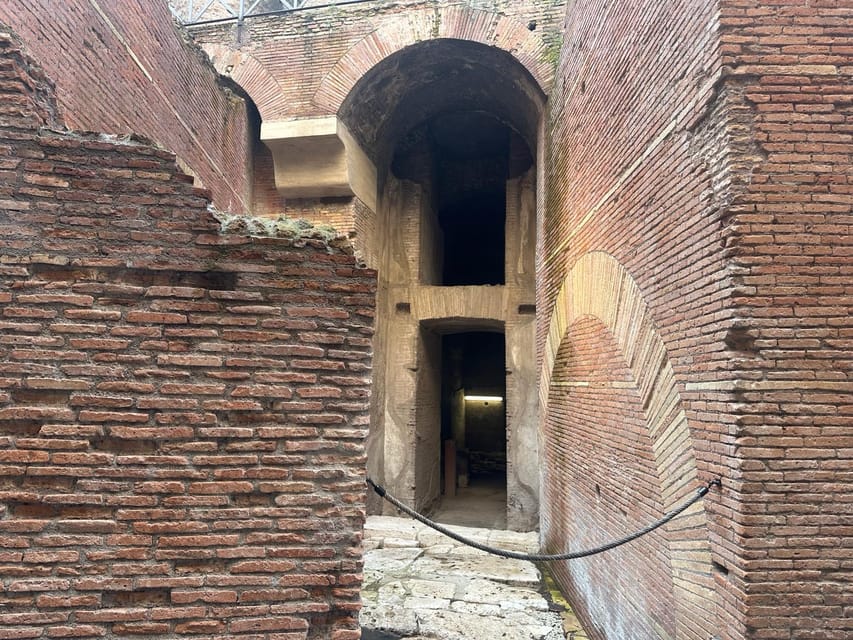
A private guide is more than a comfort upgrade. On ancient sites, it’s how you avoid the big trap: wandering without a mental framework. With this tour, the guide’s job is to connect Domus Tiberiana, the imperial palaces on Palatine Hill, and the Roman Forum into one readable story about Rome’s power.
This is where the guide names from previous experiences matter. Donatella and Dominica are both described as exceptional, with an approach that makes the past feel close and understandable. The consistent theme is that the explanations land in a way that helps you walk away with more than photos. You’ll likely remember details about who lived where and what the Forum represented as a civic machine.
A nice bonus is pacing. You get a live English guide, and because it’s private, your guide can keep things flowing at a speed that makes sense for your questions. In at least one reported case, the tour went beyond the promised 2.5 hours, which suggests the guide is invested in the experience rather than just checking a box.
That said, you should still treat 2.5 hours as the baseline plan. Wear shoes you can walk in comfortably for that time, and come ready to pay attention. The tour works best when you’re willing to look slowly.
Skip-the-Line Express Security and Timing Over 2.5 Hours
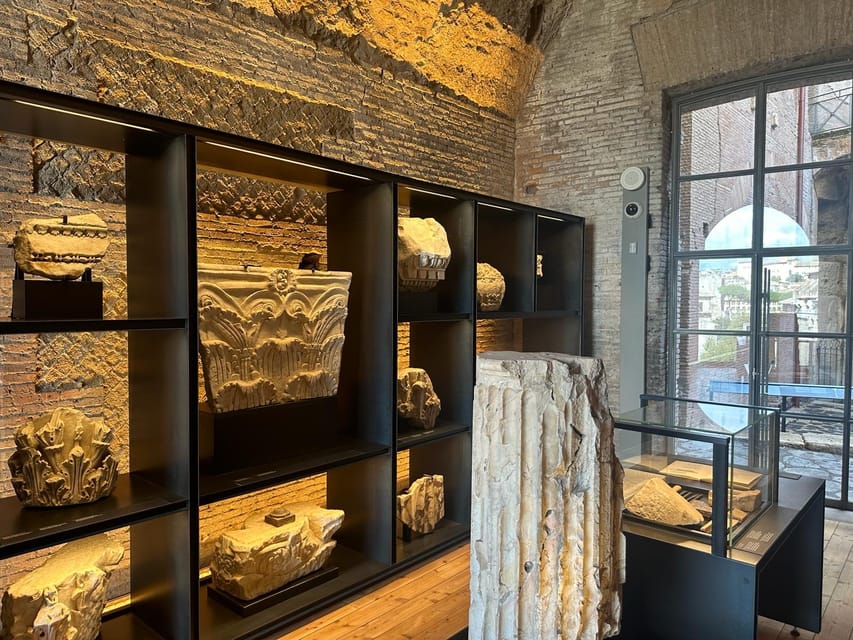
Time matters at Roman ruins. Lines and checkpoints can eat up the best part of your day. This tour includes entry tickets for Domus Tiberiana, Roman Forum, and Palatine Hill, and it also includes skip-the-line express security. Translation: you spend less time waiting and more time using the time you paid for—time with a guide explaining what you’re seeing.
A 2.5-hour private format also forces focus. You won’t get everything Rome has to offer in one sitting, but you will get a strong, coherent path through three of the most important areas. The value is in that “linked story” approach.
If you’re planning multiple major sites in one day, this timing is helpful. It fits naturally alongside other central Rome sights because it focuses on one compact ancient pocket. Just make sure you don’t overload the schedule right before or after. Your feet will know the difference between “a quick look” and “a guided walk with stops.”

Meeting at Via del Cardello: Getting There Without Stress
The meeting point is at the activity provider’s office. If you’re using the Metro, start at Colosseo station.
From Colosseo, turn right on Via del Fori Imperiali and go straight to the first traffic light. Then turn right on Via Cavour, and turn left on the second street, Via del Cardello. This activity ends back at the meeting point.
Why I’m stressing this: the area is busy and the streets change character quickly. Knowing the route from Colosseo helps you avoid wandering near the Fori Imperiali corridor while trying to find an office entrance.
Practical tip: give yourself extra minutes the day you go. Even if the walk is straightforward, Rome traffic patterns and crowd flow can slow you down.
Price and Value: What $111.02 Buys in Real Time
At $111.02 per person, this isn’t the cheapest way to see the Forum and Palatine Hill. But the value equation is strong because you’re getting several things together:
- A private guide who connects the sites into one story
- Domus Tiberiana entry plus Roman Forum and Palatine Hill entry included
- All fees and taxes included
- Express security that helps you lose less time to checkpoints
If you were to try to replicate this on your own, you’d spend time figuring out routes, ticket timing, and what to look at. The private guide cost is what turns the ruins into understanding. In a place as layered as these sites, that understanding is the difference between a pleasant walk and a memorable one.
Duration is 2.5 hours, which is a reasonable window for three stops without turning the day into a marathon. It’s long enough for real explanations, short enough to work into a practical Rome schedule.
So the real question is less about the dollar amount and more about what you want from Rome that day. If you’re here to learn and you like walking with a plan, this offers good value. If you just want quick photos and don’t care about context, you might prefer a self-guided option.
Practical Tips: Shoes, Rules, and Who This Tour Fits Best
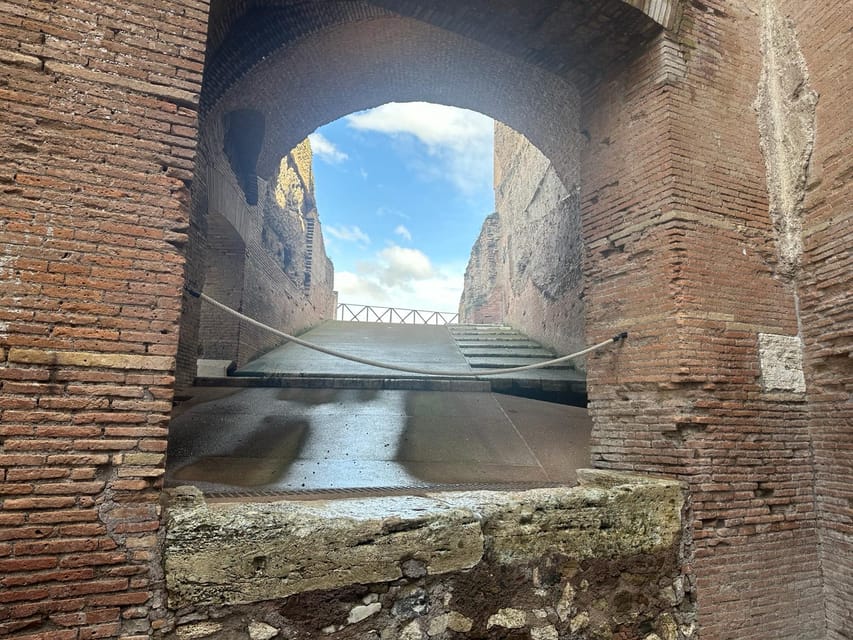
This is a walking tour through ancient ruins. You’ll want comfortable shoes. Bring your passport or ID card.
There are also clear restrictions:
- No baby strollers
- No food and drinks
- No luggage or large bags
- No drones, bikes, or backpacks
- No alcohol and drugs
- No glass objects
- No climbing
That last part matters because some ruins look climbable. Don’t test it. Stick to marked areas and follow your guide’s lead.
Fitness and health fit is also spelled out. The tour is not suitable for:
- Pregnant women
- People with back problems
- People with heart problems
- Wheelchair users
- People with low level of fitness
If any of those apply, you’ll likely be happier choosing a different format or a gentler option. The good news is Rome has plenty of ways to enjoy it without forcing your body into uneven terrain for two and a half hours.
Should You Book This Domus Tiberiana, Roman Forum, and Palatine Hill Tour?
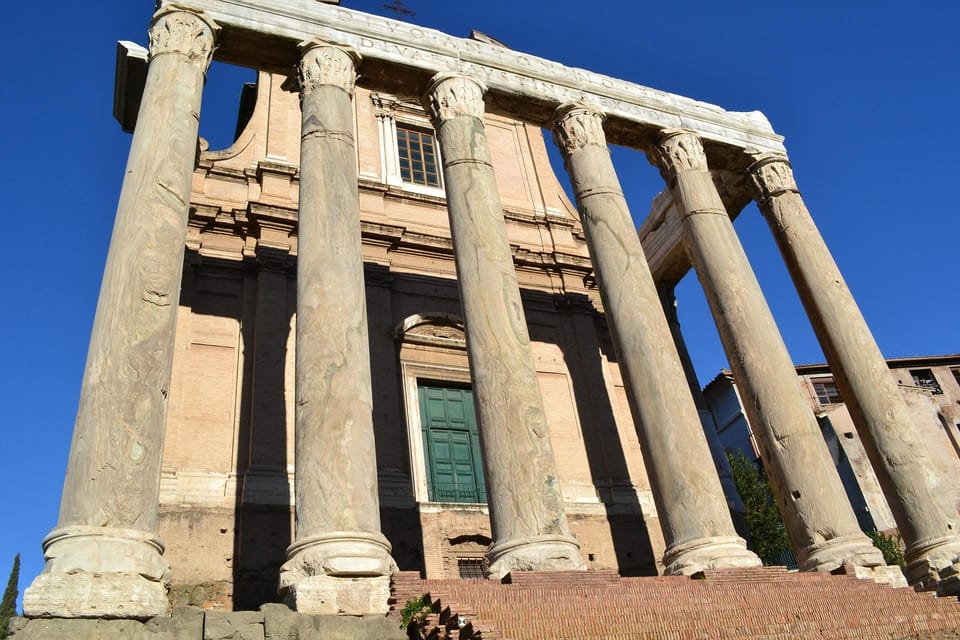
If you want Rome to feel like a story you understand, I’d book it. The combination of Domus Tiberiana, Palatine Hill’s imperial palaces, and the Roman Forum covers a big chunk of what ancient Rome was trying to project—power, legitimacy, and public life. The private guide approach is what makes the ruins click.
Book it especially if:
- You like guided explanations more than sign-reading
- You want a focused 2.5-hour plan in central Rome
- You appreciate the idea of skip-the-line express security so you don’t waste your day in queues
Skip or reconsider if:
- You need wheelchair access or have mobility limits
- Uneven ground and standing time are a problem
- You’re not interested in context and just want quick photos
FAQ
How long is the Rome Domus Tiberiana, Roman Forum, and Palatine Hill tour?
The tour duration is 2.5 hours.
Is this tour private, and is it offered in English?
Yes, it’s a private guided tour, and the live tour guide is English.
What’s included in the price besides the guide?
The price includes the Domus Tiberiana entry tickets, Roman Forum and Palatine Hill entry tickets, and all fees and taxes.
Where do I meet the guide if I’m coming from the Colosseo Metro station?
From Colosseo, turn right on Via del Fori Imperiali and go straight to the first traffic light. Turn right on Via Cavour, then turn left on the second street, Via del Cardello. The tour starts at the activity provider’s office, and it ends back at the meeting point.
Can I cancel for a full refund?
Yes. You can cancel up to 24 hours in advance for a full refund.
Is the tour wheelchair accessible or suitable for people with back problems?
No. The tour is not suitable for wheelchair users, and it’s also listed as not suitable for people with back problems.
What items are not allowed during the tour?
The tour does not allow baby strollers, food and drinks, luggage or large bags, drones, bikes, backpacks, alcohol and drugs, glass objects, or climbing.