REVIEW · CITY TOURS
Rome: Incredible Adventure in the Heart of the City
Book on GetYourGuide →Operated by IF Game · Bookable on GetYourGuide
Rome turns into a puzzle trail. This self-guided game sends you from Colle Oppio toward the biggest ruins, with riddles that explain what you’re looking at as you go. I especially like the take-home book and the way the route strings together famous monuments into one coherent walk.
One consideration: it’s a long, steady route—about 5 kilometers—so you’ll want to block enough time and keep your energy for the last stops.
In This Review
- Key things to know before you play
- A game route through Rome’s old core
- Colle Oppio and Baths of Trajan: where the adventure begins
- Basilica of Maxentius and the Forum zone
- Piazza del Campidoglio: thinking like a Roman emperor
- Mouth of Truth and the Circus Maximus stretch
- Colosseum area: from the Golden House of Nero to the big finish
- Price and value for a group game
- Logistics that actually matter (and how to plan them)
- Who this experience suits best
- Should you book it?
- FAQ
- How long does the Rome game take?
- Is this a guided tour with a live guide?
- What’s included in the box?
- What’s not included?
- When do I receive the game materials, and how flexible is the schedule?
- Where do I start?
- What do I need to bring?
Key things to know before you play
- A self-guided story game: you walk, read the clues, solve puzzles, and learn as you go.
- Rome’s “start point” focus: the foundation legend and the early story of Rome are built into the route.
- Major ruins, linked: Colosseum-area highlights come with context, so you’re not just collecting photos.
- Family-friendly pacing: puzzles are meant to be solvable without being frustrating.
- Your own schedule: after you receive the box, you can play at any time—no fixed tour time.
- Comfort matters: you’re on your feet for 3 to 4 hours, often longer in real life if you read carefully.
A game route through Rome’s old core

This isn’t a guided lecture, and it isn’t a simple scavenger hunt where you just hunt for checkmarks. The best part is how it turns Rome’s center into a storyline: you move from stop to stop, solve clues, and gradually uncover what you’re seeing. You end up with that rare feeling of seeing famous places with fresh eyes.
The format works well if you like a bit of structure without the pressure of a group schedule. You can slow down when a façade pulls you in, then speed up when the next clue is clear. And because you take the book home, the experience keeps lingering after you’ve returned to your hotel.
Your “tour guide” here is the game itself. That’s a plus for many people, but it also means you’re responsible for keeping the group focused, if you’re traveling with kids or a mixed-age crew.
You can also read our reviews of more city tours in Rome


Colle Oppio and Baths of Trajan: where the adventure begins
The game kicks off at Park of Colle Oppio and the Baths of Trajan—one of those spots that feels greener than you expect, given you’re in the heart of Rome. It’s a smart start: you get a calm opening, then the route tightens as you move closer to the most recognizable ruins.
At this stage, you’ll be setting your rhythm. You’ll open the book, look at what’s around you, then start working through puzzle steps that connect location to story. If you’ve ever felt overwhelmed at big sites like this, you’ll probably like the way the game gives you a reason to notice details instead of wandering randomly.
Practical note: wear comfortable shoes early. The route is about 5 kilometers and includes uneven surfaces typical of central Rome. This is the part where good pacing matters most, because your legs decide how much patience you’ll have later.
Basilica of Maxentius and the Forum zone
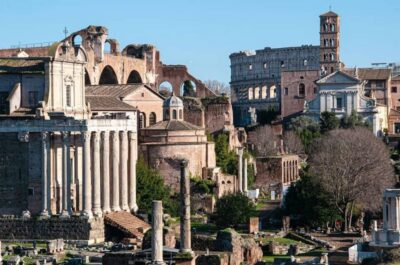
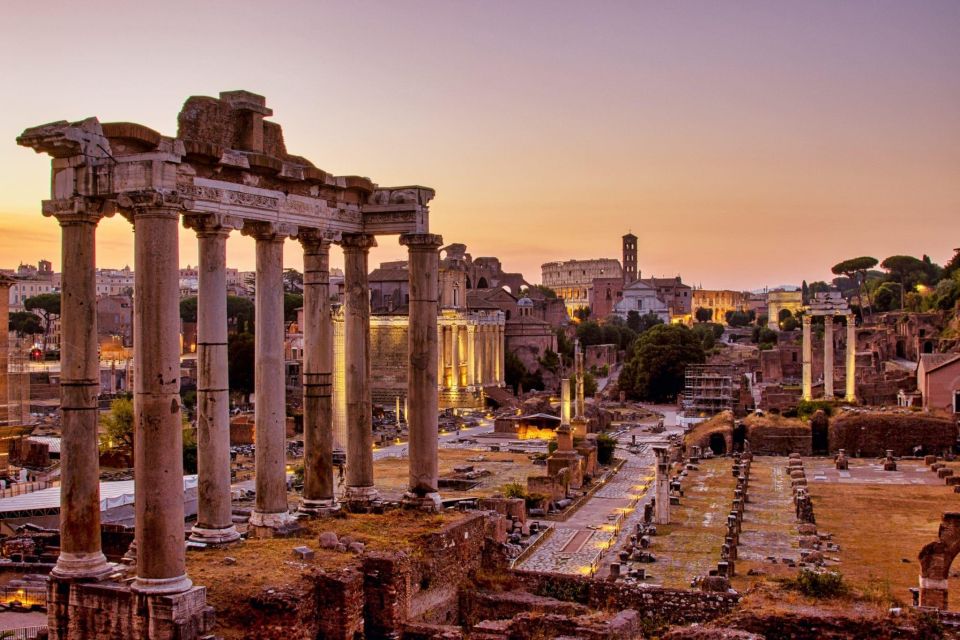
From there, the walk carries you toward the Basilica of Maxentius and into the Roman Forum area. This is where Rome can feel both dramatic and confusing. Lots of fragments. Lots of names. Lots of “what am I looking at?”
The game helps by giving you tasks that point your attention in a direction. Instead of trying to memorize everything on the spot, you solve clues that lead you to understand why the place mattered. You’re still looking at ruins, but the ruins feel less like a maze and more like a chapter you can follow.
You’ll also hit Via dei Fori Imperiali, a major straight-line stretch that makes it easier to grasp the scale of the ancient complex. Even if you’re not a history nerd, the walk itself helps you picture how these areas connected. If you’re traveling with children, this is often a good stretch for teamwork, since puzzles give them something concrete to do besides asking when lunch is coming.
Piazza del Campidoglio: thinking like a Roman emperor
Next comes Piazza del Campidoglio, a perfect kind of stop for the game format. It’s a place where composition and symbolism matter, so it’s easier to connect “what you see” with “what it meant.” When puzzles point you to look for specific details, the square becomes more than a view—it becomes part of the logic of the story.
This is also a nice moment for a short break. The route moves briskly, but you’ll probably want a few minutes to slow down here, read your clue steps, and look around in multiple directions. Rome rewards that habit, and the game nudges you into it without making it feel forced.
If you’re sensitive to crowds, pick your timing wisely. This part of central Rome can get busy, and your pace will depend on how many people are in your path when you’re trying to solve a riddle and check a view.
Mouth of Truth and the Circus Maximus stretch
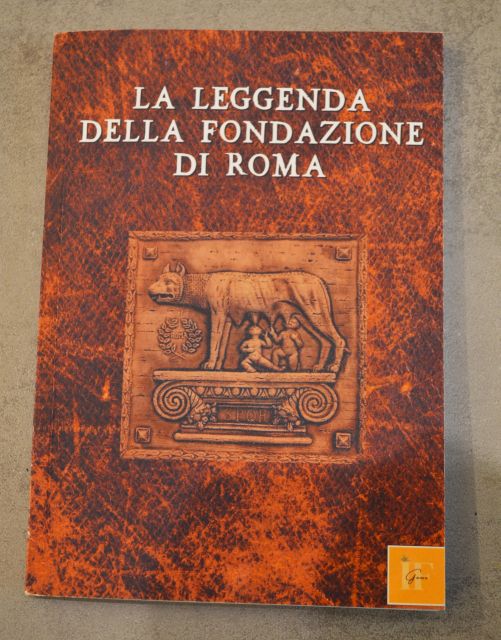
Then the route moves through the Mouth of Truth and onward to Circus Maximus. This is one of the more entertaining combinations: you get a recognizable landmark early, then you shift into the scale of an ancient arena-like space.
The Circus Maximus stop feels huge in your body, not just in your head. The game’s puzzle steps are what keep it from becoming a quick glance. Instead, you end up paying attention to how the space worked and why it mattered culturally and socially.
If you’re with kids, this is often where the game shines. The puzzles are designed to be solvable without being overly technical, and the monuments act like a big learning environment. Just remember that solving riddles takes focus, so bring a phone charge and a little patience for the moments when a clue feels slower than you expected.

Colosseum area: from the Golden House of Nero to the big finish
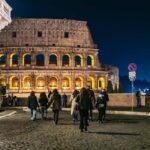
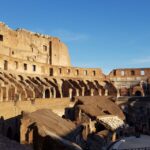
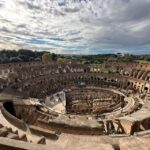
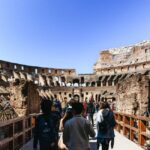
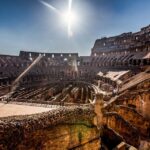
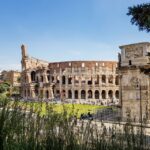
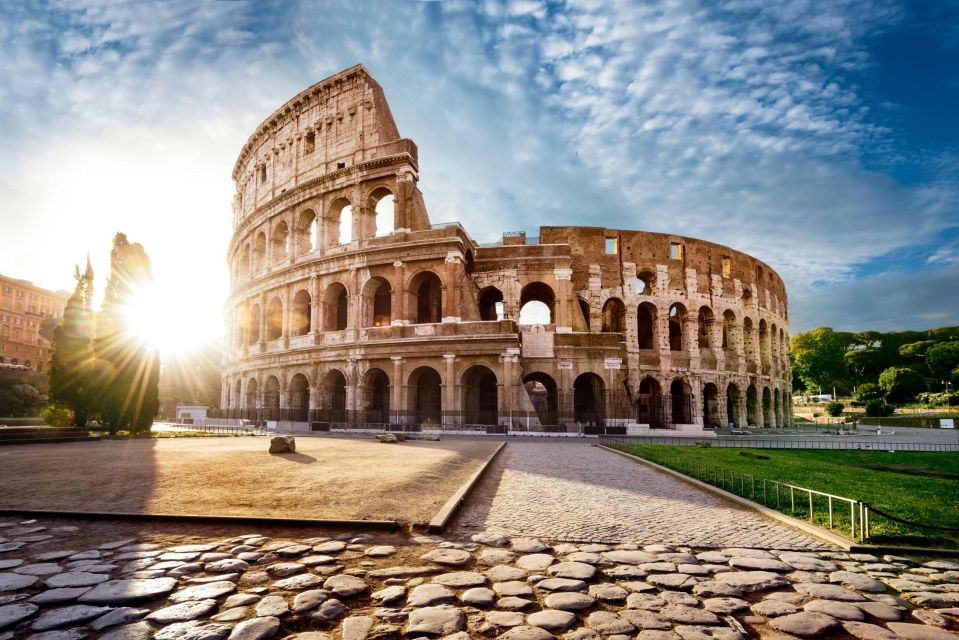
The game specifically leads you to the Colosseum area—plus a fascinating detour tied to the Golden House of Emperor Nero, once standing where the modern ruins and nearby structures are. Even if you’ve seen the Colosseum before, this kind of connection gives you a different angle on the site.
The Colosseum itself is where the whole story gets your attention. At this point, you’ve already trained your eyes on clues and context, so you’re not just photographing the obvious. You’re likely noticing how the area fits together in time, and why the legend-and-foundation theme matters to how Romans saw their own past.
This is also where your “time reality” shows up. The plan says 3 to 4 hours, but if you linger at multiple stops to read carefully or re-check a clue, it can easily feel like nearly a day. One review-style takeaway you should take seriously: build in extra time for a full Rome experience, not a rushed one.
Price and value for a group game
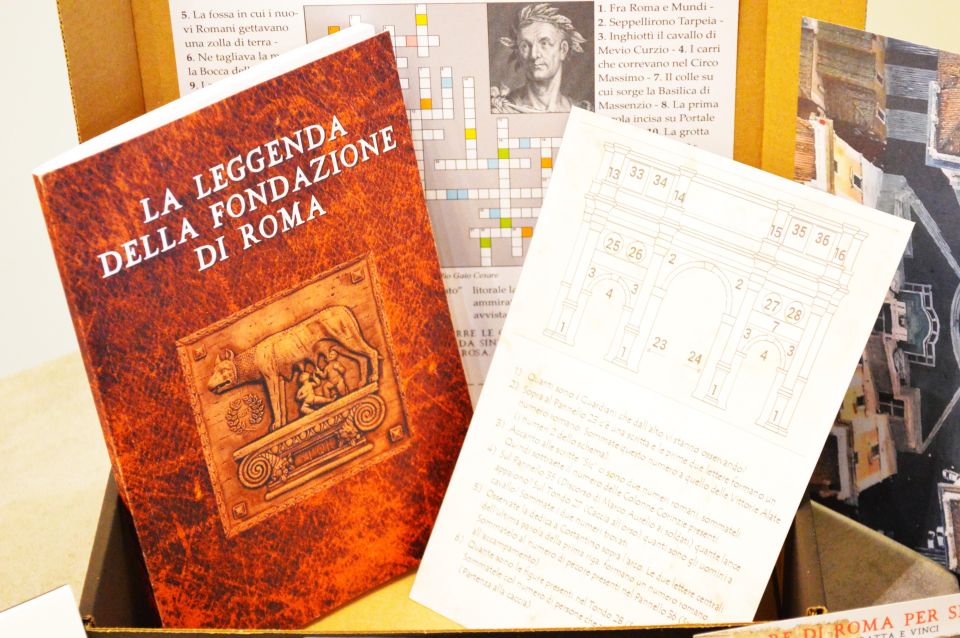
The price is $71 per group up to 10, which can make this a strong value if you’re traveling with family or friends. The game box, accessories, and the book are included, so you’re paying for a self-contained experience—no guide fees, no mandatory add-ons.
Here’s the trade-off: tickets to attractions are not included, and you won’t have someone on hand to answer questions on the fly. If you want that human layer—like expert interpretation during key moments—this may not replace a guided tour. But if you like learning at your own pace, the built-in clues are the point.
Also, the materials are shipped by mail after payment, which means you should plan ahead. If you’re traveling soon, it’s smart to order early so the box arrives in time for your preferred day.
Logistics that actually matter (and how to plan them)
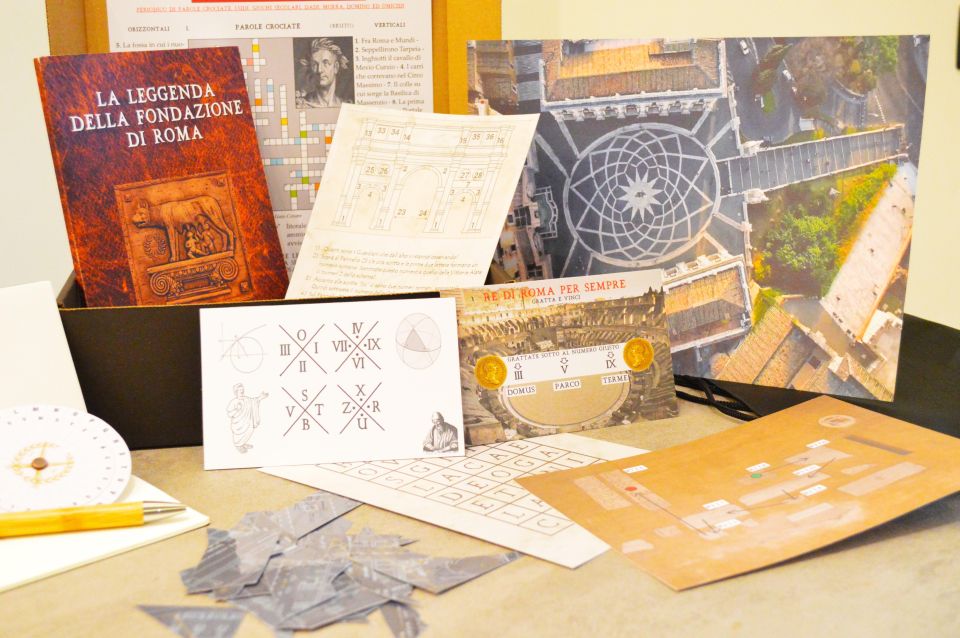
You’ll receive a game box by mail after payment. The game is valid for 365 days, and after you get the materials, you can play any time without being tied to the booked time. That flexibility is useful if you have a crowded Rome schedule and need a backup plan.
They recommend buying at least two weeks in advance. If you need it faster, you can contact them to get materials in PDF format, which can help you start sooner if shipping is too slow.
Bring a charged smartphone and expect internet access during the game. The route is about 5 kilometers, and it’s set up for walking rather than mobility support.
And since the meeting point is described as a specific square, follow what’s listed in your confirmation. You’ll start by opening the book and following the game’s first instructions right where you are.
Who this experience suits best
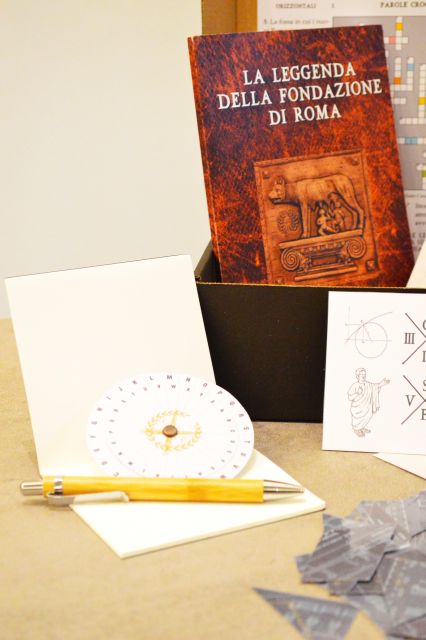
This is best for people who want Rome history without being chained to a schedule. It works for couples who enjoy solving puzzles, and it works especially well for families who want kids involved in the experience.
It also fits travelers who have already done a classic highlights tour and want something that feels more personal. The storyline approach helps you connect sites—Colosseum, Roman Forum, Circus Maximus, and the rest—into a single walk rather than separate postcards.
If you’re traveling with a mobility limitation, this one may be tough. It’s not suitable for people with mobility impairments or wheelchair users, since it’s a walking-focused route across uneven city areas.
Should you book it?
If you like hands-on learning, teamwork, and a route that makes you look twice at big-name monuments, I think this is a very good match. The “value math” improves if you’re traveling with up to 10 people, since the group price stays the same while costs for guided options typically rise.
Skip it or pair it with a guided day if you know you want live interpretation at each stop, or if you can’t comfortably handle a 5-kilometer walk. Otherwise, this is a fun way to explore Rome’s center with structure, movement, and a story you’ll actually remember.
FAQ
How long does the Rome game take?
Plan on about 3 to 4 hours for the experience. The route is roughly 5 kilometers, so your pace and how carefully you read the clues will affect your total time.
Is this a guided tour with a live guide?
No. This is a self-guided game. You’ll use the game box materials and the book to play on your own pace.
What’s included in the box?
The shipment includes a game box, accessories needed for playing, a book you take home, and tips/info/curiosities.
What’s not included?
Tickets to attractions, food and drinks, public transportation tickets, and transfers to/from the starting point are not included.
When do I receive the game materials, and how flexible is the schedule?
After you pay, the game box is shipped by mail. The experience is valid for 365 days, and after you receive the materials, you can play at any time—no fixed time restrictions tied to the booking date.
Where do I start?
You start at the square listed in the meeting point details and begin by opening the book and following the first steps.
What do I need to bring?
Bring comfortable shoes, a charged smartphone, and expect to have internet access. You’ll also need the game box (from the shipment).