REVIEW · CYCLING TOURS
Rome: Cycling through Eternity
Book on GetYourGuide →Operated by Romes Ultimate · Bookable on GetYourGuide
Pedal where Rome whispers through the ages.
This bike tour strings together major landmarks you know with off-the-radar parks and engineering marvels you might not, all guided in English over about 4.5 hours. I especially like the small group feel (up to 10 people), which makes it easier to ask questions and keep moving without feeling rushed.
What I really love is getting time on the ground where the past is still physically there—think Via Appia Antica and the aqueduct countryside—so the stories make sense in your legs, not just your ears. One consideration: you do ride on a mix of surfaces, including short bumpy bits of ancient road, and this tour is not suitable for people with mobility impairments or for pregnant women.
In This Review
- Key things I’d plan around
- Starting From Via dei Serpenti: The Ride-Ready Setup
- Colosseum Views and the Arch of Constantine: Why the First Stop Matters
- Circus Maximus and the Baths of Caracalla: Scale You Feel in Motion
- Museo delle Mura and the Aurelian Walls: Seeing the City’s Built Border
- Catacombs of Saint Callixtus and the Queen of Roman Roads
- Parco degli Acquedotti: Aqueducts in Their Most Intact Mood
- Parco della Caffarella and Parco di Torre Fiscale: City Edges That Feel Wild
- Egeria and Via Cristoforo Colombo: Closing With the Outer-Edge Perspective
- Pace, Bikes, and Comfort: How to Make It Smooth
- Value for $100: What You Get Beyond a DIY Bike Spin
- Who Should Book, and Who Should Skip This One
- Should You Book Rome: Cycling through Eternity?
- FAQ
- How long is the Rome Cycling through Eternity tour?
- Where does the tour start and end?
- What is the price per person?
- Is there an English-speaking guide?
- What’s included in the price?
- How big is the group?
- Does the tour run in bad weather?
- What should I bring?
- Who is this tour not suitable for?
Key things I’d plan around
- Up to 10 people, live English guide: quieter pacing and more attention.
- Via Appia Antica by bike: on the first paved road in the world.
- Catacomb ride at Parco degli Acquedotti and Saint Callixtus area: a very different Rome angle.
- Big-scope Roman walls: the Aurelian Walls and the museum context.
- Off-the-beaten-track parks: Caffarella and the aqueduct park give you breathing room.
- Rain or shine: you’ll ride unless conditions are extreme, so pack for weather.
Starting From Via dei Serpenti: The Ride-Ready Setup
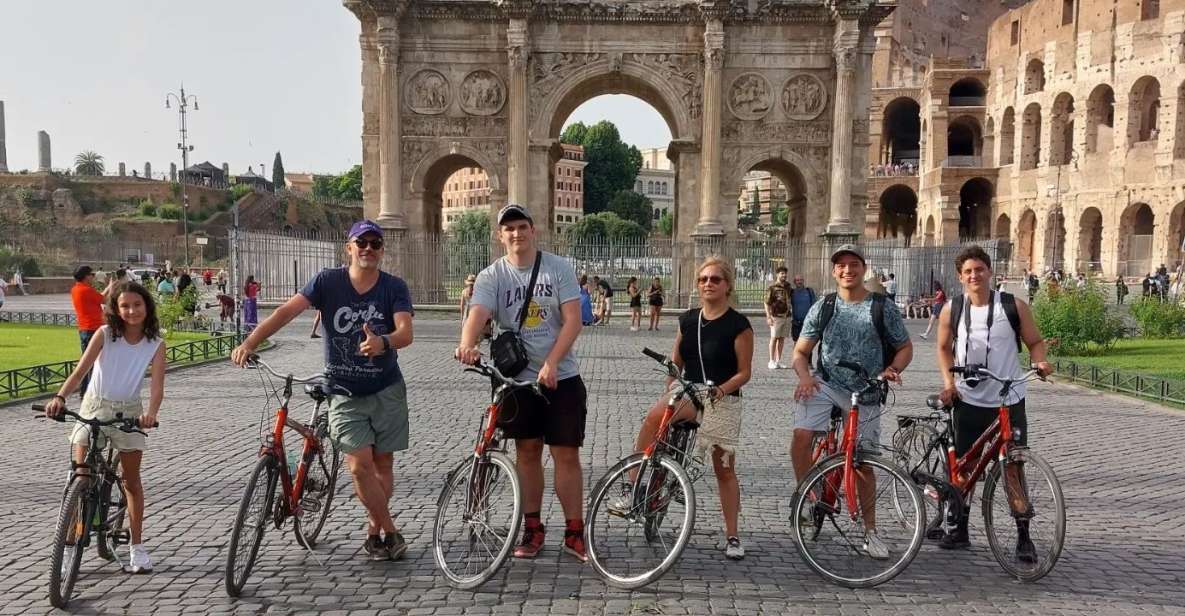
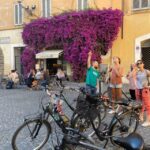
You begin at Via dei Serpenti, 89, and from the first pedal stroke you’re already thinking like a cyclist, not a line-waiting tourist. Helmets are included, and bike hire is part of the price, so you don’t have to solve logistics before your tour even starts.
The group is intentionally small (max 10), which matters in Rome. Narrow streets and quick turns go smoother when everyone’s not crammed shoulder-to-shoulder. It also helps the guide manage pacing around photo stops and storytelling moments.
If you get hot in the sun, know the tour can start slightly earlier in hot weather. Bring water and plan for a steady rhythm rather than sprinting between stops.
You can also read our reviews of more cycling tours in Rome

Colosseum Views and the Arch of Constantine: Why the First Stop Matters
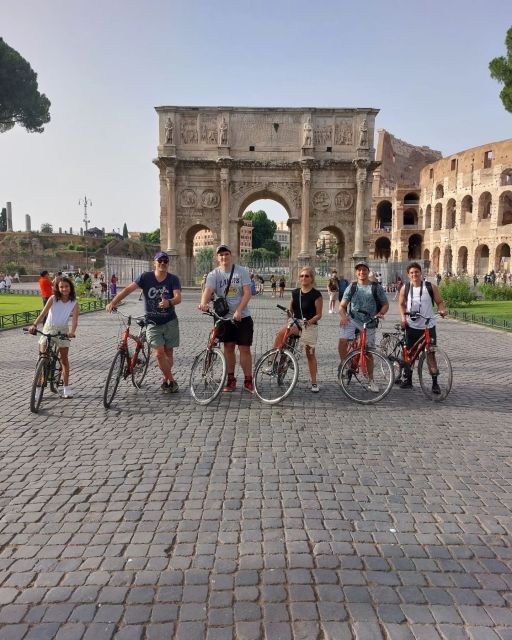
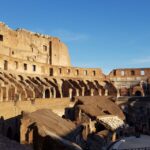
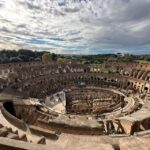
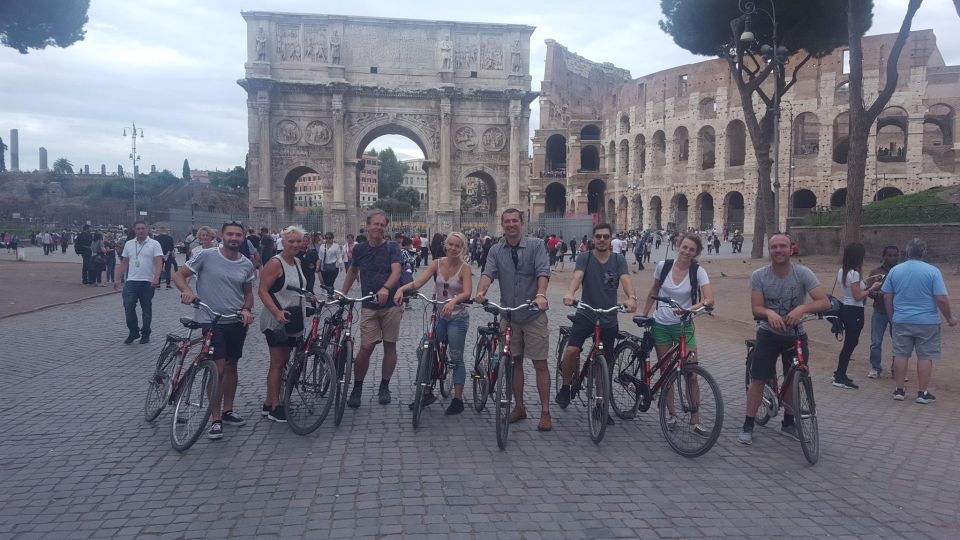
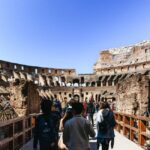
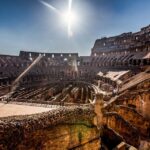
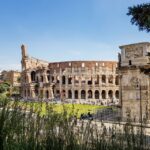
This tour starts in the Colosseum orbit and builds momentum fast. You get a view of the Colosseum while also hearing a brief story tied to the surrounding sites, including the Arch of Constantine perspective.
That early context is smart. Rome can feel like a pile of monuments if you don’t get a thread. Here, you get that thread right away—so when you later ride historic roads and parks, you understand what you’re actually seeing and why it survived.
Practical note: since you’re moving by bike, you’ll spend more time looking out and less time waiting. The tradeoff is that you’ll want to pay attention early, because the route quickly shifts from the “wow” zone into calmer, more local Rome.
Circus Maximus and the Baths of Caracalla: Scale You Feel in Motion
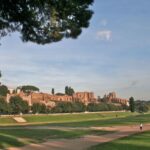
Next up is Circus Maximus, described as the biggest stadium ever built in the history of the world, with about a short ride-through stop. Even if you’ve seen photos, it hits differently at bike speed because you perceive the scale as a stretch of space, not a single frame.
Then comes Terme di Caracalla (Baths of Caracalla). These are on the second-largest public bath complex built in Ancient Rome, and the ride-by approach still gives you that “how could this be real” sensation. It’s also a nice mental shift: instead of arenas and triumph arches, you’re looking at how people lived daily—washing, socializing, and gathering.
If you prefer Rome with fewer crowds and more breathing room, this section helps. It’s not just monuments—it’s the everyday machinery of ancient city life.
Museo delle Mura and the Aurelian Walls: Seeing the City’s Built Border
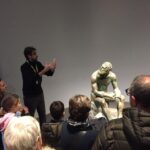
One of my favorite parts of this tour is how it treats the city walls like more than a wall. At Museo delle Mura, you get the museum angle on the Aurelian Walls and how they relate to the historical center of Rome.
This stop changes how you look at the city once you’re back on foot. Instead of seeing walls as scenery, you start seeing them as infrastructure—defense, control, and a boundary that shaped movement and growth.
You’ll also appreciate this museum moment because it provides context between the famous downtown sites and the more “Roman countryside” feel you’ll get later. Without that bridge, the route can look like random best-of hits. With it, the whole ride starts to connect.
Catacombs of Saint Callixtus and the Queen of Roman Roads
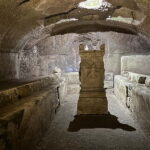
Now you start riding through the Rome that feels less like a postcard. You head into Catacombs of Saint Callixtus with a ride through Via Appia Antica, which is famously known as the Queen of all Roman roads.
This is where the tour earns its name. The “through eternity” idea isn’t poetry here—it’s literal. Via Appia is the first paved road in the world, and when you cycle parts of it, you can feel how serious the Romans were about moving people and goods efficiently.
The ride also includes a panoramic element tied to the largest catacomb complex of Rome. Catacombs can sound spooky or overly dramatic from descriptions alone, but on a bike route, it becomes more about place and proportion: you see how the city’s underground and outskirts interacted.
One real-world consideration from previous riders: there can be short bumpy sections on the oldest paving. It’s not a dealbreaker if you’re comfortable riding a bike, but it’s something to keep in mind if you’re picky about comfort.

Parco degli Acquedotti: Aqueducts in Their Most Intact Mood
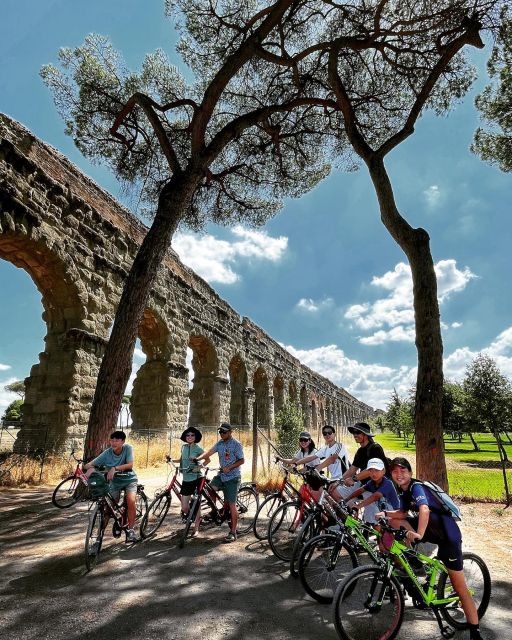
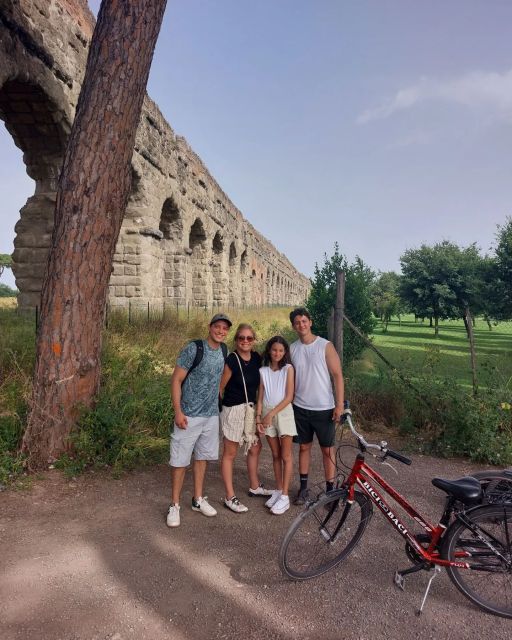
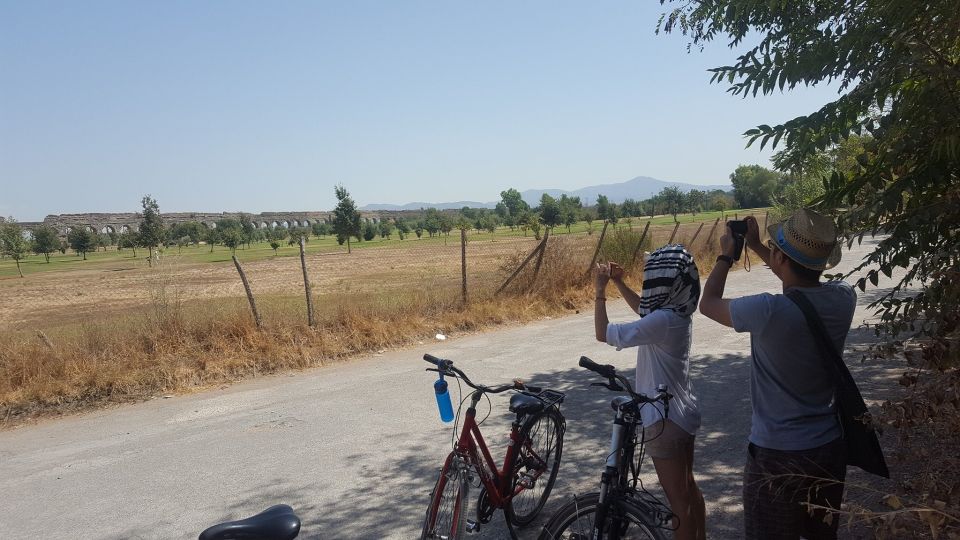
Then you reach Parco degli Acquedotti, the aqueduct park on Rome’s outskirts. This is one of those stops where the engineering details aren’t just explained—they’re visible in a way that makes you stop trying to take perfect photos and start paying attention.
The setting blends natural viewpoints with ancient Roman engineering. You get stunning views of the aqueducts in sections that are among the most intact. That matters: Rome has plenty of fragments, but seeing large stretches changes the story you think you know.
I like this part because it’s a break from monument density. You’re not constantly craning for a shot. You’re riding, pausing, and letting the structures sit in your field of view long enough to register their scale.
Parco della Caffarella and Parco di Torre Fiscale: City Edges That Feel Wild
After aqueduct country, the route turns more pastoral with Parco Della Caffarella. This is where urban life meets nature, and you get a different Rome vibe—still within reach of the city, but calmer and greener in feel.
Next, Parco di Torre Fiscale adds another layer: history tied to the Fiscal Tour and its purposes. That matters because it’s not just scenery. You get a reason to care about the terrain, even when you’re simply rolling through it.
If you’re the type of person who likes to understand why a place looks the way it looks, these park stops are rewarding. They’re also a relief on an active day. After walls, baths, and underground spaces, you’ll welcome the air and the slower sense of distance.
Egeria and Via Cristoforo Colombo: Closing With the Outer-Edge Perspective
You finish with Egeria – L’Acqua Santa di Roma for a short ride, then roll along Via Cristoforo Colombo. This street links the historic center to Ostia, the gateway of the Eternal City to the Tyrrhenian Sea.
That last stretch works as a perspective shift. Instead of ending back in the same tight monument loop, you finish on a road that points outward. It helps you feel the city as a network—Rome as a hub that reaches toward the sea, not just a center packed with ruins.
The tour returns to Via dei Serpenti, 89, so you end where you started, with the day’s pieces clicked together in your mind.
Pace, Bikes, and Comfort: How to Make It Smooth
This is a 4.5-hour cycling experience with multiple short bike segments and timed stops. The guide’s role is active: keeping you together, managing transitions, and sharing the story in an order that makes sense while you’re moving.
Most of the group timing is built around brief encounters: a few minutes for Circus Maximus, time for the museum context, longer focus on Via Appia and the aqueduct park. That pace keeps the day lively without turning it into a nonstop sprint.
What about bike type? The tour includes bike hire, and some riders reported e-bikes being used on their date. One rider also flagged that e-bike controls felt like they needed refinement. My advice: take a quick moment at the start to get comfortable with your bike’s controls so you’re not figuring it out mid-route.
What to wear is simple but important:
- Comfortable clothes you can move in
- Comfortable shoes for stops and uneven edges
- Water, plus sunscreen (seriously—apply before you roll out)
And yes, it’s rain or shine unless conditions are extreme. That means you should be prepared for wet streets near the city portions.
Value for $100: What You Get Beyond a DIY Bike Spin
At $100 per person for about 4.5 hours, the value comes from three things you can’t easily recreate on your own: a coherent route, historical context timed to what you see, and group safety.
A DIY bike ride can get you from point to point. This tour is designed to make those points mean something. You’ll hear brief stories at key transitions—like the Arch of Constantine/Colosseum area—then continue through places that reinforce the same theme: how Rome was built, protected, and connected.
Also, helmets and bike hire are included, which removes two small headaches. And with a small group of 10 or fewer, you get less waiting and more actual riding time.
If you’re someone who wants to ride Rome but doesn’t want to spend your vacation researching streets, this is a strong fit. You’ll leave with a clearer picture of how the city functioned—from public spaces to defensive walls to roads leading outward.
Who Should Book, and Who Should Skip This One
This tour is best for people who:
- like active days with frequent short stops
- enjoy learning on the move, in English
- want an alternative to the standard monument-only route
You’ll especially appreciate it if your priorities include Via Appia Antica, the aqueduct parks, and a look at Rome’s defensive perimeter via the Aurelian Walls.
It’s not a match for:
- people with mobility impairments
- pregnant women
- children under 10
If you’re sensitive to uneven pavement, plan for at least some bumpy riding on the older road sections. And if you don’t enjoy cycling in city-adjacent streets, focus on comfort: wear the right shoes and keep your attention on the road.
Should You Book Rome: Cycling through Eternity?
I’d book this if you want a Rome day that feels different from the usual march. You get a rare combo: big-name context near the Colosseum, then a meaningful ride outward through roads, catacomb country, and aqueduct views. With a guide like Dimitri, who clearly knows how to connect the details without losing you in trivia, the day tends to click into place fast.
Skip it if you want a relaxed sit-and-sightsee schedule, because this is built around cycling. Also skip if you can’t handle short uneven segments or if mobility constraints make biking unrealistic.
If you’re ready for a focused 4.5 hours that mixes famous Rome with less crowded, more physical sites, this is one of the better ways to experience the Eternal City in motion.
FAQ
How long is the Rome Cycling through Eternity tour?
The tour lasts 4.5 hours.
Where does the tour start and end?
It starts and ends at Via dei Serpenti, 89.
What is the price per person?
The price is $100 per person.
Is there an English-speaking guide?
Yes. There is a live tour guide in English.
What’s included in the price?
The tour includes helmets and bike hire.
How big is the group?
The group is small, limited to 10 participants.
Does the tour run in bad weather?
The tour runs rain or shine, unless there is extreme rain.
What should I bring?
Bring comfortable shoes, comfortable clothes, water, and sunscreen.
Who is this tour not suitable for?
It is not suitable for people with mobility impairments, pregnant women, or children under 10 years.