REVIEW · CATACOMBS & CRYPTS TOURS
Rome: Bone Crypts Express – Tour in ENGLISH with tickets
Book on GetYourGuide →Operated by Rome With Mike · Bookable on GetYourGuide
Bone chapels sound intense. They are.
This Bone Crypts Express is a tight, 1-hour hit of Rome’s Capuchin Crypts with skip-the-line tickets and an English-speaking guide in a small group (up to 10). I like the way the guide connects the site to the Franciscan and Capuchin orders, not just the macabre visuals, and I like the focus on specific chapels like the Crypt of the Three Skeletons and the iconic Crypt of the Skulls. One possible drawback: it’s an express visit, so you won’t have hours to linger, and if you’re expecting a deep, underground “catacomb” feeling, the bones are presented in rooms that can feel more ground-level than you imagine.
You start in central Rome at Piazza Barberini by the Triton Fountain and walk as a group to the Capuchin Museum area first, so the story lands before you descend. From there, you see six bone-decorated chapels arranged into a kind of visual sermon—crosses in the floor for seven monks included—and you’ll hear about the relocation of remains from an older friary near the Trevi Fountain. Add in the guide’s Caravaggio context (the Baroque artist is tied into the tour’s narrative), and you get a visit that feels more thoughtful than just shocking.
If you’re squeamish about death imagery, this might feel like too much. If you like symbolism, art, and religious history—and you can handle the idea of human remains displayed in ornate ways—this is one of the fastest, most structured ways to experience the Capuchin Crypts.
In This Review
- Key things worth knowing before you go
- Getting to Piazza Barberini and the express 70-minute flow
- Museum context first: why the Franciscan-to-Capuchin story matters
- Six bone chapels you’ll see, and what to look for in each
- Crypt of the Three Skeletons
- Crypt of the Leg Bones and Thigh Bones
- Crypt of Pelvises with friars arranged in arches
- Crypt of the Skulls and the hourglass symbolism
- Floor crosses for the final resting places
- Secret rituals and burial laws (explained by your guide)
- The practical reality: what the crypt feels like (and what to expect)
- Caravaggio in the mix: Baroque art gets a darker context
- English guide quality: storytelling, humor, and smart answers
- Price check: does $35 for 1 hour feel like value?
- What to wear and who should think twice
- When this fits best in your Rome day
- Should you book the Bone Crypts Express?
- FAQ
- How long is the Rome Bone Crypts Express tour?
- Where do I meet the guide?
- Is the tour in English?
- Does it include skip-the-line tickets?
- How big is the group?
- What crypts or chapels will I see?
- Are there dress requirements?
- Is an audio guide included?
- Is this tour suitable for children?
- Who is this tour not suitable for?
- What’s the price and cancellation policy?
Key things worth knowing before you go
- Skip-the-line entry to the Capuchin Crypts, saving you time in a popular site
- Small group (10 max), which makes it easier to hear the guide and ask questions
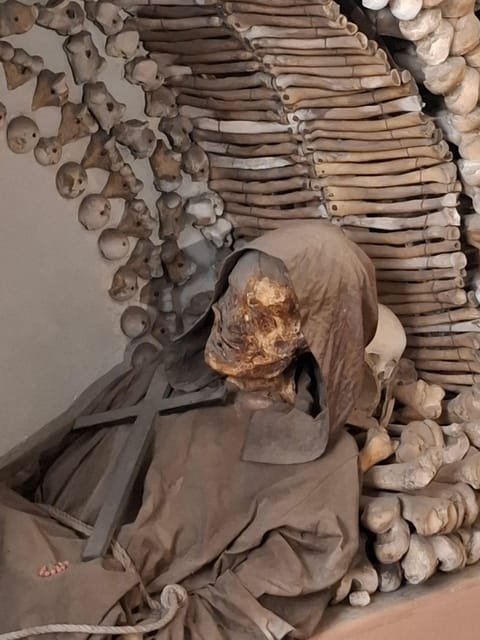
- Six themed bone chapels you can’t miss: three skeletons, leg bones/thigh bones, pelvises, and skulls among them
- Crosses in the floor mark final resting places of seven monks, adding a reflective tone
- Museum-to-crypt flow, so you understand the Franciscan-to-Capuchin link before you see the arrangements
- Guides bring humor and storytelling, with examples like Mike, Heather, Alessandra, and Angela mentioned as strong performers
Getting to Piazza Barberini and the express 70-minute flow
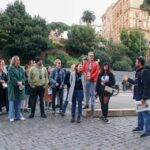
The tour launches at Piazza Barberini, meeting in front of the Triton Fountain (face side). That location matters. It’s easy to reach in central Rome, and it also sets you up for a smooth walk to the Capuchin Museum area.
Expect about 70 minutes of guided time. This is not the slow, wandering style of visit. It’s a clear route: briefing and context near the museum, then down into the chapels, then back out again. If you’re trying to fit the Capuchin Crypts into a busy itinerary, that tight timing is a big plus.
The small group size (up to 10) helps here. In places like this, crowds can turn a thoughtful experience into a traffic jam. A smaller group makes it easier to keep moving while still hearing the explanation—especially when the guide is telling you what you’re looking at and why it was arranged that way.
You can also read our reviews of more tours and experiences in Rome
Museum context first: why the Franciscan-to-Capuchin story matters
One reason this tour feels better than a quick “look and go” visit is the order of operations. You don’t start in the crypts blind. You begin by walking to the Capuchin Museum, where the guide lays out the background behind the Franciscan Order and the Capuchin order.
That context changes how you read the site. Instead of treating the bone chapels as a Halloween-style attraction, you start seeing them as a religious practice shaped by beliefs about death, humility, and remembrance. The guide’s job is to connect the visuals to why this site exists at all, including the role of burial rules that led to the unusual underground cemetery.
You’ll also learn about the history behind the relocation of remains from an older friary area near the Trevi Fountain. That piece of the story helps explain why the crypt looks the way it does today—arranged, organized, and preserved as a designed sacred space rather than random ossuary clutter.
There’s also mention of an audio guide used in parts of the visit for a more respectful atmosphere. In the package details, an audio guide is listed as not included, so don’t assume you personally will receive extra audio equipment from the tour. If audio is available on-site, you can choose to use it as you go, but the main experience is guided in English.
Six bone chapels you’ll see, and what to look for in each
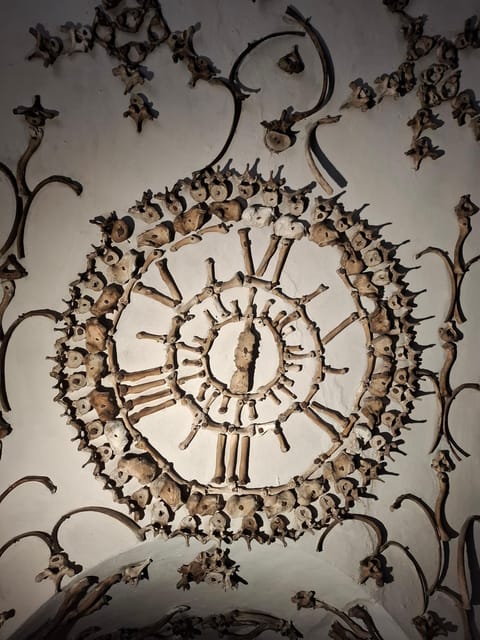
The core of the tour is six chapels decorated with bones connected to nearly 4,000 monks. The guide doesn’t just point at bones. You get the “why,” and you also get the names and symbolism that help you remember what you saw.
Here’s the tour’s highlight sequence, in the order you’ll likely notice it as you move through:
Crypt of the Three Skeletons
This is often the first “wow” moment people remember. You’re looking at an arrangement built around how death is pictured in Christian symbolism, not just a pile of remains. It’s the kind of scene that makes you slow down, because your brain has to shift from shock to meaning.
Crypt of the Leg Bones and Thigh Bones
This room is different in feel. Instead of an all-at-once display, you’re confronting the body parts arranged with intention. If you’re the type who likes specific details (not just a general impression), this chapel gives you something to focus on and discuss with your guide.

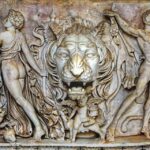
Crypt of Pelvises with friars arranged in arches
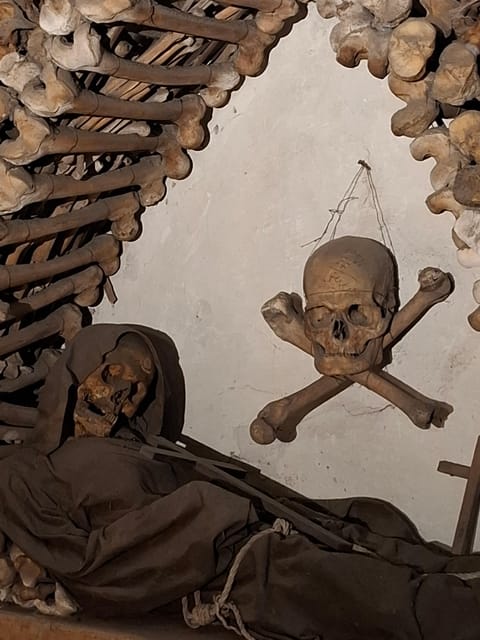
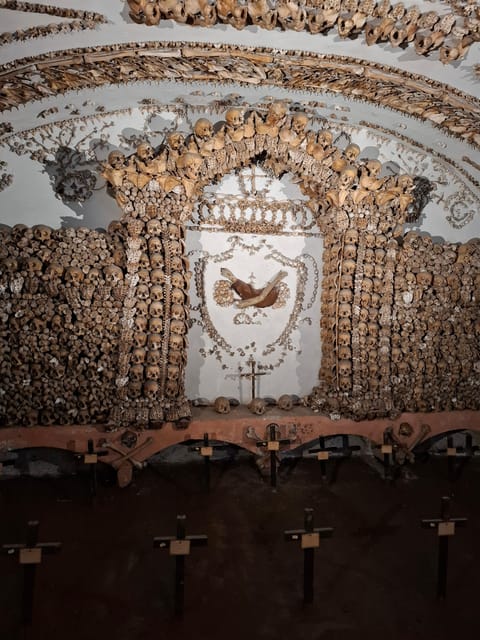
This chapel tends to feel calmer, even though it’s still unmistakably unsettling. Friars arranged in peaceful arches creates a visual rhythm—almost like architecture made from symbolism. It’s a reminder that this was meant to communicate faith, not just fright.
Crypt of the Skulls and the hourglass symbolism
The iconic skull-focused chapel crowned by an hourglass is where the “time and mortality” message comes through most clearly. The hourglass isn’t just an object; it’s a prompt to think about the shortness of life and how beliefs about eternity get expressed through art.
Floor crosses for the final resting places
Across the visit, you’ll also notice crosses embedded in the floor that mark final resting places of seven monks. That detail matters because it pulls the focus back from the spectacle toward remembrance. It’s a small element that can shift how respectful the entire visit feels.
Secret rituals and burial laws (explained by your guide)
The tour doesn’t stick to what’s visible. You’ll hear about burial laws of the Capuchin order and how that shaped the cemetery’s form. You’ll also hear about secret rituals from the order—presented by the guide as part of the site’s spiritual background. Even if you don’t consider yourself religious, these explanations give the site a framework that makes the bones less random and more intentional.
The practical reality: what the crypt feels like (and what to expect)
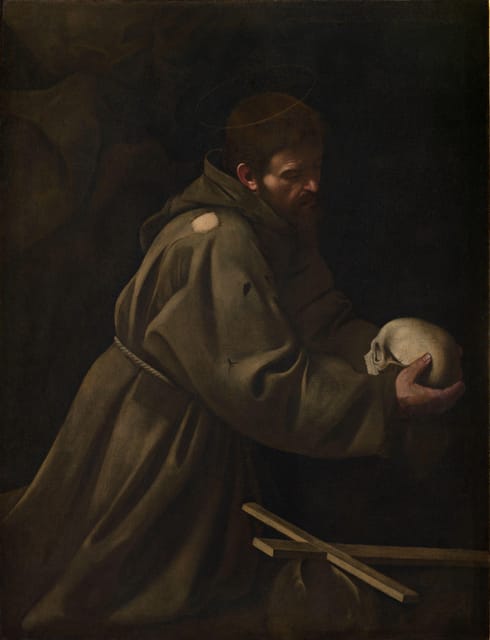
One practical thing to know: you might expect bones stored deep underground like a classic catacomb. Instead, the displays can feel more like rooms set up for viewing, including sections that feel closer to ground level than you might imagine.
That’s not a dealbreaker. It often makes the visit easier. You can see everything in a planned circuit without feeling like you’re stuck in a long, damp crawlspace. It also fits the express 1-hour format: you’re moving through named chapels and stopping long enough to absorb the story.
Still, it’s worth bracing for a strong “macabre” mood. This site leans into mortality. If you want mild, cheerful sightseeing, skip it. If you can handle symbolic death imagery with a respectful mindset, you’ll probably find the experience surprisingly reflective.
Caravaggio in the mix: Baroque art gets a darker context
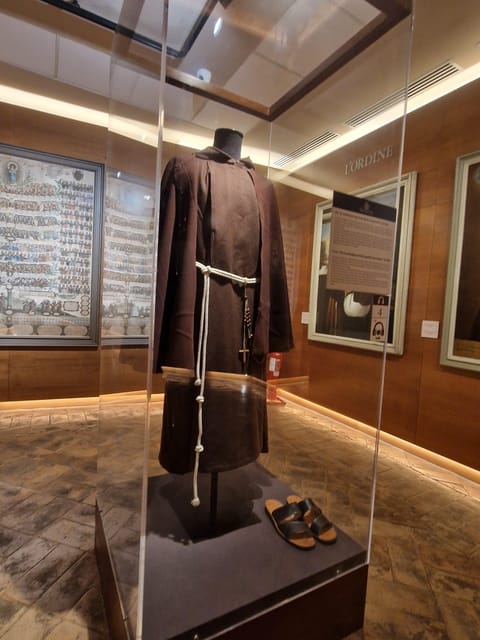
The tour includes insights into Caravaggio, described as a master Baroque artist and associated with the reputation of being a bit of a bad boy in Rome. The point here isn’t to turn the Capuchin Crypts into an art museum detour. It’s to connect Rome’s religious storytelling to Rome’s artistic personality.
Caravaggio’s name works because his work is often dramatic and emotionally direct. Even without a long lecture on specific pieces, having that Baroque reference helps you understand how the city’s art culture and its spirituality overlap. Rome loves big messages, and this tour gives you one of the most unusual ways to see them.
English guide quality: storytelling, humor, and smart answers
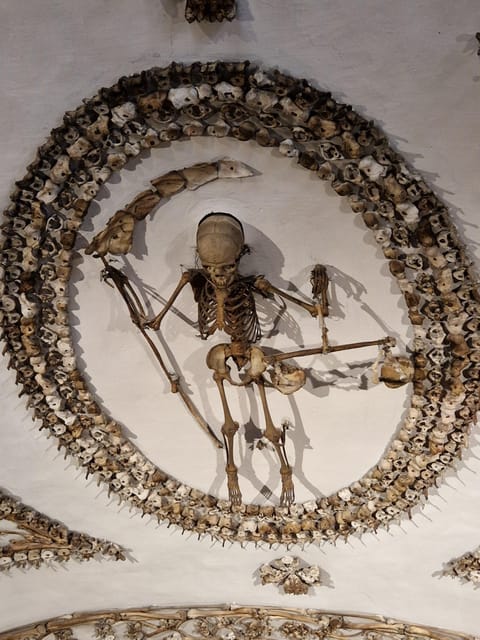
This tour is designed for English visitors, with an expert English mother-tongue-speaking guide and a small group cap. The “strong English level recommended” note is important. If English is only comfortable but not strong, you might want to think about how well you’ll follow fast storytelling in a tight format.
What I like about the guide style here is the consistent emphasis on presentation. In recent experiences, guides named Mike, Heather, Alessandra, and Angela have been highlighted for warmth, helpfulness, and a mix of factual detail with humor. That combination matters in a place like the Capuchin Crypts—because if a guide goes overly stiff, it can make the site feel more frightening. A lighter touch can help you stay present instead of panicking about what you’re seeing.
You may also get useful extras from a good guide. One example from recent tours: a guide who’s happy to answer practical questions beyond the crypts, like where to eat or how to get around while you’re in Rome. That’s not guaranteed, but it’s the kind of service that makes a paid tour feel worth it.
Price check: does $35 for 1 hour feel like value?
At around $35 per person for a 1-hour express guided visit with skip-the-line access, you’re paying for three things:
- time saved (skip-the-line matters at popular sites)
- interpretation (you’re not just looking at bones; you’re getting story, symbolism, and context)
- small group pacing (up to 10 participants keeps the experience manageable)
Is it pricey for only an hour? Yes, you might feel that tension. There are also visitors who think the cost is high when the experience is essentially a single site visit. But here’s my take on the value: the site is popular, the experience is intense, and the guide’s explanation is what separates a quick pass from something memorable and meaningful.
If you can only spare one slot to see the Capuchin Crypts, paying for a structured, skip-the-line entry is often the smarter move than risking delays or trying to piece together museum context and crypt explanations on your own.
What to wear and who should think twice
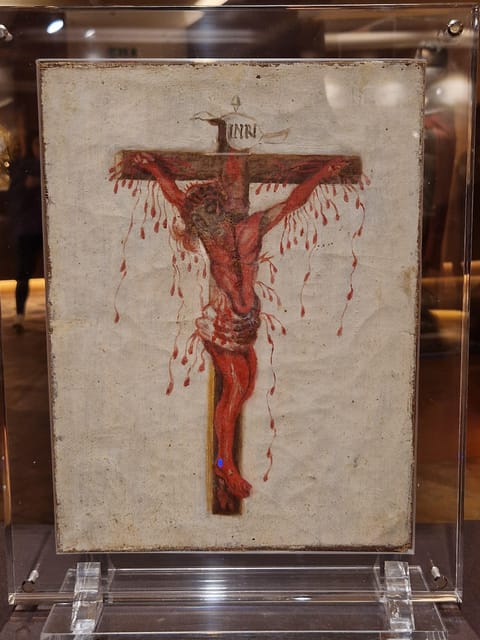
This is a sacred burial site, so dress rules are not optional. You’ll need shoulders and knees covered. Shorts and skirts are not allowed. Cargo shorts are acceptable. Comfortable clothes are a good idea because you’ll be walking and standing in a guided circuit.
This tour is also listed as not suitable for:
- children under 10
- pregnant women
- wheelchair users
If any of those apply to your situation, you’ll want to choose a different Rome plan. For many people, the bigger issue isn’t discomfort—it’s that the site and timing aren’t designed for those needs.
If you tend to get anxious about death imagery, you should also weigh your comfort level. The site leans into symbolism and human remains arranged for reflection. You don’t need to be religious to enjoy it, but you do need to be okay with the topic.
When this fits best in your Rome day
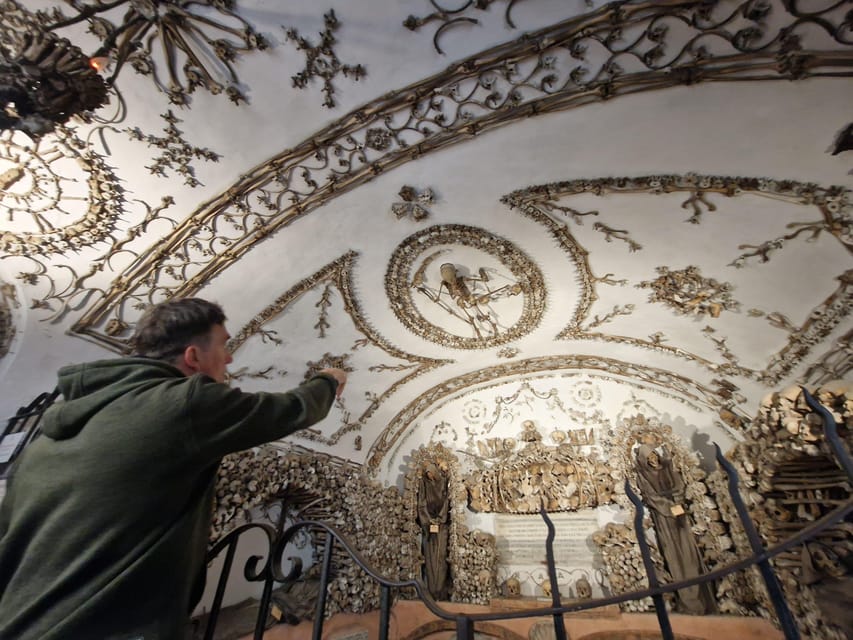
Because it’s an express 1-hour plan, it works well as a mid-day or afternoon stop, especially if you’re already exploring central Rome neighborhoods.
I’d schedule it when you’re alert enough to pay attention. This isn’t “background sightseeing.” You’ll hear history of orders, burial practices, and the meaning behind specific rooms. If you stack it right after a long travel day or while you’re rushing everywhere, you’ll miss the best part: the explanation.
Also, start thinking about your timing around dress rules. If you’re in the middle of a beachy day, plan ahead so you don’t get stuck at the entrance with clothing that doesn’t meet the requirements.
Should you book the Bone Crypts Express?
Book it if you want the Capuchin Crypts done in a smart, structured way: skip-the-line, small group, and a guide who tells you what you’re seeing and why it’s there. At $35 for about an hour, it’s best for people who value time, prefer guided context, and like art and symbolism even when the subject is dark.
Skip it if you’re traveling with kids under 10, if wheelchair access is a must for your group, or if you don’t handle mortality-themed religious imagery well. Also skip it if you expected a long, slow exploration in classic “underground tunnels” style; this one is designed as an express circuit through named chapels and museum context.
If you do book, wear the right clothes from the start, arrive ready to listen, and let the story change what you see. The bones are the headline. The meaning is what makes the hour stick.
FAQ
How long is the Rome Bone Crypts Express tour?
The tour lasts about 1 hour, with guided time listed as 70 minutes.
Where do I meet the guide?
You meet your English mother-tongue guide in Piazza Barberini, in front of the Triton Fountain (face side).
Is the tour in English?
Yes, the tour is in English with an English mother-tongue-speaking guide.
Does it include skip-the-line tickets?
Yes. The tour includes exclusive skip-the-line ticket access to the Capuchin Crypts.
How big is the group?
The group is small, limited to 10 participants.
What crypts or chapels will I see?
You visit six crypts/chapels decorated with bones, including the Crypt of the Three Skeletons, the Crypt of the Leg Bones and Thigh Bones, the Crypt of Pelvises with friars arranged in arches, and the Crypt of the Skulls.
Are there dress requirements?
Yes. Shoulders and knees must be covered to enter the holy site. Shorts and skirts are not allowed. Cargo shorts are acceptable.
Is an audio guide included?
An audio guide is mentioned for parts of the visit, but it is listed as not included in what’s provided with the activity, so you should plan around that.
Is this tour suitable for children?
No. It’s not suitable for children under 10.
Who is this tour not suitable for?
It’s listed as not suitable for pregnant women and wheelchair users.
What’s the price and cancellation policy?
The price is listed as $35 per person. Free cancellation is offered up to 24 hours in advance for a full refund, and there is also a reserve now & pay later option.