REVIEW · POMPEII & AMALFI COAST DAY TRIPS
Pompeii: Entry Ticket w/ Guide and Transfers or Audio Guide
Book on GetYourGuide →Operated by Show Me Italy · Bookable on GetYourGuide
Pompeii feels like time froze mid-errand. This ticket experience is built around seeing the key ruins—forum, amphitheater, homes, and the plaster casts—while a guide or audio keeps the story straight. I especially like the choice between a live guide and an audio option, so you can match the day to your pace.
Two things I really like: the stop plan focuses on the big emotional moments (especially the casts), and the route hits the classic Pompeii neighborhoods—public life, then private homes, then daily routines like baths and bakeries. One drawback to think about: it’s not suitable for wheelchair users or people with mobility impairments, and the tour won’t wait for latecomers.
In This Review
- Key Takeaways
- Pompeii in Real Life: Why This Day Trip Hits
- Entry + Guide/Audio: Picking the Right Style for Your Day
- Getting There From Rome: Transfers That Protect Your Time
- What the Day Actually Covers: From Civic Life to Private Homes
- The Forum: Where Pompeii’s Public Life Played Out
- The Amphitheater: Gladiators and the Drama of Entertainment
- The Wealthy Homes Stops: House of the Vettii and Villa of the Mysteries
- House of the Vettii: Frescoes and Lived-In Luxury
- Villa of the Mysteries: The Stop That Gets Under Your Skin
- Daily Life Details: Baths, Bakeries, Shops, and the Rhythm of a City
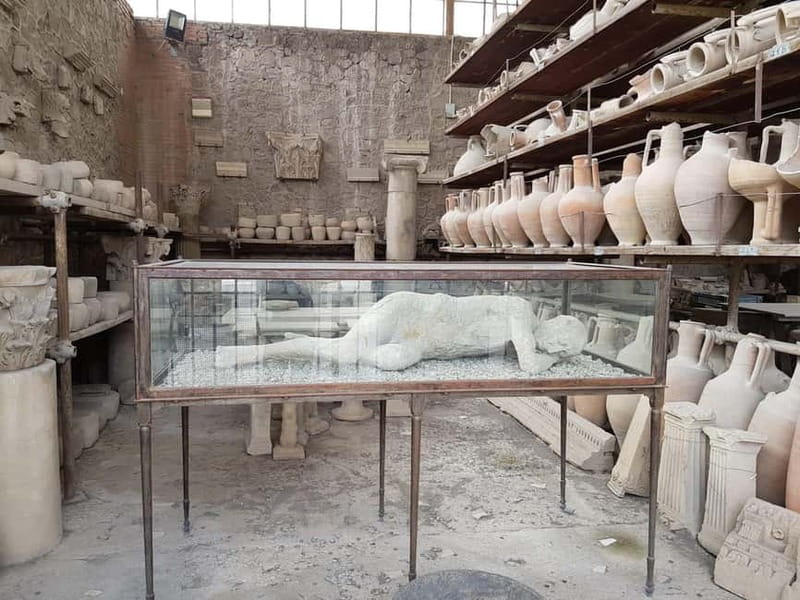
- The Plaster Casts: The Moment Pompeii Gets Personal
- Tour Pace and Timing: How Long You’ll Want to Stay
- Who This Works Best For (and Who Should Rethink It)
- What You’ll Like Most: The Small Details That Make It Feel Easy
- Practical Tips for Pompeii Comfort and Clarity
- Is This Good Value at the Listed Price?
- Should You Book This Pompeii Ticket With Guide or Audio?
- FAQ
- How long is the Pompeii visit?
- Do I get transportation from Rome?
- Is the tour guided or audio?
- What main places are included inside Pompeii?
- Are there restrictions on luggage or bags?
- Is this activity suitable for wheelchair users?
- Does the tour run in bad weather?
Key Takeaways
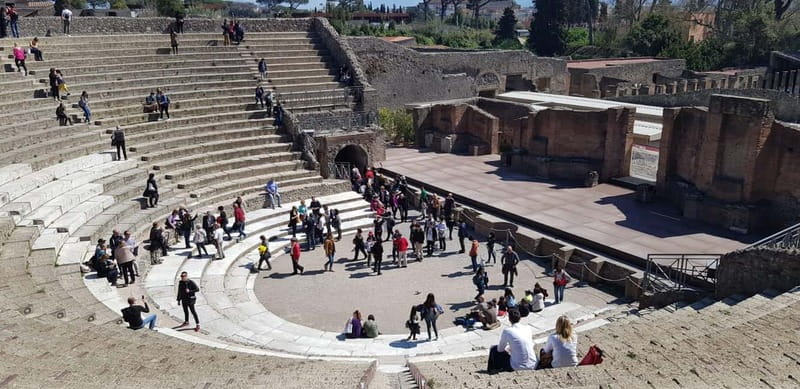
- Forum + amphitheater first-time highlights: start with public life, then the spectacle.
- House of the Vettii and Villa of the Mysteries: the kinds of places you remember long after photos.
- Plaster casts: a powerful, moving stop that lands the scale of the tragedy.
- Guide or audio guide choice: you control how structured the day feels.
- Optional transfers from Rome: less hassle, more time thinking about what you’re seeing.
- Rain or shine: you’ll need comfy shoes no matter the weather.
Pompeii in Real Life: Why This Day Trip Hits
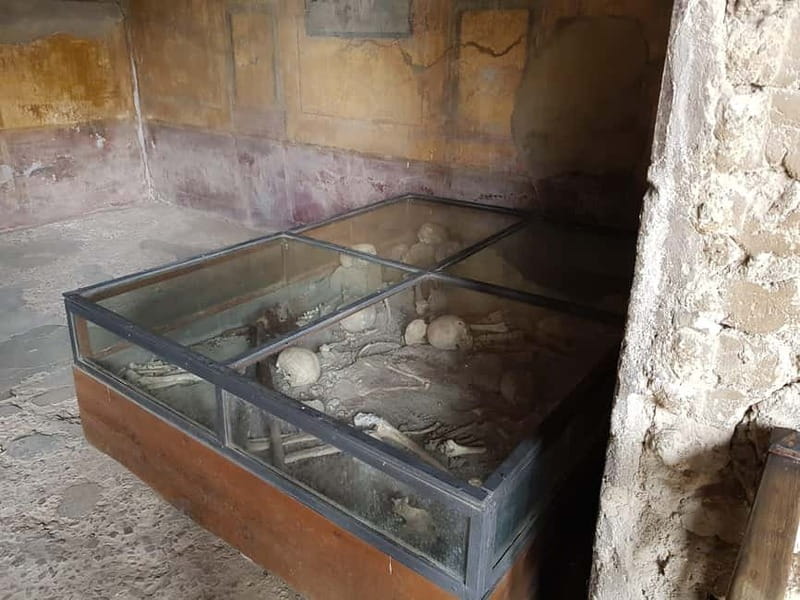
Pompeii isn’t just a pile of ancient stones. It’s a whole city with daily-life details still clinging to the walls—shopfronts, bath spaces, street layouts, and the kind of home decoration you’d expect from people who cared about how they lived. That’s why I think Pompeii works best when you’re not rushing. You want time to look, then time to understand what you’re looking at.
This experience is designed for exactly that. You’ll get entry to the Pompeii Archaeological Park, and then you either follow a guide’s walkthrough or use an audio guide to explore on your own. Either way, the day is organized around the core “must-see” areas, so you’re not left trying to piece the city together from scratch.
And there’s a special kind of contrast here: the eruption that destroyed Pompeii also preserved it. So you walk from grand civic spaces to ordinary corners, then to the plaster casts, which show victims in a way that’s hard to shake off. It’s not just “cool Roman ruins.” It’s the shock of recognizing real lives under the ash.
You can also read our reviews of more tours and experiences in Rome



Entry + Guide/Audio: Picking the Right Style for Your Day
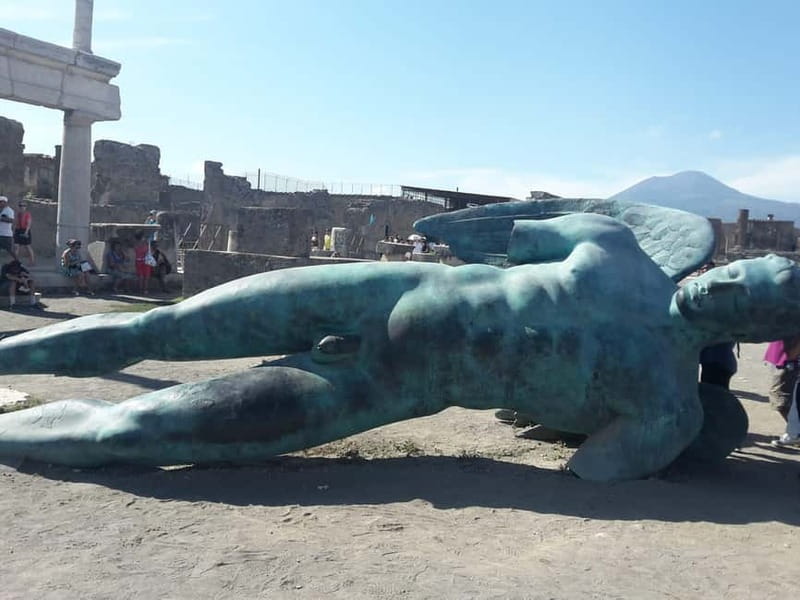
The biggest decision is how you want to learn—guided or self-paced.
If you choose the guided tour, you’ll walk the site with an English, French, Spanish, or German-speaking host (depending on what’s available). The guide’s job is to connect Pompeii’s layout to the people who lived there, and to add context for what you’re seeing: how the city worked, why certain buildings mattered, and what the eruption meant for everyday routines. In particular, guides are a big part of why this tour earns strong marks for being smoothly organized and engaging, including for families and solo visitors.
If you choose the audio guide, you trade structure for freedom. Audio is ideal when you want to pause more often, step off the main path for a closer look, or spend extra time in the spots that grab you. It can also be a good fit if you don’t want a group cadence. Just note you’ll still be walking the site on foot for a substantial chunk of time, so audio can help keep you oriented when you wander.
Either way, you’re not just “buying entry.” You’re getting a way to make the ruins readable. That’s what turns Pompeii from scenery into a story.
Getting There From Rome: Transfers That Protect Your Time
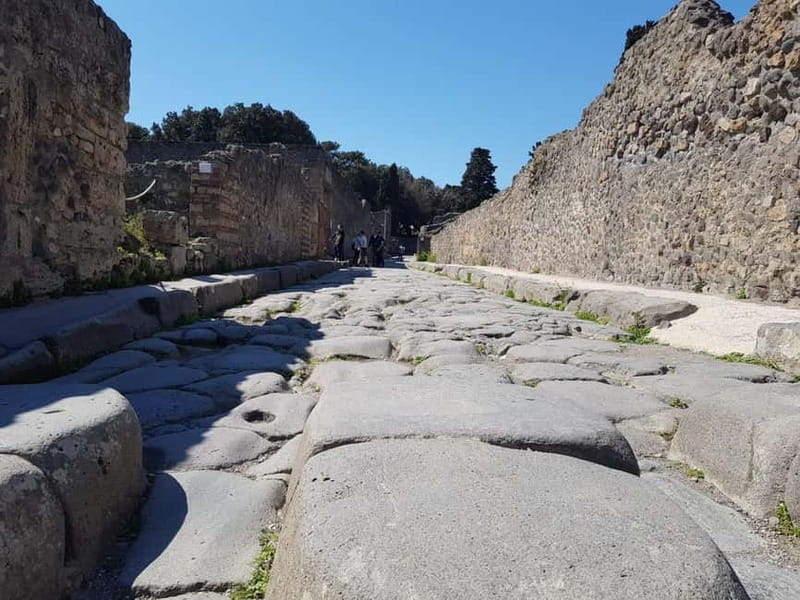
You have two options: you can be picked up with round-trip transportation from Rome (if you choose that option), or you can make your own way directly to Pompeii.
If you go with the round-trip transfers, you’re typically traveling by bus or train through the Italian countryside. For a day trip, that matters because it reduces stress. Instead of wrestling with timing and directions, you focus on arriving at Pompeii ready to go—comfortable enough to handle lots of walking once you’re there.
If you go on your own, you’ll want to plan your timing carefully. This experience is set up so the day flows, and the tour will not wait for latecomers. So you don’t want a “we’ll figure it out” approach on a day with a fixed entry rhythm.
Bottom line: if Pompeii is the one big anchor day of your Rome trip, transfers usually help you squeeze the most out of your limited time.
What the Day Actually Covers: From Civic Life to Private Homes
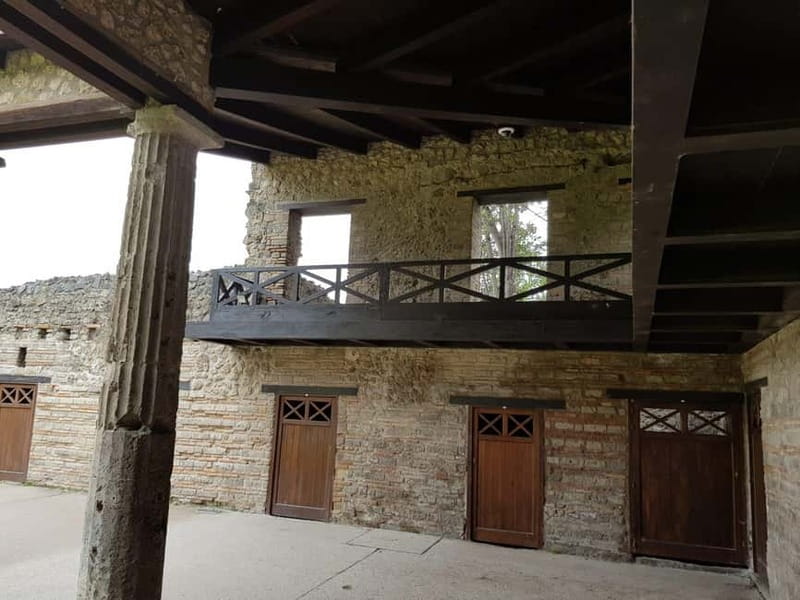
Even though the total duration can vary (it’s listed as 2 to 12 hours, depending on the option and starting time), the core “shape” of the experience is consistent: you move from public Pompeii, to wealthy private spaces, to daily-life buildings, and then to the plaster casts.
Here’s how that works in a way that makes sense.
The Forum: Where Pompeii’s Public Life Played Out
The forum is Pompeii’s heart—politics, social life, and the kind of civic energy that makes a city feel alive. Walking through it helps you understand how Roman urban planning worked: people gathered in shared spaces, and authority was visible in stone.
If you’re the kind of person who wants the why behind the wow, the forum is a great starting point. It gives context before you head into smaller, more intimate ruins.
You can also read our reviews of more guided tours in Rome





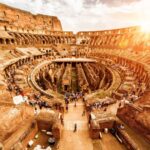
The Amphitheater: Gladiators and the Drama of Entertainment
Next comes the amphitheater, where gladiators once fought. Even if you’re not a Roman history superfan, it’s a powerful stop because it’s designed for crowds, noise, and spectacle. Pompeii’s amphitheater helps you picture the emotional rhythm of the city—public moments that weren’t about politics or commerce, but about entertainment.
I like this pairing: forum first, then amphitheater. It shows the city wasn’t just functional. It was also theater.
The Wealthy Homes Stops: House of the Vettii and Villa of the Mysteries
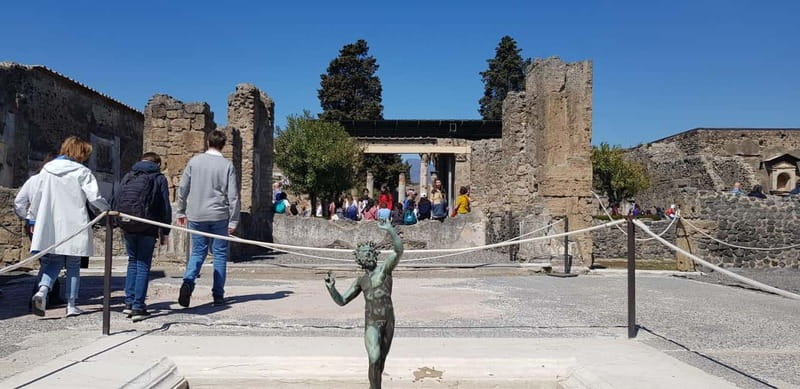
If public buildings are Pompeii’s backbone, the homes are its personality.
House of the Vettii: Frescoes and Lived-In Luxury
One of the included highlights is the House of the Vettii. This is where you see the kind of decoration that tells you a lot about status and taste. You’ll look at frescoes and details that feel more like a preserved interior than an empty ruin.
The value here is that these homes aren’t just “pretty.” They help you understand what wealth meant—how people displayed identity and how space was organized around daily routines.
Villa of the Mysteries: The Stop That Gets Under Your Skin
Another named highlight is the Villa of the Mysteries. This is the type of place where the decoration pulls you in and won’t let you go. You’ll encounter intricate frescoes, and the overall feeling is that you’re stepping into a world created for storytelling through art.
It’s also one of those stops where being guided can help a lot, because the guide can point out what you’re looking at and why it matters.
Daily Life Details: Baths, Bakeries, Shops, and the Rhythm of a City
What makes Pompeii extraordinary is that it wasn’t only destroyed—it was preserved. That preservation includes the places people used every day.
In addition to the big-ticket monuments, the experience includes time for buildings linked to everyday Roman life, such as:
- Baths
- Bakeries
- Shops
This is where I think the tour’s structure pays off. If you only focus on temples and amphitheaters, Pompeii can start to feel like a history lecture. But when you shift into daily-life spaces, the city starts to behave like a real place where people worked, ate, bathed, and shopped.
Even if your Roman knowledge is basic, these stops keep you grounded. They turn “ancient” into “familiar.”
The Plaster Casts: The Moment Pompeii Gets Personal
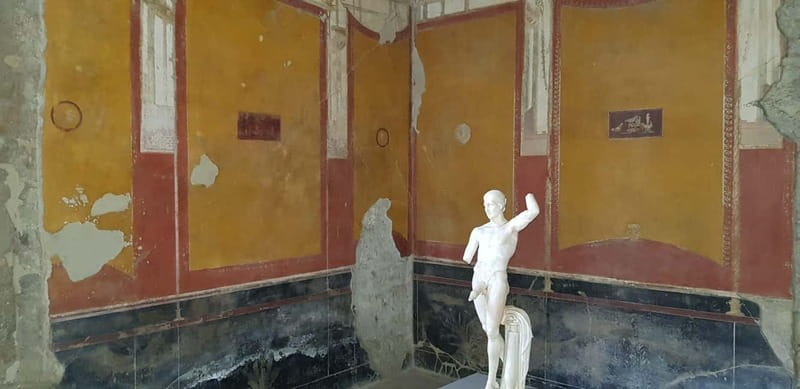
The plaster casts are included in the experience, and they’re the stop that changes the tone of the day.
These casts—created from the preserved remains—are poignant. They turn a disaster into individual loss. It’s not just history; it’s a human moment frozen in time, forcing you to confront what happened during the eruption.
If you’re deciding between guide and audio, this is one area where a live guide can add emotional context and historical framing. That doesn’t make the experience less intense; it just makes it more understandable.
Practical note: plan to slow down here. If you rush through the casts, you’ll miss the point.
Tour Pace and Timing: How Long You’ll Want to Stay
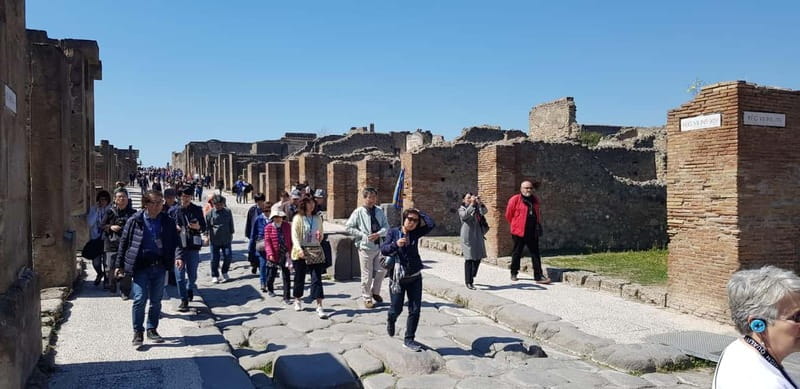
The duration range is 2 to 12 hours. That wide window is a clue that starting times and option choices affect how packed the day feels.
If you’re on a tight Rome schedule, the shortest options can work—but you’ll want to keep expectations realistic. Pompeii is a big site on foot. Even the “short” version typically isn’t a quick stroll.
If you have flexibility, longer options are the better bet because Pompeii rewards lingering. You don’t just want to tick off the forum and amphitheater; you want time to look at frescoes, stand in the spaces where crowds gathered, and then breathe before you reach the casts.
My rule: pick a length that gives you at least some breathing room. Otherwise you’ll feel like you’re speed-walking through an open-air museum.
Who This Works Best For (and Who Should Rethink It)
This experience is a strong fit if you’re:
- Visiting Rome and want one major “big ancient” day without heavy planning
- Traveling as a couple or solo traveler and want built-in structure
- Interested in a guided explanation but still value time to wander
- Looking for a day trip that can keep different ages entertained (it’s been described as engaging for families)
It’s not a good fit if you have mobility impairments or need wheelchair access. The tour is also not set up for oversize luggage or large bags, so pack light.
If you’re traveling with lots of gear, you’ll want to rethink what you bring. Pompeii is walk-heavy, and clutter will make it harder to enjoy the day.
What You’ll Like Most: The Small Details That Make It Feel Easy
Some of the most praised elements here aren’t flashy—they’re practical.
People consistently point to how smoothly the day runs and how comfortable the transport feels when transfers are included. That matters because the day trip includes a travel leg from Rome, and you don’t want that to drain your energy before you even reach the ruins.
Another standout: guides. One named example you’ll hear is Giuseppe, highlighted for being especially good—friendly, helpful, and able to mix humor with historical context. That combination is ideal in Pompeii because the site can feel emotionally heavy at times. Light moments and clear explanations help you keep moving with purpose.
Practical Tips for Pompeii Comfort and Clarity
A good Pompeii day is mostly about prep.
- Wear comfortable, broken-in shoes. The site is walk-heavy and uneven in places.
- Bring water and snacks? Not in this vehicle. The tour notes no food and drinks in the vehicle, so plan accordingly once you’re at the park.
- Keep your bag small. Oversize luggage and large bags aren’t allowed.
- Arrive early to avoid timing issues. The tour won’t wait for latecomers.
- If you pick audio, download headphones you trust and keep volume reasonable. You’ll want to hear background explanations without blasting.
And mentally: decide what you want to feel. Pompeii can make you feel awe, shock, and even a little grief. Don’t fight that. Lean into it at the casts.
Is This Good Value at the Listed Price?
The listed price shown is $5.55 per person, and the experience includes entry to the Pompeii Archaeological Park. What that means for value is that you’re not paying entry alone—you’re getting access plus a guide or audio option depending on what you select, and you may include round-trip transport if you choose it.
In practice, value comes from reducing the friction of the day. Transfers, an English/other-language host, and a planned route mean you spend less time figuring out logistics and more time actually experiencing Pompeii.
Just double-check the exact option you’re booking. Since durations and inclusions can change, make sure the guide/audio and transport choices match what you want.
Should You Book This Pompeii Ticket With Guide or Audio?
Book it if:
- You want a structured Pompeii experience focused on the best-known stops
- You like having Pompeii explained so you can actually read what you’re seeing
- You’re short on time in Rome and want the day trip to feel organized
Skip or reconsider if:
- You need wheelchair access or have significant mobility limitations
- You hate guided pacing and want to fully design your own route with zero structure
- You plan to bring large luggage
If your goal is one “can’t-miss” Pompeii visit without getting bogged down, this is a solid way to do it. You’ll hit the forum and amphitheater, see standout homes like the House of the Vettii and the Villa of the Mysteries, and you’ll reach the plaster casts—where Pompeii stops being an idea and starts being a place.
FAQ
How long is the Pompeii visit?
The duration is listed as 2 to 12 hours, depending on the option and starting time shown for availability.
Do I get transportation from Rome?
Round-trip transportation from Rome is included only if you select the option that includes transfers. Otherwise, you make your own way to Pompeii.
Is the tour guided or audio?
You can choose either a guided tour (if that option is selected) or an optional audio guide (audio is available in English).
What main places are included inside Pompeii?
The experience includes stops at key landmarks such as the forum and amphitheater, the House of the Vettii, the Villa of the Mysteries, and the plaster casts.
Are there restrictions on luggage or bags?
Yes. Oversize luggage and large bags are not allowed.
Is this activity suitable for wheelchair users?
No. It is not suitable for wheelchair users and is not suitable for people with mobility impairments.
Does the tour run in bad weather?
Tours run rain or shine, unless officials close the monument for safety reasons.
If you want, tell me your travel month and whether you prefer guided or self-paced. I can suggest the best kind of option based on timing and your tolerance for crowds.