REVIEW · COLOSSEUM, FORUM & PALATINE TOURS
Rome: Colosseum & Roman Forum Guided Tour
Book on GetYourGuide →Operated by Emotion club · Bookable on GetYourGuide
The Colosseum still steals the show. This guided route strings together the Colosseum and the Roman Forum with an express lane, plus headsets, so you spend more time soaking up ruins than losing time to lines.
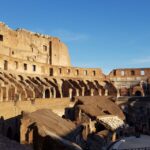
I especially liked getting more than one viewpoint: you see the Colosseum’s lower levels and then move upward, while your guide explains how the fighting spectacle worked. After that, the Roman Forum walk gives you a feel for everyday Rome, with the Sacred Road and major civic spots back to back.
One thing to plan for: it’s a lot of standing and walking, including routes that don’t work well for people with mobility issues or wheelchair users.
In This Review
- Key things that make this tour worth it
- Why this Colosseum-Forum-Palatine combo works fast
- Meeting up at Largo Agnesi and lining up smarter
- Express lane at the Colosseum: what that changes for you
- Colosseum levels 1 and 2: from arena photos to the real machine
- The climb to the top tiers: atmosphere without the guesswork
- Roman Forum: where the empire ran on people, not just stones
- Palatine Hill: the origin legends meet imperial real estate
- What $89.50 buys you here (and why the value makes sense)
- The pace: good news for fit walkers, a heads-up for the rest
- Guides and style: why storytelling matters at these sites
- Should you book this Colosseum, Forum, and Palatine tour?
- FAQ
- How long is the Rome: Colosseum & Roman Forum Guided Tour?
- Where does the tour meet?
- Does the tour include skip-the-line access?
- Which areas are included in the visit?
- Are headsets included?
- What languages is the live guide offered in?
- What should I bring?
- Is the tour suitable for wheelchair users or mobility impairments?
Key things that make this tour worth it
- Express lane entry that helps you bypass the longest Colosseum bottlenecks
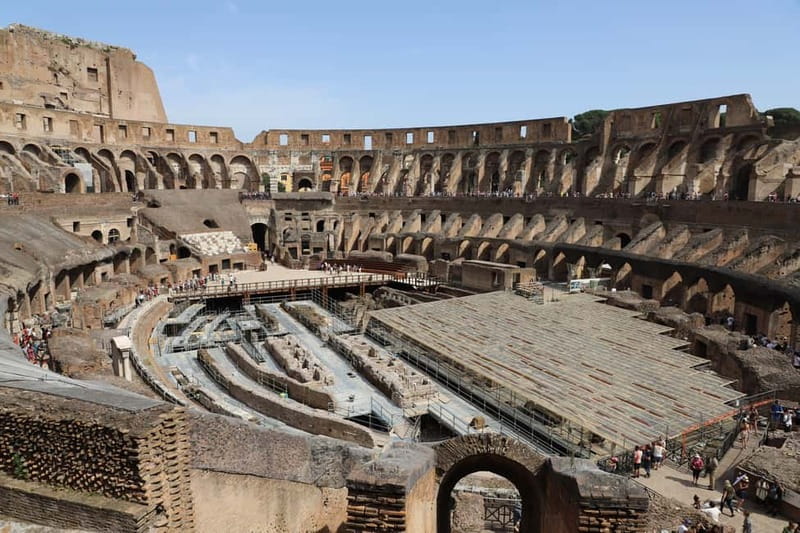
- Colosseum levels 1 and 2, plus time for the higher tiers and the big-atmosphere views
- Underground and backstage explanations that turn the arena from a photo spot into a functioning machine
- Roman Forum focus on daily life, not just monuments, with stops along key routes like the Sacred Road
- Palatine Hill setting where Rome’s origin legends meet real imperial villas and serious viewpoints
Why this Colosseum-Forum-Palatine combo works fast
If you only have a half day in Rome, this is one of the smartest ways to spend it. You’re packing three of the most important sites in the Ancient Rome “core” into about three hours, with a guide doing the heavy lifting of putting everything in order.
What you get is not just sight-seeing. You get cause and effect. The Colosseum becomes more than an oval building when you learn why gladiator fights were staged, how the crowd decided, and what life looked like for the fighters and the people around them. Then the Roman Forum shifts the mood from spectacle to administration and public life, with the Imperial Forums showing the political and economic pulse of the empire.
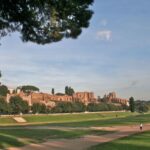
The Palatine Hill portion adds that extra layer Rome does so well: origin stories and power geography in the same breath. Legend about Romulus and Remus lives right beside the remnants of the emperors’ villas, and the views over Circus Maximus help the whole place click.
You can also read our reviews of more guided tours in Rome

Meeting up at Largo Agnesi and lining up smarter
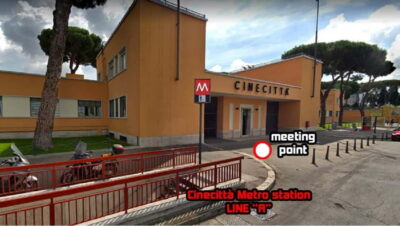
Your start point is in the Colosseum area at Largo Gaetana Agnesi, by Caffè Roma (the corner at Largo Agnesi 1). The metro stop is Colosseo on Line B, and you’ll want the upper exit so you’re on the right side when you surface.
Look for your guide holding the rounded Emotion.club logo sign, which makes it easier when the crowd energy starts to blur everything together. No hotel pickup is included, so plan to reach the meeting point on your own.
Here’s a small practical tip that saves stress: wear your most comfortable walking shoes. This isn’t a slow “look and linger” stroll. It’s a guided route through uneven stone paths and active outdoor sections, so shoe comfort matters more than anything you pack.
Express lane at the Colosseum: what that changes for you
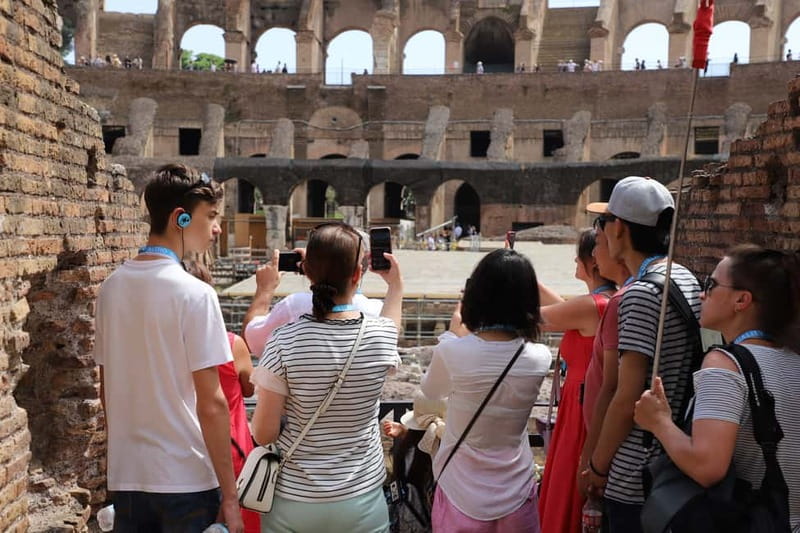
Skip-the-line access is a big deal at the Colosseum. When you’re rushed, you tend to glance and move on. With the dedicated entrance approach, you’re more likely to slow down and actually understand what you’re seeing.
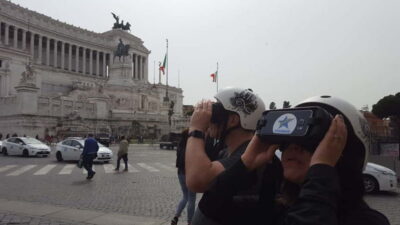
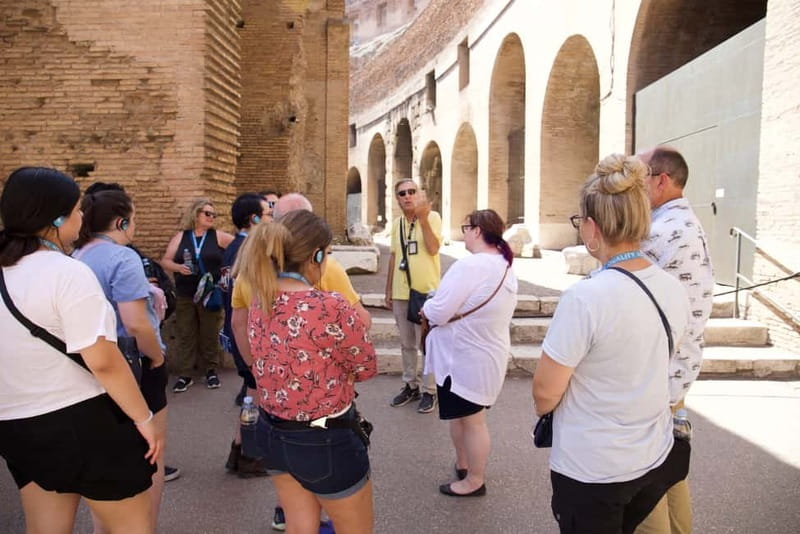
You’ll also have headsets included. That sounds basic, but it changes the whole experience. You can hear the guide clearly while you look around instead of constantly scanning for facial expressions or leaning in to catch words.
Once inside, the Colosseum doesn’t feel random. It feels structured. Your guide walks you through what’s in front of you, what’s above you, and what used to be beneath you. That matters because the Colosseum only makes full sense when you connect the audience view to the machinery and movement that powered the show.
Colosseum levels 1 and 2: from arena photos to the real machine
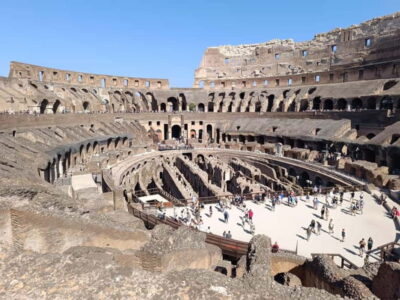
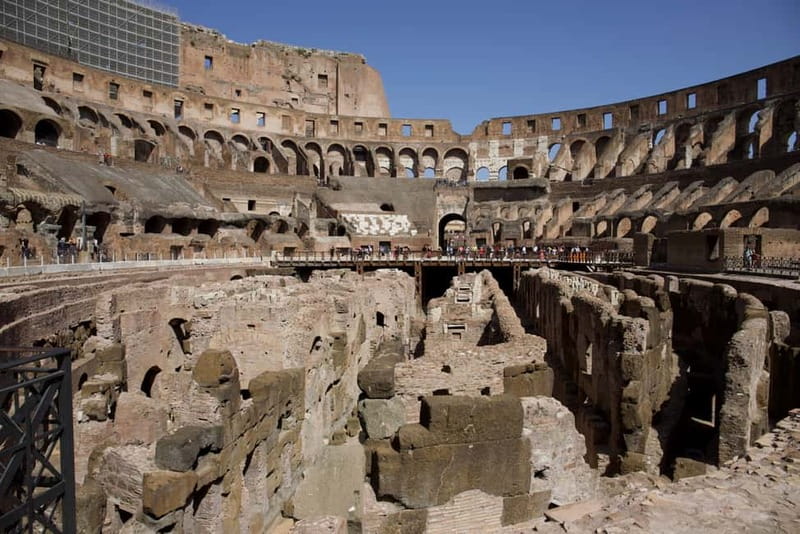
This is the part I’d call the core of the tour. You don’t just stand at one angle and wait for the best photo. You start with both 1st and 2nd levels, which helps you understand how the building is layered and how the seating sections relate to the spectacle.
You’ll hear a vivid, practical explanation of gladiators, slaves, and wild animals fighting to the death almost two thousand years ago, right where you’re standing now. More importantly, you’ll get the why behind the brutality. Your guide connects the fights to Roman entertainment culture, crowd choice, training routines, and even what gladiators were paid.
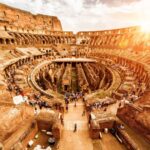
If you’ve ever wondered how something this large could run with any sense of order, this is where the tour gives you answers. The guide covers how the immense structure was built and how backstage mechanisms and underground tunnels worked. That shifts the Colosseum from a monument into a system.
The climb to the top tiers: atmosphere without the guesswork
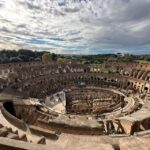
After the lower levels, you climb to the higher tiers. This is where the Colosseum starts to feel huge in a way pictures can’t replicate. You can really read the scale of the arena and the sweeping seating lines.
Your guide doesn’t leave this as just scenery. You get the story threaded to the views, so you understand what you’re looking at instead of just chasing viewpoints. It’s also a strong moment for absorbing the atmosphere of a venue that once hosted crowds packed tight enough to make every gesture matter.
One more practical note: higher tiers can mean more steps and more sun exposure. Bring it up in your planning if you’re visiting in summer. The tour runs outside in the open air, and you’ll be moving between sections.

Roman Forum: where the empire ran on people, not just stones
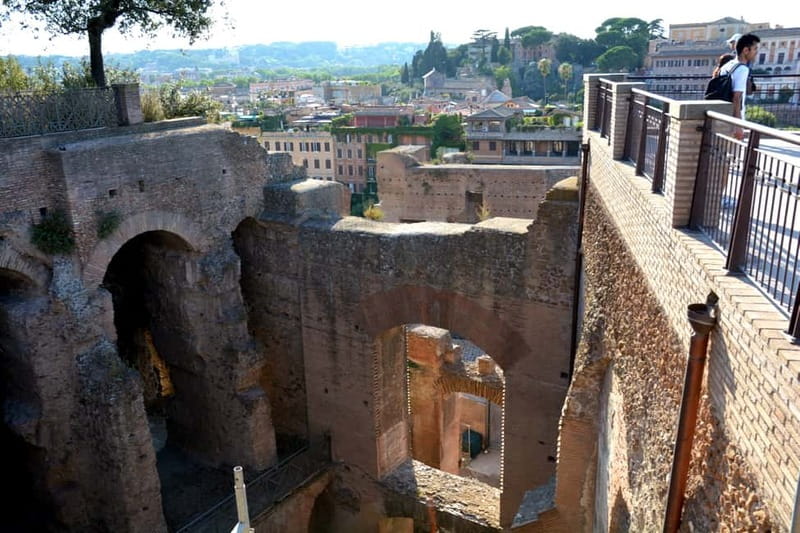
The Roman Forum portion is where you slow down mentally. The Colosseum gives you drama; the Forum gives you structure.
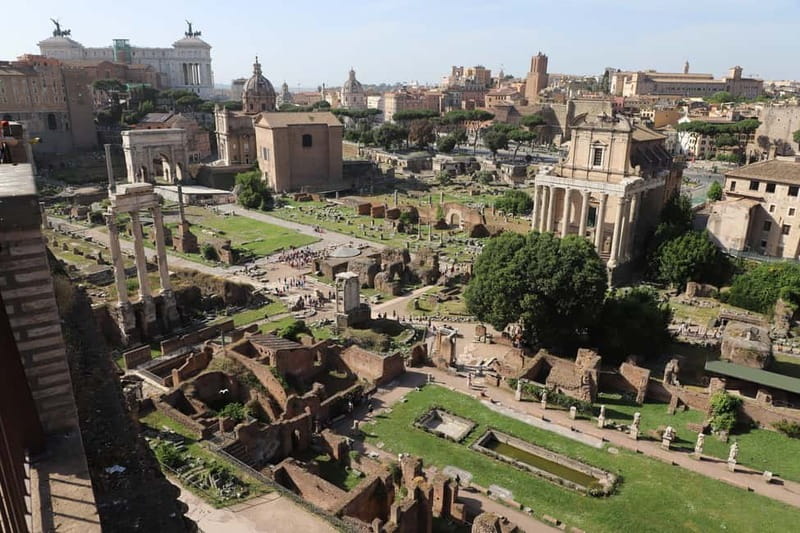
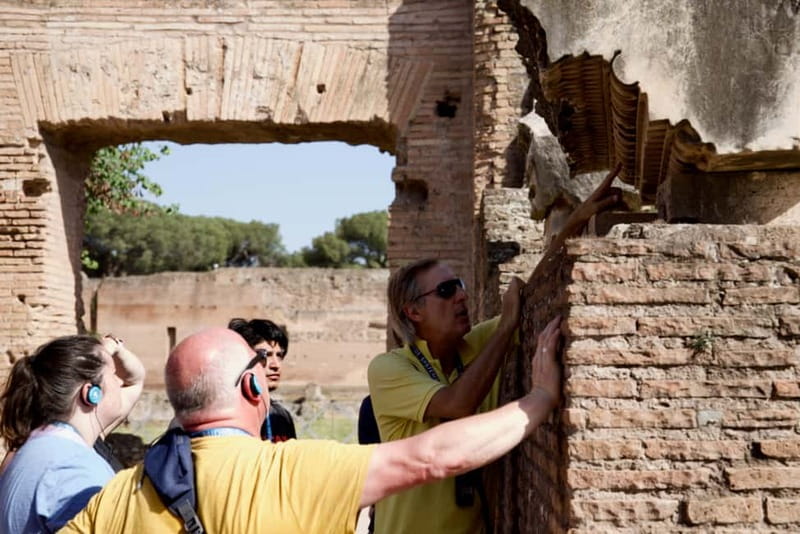
You’ll wander the Forum with a guide for about 1.5 hours, and the focus isn’t only on famous ruins. It’s on day-to-day life and the mix of social roles packed into this space: doctors, sailors, priests, and prostitutes, and people from different backgrounds. You’ll hear about brightly colored clothes, richly decorated homes, and the contradictions of a city that could be both grand and harsh.
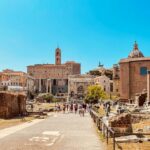
A highlight is the Sacred Road, which your guide traces in the footsteps of Roman citizens. Along the way you pass temples, market-places, villas, and triumphal arches. That route helps you feel the Forum not as a museum corridor, but as a working path where religion, commerce, politics, and public life intersected.
If you also want the “big machinery” behind the stories, the tour ties it together with explanations of Roman power and longevity. The Forum is presented as the day-to-day center, while the Imperial Forums show the political and economic heart of ancient Rome.
Palatine Hill: the origin legends meet imperial real estate
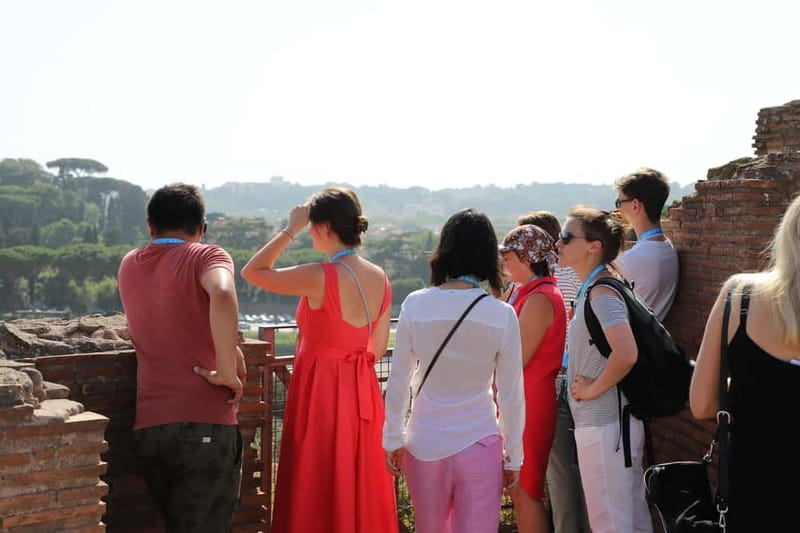
Palatine Hill is where Rome’s origin stories stop sounding like bedtime tales and start looking like a place. Legend has it this is where Romulus and Remus were raised by the she-wolf, and the tour connects that legend to the broader idea of where Rome began.
You’ll also learn how this hill ties to the rise and the end of an empire. Palatine Hill is presented as an end point for Roman domination in addition to its beginning. Then the guide shifts to who lived there: mostly the rich and influential, with remains of emperors’ villas still visible.
And yes, you get the views. This part includes a look across toward Circus Maximus, which helps you picture what elite life felt like. When you can see where the chariot races would have been, the history stops being flat.
The Palatine portion is shorter (about 30 minutes), but it lands well. It gives you a “close” to the tour with meaning, not just another pile of ruins.
What $89.50 buys you here (and why the value makes sense)
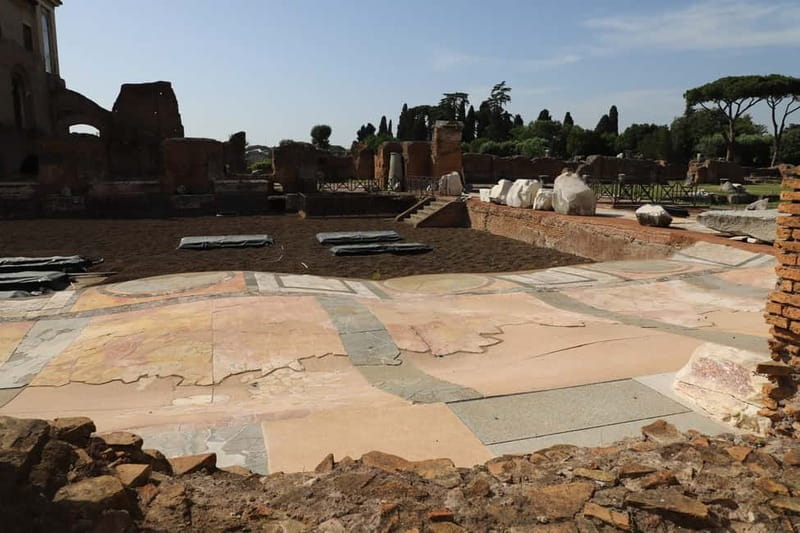
At $89.50 per person for about three hours, you’re paying for more than entry tickets. You’re paying for time-saving access, interpretation, and coverage of multiple top-tier sites without having to plan connections yourself.
Here’s what matters for value:
- Guided instruction across Colosseum, Roman Forum, and Palatine Hill, rather than one location only
- Headsets, so you can follow the story as you move
- Skip-the-line / express access to the Colosseum, which can dramatically change your experience on busy days
- Included site access for each part of the route
What you’re not paying extra for in this price is also important. No hotel pickup and drop-off is included, but that’s typical for tours that start in a central pedestrian zone like this. Your best “cost” is effort: comfortable shoes and time in the sun.
The reviews give you another clue about value: the guides are repeatedly described as funny, patient with questions, and very willing to add details that help you visualize what life in Rome was like. You also see mentions of archeologists and guides who try to keep groups comfortable in hot weather, with shade and water breaks when needed.
The pace: good news for fit walkers, a heads-up for the rest
This is not a stroller-friendly route. It’s listed as not suitable for people with mobility impairments or wheelchair users, and that matches what you’ll likely experience on uneven ancient pathways and in areas with steps.
Even if you can walk fine, expect a workout. You’ll move between big open spaces and walk through multiple sections with explanations along the way. The upside is that three hours doesn’t drag. The route is built to keep you moving toward the next “click moment” in the story.
Heat is another consideration. Rome in summer can hit hard fast, and some guides are described as making sure the group is in shade as much as possible and stopping for regular water breaks. Don’t assume that on every day, but do plan like you’ll need it. Bring water if allowed and wear sun protection.
Guides and style: why storytelling matters at these sites
One reason this tour gets such strong feedback is how guides frame the ruins. The best Colosseum and Forum tours don’t just recite dates. They explain how the place functioned.
In the guide descriptions you’ll hear about how fights were staged, crowd choices, how gladiators trained, and how the underground tunnels and backstage mechanisms made it possible. That kind of explanation helps your brain map what you’re seeing to what the building used to do.
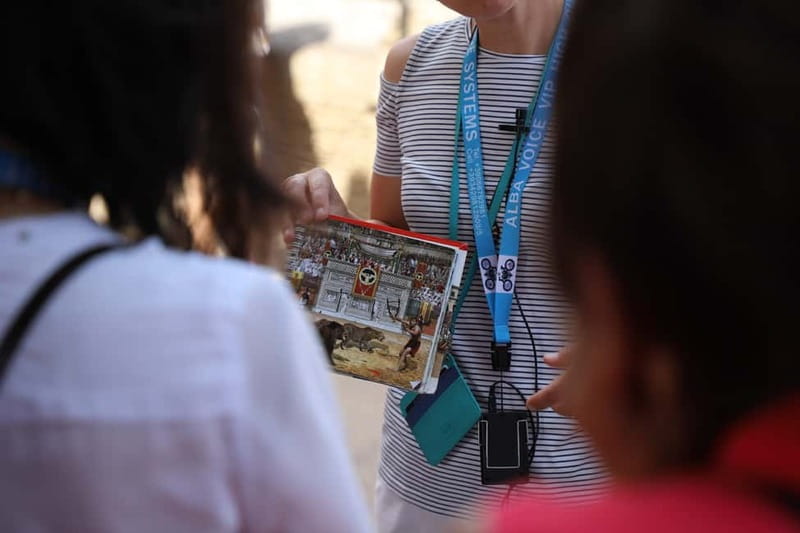
Guides also show up as more than lecturers. People mention guides like Elena, Sara, and Francesco using humor and keeping questions flowing. Others note guides sharing related pictures to help you visualize the past. There are even mentions of guides with archeology backgrounds who’ve worked around the Roman Forum area, which tends to make the material feel grounded instead of abstract.
So if you care about understanding the why behind the stone, this format fits.
Should you book this Colosseum, Forum, and Palatine tour?
Book it if you want a single guided hit at the highest-impact sites in Rome and you like structure. You’ll get express lane access, headsets, and a clear story that links spectacle (Colosseum) to civic life and power (Roman Forum and Imperial Forums) to origins and imperial living (Palatine Hill).
Pass on it if you need a slow pace, have mobility limitations, or hate walking between multiple outdoor zones. This tour is built for active movement and takes place in open air where weather matters.
If you’re on the fence, here’s my practical rule: if three hours in Rome sounds like the right amount of time for you, and you’re comfortable with stairs and sun, this is a strong value way to make the Colosseum area make sense.
FAQ
How long is the Rome: Colosseum & Roman Forum Guided Tour?
It lasts about 3 hours.
Where does the tour meet?
Meet your guide at the corner of Caffè Roma in Largo Agnesi 1 (Largo Gaetana Agnesi area). The metro is Colosseo on Line B, using the upper exit. The guide holds a rounded Emotion.club logo sign.
Does the tour include skip-the-line access?
Yes. You get Colosseum access through a separate entrance / express lane.
Which areas are included in the visit?
You visit the Colosseum, the Roman Forum, and Palatine Hill (with Imperial Forums covered in the overall experience).
Are headsets included?
Yes, headsets are included.
What languages is the live guide offered in?
The live tour guide is available in English and Russian.
What should I bring?
Bring a passport or ID card and wear comfortable shoes.
Is the tour suitable for wheelchair users or mobility impairments?
No. It is not suitable for people with mobility impairments and is not suitable for wheelchair users.