REVIEW · COLOSSEUM, FORUM & PALATINE TOURS
Rome: Colosseum, Palatine Hill, and Roman Forum Tour
Book on GetYourGuide →Operated by StarFlorence · Bookable on GetYourGuide
Skip the line, learn the real Rome. This 2.5-hour timed tour is built for value: you start at the Arch of Constantine, get reserved entry to the Colosseum/Palatine Hill/Forum, and hear the story through a live guide plus radio system. I love how skip-the-line access beats the usual crush just to reach the sights. Even with different guides over time, the format stays strong, and people have praised guides like Francisco, Mauricio, and Giovana for making the history make sense fast.
You’ll also enjoy the big visual payoff: the walk includes a viewpoint over the Forum from Capitoline Hill, so it’s not just ruins at ground level. I love that the tour connects legends (Romulus and Remus) and power (Senators, emperors, temples) with what you’re actually standing on. One thing to plan for: during busy periods, skip-the-line isn’t a magic wand—security checks at the Colosseum can slow group entry.
In This Review
- Key things to know before you go
- Start at the Arch of Constantine and get oriented
- Entering the Colosseum: more than a photo stop
- A practical note on hearing your guide
- Palatine Hill: origins, legends, and big-sky views
- Capitoline Hill viewpoint: the Forum makes sense fast
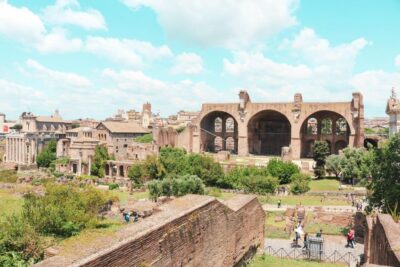
- The Roman Forum: power center, walked step by step
- A quick reality check about time
- Skip-the-line access: what it really means at peak security
- Price and value: is $89.50 worth it?
- Practical tips to make your day smoother
- Arrive early and keep your hands free
- Know what you can’t bring
- Radio deposit: plan for it
- Heat management
- Be smart around the public areas
- Who this tour is best for
- Should you book this tour?
- FAQ
- How long is the Colosseum, Palatine Hill, and Roman Forum tour?
- Where is the meeting point?
- What time should I arrive?
- Which languages are offered?
- What’s included in the price?
- Does the tour include Arena Floor or Underground access?
- Is skip-the-line access guaranteed?
- What should I bring?
- What items are not allowed?
- Is this tour suitable for wheelchair users?
Key things to know before you go
- Timed, reserved entry to the Colosseum, Palatine Hill, and Roman Forum keeps your day from turning into a queue marathon
- Professional guide + radio system helps you hear clearly while you’re walking and stopping often
- Capitoline Hill viewpoint gives you an instant map of how the Forum fits together
- Palatine Hill stops include specific areas like the House of Augustus and Domitian’s sunken garden concept
- Forum landmarks are grouped logically (Temple of Julius Caesar, Arch of Titus, Vestal Virgins, Senate House, Basilica of Maxentius)
- No Arena Floor or Underground access, so manage expectations if you were hoping to go below the main levels
Start at the Arch of Constantine and get oriented
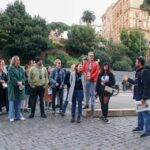
This tour begins at the Souvenir Colosseo Shop on Via di S. Giovanni in Laterano, 14. Show up 30 minutes early to check in, because the whole day depends on you being in the right place before group entry timing locks in.
From there, your guide takes you to the Arch of Constantine, one of Rome’s best-preserved triumphal arches. It’s a smart first stop because it sets the tone: Roman monuments weren’t “just for tourists.” They were built to broadcast power, victory, and legitimacy.
You’ll also be walking at a moderate pace. On a hot day, that matters. One person summed it up with Rome is hot—and that matches what you’ll feel in summer, especially around exposed stone surfaces.
You can also read our reviews of more tours and experiences in Rome.
Entering the Colosseum: more than a photo stop
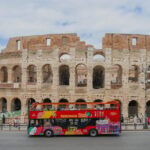
Reserved Colosseum entry is the whole reason this tour works. Instead of spending your energy fighting the line, you move through more smoothly (though security checks can still be intense at peak times).
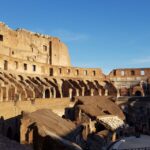
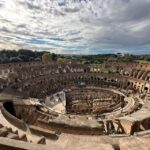
Once you’re inside, the guide focuses on what the Colosseum was designed to do and how it operated. You’ll hear about the brutal entertainment of gladiator combat and the daily hard life tied to the arena system. The aim is not scary shock value. It’s context: who built it, who controlled it, and why the spectacle mattered to ordinary Romans and the ruling class alike.
And yes, it’s still crowded. Even when you “skip the line,” you’re stepping into a major set of public spaces. If you can, keep your expectations realistic: you’re coming for the main stage, and the main stage is never empty.
A practical note on hearing your guide
The tour includes a radio system, which helps a lot when groups spread out or when other tours overlap. If your device ever seems off during the walk, it’s worth flagging it right away with your guide so you don’t lose the story while you’re staring at stone.
Palatine Hill: origins, legends, and big-sky views
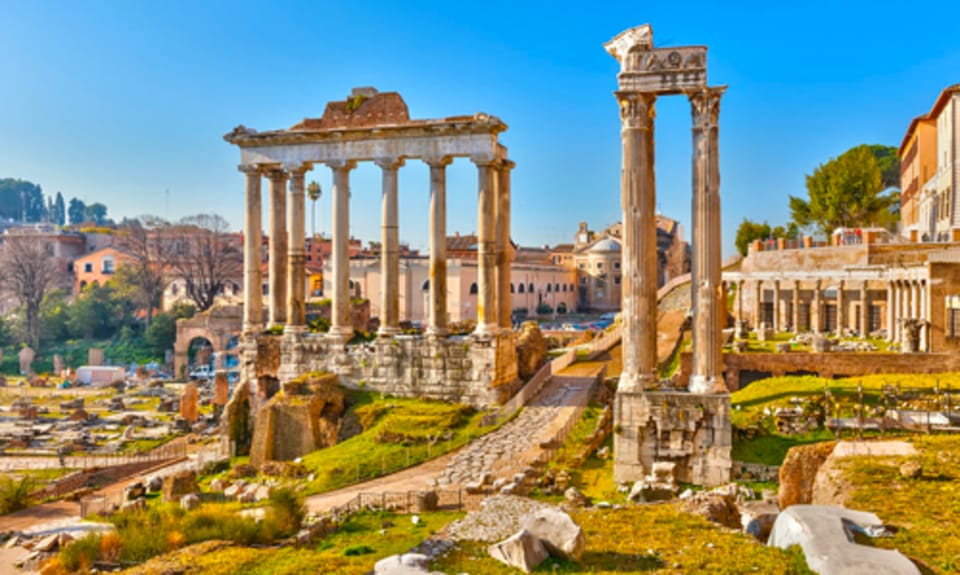
Palatine Hill is where you go from empire propaganda to origin myths. Your guide connects the legend of Romulus and Remus to the area you’re standing on, including where their brothers’ conflict is said to have played out. That matters because Palatine isn’t just “another hill with ruins.” It’s the place people historically linked to the founding of Rome.
You’ll also pass through areas described in the tour as especially vivid, like the House of Augustus with its frescoes and the Hippodrome zone. One of the more interesting additions is talk about an elliptical sunken garden associated with the Palace of Domitian. Even if you can’t see every detail clearly, the guide’s job is to translate shapes and remnants into what they likely were for.
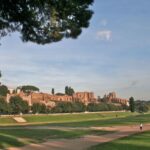
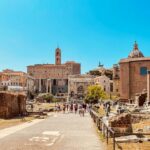
And then you get one of the best rewards: views. From Palatine, you’ll look out toward the Circus Maximus and down toward the valley of the Roman Forum. Those vistas turn the ruins into a “scene” instead of a pile of walls.
Capitoline Hill viewpoint: the Forum makes sense fast
Half the confusion for first-time visitors is scale. The Forum feels like a patchwork of ruins—until you get a viewpoint. This tour includes a spectacular look over the Forum from Capitoline Hill, and it’s genuinely useful.
From up there, you can see how the Forum’s spaces connect and why certain buildings mattered more than others. Then the guide brings you down and starts walking you through those same places with a plan in mind. You’ll find yourself orienting faster than you would if you wandered on your own with only a map app.
Think of this moment as getting your bearings fast. After that, the rest of the walk clicks.

The Roman Forum: power center, walked step by step
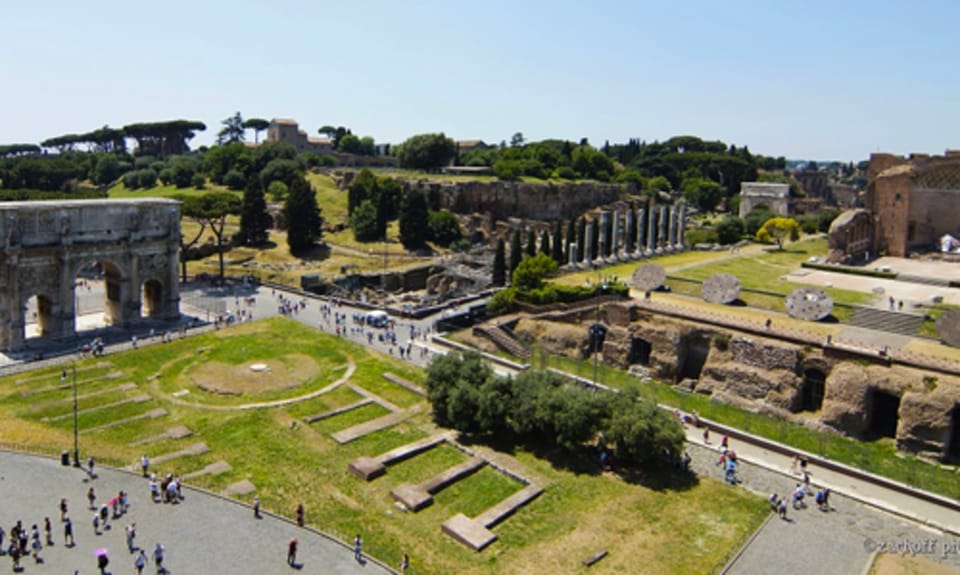
The Roman Forum is called the heart of Ancient Rome for a reason. It wasn’t just where important buildings were. It was where daily life, politics, and money all collided.
Your guide leads you through the marketplace atmosphere—described as places once ruled by moneylenders and shopkeepers—and then moves into the big-ticket ruins. Expect stops like:
- Temple of Julius Caesar
- Arch of Titus
- House of the Vestal Virgins
- Senate House
- Basilica of Maxentius
One key idea you’ll hear is how Rome’s system made “process” feel permanent. The tour also points out the triumphal road, known as the Sacred Way, and explains how ceremonies and movement through the city were part of power display.
This is also where a strong guide really matters. A couple of people highlighted guides such as Francisco and Francesco as standout story-tellers—exactly the kind who connect monuments to behavior, not just dates. When that’s done well, you stop thinking in checklists and start thinking in cause-and-effect.
A quick reality check about time
Two and a half hours sounds short, and it is. Some participants reported a longer overall experience (closer to 3+ hours) depending on group pace and entry flow. Either way, plan to treat this as an orientation deepening tour, not a sit-and-stare museum marathon.
The upside: you’ll leave with clear mental landmarks. The downside: you won’t get hours of free time inside every single space.
Skip-the-line access: what it really means at peak security
The big selling point here is skipping the long ticket line for the three main sites. Your ticket is reserved, which generally prevents the most painful waiting.
But here’s the consideration that matters most: skip-the-line is not guaranteed during peak season because group entry can get delayed by heavy security checks at the Colosseum. That doesn’t mean the tour is a waste. It means you should arrive early and stay patient. The whole system is controlled by site security.
Also, the Colosseum and Forum areas are outdoors or semi-outdoors, so delays still mean standing in sun. Bring your sense of humor and water planning (more on that below).
Price and value: is $89.50 worth it?
At $89.50 per person, this tour isn’t the cheapest way to see the Colosseum. But you are paying for three things that add real value in Rome:
- Time saved. Reserved access to multiple major sites reduces the “build-a-day-around-lines” problem. That time is gold when you only have one or two days.
- A good guide structure. Seeing the Colosseum, Palatine Hill, and the Forum separately is easy to mess up. The guide stitches it together—legend to politics to architecture—so you understand what you’re looking at.
- Listening support. The radio system helps you actually hear the guide while moving through crowds.
If you like independent travel and you already have a solid plan (and patience for lines), you could go on your own. But if you want your first big Rome Ancient Sites day to feel organized and meaningful, this is one of the more cost-efficient ways to do it.
And one extra value point: you’ll get a focused introduction in about 2.5 hours, then you’re left with a much easier choice for the rest of your day. You can return to the Forum for longer looks with better context.
Practical tips to make your day smoother
A few details can make a big difference with these sites:
Arrive early and keep your hands free
- Meet at the Souvenir Colosseo Shop and arrive 30 minutes early.
- Wear comfortable shoes. This is a moderate-walking tour, and you’ll feel it.
Know what you can’t bring
- No large luggage or bags (and there’s no cloakroom on site).
- Pets, baby strollers, and unaccompanied minors aren’t allowed.
- For security, the staff can refuse entry if you don’t have a valid passport or ID. Bring it.
Radio deposit: plan for it
You’ll need a €10 deposit per radio device before the tour. It’s refunded when you hand the radio back at the end. So don’t spend that €10 on gelato before you meet your guide.
Heat management
Rome heat is real. Some guides have been praised for practical touches like cooling down with water spray or helping fill water bottles, especially when temperatures spike. Even if your guide doesn’t do the same, you’ll want to bring water discipline and take shade breaks whenever your guide pauses.
Be smart around the public areas
Around major sites, you’ll find people trying to steer you into off-menu offers. Keep your plan simple and stick with your group instructions—especially when you’re in and around the public parts of the Colosseum and hill areas.
Who this tour is best for
I think this tour fits best if you:
- Want a first-time Rome Ancient Sites day that doesn’t turn into chaos
- Prefer a clear route and a guide who explains what you’re seeing
- Enjoy the blend of myth (Romulus and Remus) and power (Senate, emperors, temples)
It’s also ideal if you want to do these iconic stops quickly and then linger afterward. You’ll likely end up wanting to spend extra time in the Forum or on Palatine once you know what each ruin used to be.
Should you book this tour?
If you’re visiting Rome for a short stay and you want the Colosseum + Palatine Hill + Roman Forum in one organized hit, I’d book it. The reserved multi-site access and guided storytelling make the money feel less like a fee and more like a way to buy back your day.
Skip it only if you’re the type who has endless patience for lines and you truly don’t care about understanding what you’re looking at. For most people, this is the best trade: big landmarks + guided clarity + less waiting—and that’s exactly what you want when you only get so many hours in the Eternal City.
FAQ
How long is the Colosseum, Palatine Hill, and Roman Forum tour?
The tour runs for about 2.5 hours, though timing can vary based on start times and on-the-ground entry flow.
Where is the meeting point?
Meet at the Souvenir Colosseo Shop at Via di S. Giovanni in Laterano, 14, 00184 Roma RM.
What time should I arrive?
Be there 30 minutes before departure to avoid delays.
Which languages are offered?
The live tour guide operates in English and Spanish.
What’s included in the price?
You get an officially certified guide, radio system to hear the guide, and reserved entrance tickets for the Colosseum, Palatine Hill, and Roman Forum.
Does the tour include Arena Floor or Underground access?
No. Tickets and reservations for the Arena Floor & Underground are not included.
Is skip-the-line access guaranteed?
It’s designed to skip the ticket line, but during peak season it’s not guaranteed because security checks can delay group entry.
What should I bring?
Bring a passport or ID card and wear comfortable shoes.
What items are not allowed?
Pets, baby strollers, and luggage or large bags are not allowed. There is no cloakroom on site.
Is this tour suitable for wheelchair users?
It is not suitable for wheelchair users.