REVIEW · BORGHESE GALLERY TOURS
Rome: Borghese Gallery Skip-the-Line Ticket and Guided Tour
Book on GetYourGuide →Operated by Walks of Italy · Bookable on GetYourGuide
A serious art day in Rome starts fast, and this one does. You get reserved entry to the capped-capacity Borghese Gallery, plus the calm comfort of a small group tour that keeps things human-sized instead of herding-style. Once inside, you’re not just looking at famous names—you’re guided through why these works mattered in their moment.
What I love most is the way an art historian guide ties the art to the people behind it. You’ll hear stories that make the Baroque feel personal (yes, even the darker bits), while also spotting specific details you’d easily miss on your own. One practical consideration: cameras aren’t allowed, so plan on enjoying the art in real time rather than building a photo album.
In This Review
- Key Highlights You’ll Care About
- Entering the Borghese Gallery: why this museum feels different
- Skip-the-line tickets: what your reserved entry actually buys you
- Getting started at Piazzale Scipione Borghese (and not losing time)
- Inside the 17th-century rooms: what you’ll see and why it matters
- Stop in your head: the Caravaggio thread
- Bernini’s room(s): sculpture that acts like theater
- Raphael and the softer counterpoint
- Canova’s presence: the classier shift toward ideal form
- How the guide experience keeps you engaged (and helps you remember it)
- Pace, groups, and the headset detail that saves your ears
- Rules inside: no cameras, no food, and no big bags
- Price and value: is $67.19 a smart spend?
- Who this tour fits best (and who might feel constrained)
- Wrap-up: should you book this Borghese Gallery guided tour?
- FAQ
- How long is the Borghese Gallery skip-the-line guided tour?
- Where do I meet the guide?
- What’s included with the tour?
- Is camera use allowed inside the gallery?
- Is the tour wheelchair accessible?
- Is hotel pickup included?
Key Highlights You’ll Care About
- Pre-reserved, skip-the-line access to the Borghese Gallery in a timed entry system
- Small-group pacing (15 people or fewer) that leaves room to ask questions
- An art historian guide who connects stories and technique, not just dates
- Must-see masterpieces including Bernini and Caravaggio works you can’t easily replicate elsewhere
- Headsets when needed (included for groups over 6) to keep the guide audible
- A strict on-site ruleset: no cameras, no food/drinks, and no large bags
Entering the Borghese Gallery: why this museum feels different
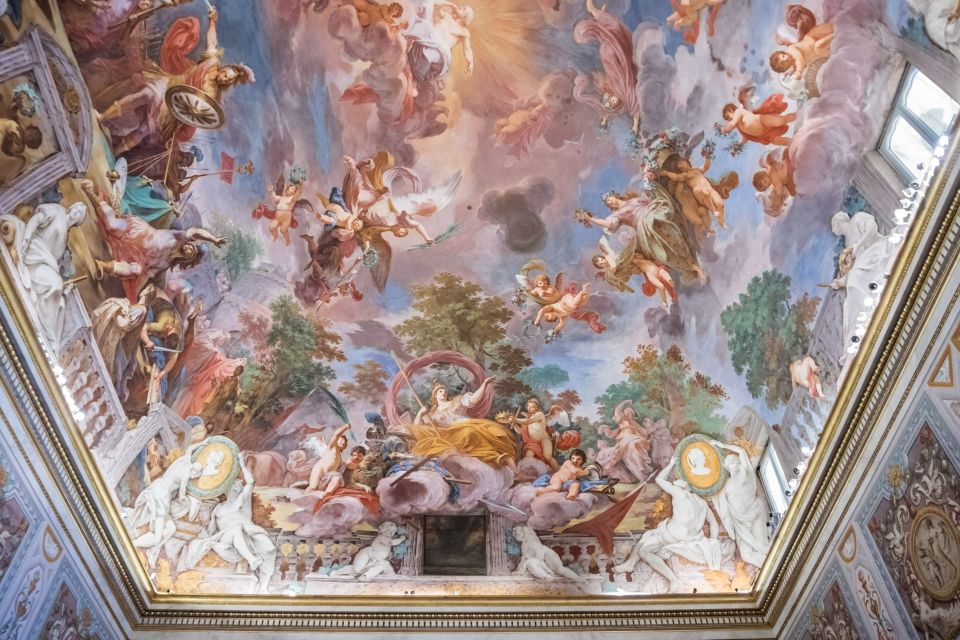
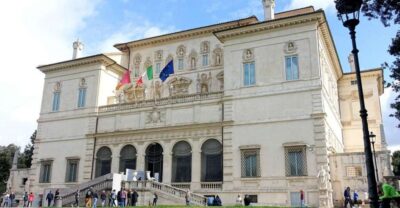
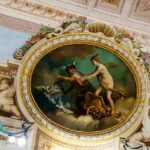
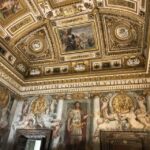
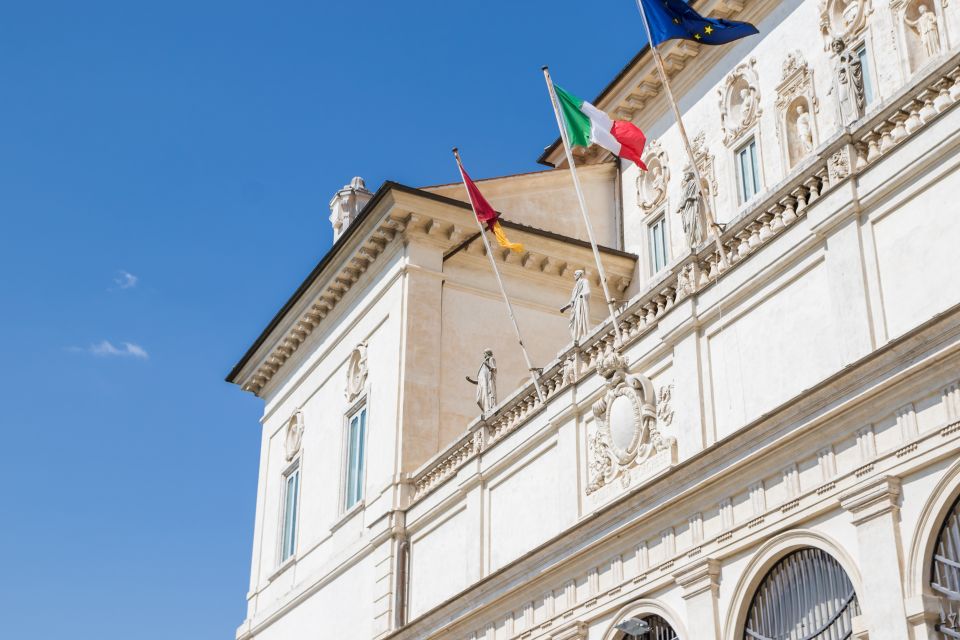
The Borghese Gallery is housed in the former home of a 17th-century cardinal, and you feel it the moment you step in. This isn’t a white-box museum where everything stays at arm’s length. The rooms are part of the show—the marble, the ceiling frescoes, and the way the collection is laid out in about twenty rooms turns your visit into a guided walk through a lived-in world.
And because entry is limited each day, the atmosphere tends to stay controlled. That matters for the art. You’re not racing against a crowd to reach the big names—you’re taking them in with time to look, read your guide’s cues, and compare pieces within the same visual universe.
You can also read our reviews of more tours and experiences in Rome
Skip-the-line tickets: what your reserved entry actually buys you
Let’s talk value in plain terms. The price covers two big things: guaranteed access to the Borghese Gallery and the guide’s time. In a museum with strict daily capacity, those two parts are what prevent your day from turning into a line-watching exercise.
Your ticket comes with a designated time slot, so you’re not gambling on arrival. Once you arrive during your window, your main job is simple: show up, follow the guide, and enjoy the collection without the wasted start that so many Rome museum days include.
Getting started at Piazzale Scipione Borghese (and not losing time)
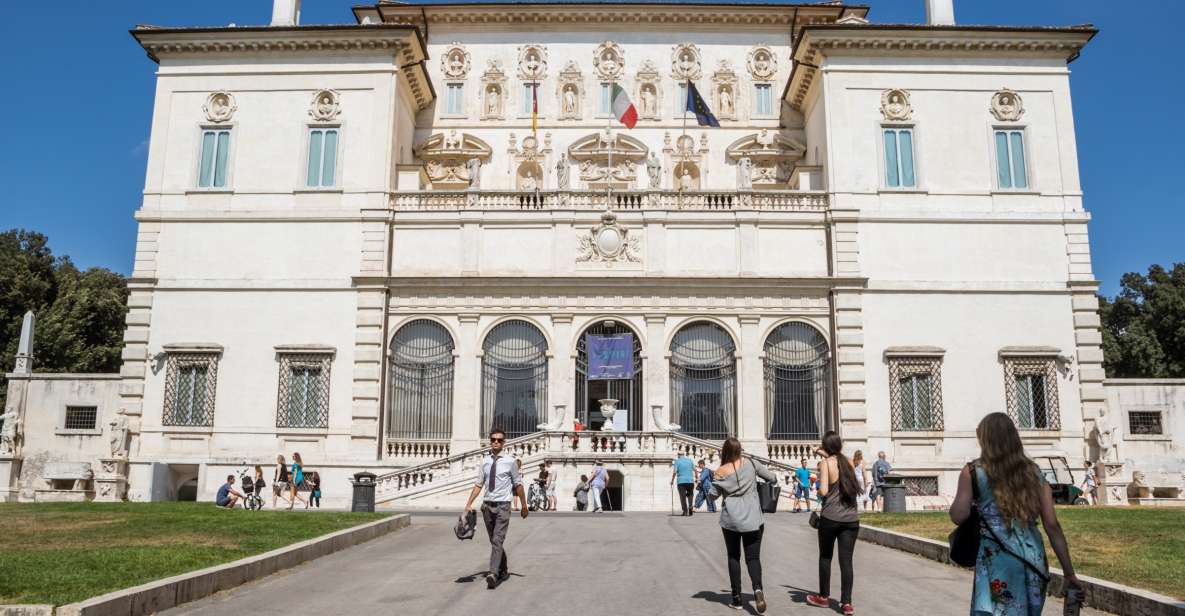
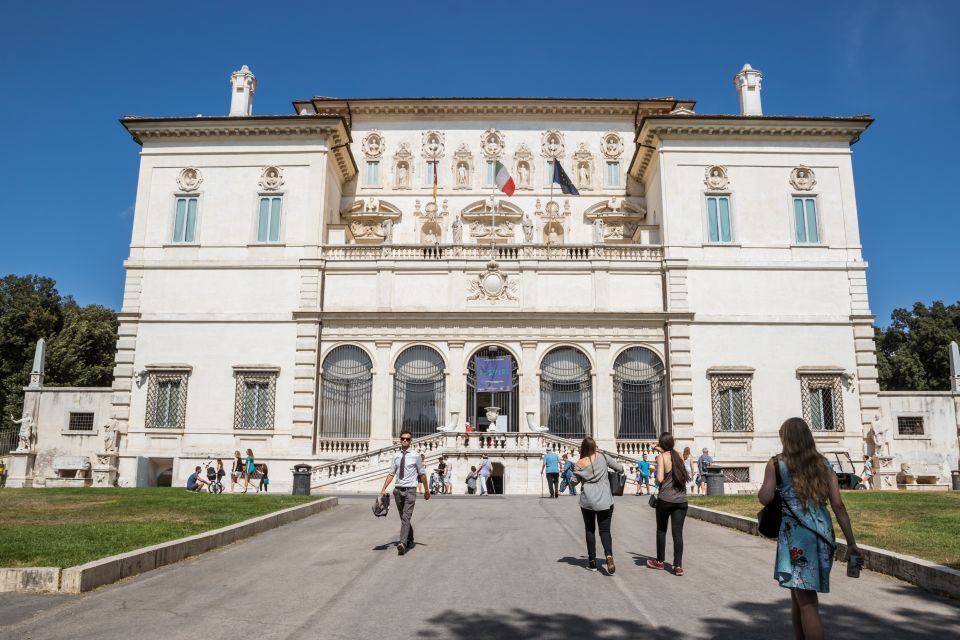
Meet outside the Borghese Gallery at the double staircase directly in front of the entrance. The official meeting spot is Piazzale Scipione Borghese, 5, 00197 Roma. Arrive about 15 minutes early—your guide will be holding a green Walks sign.
This part sounds basic, but it’s worth your attention. Meeting places at major sites can be confusing, especially in a city where streets and entrances look similar. Showing up early means you start relaxed, not sprinting to catch the group before they move inside.
Inside the 17th-century rooms: what you’ll see and why it matters
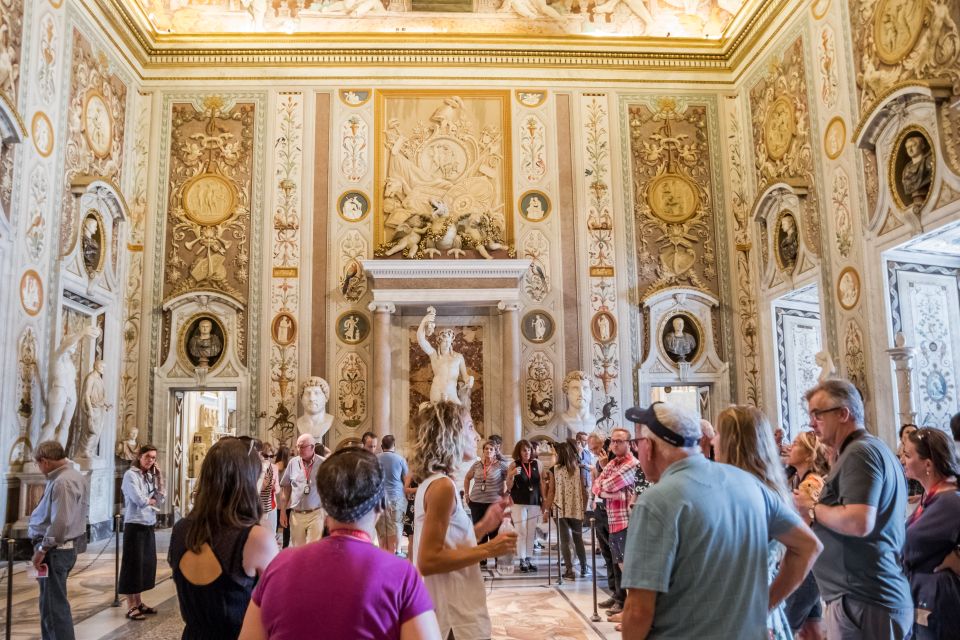
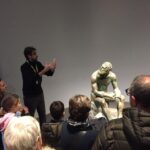
This visit centers on the Villa Borghese collection and its standout artists. You’ll move through the palace’s rooms with an English-speaking guide, designed for groups of 15 people or fewer. That size keeps the tour personal enough that you can follow along without shouting over other visitors.
You’ll also get a clear sense of the Baroque mindset—how artists used drama, emotion, and craft to make art feel alive. The guide doesn’t treat the works like museum specimens. Instead, you’ll connect the pieces to themes like power, persuasion, myth, religion, and the intense personalities that shaped artistic careers.
Stop in your head: the Caravaggio thread
Caravaggio shows up as more than a name on a wall. You’ll see major works associated with him—like St John the Baptist—and you’ll hear the kind of story that makes the art’s intensity feel less abstract.
The tour includes direct human context, including the shocking fact that Caravaggio once killed a man. Whether you already know his reputation or you’re learning it here, the effect is the same: the paintings stop feeling like just technique and start feeling like a window into a mind shaped by conflict.
You may also get a sense of how his style—strong light, sharp emotion, and a no-nonsense approach to human realism—fits into the broader Borghese space. The guide’s job is to help you see how these works function as part of a larger collection, not as isolated masterpieces.
You can also read our reviews of more guided tours in Rome

Bernini’s room(s): sculpture that acts like theater
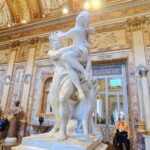
If there’s one artist who turns the gallery into a mood, it’s Gian Lorenzo Bernini. You’ll get standout sculpture moments such as Apollo and Persephone and other Bernini works like Apollo and Daphne, The Rape of Proserpina, and David. The names matter, but what matters more is how the guide helps you look at the details—where movement is suggested, where emotion shifts, and how surfaces catch the light.
The tour also brings in artist-life context. One of the included points is that Bernini believed he peaked in his 20s. That kind of insight changes how you interpret his urgency and boldness. You start thinking less like a museum visitor and more like someone watching a genius at work in real time.
Raphael and the softer counterpoint
Not everything in the Borghese collection is raw drama. You’ll also see works linked to Raphael, including The Deposition. The guide uses these pieces to show contrast—how different masters achieved authority in different ways.
For you, this is useful because it prevents the tour from becoming one long Bernini-Caravaggio marathon. By weaving Raphael into the flow, the guide helps you understand that “masterpieces” aren’t all made the same way. They respond to different goals, different audiences, and different ideas of what beauty should do.
Canova’s presence: the classier shift toward ideal form
The collection also includes Anthony Canova, including Pauline Bonaparte. This helps round out the experience beyond purely Baroque themes.
Canova often reads as cleaner and more controlled compared to the more theatrical energy of Bernini. With the guide’s commentary, you’re not just viewing a famous figure—you’re comparing approaches to form and expression. That’s how the Borghese visit becomes more than a checklist.
How the guide experience keeps you engaged (and helps you remember it)
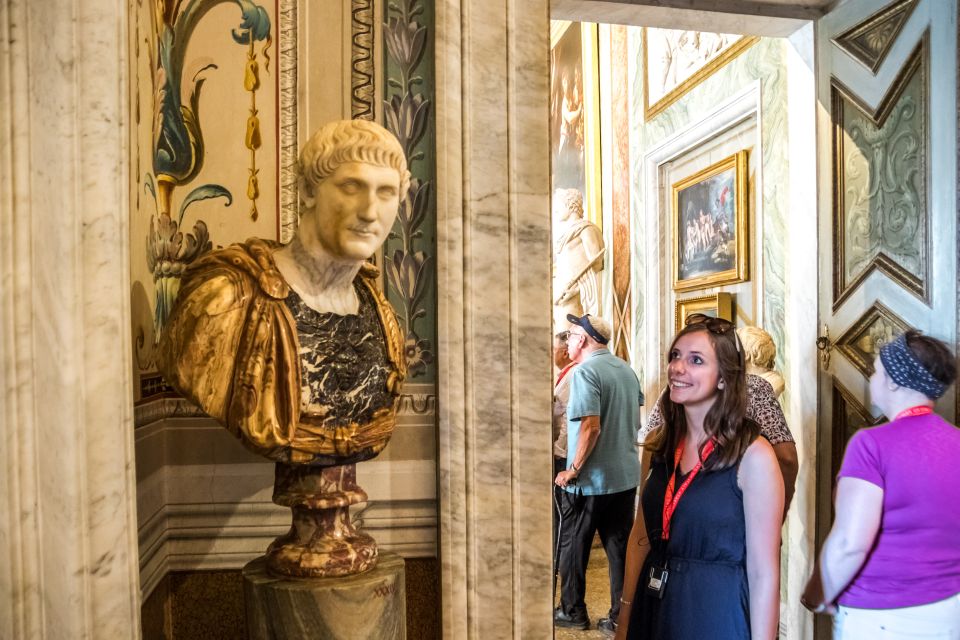
A huge part of the value here is the way the guide explains the art. The tour is built around storytelling that connects the works to real people and real circumstances. In the feedback, multiple guides have been praised for being energetic, humorous, and focused—often with a strong emphasis on Bernini and Caravaggio.
For example, Laura is repeatedly highlighted for pointing out details visitors might miss and sharing entertaining anecdotes. Sev is noted for transferring a real sense of passion and knowledge. Francesca earns good marks for blending history with art history in a way that stays understandable. And Christina is described as friendly and deeply enthusiastic.
You don’t need to memorize dates. The guide’s goal is to make you notice. You’ll likely leave with a mental list of what to look for next time you see a Baroque work: emotion in pose, meaning in myth choices, and how technique supports the story the artist is trying to tell.
Pace, groups, and the headset detail that saves your ears
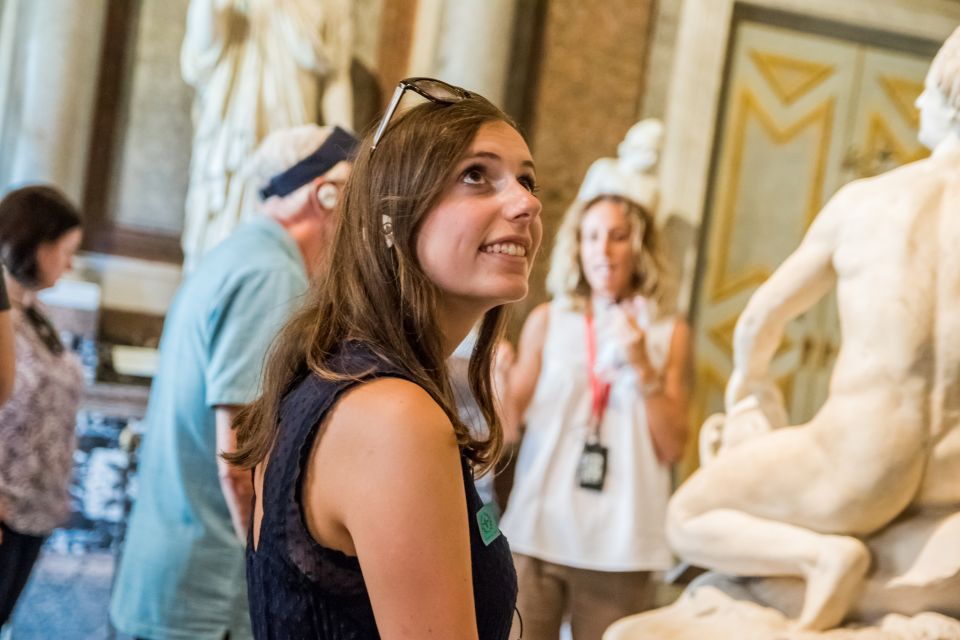
This tour is a walking format and is designed for people who can handle a moderate pace. The group stays small—15 people or fewer—so it won’t feel like you’re stuck behind someone’s backpack.
One practical inclusion: headsets for groups over 6. That’s a quiet upgrade, especially at busy times or in rooms where sound carries. If you’ve ever struggled to hear a guide at a museum, you’ll appreciate this setup fast.
Time matters here, too. You’re in the gallery under a time slot system, and that means you’ll see a focused selection of rooms and works rather than wandering freely. If you like slow, solo museum wandering, you may find you need a second visit later. But if you want clarity and context in one go, this structure helps a lot.
Rules inside: no cameras, no food, and no big bags
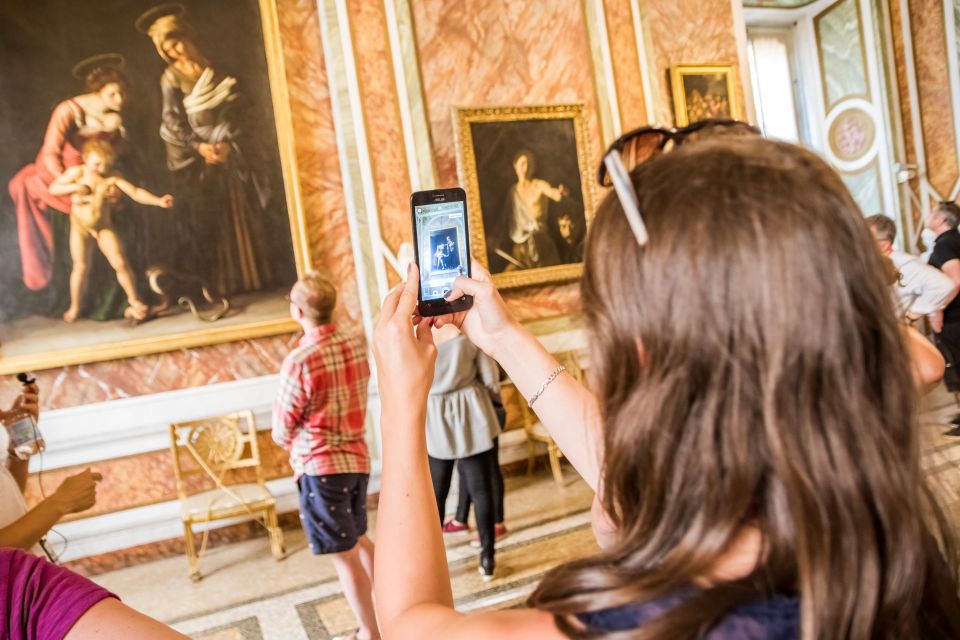
Here’s the part to plan for. Cameras aren’t allowed, and that includes the normal urge to stop and shoot. If photography is your travel habit, shift your expectations now: you’ll be experiencing the art firsthand, not through your phone.
Also keep in mind the no-food/drinks and no-luggage/large-bag rules. That means you’ll want to travel light. A small day bag is usually the way to go, but the key is to avoid bulky items that could slow you down during entry checks.
The upside of these rules is also real. When people aren’t filming, the room noise stays lower, and the guide’s explanations land better.
Price and value: is $67.19 a smart spend?
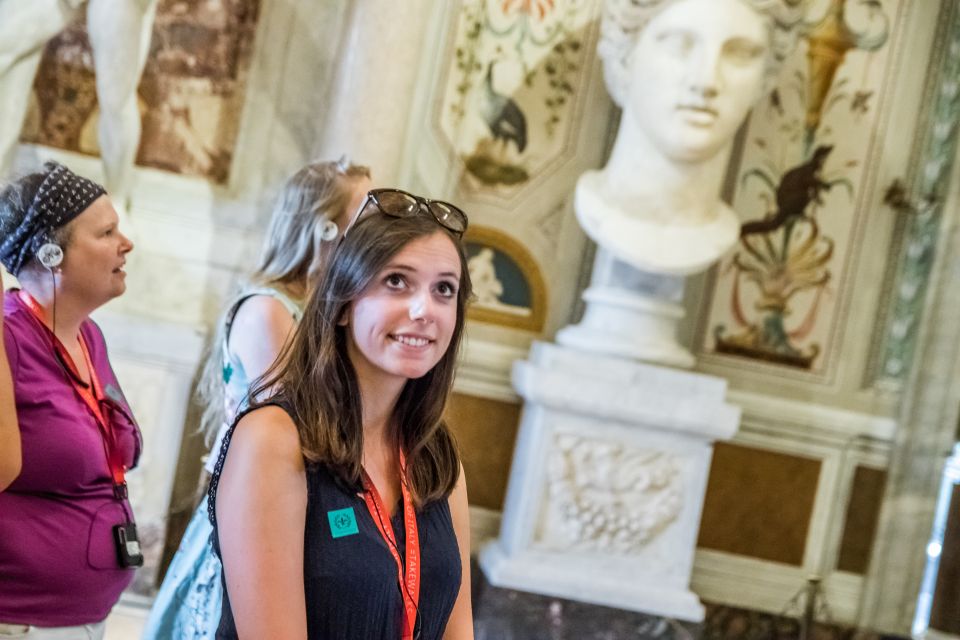
At $67.19 per person, you’re paying for three things at once: a skip-the-line reserved ticket, a local English-speaking guide, and the museum experience shaped by expert commentary. You’re not just buying entry—you’re buying time saved and context delivered.
For me, the math works because the Borghese Gallery doesn’t behave like a walk-up museum. It’s capacity controlled. If you try to do it yourself on a tight schedule, the cost in stress is real. Here, the experience is built around access and interpretation.
If you’re the kind of visitor who reads labels only when you’re stuck, you might not get full value. But if you want to understand why Bernini’s sculpture feels like motion, why Caravaggio’s light hits so hard, and how Raphael and Canova shift the tone of the collection, this tour is an efficient way to get there without spending hours piecing it together.
Who this tour fits best (and who might feel constrained)
This Borghese tour is a great fit if you:
- love art and want stories that connect the works to the artists
- prefer a small group with a guide you can actually hear
- want a one-session way to see the Borghese Gallery’s major highlights
It may be less ideal if you:
- need to take lots of photos for your personal archive
- want to roam freely without any schedule pressure
- rely on a very relaxed pace and long stops that you control entirely
Either way, the guide’s approach is designed for clarity. Even if you don’t call yourself an art person, the tour’s explanations aim to make the gallery feel readable.
Wrap-up: should you book this Borghese Gallery guided tour?
I’d book it if your goal is a high-impact Rome art day where you get guaranteed entry, a small-group feel, and expert commentary that helps you actually see. The gallery’s rules (no cameras, timed access) can feel strict, but those same limits are why the visit stays calm and why the masterpieces land.
If you want the Borghese experience to feel like a guided story—with Bernini and Caravaggio at center stage and context that makes everything click—this is one of the smarter ways to spend your time in Rome.
FAQ
How long is the Borghese Gallery skip-the-line guided tour?
The duration is listed as 1.5 hours, and starting times depend on availability.
Where do I meet the guide?
Meet outside at the double staircase directly in front of Galleria Borghese at Piazzale Scipione Borghese, 5, 00197 Roma, Italy. Arrive 15 minutes prior and look for a guide holding a green Walks sign.
What’s included with the tour?
You get a local English-speaking guide and an all-inclusive ticket for the Galleria Borghese, plus a headset if the group is over 6.
Is camera use allowed inside the gallery?
No. Cameras are not allowed during the tour.
Is the tour wheelchair accessible?
Yes, it’s listed as wheelchair accessible. If you have mobility needs, email the Guest Experience team at the time of booking for proper arrangements.
Is hotel pickup included?
No. Hotel pick-up is not included. You’ll meet the guide at the gallery.