REVIEW · ROME
Rome: Basilica of St. Mary Major Priority Entrance Ticket
Book on GetYourGuide →Operated by Gaudium Travel · Bookable on GetYourGuide
St. Mary Major rewards you with quiet beauty and big Roman perspectives. This priority entrance ticket is built for flexibility inside the Basilica of St. Mary Major (Santa Maria Maggiore): you can go at your own pace with an audio guide, join an English small-group tour, or add upgrades like the underground or the dome for a panoramic look over Rome.
I like that you’re not locked into one script—you choose audio, guided, underground, or dome based on how you want to spend your hour. I also like the payoff: the visit connects the basilica’s religious importance with practical sightseeing highlights, from galleries and famous church artwork to a Rome view from the top.
One drawback to consider: even with express security, the timing can still depend on on-site security flow, and there’s no cloakroom inside the church, so you’ll want to travel light.
In This Review
- Key takeaways before you go
- Why Basilica of St. Mary Major feels different in Rome
- Picking your ticket option: audio, guided tour, underground, dome
- Audio tickets (self-guided with narration)
- Guided tour in English (small group)
- Underground tickets (explore below the basilica)
- Dome tickets (upgrade for the panoramic Rome view)
- What you’ll see inside: galleries, statues, frescoes, mosaics
- Underground access: a quieter, more layered St. Mary Major
- Dome tickets for the panoramic Rome view
- Timing, security, and how the priority entrance really plays out
- Price and value: is $17 a smart use of your time?
- Who should book this, and who might want a different plan
- Before you go: the small details that prevent hassle
- Should you book? My take on whether to choose this ticket
- FAQ
- How long does the visit take?
- What’s included with the priority entrance ticket?
- Can I choose a self-guided option instead of a guided tour?
- What does the guided tour include?
- Is the underground part included?
- Do dome tickets include a panoramic view?
- What languages are available for the audio guide?
- What do I need to bring for entry?
- Are there restrictions on bags or photography?
- Is the activity accessible for wheelchair users?
Key takeaways before you go
- Choose your focus: audio tour, English guide, underground tickets, or the dome climb
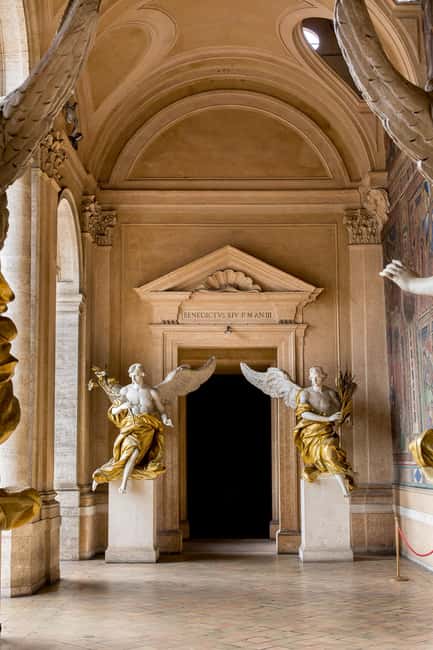
- You’ll get galleries plus major artwork: statues, frescoes, and mosaics are part of the experience
- The underground adds context beyond what you see at ground level
- Dome tickets are about the view—a panoramic Rome perspective from the top
- Plan for security: it’s mandatory, and there’s no inside cloakroom
Why Basilica of St. Mary Major feels different in Rome
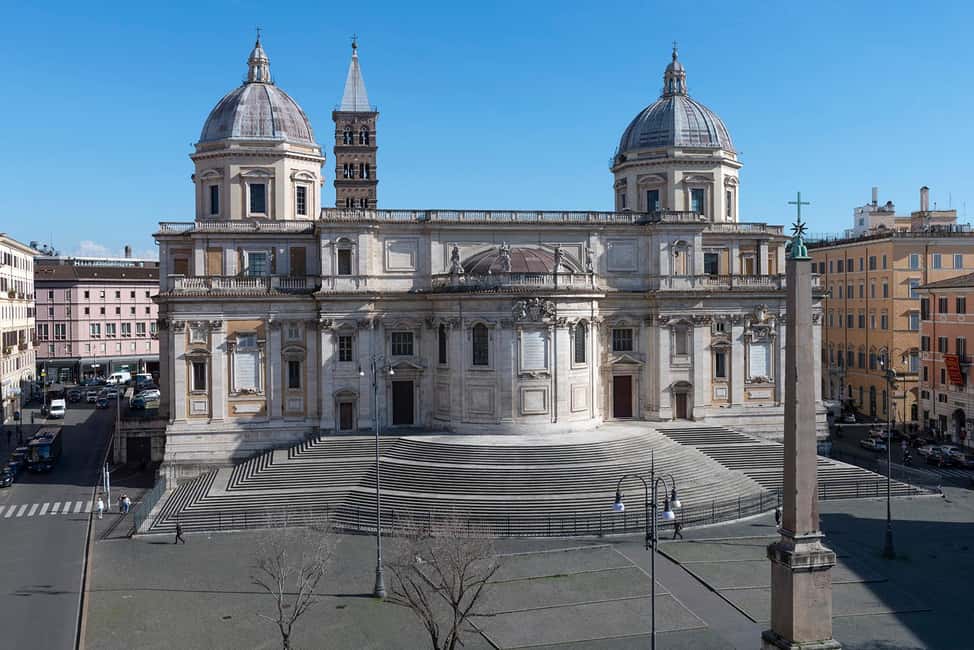
Santa Maria Maggiore is one of Rome’s four principal basilicas, and it’s especially meaningful if you want to see how big Marian devotion shaped the city. The basilica sits up on the Esquiline Hill—one of Rome’s seven hills—so even before you get inside, you’re in the right “Rome geography” for a church that has long been a landmark.
What I like most is the way St. Mary Major lets you connect two kinds of travel satisfaction at once. First, it’s a major sacred site, not just a photo stop. Second, it has practical sightseeing value built in: you can see the basilica’s interior features at multiple levels (ground floor and upper galleries), and then finish with a viewpoint that frames Rome like a map.
If you’re used to churches where you rush from one big spectacle to the next, this one works well at a slower pace. The ticket setup is built for that: you can go on your own or with a guide, and the total visit runs about 50 to 75 minutes depending on which option you pick.
You can also read our reviews of more tours and experiences in Rome
Picking your ticket option: audio, guided tour, underground, dome
This priority entrance ticket works because it gives you clear choices. You’re not stuck with the most expensive add-on, and you’re not forced into the option that doesn’t fit your style.
Audio tickets (self-guided with narration)
If you want control over pacing, audio tickets are the simplest path. Expect about a 1-hour self-guided tour with an audio guide in English and several other languages depending on availability (the options list includes English, Spanish, French, German, and Italian). The point isn’t just commentary—it’s structure. You’ll learn about the basilica’s history while also having time to slow down and look at what you care about.
Practical tip: since the experience is self-paced, you can spend extra time on the artwork and stop where something catches your eye.
Guided tour in English (small group)
If you prefer a human guide to explain the “why,” choose the 1-hour guided tour in English. The value here is context: you’ll get a clean introduction and a route that helps you see the key parts without second-guessing.
Small group also matters. In places with crowds, smaller groups tend to mean less waiting at key spots and easier listening.
Underground tickets (explore below the basilica)
You can add access to the underground part. This is a good pick if you like the historical layer-cake approach to Rome—top to bottom, past to present. The underground access gives you a different perspective on the site, not just a new room.

Dome tickets (upgrade for the panoramic Rome view)
The dome option is about earning your view. You’ll climb to the top to get a panoramic look over Rome from the basilica. If you like viewpoints and you’ve already seen enough “church interiors” for one trip, this is the add-on that breaks the pattern.
What you’ll see inside: galleries, statues, frescoes, mosaics
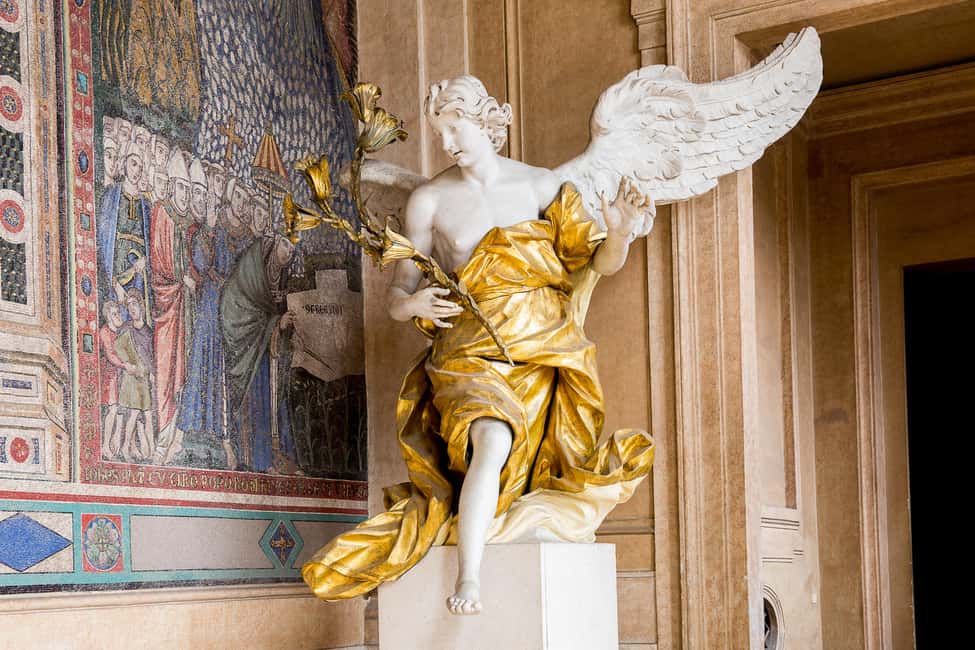
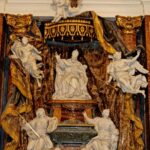
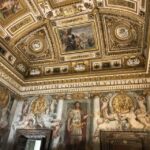
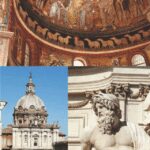
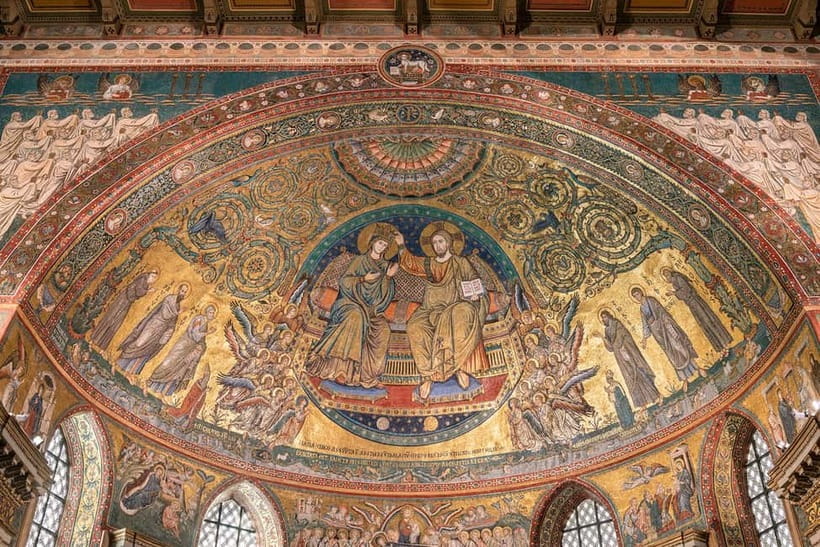
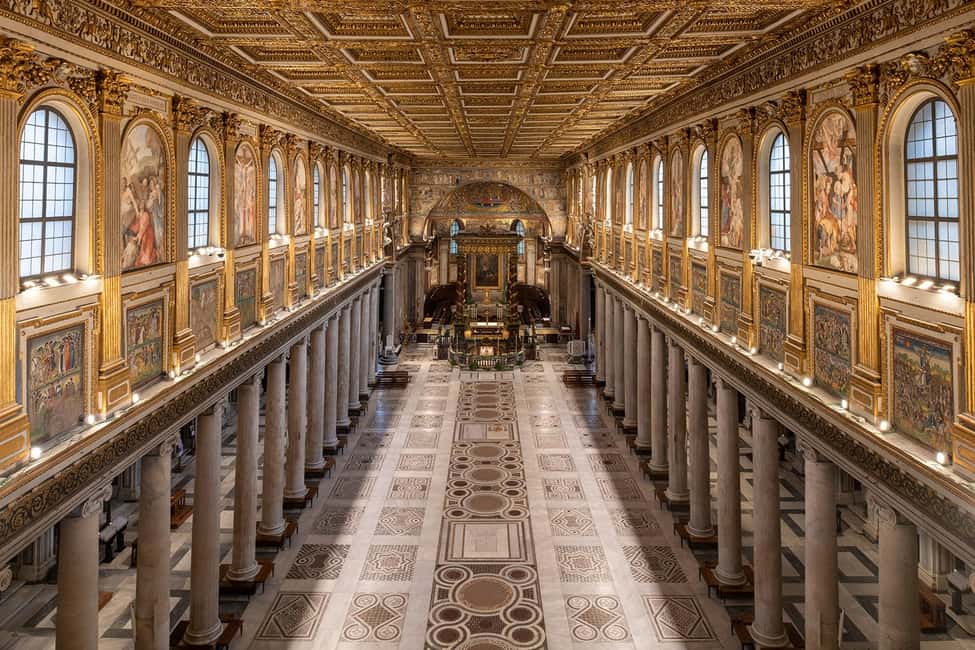
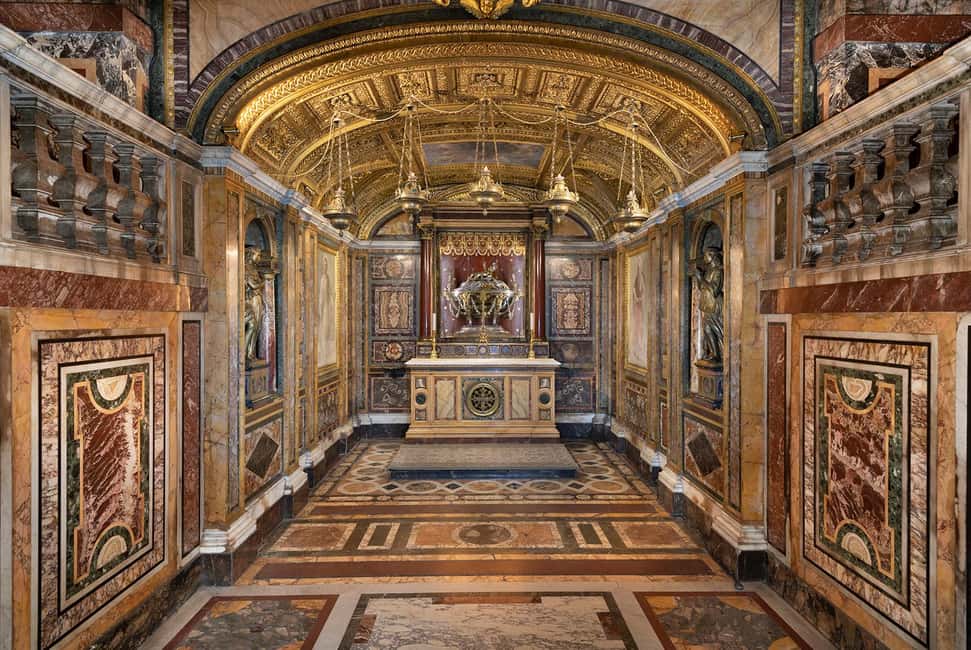
Your visit centers on the basilica’s major interior levels: ground floor access plus upper galleries. The experience description specifically calls out statues, frescoes, and mosaics, and that combination is exactly what makes St. Mary Major appealing to art-and-architecture travelers.
Here’s how to think about it in real-world terms:
- Upper galleries let you appreciate the scale of the church from angles most first-time visitors miss.
- Mosaics and frescoes are the kind of details that reward slow looking—audio or guide narration can help you know what you’re looking at.
- Statues give you visual anchors, which is useful when you’re doing this as part of a full Rome day and you want your memories to stick.
If you’re choosing audio, the best strategy is to follow the audio prompts just enough to keep your bearings, then pause. If you’re choosing a guided tour, let the guide direct your attention, but still take breaks to look up at the visuals yourself.
Underground access: a quieter, more layered St. Mary Major
The underground portion is the option that turns a standard “see the basilica” visit into something deeper. You’re getting access below the main floor, which changes the mood right away—less of the bright, public feel and more of that Rome sense of history stacked in layers.
Even if you don’t read every plaque, underground spaces tend to make you notice details differently: materials, structural rhythm, and how the site relates to its surroundings over time.
Who this suits best:
- You like “old Rome” feeling even when you’re in a church
- You want your ticket to include more than just artwork in one room
- You prefer variety across your Rome stops rather than only surfaces
Dome tickets for the panoramic Rome view
The dome climb is the most “Rome postcard” finish you can add to a church ticket. The promise here is simple: you climb up to get a panoramic view of Rome from the top of St. Mary Major.
This upgrade is especially valuable if your day includes other big sightseeing blocks (Colosseum/Roman Forum type stops, for example). From the dome, you get a different angle on the city—less about ruins close up, more about the city’s layout and scale.
A practical way to choose: if you love viewpoints and you’re comfortable with stair climbing, dome tickets are often worth it. If you don’t enjoy heights or stairs, stick with audio or guided and spend that time on the galleries and underground.
Timing, security, and how the priority entrance really plays out
Here’s the honest logistics reality. Your ticket includes express security and helps with entry flow, but security control is mandatory at the entrance, and you should still expect some waiting depending on the moment you arrive.
Also, plan for the space rules:
- No cloakroom facilities inside the church
- Don’t bring luggage or large bags, and no backpacks
- Flash photography isn’t allowed
That means your “priority” advantage works best when you travel light. If you arrive with a big bag, you’ll lose time dealing with restrictions, and there’s no inside option to stash it.
Your total time window is 50 to 75 minutes, and exact starting times depend on availability. If you’re building a tight itinerary, pick a time that gives you slack. Churches with security can run differently than outdoor sights.
One more caution: while the ticket advertises express entry, the actual experience can vary based on on-site security throughput. And for audio add-ons, there’s a chance that audio devices can be limited if demand is high. If audio is a must-do for you, aim for a less peak arrival time when you can.
Price and value: is $17 a smart use of your time?
At $17 per person, this is priced like a focused, single-site experience rather than a long, multi-stop tour. For that price, you’re paying for three things:
- Priority entrance via express security
- Access to the basilica including optional add-ons like underground and/or dome
- Optional interpretation through audio or an English guide
Whether it’s a deal depends on which option you choose.
- Audio tickets tend to be the best value if you enjoy self-guided travel. One hour is enough time to hear context, then spend your energy looking.
- Guided tour is worth it if you’d rather get the story straight from an English guide than manage audio while sightseeing.
- Dome tickets are good value if views matter to you. A panoramic “Rome moment” is often the difference between a church you liked and a church you remember.
If you’re the kind of traveler who can happily wander churches with little structure, you might feel most satisfied with the audio or a self-paced plan. If you want a curated route with less decision-making, the guided option delivers.
Who should book this, and who might want a different plan
This experience is a solid fit for visitors who:
- Want to see a major Marian church in Rome without spending all day on it
- Like choosing between self-guided, guided, underground, and dome
- Travel light (no big bags) and can handle security checks
It’s not suitable for people with mobility impairments or wheelchair users, based on the information provided. If mobility is a concern, choose another Rome church visit that clearly supports your needs.
Also, because there’s no cloakroom, you’ll be happier if your day bag is small. Bring ID (or a passport), and keep the rest simple.
Before you go: the small details that prevent hassle
These are the practical bits that make the day smoother:
- Bring passport or ID card. A copy is accepted.
- You’ll need to send first and last names of participants ahead of time.
- Expect a security check at the entrance.
- Keep photography rules in mind: no flash photography.
- Avoid luggage, large bags, and backpacks.
Should you book? My take on whether to choose this ticket
If you want a priority, time-efficient way to visit Basilica of St. Mary Major—and you’re interested in at least one upgrade like the underground or the dome—this is worth booking. The price is reasonable for the entry convenience and the optional interpretation.
I’d book it especially if you like structure but still want freedom. Audio and guided options let you match the visit to your style, and the dome adds a distinct payoff.
I’d be a little more cautious if your plan depends on the audio being perfect and on a flawless skip-the-line experience. Priority helps, but security flow and device availability can affect how smooth it feels. If that’s your top concern, choose a start time with more breathing room.
If you’re building a Rome day around churches and viewpoints, this ticket is a smart anchor stop.
FAQ
How long does the visit take?
The duration is listed as 50 to 75 minutes, and the exact starting times depend on availability.
What’s included with the priority entrance ticket?
Depending on your selected option, you can get skip-the-line through express security, plus audio or an English guided tour, and potentially underground access and/or a dome view.
Can I choose a self-guided option instead of a guided tour?
Yes. You can choose audio tickets for a 1-hour self-guided tour with an audio guide available in multiple languages.
What does the guided tour include?
The English guided tour is listed as 1 hour and is conducted in English for a small group.
Is the underground part included?
Underground access is included only if you select underground tickets.
Do dome tickets include a panoramic view?
Yes. Dome tickets include ascent to the dome of St. Mary Major and the panoramic view of Rome from the top.
What languages are available for the audio guide?
Audio tickets list English, Spanish, French, German, and Italian. The audio guide option also notes English, German, and Spanish.
What do I need to bring for entry?
Bring a passport or ID card. A copy is accepted.
Are there restrictions on bags or photography?
Yes. Luggage or large bags and backpacks are not allowed, and flash photography is not permitted.
Is the activity accessible for wheelchair users?
No. It is listed as not suitable for wheelchair users and people with mobility impairments.