REVIEW · FOOD & WINE TOURS
Pantheon and Jewish Ghetto Tour
Book on GetYourGuide →Operated by QUO VADIS TOUR · Bookable on GetYourGuide
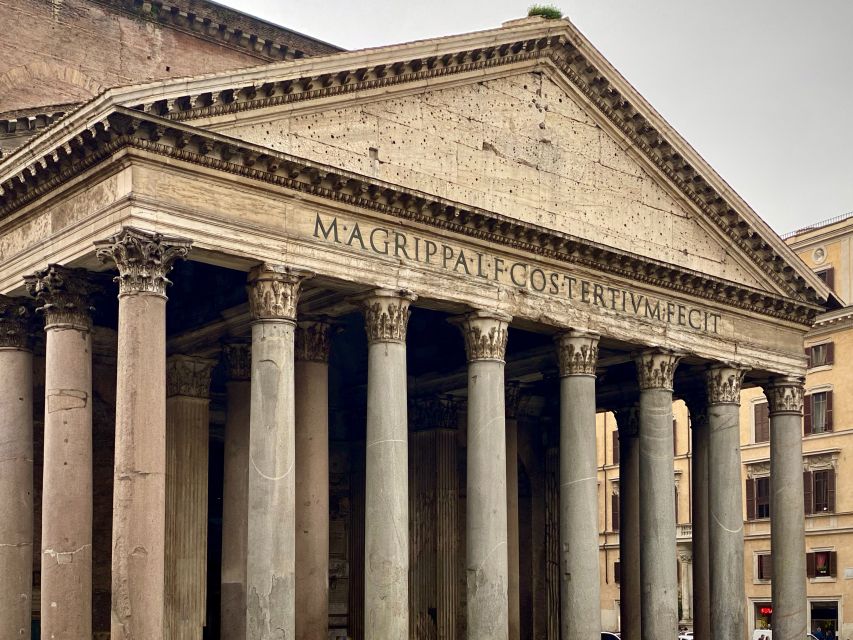
The Pantheon dome sets the tone. This tour links the Pantheon and the Jewish Ghetto into one walk-through of how Rome mixed art, religion, and power. I like the way the guide uses the Pantheon’s engineering and light-filled interior to make ancient Rome feel concrete, not distant. I also love that you don’t just stand outside the ghetto—you walk its key spaces and end at a monument tied to the community’s long endurance. One thing to keep in mind: the Pantheon has strict dress rules, and the tour isn’t suitable for wheelchair users or people with mobility impairments.
You start at the Pantheon with skip-the-line entry and wear headsets so you can actually hear the guide during the busy parts. The tour is listed as 2 hours, but the walk segment can run longer, so I’d plan for closer to a half-day pace for comfort. Expect an English or Spanish live guide and a mix of big-ticket sights plus a few quieter corners that help the story click.
In This Review
- Key things to know before you go
- Entering the Pantheon: why this dome still feels unreal
- Raphael’s tomb, Italian monarchs, and the Pantheon’s second life
- Piazza della Minerva and Largo di Torre Argentina: reading ancient Rome in fragments
- The Jewish Ghetto walk on Via del Portico d’Ottavia
- Portico of Octavia: a strong ending with real staying power
- Price and time: is $65 a good deal for this route?
- Attire rules and practical notes that can affect your day
- Who should book this Pantheon and Jewish Ghetto tour?
- Should you book it?
- FAQ
- How long is the Pantheon and Jewish Ghetto tour?
- What’s included in the price?
- Where does the tour start?
- Which languages are available for the live guide?
- Is the tour suitable for wheelchair users or people with mobility impairments?
- What should I wear to enter the Pantheon?
- Is there a cancellation option?
Key things to know before you go
- Skip-the-line Pantheon access: less waiting at one of Rome’s most crowded sites
- Headsets included: easier listening when you’re moving and crowds thicken
- Art and state power in the Pantheon: you’ll connect the building to figures like Raphael and past Italian monarchs
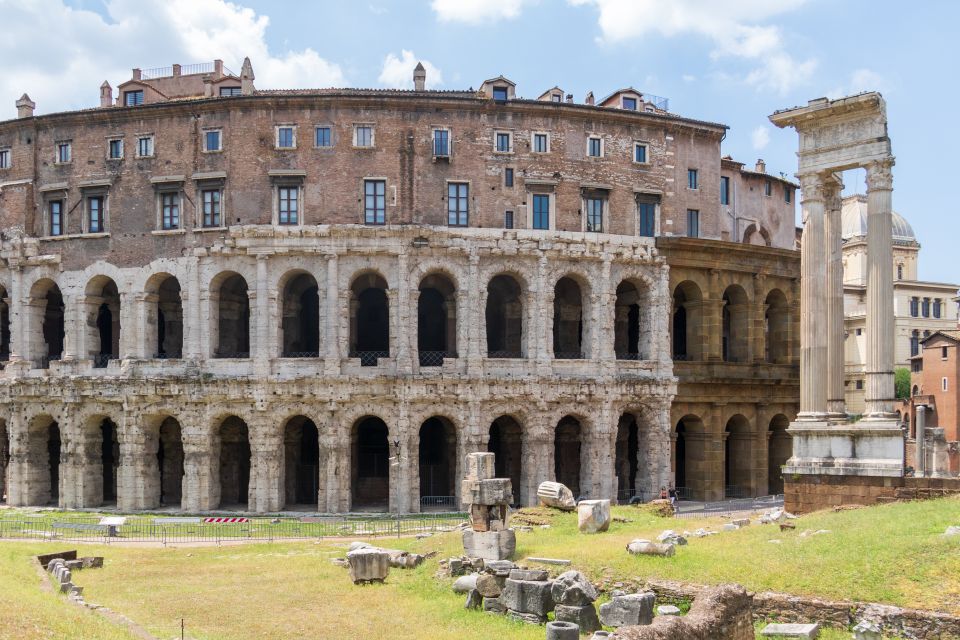
- Jewish Ghetto route focused on specific spaces: Piazza Mattei, Via del Portico d’Ottavia, and more
- Finish at Portico of Octavia: a strong closing beat that ties the walk together
Entering the Pantheon: why this dome still feels unreal
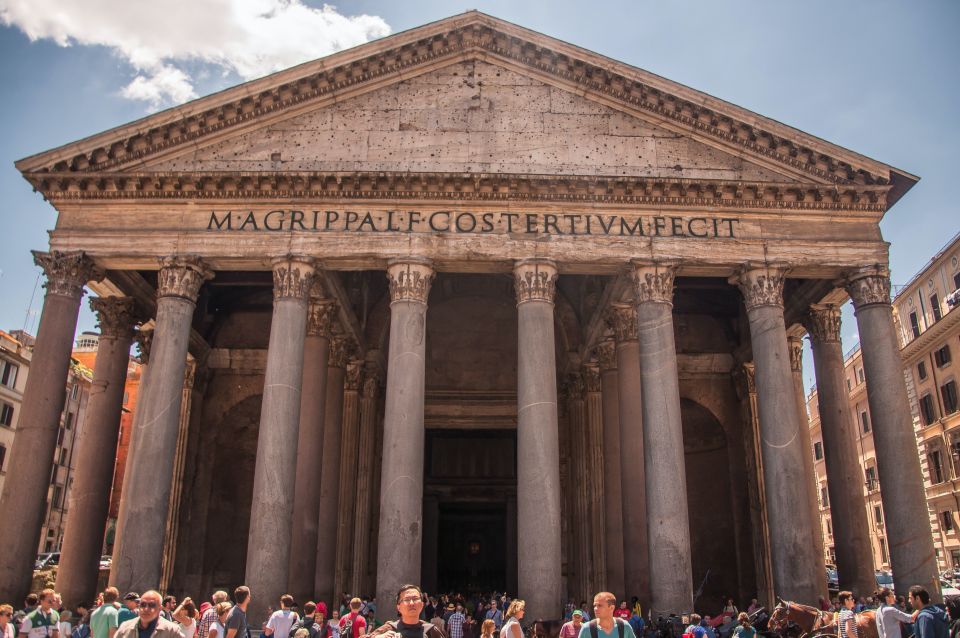
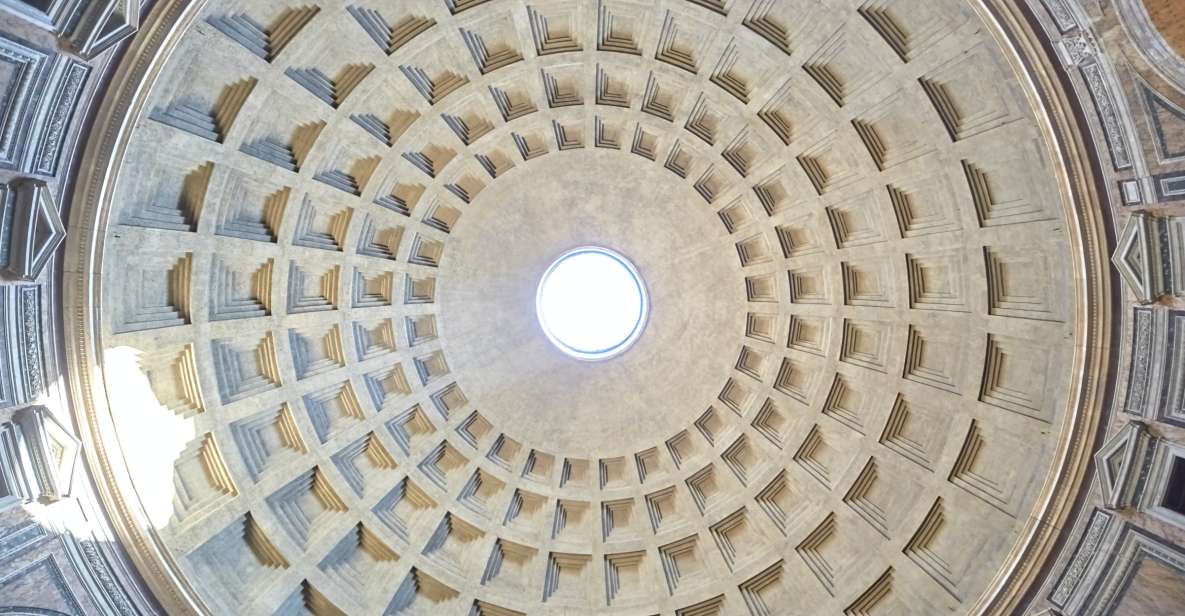
The Pantheon is the kind of place where you look up even if you swear you won’t. The reason it works is simple: the dome is famous, but it’s also usable engineering. The big interior space and the central oculus bring in daylight that shifts as you move, so the building feels alive rather than just old stone.
Your guide starts you inside with the kind of framing that makes the monument easier to understand. The Pantheon began as a temple honoring all gods, and that original religious purpose still shows up in how the space is arranged. You’ll also get the key story beats you’d miss if you just wandered—what to notice, and why the design mattered in Roman public life.
A practical note: the Pantheon’s security process can be a bottleneck, which is why the included skip-the-line ticket matters. Even with that, you’ll want to keep your pace steady and your meeting skills sharp, because you’re walking and listening at the same time.
You can also read our reviews of more tours and experiences in Rome.

Raphael’s tomb, Italian monarchs, and the Pantheon’s second life
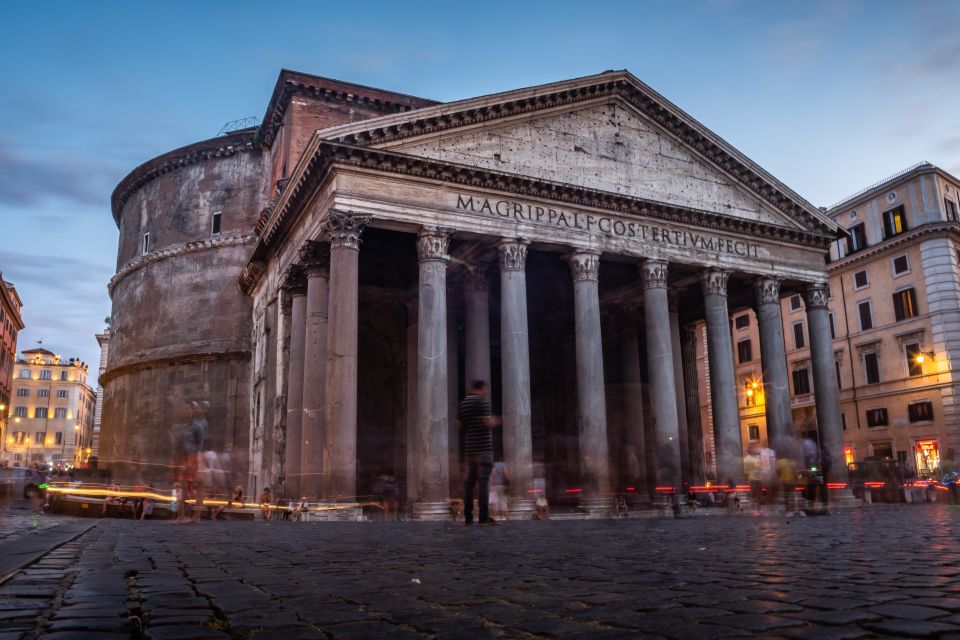
What makes the Pantheon more than a pretty dome is what happened after its original temple era. The tour points you to the fact that today it’s a final resting place for major figures—especially the painter Raphael and former Italian monarchs.
This is one of those moments where a guided explanation saves time. If you’re only half paying attention, the name drops can turn into a list. With a guide, you learn how Rome repurposed older sacred space into a place of commemoration—so the building becomes a bridge between eras. In other words, you’re not just looking at a monument. You’re tracking how Rome kept reusing its most powerful symbolism.
If you care about art history, you’ll probably enjoy how Raphael’s association shifts the Pantheon from architecture nerd territory into something more human. And if you care about politics, the monarch connection gives you a clear thread: empires don’t retire easily; they restyle.
Piazza della Minerva and Largo di Torre Argentina: reading ancient Rome in fragments
After the Pantheon, the tour moves outward into the city’s “still-standing” archaeology. Piazza della Minerva is one stop where you can see how Rome’s layered streets keep ancient elements in sight. Your guide uses these transitions to show you what’s preserved and what’s missing—and why the pieces that remain can still tell a story.
Then comes Largo di Torre Argentina, where remnants of Rome’s past remain visibly present. It’s a useful pause because you get a change of pace from indoor monuments. Outside, the context feels more obvious: Rome wasn’t built to be museum-clean. It was built for life, and life kept happening on top of earlier eras.
This part is especially good if you like history that feels walkable. You don’t need to imagine the city as a diagram. You can stand there and see how the old fabric still affects where people move today.
The Jewish Ghetto walk on Via del Portico d’Ottavia
Now the tone shifts, and that’s a good thing. The tour brings you toward Piazza Mattei and then along Via del Portico d’Ottavia, described as the historic Jewish Ghetto’s heart. This isn’t just a sightseeing detour. It’s a way to connect the city’s famous monuments to the everyday reality of communities living under changing rules.
What makes this section work is the guide’s emphasis on connections—culture, religion, and politics. You’re seeing how a neighborhood can carry centuries of identity in its streets and landmarks. You’re also learning that ghetto history isn’t a single event or a single building. It’s a long story of restrictions and resilience, which is exactly why walking matters more than staring at one plaque.
You’ll likely notice how the route uses specific stops to keep you oriented. Piazza Mattei helps you visually anchor the area, and the path along Via del Portico d’Ottavia helps you follow the narrative in a natural way. Even if you’re not a walking-only history person, this route keeps moving at a pace that’s still manageable.
Portico of Octavia: a strong ending with real staying power
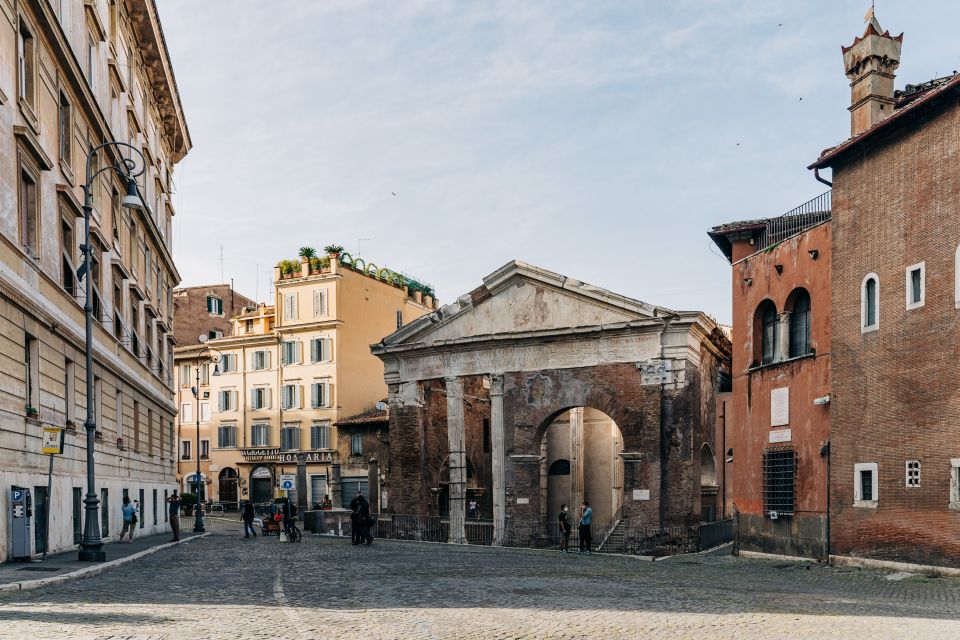
The tour closes in front of the Portico of Octavia. This is a classic “final sentence” kind of stop. It’s impressive to look at, but it’s also meaningful because it reflects the enduring cultural legacy of Rome’s Jewish community.
I like endings that don’t feel like a random last photo. This one earns its place. After you’ve seen the Pantheon’s story of repurposing and the ghetto’s story of lived identity, the Portico gives you a sense of continuity. You’re leaving with a better grasp of how Rome’s greatest monuments relate to communities that shaped the city over time.
If you want a clean photo moment, aim for the finish stop. By then, you’ve got the context in your head, so the photo becomes more than a souvenir.

Price and time: is $65 a good deal for this route?
At $65 per person for a guided, two-site experience, the value depends on what you care about. If you’re the type who benefits from someone pointing out what matters—especially at crowded sites—this price can feel fair fast. The skip-the-line Pantheon tickets, headsets, and guided attention for both the Pantheon and the Jewish Ghetto are doing real work here.
If you’re the kind of traveler who reads a guidebook and walks solo, you might question the cost. But the Pantheon is exactly where guided help tends to pay off. You can find information on your own, sure, but you’ll spend more time sorting and less time seeing.
Time is the other question. The experience is listed as 2 hours, but the walk segment is shown as 3 hours, so I’d treat it as a short-to-medium commitment rather than a quick in-and-out. Build in cushion, and you’ll enjoy it more.
One more practical heads-up from real-world quirks: there have been cases of guide timing issues and scheduling mismatches in the available feedback. That doesn’t mean it’s common, but it does mean you should keep your day flexible. If you’re on a tight schedule with very few hours to spare, consider booking earlier in your trip and having a plan B for any delays.
Attire rules and practical notes that can affect your day
This is one tour where what you wear can genuinely change your ability to enter. The Pantheon requires suitable attire: no shorts, no short skirts, and no sleeveless tops (for both men and women). Hemlines should be below the knees, and vests and sleeveless shirts are not allowed. You also can’t bring weapons or sharp objects.
Also plan on solid walking shoes. The route includes several stops and you’ll be on your feet for a guided walking experience, plus the Jewish Ghetto portion in particular is about moving through streets with a lot to notice. If your feet get sore easily, this is not the tour to wear your least-supportive pair.
Finally, this tour isn’t suitable for mobility impairments or wheelchair users. If that applies to you, you’ll want to look for an alternative format or a different route with better accessibility.
Who should book this Pantheon and Jewish Ghetto tour?
This tour is best for you if you want a guided link between three themes: architecture, commemoration, and community history. It’s also a smart choice if you like Rome as a living city where major monuments sit next to neighborhood stories.
I’d especially recommend it if:
- you want skip-the-line help at the Pantheon
- you prefer headsets when crowds and street noise make listening hard
- you want a coherent route that covers both the Pantheon area and the historic Jewish Ghetto
I’d think twice if:
- you’re struggling with the Pantheon’s dress code and can’t easily adjust
- you need wheelchair access or have mobility limitations
- your schedule is so tight that you can’t absorb a minor timing hiccup
Should you book it?
Yes, if you’re aiming for value that comes from guidance. For $65, you’re paying for a focused route with skip-the-line entry, headsets, and a guide to connect the dots between the Pantheon’s original religious role, its later use as a resting place, and the Jewish Ghetto’s history in the streets around Via del Portico d’Ottavia.
If you hate rules, check your outfit in advance. If you’re on a deadline, give yourself buffer time. And if you want a simple win—two major areas tied into one guided walk—this is a reasonable way to do it.
FAQ
How long is the Pantheon and Jewish Ghetto tour?
The tour is listed as 2 hours. The walking segment is shown as 3 hours, so plan for it to run longer than the minimum.
What’s included in the price?
Included are skip-the-line tickets for the Pantheon, headsets, a guided tour of the Pantheon, and a guided tour of the Jewish Ghetto.
Where does the tour start?
The meeting point may vary depending on the option booked. One listed starting point is near Piazza della Rotonda, 4.
Which languages are available for the live guide?
The live tour guide is available in Spanish and English.
Is the tour suitable for wheelchair users or people with mobility impairments?
No. It is not suitable for people with mobility impairments or wheelchair users.
What should I wear to enter the Pantheon?
You’ll need suitable attire: no shorts, no short skirts, and no sleeveless shirts. Hemlines must be below the knees, and vests are not allowed.
Is there a cancellation option?
Yes. You can cancel up to 24 hours in advance for a full refund.