REVIEW · COLOSSEUM, FORUM & PALATINE TOURS
Colosseum with Arena Floor, Palatine Hill & Forum Tour
Book on GetYourGuide →Operated by City Wonders Ltd. · Bookable on GetYourGuide
Walking into the Colosseum from the gladiators side is an instant attitude shift. What I love most is the exclusive arena floor access through the Gladiator’s Gate, and then the momentum of going straight into the Roman Forum and Palatine Hill while the stories are still fresh. One thing to factor in: you’re doing security checks and walking on uneven ground, so bring patience and good shoes.
This tour works because it’s not just photos from the outside. You spend time where the action happened, then you get the context for why Rome built this place the way it did. The guide style can be playful too, which helps when the sites are crowded and the facts are heavy.
The only real drawback for some people is the format: it’s not suitable for wheelchair users, and the walking plus timed entry can feel tight if you’re the type who hates lines. If that’s you, plan your expectations—and your pace—accordingly.
In This Review
- Key points worth knowing
- Entering the Colosseum arena via Gladiator’s Gate
- Arena floor time: what you see (and what you learn to notice)
- Climbing to the second tier for real crowd-scale perspective
- Roman Forum: where Rome performed power
- Palatine Hill: the uphill view over Forum and Circus Maximus
- Pace, group size, and what the 1.5–3 hour window really feels like
- Price and value: where the $53 goes
- Meeting the day: shoes, ID, luggage rules, and security reality
- Who this tour fits best (and who should rethink it)
- Should you book this Colosseum with Arena Floor, Forum & Palatine tour?
- Bottom line
- FAQ
- How long is the Colosseum with Arena Floor, Forum & Palatine tour?
- What’s included in the price?
- Where do I meet the guide?
- Will I be able to bring a suitcase or large bags?
- What documents do I need to enter?
- Is the tour wheelchair accessible?
Key points worth knowing
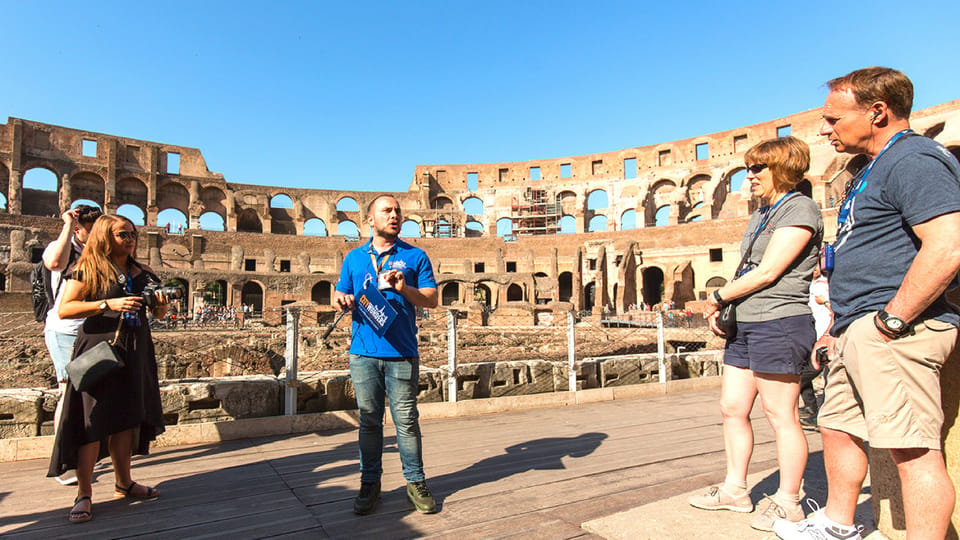
- Gladiator’s Gate arena access puts you on the partially reconstructed floor where gladiators once stood
- Second-tier views help you understand the scale of cheering crowds
- Roman Forum stop is short but focused, so you don’t lose your whole day in Rome traffic on foot
- Palatine Hill includes a brief uphill walk with panoramas over the Forum and Circus Maximus
- Small group options (up to 10 or 15) help keep the tour from feeling like a herd
Entering the Colosseum arena via Gladiator’s Gate
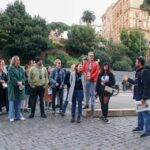
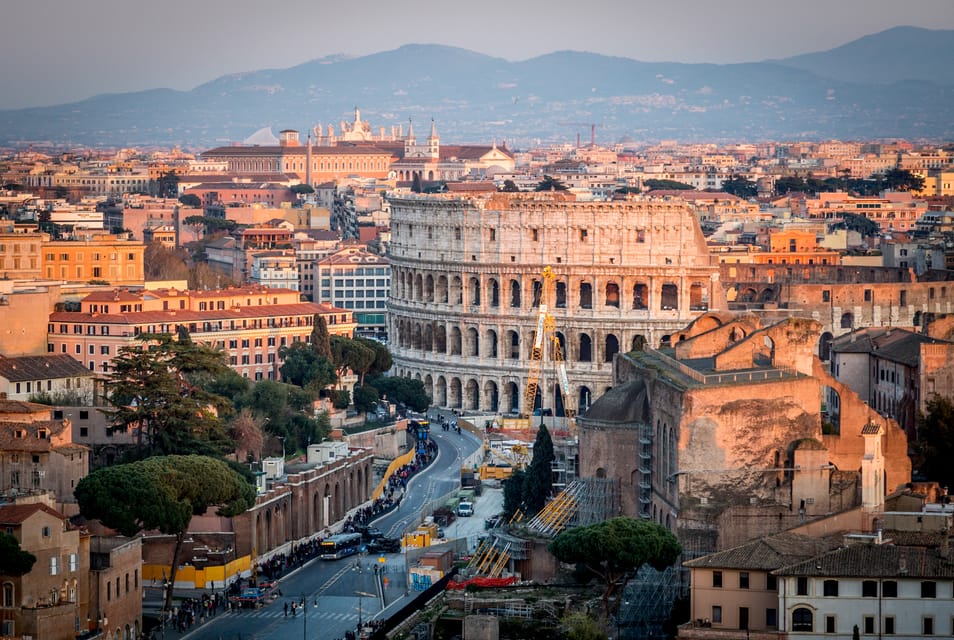
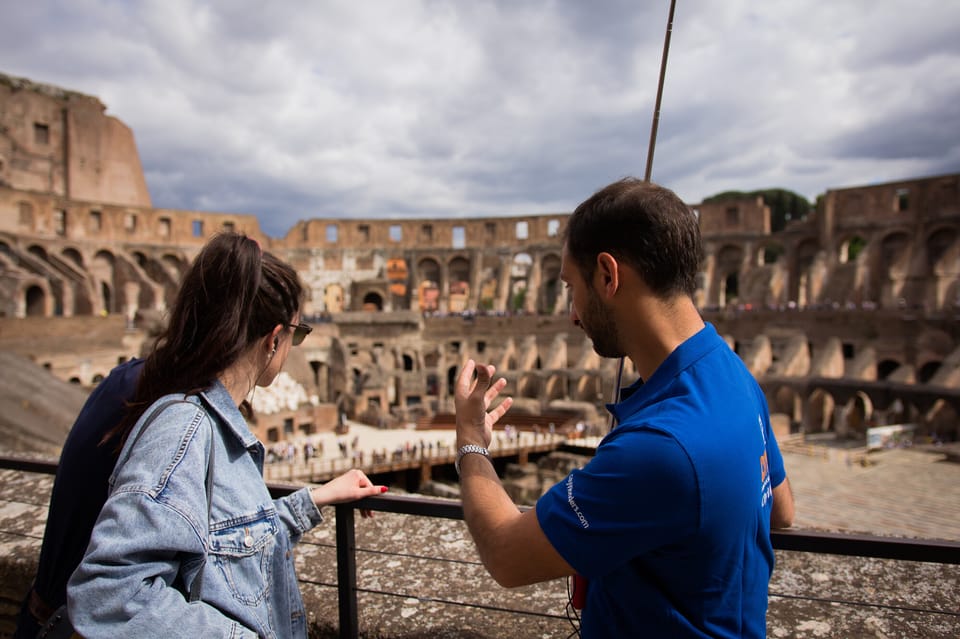
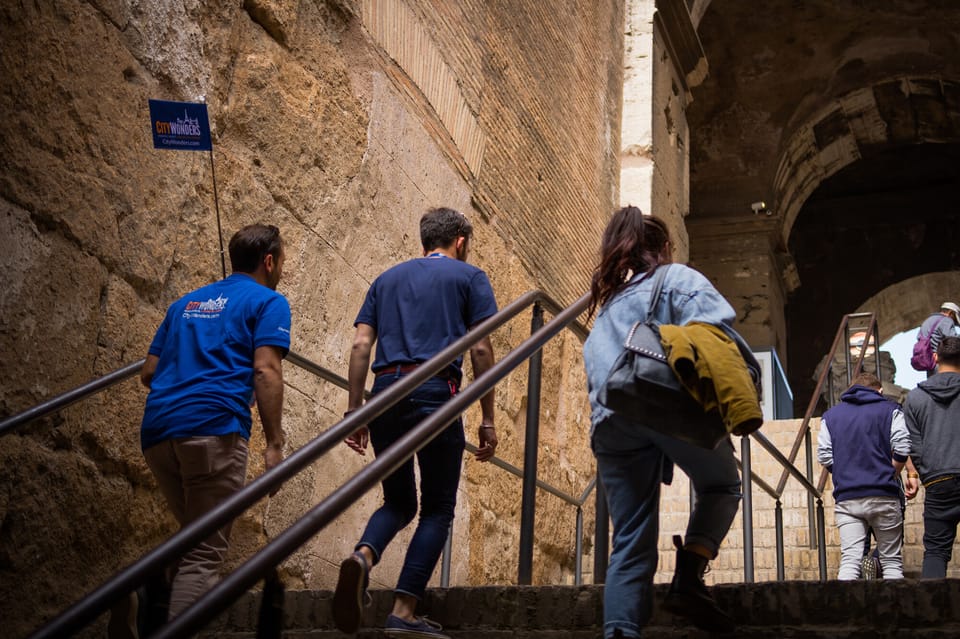
The start point is Largo Gaetana Agnesi, 3, right above the Colosseo metro stop (Line B). Your guide coordinator wears a blue polo shirt or jacket so it’s easy to spot you before you head into the tunnel of ancient stone and modern crowds.
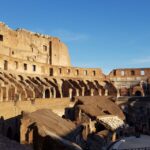
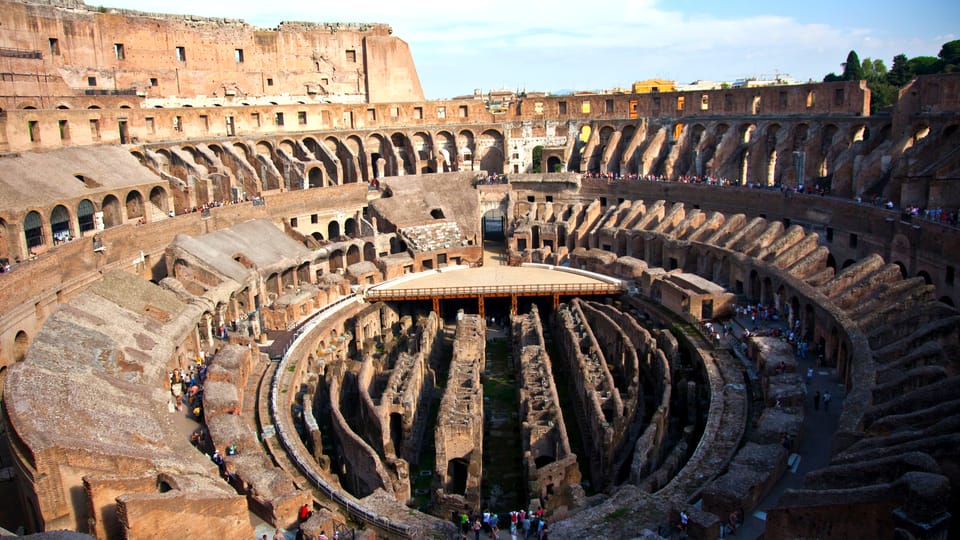
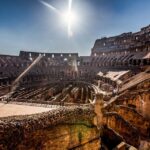
Then comes the moment that makes this tour worth choosing: stepping through the Gladiator’s Gate into the Colosseum’s arena floor area. You’re not just looking at the stadium—you’re moving into its performance space. The route is built to follow the gladiators’ path as you enter, so the architecture starts to make sense in a practical way: where fighters would line up, how the arena floor sits relative to the seating, and why sightlines were everything.
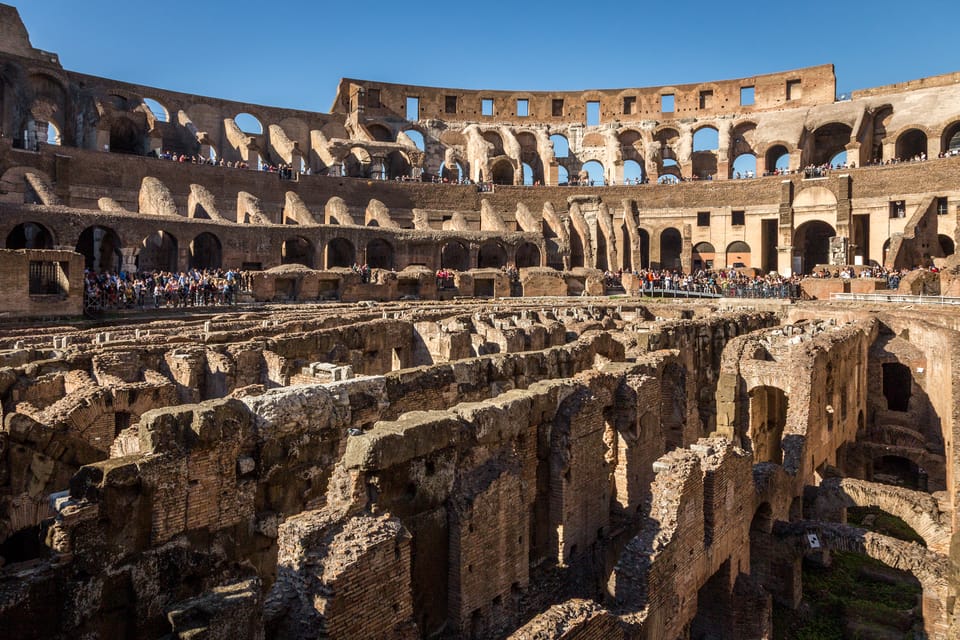
Once you’re on the floor, you’ll see how the Colosseum was designed for spectacle. Even if parts are reconstructed, the big takeaway is the choreography of ancient crowds and noise. You can feel why people came for drama on a scale that modern arenas can’t fully replicate.
You can also read our reviews of more tours and experiences in Rome.
Arena floor time: what you see (and what you learn to notice)
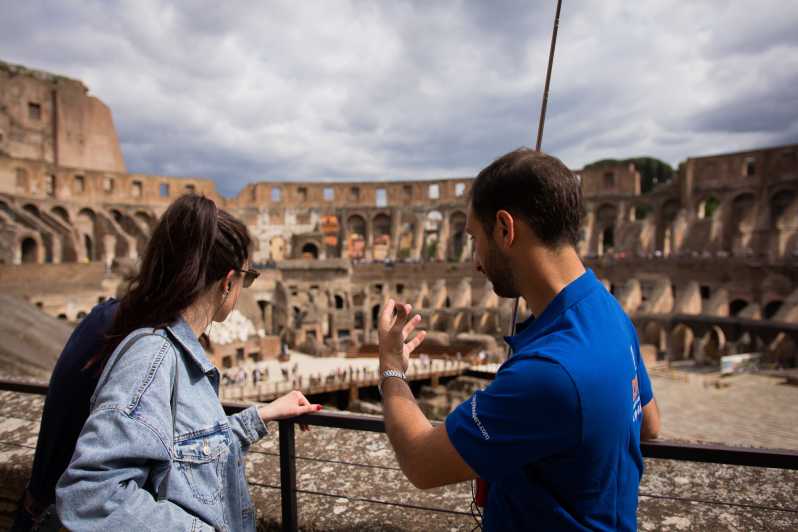
The arena floor experience is framed as more than a once-in-a-lifetime photo stop. You walk on the partially reconstructed floor and listen as your English guide connects the dots between the venue and the people who used it.
This is where the guide quality shows. In feedback I read from past tour-goers, guides like Serafina and Fabio are singled out for clear explanations and for keeping the tone fun, not school-ish. One review also mentioned a guide with a PhD in archaeology, which tracks with what you want in a place like this: confident facts, not vague guesses.
Here are a few things I’d encourage you to watch for while you’re down there:
- How the arena floor relates to the seating levels above it
- The sense of how movement could funnel people toward key moments
- The general layout that suggests how events were staged underground
One practical note: the tour description calls out a glimpse of the underground workings where the magic unfolded. You might not get a full “behind-the-scenes lab” view, but you should be ready to think about the Colosseum as an engineered machine, not only a ruin.
Climbing to the second tier for real crowd-scale perspective
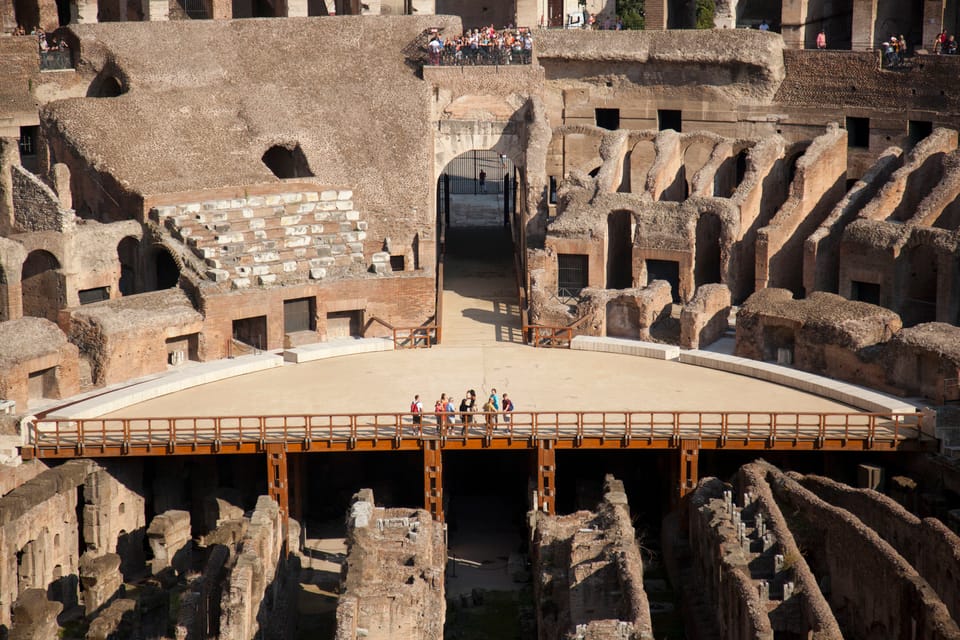
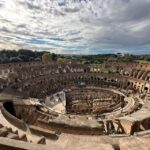
After the arena time, you’ll ascend to the second tier. This matters more than people expect. At ground level, the Colosseum feels tall and massive, but it’s the upper vantage points that really let you grasp how packed it must have been.
Your guide will connect the view to what crowds experienced—screaming, cheering, and the pressure of a gladiator’s moment hanging on public reaction. Even if you’ve read about Roman games before, standing closer to where spectators once sat changes the scale from “interesting fact” to “I get it now.”
Also, this is a good place to slow down. You’re up, you can look across the arena, and the whole venue starts lining up in your mind. One heat-day tip from a past participant: the guide was attentive about finding shady spots along the way. If you travel in warmer months, that kind of pacing is not a luxury—it’s comfort insurance.
Roman Forum: where Rome performed power
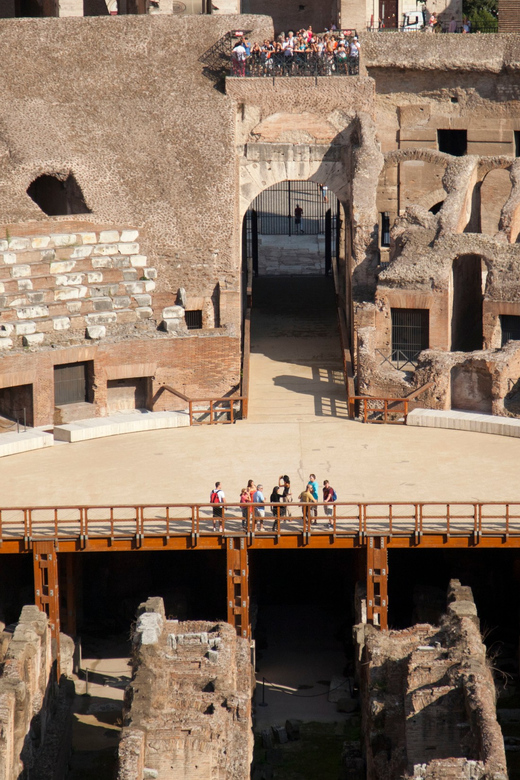
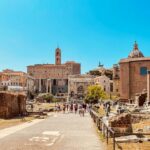
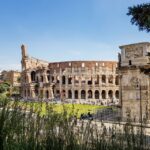
Next stop is the Roman Forum, the beating heart of ancient public life. The tour keeps this focused, with about 30 minutes there for guided time on the key ruins.
This is one of those places where free wandering can turn into information overload. With a guide, you get a path through the most meaningful parts so you’re not just scanning broken columns and wondering what you’re looking at. You’ll also hear the “why”—how dramatic events unfolded here and how that shaped the course of history.
Think of the Forum as the stage for politics, religion, and public identity. The Colosseum is spectacle; the Forum is governance and cultural control. Together, they give you the full picture of what Rome was good at: turning public spaces into emotional experiences.
A practical consideration: the Forum is outdoors and uneven. Wear shoes you trust, and expect that some walking surfaces won’t be smooth. If you’re prone to knee issues, plan to take it slow for the first few minutes.
Palatine Hill: the uphill view over Forum and Circus Maximus
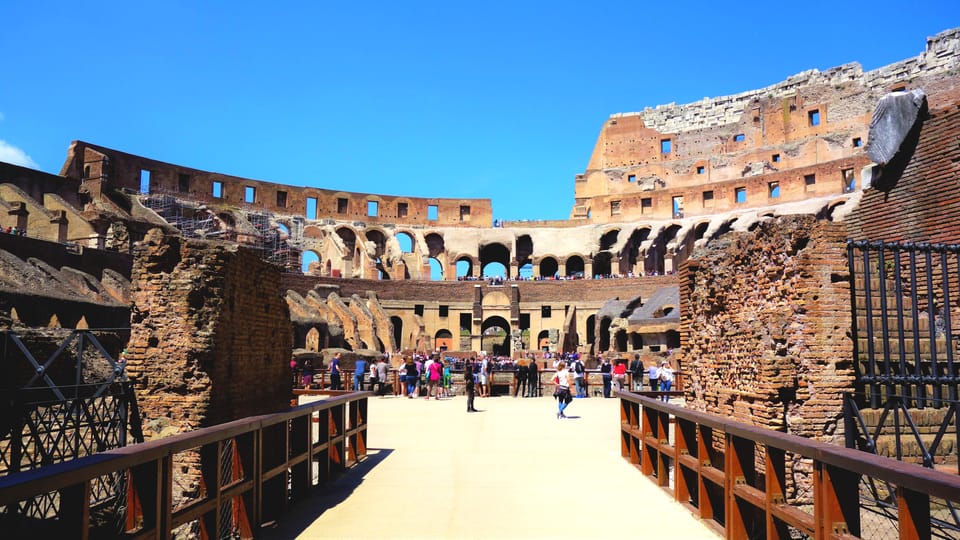
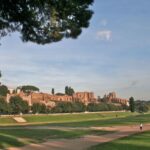
To wrap up, there’s a short uphill walk to Palatine Hill. This is where the tour gives you the payoff view: panoramas over the Roman Forum and Circus Maximus.
Palatine Hill is often described as beautiful, but what makes it work in person is the perspective. From up here, you can see the Forum not as a cluster of ruins, but as part of a larger city plan. The hill gives you a sense of why this area was so desirable—high ground, commanding views, and a symbolic center for Rome’s early identity.
The tour frames Palatine Hill as the “First Nucleus of Ancient Rome,” and the real value is how your guide ties that idea to what you can see around you. Even if you’ve never cared about Roman topography before, a good guide helps you translate the view into story.
And yes, it’s uphill. If you’re the type who plans your day down to the minute, factor in that your final stretch will ask for a bit more effort than the Colosseum floor portion.

Pace, group size, and what the 1.5–3 hour window really feels like
The stated duration is 1.5 to 3 hours, depending on starting times and what happens on-site. That range matters, because the Colosseum can be unpredictable with security and occasional last-minute closures.
Group size is a big part of the experience quality. This is offered as semi-private for up to 10 visitors or a small group for up to 15 (when selected). In plain terms: smaller groups usually mean less waiting around and more chances to hear the guide clearly.
In reviews, the tour is repeatedly praised for being the right length. That’s a real compliment here. If you’ve tried long “see Rome in one day” tours before, you know what happens: you end up rushing, missing the point, and forgetting names by lunch. This one aims for a tight arc—arena, Forum, Palatine—so you leave with a clear mental map.
One more pacing detail: don’t count on easy “grab snacks and browse” breaks. Food and beverages aren’t included, and the tour time is designed for moving through key zones with your guide. If you need water, bring it if permitted by on-site rules (the tour itself doesn’t list it as included).
Price and value: where the $53 goes
Price is listed at $53 per person, and the tour includes several major components:
- English-speaking guide
- Colosseum entry ticket with Arena (noted as €24)
- Roman Forum and Palatine Hill entrance
- Exclusive arena floor access via the Gladiator’s Gate
- Headcount-limited group options (when chosen)
So yes, you’re paying for convenience and access. But you’re also paying for time with someone who can turn a pile of stone into a usable understanding. If you try to do this on your own, you’d still need Colosseum tickets with arena access plus a plan for Forum and Palatine, and you’ll lose the guided thread that makes the sites connect.
The biggest value is the combo: arena floor + Forum + Palatine in a compact window. The arena floor is the headline, but the real money-saver is that you get context for it immediately, instead of piecing it together later.
Also, the tour includes an entry ticket component and the site entrances for the Forum and Palatine. That matters because those tickets are often the part that makes DIY plans feel fiddly.
Meeting the day: shoes, ID, luggage rules, and security reality
Do a simple prep checklist before you leave the hotel.
Bring:
- Passport or ID card
- Comfortable shoes
Not allowed:
- Luggage or large bags
And here’s the part that can surprise people: for entry into the Colosseum, they require the full participant names at booking, and random identity checks can happen. Your ID must match the name on your ticket. If your name doesn’t match perfectly, entry can be refused, and you don’t want to discover that at the gate.
Security checks can also cause delays. Even if you arrive early, expect time to add up once you hit mandatory checks at some venues. The good news is that a guide group experience helps you move through the process without guessing.
If you’re traveling by metro, your meeting instructions are specific:
- Exit through the metro turnstiles.
- Take the immediate right down the tiled hall to the escalator/stairs.
- At the top, go right, then up the short stairs to exit.
- Turn left toward Largo Gaetana Agnesi, the small oval-shaped square above the metro with views of the Colosseum.
If the metro stairs are closed, the fallback route is to keep heading along the left side past the Colosseum and follow Via Nicola Salvi up until you reach the square. It’s worth having that backup in your phone, so you don’t waste time hunting in the heat.
Who this tour fits best (and who should rethink it)
This is a strong choice if you want:
- Arena floor access without the ticket chaos
- A guided route that links spectacle (Colosseum) to civic life (Forum)
- A short, efficient tour window rather than a half-day of random wandering
It’s especially good for first-timers who don’t want to guess what matters most at each stop.
It may not fit if you:
- Use a wheelchair (the tour is not suitable)
- Need lots of time for independent roaming
- Are sensitive to security delays and timed entry flow
Also, if you travel with someone who hates uphill sections, remember Palatine Hill includes an uphill walk, even if it’s described as short.
Should you book this Colosseum with Arena Floor, Forum & Palatine tour?
If arena access is on your Rome “must-do” list, I think this booking makes sense. You’re paying for a rare on-site privilege—being on the arena floor via Gladiator’s Gate—then wrapping it up with the Forum and Palatine in a time-efficient way.
Book it if you enjoy:
- Guided interpretation that turns ruins into a story you can picture
- A small-group feel (up to 10 or 15)
- Learning that’s practical, not just trivia
Skip or shop around if:
- You want a fully self-paced experience
- You can’t handle outdoor walking and uneven surfaces
- You need wheelchair-friendly access
Bottom line
This tour is best when you want the Colosseum’s stage energy plus the political and scenic context of the Forum and Palatine. In other words: one ticket, one guide thread, and three major Rome stops without losing the meaning.
FAQ
How long is the Colosseum with Arena Floor, Forum & Palatine tour?
It runs 1.5 to 3 hours, depending on the selected start time and what happens on-site (security and any last-minute closures).
What’s included in the price?
The tour includes an English-speaking guide, Colosseum entry with Arena, exclusive access to the Arena Floor, and entrance to the Roman Forum and Palatine Hill. Food and drinks are not included.
Where do I meet the guide?
Meet at Largo Gaetana Agnesi, 3, above the Colosseo metro stop (Line B). Your guide coordinator will be wearing a blue polo shirt or jacket.
Will I be able to bring a suitcase or large bags?
No. Luggage or large bags are not allowed. Bring only what you can comfortably carry.
What documents do I need to enter?
Bring a passport or ID card. You also need the name on your ID to match the name used for your booking, since Colosseum staff may carry out random identity checks.
Is the tour wheelchair accessible?
No. It is not suitable for wheelchair users.