REVIEW · CATACOMBS & CRYPTS TOURS
Bone Crypts & S. Clemente ENGLISH tour – tickets included
Book on GetYourGuide →Operated by Rome With Mike · Bookable on GetYourGuide
Rome gets stranger, and smarter, underground. I love the Capuchin Crypts—a solemn, bone-filled burial site that still feels meaningful—and I love that this tour skips the ticket line while you also cover Basilica of San Clemente layers below the street. One heads-up: sound and comfort can vary, and at least one guide setup means headsets may be limited to the crypt section rather than the whole walk.
In a small group (up to 8), an English guide keeps the stories clear and the pace reasonable for 2.5 hours. If you’re sensitive to enclosed spaces or you have mobility limits, this probably isn’t the right fit since the visit includes stairs and underground sections.
In This Review
- Key highlights worth planning for
- Starting at Piazza Barberini: meeting point and first impressions
- Capuchin Crypts: bones, chapel scenes, and what the story is really about
- The walk between worlds: from Rome’s public spectacle to buried faith
- Colosseum from outside: gladiators training where you can’t just stand and stare
- Nero’s Domus Aurea ruins: what remains, and why it matters
- Basilica of San Clemente Underground: three time periods in one visit
- Caravaggio’s masterpiece: art that lands because of where you see it
- Timing and pace: what 2.5 hours feels like in real life
- Price and value: is $61 a fair deal here?
- Practical tips: shoes, photos, and how to make it smoother
- Who should book this tour, and who should skip it
- Final call: should you book Bone Crypts & San Clemente?
- FAQ
- How long is the Bone Crypts and San Clemente tour?
- What’s included in the price?
- Where do I meet the guide?
- How big is the group?
- Is the tour skip the line?
- What should I bring, and are photos allowed?
- Is there extra cost for transport during the tour?
- Is this tour suitable for wheelchair users or people with mobility impairments?
Key highlights worth planning for
- 4,000-monks Capuchin Crypts shown through themed chapels, not just a quick pass-through
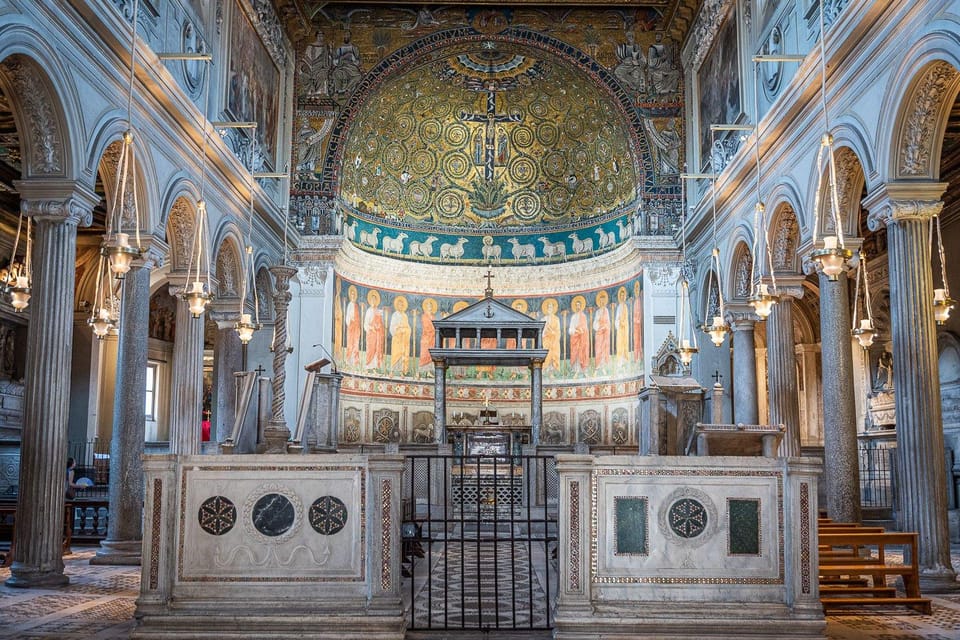
- San Clemente Underground layers: 12th-century basilica down to a 4th-century church and a 2nd-century Mithraic temple
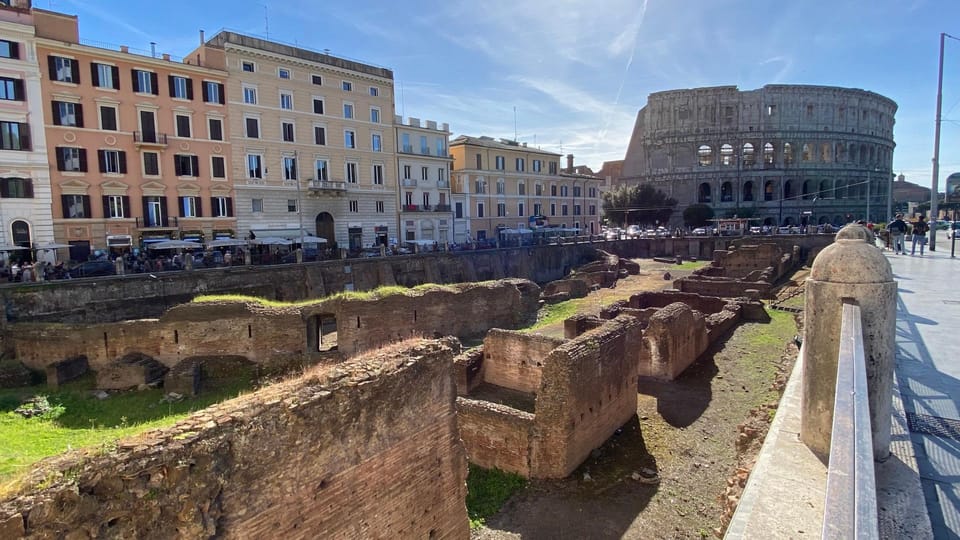
- Colosseum and Ludas Magnus area views from outside, tied to gladiator training and games
- Domus Aurea (Nero’s Golden Palace) ruins you’ll see from the outside, with historical context
- Caravaggio’s masterpiece included as part of the San Clemente visit
- Small group (max 8) helps you ask questions and actually hear the guide
Starting at Piazza Barberini: meeting point and first impressions
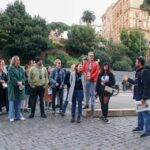
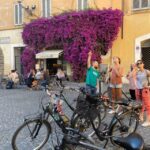
This tour begins at Piazza Barberini, at the face side of the Triton Fountain. Plan to arrive about 10 minutes early so you can check in without stress, especially since you’ll be moving quickly through secure entry points at some stops.
If you reach the meeting point early, there’s a bar called Bar Gusto right across the street with bathrooms and drinks/snacks. It’s a small thing, but it makes the start of your Rome day feel smoother, especially if you’re pairing this with other sights nearby.
You can also read our reviews of more tours and experiences in Rome
Capuchin Crypts: bones, chapel scenes, and what the story is really about
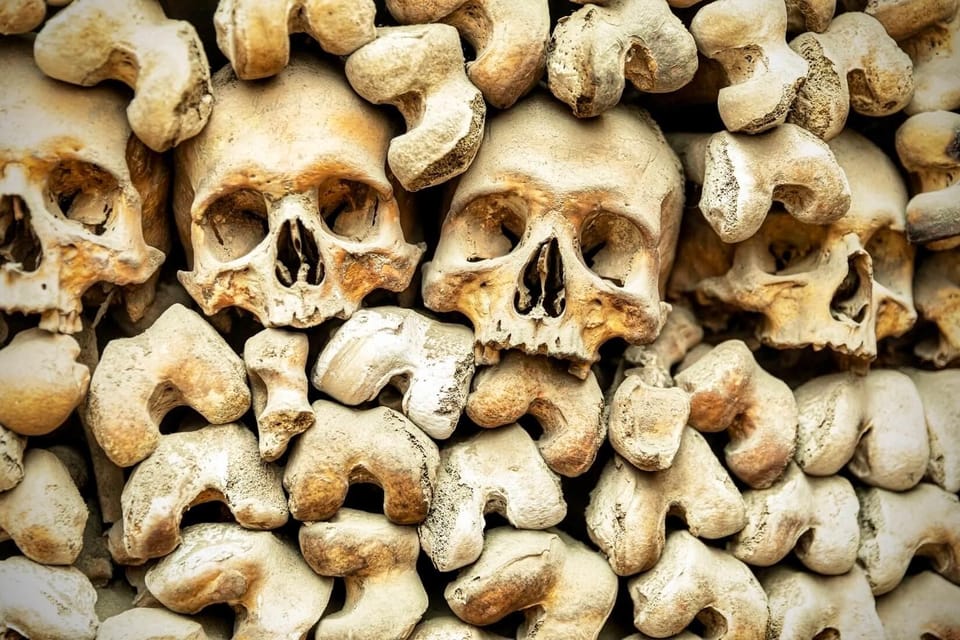
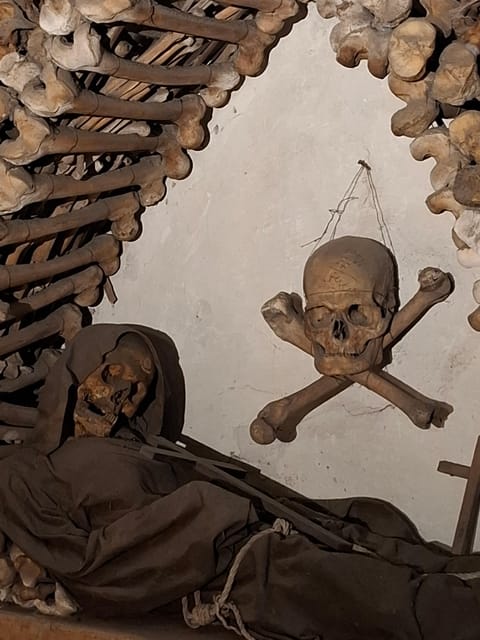
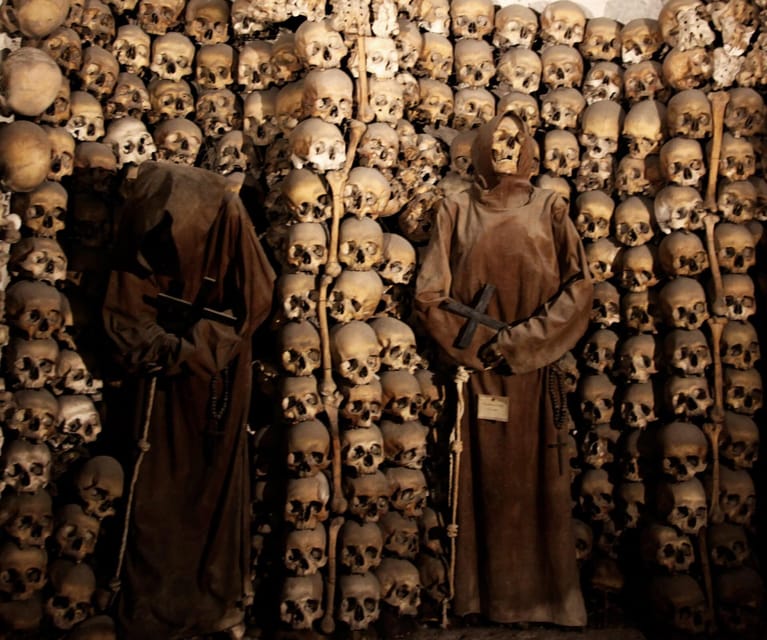
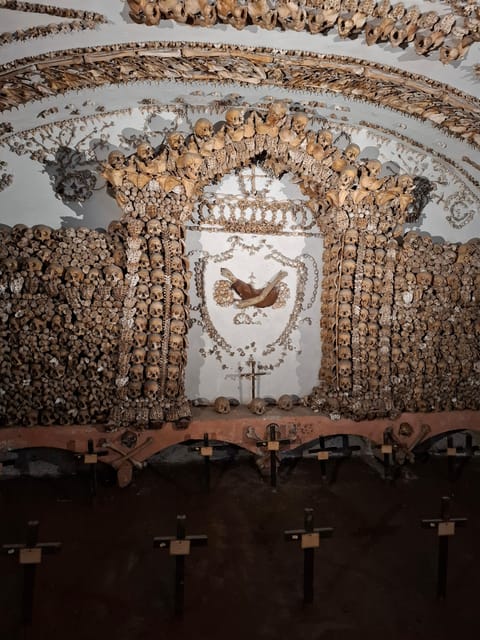
The Capuchin Crypts are the kind of Rome experience that mixes shock with calm. You’re walking through a sacred burial ground decorated with the human bones of almost 4,000 monks, and the guide keeps the tone respectful instead of turning it into a circus stop.
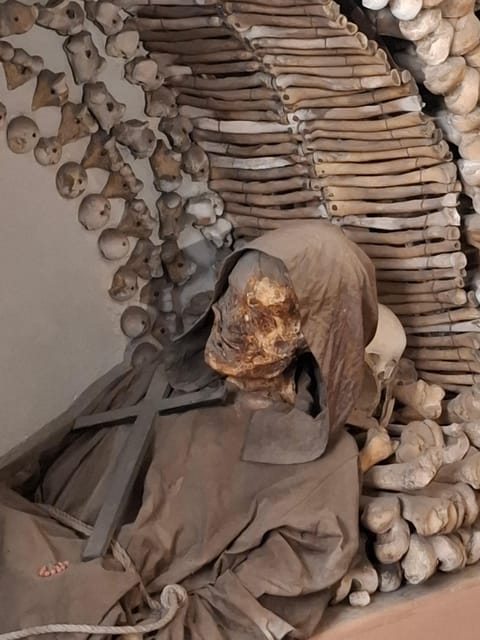
Inside, the experience is organized into themed chapels. You’ll see the Crypt of the Three Skeletons, the Crypt of the Leg Bones and Thigh Bones, and the Crypt of the Pelvises, where friars are arranged in peaceful arches. There’s also the famous Crypt of the Skulls, crowned by a symbolic hourglass—an image that sticks with you long after you’re back upstairs.
Crosses embedded in the floor mark final resting places of seven monks, which adds a quiet, personal layer to the visit. One reason this tour works so well is that it doesn’t treat the bones as just a visual oddity; it explains how Capuchin burial laws and the remains’ relocation (from an old friary near the Trevi area) helped create this underground cemetery.
A practical note: some parts of the crypt visit are enhanced with an audio guide. Also, based on guide feedback from past groups, the headset may be used mainly for the bone-church portion, not necessarily the entire tour. So if you rely on audio, don’t count on one constant setup from start to finish.
The walk between worlds: from Rome’s public spectacle to buried faith
After the crypt, you’ll head back toward Rome’s surface landmarks. The route includes a short black cab ride (about 10 minutes), and that cab cost is not included; you’re looking at an average of €10 if you choose to cover it yourself.
This “between stops” time matters more than people think. You’ll go from the underground cemetery mood into the real city vibe, which makes the next sights land harder. The guide also uses the walking transitions to explain how Rome’s power worked—public games above ground, and spiritual rules underground.
Colosseum from outside: gladiators training where you can’t just stand and stare
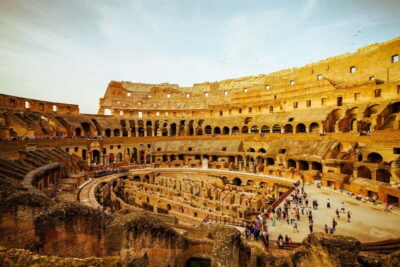
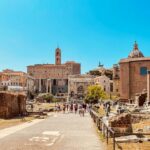
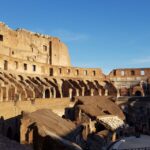
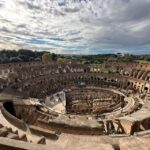
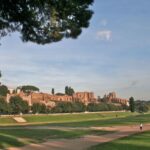
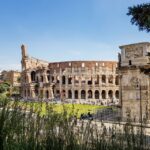
You won’t go inside the Colosseum on this tour, but you still get a useful sight-and-story moment. You’ll pass by the Colosseum area and see it from outside, with context about gladiator training and the kinds of entrances that led people into the games.
The tour connects those ideas to Ludas Magnus, the gladiator training grounds. That’s the trick: you don’t just see a famous arena; you learn what daily life for gladiators looked like before the crowds ever showed up. In a small group, you’re more likely to hear the details clearly instead of getting lost in the noise of a larger crowd.
Time-wise, the Colosseum outside segment is brief, so if you’re hoping for a long photo session, you may want extra time on another day. Here the value is interpretation: you get enough context to make the Colosseum feel like a living machine, not just a postcard.
Nero’s Domus Aurea ruins: what remains, and why it matters
Next up is the story around Emperor Nero’s golden palace, Domus Aurea. You’ll see the ruins from the outside, which means you won’t be touring the full subterranean space here—but you will get a solid framework for understanding why the palace was so dramatic, and what its legacy became.
This stop works best when you keep expectations realistic. You’re not buying a full Domus Aurea excavation visit today. Instead, you’re getting the “why you should care” layer, so when you later read, watch, or walk around other parts of the ancient city, the picture makes more sense.

Basilica of San Clemente Underground: three time periods in one visit
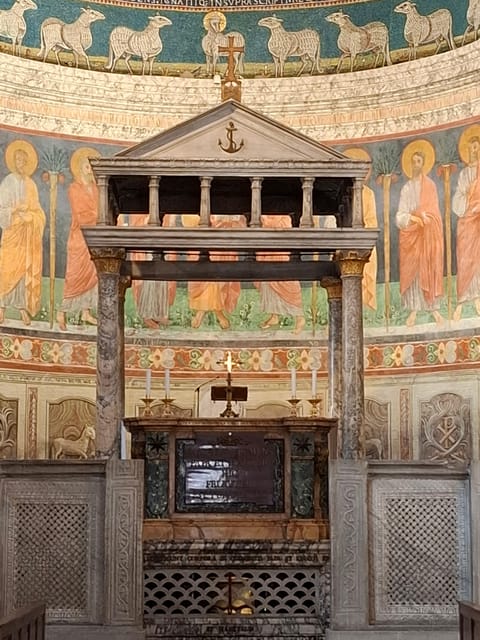
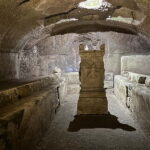
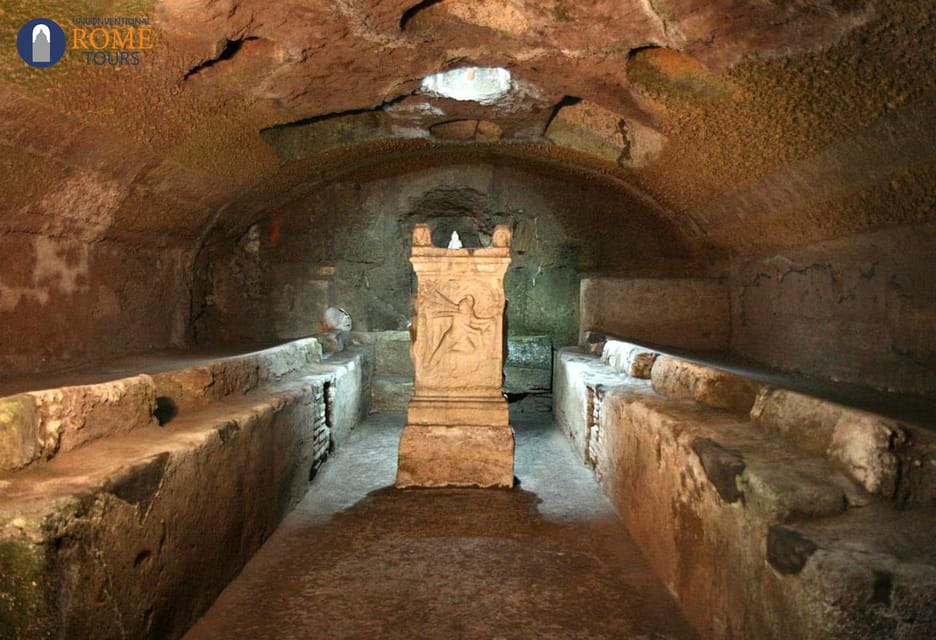
This is the heart of the itinerary, and it’s where Rome really shows off its stacking habit. Basilica of San Clemente al Laterano is multi-layered: you descend from a 12th-century basilica to a 4th-century church and further down to a 2nd-century Mithraic temple.
The result is a moving timeline you can physically walk through. You’ll look at Byzantine mosaics and early Christian frescoes, then shift into a completely different religious world below them. It’s not just archaeology as a concept—it’s time you can step into with your own shoes on the stairs.
You’ll also see a 2,000-year-old fountain that is still flowing. That kind of detail is why this stop feels more real than a purely museum-style experience. When something continues after all those centuries, your brain clocks the continuity of place.
Drawback-wise, the underground setting means there are stairs and enclosed areas. So if you’re not comfortable with that, check your comfort level before booking.
Caravaggio’s masterpiece: art that lands because of where you see it
This tour includes viewing Caravaggio’s masterpiece as part of the San Clemente experience. Caravaggio is one of those artists you tend to get excited about in your head, but seeing his work in the right setting changes how you react.
What I like here is the pacing. You’re not rushing through a stop just to say you saw a piece. You get art in context—framed by the layers of worship above and below—so it feels tied to real stone, real rooms, and real history rather than a standalone display.
Timing and pace: what 2.5 hours feels like in real life
The tour lasts about 2.5 hours. That’s a strong length for a Rome day because you cover multiple major sites without turning the experience into a full afternoon marathon.
The pace is guided and purposeful:
- Capuchin Crypts are the longest single segment, about 70 minutes
- Then you move along to the Colosseum area
- The San Clemente visit wraps it up with the underground descent and art focus
The main physical considerations are comfort and sound. Wear comfortable shoes, because you’ll do moderate walking plus stairs. And because some audio/headset equipment may be limited to the crypt portion, you should stay attentive to the guide’s in-person explanations outside the crypt.
Price and value: is $61 a fair deal here?

For about $61 per person, you’re getting a lot packed into one tour: skip-the-line entry, an English guide, admission to the Capuchin Crypts, and entry to the San Clemente underground areas. You’re also covering outside views of major sights like the Colosseum and Domus Aurea, plus the gladiator training ground context.
In Rome, the real cost is often time. This tour helps you buy back time by using skip-the-line access where it counts. Add the fact that the group is capped at 8, and the guide time per person stays higher than on large-group tours—so you’re more likely to leave with a clearer understanding of what you saw.
The only extra expense noted is the short taxi ride (average €10) if it applies to your exact route that day. Also, tickets are included, so you’re not juggling add-on payments mid-experience.
Practical tips: shoes, photos, and how to make it smoother
A few rules keep things simple:
- Bring comfortable shoes and a camera
- Flash photography is not allowed
- Expect security checks at some sites
If you’re the type who likes to take photos nonstop, plan for limits. Follow the guide’s instructions so you don’t lose time at the checkpoint stage or inside restricted areas.
One more thing: since this tour includes underground space, you’ll want to dress for cooler interiors and keep a steady pace. It’s not an all-out hike, but you’ll feel the difference between open squares and subterranean rooms.
Who should book this tour, and who should skip it
This is a great choice if you want Rome beyond the big-name checklist. The combination of the Capuchin Crypts and the layered Basilica of San Clemente is unusual in a good way: one stop is about mortality and ritual, the other is about Christianity’s roots and art built on older sacred space.
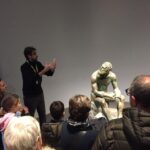
It’s also a good fit for families and mixed ages when you have a guide who can hold attention. Past groups praised guides like Peter, Heather, Divan, and Mike for being funny, engaging, and capable of adapting explanations to different ages and questions. Small-group size helps that conversation feel more personal.
Skip or rethink if:
- you have mobility impairments or use a wheelchair (this tour is not suitable)
- you’re very uncomfortable with stairs, enclosed underground spaces, or bone-themed imagery
Final call: should you book Bone Crypts & San Clemente?
Yes, if you want one of Rome’s most memorable “two-in-one” experiences. The value is in the pairing: you don’t just see spooky bones and move on—you also descend into a church that literally contains older layers of Rome. Done with a good English guide and a small group, it feels thoughtful instead of rushed.
Book it now if your priority is meaning and context, not just collecting photos. If you’re worried about mobility or you strongly dislike enclosed subterranean visits, choose a different format—this one is built around going under the city.
FAQ
How long is the Bone Crypts and San Clemente tour?
It’s about 2.5 hours.
What’s included in the price?
The tour price includes an English live guide, skip-the-line entry, admission to the Capuchin Crypts, and admission to the Basilica of San Clemente underground. It also includes outside viewing of the Colosseum area and Emperor Nero’s Golden Palace ruins.
Where do I meet the guide?
Meet your guide at the face side of the Triton Fountain in Piazza Barberini. It’s best to arrive at least 10 minutes early.
How big is the group?
The group is limited to 8 participants.
Is the tour skip the line?
Yes, skip-the-line tickets are included.
What should I bring, and are photos allowed?
Wear comfortable shoes and bring a camera. Flash photography is not allowed.
Is there extra cost for transport during the tour?
A short black cab ride may be part of the route and is not included, with an average cost around €10.
Is this tour suitable for wheelchair users or people with mobility impairments?
No, it’s not suitable for people with mobility impairments or wheelchair users.