REVIEW · FOOD & WINE TOURS
Rome: Discovering the Jewish Ghetto guided tour
Book on GetYourGuide →Operated by Unlimited Explorations · Bookable on GetYourGuide
Narrow streets, big stories. This Rome Jewish Ghetto guided tour turns a handful of familiar landmarks into a clear, human story of the neighborhood, starting near Teatro di Marcello. I love how the route includes the Portico d’Ottavia, where you can actually feel how Roman architecture shaped daily life. I also like the detour to Piazza Mattei, crowned by the Fountain of Turtles—one of those odd, memorable details Rome is famous for. One thing to consider: the most important indoor stops (the Synagogue and the Church of San Bartolomeo) have entrances that are not included, so you should plan for extra ticket time.
You’ll walk at a comfortable city pace—mostly on foot, with frequent short “look here” moments. The guide I met was top-notch at explaining what you’re seeing and why it mattered, and the language support is either Italian or English (the guide can be bilingual or not, depending on the group). If you have mobility limits, this isn’t set up for you, and if you’re prone to motion sickness, keep an eye on the route and pace.
In This Review
- Key things that make this tour worth your time
- Where it starts: Teatro di Marcello and fast orientation
- The Jewish Ghetto streets: more than sightseeing stops
- Piazza Mattei and the Fountain of Turtles: a small stop with big meaning
- Portico d’Ottavia: walking under history’s doorway
- Piazza Giudia and the long thread of Jewish Rome
- Great Synagogue of Rome: what you get without going inside
- Ponte Fabricio: crossing into calm with one of Rome’s oldest bridges
- Isola Tiberina: one of Rome’s oldest islands, and quiet by design
- San Bartolomeo all’Isola Tiberina: the gentle ending
- Price and value: is $44.41 for two hours fair?
- Who this tour suits best
- Should you book the Rome Jewish Ghetto guided tour?
- FAQ
- How long is the Rome Jewish Ghetto guided tour?
- Where do I meet the guide?
- What languages are offered?
- What is included in the price?
- Are the synagogue and church entrances included?
- Is the tour suitable for everyone?
Key things that make this tour worth your time
- Teatro di Marcello start point: an easy, central place to meet and get your bearings quickly
- Piazza Mattei and the Fountain of Turtles: a playful stop with real cultural symbolism
- Portico d’Ottavia walkthrough: one of the most historic monuments in the area, seen at walking distance
- Great Synagogue focus: you get context for Rome’s Jewish community and what the building represents
- Isola Tiberina ending at San Bartolomeo: a calm finale on one of Rome’s oldest islands
Where it starts: Teatro di Marcello and fast orientation
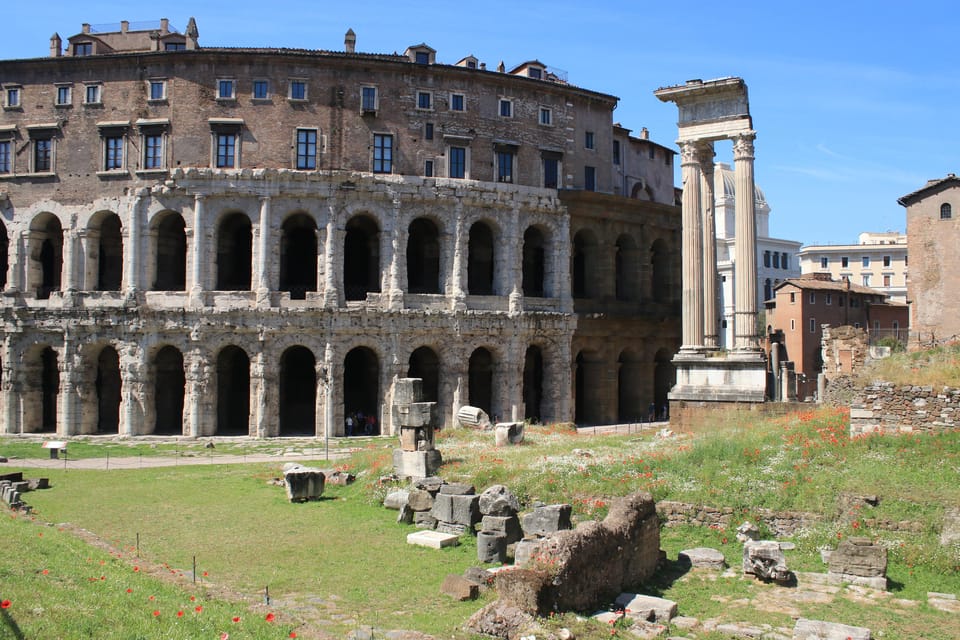
I like starting tours here because it gives you immediate context. You begin at the intersection with Via del Foro Piscario, right in front of Teatro di Marcello. From this spot, it’s easy to visualize how the Jewish Ghetto sits close to major Roman layers: ancient structures, medieval streets, and later city changes all orbit the same core area.
In the first part of the walk, your guide sets expectations in plain language. You’ll connect names of places to real life—who used them, what the space meant, and how you should read what’s around you. Even if you’ve been to Rome before, this helps you stop treating the neighborhood like a cluster of sights and start seeing it as a living historic quarter.
You can also read our reviews of more guided tours in Rome

The Jewish Ghetto streets: more than sightseeing stops
Once you’re in the Ghetto area, the point isn’t just to check boxes. It’s to understand the long presence of Jewish life in Rome and how the community shaped culture, commerce, and daily routines. Your guide leads you along narrow streets and past sites tied to the neighborhood’s story, including the Synagogue of Rome area and the general “texture” of traditional kosher restaurant life.
What I appreciate is that the walk keeps returning to cause-and-effect. You don’t just hear dates; you hear how people adapted, how communities persisted, and how Roman society interacted with the Jewish quarter over time. It’s the kind of explanation that makes later stops make sense instead of feeling random.
Practical note: you’ll want comfortable walking shoes. The route is on foot and designed for movement, not a sit-down museum pace.
Piazza Mattei and the Fountain of Turtles: a small stop with big meaning
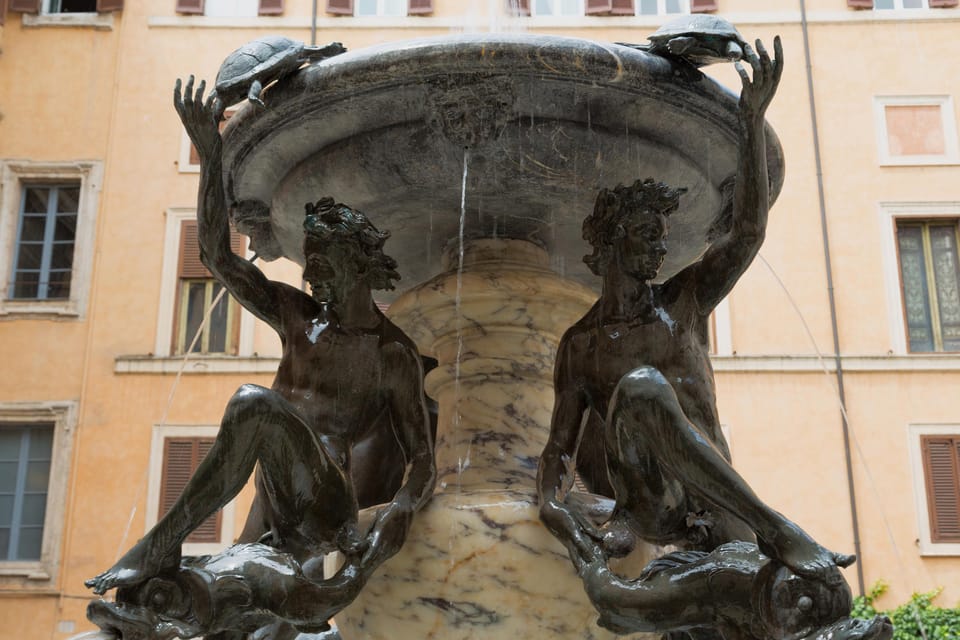
Piazza Mattei is short and sweet, but it’s one of the most memorable pieces of the day. You’ll arrive at the square specifically to see the Fountain of Turtles, with its bronze turtles gathered around the water.
The reason I like this stop: it shows how Rome mixes the practical and the symbolic. This isn’t a “stand and stare for 5 minutes” kind of place. Instead, the square becomes a way for your guide to connect the neighborhood’s story to the broader city style—where art, architecture, and community identity often show up in subtle ways.
You’ll also get a chance to regroup. After the tight lanes of the Ghetto, Piazza Mattei feels open enough to catch your breath and take a few photos without standing in someone’s doorway.
Portico d’Ottavia: walking under history’s doorway
Then you hit one of the most historic landmarks in the area: the Portico d’Ottavia. This is the kind of site that rewards slow attention. The roofline, the columns, and the rhythm of the arcade change how you “read” the street around it. It feels like a covered stage—one that still holds the sense of a place designed for people to pass through, meet, and move around safely.
I like how this part of the tour teaches you to look beyond the obvious. The guide points out details that are easy to miss when you’re just snapping pictures. You’ll understand why this monument matters in the story of the neighborhood’s geography and how the city’s architecture intersected with community life.
It’s also a handy break from sun or weather, since you’re under a structure for part of the experience.
Piazza Giudia and the long thread of Jewish Rome
After the Portico, you’ll continue along the route toward Piazza Giudia. This is one of those places where the name alone nudges you into deeper context, and your guide does the rest. You learn how certain squares, street segments, and landmarks became markers for Jewish presence over centuries.
This section works well if you like walking tours that make connections. You’re not just seeing “more stops.” You’re building a mental map of where Jewish Rome sat in relation to the rest of the city. By the time you reach the next major landmark, your understanding is tighter and more grounded.

Great Synagogue of Rome: what you get without going inside
The walk brings you to the Great Synagogue of Rome. Even when you’re not entering, the guide’s explanation can make a big difference. You’ll understand what the building represents for the community and how the neighborhood’s story connects to broader Rome.
One key consideration: the entrance to the synagogue is not included. So you’ll want to decide ahead of time how you want to handle that. If you’re the type who always wants to go inside, bring your plan for tickets. If you prefer to spend your time walking and learning externally, you can still get a strong experience from the stop itself.
If you’re sensitive to lines or timing pressure, keep in mind that indoor entry may change how long you spend at this point. The tour is only about two hours total, so you’re managing time throughout.
Ponte Fabricio: crossing into calm with one of Rome’s oldest bridges
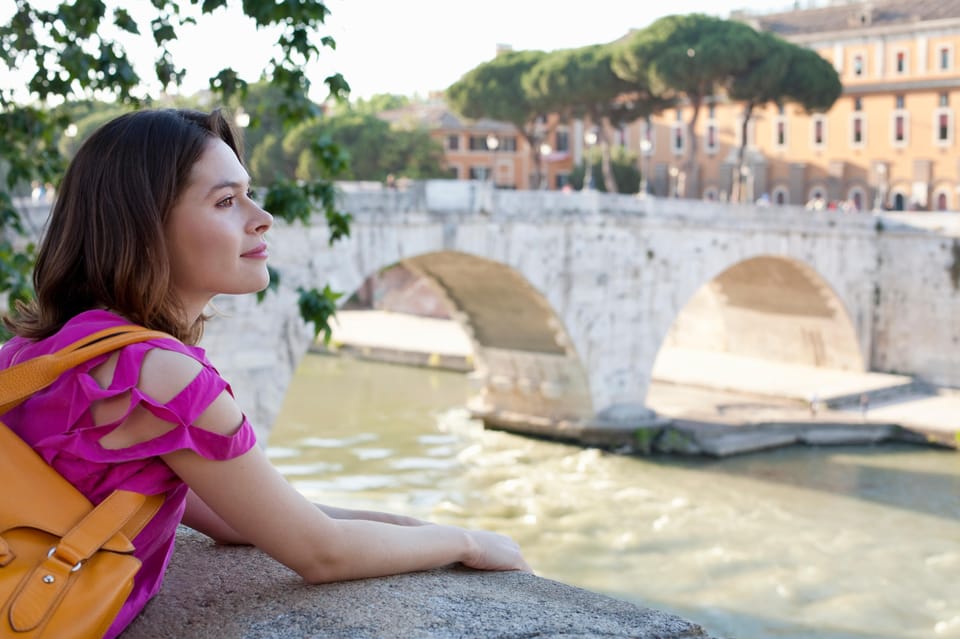
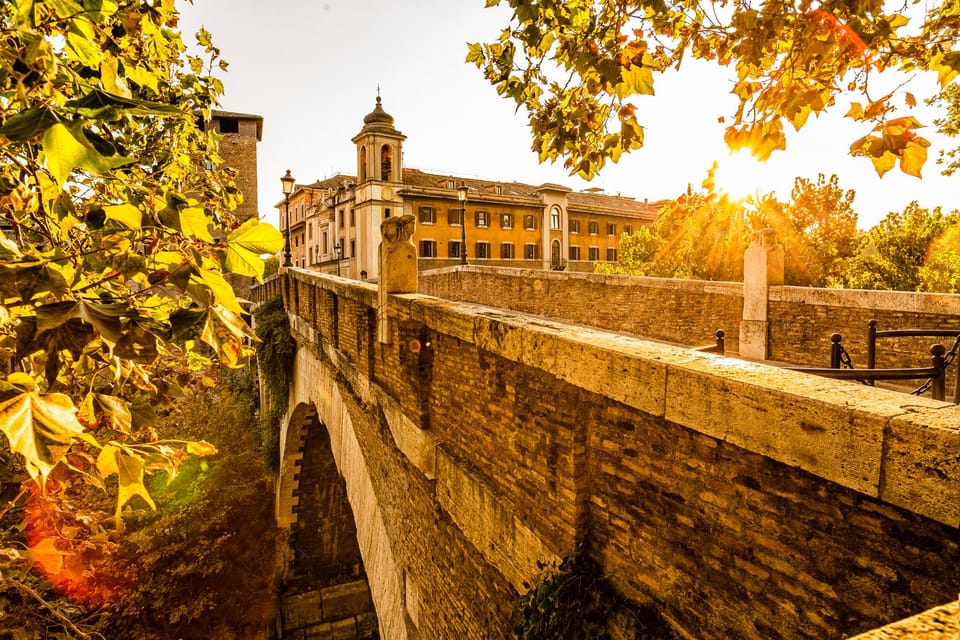
Next comes Pons Fabricius (Ponte Fabricio). This is a great mental shift in the tour. You move from city streets into a slower, more scenic crossing over the Tiber. The bridge is old enough that it helps you feel the layers of Rome: the ancient infrastructure that still shapes how people get around today.
I like this moment because it gives your brain a rest. After the history-focused stops in the Ghetto, the bridge and river pause the pace. It also helps set up the final island portion of the tour.
If you’re the type who gets photo happy, this is one of your best chances during the day to capture the river angle and the approach to Isola Tiberina.
Isola Tiberina: one of Rome’s oldest islands, and quiet by design
Then you head to Tiber Island (Isola Tiberina), one of the oldest islands in Rome and known for a calmer, more peaceful feel compared to the surrounding streets. It’s the part of the tour that feels like a breather, even though you’re still walking.
You’ll notice how the space changes your hearing and your sense of motion. The river setting makes the area feel more contained. This matters because the story of the Ghetto can feel heavy, even when presented with care. The island gives you room to absorb what you’ve learned before the final stop.
San Bartolomeo all’Isola Tiberina: the gentle ending
The tour concludes at San Bartolomeo all’Isola Tiberina, dedicated to St Bartholomew. This church is a fitting ending because it’s not just another viewpoint. Your guide ties the stop to the idea of memory and identity—especially through what the church holds.
Important: entrance to the Church of St Bartholomew on Tiber Island is not included. So you may need separate tickets depending on how the day’s schedule works. Even without going inside, you’ll likely get enough context from the guide to appreciate why the church belongs at the end of this route.
I like that the day closes with a quieter setting. It’s easier to leave with something in your head instead of rushing out feeling like you only saw a list of monuments.
Price and value: is $44.41 for two hours fair?
At about $44.41 per person for a roughly 2-hour guided experience, this is priced like a focused walking tour that prioritizes interpretation, not just access. The big value here is the expert guide: you’re paying for the explanations that connect all these sites—Teatro di Marcello, Piazza Mattei, Portico d’Ottavia, the Great Synagogue area, Ponte Fabricio, and San Bartolomeo—into one coherent story.
Two things can affect perceived value. First, since synagogue and church entrances are not included, your total cost may rise if you choose to go inside. Second, the route is not for everyone if you have mobility issues or motion sensitivity.
Still, if you want a structured “get it” walk through the Jewish Ghetto area, guided by someone who can point out the details you’d otherwise miss, this feels like a good use of time. Two hours is long enough to build understanding, but short enough to fit into a day of Rome sightseeing without turning into a marathon.
Who this tour suits best
This works best if you:
- want a structured walk through the Jewish Ghetto sites in 2 hours
- like history explained in plain language tied to real streets and monuments
- enjoy seeing iconic landmarks from the outside and understanding their role
It may not be the right fit if you:
- have mobility impairments, since it isn’t designed for that
- have motion sickness, since you’ll be moving on foot along a city route
Should you book the Rome Jewish Ghetto guided tour?
If you’re looking for a practical way to understand the Jewish Ghetto beyond surface-level photos, I’d book it. The best part is the combination: you walk through multiple landmark types—major architecture like Portico d’Ottavia, a symbol-heavy public square like Piazza Mattei, and the calm, reflective ending on Isola Tiberina—while your guide keeps the story grounded in what you can see.
One tip for your decision: if going inside the synagogue and San Bartolomeo matters a lot to you, check entry timing plans once you’re booked, since those entrances cost extra. If you’re okay with an excellent outdoor-and-context experience (or you’re ready to add tickets), this tour is a strong, efficient choice.
FAQ
How long is the Rome Jewish Ghetto guided tour?
It lasts about 2 hours.
Where do I meet the guide?
Meet at the intersection with Via del Foro Piscario, right in front of Teatro Marcello.
What languages are offered?
The guide provides live interpretation in Italian and English (the guide could be bilingual or monolingual depending on the group).
What is included in the price?
An expert guide.
Are the synagogue and church entrances included?
No. Entrances to the Synagogue of Rome and the Church of San Bartolomeo all’Isola Tiberina are not included.
Is the tour suitable for everyone?
It is not suitable for people with mobility impairments, and it is not suitable for people with motion sickness. Wear comfortable shoes.