REVIEW · COLOSSEUM, FORUM & PALATINE TOURS
Rome: Colosseum, Roman Forum, & Palatine Hill with eBook
Book on GetYourGuide →Operated by Memento Experiences by M.S.W. Srl · Bookable on GetYourGuide
Rome’s biggest ruins deserve a stress-free route. This combo lets you use skip the ticket line entry for the Colosseum and then enjoy 24-hour access to the Roman Forum and Palatine Hill, so you’re not trapped in a rigid group schedule. I also like the personal greeter setup—meet at the Arch of Constantine (look for a purple flag/umbrella), get your ticket in hand, and get pointed to the right entrance, with guide names like Chris and Marta showing up in real-world experiences.
One caveat: this isn’t a full guided tour. You’ll get a host/greeter plus access to the sites, but once you’re inside, it’s mostly self-guided, and interpretation is up to you (or whatever extra support you bring).
In This Review
- Key things to know before you go
- Price and value: what $53 buys you (and what it doesn’t)
- From the Arch of Constantine to first entrance: how the host part works
- Entering the Colosseum: timed entry rules and what levels you get
- What’s included inside the Colosseum
- Self-guided inside: getting the most out of a mostly independent visit
- Start with orientation, not photos
- Pick a viewpoint goal for each level
- Use the included eBook as your cheat code
- Roman Forum and Palatine Hill for 24 hours: how to pace it without burning out
- What makes Palatine Hill special
- What makes the Roman Forum special
- A realistic pacing approach
- The “skip the line” part: why it matters more than it sounds
- Common hiccups (and how to reduce your stress)
- You might need extra patience at the meeting point
- Timing rules can feel confusing
- Arena access isn’t included automatically
- Rescheduling can happen
- Who should book this Colosseum + Forum + Palatine ticket?
- Should you book this? My practical recommendation
- FAQ
- What’s included in the ticket?
- Is there a guided tour inside the sites?
- Do I get arena access?
- Where do I meet the host?
- What time flexibility do I have for the Colosseum?
- What ID do I need?
Key things to know before you go
- Timed Colosseum entry: you’ll get a specific entry time, with a short window around it for entry.
- Two-level access: the ticket covers the first two levels of the Colosseum (arena access is extra unless selected).
- 24 hours for Forum + Palatine: use your pass once over a 24-hour window starting from your booking time.
- Meet at the Arch of Constantine: staff will personally deliver your ticket and lead you in.
- Self-guided pacing: you control your stops, photos, and bathroom breaks.
- Site rules are strict: no food/drinks, no luggage-sized bags, and security checks are part of the deal.
Price and value: what $53 buys you (and what it doesn’t)
At $53 per person for a 1-day experience, this ticket is mainly about one thing: getting you into three headline ancient sites without losing hours at the standard ticket counters. The value comes from bundling:
- Colosseum access for the first two levels
- Roman Forum + Palatine Hill access (open-entry style within a defined window)
- A host/greeter to get you through the most confusing part: finding the right line and entrance quickly
What it does not include is the kind of continuous explanation you get from a traditional guided tour. The setup is closer to a “guided entry + then you roam” format. If you’re the kind of visitor who enjoys reading signs and piecing things together, you’ll probably feel you got your money’s worth fast. If you want someone narrating every stop with context, you may feel under-served.
The good news: the Colosseum, Forum, and Palatine are big, layered, and visually obvious even when you’re self-guiding. The better you plan your pace, the more “tour” you can create out of the time you have.
You can also read our reviews of more tours and experiences in Rome.
From the Arch of Constantine to first entrance: how the host part works
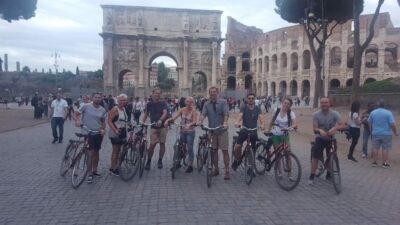
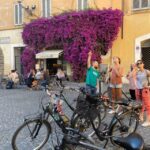
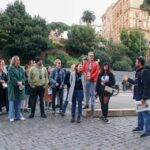
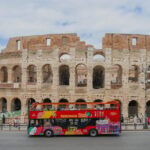
Your day starts with a human helper. You’re asked to meet at the Arch of Constantine, just between that monument and the Colosseum. Look for a purple flag or purple umbrella.
From there, the staff member:
- Delivers your entry ticket personally
- Answers questions
- Leads you to the entrance
That might sound minor, but in Rome, it matters. The Colosseum area is crowded, lines can snake, and rules change more than you’d expect. A greeter helps you avoid the “wait, are we in the right place?” moment that can eat up your best morning time.
A few practical notes based on what people experience in the real world:
- Be ready for finding the greeter in crowds. Even with clear directions, the Colosseum entrance zone can be chaotic.
- Keep your phone handy in case you need quick contact if timing runs late.
- If you’re early, you may still have to wait until the actual timed entry workflow starts. Aim to arrive close to your planned entry time so you’re not stuck in a holding pattern.
Entering the Colosseum: timed entry rules and what levels you get
The Colosseum is where timed tickets feel most important, because the security and entry flow is tightly managed. With this ticket, you book a specific entry time, and there’s a short entry window: you can enter the Colosseum 15 minutes before or after the time specified on your ticket.
Also keep this straight:
- Colosseum entry is for a timed slot (within the allowed window).
- Roman Forum + Palatine Hill are accessed through a 24-hour period starting from your booking time, and the entrance is described as an open entrance valid for one use.
That “one use” detail trips people up. Plan it like this: after you enter the Forum/Palatine, you’ve used your pass for that 24-hour window. You can still move around and return within that window, but don’t assume you can keep restarting entry from scratch like a multi-day museum pass.
What’s included inside the Colosseum
Your ticket includes entry to the first two levels. If you want the arena, that’s typically a paid add-on unless it’s been selected. One traveler reported an arena upgrade fee of 4 per person at the site and noted it was refunded after sending a receipt, but don’t treat that as guaranteed—just know arena access is the part that’s not automatically included.
If you’re trying to decide whether to upgrade, think like this:
- If your goal is epic platform photos and you want the floor-level “inside the game” feeling, arena access is worth considering.
- If you’d rather maximize time and viewpoints over spending extra, the first two levels still give you a dramatic sense of scale.
Self-guided inside: getting the most out of a mostly independent visit
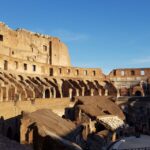
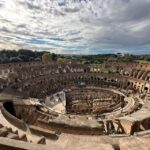
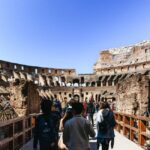
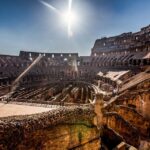
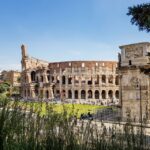
Once you’re in, you’re on your own. That can be a downside, but it can also be a superpower. The Colosseum has multiple vantage points and you’ll spot different storylines depending on where you stop.
Here’s how I’d work it so the visit feels intentional instead of aimless.

Start with orientation, not photos
Before you sprint for the biggest views, do one slow lap to understand the layout:
- where the open areas are
- where you can pause for photos without blocking others
- which direction you’ll likely want to finish
That first loop turns the rest of your time into a guided experience you create yourself.
Pick a viewpoint goal for each level
Because you only have limited time in the Colosseum entry window, give yourself a simple mission:
- On one level, look for structure and seating arrangement.
- On another, focus on the relationship between the interior spaces and the outside angles you’ll see later.
If you’re the type who likes “seeing the engineering,” prioritize corners and edges where you can track how the building was shaped. If you’re more emotional—crowds, gladiator energy, Roman spectacle—focus on the open-air viewpoints and sightlines.
Use the included eBook as your cheat code
Your package mentions an eBook. Even if you don’t read it cover to cover, use it like a quick briefing before you walk. Skim the sections that match what you’re about to see. That way, you aren’t staring at stone with no hooks.
And if you’re the “no reading, just wandering” type, that’s fine too. The Colosseum still hits hard even without extra notes.
Roman Forum and Palatine Hill for 24 hours: how to pace it without burning out
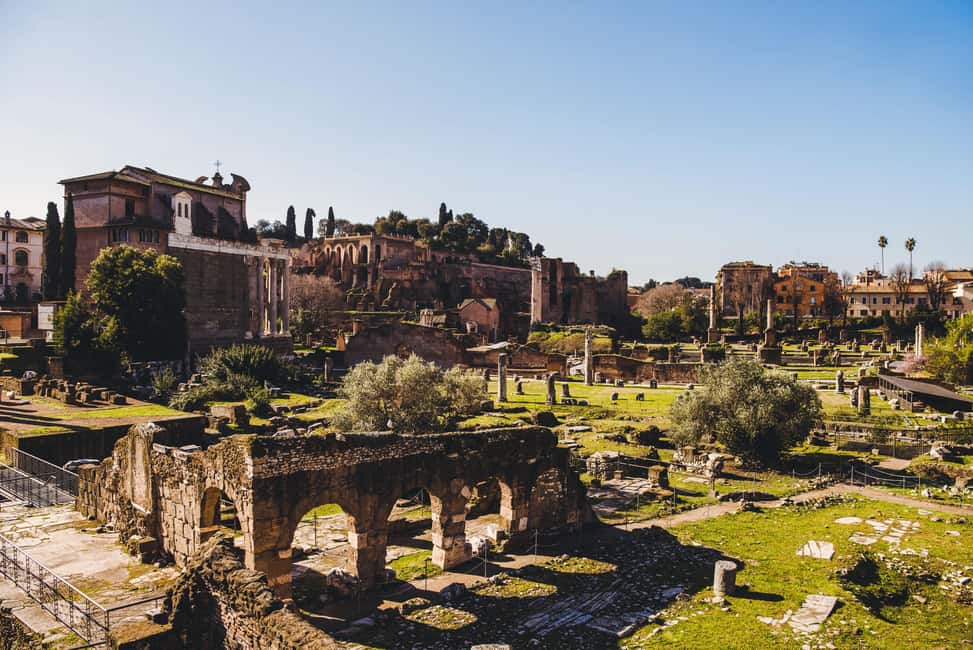
After the Colosseum, you shift into a different rhythm. The Roman Forum and Palatine Hill are huge open archaeological zones where you’re constantly walking between “I can see it” and “I can imagine it” moments.
The ticket gives you 24-hour access starting from your booking time. That’s a big deal because it helps you dodge the worst crowd crunch. Instead of forcing everything into a single hour-long tour slot, you can:
- do Forum/Palatine the same day (if your energy is good)
- or return later within the 24-hour window if mornings are too packed
What makes Palatine Hill special
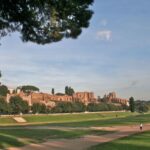
Palatine is the hill of legends and origins. You’ll see the kind of spaces that match the story Romulus and Remus built their foundation myth around, and you’ll feel why this area became “the center” as Rome grew.
Even if your historical knowledge is basic, Palatine works because it’s physically layered—views, ruins, and walking paths all hint at social power and daily life.
What makes the Roman Forum special
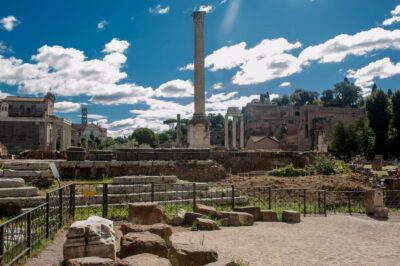
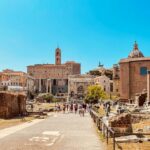
The Forum is where you understand Rome as a functioning city. Think: politics, religion, public life, and power symbols. It’s not one monument—it’s an entire civic stage, and every direction has something to interpret.
Because it’s self-guided, your best move is to choose a few “anchors” so you don’t try to read everything at once. If you try to absorb every sign and inscription, you’ll end up tired and frustrated.
A realistic pacing approach
Plan at least one longer pause. These sites don’t reward speed. They reward a stop—like standing still long enough to understand where you are relative to the bigger spaces.
A simple plan:
- Colosseum first (because it’s timed)
- Forum/Palatine next with flexible time
- Take breaks—water is limited by site rules (food/drinks restrictions apply), so build in time and don’t treat this like a running race
The “skip the line” part: why it matters more than it sounds
People often say skip-the-line and mean it like magic. But in Rome, “skip the line” is really shorthand for: skip the most uncertain, most time-wasting part.
Here’s what you’re avoiding:
- long waits at ticket counters
- confusion about which line matches your ticket type
- losing momentum while everyone else is already inside
In the Colosseum area, that time is everything. Your best value comes when you use the saved time to slow down once you’re inside instead of speeding up to compensate.
And a small practical tip: earlier timed entry slots often feel better. Even when queues are manageable, the security process can still be significant later in the day. So if you have a choice of time, pick one that gets you inside before the late-morning surge.
Common hiccups (and how to reduce your stress)
This experience is smooth when everything goes right—which, in a city with shifting lines and safety controls, is not something you can assume.
Here are the hiccups I’d plan for, and how to handle them:
You might need extra patience at the meeting point
One issue that shows up is simply locating the greeter in a crowd. You can reduce this by:
- saving your meeting point directions offline
- arriving close to the expected time
- having a way to identify the purple flag/umbrella area clearly
Timing rules can feel confusing
The Colosseum has a specific timed entry, plus the allowed 15-minute flexibility window. Some visitors also report the start time feeling offset. The safest strategy is: don’t arrive 45 minutes early expecting to go instantly. Arrive close enough that you’re not waiting with nothing to do.
Arena access isn’t included automatically
If your must-do is arena access, confirm whether you selected it. Otherwise, plan to pay extra at the site if it’s available. If you don’t care about arena, you can skip the add-on and focus on first-two-level views.
Rescheduling can happen
The operator notes that they may move or cancel bookings to comply with safety measures or authority decisions, then try to accommodate you if schedules shift. If your schedule is tight, consider building in some buffer around this time window.
Who should book this Colosseum + Forum + Palatine ticket?
This ticket makes a lot of sense if you:
- want to save time and reduce confusion at the Colosseum
- like a self-guided pace (stops, photos, bathroom breaks)
- are comfortable navigating archaeological sites without a constant narrator
- want the flexibility to use the Forum/Palatine access across a 24-hour span
It may be less ideal if you:
- need someone to explain each site section-by-section
- feel restless without structured storytelling
- want a single guided flow through all three stops
If you’re traveling with kids, this style can work well. You can move at their pace and avoid being stuck listening through every explanation. Just remember site rules are strict about what you can carry and eat.
Should you book this? My practical recommendation
I’d book this if your top goal is efficient entry plus freedom. The host element is enough to make the day feel organized, and the 24-hour Forum/Palatine window gives you a chance to breathe. For many people, that’s the sweet spot: no ticket-counter chaos, and you still get to enjoy Rome at your own speed.
I wouldn’t book it as-is if you want a tour that feels like a lecture you’d pay for. The Colosseum, Forum, and Palatine are deep. A host can point you the right direction, but you won’t get a full guided narration during your walking time. In that case, look for a guided tour option that covers interpretation throughout.
FAQ
What’s included in the ticket?
You get entry tickets for the first two levels of the Colosseum, plus entry to the Roman Forum and Palatine Hill, along with a host.
Is there a guided tour inside the sites?
No full guided tour is included. The host/greeter helps with ticket delivery and getting you to the entrance, and then the visit is self-guided.
Do I get arena access?
Arena access is not included unless selected. If you want it, you’ll likely need an additional upgrade at the site.
Where do I meet the host?
Meet at the Arch of Constantine, just between that monument and the Colosseum. Look for a purple flag or purple umbrella.
What time flexibility do I have for the Colosseum?
Your Colosseum entry is valid 15 minutes before or after the time on your ticket due to safety policies.
What ID do I need?
Bring a passport or ID card. You’ll also need the same for children.