REVIEW · COLOSSEUM, FORUM & PALATINE TOURS
Rome: Colosseum, Roman Forum, and Palatine Hill Guided Tour
Book on GetYourGuide →Operated by Find Rome Tours · Bookable on GetYourGuide
Ancient Rome feels close here. I love the priority access that helps you get inside faster, and I love that the headsets keep the guide easy to hear while you’re walking. You get a clear route through three key sites, so the big-picture story doesn’t get lost in the crowd noise.
One thing to think about: this tour is not suitable for wheelchair users or people with mobility impairments. Even with a guide, you’re covering real ground on ancient paths, so plan for some steady walking and stairs.
In This Review
- Key things to know before you go
- Meeting at Colosseo Metro: easy start, clear handoff
- Priority access at the Colosseum: what you’ll actually get to see
- What to notice during your guided walk
- Roman Forum: the swamp-to-capital story you can walk through
- Why the Forum stop feels different
- Palatine Hill: emperor living, museum artifacts, and big viewpoints
- The value of ending here
- A practical tip from real timing patterns
- What 2.5 hours feels like on your feet
- Headsets and guide style: how you’ll hear the story
- Price check: is $67.19 worth it?
- What to bring (and what not to bring) for a smooth visit
- Who this tour suits best (and who should skip)
- Quick take: should you book this Colosseum, Forum, and Palatine tour?
- FAQ
- How long is the Rome Colosseum, Roman Forum, and Palatine Hill guided tour?
- Where do I meet the tour staff?
- What is included in the price?
- Is the tour guided in English?
- Is hotel pickup included?
- Is this tour suitable for wheelchair users or people with mobility impairments?
Key things to know before you go
- Priority access to the Colosseum so you can spend more time seeing and less time waiting.
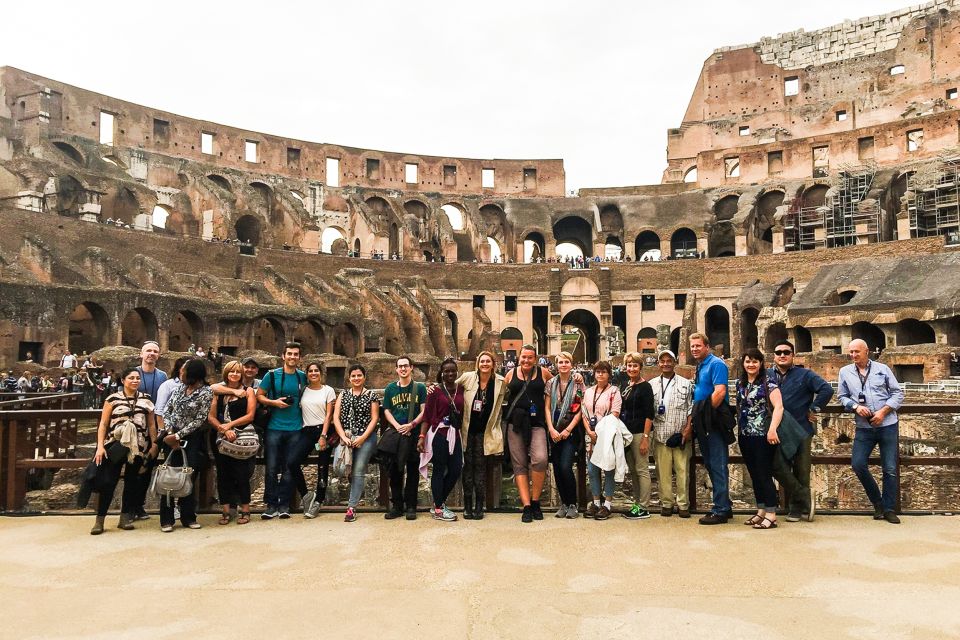
- Headsets included to hear the live English guide clearly as you move between sites.
- Roman Forum story line from swamp to the political and religious center by the 7th century BCE.
- Palatine Hill + museum time focused on the power center of emperors and the artifacts tied to the area.
- Easy meeting point near Colosseo Metro with Find Rome Tours staff on-site.
Meeting at Colosseo Metro: easy start, clear handoff
You’ll meet at the upper level of the Colosseo metro station, right by the M metro symbol and the SOS sign, close to Caffe Roma. Look for Find Rome Tours staff, and you can’t miss them once you’re on the right level.
The tour’s listed start area is also tied to Piazza del Colosseo (21), but in practice the meet-up is at the station. The good part: you’re starting at the exact neighborhood you want, and the tour ends back at the meeting point.
You can also read our reviews of more guided tours in Rome

Priority access at the Colosseum: what you’ll actually get to see
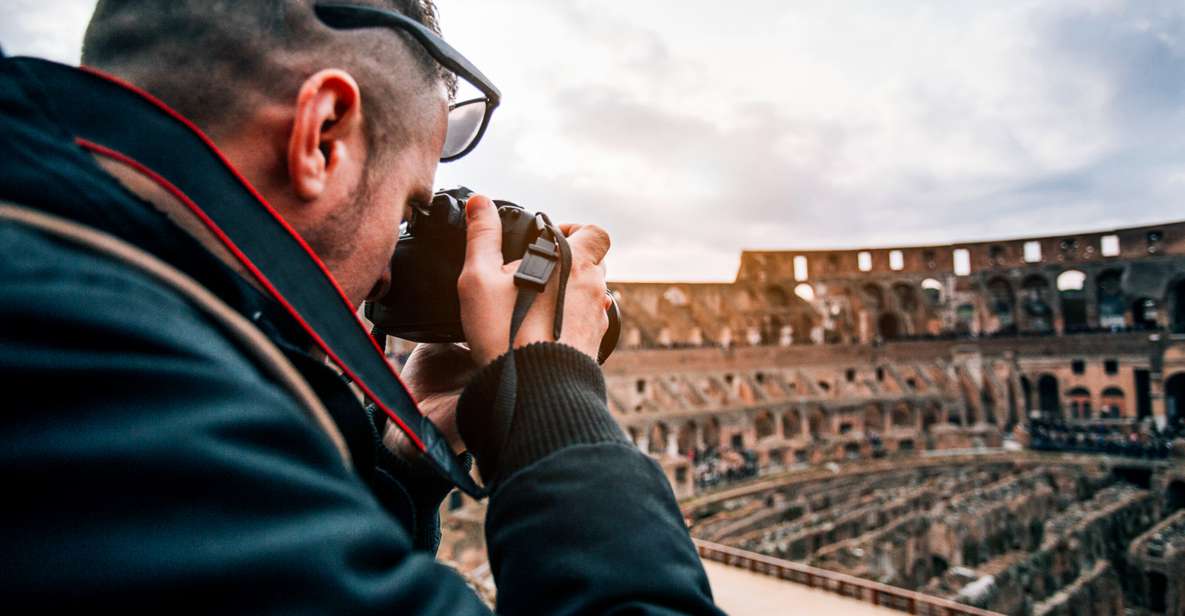
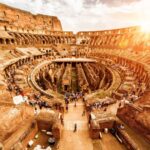
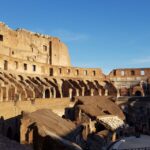
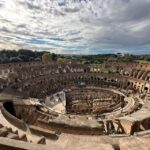
The Colosseum stop is about 75 minutes, and it’s where the whole day becomes real. This isn’t just a photo stop. It’s the chance to stand in the largest Roman amphitheater ever built, where more than 50,000 spectators once filled the stands for gladiator battles, plays, and public punishments.
The big value here is skip-the-crowds priority access. Security is still security, but you avoid the ticket chaos that can eat up your time. Once inside, the guide’s job is to help you read the space: what you’re looking at, why it mattered, and how Roman entertainment worked as a public machine.
What to notice during your guided walk
You’ll move through key areas at a pace that’s hard to manage alone. I like guided time here because the Colosseum can feel like one big stone bowl if nobody points out the logic of the venue.
If you want better photos, wear comfortable shoes and plan to slow down for viewpoints when the group pauses. Even when you’re moving fast, the guide usually builds in moments to look around instead of just marching.
Roman Forum: the swamp-to-capital story you can walk through
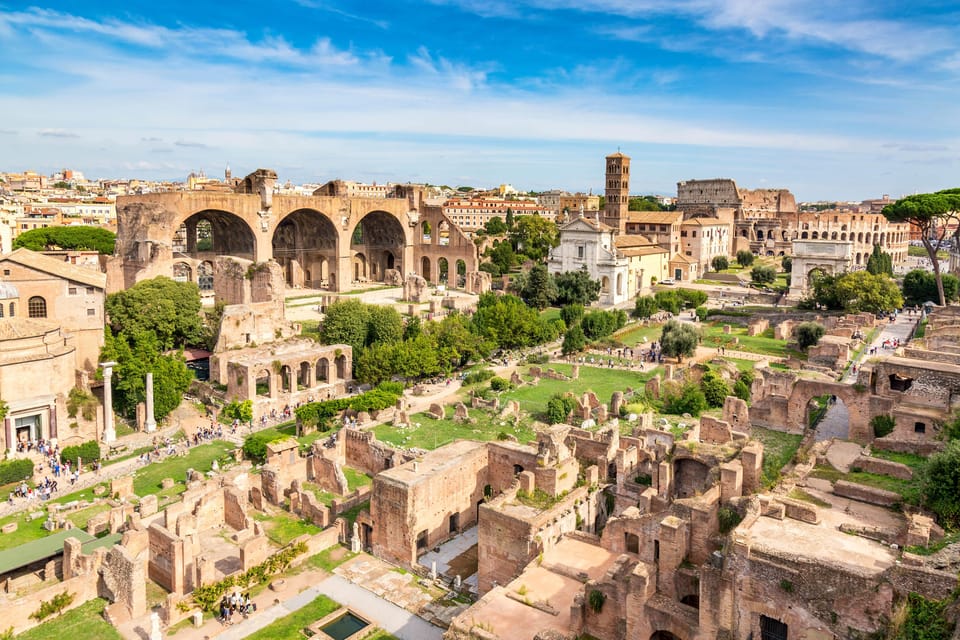
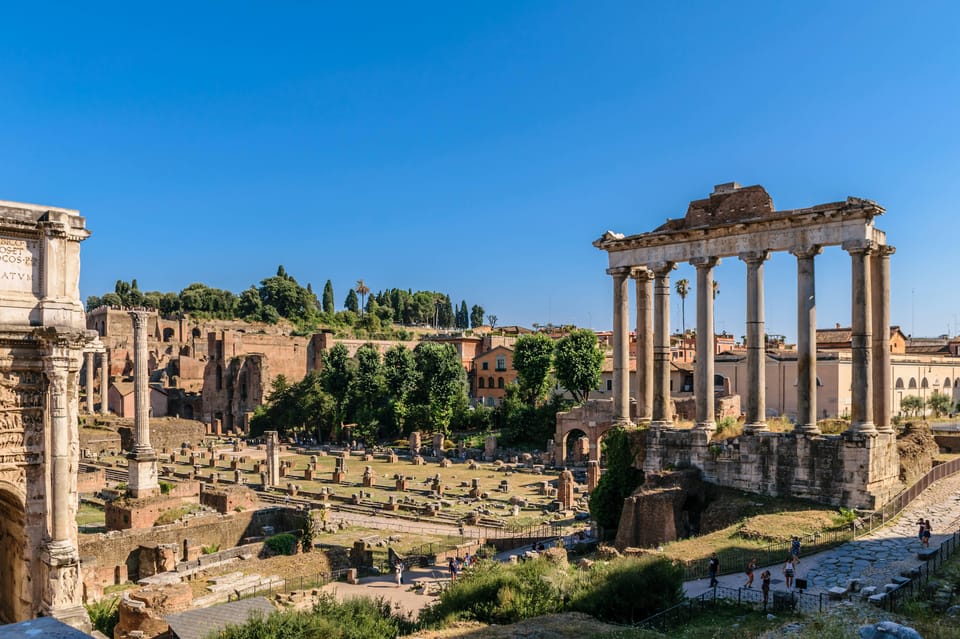
After the Colosseum, you’ll head into the Roman Forum for about 45 minutes. This is where the tour shifts from spectacle to politics and everyday power.
Here’s the key idea the guide will bring to life: the Forum began as a swamp and later became a reclaimed valley. By the 7th century BCE, it turned into the busy hub for political, social, and religious life in Rome. When you hear that and then look at what’s left on the ground, the ruins feel less random.
Why the Forum stop feels different
The Forum is spread out, and it’s easy to get lost if you’re just wandering. A guide helps you connect the dots in the order your eyes naturally travel—so you’re not stuck asking, wait, what building is this and why do I care?
The Forum also rewards patience. You’ll spend less time here than at the Colosseum, but the stories make the gaps between stones feel smaller. Expect a focused walk that keeps the highlights moving without turning it into a lecture.

Palatine Hill: emperor living, museum artifacts, and big viewpoints
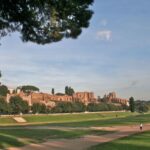
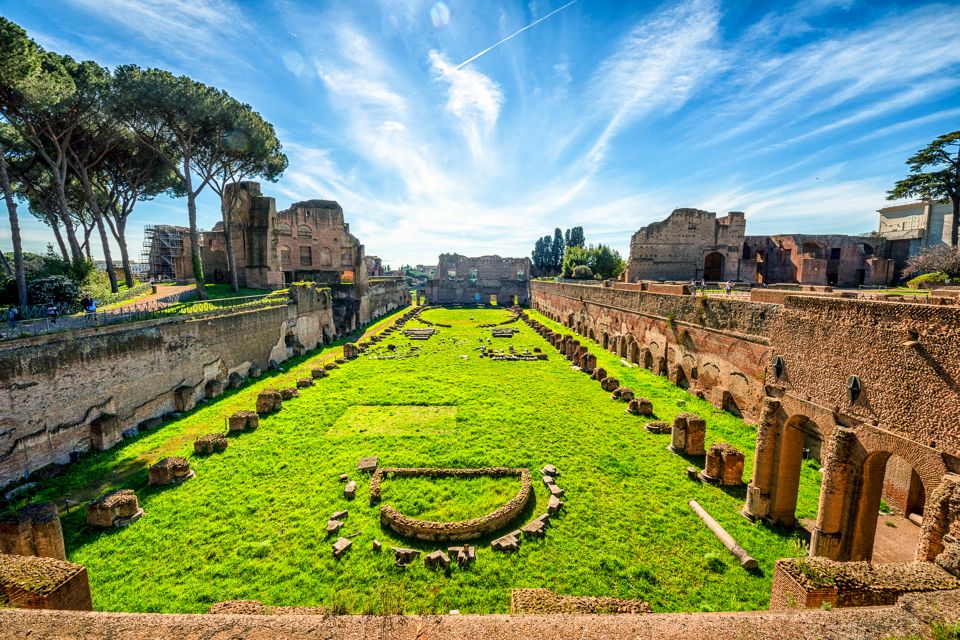
Your final stop is Palatine Hill for about 30 minutes. If the Colosseum is where Rome staged drama, Palatine is where power lived. This hill was the center of Roman power, and emperors once made it their home.
You’ll see it as an open-air museum area, plus time connected to the Palatine Museum and the kinds of artifacts uncovered there and across ancient Italy. Even in a short stop, the guide’s interpretation is useful because Palatine can look like ruins sprinkled across a hill until someone explains what those locations meant.
The value of ending here
Ending on Palatine often makes the day click. You’ve gone from a mass-audience entertainment arena (Colosseum) to the civic engine of the empire (Forum), then up to the residential/power center. That arc helps you remember Rome as a system, not just a set of landmarks.
A practical tip from real timing patterns
If your schedule allows extra time outside the guided portion, you’ll often get the best sense of the hill by pausing for views from above. One common strategy is to prioritize Palatine views when your day’s timing is flexible, since the hill sits higher than the Forum below.
What 2.5 hours feels like on your feet
This is a compact tour: about 2.5 hours total across three major sites. The itinerary is tight enough that you’ll be grateful for the guide’s routing and timing, but it’s still enough walking that you should treat it as a real outing.
Plan for:
- Comfortable shoes with good grip
- Sun protection (hat + sunscreen are smart)
- Water, since you may be outdoors for parts of the route
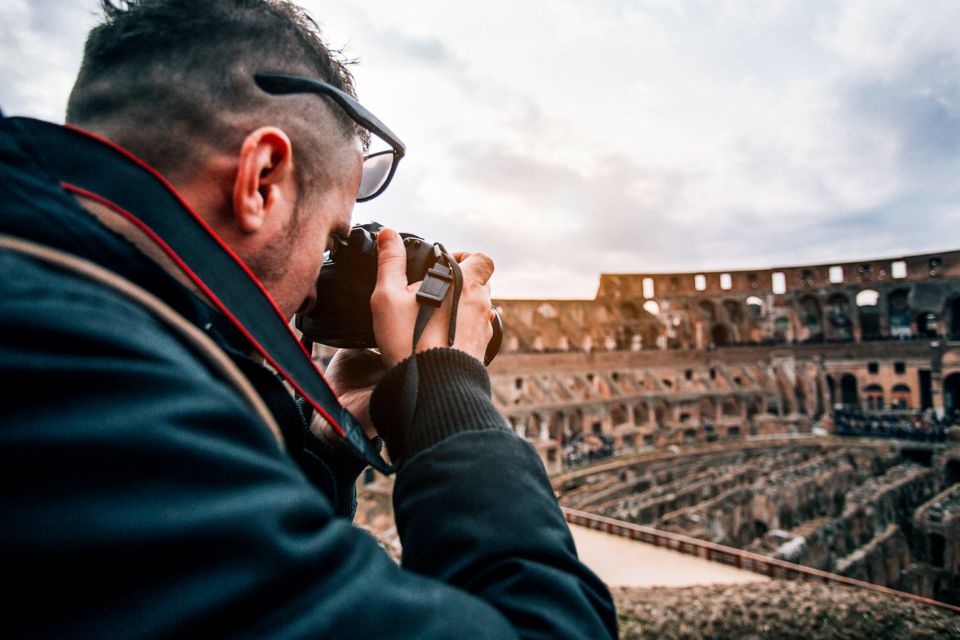
- A camera you’re willing to keep ready, not buried in a bag
The tour isn’t positioned as a slow stroll through postcard angles. It’s a structured, high-value sweep where the guide helps you hit the most meaningful parts without getting bogged down.
Headsets and guide style: how you’ll hear the story
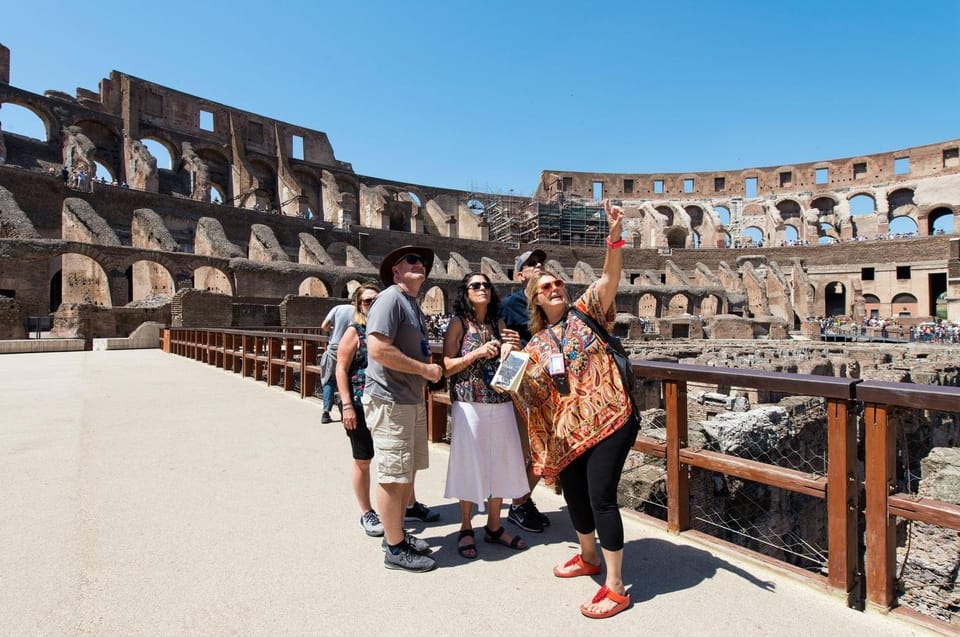
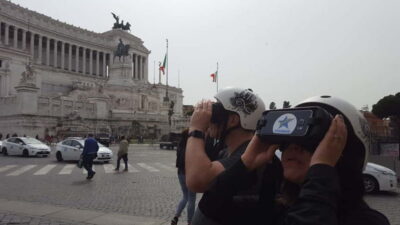
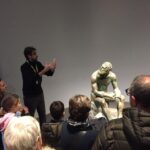
Headsets are included, which is a big quality-of-life detail. In big archaeology sites, voices can vanish into wind, echoes, and group chatter. With headsets, you’re less likely to miss key context while you’re looking up at architecture.
You’ll have a live English tour guide, and that matters for handling the moments when you see something and instantly want an explanation. In your tour experience, the narration is likely to be timed to what you’re walking past, not random facts thrown at you.
One caution from real-world variation: a review noted a departure that used audio rather than a live guide. The official format is live guided with headsets, but if having a human guide is your top priority, it’s worth confirming with the provider when you book.
Price check: is $67.19 worth it?
At $67.19 per person, you’re paying for more than entry. You’re paying for guided interpretation plus priority access, and the admission pieces are already included: Colosseum entry, Roman Forum access, Palatine Hill access, and all entry fees.
That changes the math. If you bought tickets separately, you’d still have to figure out when to line up and how to make sense of the sites while you’re there. Here, you get a planned route and support, so your time goes toward understanding instead of figuring out.
A useful comparison from the real world: one reviewer said they could pay around €18 for entry when buying separately and skipping the tour. That suggests the tour price can feel high if the lines are light. But on busy days, priority access can be the difference between spending an hour waiting versus spending that hour learning.
My bottom line: this is good value if you’re short on time, want the structure, and care about understanding what you’re seeing—not just snapping photos and moving on.
What to bring (and what not to bring) for a smooth visit
This tour asks for a simple packing list, and following it will save you hassle at security.
Bring:
- Comfortable shoes
- Hat and sunscreen
- Camera
- Water
Avoid:
- Backpacks (not allowed)
- Pets (not allowed; assistance dogs are allowed)
If you’re used to traveling with a daypack, plan to switch to a small bag that fits the rules. You’ll move through security quickly, and you don’t want your bag to become the delay point.
Who this tour suits best (and who should skip)
This guided route is best for:
- First-time Rome visitors who want the essential trio in one go
- People who learn best with story and context as they walk
- Travelers who’d rather pay for time savings than fight lines
- Anyone who likes the idea of headsets for clear English narration
It’s not a great fit if you:
- Need wheelchair access (the tour is not suitable for wheelchair users)
- Have mobility constraints that make uneven ground a problem
- Rely on backpacks or larger bags (they’re not allowed)
Also, it’s ideal if you like walking with purpose. If you want hours of free wandering without any structure, you might feel rushed by the short, stop-by-stop format.
Quick take: should you book this Colosseum, Forum, and Palatine tour?
Yes, if you want the high-impact highlights with less wasted time. The combination of priority access, admission included, and a structured guided route through the Colosseum, Roman Forum, and Palatine Hill is a strong deal for most first-timers.
Skip it or think twice if you have mobility needs that make the sites difficult, or if you strongly prefer total independence over guided pacing. Also consider comparing departure timing if you’re very line-sensitive, since the main delay risk you can’t eliminate is security.
If you want a day that feels like Roman history is connected—spectacle to politics to power—this tour is one of the cleaner ways to do it in about 2.5 hours.
FAQ
How long is the Rome Colosseum, Roman Forum, and Palatine Hill guided tour?
The duration is about 2.5 hours.
Where do I meet the tour staff?
Meet on the upper level of the Colosseo metro station near the M metro symbol and the SOS sign, close to Caffe Roma. Look for Find Rome Tours staff.
What is included in the price?
Entry to the Colosseum, access to the Roman Forum, access to Palatine Hill, all entry fees, and headsets to hear the guide clearly.
Is the tour guided in English?
Yes, the tour is offered in English with a live tour guide.
Is hotel pickup included?
No, hotel pickup and drop-off are not included.
Is this tour suitable for wheelchair users or people with mobility impairments?
No. It is not suitable for wheelchair users and not suitable for people with mobility impairments.