REVIEW · COLOSSEUM, FORUM & PALATINE TOURS
Rome: Colosseum, Palatine Hill, and Forum Guided Experience
Book on GetYourGuide →Operated by Crown Tours · Bookable on GetYourGuide
Rome’s greatest ruins are better with a guide.
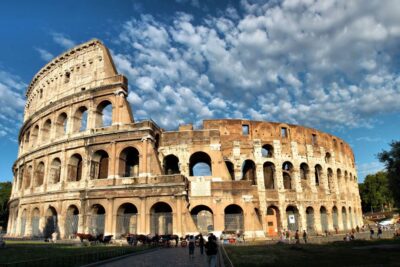
This Colosseum, Palatine Hill, and Roman Forum experience is built for getting real meaning fast: you see the amphitheater from inside, then you connect it to the political heart of ancient Rome. I especially like the way the guide turns big stone sights into people, decisions, and crowds you can actually picture.
Two things I’d highlight right away: you get 1 hour of guided time inside the Colosseum, and then you’re allowed to keep exploring on your own afterward. I also like the practical add-on of headsets, which makes a big difference when you’re juggling crowds, noise, and limestone echoes.
One consideration before you book: even with skip-the-line entry, timing can still slip due to security and visitor flow. If you’re the type who hates waiting (or you’re traveling in peak summer heat), build in extra buffer.
In This Review
- Key things to know before you go
- A Guided Circuit of the Colosseum, Forum, and Palatine Hill
- What the 3 Hours Feels Like (and why twilight is part of the magic)
- Entering the Colosseum: skip-the-line start and the Flavian story
- The arena walk and gladiator storytelling (fact, not just myth)
- After the guided Colosseum: your extra free time inside
- Roman Forum and Palatine Hill: the power center, layered
- Trajan’s Column: a strong photo finish and a real symbol of power
- Price and value check: is $58 really a deal?
- Meeting point, names, and ID: the small details that prevent big problems
- Comfort notes: heat, steps, and what you’re allowed to carry
- Who this tour suits best (and who should choose another option)
- Should you book this Colosseum, Forum, and Palatine Hill guided experience?
- FAQ
- How long is the Colosseum, Palatine Hill, and Forum guided tour?
- What sites are included in the experience?
- Is there skip-the-line entry?
- How much time do I get inside the Colosseum after the guided portion?
- Does this tour include underground or arena-level access?
- What should I bring and what’s required for entry?
Key things to know before you go
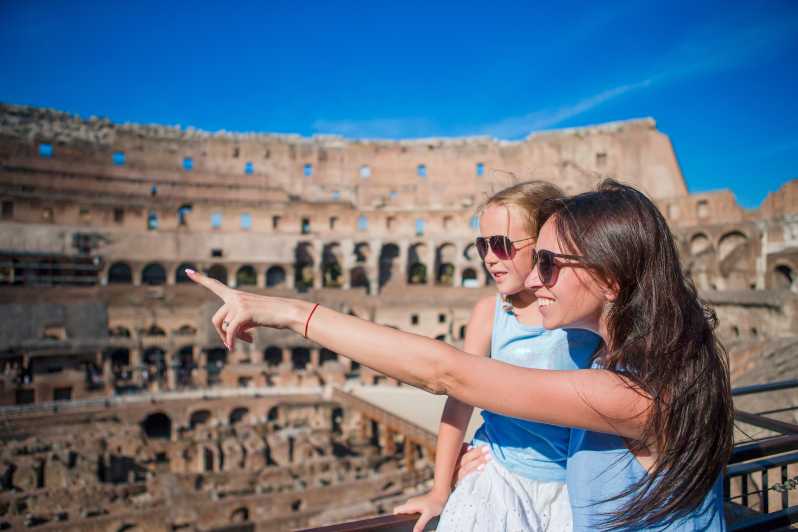
- Skip the ticket line and start with a guided introduction from outside
- Headsets included so you hear the guide clearly
- Guided Colosseum walk + self time afterward in permitted areas
- Trajan’s Column is the tour’s finish point for a strong final photo stop
- Group experience with multiple languages, commonly run by professional licensed guides
- No underground/arena-level access, so plan for the standard interior areas only
A Guided Circuit of the Colosseum, Forum, and Palatine Hill

You come to Rome for the big names. The trick is making them add up into a story you can remember, not just postcards you can’t place. This tour tries to do that in a tight, well-paced loop around the sites tied to Roman power, spectacle, and everyday politics.
The experience is run by Crown Tours. Guides you might meet on this route include Jessica, Lars, Andre, Mercedes, Simon, Niels Arne, Lumi, Loomi, and Fuma (names pulled from the tour run patterns you’ll see with this provider). The style seems consistent: clear structure, good pacing, and a focus on what you’re seeing right in front of you.
You’ll also get language support for English, French, German, and Spanish. And yes, you get headsets—a small detail that makes the tour feel smoother right away.
You can also read our reviews of more guided tours in Rome

What the 3 Hours Feels Like (and why twilight is part of the magic)
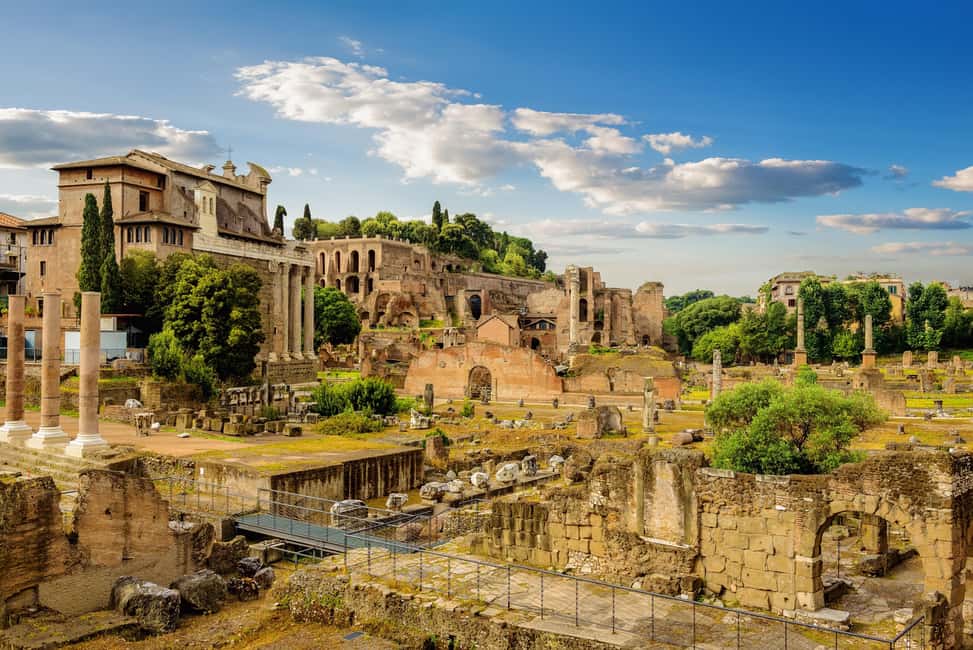
The scheduled duration is 3 hours, with shorter timing in July and August (2 hours). In practice, the pacing is designed so you don’t spend the whole time just standing still, but you also don’t get rushed through without meaning.
A standout timing note: the tour leans into late-day light. You’ll “marvel at the many incredible ruins and palaces of the ancient city at twilight,” which matters because the Forum and Palatine Hill ruins look different when the sun starts to slide. Shadows deepen. Details pop. And you stop thinking of the sites as distant ruins and start reading them like a map.
The tour’s ending at Trajan’s Column is another smart choice. It gives you a victory-and-power image to close on, instead of ending somewhere that feels like a corridor between attractions.
Entering the Colosseum: skip-the-line start and the Flavian story
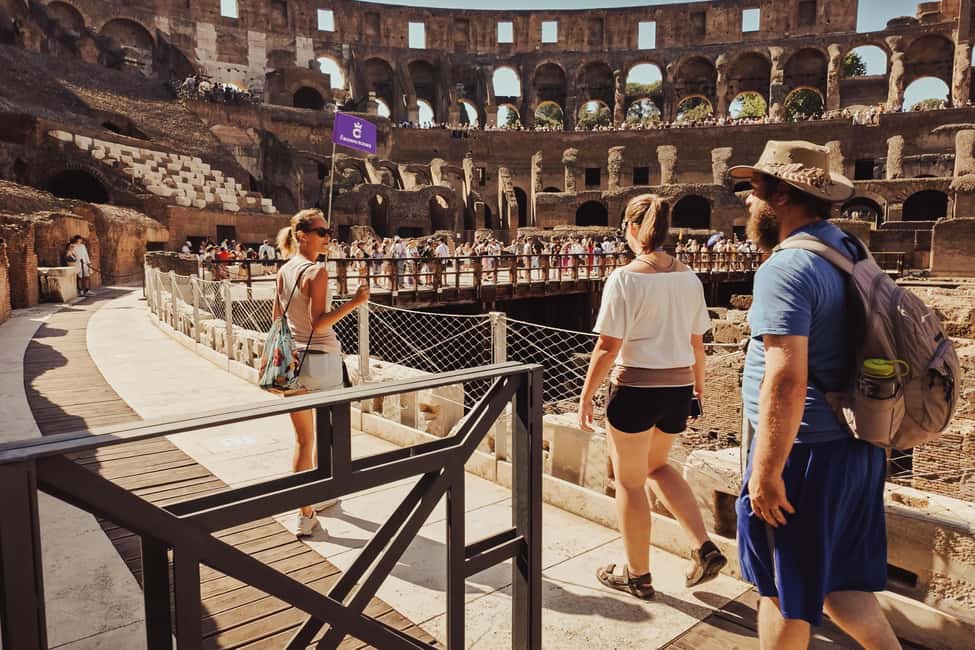
Your first stop is the Colosseum, and the structure is built for speed-with-context. You begin with a brief introduction from the outside—a fast way to get orientation before you step into the building.
Then you move into the guided part, which focuses on the Flavian dynasty and the amphitheater’s role as both engineering showpiece and mass entertainment venue. Expect explanations tied to how it was built and how it worked, not just surface facts about what it looks like.
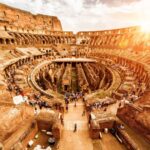
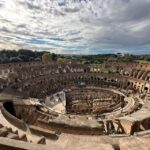
The Colosseum is the headline, but the real win here is what you learn while you’re standing in the right spots. The tour includes an arena walk with your guide, which helps you understand layout and scale in a way photos never do.
Just don’t assume you’ll go where the most dramatic access is shown on documentaries. This ticket does not include underground or arena-level access.
The arena walk and gladiator storytelling (fact, not just myth)
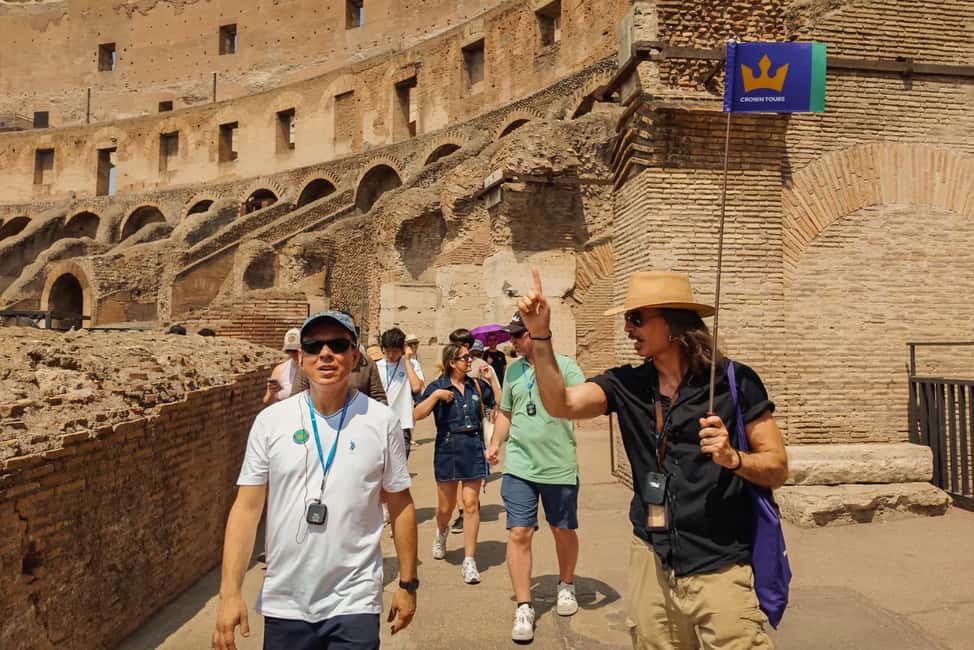
One of the most praised aspects of this tour is the way guides bring the Colosseum alive—especially through stories about gladiators and crowd entertainment. The goal is to separate fact from fiction and explain what’s plausible versus what’s myth.
You’ll hear about the people behind the spectacle: the political motives, the public appetite for games, and the ways rulers used entertainment as a tool. That context helps you look past the obvious. The seats aren’t just seats—they’re a machine for attention.
This is also where having a good guide matters. In the names you might see for this route, you’ll find strong presenters like Andre, Lumi/Loomi, Mercedes, and Niels Arne. Even when the guide name changes, the pattern stays: explanations at key points, then time to take it in with your own eyes.
After the guided Colosseum: your extra free time inside
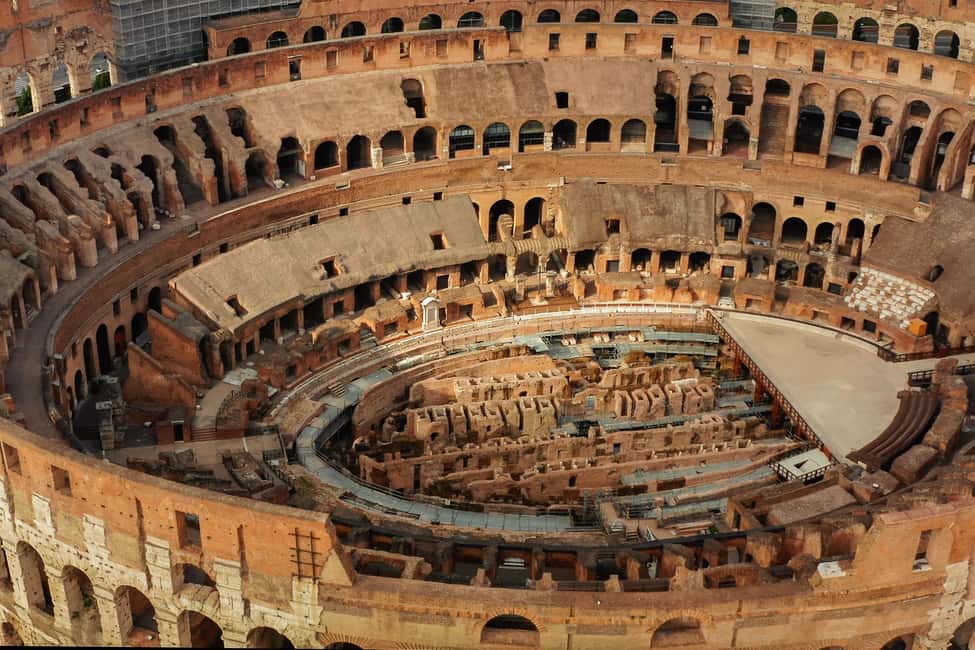
Here’s one reason this tour is a better value than short-and-sweet options: once the guided portion ends, you get as much time as you like inside the Colosseum in the permitted sections.
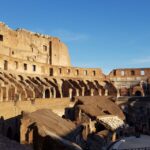
That matters because the Colosseum rewards slow looking. You’ll notice details you miss during a fast group pace—arches, vantage points, and how light hits different levels. You can also rebalance your priorities. If you care more about viewing angles, you can linger there. If you want to re-check a story the guide told, you can do that too.
One practical note from real timing patterns: even though it’s described as skip-the-ticket-line, you may still experience a wait after your scheduled entry time due to security and crowd management. If you’ve got another timed reservation later the same day, give yourself breathing room.

Roman Forum and Palatine Hill: the power center, layered
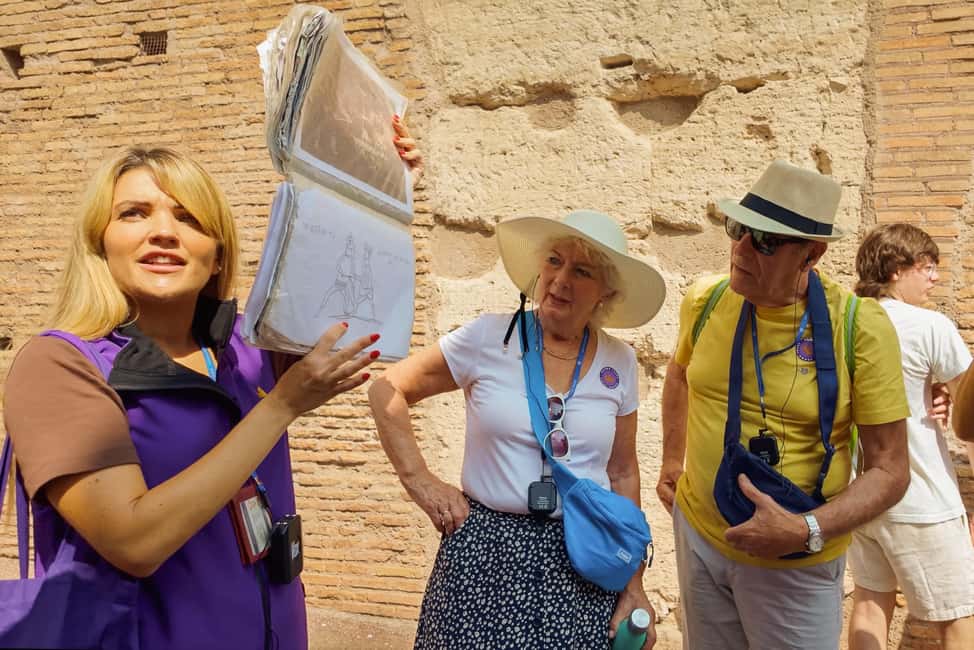
After the Colosseum, the tour moves into the Rome you can feel in your legs. Roman Forum and Palatine Hill are where the city’s political drama lived—so your guide connects the dots.
This is the part of the tour that helps your brain stop treating sites as disconnected monuments. The Colosseum is spectacle. The Forum and Palatine are control. Put together, you understand why public entertainment was never just entertainment.
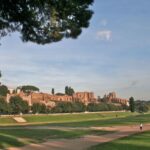
Palatine Hill is also a great place to slow down because it sits above and around ruins. You get a sense of how elevation and visibility worked in the ancient city. And the Forum’s layout naturally pushes you to think in lines, routes, and sightlines—exactly what you want when you’re trying to understand how Romans moved through power spaces.
If you’re visiting with kids, the shorter guided time can be a plus, as long as everyone can handle walking and the heat.
Trajan’s Column: a strong photo finish and a real symbol of power
The tour ends at Trajan’s Column, and it’s not a random stop. It’s a famous icon of Roman victory and power, and it gives you an image to remember after you’ve spent time inside the Colosseum and on the hills above the Forum.
If you like historical “icons” more than broken stones, this finish point is a win. It’s also a good moment to reset. You’ve already done the walking-heavy parts, so finishing here feels like a payoff rather than another drop-and-hope attraction.
Price and value check: is $58 really a deal?
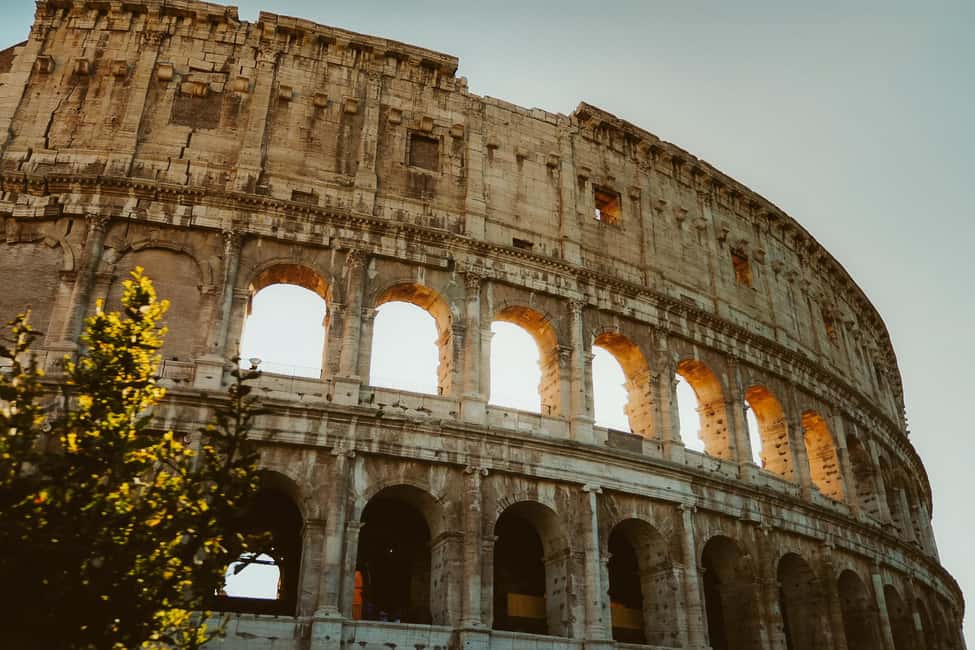
The price is listed at $58 per person for a roughly 3-hour guided visit, including Colosseum + Palatine Hill + Forum access, a live licensed guide, and headsets.
But the real value story is the breakdown. The tour notes that the archaeological entry fee is €16 for adults, plus a €2 reservation fee. The additional amount covers services provided by experienced licensed guides, audio devices, reservation fees, and other tour amenities.
So you’re not just paying for a ticket. You’re paying for:
- someone to explain what you’re seeing as you see it
- a reserved, organized entry flow (and you should plan for possible delays anyway)
- headsets that make the explanation usable in a noisy space
- guided time where your limited energy actually matters
If you already speak Italian and you love self-guided museum-style wandering, you might question the price. But for most visitors—especially those with limited time or who want the sites to make sense without research beforehand—this is a reasonable rate for the combination of guided content and site coverage.
Meeting point, names, and ID: the small details that prevent big problems
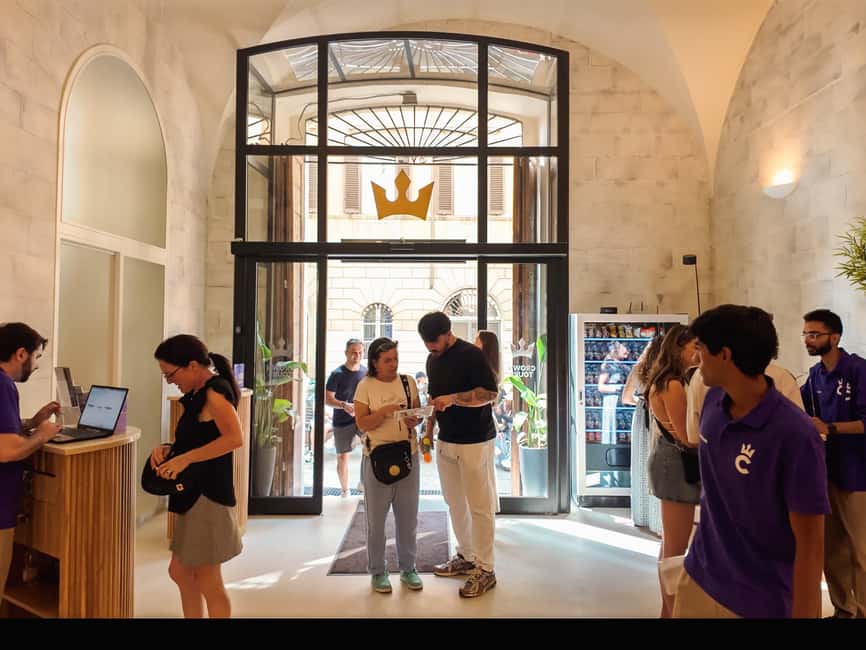
This tour’s meeting point may vary depending on the option booked, so confirm your exact location in advance. Don’t guess. One timing hiccup in this kind of tour is often just people searching for the right group.
Also pay attention to full names. The tour requires the full names of all participants in the booking, and incomplete names can cause problems. On top of that, ID is mandatory. If you show up without it, entry can’t be guaranteed.
One more thing: some people report that the area where guides meet can feel a bit confusing when multiple groups are set up nearby. If you’re prone to getting flustered, arrive early, scan for your group, and give yourself time to regroup.
Comfort notes: heat, steps, and what you’re allowed to carry
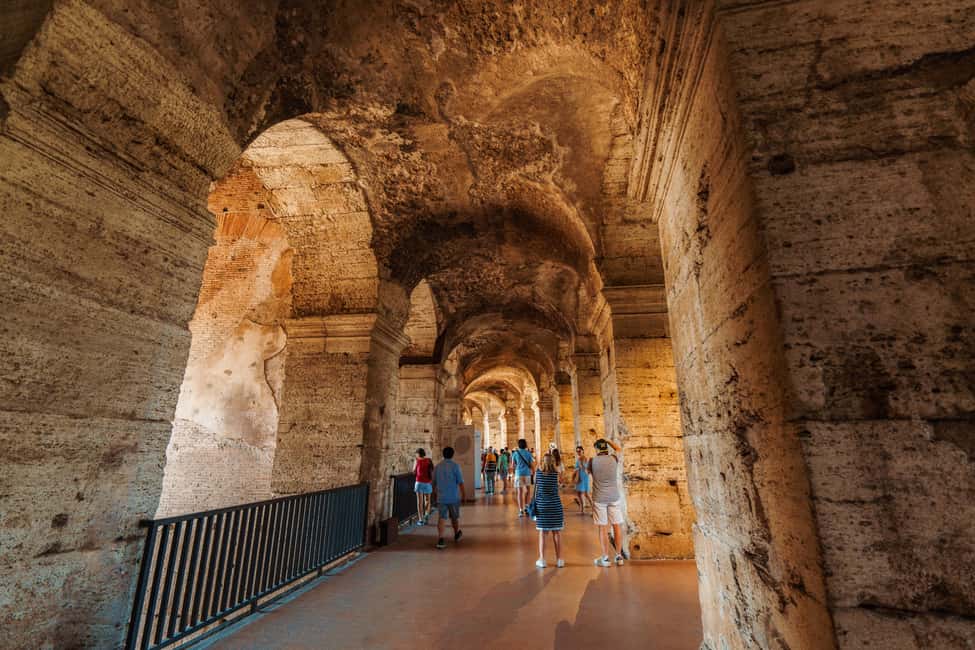
You’ll want comfortable shoes. The Colosseum and the surrounding ruins involve steps and uneven surfaces, and at least one visitor comment called out the need for decent fitness because the steps can be large.
In summer—especially July and August—the experience is shortened to 2 hours, and it can still be hot. That means you’ll spend more time moving through open-air areas, so plan for shade whenever you can and carry water if it’s allowed where you’re permitted (note: food and drinks are not included, and the rules say food and drinks are not allowed during the tour area as specified).
Speaking of rules, note what’s not allowed:
- pets
- weapons or sharp objects
- oversize luggage
- smoking
- food and drinks
- alcohol and drugs
- sprays or aerosols
- glass objects
- unaccompanied minors
- electric wheelchairs
And a key accessibility note: this experience is not suitable for people with mobility impairments and wheelchair users.
Who this tour suits best (and who should choose another option)
This is a strong fit if you:
- are seeing Colosseum + Forum + Palatine in one go
- want a guided explanation without committing to a long half-day
- prefer headsets and structured pacing
- like the idea of ending at Trajan’s Column with a meaningful finish
It’s also a good choice if you don’t want to spend your first day in Rome doing research. The guided points help you read the ruins like a map.
If you’re very mobility-limited, you’ll likely feel uncomfortable here given the steps and terrain. If you want the most extreme access levels (like the underground), you’ll need a different ticket type because this one does not include underground/arena-level access.
Should you book this Colosseum, Forum, and Palatine Hill guided experience?
I’d book it if you want the smartest use of your time and you’d rather understand what you’re seeing than just collect locations. The combo of guided Colosseum time, headsets, and extra self-exploration inside the Colosseum makes it feel more complete than a short “walk-by the highlights” tour.
I’d think twice if you have strict, back-to-back timed plans and you hate any chance of delay, even with skip-the-line entry. Also, if you’re planning a late-day itinerary that depends on perfect timing, build in buffer—some entry times can run late due to security flow.
Finally, note the practical downside: the tour is non-refundable, so it’s best for days when your schedule is stable.
If you want a confident, value-minded first pass through Rome’s most famous ruins, this is a solid bet—especially if your priority is walking out with stories you can actually place.
FAQ
How long is the Colosseum, Palatine Hill, and Forum guided tour?
The duration is 3 hours. In July and August, the visit duration is 2 hours.
What sites are included in the experience?
You get access to the Colosseum, the Roman Forum, and Palatine Hill.
Is there skip-the-line entry?
Yes. The tour includes skip the ticket line.
How much time do I get inside the Colosseum after the guided portion?
After the 1-hour guided tour of the Colosseum, you have as much time as you like to explore within the permitted sections on your own.
Does this tour include underground or arena-level access?
No. Underground/Arena level access is not included.
What should I bring and what’s required for entry?
Bring passport or an ID card and comfortable shoes. ID is mandatory, and incomplete participant names can affect guaranteed entrance.