REVIEW · CARACALLA BATHS & CIRCUS MAXIMUS TOURS
Rome: Colosseum, Circus Maximus, Forum & Ancient Rome Tour
Book on GetYourGuide →Operated by Pink Umbrella Tours · Bookable on GetYourGuide
The Forums feel close on this walk. I like that you get big-name Rome landmarks with clear storytelling, and I love the bonus detours like Piazza Cinque Scole and the Theatre of Marcellus. One thing to plan for: it’s an outdoor walking tour with a climb, so comfortable shoes matter.
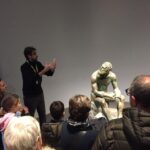
Guides are a major part of the payoff here. You might be led by experts like Bruno, Gabriel, Francesco, or Sam, and the common thread is easy-to-follow explanations plus a friendly style that makes it simple to ask questions without feeling rushed.
In This Review
- Key highlights at a glance
- Why this Rome ancient-sites walk fits so well into a short visit
- Before you start: setting yourself up at Sant’Anastasia al Palatino
- Piazza Cinque Scole to Portico d’Ottavia: starting with a living neighborhood feel
- Ponte Fabricius to Tiber Island: the oldest bridge link you’ll remember
- Theatre of Marcellus and the Temple of Apollo: why Rome’s entertainment wasn’t only the Colosseum
- Capitoline Hill and Michelangelo’s square: the view that ties power to place
- Via dei Fori Imperiali and the Roman Forums: seeing politics in stone
- Circus Maximus and the Colosseum from outside: big scale without arena tickets
- What you’re really paying for: $243.56 value in a 2-hour format
- Who this tour suits best (and who might want a different plan)
- My booking verdict: should you book this Rome ancient-sites tour?
- FAQ
- Is the Colosseum ticket included?
- How long is the tour?
- Where do I meet the guide?
- What time should I arrive?
- Is the tour indoors or outdoors?
- What’s included in the price?
- Is it wheelchair accessible?
Key highlights at a glance
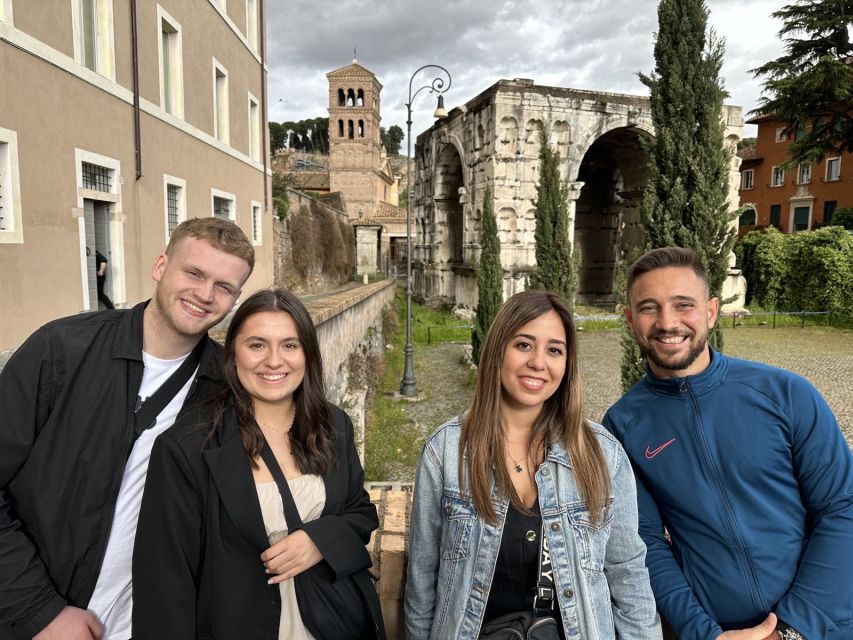
- Start in the real city, near Sant’Anastasia al Palatino, then work outward into the ancient center
- Piazza Cinque Scole for a quick feel of the Jewish Ghetto atmosphere
- Portico d’Ottavia and Ponte Fabricius, including Rome’s oldest bridge link by link
- Theatre of Marcellus and Temple of Apollo for drama beyond the Colosseum
- Capitoline Hill and Michelangelo’s square, with views and context for Rome’s power
- Circus Maximus and an outside Colosseum look, focused on scale without ticket lines
Why this Rome ancient-sites walk fits so well into a short visit
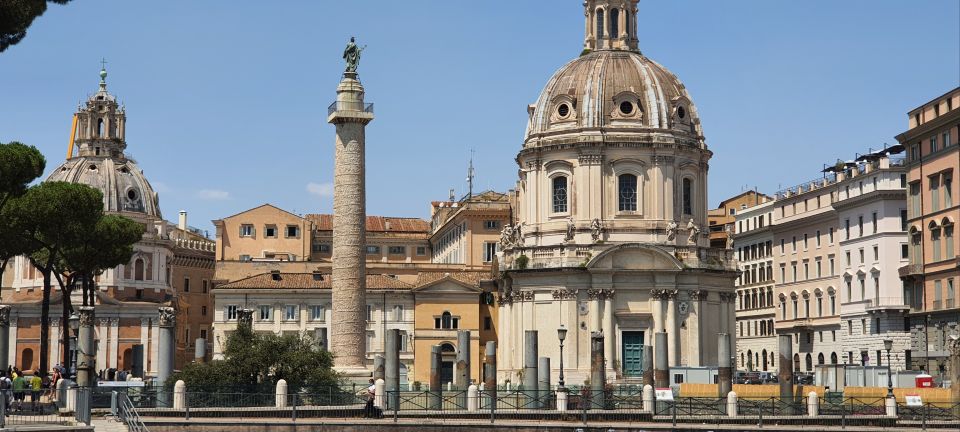
If you only have a couple hours and you want to understand how ancient Rome worked, this tour has the right shape. It’s built as a guided walk through the city center, hopping between monuments that are often treated as separate attractions. Here, they’re connected by one guiding thread: where people gathered, where power showed up, and how Rome staged entertainment.
What I like most is that the tour doesn’t pin everything on the Colosseum. You still see it from outside, but you also spend real time on the spaces around it: the hilltop views, the forum-area streets, and theatre and stadium sites that help you get the full mental picture. For first-timers, that matters. A lot.
Your time is also used efficiently. In about 2 hours, you cover multiple stops without needing public transport. Just remember the pace is active: this isn’t a sit-down museum visit. You’ll be on your feet outdoors, rain or shine.
You can also read our reviews of more tours and experiences in Rome.
Before you start: setting yourself up at Sant’Anastasia al Palatino
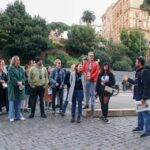
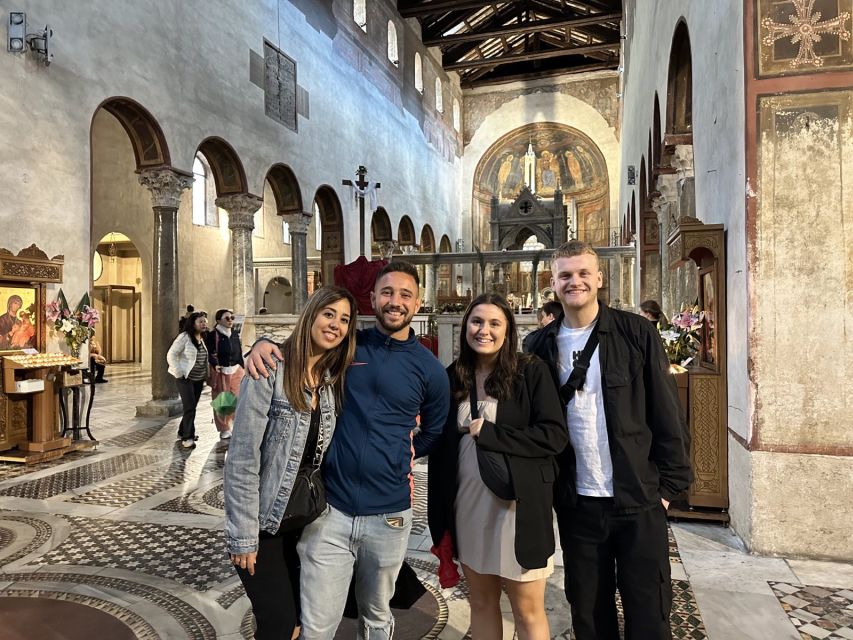
The tour meets in front of Basilica of Sant’Anastasia al Palatino and ends back there. That’s a nice advantage: you’re anchored in an area that makes it easy to continue your day nearby after the walk.
Arrive about 15 minutes early so you don’t miss the start. The guide can wait up to 10 minutes after the starting time, and there’s no refund if you’re late or you choose to leave early. It’s the kind of detail that doesn’t sound dramatic until you’re standing there with your time running out, so I treat it as part of the tour experience.
Also note this is English-language and it’s a walking tour. There are no entry tickets included, and the Colosseum visit is outside only. So if your dream includes stepping inside the arena itself, you’ll need to plan that separately.
Piazza Cinque Scole to Portico d’Ottavia: starting with a living neighborhood feel
The walk begins with a stop at Piazza Cinque Scole. Even though this tour focuses on ancient sites, this opening matters because it gives you a sense of the modern city context. The atmosphere of the Jewish Ghetto isn’t just backdrop; it’s a reminder that Rome isn’t a theme park. Streets and squares still hold community life while the ancient layers sit underfoot.
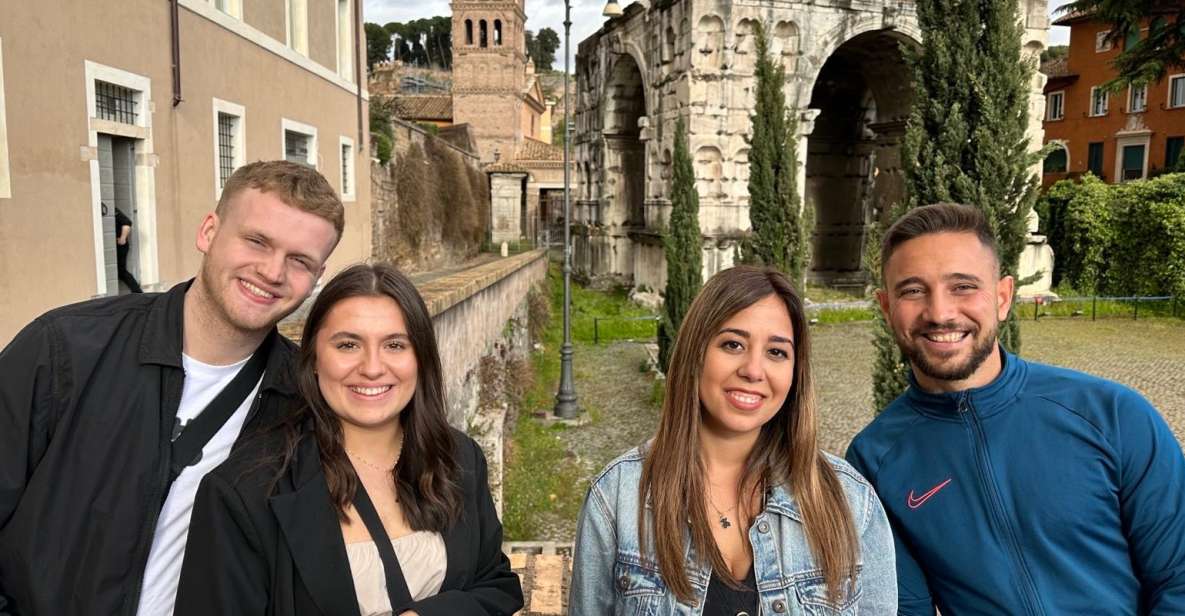
From there, you move toward the Portico d’Ottavia. This structure was connected to the entrance of a bustling market area in ancient times, and your guide helps you see it beyond “some old buildings.” You start to understand why porticoes and market-adjacent architecture were so important. They were where movement happened—goods, news, and daily conversations.
This is one of those moments where a good guide can make a small detail feel useful. Instead of only pointing out stones, they frame what the place did in the city’s rhythm. That’s the value you’re paying for: turning “I saw it” into “I get it.”
Ponte Fabricius to Tiber Island: the oldest bridge link you’ll remember
Next comes Ponte Fabricius, described as the oldest bridge in Rome. Even if you’re not a bridge-nerd, this stop is a smart way to reset your perspective. You start thinking about continuity: how Romans built infrastructure that still shapes how people move.
Crossing near Tiber Island is also a visual payoff. It’s the sort of stop where the guide’s explanations help you place the river in the story. The Tiber wasn’t just scenery—it was a route, a boundary, and a reason the city grew where it grew.
You don’t need long dwell time here. What you want is the moment of orientation: you see the river, you understand why bridges mattered, and you’re ready to move into more theatrical architecture.
Theatre of Marcellus and the Temple of Apollo: why Rome’s entertainment wasn’t only the Colosseum
After the river, the tour heads to the Theatre of Marcellus. This stop is especially useful because it’s often mistaken for the Colosseum, but the reality is different. A theatre operates on a different kind of crowd energy than an amphitheatre. Your guide helps you connect the dots so you don’t just recognize the building—you understand what type of spectacle it was designed for.
Nearby, you reach the Temple of Apollo, where the ruins speak to Rome’s public-religious world. Again, it’s not just “look at columns.” The value here is in what the site represents: how major temples helped anchor identity, authority, and celebrations tied to the city’s civic life.
If you’re the kind of person who likes your monuments to make sense together, this section is a highlight. It balances the tour’s big names with sites that feel slightly less obvious, but still central to how Rome functioned.

Capitoline Hill and Michelangelo’s square: the view that ties power to place
Then comes the climb to Capitoline Hill. You’ll feel it because it’s a real hill, and that’s part of why it works. In many cities, “ancient power” is something you read about. On this hill, it’s something you physically earn. The effort helps you remember where you are.
On top, you’ll see a beautiful square designed by Michelangelo. This is a smart contrast: ancient Rome and Renaissance Rome occupying the same viewpoint. The guide’s job is to help you see why that matters. Rome has always treated key spaces as worthy of reinvention, not abandonment.
What you should look for here isn’t just a pretty square. It’s the way the hilltop location changes your understanding of the rest of the area. You start linking the political center to the physical geography. Once you see that, the forum area ahead will click faster.
Via dei Fori Imperiali and the Roman Forums: seeing politics in stone
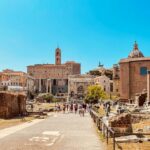
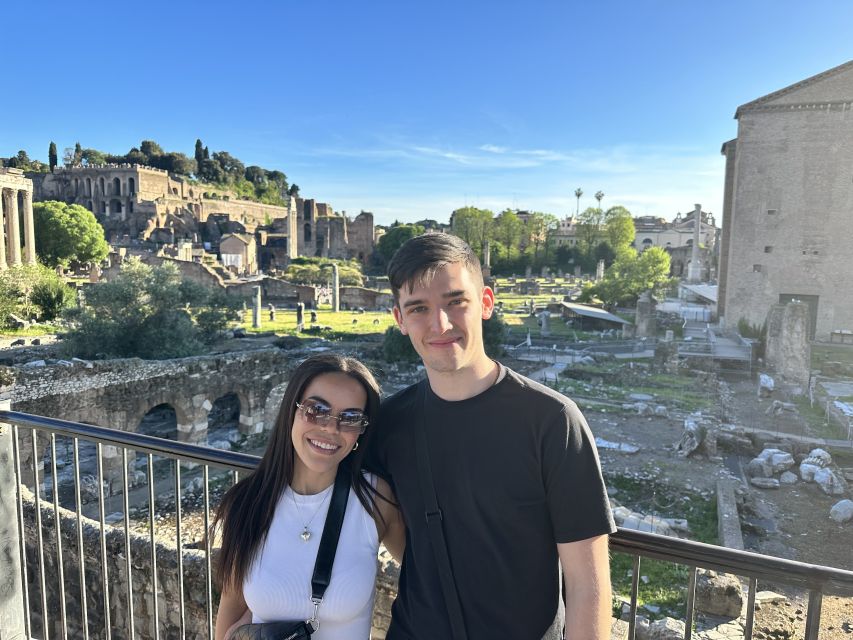
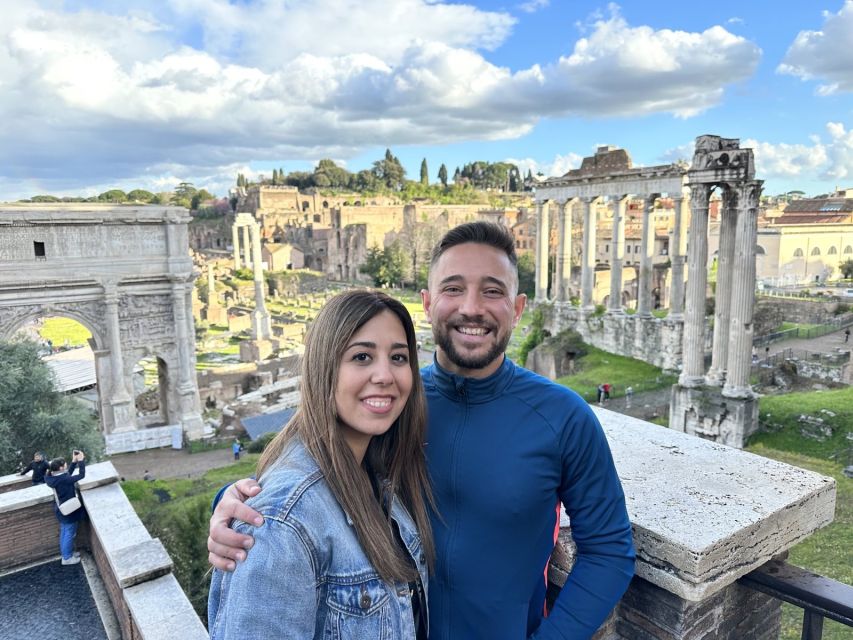
This is the core sequence: walking along Via dei Fori Imperiali and getting views over the Roman Forum plus multiple imperial forums. You’ll learn about the Forum of Augustus, the Forum of Caesar, and the Forum of Nerva, along with the bigger idea of how the city’s political life was displayed to the public.
Here’s what I find most practical: the guide helps you understand that these aren’t isolated ruins. They’re connected civic projects, shaped by who was in charge and what they wanted Rome to remember about them. When you know what each forum aimed to communicate, the spaces stop being random stone blocks and become a story about messaging, legitimacy, and public life.
You’ll also get a sense of scale from outside—no tickets required to “get it.” Since the tour doesn’t include entering the Colosseum, this is where you get to see the drama of Rome’s public spaces without waiting around for access.
Circus Maximus and the Colosseum from outside: big scale without arena tickets
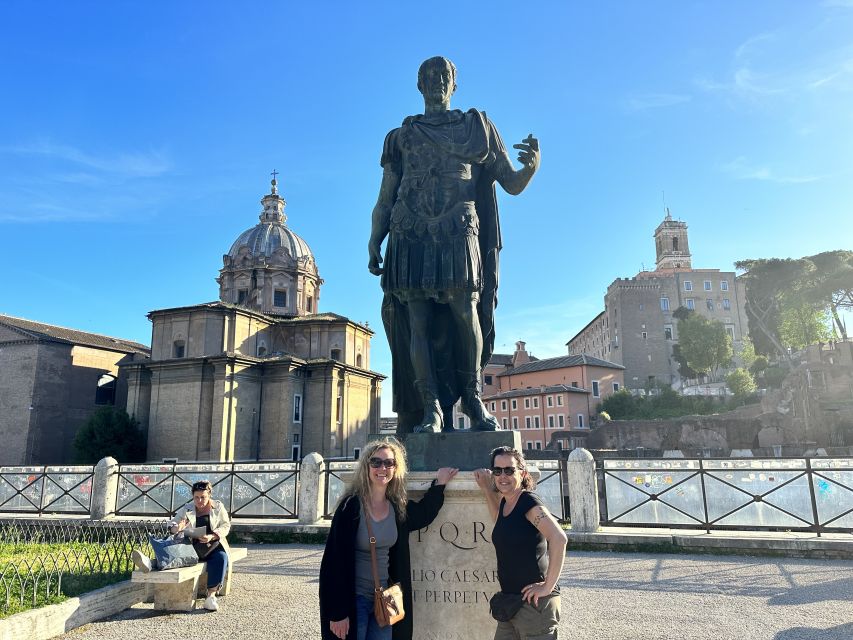
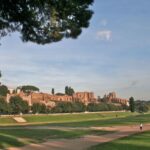
After the forum area, you’ll reach Circus Maximus, the famous chariot-racing stadium. This is a key moment because it widens your understanding of entertainment. If your mental picture of ancient Rome is only gladiators and amphitheaters, Circus Maximus corrects that fast.
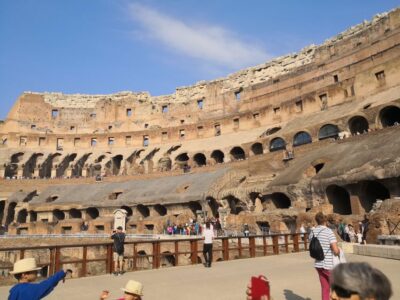
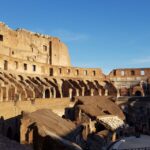
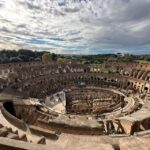
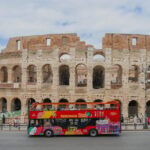
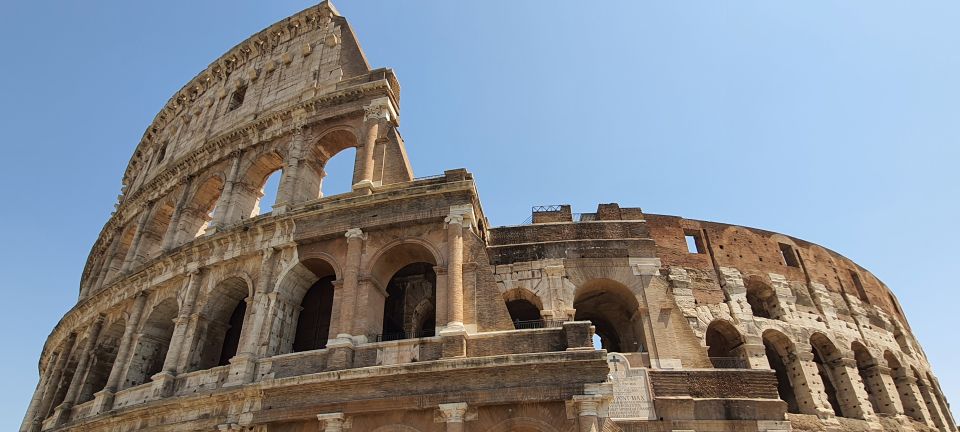
Then the tour moves to the Colosseum from outside. You’re not stepping inside on this experience, but you still get the famous silhouette, and your guide places it in the larger context of where it sits in the city’s entertainment map.
This approach is valuable if you’re trying to balance priorities. Tickets for indoor Colosseum access can be a time and planning puzzle. On this tour, you still get the landmark moment, but you keep your focus on the street-level story of ancient Rome.
What you’re really paying for: $243.56 value in a 2-hour format
At $243.56 per person, this isn’t a budget add-on. But you also aren’t paying for a single-site visit. You’re paying for a live English guide who helps you stitch together major monuments in a short window.
Two big value points:
- You cover multiple stops that each would take time to research and navigate on your own.
- You get context while you walk, which makes the sights easier to remember later.
Two important limitations to keep in mind:
- Entrance tickets and fees are not included.
- Colosseum entry is not part of this tour since it stays outside.
So I see this as best for visitors who want understanding more than checklist building. If you want the inside Colosseum experience, you’ll likely pair this with a separate ticketed plan. If you’re happy with the outside Colosseum view and you want the broader map of ancient Rome explained clearly, this price can make sense.
Who this tour suits best (and who might want a different plan)
This is a strong fit if you:
- want an efficient, guided 2-hour orientation to Ancient Rome
- like theatre, temples, and forum areas as much as the Colosseum
- enjoy asking questions and following along with a guide’s explanations
It’s a weaker fit if you:
- need step-free options, because it’s not suitable for people with mobility impairments and it’s not for wheelchair users
- hate active walking, since you’ll be climbing Capitoline Hill
- are set on going inside the Colosseum, because this tour keeps it outside
Also, you should consider your comfort level with being outdoors. The tour runs rain or shine, so plan for weather.
My booking verdict: should you book this Rome ancient-sites tour?
Yes, I think you should book it if you want a guided, city-center walk that explains how Rome’s public life fit together. The standout advantage is the balance: you get the Colosseum area without letting it swallow the entire tour. Stops like Piazza Cinque Scole, Theatre of Marcellus, and Capitoline Hill give you a Rome that feels broader than the famous postcard.
Book this tour when you’re planning a short stay and you want the “how it all connects” feeling quickly. Skip it only if you strongly prefer indoor museum-style visits or you specifically need the Colosseum interior, since those parts aren’t included here.
FAQ
Is the Colosseum ticket included?
No. Entrance tickets and fees are not included, and the tour does not include a visit inside the Colosseum.
How long is the tour?
The duration is 2 hours. Starting times vary based on availability.
Where do I meet the guide?
You meet your guide in front of the Basilica of Sant’Anastasia al Palatino.
What time should I arrive?
Please arrive 15 minutes before the starting time. Guides wait for no more than 10 minutes beyond the start time, and late arrivals can’t join.
Is the tour indoors or outdoors?
This is an outdoor walking tour. It runs rain or shine.
What’s included in the price?
The tour includes a live guide and the walking tour.
Is it wheelchair accessible?
No. It is not suitable for people with mobility impairments and it is not for wheelchair users.