REVIEW · ROME
Explore Christian Rome and the Underground of San Clemente
Book on GetYourGuide →Operated by Welcome Italy by Spare Tour S.r.l. · Bookable on GetYourGuide
Christian Rome gets real fast when you go under the churches. This small-group walk links major basilicas to the underground layers beneath them, and it does so with a guide who keeps the story clear instead of turning it into homework.
I especially like the focus on underground Christianity, not just surface sightseeing. You’ll spend real time inside Basilica di San Clemente al Laterano, where the past stacks up through centuries, and you’ll also get to see Michelangelo’s Moses at San Pietro in Vincoli, one of the most famous sculptures in the city.
One thing to consider: basilica entry has strict dress rules. You can’t wear shorts, miniskirts, or have uncovered shoulders, and the tour involves walking on uneven ground, so it’s not ideal for people with mobility impairments.
In This Review
- Key highlights worth planning around
- Christian Rome underground: why San Clemente changes how you see the city
- Lateran Caffè start, dress rules, and the practical “Rome reality check”
- St. John Lateran and the “Church of Rome” start
- San Clemente: three levels, the underground, and the Mithras altar
- Santi Quattro Coronati and the Constantine thread
- Scala Santa (Holy Stairs) and the devotion stop near St. John Lateran
- St. Peter in Chains: Michelangelo’s Moses and the chains tradition
- Small-group guiding: why this tour feels easier than Rome chaos
- What you pay: value for $167.66 per person
- Rain or shine: timing, walking comfort, and bag rules that actually matter
- Should you book it? Who this tour fits best
- FAQ
- How long is the tour?
- Where does the tour start and end?
- Is the cost per person, and what does it include?
- Do I need to buy tickets for San Clemente?
- What clothing is required to enter the basilicas?
- Is the tour suitable for wheelchair users or people with mobility impairments?
Key highlights worth planning around
- San Clemente’s three-level church plus the chance to explore the underground spaces beneath it
- Basilica di San Giovanni in Laterano as the oldest of the four Papal Basilicas and the see of the bishop
- The Holy Stairs (Scala Santa) near the Lateran area, tied to Christian devotion
- Santi Quattro Coronati with Constantine’s story thread and frescoes featuring Zodiac, Four Seasons, Liberal Arts, and King Solomon
- Michelangelo’s Moses at San Pietro in Vincoli, including the famous chains tradition
Christian Rome underground: why San Clemente changes how you see the city
If you’ve ever felt like Rome can be all marble and monuments above ground, this is a nice course correction. Christian Rome here isn’t only about what’s been preserved on street level. It’s about what got built, reused, and covered as centuries rolled on.
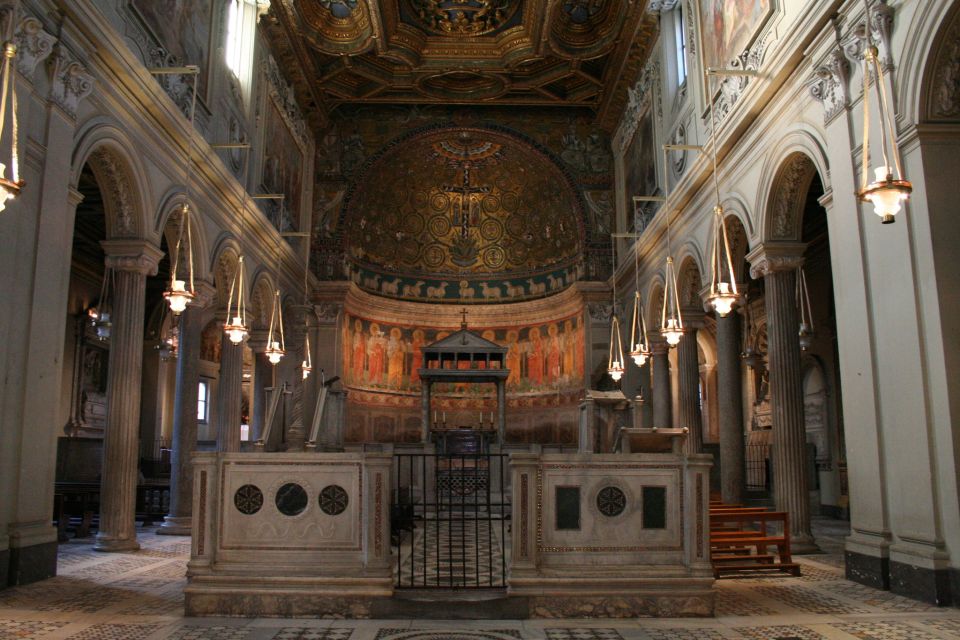
The star is Basilica di San Clemente al Laterano. You’re not just touring one church. You’re moving through a place that exists in layers, from early Christian life all the way toward medieval developments. When you look at Christian Rome from that angle, the city stops feeling like a museum and starts feeling like a living timeline.
And you get a strong story thread across the stops. Constantine’s trail shows up again and again, tying together devotion, politics, and art. That makes the walking feel purposeful instead of random.
You can also read our reviews of more tours and experiences in Rome.
Lateran Caffè start, dress rules, and the practical “Rome reality check”
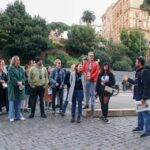
The tour begins at Laterano Caffè with the guide waiting out front. The route stays in the Lateran and nearby areas, then works its way toward San Pietro in Vincoli and back, so you’re not constantly changing directions or hopping across town.
Because you’ll enter basilicas, you’ll want to dress like you’re visiting a church, not just sightseeing. No shorts, no miniskirts, and uncovered shoulders are not allowed. This matters more than people expect in Rome, because even if you’re just popping into one site, the rules are enforced for entry.
I’d also plan your day around walking comfort. The tour is about 3 hours, rain or shine, and it includes several short walks between stops. You’ll want comfortable shoes, sunglasses if the light is bright, and a camera if you like capturing details you might otherwise miss.
A final logistics point: no large bags or luggage. If you’re traveling with bulky stuff, you’ll have a much easier time if you travel light.
St. John Lateran and the “Church of Rome” start
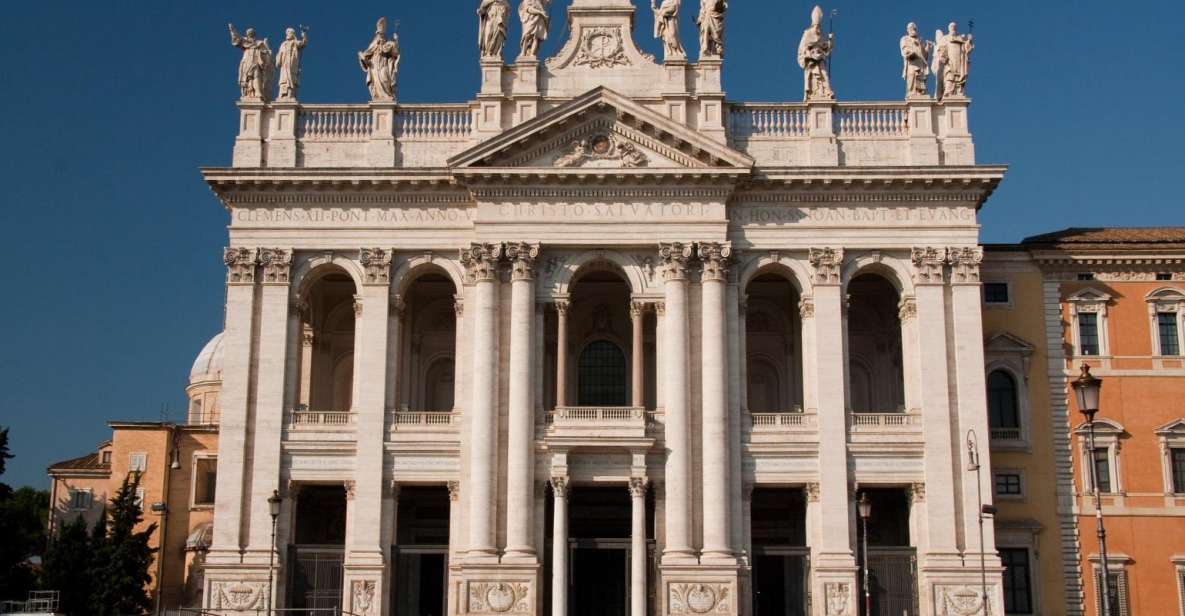
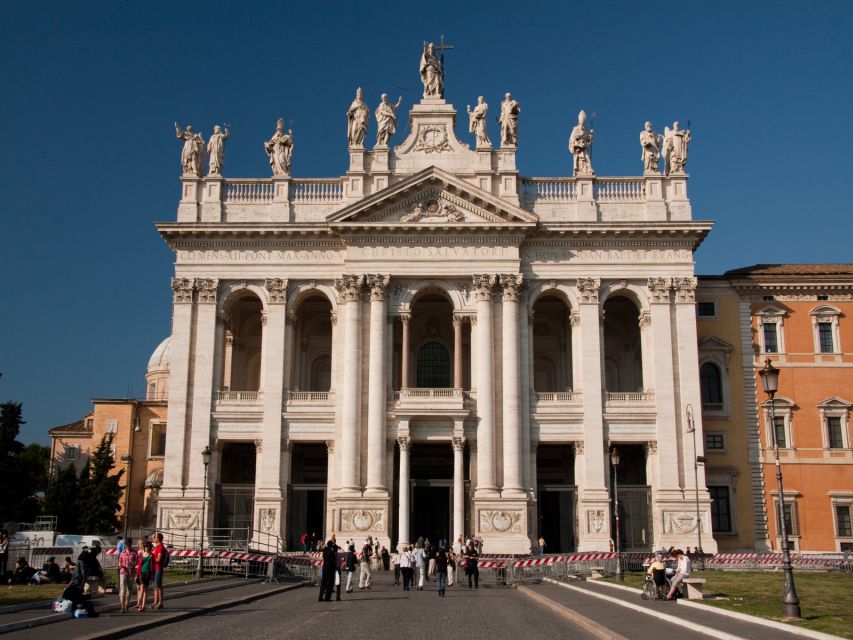
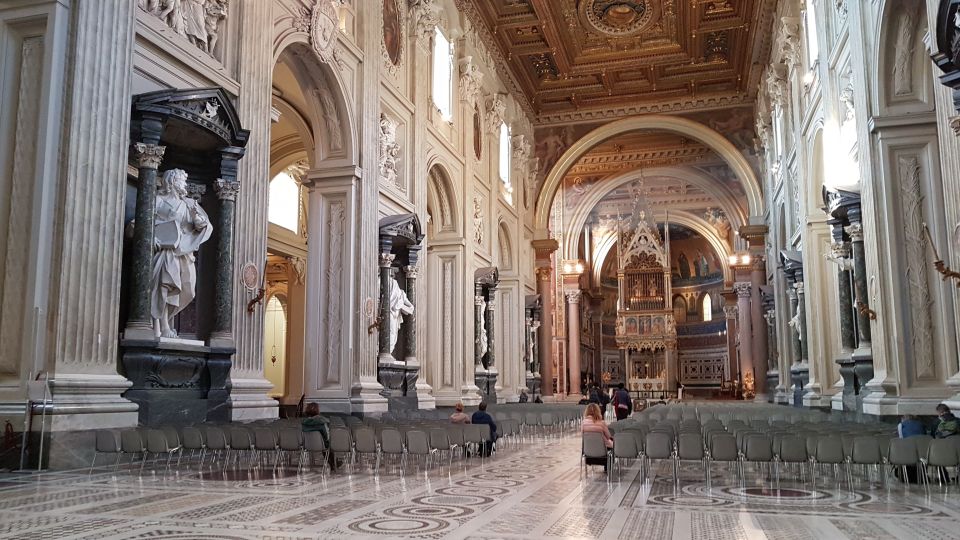
Your first major stop is Basilica di San Giovanni in Laterano. This is one of the most important anchors for Christian Rome because it’s tied to the idea of the Church of Rome itself. It’s considered the oldest of the four Papal Basilicas, and it’s the cathedral where the bishop’s seat is located.
What you should expect here is a guided orientation that helps you read the space. Even if you’ve seen big churches before, this one has a different kind of weight because it’s connected to leadership, not just pilgrimage. It’s a good place to get your bearings before you go underground.
You’ll also have a photo stop and time for a guided visit. The tour’s pace is meant to keep things moving, but not so fast that you’re only snapping pictures.
San Clemente: three levels, the underground, and the Mithras altar
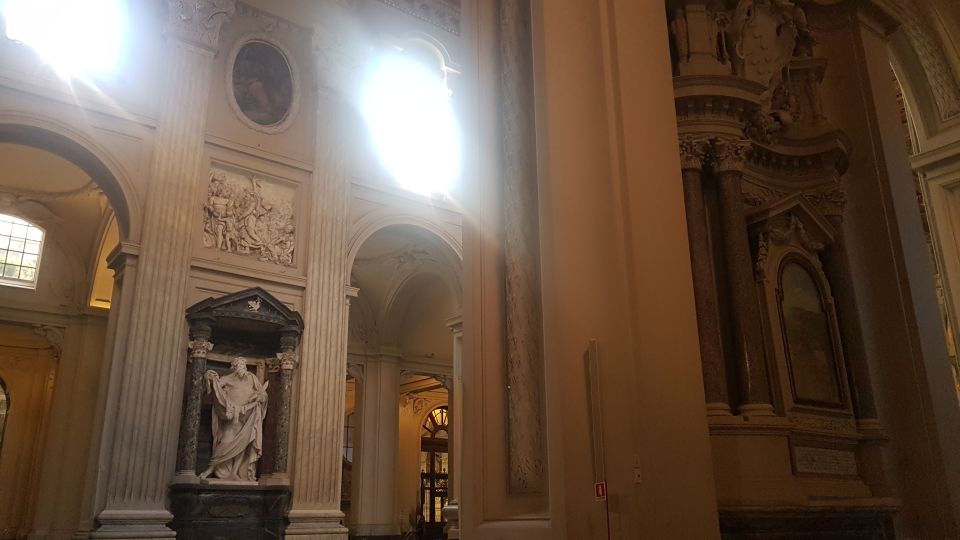
This is the stop that makes the whole tour worth it.
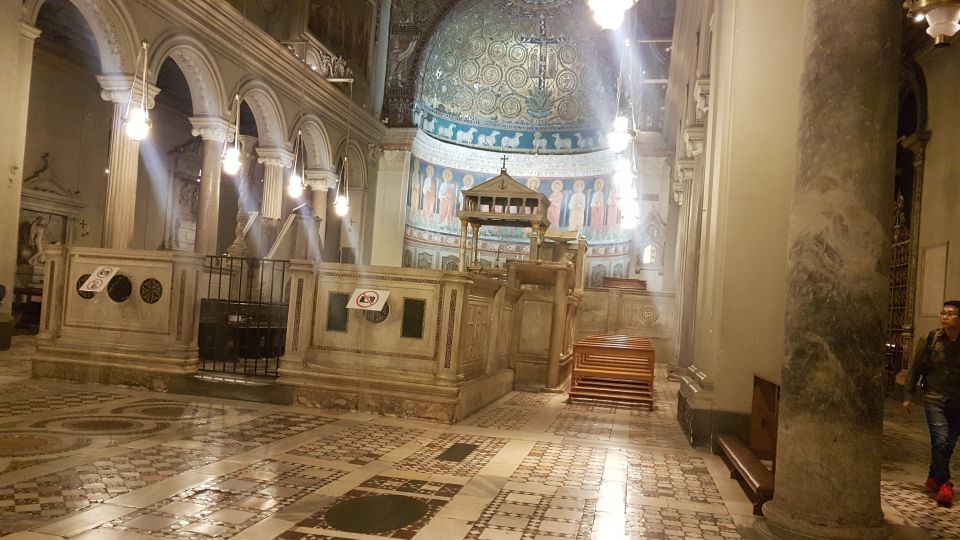
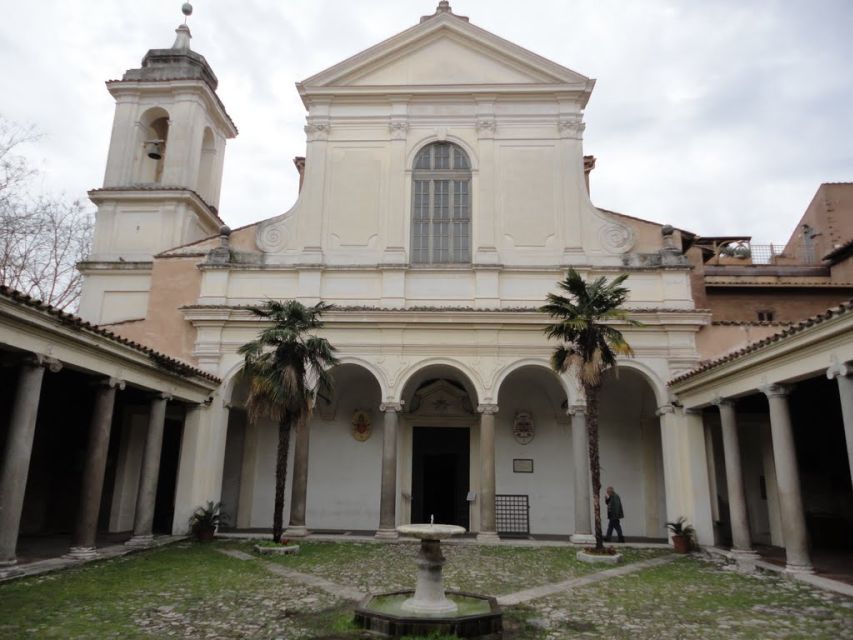
Basilica di San Clemente al Laterano is famous for being built on three different levels, spanning from the 1st to the 12th century. That alone sets up the main thrill: you’re seeing how later Christian space overlaps earlier eras.
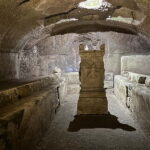
Then you go lower. The underground areas are explored as part of the guided experience, and you’ll learn what you’re looking at instead of wandering through feeling lost. One standout detail is the altar of Mithras from the 1st century. It’s a reminder that Rome didn’t switch religions overnight, and that earlier sacred spaces could end up inside later religious sites.
Drawback to know: you’ll be moving around more than at a single museum stop, and the underground areas can feel cooler and darker than the street-level church. Wear layers if you’re someone who gets cold easily, and keep your phone brightness reasonable so you can see what’s in front of you.
Santi Quattro Coronati and the Constantine thread
After San Clemente, the tour continues to Santi Quattro Coronati. This church is tied to Christian memory through four saints and martyrs, but the draw here is how the tour connects the name, the setting, and the art to bigger stories.
There’s also a fascinating art discovery angle: in 2002, an extraordinary set of frescoes was discovered here, with scenes including the Zodiac, Four Seasons, Liberal Arts, and King Solomon. Even if you’re not a fresco expert, this kind of information helps you notice what you’re looking at instead of treating the artwork as decoration.
And the tour links the church to the broader story of Emperor Constantine. Even though the sites are all different, the guide’s job is to show you the way devotion and power talked to each other during Rome’s Christian transformation.

Scala Santa (Holy Stairs) and the devotion stop near St. John Lateran
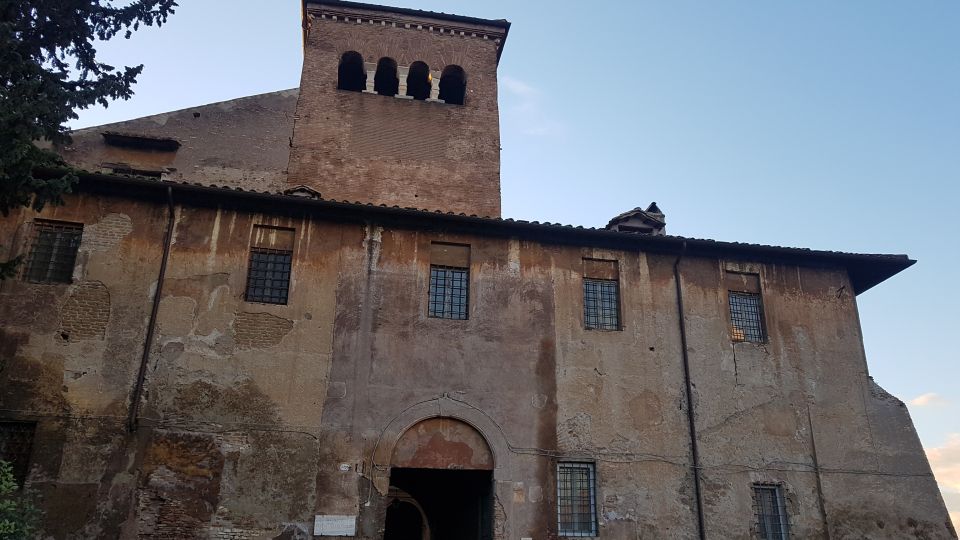
The tour includes a stop connected to the Holy Stairs (Scala Santa) in the sanctuary near St. John in Lateran. This is one of those places where the meaning is part of the experience.
What’s helpful is that the tour doesn’t treat it like a quick photo corner. You get the context that explains why people take the site seriously, and that turns it from a background curiosity into a real moment in the Christian Rome story.
If you like devotion sites, you’ll appreciate how this stop bridges history and lived practice. If you’re mainly there for art and architecture, you might find it a shorter moment, but it still gives the day texture.
St. Peter in Chains: Michelangelo’s Moses and the chains tradition
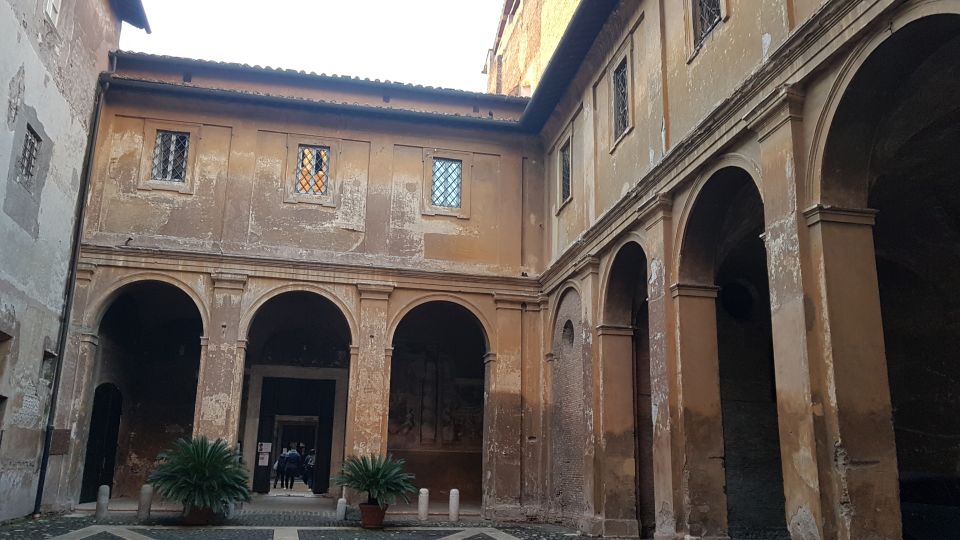
The final major stop is Basilica of San Pietro in Vincoli. It’s known for the chains tradition, tied to the belief that Helene, Constantine’s mother, brought the chains to Rome. The guide will explain the tradition of a miracle where those chains were joined to another St. Peter chain in Rome.
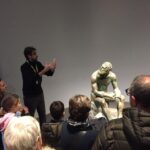
But the big reason to care is the sculpture: Michelangelo’s Moses, created for the tomb of Pope Julius II. This is one of Michelangelo’s most important works, and it has enough presence that even people who don’t usually seek sculpture out tend to slow down here.
The tour gives you guided time to see the Moses sculpture properly, not just glance at it. That’s important, because the impact is partly in the details and the way the artist shaped the figure’s energy.
Also, this is where the pacing finally feels like a finish line. You’ve gone from the layered underground of San Clemente to a church where the central focus is a monumental artwork tied to high-profile political and religious history.
Small-group guiding: why this tour feels easier than Rome chaos
This is a 3-hour small-group tour with a professional guide, and that setup matters in Rome. It’s enough time to see major sites and learn the connections, without turning your day into a sprint.
A big value point is that you get skip-the-ticket-line access for San Clemente. That saves you time at the one stop where delays can be annoying because underground access often has stricter management.
I also like the way the guides are described: in past experiences, the tour has been led by people with deep expertise, including a guide who was an archaeologist and others known for storytelling that sticks to the point. One guide experience I’ve heard about praised Roberto for extensive knowledge and passion without the cynical vibe some guides bring into the mix. Another praised Mohamed for turning the day into a clear, memorable narrative. Even if your guide is different, the format is designed for the same goal: you leave understanding what you saw.
What you pay: value for $167.66 per person
At $167.66 per person, this isn’t a “cheap and cheerful” Rome add-on. But you’re paying for several useful things bundled together.
First, you get 3 hours of live guiding. In Rome, good interpretation can be the difference between collecting photos and actually understanding why these places matter.
Second, entrance is included for San Clemente and the tour also includes a visit connected to San Giovanni. Third, you get access to Michelangelo’s Moses, which is a fixed draw and not something you’d always plan around casually.
When you add in skip-the-line help for the underground site, it starts looking like a reasonable buy for a tight schedule. If you’re only in Rome for a short window and you want Christian Rome highlights without juggling multiple tickets and guides yourself, this price tends to make sense.
Rain or shine: timing, walking comfort, and bag rules that actually matter
The tour operates rain or shine, so don’t count on weather saving you from walking. Bring a light rain layer if you think it might rain, and still keep your footwear ready for damp stone.
Because it’s around churches and underground spaces, you’ll also want to keep your hands free for small tasks. Sunglasses help if it’s sunny between stops, and a camera is useful because the art and details are a big part of why you’ll remember the day.
The rule that you can’t bring luggage or large bags is one of those details that can ruin your day if you ignore it. Plan to use a small daypack or travel light, then you won’t spend time figuring out storage.
Finally, note that the tour is not suitable for wheelchair users or people with mobility impairments. Underground and church interiors can involve steps and uneven surfaces, and the tour description is clear about this.
Should you book it? Who this tour fits best
Book this tour if you want Christian Rome to feel like a story you can walk through. I’d especially recommend it if you’re curious about what comes before today’s church buildings, since San Clemente’s underground layers are the main payoff.
You should also book if you care about Michelangelo beyond the usual list of famous Roman sights. Seeing Moses inside the context of a larger Christian pilgrimage trail makes it land better than a standalone stop.
Skip it or rethink your plan if you’re uncomfortable with strict dress requirements or you need accessibility support. Also consider skipping if three hours of walking sounds like too much on your trip.
If you want a focused half-day that connects Constantine, devotion sites like the Holy Stairs, underground Christian layers at San Clemente, fresco art at Santi Quattro Coronati, and Michelangelo’s Moses, this one has a strong hit rate.
FAQ
How long is the tour?
The tour lasts about 3 hours.
Where does the tour start and end?
It starts at Laterano Caffè, and it ends back at the same meeting point.
Is the cost per person, and what does it include?
The price is listed as $167.66 per person. It includes a 3-hour professional guide, Basilica San Clemente entrance tickets, a visit to the San Giovanni Cathedral, and a visit to the Moses sculpture by Michelangelo.
Do I need to buy tickets for San Clemente?
No. The tour includes basilica entrance and includes skip-the-ticket-line access for San Clemente.
What clothing is required to enter the basilicas?
Shorts, miniskirts, and uncovered shoulders are not allowed. Plan to dress with shoulders covered and wear clothing that meets basic church expectations.
Is the tour suitable for wheelchair users or people with mobility impairments?
No. The tour is not suitable for wheelchair users and not suitable for people with mobility impairments.