REVIEW · COLOSSEUM, FORUM & PALATINE TOURS
Rome: Tour of Colosseum Arena Floor with 1st and 2nd Levels
Book on GetYourGuide →Operated by TOURS OF ROME · Bookable on GetYourGuide
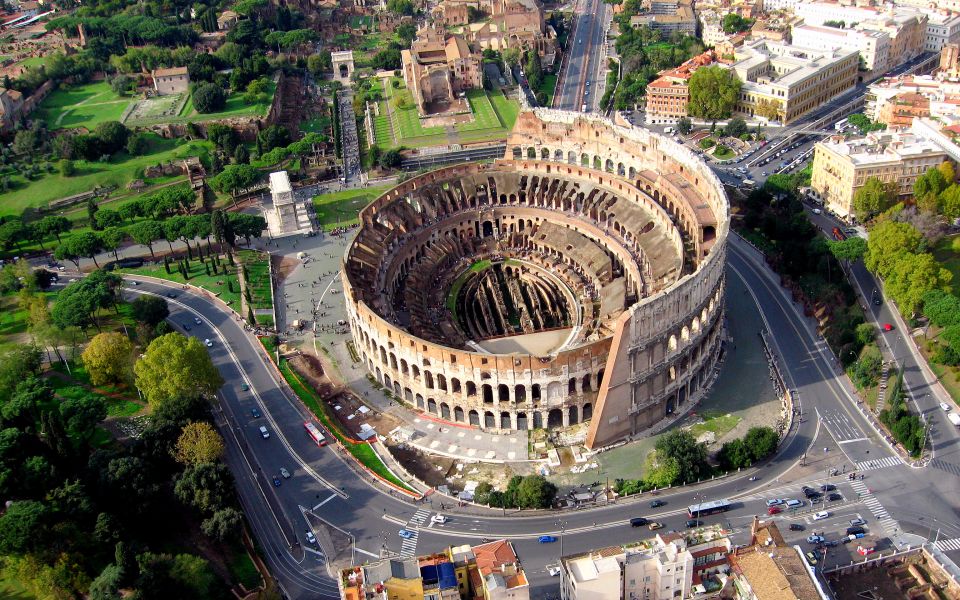
Walking onto the Colosseum floor feels unreal. This tour takes you through the Gladiator’s Gate first, then onto the arena floor where the battles played out, and finishes with a focused look at the Roman Forum and Palatine Hill. It’s guided in English with timed access, so you spend less time figuring out where to go and more time understanding what you’re seeing.
What I like most is the chance to see the Colosseum like a participant and not just from the stands—especially the arena floor experience plus the story-led stops around the structure. I also love that you don’t stop at the Colosseum: you get a guided walk through the Forum and up onto Palatine Hill, which helps the site click as a whole Roman setting.
One thing to keep in mind: the itinerary includes a lot of walking and some stairs, and it can feel tough in hot weather. Also, the arena floor isn’t guaranteed if conditions force closures (heavy rain or ice), and the tour doesn’t include the Colosseum undergrounds or the higher 3rd/4th/5th levels.
In This Review
- Quick hit facts that matter
- Entering the Colosseum like the show begins
- Gladiator’s Gate and the arena floor experience
- If the arena floor is closed
- First and Second levels: how spectators actually watched
- Note on what’s not included
- Roman Forum: the politics behind the spectacle
- Palatine Hill: emperors’ turf, right by the stage
- What the tour feels like in real life (time, pace, and comfort)
- Security checks: passports matter more than you expect
- The value question: why $88 can make sense
- Who should book this tour (and who might not)
- Booking tips that keep the day smooth
- Final call: should you book this Colosseum arena floor + Forum tour?
- FAQ
- How long is the Colosseum arena floor tour?
- Where do I meet the guide?
- What parts of the Colosseum are included?
- What’s not included with this tour?
- Is arena floor access always guaranteed?
- Do I need a passport?
- Is the tour suitable for wheelchair users?
- What about food, drinks, and luggage?
Quick hit facts that matter
- Gladiator’s Gate to arena floor: You’re shown how the performance space worked, not just where it is.
- 1st and 2nd levels included: You get a sense of what spectators saw, from two key vantage points.
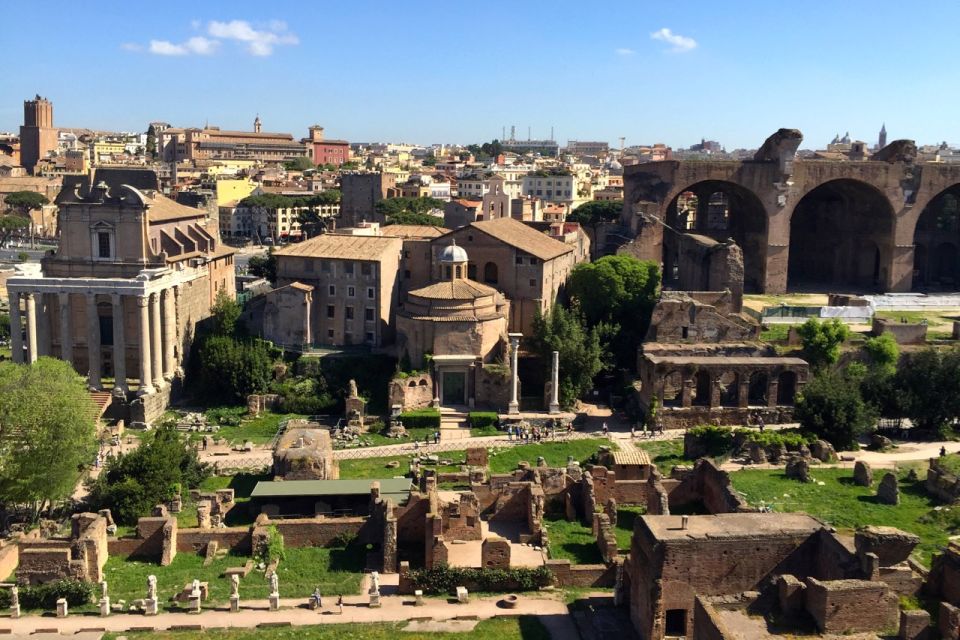
- Roman Forum + Palatine Hill follow through: The Colosseum stories connect to temples, palaces, and power.
- Entrance tickets are included: You’re not juggling separate buys for every part.
- Passport required for entry: Expect multiple security checks.
Entering the Colosseum like the show begins
Meet at Piazza del Colosseo, 23, or—if you’re coming from public transit—look for your guide at the lower level exit of the Colosseo metro station. They’ll hold a sign that says Tours of Rome and stand next to the green kiosk. It’s a very “get moving” start, which is good here because the Colosseum area gets chaotic fast.
The opening portion is a guided walk inside the Colosseum environment, around the main spaces, before you go deeper. Think of this as getting your bearings before you step into the most famous views. Guides often pace the tour so you’re not constantly staring upward without context. You’ll hear stories that connect the arena to the crowd, the architecture to the spectacle, and the era’s politics to the games.
If you want help from your guide translating Roman terms into real-world meaning, this is the right format. Multiple guides referenced in feedback—Christina, Anna, Elisabetta, Mido, Serena, Philomena, and Maria Teresa—are known for being lively and question-friendly, and some use visual aids like picture binders or illustrations to make the setting feel clearer.
You can also read our reviews of more tours and experiences in Rome.
Gladiator’s Gate and the arena floor experience
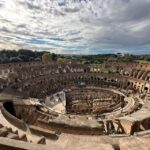
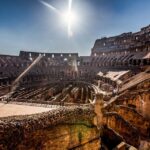
Now for the moment everyone comes for: the arena floor tour. You’ll go in with your guide to see the arena floor and related access points, including the Gladiator’s Gate. This is where the Colosseum changes from a big monument into a functioning stage.
On the floor, you understand the geometry. Where the tunnel-like access would move fighters and officials. How the space would funnel sightlines. Why the crowd placement mattered. It’s not just dramatic storytelling, either. You’re standing where the action happened, and the guide helps you interpret what you’re looking at so your brain stops treating it like a postcard.
There’s also a practical angle. Because you’re in the arena area, you tend to get better chances to frame photos without constantly fighting the crowd pressure that exists in the most popular spots. Some guides are attentive about photos, even taking them for you at good viewpoints or pausing so you can shoot from the right angle.
If the arena floor is closed
Important reality check: the arena floor may be closed in cases of ice, and the arena may be closed during heavy rain. If that happens, you still get the rest of the tour elements, but the “walk in the gladiators’ space” moment may be different. When you book, treat the floor access as the best-case scenario rather than a guaranteed checkbox.
First and Second levels: how spectators actually watched
After the arena floor, you shift to the upper areas, including the first and second levels. This is the part that helps most people finally understand how Roman spectators experience the games.
From these levels, you can sense the scale and the tiers of viewing. You also get a better read on how the Colosseum’s structure guided movement—where people likely entered, how crowds spread out, and why sections felt more separated than a modern stadium. The tour explanation matters here. If you just wander on your own, the different rings can feel like architecture trivia. With a guide, those rings become a social map: who sat where, why it mattered, and how the audience would have seen performers and events.
Your guide will also point out historical context for what you’re viewing. Even if you’ve read about gladiators before, the value is in how the guide connects the physical space to the behavior of crowds and the purpose of the spectacle.
Note on what’s not included
This tour does not include the Colosseum undergrounds. It also does not include the 3rd, 4th, and 5th levels. So if you’re specifically hunting for deeper access below the floor or a full top-to-bottom exploration, you’ll want a different ticket type.

Roman Forum: the politics behind the spectacle
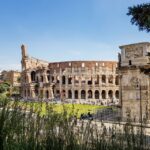
Leaving the Colosseum, you’ll move into the Roman Forum portion of the walk. This part is guided for about 30 minutes, and it’s designed to connect the games to the city that made them matter.
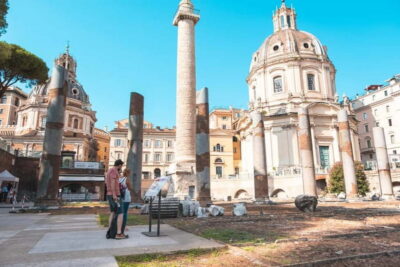
In plain terms: the Colosseum is the entertainment engine. The Forum is where power got displayed in law, religion, and speeches. The guide helps you see how temples and civic buildings sat in the same world as emperors and elite families. As you look at ruins, it’s easy to spot the stones and miss the purpose. A good guide translates the layout into “what this place did,” which makes the Forum feel less like scattered blocks and more like a lived-in stage.
If you tend to enjoy architectural storytelling (not just names and dates), this stop usually lands well. It also gives you a nice change of pace from the Colosseum’s tight circular focus.
Palatine Hill: emperors’ turf, right by the stage
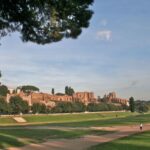
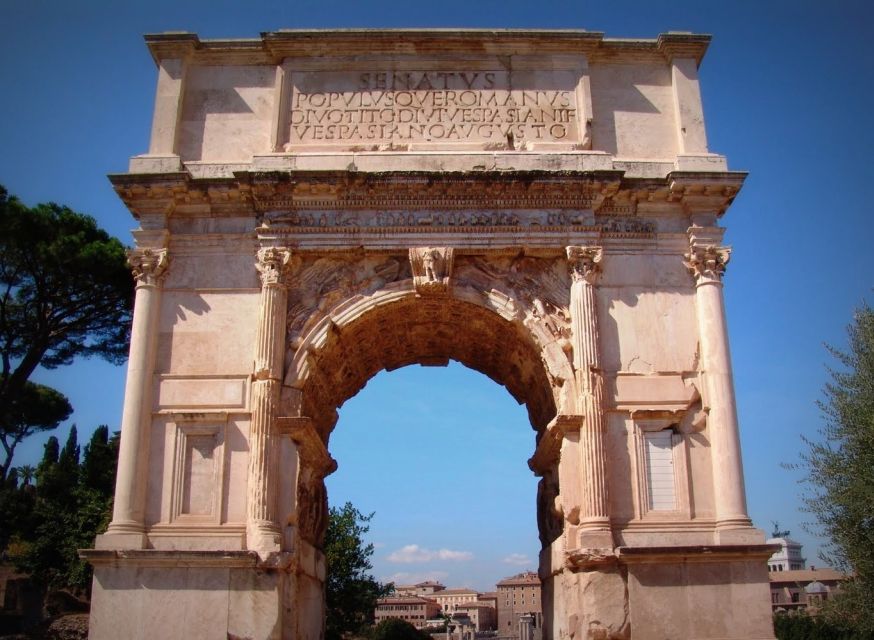
Next up is Palatine Hill, also guided for about 30 minutes. This is one of the most important “why it mattered” areas in Rome because Palatine is linked to the idea of emperors and elite residences.
From here, the tour helps you understand how the ancient city’s highest status zones related to the spectacles below. You get a sense of social distance—who lived close to power and who watched from public spaces. The guide will point out ruins connected to sacred temples and imperial spaces, so you’re not just walking through a scenic viewpoint.
If you love that feeling of Rome being layered, Palatine Hill gives it to you fast. You’re seeing the ground where myth, politics, and daily life collided. And because this tour includes it, you don’t have to stitch together multiple tickets or separate guided options.
What the tour feels like in real life (time, pace, and comfort)
The tour runs about 3 hours total. That’s a sweet spot: long enough to get the big “wow” moments—arena floor plus two Colosseum levels—and short enough that you still feel mobile afterward.
Pace-wise, plan for steady movement, including stairs. One theme that comes through in feedback is that people can get very tired from the walking. In June and other hot months, it can also be hard to manage the heat. Bring water, wear comfortable shoes, and consider timing your day so you’re not starting this tour when you’re already exhausted.
Bathroom logistics aren’t detailed for the tour in the information provided, so I’d treat this as a “go early, plan ahead” situation. If you’re the type who waits too long, Rome’s walking days can punish you.
Security checks: passports matter more than you expect
This tour requires passport entry documents. A passport or a copy is accepted. And here’s the thing: expect to show it more than once during security screening. Feedback specifically highlights that you may need to present passports (including for children) at multiple checkpoints.
So don’t roll the dice with a blurry photo of documents on your phone. Bring the real passport or a clear copy on paper. Also, don’t plan on dragging luggage with you—large bags or luggage are not allowed.
The value question: why $88 can make sense
At $88 per person, this isn’t the cheapest way to see the Colosseum. But it’s also not just a “guide walks you past things” situation.
You’re paying for a guided route that includes:
- All entrance tickets
- Arena floor access (when operating)
- Colosseum first and second levels
- Roman Forum and Palatine Hill guidance
- Live English interpretation for the whole set
When you compare that to the cost and hassle of trying to assemble Colosseum access plus Forum/Palatine separately, the price starts to look more reasonable. The tour structure is also built to reduce time lost to crowd navigation and unclear meeting points—small-group pacing helps.
Still, if you love slow, independent strolling more than guided interpretation, you might feel boxed in by the schedule. This is best if you want a curated route and stronger context fast.
Who should book this tour (and who might not)
This tour is a great fit if:
- You want the arena floor moment, not just exterior views
- You’d like a guide to connect Colosseum seating levels to how spectators experienced games
- You care about seeing the Roman Forum and Palatine Hill without planning a separate day
- You prefer a small-group style that keeps the tour moving
It’s less ideal if:
- You need wheelchair accessibility (this tour is not suitable for wheelchair users)
- You’re hoping for underground access or the 3rd/4th/5th levels (those aren’t included)
- You’re allergic to stairs and crowds, especially in summer heat
- You can’t travel with a passport/copy ready for security checks
Booking tips that keep the day smooth
A few practical moves make this tour easier:
- Carry your passport or a copy that you can show quickly during screening.
- Bring water and good shoes. Rome punishes flimsy footwear.
- Keep your bag small. Luggage and large bags aren’t allowed.
- If you’re visiting in seasons with sudden weather, remember the arena floor can close due to ice or heavy rain.
One last money-saving thought: be cautious about buying from unofficial sellers outside the Colosseum area. Security checks are serious, and fake or invalid tickets can waste your time. With a package that includes tickets, you remove a lot of risk.
Final call: should you book this Colosseum arena floor + Forum tour?
If you’re aiming to hit the Colosseum’s most meaningful parts—the arena floor, the first and second levels, and the stories that make sense of the Forum and Palatine Hill—this tour is a strong choice. The price feels fair when you factor in the included entrance tickets and the fact that you’re getting multiple major sites guided in one tight 3-hour block.
Skip it only if you specifically need underground access, the higher levels, or wheelchair-friendly routing. Otherwise, book this if you want your Rome day to feel intentional: you’ll leave understanding not just what the Colosseum is, but how Romans used it.
FAQ
How long is the Colosseum arena floor tour?
The total duration is 3 hours, with timed start options that you can check for availability.
Where do I meet the guide?
Meet your guide at the lower level exit of the Colosseo metro station. The guide will be holding a Tours of Rome sign next to the green kiosk.
What parts of the Colosseum are included?
You get a guided visit that includes the Gladiator’s Gate, the arena floor tour, and access to the Colosseum first and second levels.
What’s not included with this tour?
This tour does not include the Colosseum undergrounds. It also does not include the Colosseum 3rd, 4th, and 5th levels.
Is arena floor access always guaranteed?
No. The arena floor may be closed in cases of ice, and the arena may be closed in cases of heavy rain.
Do I need a passport?
Yes. A passport or a copy is required for the tour.
Is the tour suitable for wheelchair users?
No. This tour is not suitable for wheelchair users.
What about food, drinks, and luggage?
Food and drinks are not included. Luggage or large bags are not allowed.