REVIEW · ROME
Rome Driving Tour By Vintage Fiat 500
Book on GetYourGuide →Operated by ROME 500 EXP · Bookable on GetYourGuide
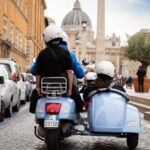
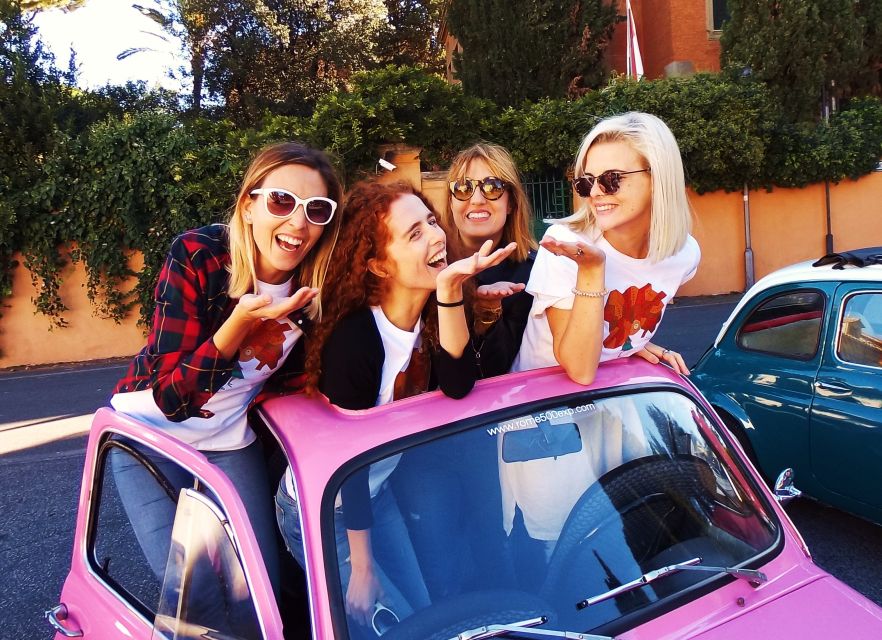
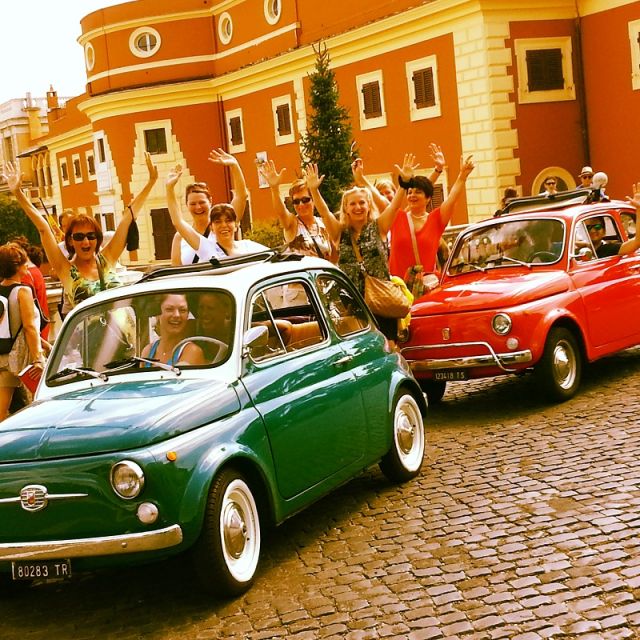
One of the best views in Rome is from inside a toy-sized car. This vintage Fiat 500 driving tour takes you past the Colosseum and down the Lungotevere, then threads into areas big buses can’t reach. I love the photo-attracting fun of the candy-colored open-top car, and I love that you’re not just watching Rome—you’re driving like a local. The main drawback to weigh: the cars are small, manual driving is required, and Rome traffic feels real.
If you like classic cars and tight city streets, this is a standout way to do the big sights without the usual bus pattern. You’ll also get real-time commentary through walkie-talkie from guides such as Alex, Alexis, Fernando, Francesco, Mike, Marco, and Max, with a scooter chaperone helping keep the convoy safe. Consider one more thing: if you have back issues or mobility limits, this may not be a great fit.
Key points worth knowing before you go
- The car is part of the show: a vintage Fiat 500 with an open-top roof, so expect sun and get a hat.
- You drive (manual required): the operator can refuse entry if you’re not used to manual transmission.
- Smaller roads, real access: the route aims for streets large vehicles can’t get to, including Trastevere.
- You don’t race Rome: the pace stays leisurely, capped at 18.5 mph / 30 km per hour.
- You’ll stop for sights and photos: breaks happen at major landmarks plus a few less predictable spots.
- A safety chaperone rides shotgun: reviews repeatedly mention a scooter guide who manages surrounding traffic.
In This Review
- Price and what you’re actually paying for
- The meeting point by the Colosseum: short walk, big payoff
- Your Fiat 500: small, open-top, and built for attention
- Driving in Rome traffic at a controlled pace
- Who can drive, and the manual requirement
- What you’ll see: icons, viewpoints, and the river on the move
- Colosseum area start: the moment you feel like a celebrity
- Arch of Constantine and Circus Maximus: stop-and-shoot moments
- Aventine Hill keyhole and Piazza dei Cavalieri di Malta: the quieter surprises
- Lungotevere and the River Tiber: drive the city’s long view
- Trastevere: the tight streets that make the Fiat make sense
- Food breaks, coffee, and ice cream options
- Guides and the convoy setup: why you don’t feel alone
- Who this tour suits best
- The practical checklist that prevents day-of stress
- Should you book the Rome Driving Tour by Vintage Fiat 500?
Price and what you’re actually paying for
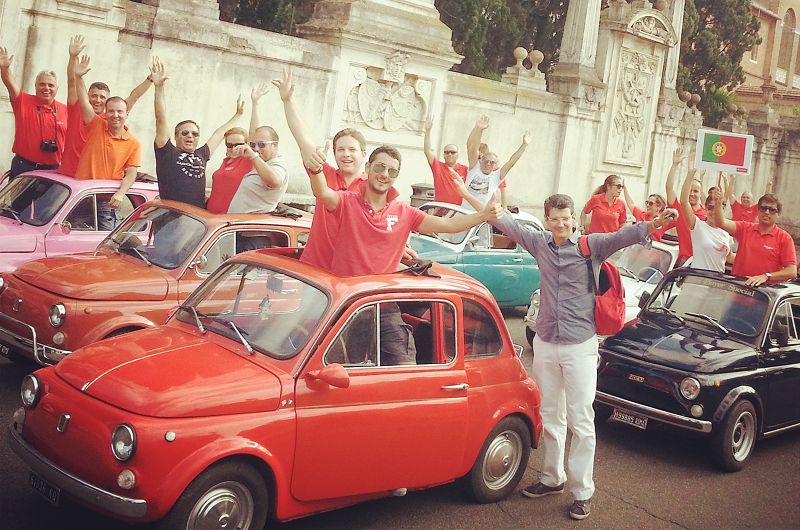
At $169.93 per person, you’re not just buying a sightseeing ticket. You’re paying for a vintage car rental, insurance, fuel, and the tour leader—plus the privilege of moving through Rome in a way most tours can’t match.
That’s why the value can feel strong even if you still pay separately for anything like meals or entrances. If your main goal is to tick off icons like the Colosseum, you can find cheaper walking tours. But if your goal is access—tight streets, river viewpoints, and that celebrity-car feeling—this price starts to make sense fast.
Tour time is flexible: 1.5 to 3 hours, depending on the starting time you choose. In practice, the longer option gives you more room for stops and photos without rushing.
The meeting point by the Colosseum: short walk, big payoff
Your car is waiting in front of Hotel Palazzo Manfredi, 125 Via Labicana, about 100 meters from the Colosseum. Arrive 15 minutes early, because you’ll need time to get oriented and handle the quick handoff.
This is a great start location. You’re already in the historic zone, so the tour doesn’t waste time commuting out to somewhere convenient. It also means you can look around while you wait for your departure.
You can also read our reviews of more tours and experiences in Rome.
Your Fiat 500: small, open-top, and built for attention
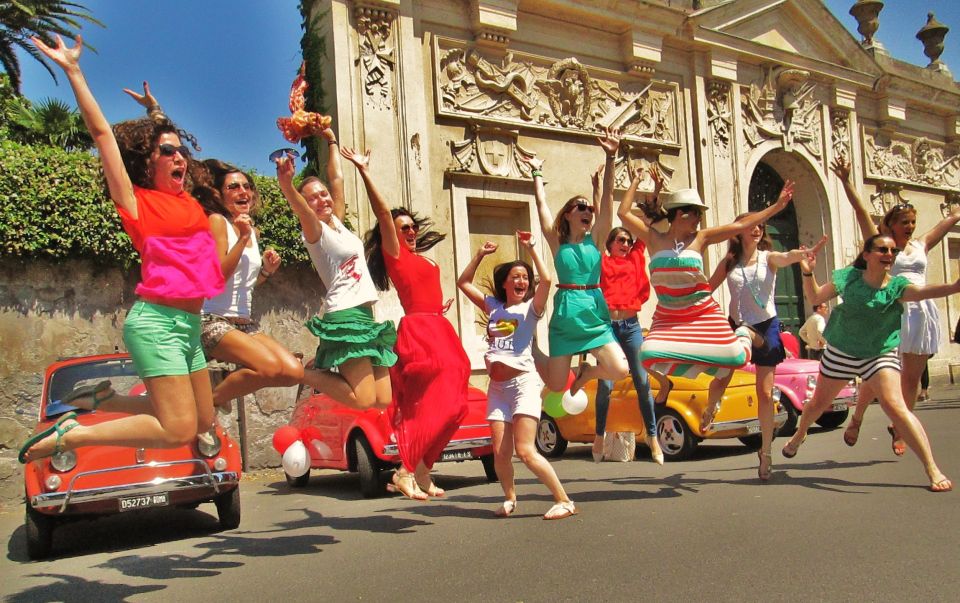
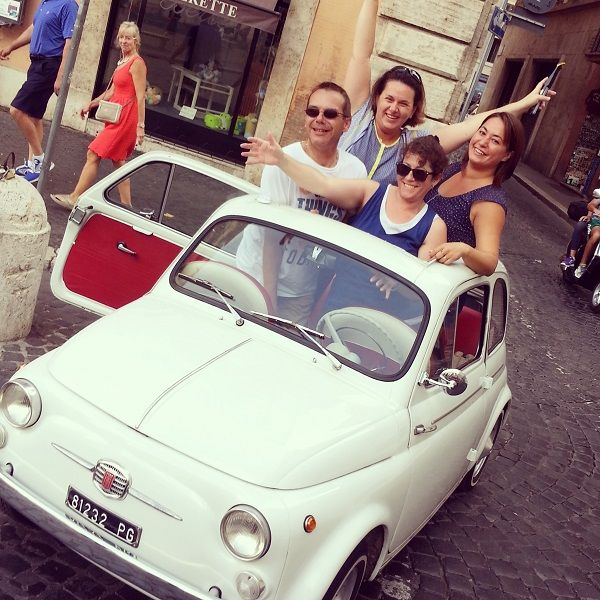
The star here is the vintage Fiat 500. It’s open-top, so you’ll want sun protection. A hat helps a lot, and plan for a bit of fresh-air breeze—especially if you’re sensitive to heat or bright light.
One practical reality: this car is tiny compared with modern vehicles. If you’re expecting a roomy ride, you’ll need to recalibrate. Your group will also be limited per car: bookings are only accepted for 3 adults, or 2 adults and 2 children per car.
Also note what you can’t bring: no luggage or large bags. If you’ve got a bulky daypack, you’ll want to rethink what you bring on tour day.
Driving in Rome traffic at a controlled pace
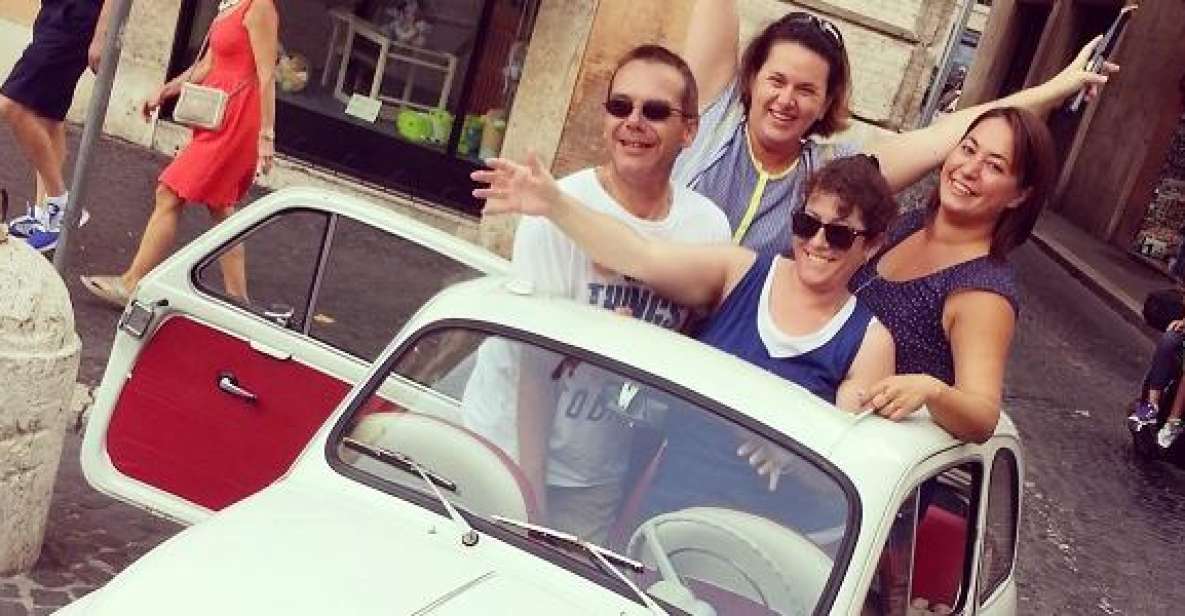
Here’s the deal: you’re not doing a thrilling stunt in a movie. The tour keeps things leisurely, never going faster than 18.5 mph / 30 km per hour.
Still, Rome traffic can feel chaotic, and you’re driving through streets that don’t behave like wide boulevards. The upside is that you’re not alone in the chaos. You follow your guide in a convoy, and a scooter chaperone helps protect the group and direct traffic around you.
Who can drive, and the manual requirement
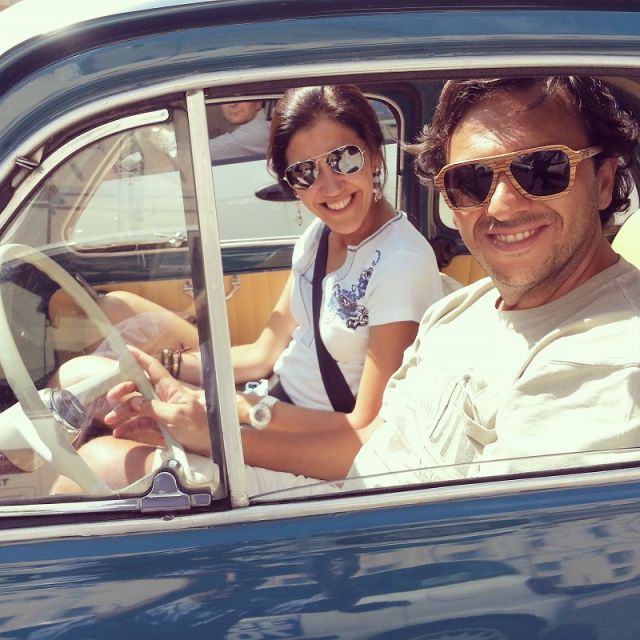
This is the biggest decision point before you book.
You’ll need a driver’s license plus an international driver’s license. The driver also must be comfortable with a manual transmission—and “a little experience” may not be enough. The operator reserves the right to refuse the car if the driver isn’t sufficiently expert at manual.
If you don’t want to drive, the tour offers an alternative: a driver can be provided for a small surcharge. That can turn a potentially stressful situation into a pure sightseeing experience.
This tour is also not suitable for people with back problems and not suitable for people with mobility impairments, based on the practical realities of getting in and out of a small vintage vehicle.
What you’ll see: icons, viewpoints, and the river on the move
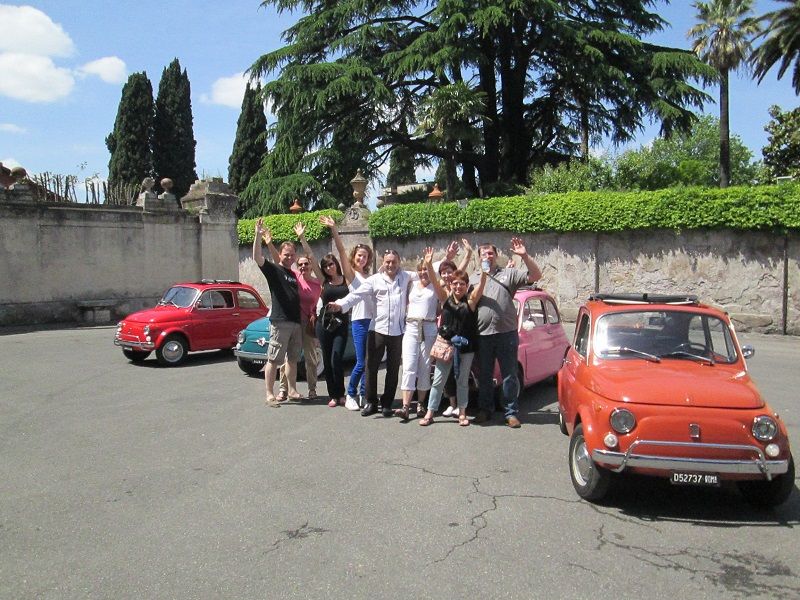
The route is designed to connect major landmarks with smaller streets. Expect drive-bys plus occasional stops for photos, so you’re not only gripping the wheel while going “where are we supposed to look?”
Some named highlights include:
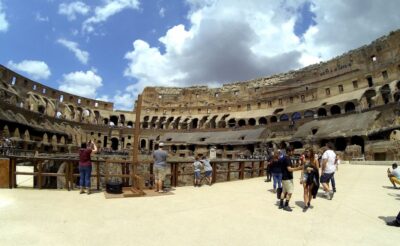
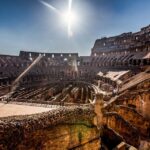
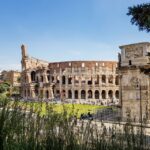
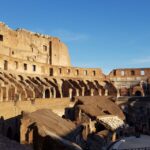
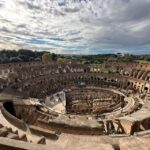
- Colosseum (starting area and core landmark)
- Arch of Constantine
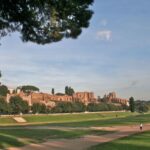
- Circus Maximus
- Aventine Hill secret keyhole
- Piazza dei Cavalieri di Malta
- The Lungotevere and the River Tiber
- Trastevere, with its tight streets that fit a Fiat 500
That combo matters. Walking tours can show you the landmarks, but they don’t always show how the city feels when you’re actually navigating it. Driving adds a sense of rhythm: stoplights, turning angles, sudden pedestrian movement, and all the Rome-in-motion energy.


Colosseum area start: the moment you feel like a celebrity
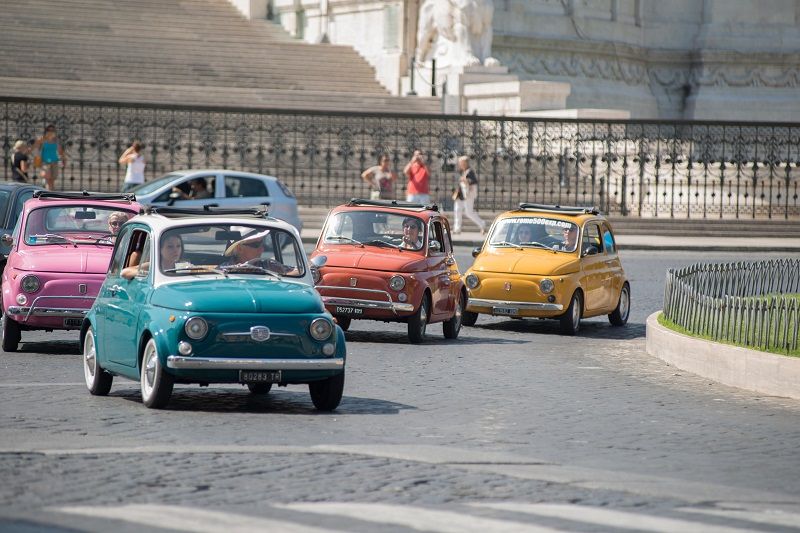
After meeting at Hotel Palazzo Manfredi, you start right in the Colosseum zone. This is where the “wow” factor hits first.
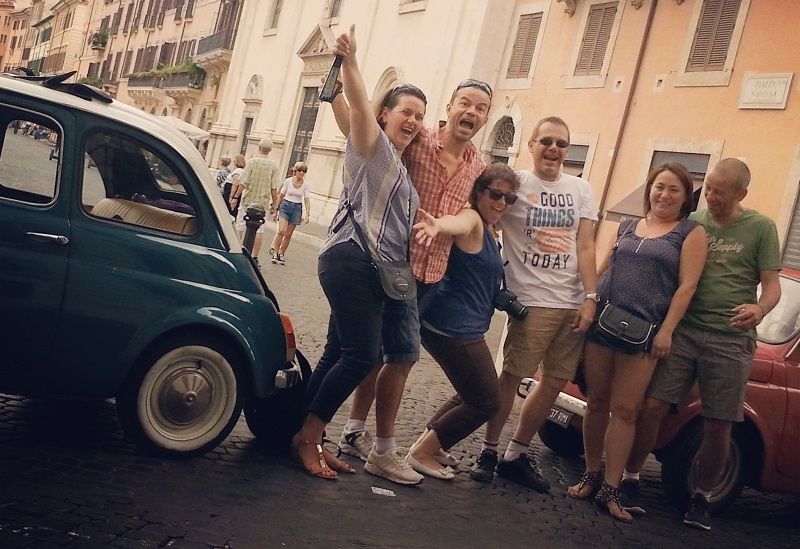
Many people love this tour because the car turns you into a moving attraction. When you pull up near iconic streets, people take pictures. It’s not just sightseeing; it’s also the social part of Rome, where your vintage car becomes part of the scene.
If you want the best photos, it helps to plan for the car’s look: bright color, open-top roof, and an easy-to-frame profile. Bring a camera strap or phone lanyard if you’re juggling driving and shots.
Arch of Constantine and Circus Maximus: stop-and-shoot moments
Along the way, you’re guided past major sights like the Arch of Constantine and Circus Maximus. The tour is built for short pauses where it’s safe to stop and take photos.
This is important. Rome landmarks are often surrounded by crowded sidewalks. A scheduled roadside stop gives you a moment to frame the view without sprinting across lanes.
You’ll also hear brief insights during the drives via walkie-talkie. In reviews, guides such as Alex and Fernando are singled out for commentary that makes the landmarks feel less like postcard objects and more like lived-in parts of the city.
Aventine Hill keyhole and Piazza dei Cavalieri di Malta: the quieter surprises
One of the most charming parts of this tour is that it includes spots you don’t automatically hit on the standard Rome route.
You’ll get a chance to visit the secret keyhole of Aventine Hill and the Piazza dei Cavalieri di Malta (also described as Piazza of the Knights of Malta). These stops feel like a change of pace after the big monuments.
They’re also useful if you want a photo that feels different. The keyhole viewpoint is a natural “make sure I got it” moment, and the Piazza location tends to be more atmospheric than some of the most famous central corners.
Lungotevere and the River Tiber: drive the city’s long view
The tour includes time along the Lungotevere, following the banks of the River Tiber. This stretch often becomes a highlight because it’s less about crowds at one spot and more about the drive itself.
You get that long-city perspective: bridges in the distance, buildings sliding by, and Rome’s sense of scale. Even at a slow pace, the movement makes the river feel like a route, not just a background feature.
If you’re prone to motion in open-top cars, slow driving helps. Still, plan for sun and wind.
Trastevere: the tight streets that make the Fiat make sense
Trastevere is where the tour’s logic clicks. The guide aims for narrow, vehicle-friendly streets—places where large hop-on hop-off buses can’t realistically go.
In reviews, people emphasize that the Fiat 500 is easy to handle once you get the hang of it, and that convoy driving is the difference between feeling safe and feeling overwhelmed. The smallest roads also mean the car’s compact size is a major advantage.
This is also where the driving feels most like Rome day-to-day life. Pedestrians, scooters, sudden turn-offs, and tight corners are part of the environment—your guide’s route planning matters here.
Food breaks, coffee, and ice cream options
The tour description mentions stopping for cappuccino or espresso and even time for incredible ice cream in Rome. Entrances and food aren’t included, so treat these as optional add-ons.
This is one of those “time-budget” issues you should think about when picking 1.5 hours versus 3 hours. A longer tour gives you more flexibility to actually enjoy a break rather than just watch one go by.
Guides and the convoy setup: why you don’t feel alone
Reviews repeatedly name guides and the way they handle the group.
People mention Alex / Alexis for upbeat driving support and commentary, Fernando for fun Rome spots, Francesco for knowledge and humor, and guides like Marco, Max, and Mike for making the route feel personal. The common theme is that you’re not just following directions. You get context as you drive.
And the scooter chaperone shows up in many accounts as a traffic manager around the group. That’s huge. In Rome, being directed by someone who can watch the full situation reduces stress and keeps you focused on the wheel.
Who this tour suits best
This tour is ideal if:
- You’re comfortable driving a manual car in tight city streets.
- You want the big icons, but you also want access to smaller roads.
- You like hands-on travel—driving is part of the entertainment.
It may be a tough fit if:
- You can’t drive manual and you don’t want the surcharge driver option.
- You have mobility or back limitations.
- You expect a relaxed, no-stress chauffeured ride the whole time.
Families can do it too, especially if adults in the car can handle the driving requirement (or you opt for a provided driver). One review mentions a 12-year-old driving alongside an experienced guide, which suggests the tour can work when responsibilities are clear and the group stays practical.
The practical checklist that prevents day-of stress
Before you go, plan for:
- Your driver’s license and international driver’s license.
- No luggage or large bags.
- A hat for the open-top roof.
- Shoes that work for quick vehicle entry and exit.
- Realistic expectations about driving tempo: slow and steady, not fast.
If manual driving makes you nervous, don’t “white-knuckle it” at the last minute. Either practice beforehand or choose the option where someone else drives.
Should you book the Rome Driving Tour by Vintage Fiat 500?
Book it if you want a Rome highlight that feels active, not passive—where the Colosseum and key sites are paired with a route you can’t replicate on foot. The value improves when you care about the car experience, the river drive, and the ability to reach narrow streets like Trastevere.
Skip it if manual driving in traffic sounds like your worst day, or if mobility and comfort are big priorities. In that case, the provided driver surcharge might save the experience, but the small-car logistics still matter.
If you’re on the fence, the simplest decision rule is this: if you’re excited about driving a tiny classic in real Roman streets, you’ll love it. If you’re only chasing photos of landmarks, you might prefer a walking tour or a bus-style overview.