REVIEW · ROME
Rome: A Journey Back in Time to the Roman Era, Half Day Tour
Book on GetYourGuide →Operated by Welcome Italy by Spare Tour S.r.l. · Bookable on GetYourGuide
Roman art hides underground, and you’ll find it. This half-day tour focuses on the good stuff that gets missed when you only chase the Colosseum: major works in the Museo Nazionale Romano and calm, off-the-mainstream spaces tied to Roman daily life and belief. In a short morning window, you get a guided route that feels built for quality time, not crowd choreography.
I love how the tour turns big, famous Rome into specific objects you can actually see and understand, with clear explanations from guides like Fabio (who brought Roman and Hellenic context to life) and Mohammed (who took his time through the museum, church, and baths). One thing to plan for: the last stop, the Basilica di Santa Maria degli Angeli, has a strict dress code. Shorts, miniskirts, and uncovered shoulders aren’t allowed.
In This Review
- Key highlights at a glance
- Why this half-day Roman era route works (and what it skips)
- Start at Santa Maria degli Angeli: a church with science in it
- Palazzo Massimo alle Terme: Roman art you can actually stand in front of
- Terme di Diocleziano: thermal-bath bones and Michelangelo’s courtyard
- The calm factor: underground areas and worship spaces
- The Santa Maria finale: planetary sundial and seasonal thinking
- Price and value: what $167.66 gets you in real terms
- Who this tour is best for (and who should skip it)
- Notes that can save your morning
- What the best guides do for you here
- Should you book this half-day Roman era tour?
- FAQ
- How long is the tour?
- What are the main stops on this tour?
- What is included in the price?
- Is pickup or drop-off from a hotel included?
- What languages are available for the live guide?
- Do I need to follow a dress code?
- Is the tour suitable for wheelchair users?
- Does the tour run in all weather?
- What should I bring?
- Is free cancellation available?
Key highlights at a glance
- National Roman Museum (Palazzo Massimo alle Terme): guided time with major sculpture, frescoes, mosaics, and tomb material
- Terme di Diocleziano grounds: walk through the thermal-bath area and see Michelangelo’s restored courtyard work
- Underground and worship spaces: you’ll spend time where Romans lived, prayed, and moved below street level
- Santa Maria degli Angeli’s planetary sundial: the one-and-only 17th-century planetary sundial made for the Pope’s calendar calculations
- A short, focused 3 hours: you get the payoff of Roman art without the full-day exhaustion
Why this half-day Roman era route works (and what it skips)
Rome has a way of swallowing you with scale. The big headline sights can feel like sensory overload: statues, arches, stone dust, crowds, noise. This tour fights that problem by aiming you at the Roman art and architecture that explains how the empire thought, not just how it looked.
You’ll cover two major stops plus one church finale in about 3 hours. That fast format is a strength if you’re tight on time, jet-lagged, or juggling multiple museum days. The trade-off: you won’t have hours to wander on your own afterward. You’ll get guided momentum—and you’ll probably want to return later for extra looking.
The value also comes from the guide time being part of what you pay for: entrance tickets to the museum and a full 3 hours of professional guidance. That matters in Rome, where the difference between a good visit and a great one is usually interpretation.
You can also read our reviews of more tours and experiences in Rome.
Start at Santa Maria degli Angeli: a church with science in it
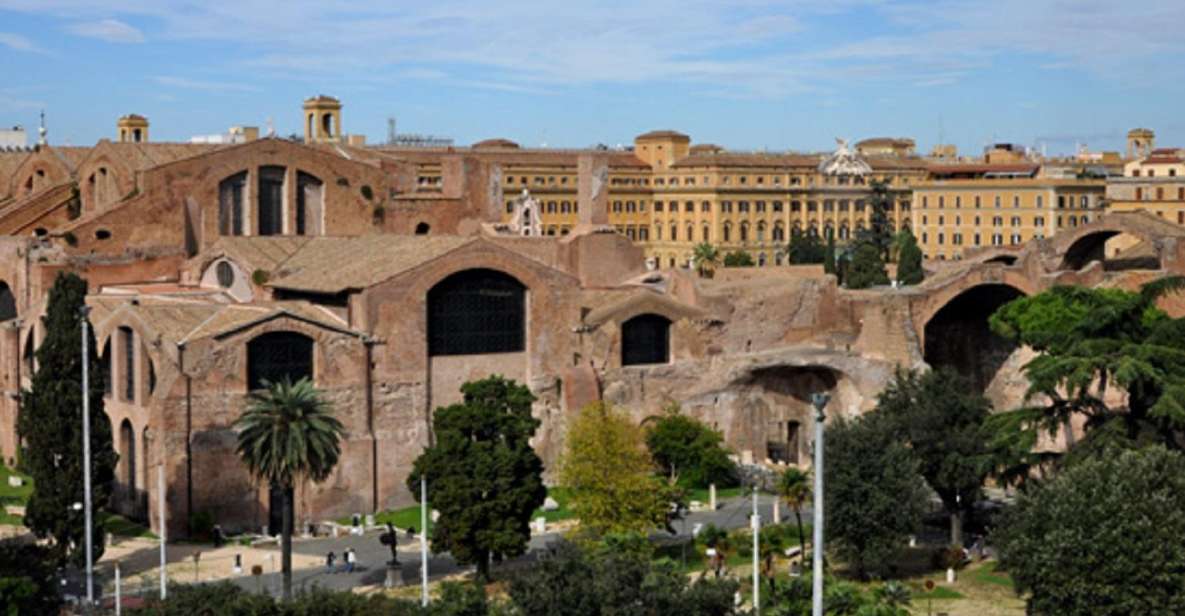
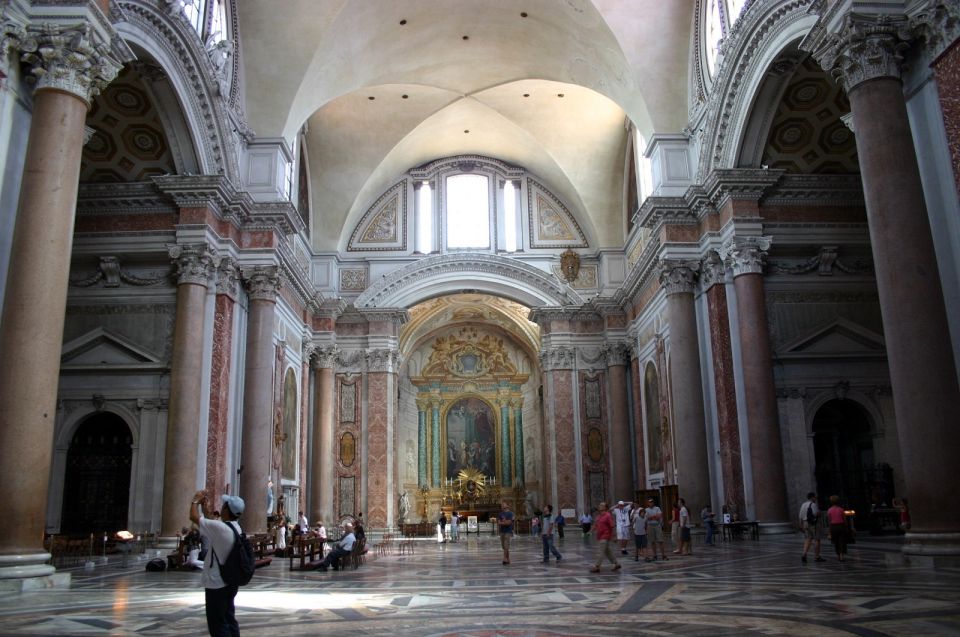
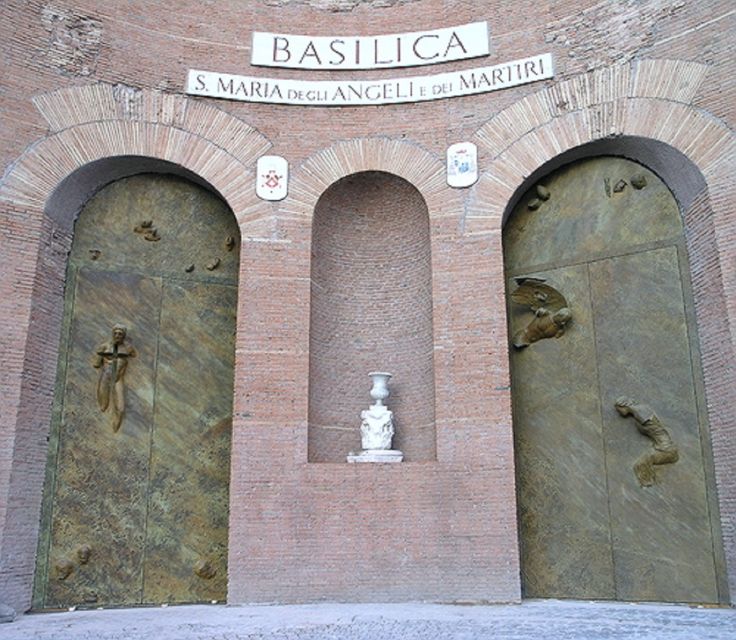
You begin at the Basilica of Saint Mary of the Angels and Martyrs. Even if you think of churches as strictly religious spaces, this one comes with a science story that makes your brain wake up.
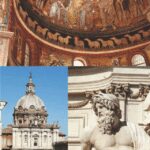
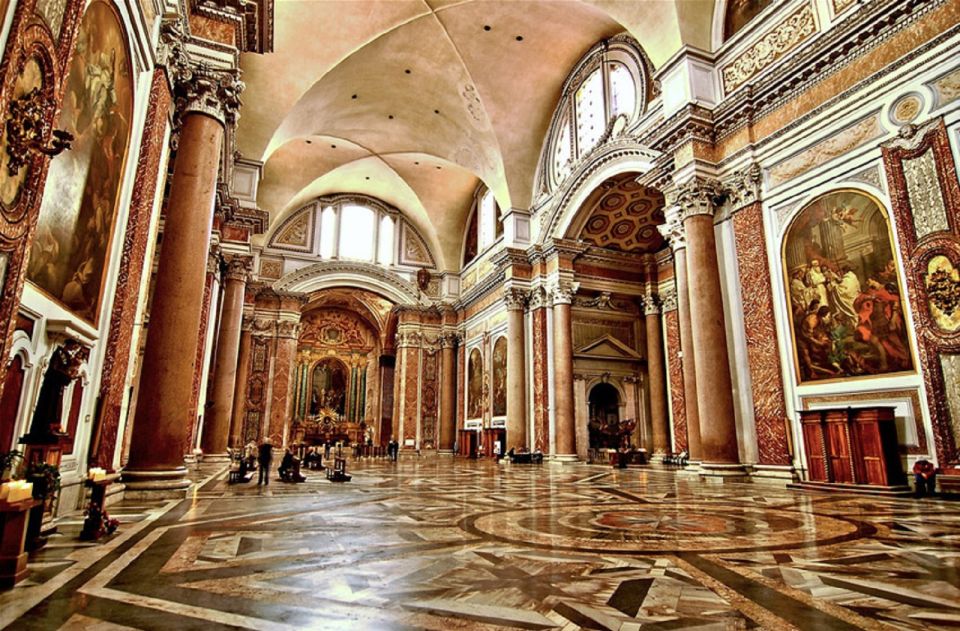
Inside, the tour focuses on the planetary sundial—described as the one and only planetary sundial built in the 17th century by astronomers for the Pope. The goal was practical: calculating the perfect sequence of day and night through the seasons. It’s a reminder that in early modern Rome, faith, observation, and daily scheduling weren’t separate worlds.
Practical note: this is also where your clothing matters. The basilica requires appropriate attire—no shorts, no miniskirts, and no uncovered shoulders. If you’re traveling in warm weather, plan your outfit in advance so you don’t lose time at the start of the tour.
Another practical consideration: it’s a church stop, so expect a calm but respectful environment. You’ll move through in a guided way, with a focus on the sundial and the context around it, rather than a long, free-form wander.
Palazzo Massimo alle Terme: Roman art you can actually stand in front of
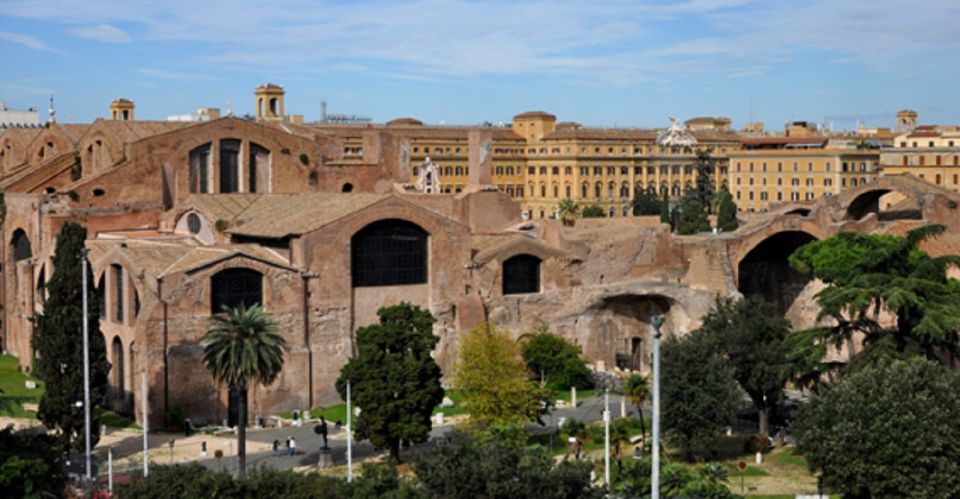
Next up is the National Roman Museum at Palazzo Massimo alle Terme, with about 75 minutes on the property, including guided time and walking. This is where the tour’s promise shows its teeth: you get Roman artistic treasures stored away from the loud streets.
Why this place is such a smart choice: it collects and presents Roman material so you can see what people valued—portraits, sculpture, domestic decoration, and funerary art—without trying to hunt pieces scattered around the city.
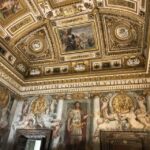
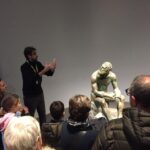
The guide-driven part is where the experience really clicks. The tour highlights specific works you’ll likely hear about, including famous sculpture such as Myron’s Discobolus (Discus Thrower) and a sculpture referenced as the Old Boxer. You’ll also get pointed attention to richly painted frescoes from Empress Livia’s Garden Villa, plus mosaics and tomb material of different kinds. Instead of treating them as isolated masterpieces, the guide ties them to Roman identity, status, and everyday visual culture.
What I like about this stop is that it changes your mental map of Rome. Yes, Rome has huge public monuments. But the museum helps you understand how Romans decorated homes, staged power, and remembered the dead. That’s a different kind of Rome—one that’s easier to enjoy when you’re not fighting crowds outside.
A small caution: museum time can feel fast when you’re concentrating on details. The upside is that you don’t have to do the heavy lifting alone. The guide’s job is to keep the story moving so your time in front of the art doesn’t turn into a blur.
Terme di Diocleziano: thermal-bath bones and Michelangelo’s courtyard
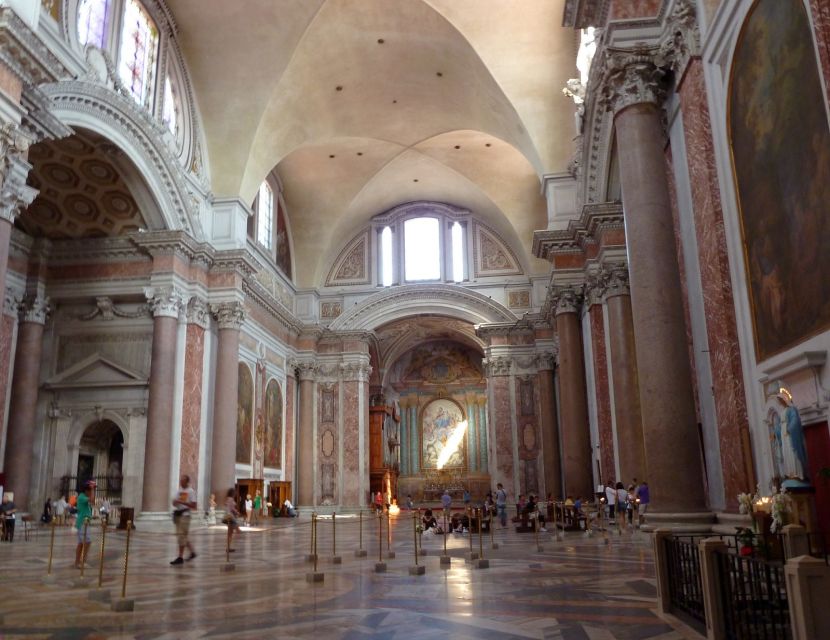
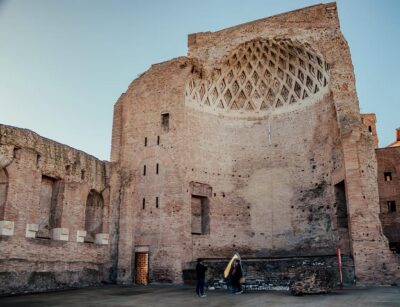
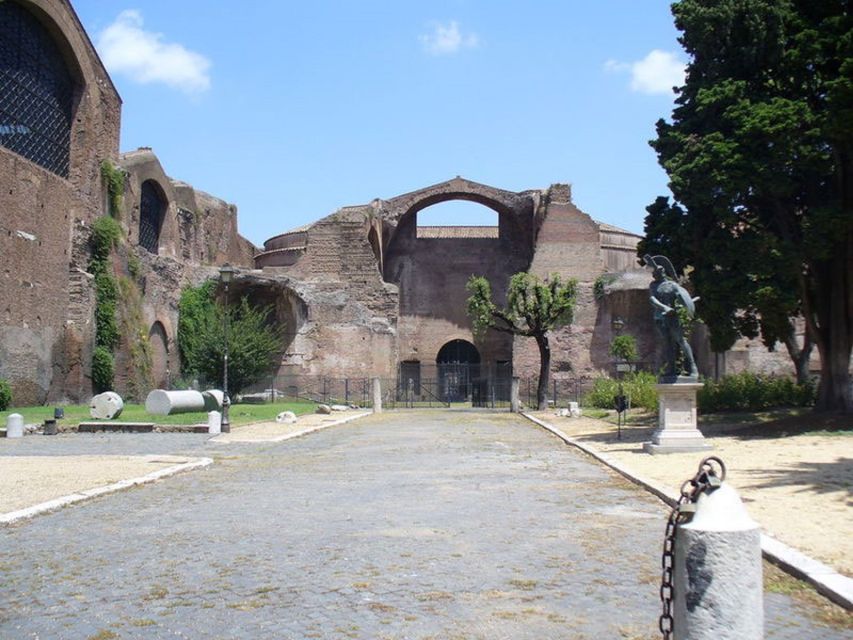
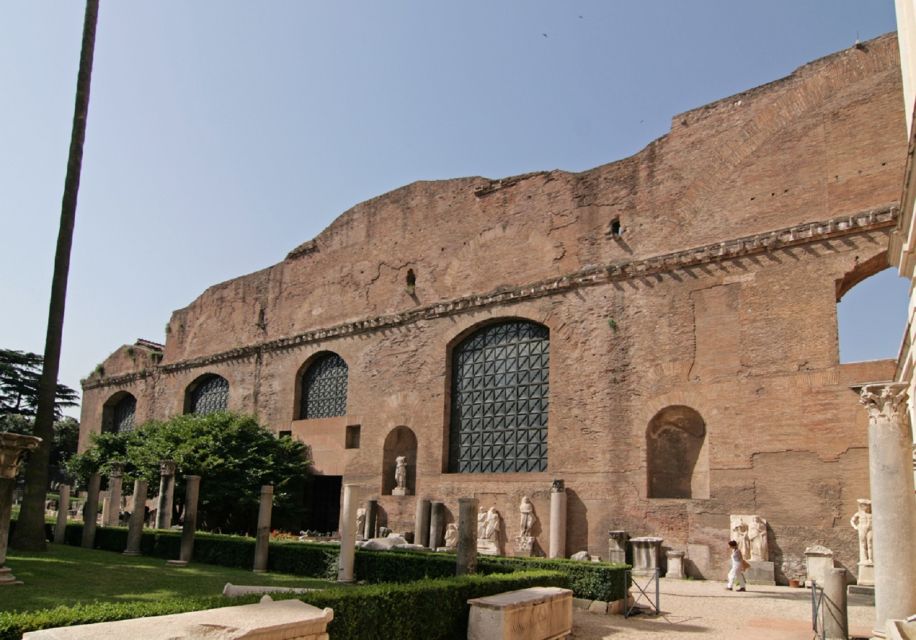
Then you head to the Baths of Diocletian area for about 1 hour, with photo stops, guided tour time, and walking. If you’ve only seen baths as ruins from a distance, this stop helps you connect the dots between Roman engineering and how people actually spent time.
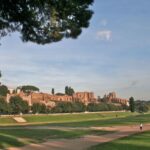
One of the standout details is the setting: an evergreen wood that was once part of Diocletian’s thermal baths area. It’s a reminder that even when structures fall, landscapes keep the memory.
The tour also emphasizes the courtyard restoration tied to Michelangelo. That matters because it shows Rome as a layered city: Roman space repurposed by later generations, not frozen in time. You’re not just looking at Roman stones; you’re looking at how later Romans understood those stones worth saving.
Another practical point: walking is part of this stop. Wear comfortable shoes, because you’re doing guided movement on historic grounds rather than sitting in one room.
Why the baths fit the overall theme: after the museum’s art, the baths give you the Roman infrastructure behind the culture. This is where Rome’s public life and architectural ambition show up in a way that’s visible even if you don’t speak architecture.
The calm factor: underground areas and worship spaces
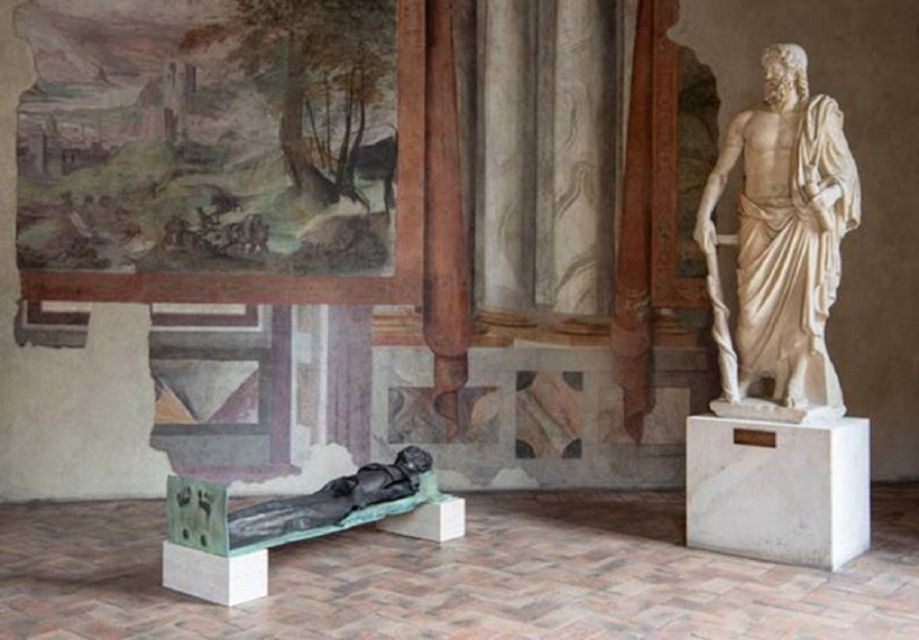
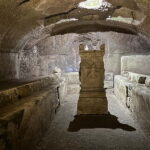
A big selling point of this tour is that it includes time walking underground areas and places of worship. That makes the experience feel different from the usual “surface monuments only” Rome route.
Underground spaces matter because they show Romans working with gravity, water, and urban complexity. Places of worship add another layer: Roman religion wasn’t just ceremonies; it shaped how people planned buildings, moved through spaces, and created meaning in daily routines.
This is also one reason the tour can feel quieter in your head. You’re not only moving through major streets and squares. You’re moving through spaces with different rhythms, which makes the history easier to process while you’re still fresh.
If you’re the kind of traveler who likes Rome best when it’s human-scale—decor, portraiture, daily logistics—this underground-and-worship element usually delivers exactly that.

The Santa Maria finale: planetary sundial and seasonal thinking
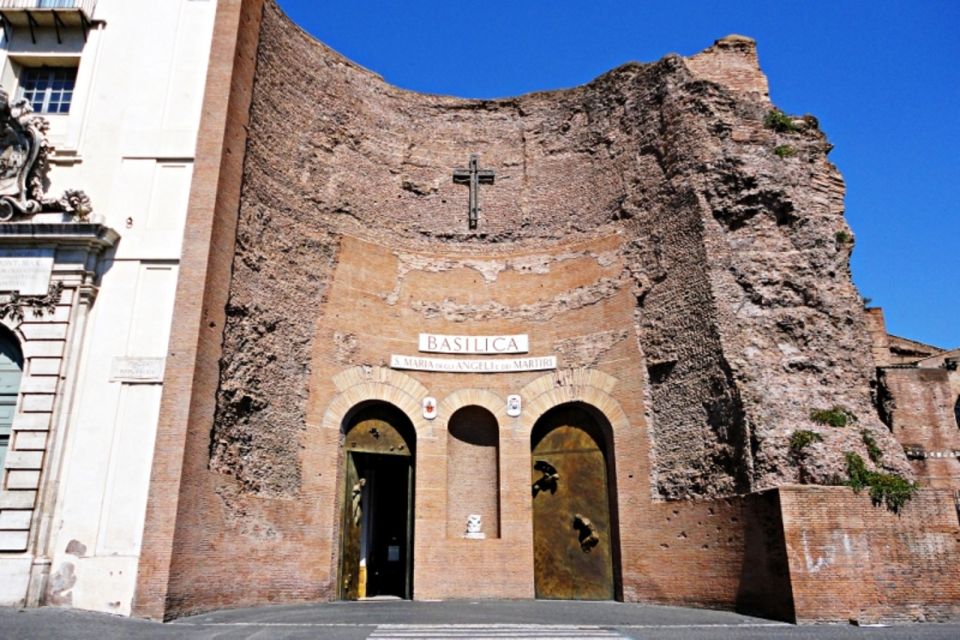
You return to the basilica area for the finish, with roughly 45 minutes at the church stop. This last segment is a chance to connect the dots between earlier Roman culture and how later experts used astronomy to structure life.
The tour frames the planetary sundial as something more than a quirky object. It’s built for the Pope’s calculations, focused on the seasonal sequence of day and night. In other words: it’s a tool for timing religious and civic rhythms in a predictable pattern.
If you’re into science, you’ll appreciate how the sundial turns the sky into something useful. If you’re more into art and architecture, you’ll still get value because this object helps explain how Romans and their successors relied on precise observation—then built monumental spaces around that need.
Don’t forget the clothing rule again here. If you start with the wrong outfit, you can run into a snag that ruins the final impression.
Price and value: what $167.66 gets you in real terms
The price is listed at $167.66 per person for 3 hours. At first glance, that’s not a bargain. But in Rome, you should judge value by what’s included and what you’re buying: time, access, and interpretation.
Here’s what you’re getting for that money, based on the tour details:
- Entrance tickets to the museum (Palazzo Massimo)
- 3 hours of a professional guide
- English and Italian guiding options
What’s not included:
- Pickup/drop-off from your hotel
So the real value isn’t just the sites. It’s the guided flow through museum rooms and historic spaces in a time-efficient package. If you try to cobble this together yourself—finding the right museum rooms, then timing the church stop, then learning what you’re seeing—you’ll likely spend more time than you think.
Is it worth it if you hate guided tours? If you’re the kind of visitor who only wants audio and a map, then you might find the paid guide unnecessary. But if you like your Roman monuments explained in plain terms, with specific references to art and context, the guide component is the centerpiece.
Who this tour is best for (and who should skip it)
This works best for you if:
- You want Roman art beyond the Colosseum photo loop
- You enjoy museum viewing with context (sculpture, frescoes, mosaics, tomb material)
- You like Roman architecture that connects to daily life, engineering, and later restorations
- You want a compact plan for a half day
It may not be a great fit if:
- You need wheelchair access or have mobility limitations. The tour is listed as not suitable for people with mobility impairments or wheelchair users.
- You’re not willing to follow the basilica dress code. Shorts, miniskirts, and uncovered shoulders are not allowed.
Notes that can save your morning
A few practical tips matter for this exact route:
- Comfortable shoes are non-negotiable because you’re doing guided walking through museum areas and the baths grounds.
- Bring a camera and expect you’ll want photos at key spots. The stops explicitly include photo moments.
- Sunglasses can help, especially if you’re outside near the baths area under daylight.
- The tour operates in all weathers, so plan for rain or heat.
Group pace is guided, and the schedule includes fixed stops, so don’t plan to wander off between locations. You’ll get the story in the order they set.
What the best guides do for you here
This tour’s reviews are especially positive about guidance quality. The names that show up—Mohammed and Fabio—fit a pattern: they slow down when you need to look carefully, and they give context instead of just describing what something is.
One review detail that’s worth taking seriously: the strongest tours don’t only explain a work of art or a structure. They connect it to intellectual, historical, and cultural terms. That’s the kind of “why” that helps you remember what you saw later.
So if you’re booking because you want a Roman art education without reading a stack of books first, this is the right style of tour for that goal.
Should you book this half-day Roman era tour?
Yes, I’d book it if you want a focused, high-impact Roman experience in about 3 hours—especially if your priority is Roman art and meaningful context, not just big outdoor monuments. The mix of Museo Nazionale Romano at Palazzo Massimo, a walk through Diocletian’s Baths, and the science angle of the planetary sundial at Santa Maria degli Angeli gives you variety without losing coherence.
I’d think twice if the basilica dress code is hard for you to meet or if mobility is an issue. In those cases, you might enjoy a different format with fewer rules and less walking.
If your schedule allows only one half-day guided plan that goes beyond the usual Colosseum-only story, this one is built for exactly that.
FAQ
How long is the tour?
It lasts about 3 hours.
What are the main stops on this tour?
You visit the Basilica of Saint Mary of the Angels and Martyrs, the National Roman Museum at Palazzo Massimo alle Terme, and the Baths of Diocletian, then return to the basilica.
What is included in the price?
Entrance tickets to the museum are included, along with 3 hours of a professional guide.
Is pickup or drop-off from a hotel included?
No. Pickup and drop-off are not included.
What languages are available for the live guide?
The live guide is available in English and Italian.
Do I need to follow a dress code?
Yes. At the basilica, shorts, miniskirts, and uncovered shoulders are not allowed.
Is the tour suitable for wheelchair users?
No. It is not suitable for wheelchair users or people with mobility impairments.
Does the tour run in all weather?
Yes, it operates in all weathers.
What should I bring?
Comfortable shoes, sunglasses, and a camera are recommended.
Is free cancellation available?
Yes. You can cancel up to 24 hours in advance for a full refund.