REVIEW · PASTA
Pasta & Tiramisù making in the heart of Rome
Book on GetYourGuide →Operated by iQook Experience · Bookable on GetYourGuide
Rome smells like fresh pasta here. In a modern, comfortable space by the Opera House, you learn Italian classics step-by-step, then sit down to eat what you made. I really like the air-conditioned workstation (yes, Rome heat is real) and the Opera House location, which keeps the whole class feeling central and easy.
You’ll get expert guidance in English as you handle dough, shape pasta, and make tiramisù. One consideration: this class centers on pasta-making more than sauce-making, so if you’re expecting full sauce production at your station, plan your expectations accordingly.
In This Review
- Key things worth knowing before you go
- Where You Meet: iQ Hotel by the Opera House (and why that matters)
- The Room: Comfortable, Practical, and Air-Conditioned
- The 2.5-Hour Flow: How Pasta and Tiramisù Happen
- 1) Welcome drink, then hands-on starts
- 2) Dough rests, you start the tiramisù
- 3) Shape your pasta
- 4) Cooking and eating what you made
- 5) Recipes sent after class
- What You Actually Cook: Pasta, Tiramisù, and the Sauce Reality Check
- Your Chef Matters: Clear Directions, Real Tricks, and Friendly Energy
- Drinks and Dinner: Prosecco, Wine, and the Social Table
- Price and Value: Is $65 Fair for Rome?
- Who This Class Is Best For (and Who Should Skip It)
- The Small Extras That Make It Feel Like an Experience
- Should You Book This Pasta and Tiramisù Class?
- FAQ
- Where is the meeting point?
- How long is the cooking class?
- Is the class taught in English?
- What do I make during the class?
- Are drinks included?
- Is there air conditioning in the class space?
- Do I get recipes to take home?
- What is the cancellation policy?
Key things worth knowing before you go
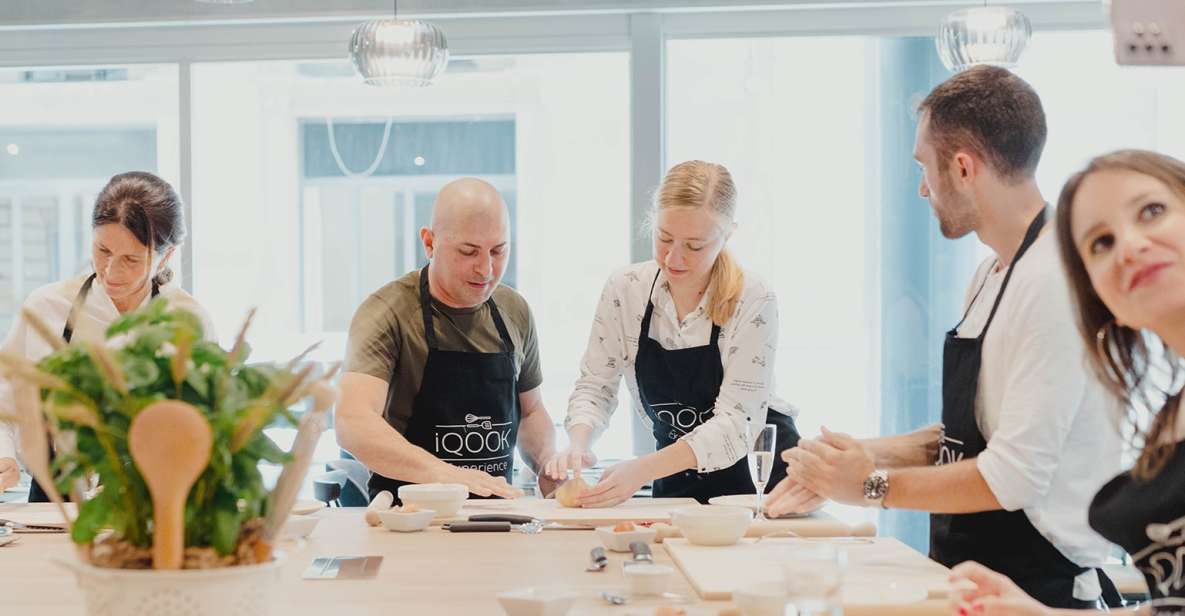
- Air-conditioned, modern workstations make the class comfortable even on warm days
- English instruction so you can actually follow the technique (not just watch it)
- You make both dishes: your own pasta and your own tiramisù
- Welcome drinks and a plated meal with Prosecco, wine, and soft drinks
- Recipes are sent after the class, so you can repeat the results at home
Where You Meet: iQ Hotel by the Opera House (and why that matters)
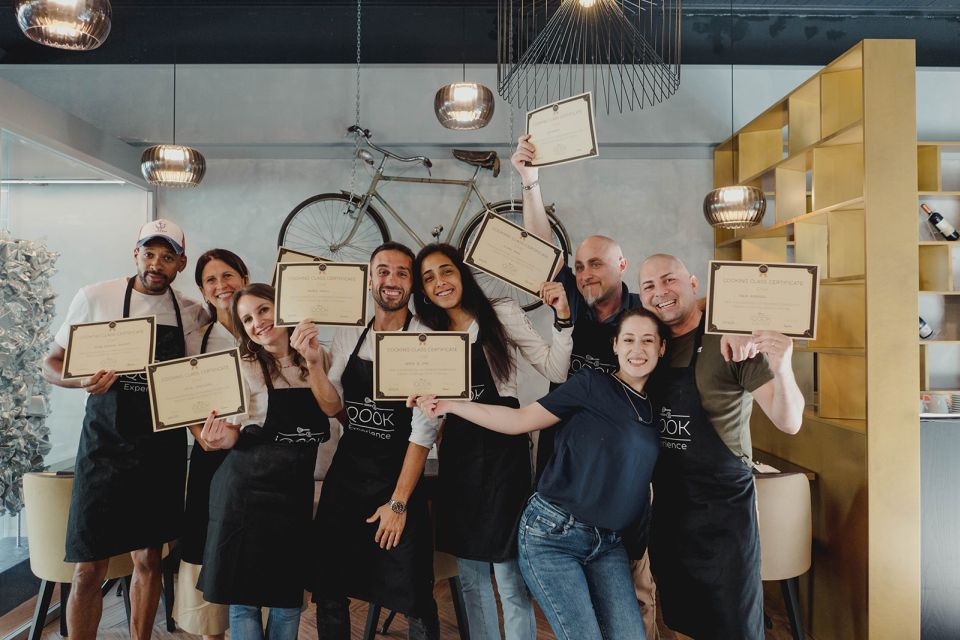
This class meets at the iQ Hotel’s blue building, on the left side of the Opera House. That sounds small, but it’s a big quality-of-life win in Rome. You avoid the scavenger-hunt problem you sometimes get with cooking activities tucked into side streets.
The setting also helps you mentally switch from sightseeing mode to dinner mode. You’re not hunting for groceries all morning, and you’re not cramming cooking into a tourist schedule with no breathing room. Instead, you arrive, get set up, and the class feels like a real plan rather than an add-on.
You can also read our reviews of more tours and experiences in Rome.

The Room: Comfortable, Practical, and Air-Conditioned
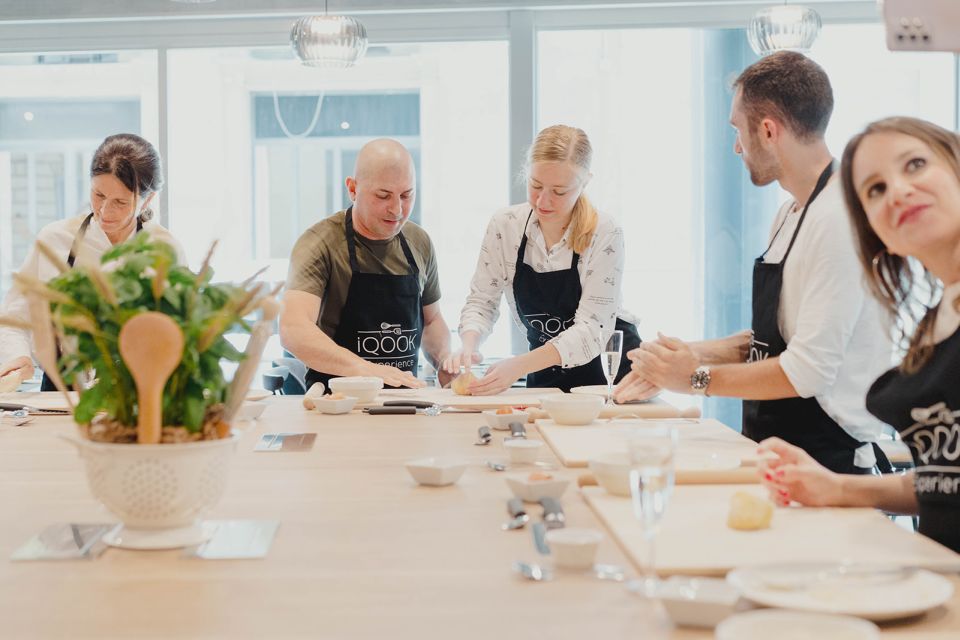
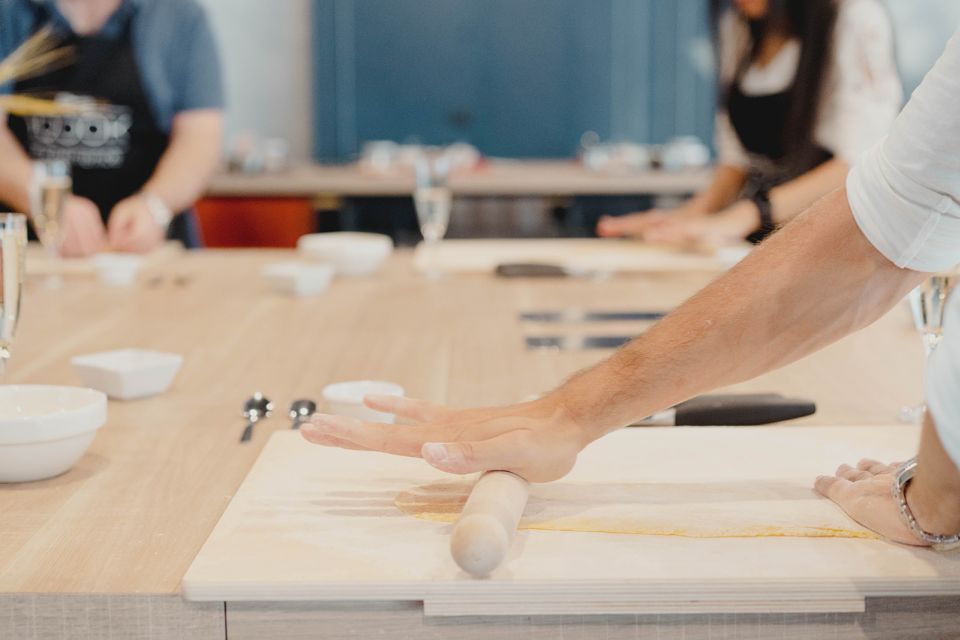
One of the most repeated strengths of this experience is the physical setup. The workstation is air-conditioned, and the space is described as modern and comfortable. For pasta and dessert, that matters more than you’d think.
Pasta dough and pastry-style desserts don’t like rushing or stalling in a hot room. When the air is comfortable, you can focus on what the chef is teaching: texture, timing, and technique. In other words, it makes the class feel doable, even if you don’t cook much at home.
You’ll work in a shared classroom-style kitchen area, but it doesn’t feel like a factory line. The overall vibe is friendly and social, which shows up in how the instructors invite participation.
The 2.5-Hour Flow: How Pasta and Tiramisù Happen
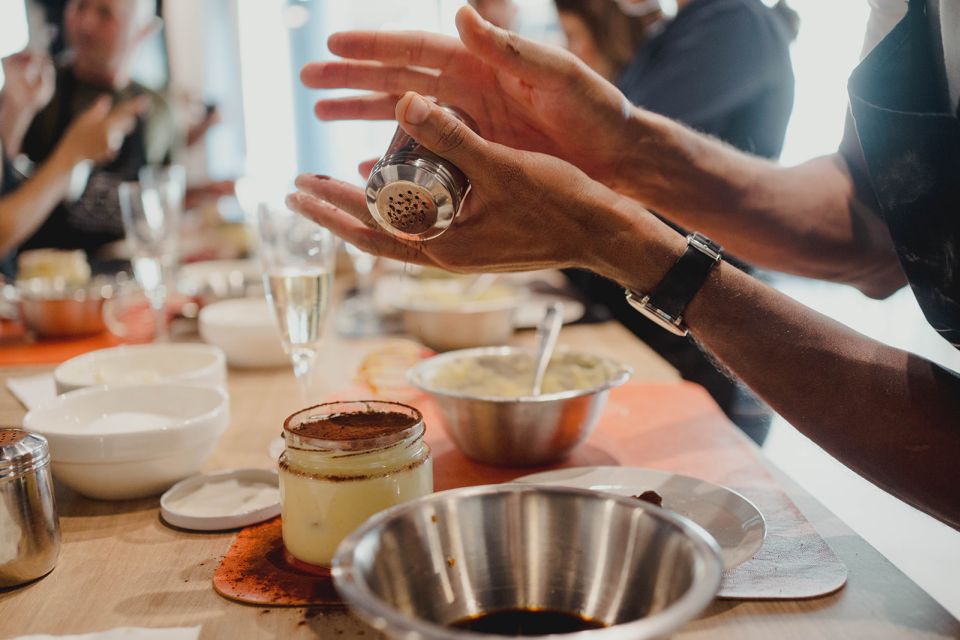
The class runs about 2.5 hours, and the pacing is built around the natural rhythm of the recipes. Expect a welcome, hands-on cooking, and then a meal at the end.
Here’s the typical flow, based on how the session is described and how it’s carried out:
1) Welcome drink, then hands-on starts
You’re greeted with Prosecco plus other drinks, and then you jump into the first active step: making pasta dough. You’ll work with fresh ingredients and equipment, guided by the chef in English.
2) Dough rests, you start the tiramisù
Pasta dough needs time to rest so it becomes easier to roll and shape. That rest window gets used well. You’ll work on the tiramisù while the dough does its thing, so the class stays moving and you’re never just waiting around.
This is smart planning. In cooking classes where everything happens in one rush, you end up watching half the time. Here, the timeline is designed so both dishes get real attention.



3) Shape your pasta
Once the dough is ready, you shape the pasta. This is one of the most satisfying moments of the class, because you’re not only learning a technique—you’re making something you can recognize on a plate.
4) Cooking and eating what you made
The program is set up so you can see the whole process, including cooking of your own pasta. Then you sit down to enjoy your homemade meal.
The goal isn’t just a quick bite. It’s dinner. That’s why the class includes drinks and a meal component, not only instruction.
5) Recipes sent after class
After you’re done, you don’t lose the knowledge. You get the recipes sent to you, which is especially helpful if you want to recreate it when you’re back home.
What You Actually Cook: Pasta, Tiramisù, and the Sauce Reality Check
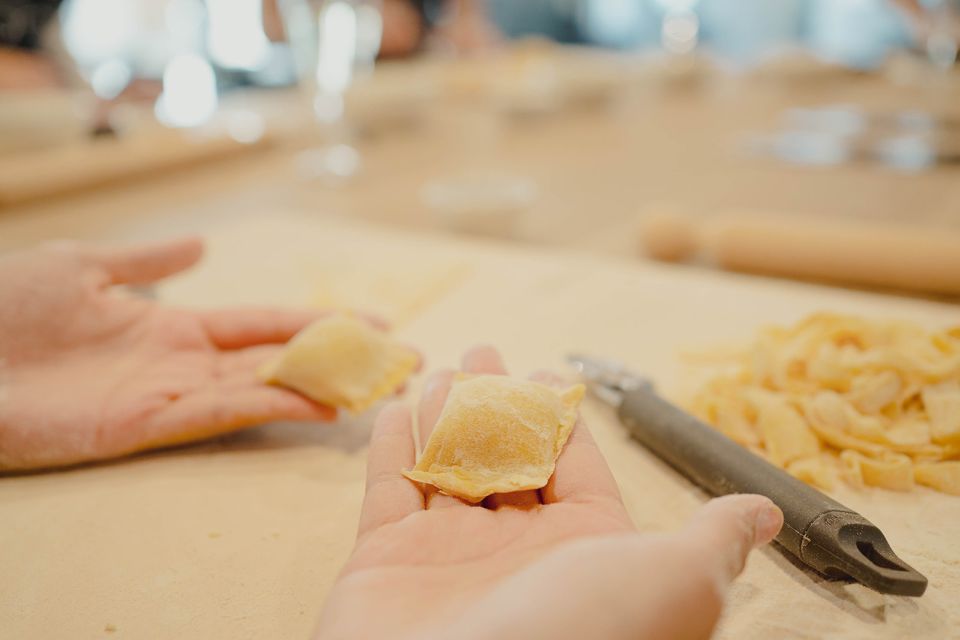
This is a pasta-and-tiramisu class, not a full Italian restaurant kitchen tour. You’ll learn the process for both dishes, and you’ll do the hands-on work.
The strongest promise here is that you can make your own:
- Pasta (dough, shaping, and cooking)
- Tiramisù (active dessert prep, finished as part of the session)
Now for the important detail that can affect your expectations: the class focuses more on pasta than on the sauce. In one of the clearest notes from past participants, the emphasis is on the pasta making, while sauce work may be more guided than fully station-based.
So, if your dream is to learn every part of classic pasta assembly, you might want to add a separate food experience for sauce or a meal where you can watch it done at a restaurant. But if your goal is to learn pasta technique and enjoy tiramisù as a practical skill, this class is right on target.
Your Chef Matters: Clear Directions, Real Tricks, and Friendly Energy
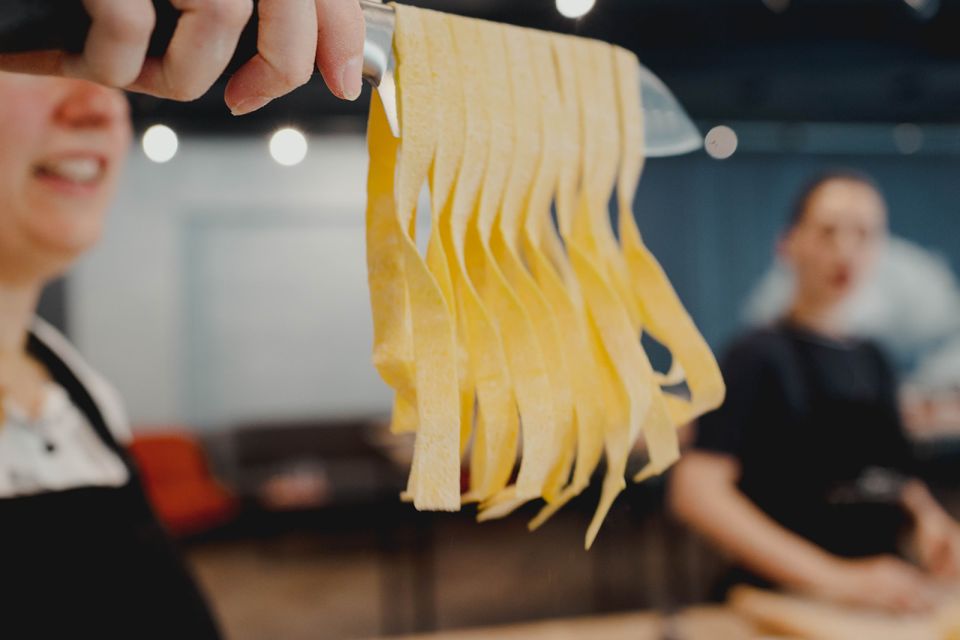
A big part of what makes this class feel worth the money is the teaching style. Past sessions highlight chefs who give clear instructions and helpful “little tips,” and who encourage everyone to participate rather than hovering over the fastest person.
You may see names like Giuseppe, Dani, or Agnes mentioned from past instructors. Even when the chef changes, the pattern seems consistent: the teaching is upbeat, with enough structure to keep you from getting lost, and enough humor and warmth to keep it fun.
The best sign to look for is whether the class feels organized without feeling rushed. Reviews describe a flow that moves from dough to dessert to shaping, while still giving time to follow along.
Drinks and Dinner: Prosecco, Wine, and the Social Table
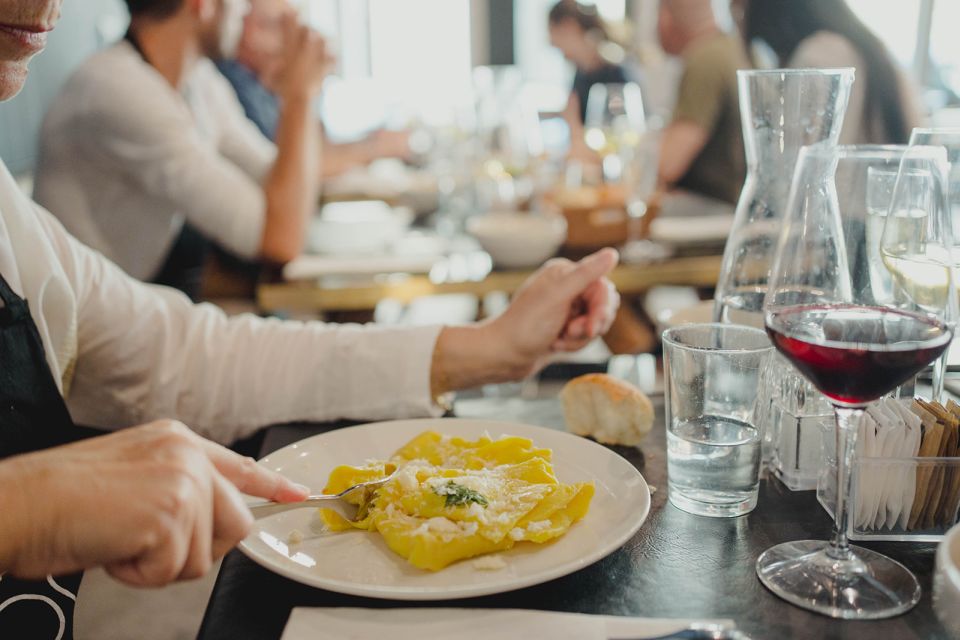
This experience doesn’t just hand you an apron and send you away. It includes drinks and a meal.
You get:
- Prosecco
- Wine
- Soft drinks
- A delicious homemade meal
Some past participants also mention additional items like bread, coffee, and lemoncello as part of the overall meal setup. Even if that varies slightly by session, the consistent takeaway is that you eat like you’re part of the evening, not like you’re cleaning up after a class.
That changes the value equation. Cooking classes can be expensive when you only pay for instruction. Here, you’re paying for instruction plus the full experience of sitting down to enjoy what you made.
And yes, the pairing with wine fits the Rome rhythm: learn something, make something, then reward yourself properly.
Price and Value: Is $65 Fair for Rome?
The price is $65 per person for a 2.5-hour experience. In Rome terms, that can sound either reasonable or steep depending on what you compare it to.
Here’s the value breakdown that makes the price make sense for many people:
- You get hands-on skills (not a passive tasting)
- The class supplies fresh ingredients and equipment
- You benefit from chef guidance in English
- You’re in an air-conditioned setting
- You get Prosecco and wine, plus soft drinks
- You eat a homemade meal
- You receive recipes after the class
- The location is highly practical: near the Opera House
If you’d otherwise spend that day bouncing between paid attractions and a basic restaurant meal, this class can work as a “do something different” anchor. It’s also a stronger memory than another photo stop, because you’ll have a real technique to take home.
If your budget is tight, you may decide the drinks and meal are the reason the price stays firm. But if you care about cooking, even a little, you’re paying for both learning and dinner.
Who This Class Is Best For (and Who Should Skip It)
This works especially well if:
- You want a fun, social food activity in central Rome
- You like hands-on learning more than watching
- You travel with friends (it’s easy to chat during prep and dinner)
- You’d like a skill you can repeat, not just a one-night meal
- You want something that feels comfortable in warm weather thanks to air conditioning
It might not fit as well if:
- You’re obsessed with mastering Italian sauces from scratch. This is a pasta-forward class.
- You want a very long meal. This is a focused 2.5-hour format.
- You dislike structured classes where you follow steps closely.
The Small Extras That Make It Feel Like an Experience
A few details push this from basic cooking lesson into something you’ll remember:
- Recipes sent after class give you a safety net for recreating results later
- A welcoming start with drinks sets the tone immediately
- Comfort details like air conditioning help you enjoy the process instead of counting minutes
- The class is built around a sensible rhythm: rest time for dough, active time for tiramisù
If you’re celebrating something, this format also makes sense. Cooking plus dinner plus a friendly group can turn a simple date into a story you’ll keep telling.
Should You Book This Pasta and Tiramisù Class?
If you want an enjoyable Rome activity that mixes real technique with a proper meal, I’d say book it. The combination of pasta-making you can actually do, tiramisù as a second skill, and the comfort of air-conditioned workstations makes this feel like more than a gimmick.
Just go in with one expectation set: this is mainly about pasta. You’ll learn the heart of the technique, and you’ll still get a full dinner experience, but don’t treat it like a sauce masterclass.
If that matches your goal, you’ll likely walk out with friendships, new confidence in the kitchen, and a recipe set you can use again.
FAQ
Where is the meeting point?
You meet at iQ Hotel’s blue building, on the left side of the Opera House.
How long is the cooking class?
The duration is 2.5 hours.
Is the class taught in English?
Yes, the instructor teaches in English.
What do I make during the class?
You prepare pasta and tiramisù.
Are drinks included?
Yes. The class includes Prosecco, wine, and soft drinks.
Is there air conditioning in the class space?
Yes. There is an air-conditioned workstation.
Do I get recipes to take home?
Yes. Recipes are sent after the class.
What is the cancellation policy?
Free cancellation is available up to 24 hours in advance for a full refund.