REVIEW · DAY TRIPS FROM ROME
From Rome: Ostia Antica 4-Hour Guided Tour
Book on GetYourGuide →Operated by Roma Experience Tours · Bookable on GetYourGuide
Fewer crowds, big Roman drama. A guided trip to Ostia Antica turns Rome’s ancient “working city” into a story you can walk through, from the port streets to the public monuments. Two highlights that I really like: the well-preserved Roman theater you can still picture in use, and the way the guide connects the ruins to daily life at the mouth of the Tiber.
Next, I like that you get real context, not just photos—grain, marble, slaves, and wine moving through the port helps everything make sense. One drawback to consider is logistics: the meeting spot (often near Piramide Metro) can feel a little sketchy while you wait, so plan to arrive a few minutes early and keep your group together.
In This Review
- Key highlights at a glance
- Ostia Antica: Rome’s Ancient Port City, Fast
- From Rome by Train: Why the 20 Minutes Matters
- The Roman Theater: A Still-Working View of Entertainment
- Capitolium, Baths of Neptune, and House of Diana
- The Port Story: Goods, People, and the Real Meaning of Ostia
- Rome’s Sinful Side: The Brothel and What It Teaches
- Necropolis Tombs and Eerie Silence
- Temples, Shops, and Green Grounds: How the Walking Feels
- Guide Quality, Private Group Style, and What You’re Actually Paying For
- What to Bring and How to Plan Your Half-Day
- Who This Tour Fits Best (and Who Might Want Another Plan)
- Should You Book This Ostia Antica Tour?
- FAQ
- How long is the Ostia Antica guided tour?
- How do you get from Rome to Ostia Antica?
- What’s included in the tour price?
- Is food or drink included?
- Do you need to buy tickets on the day?
- Is the tour suitable for wheelchair users or limited mobility?
Key highlights at a glance
- 20-minute train ride from Rome to get you into the ruins fast
- Roman theater that’s still in remarkably good shape, with occasional performances
- Capitolium and public monuments at the center of civic life
- Port-life details like the flow of goods and people into Rome
- Brothel area and street-level shops that show Rome’s less-polished side
- Necropolis tombs that feel eerie in a quiet way
Ostia Antica: Rome’s Ancient Port City, Fast
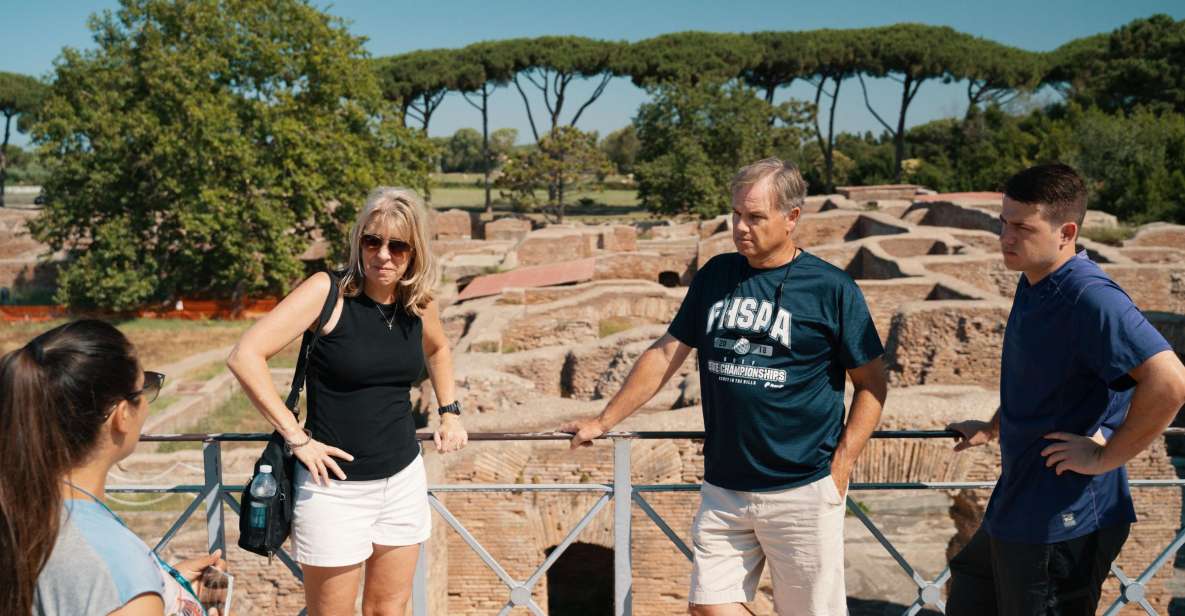
Ostia Antica is what you go to when you want Rome’s scale without Rome’s scale-level crowd. This was the ancient harbor city at the mouth of the River Tiber, and it worked like the gateway and gatekeeper of Rome. Seeing it with a guide helps you understand that it was not a backwater—it was busy, complex, and essential.
What I love about this kind of place is how readable it is. Streets, shopfronts, monuments, and houses sit close together, so you get an instant sense of how people moved. And with a half-day format, you won’t feel like you’re spending your whole trip just getting oriented.
Also, the ruins here are often described as more pleasant than the big-name alternatives, and that matches the overall vibe: you can actually pause and look without battling constant lines.
You can also read our reviews of more tours and experiences in Ostia Antica.
From Rome by Train: Why the 20 Minutes Matters
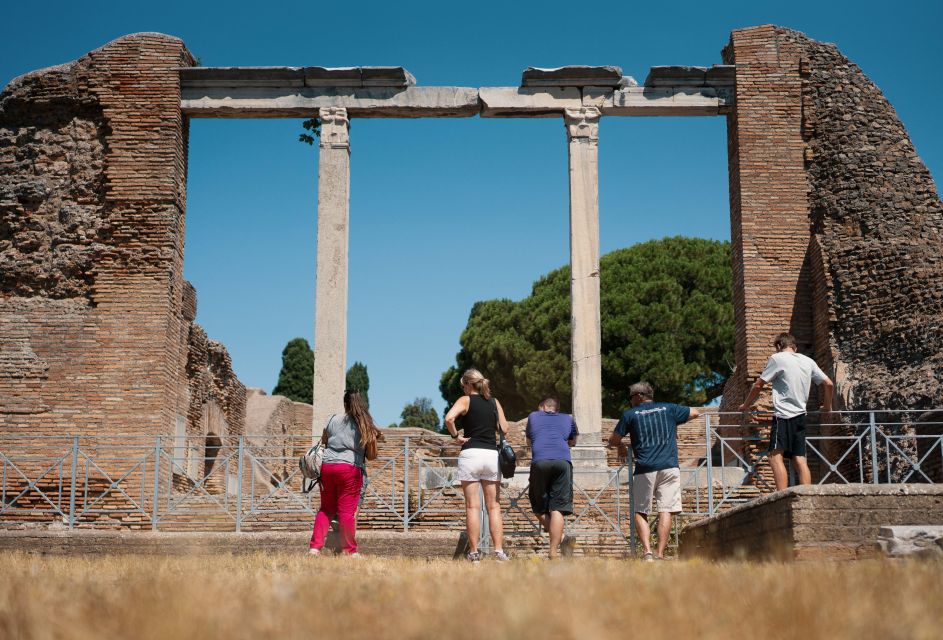
The tour starts with train travel from the city center, taking less than 20 minutes. That short ride is a big deal for your energy. You’re not burning half your day just to reach the site, and you’re more likely to enjoy the walking instead of just tolerating it.
Your guide accompanies you through the experience, and the tour includes both the train ticket and admission. You also get skip-the-ticket-line access, which saves time right when you’d otherwise be stuck in a queue. That doesn’t make the day longer, but it makes it smoother.
If your pickup or meet point is near Piramide Metro, I recommend having a clear plan for where to wait and how to spot your group. One person called out the area around the meeting spot as a bit dodgy while standing around, so I’d treat that as a cue to arrive early, stay aware, and don’t wander off alone.
The Roman Theater: A Still-Working View of Entertainment
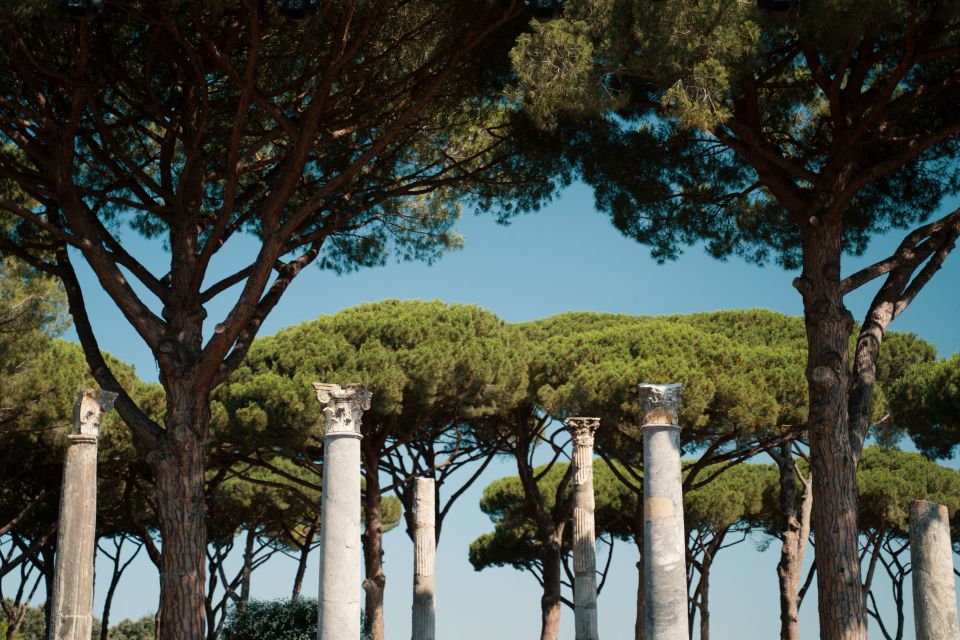
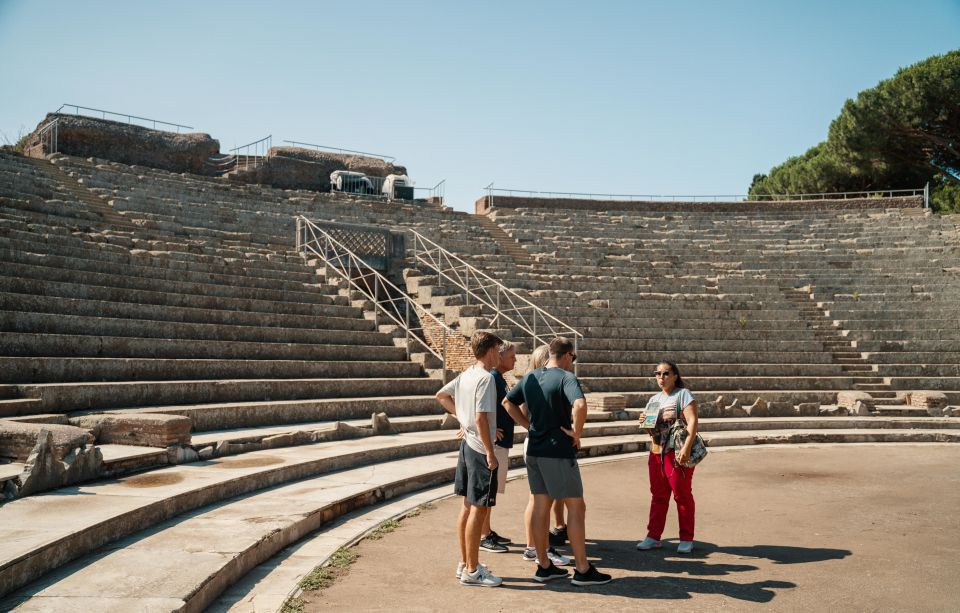
One of the most memorable stops is the Roman theater. It’s well preserved, and it still has a sense of being usable even though it’s been silent in the modern sense for centuries. What you’re looking at becomes easier to picture because the guide ties the theater to how public life functioned in Roman cities.
This is the kind of site where you can understand why Romans cared about performances. The architecture is legible, and the setting helps you imagine spectators moving in and taking seats. It’s also a good place to slow down, look around, and notice how the structure holds sightlines.
One practical note: theaters and monuments mean uneven ground at times. Bring comfortable shoes. If your feet start complaining, you’ll rush. If they’re happy, you’ll take your time.
Capitolium, Baths of Neptune, and House of Diana

At the heart of civic and religious life, the Capitolium helps you see how Romans designed power. This is where public monuments sit at the center of the city’s story, and it’s a strong stop if you like understanding the rules of society, not just the buildings.
Then you move into the more relaxed, everyday rhythm of the Baths of Neptune. Roman bath complexes were about hygiene, yes, but also about social life and status. Even if you don’t know every term the first time, the guide gives you the big picture so you’re not staring at a ruin and guessing.
The House of Diana brings it back to private life. Visiting a house inside a historic site is one of the best ways to feel the contrast between public monuments and domestic spaces. These are the moments where you realize the city wasn’t only temples and ceremonies—it also had homes with their own design logic, privacy rhythms, and everyday routines.
The Port Story: Goods, People, and the Real Meaning of Ostia
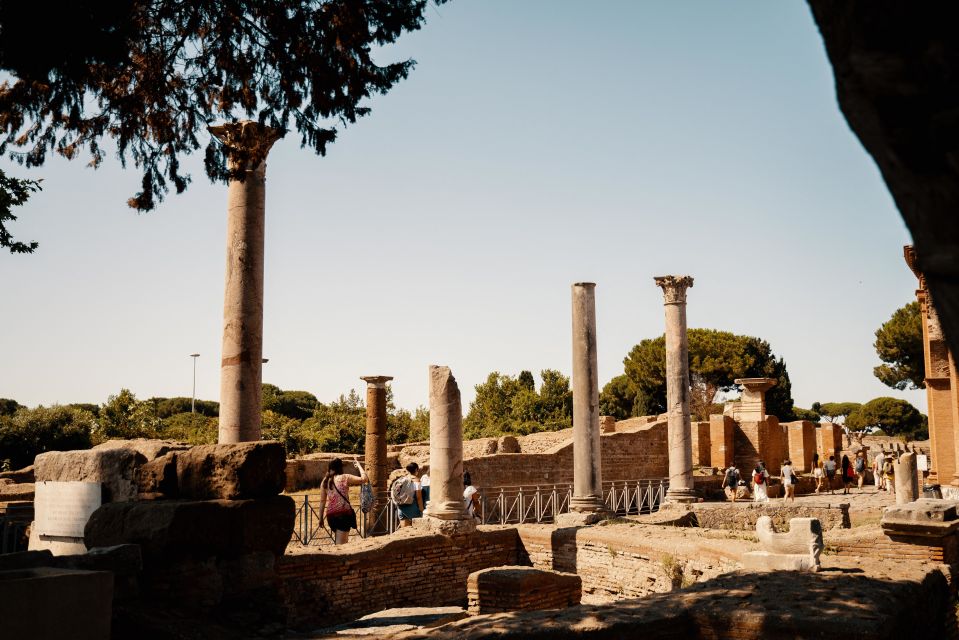
Ostia’s biggest value isn’t just that it’s old. It’s that it explains how Rome functioned. The tour focuses on Ostia as the “mouth” of the River Tiber, where goods and people moved into Rome’s orbit. You learn that grain from Sicily, marble from Africa, slaves from Asia, and wine from Spain were processed here on the way to the capital.
That’s the kind of detail that changes how you look at the ruins. Instead of thinking of Ostia as a set of buildings, you start seeing it as an engine. Workshops, storage, transport, and street life all fit into one system.
The tour also highlights ancient shops that remain intact, including a fish shop with stunning mosaics. You’ll get a feel for what was traded and how visual design mattered even in everyday commerce.
Rome’s Sinful Side: The Brothel and What It Teaches
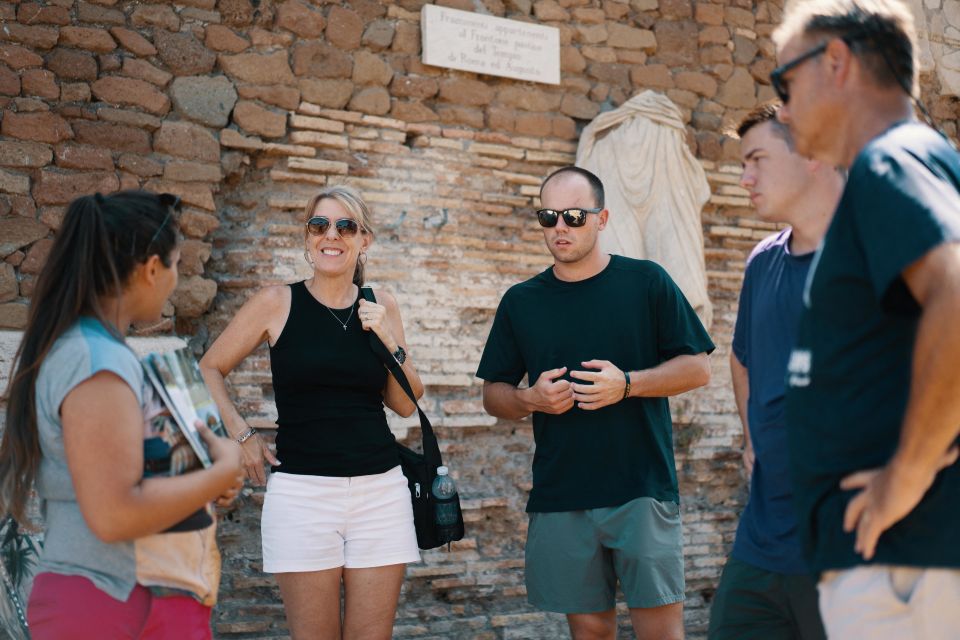
One of the more surprising highlights is the area linked with a local brothel. If you assume ancient Rome was only marble and morals, this stop corrects that quickly. It shows you that the city had a full range of human behavior and a complicated social reality.
What I like about including this is that it makes the site feel honest. The brothel context isn’t just shock value; it connects to how Romans managed public life and how entertainment and commerce overlapped. The guide’s role here is important, because it keeps the topic grounded and explains what you’re seeing instead of leaving you to interpret awkward fragments alone.
If you’re sensitive to adult themes, this is the one point in the day that might feel uncomfortable. But it’s brief and handled as part of understanding the full picture of Roman urban life.
Necropolis Tombs and Eerie Silence
Then the tour shifts mood with the Necropolis. Tombs can feel repetitive when you rush through them, but here the atmosphere does the work. In a quieter part of the site, you get that eerie feeling that only comes when a place is still physically close enough to make you imagine real lives.
This stop also gives balance. You’ve seen theaters and bath spaces and public buildings. The necropolis reminds you that Romans planned for death as carefully as they planned for civic identity. It’s not a theme park mood. It’s reflective, and the guide’s pacing helps you absorb it without turning it into a somber lecture.
Bring your eyes, not just your camera. The power here is in noticing how the dead space connects to the living city around it.
Temples, Shops, and Green Grounds: How the Walking Feels
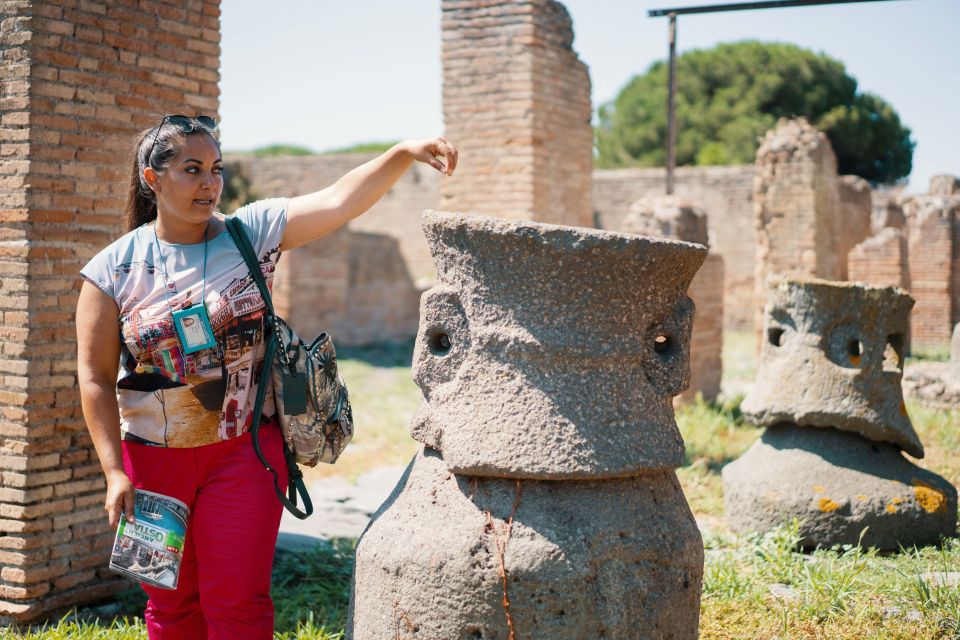
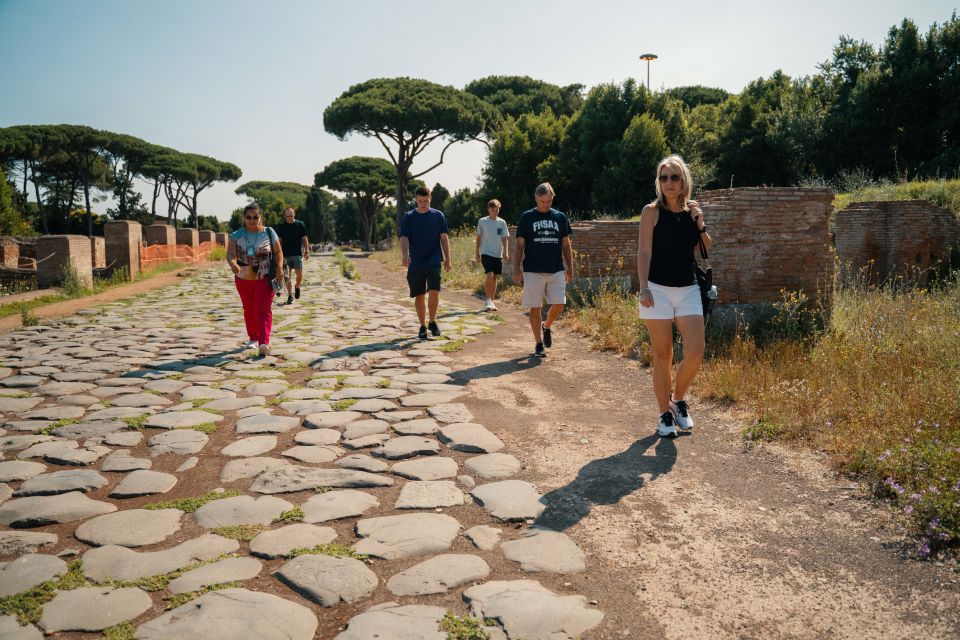
Ostia is a site where the walking pace matters. With a guide, you move in a logical path so the monuments don’t feel like random stops. You’ll also encounter remarkably well-preserved Roman temples, which help round out the mix of civic, sacred, and domestic spaces.
The grounds include green and pleasant areas too. That means breaks don’t feel like you’re forcing them. You can rest your legs while staying on the site’s rhythm, not trekking back and forth.
There’s a restaurant and cafe located inside the park, which is convenient for a drink or a bite. Just remember food and drinks aren’t included in the tour price, so plan to cover your own lunch snack if you want one.
Guide Quality, Private Group Style, and What You’re Actually Paying For
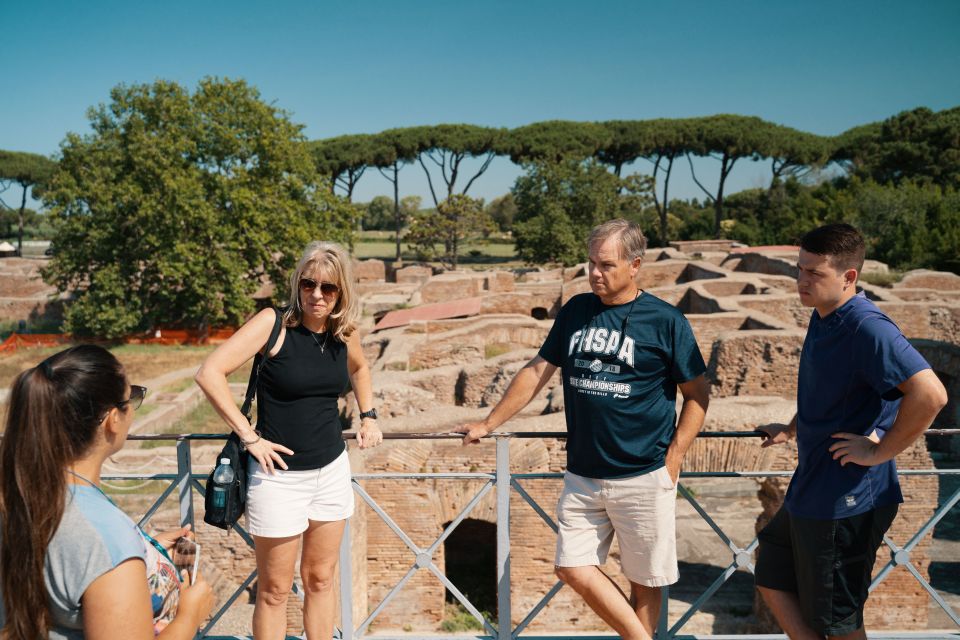
This tour is listed as a private group with a live English (plus Arabic, French, Spanish) guide, and reviews consistently point to guides who make the day relaxed and very informative. One name that came up strongly is Valeria, with praise for how knowledgeable and engaging she can be.
That matters because Ostia can be a “look and guess” site if you go solo. A good guide helps you connect what you see to how the city worked—public institutions, commerce, entertainment, housing, and death—all in one coherent story.
Now, about the price: it’s $648.74 per person for a half-day tour that includes admission, train tickets, and the guide. On a purely cash basis, that’s a splurge compared with self-guided options. But you’re buying three things that add up quickly: time saved with skip-the-line entry, someone who can explain what you’re looking at, and the friction-free train plan handled as part of the experience.
It becomes more “worth it” when you value interpretation over independent navigation—especially if you want to avoid feeling rushed or lost in a large archaeological park.
What to Bring and How to Plan Your Half-Day
This is an outdoor ruins day, so you’ll want to dress for weather and ground conditions. Bring comfortable shoes and consider a hat if the sun is strong. The site involves walking, standing, and moving between areas.
Timing is also part of the strategy. The tour runs about 4.5 hours, and starting times vary, so pick a departure that matches your energy level. If you go too late in the day, you can end up pushing through with tired legs instead of enjoying the details.
If you’re taking public transit, leave a little breathing room for the meeting point. That’s especially true if you’re meeting near Piramide Metro, where waiting can feel unglamorous. Arrive early, check the meeting details you were given, and don’t stress if it takes a minute to coordinate the group.
Who This Tour Fits Best (and Who Might Want Another Plan)
This is a great match if you want a curated walk through an important site without spending hours building your own route. It’s also ideal for people who like Roman culture but don’t want to choose between history lectures and practical logistics.
It’s not suitable for people with mobility impairments or wheelchair users, based on the tour’s accessibility limitations. If you need step-free access, you’ll want to choose a different option designed around accessibility.
If your travel style includes small-group attention and you prefer a guide to help you read what you’re seeing, this private format is the right direction.
Should You Book This Ostia Antica Tour?
Book it if you want Rome’s port life explained in a focused half-day, with skip-the-line entry, train tickets, and a guide who can turn stone and mosaics into something you can understand. The Roman theater, Capitolium, Baths of Neptune, House of Diana, necropolis tombs, and even the brothel context make a strong set of contrasts that adds up to a real sense of the city.
Skip it—or at least reconsider—if you’d rather wander at your own pace with no structure. At this price, the value comes from interpretation and smooth logistics, not just the ruins on their own.
FAQ
How long is the Ostia Antica guided tour?
The tour lasts about 4.5 hours. Starting times vary, so you’ll want to check the available departure options.
How do you get from Rome to Ostia Antica?
You travel by train from Rome to Ostia Antica, taking less than 20 minutes, and the guide accompanies you.
What’s included in the tour price?
The price includes the admission ticket, the train ticket, and a live guide.
Is food or drink included?
No. Food and drinks are not included, but there is a restaurant and cafe inside the park where you can stop.
Do you need to buy tickets on the day?
You don’t need to handle tickets separately because skip-the-ticket-line entry is part of the experience, and admission is included.
Is the tour suitable for wheelchair users or limited mobility?
No. The tour is not suitable for people with mobility impairments and is not suitable for wheelchair users.